
Carbon Fiber Composite Material Hot Pressing Molding Process
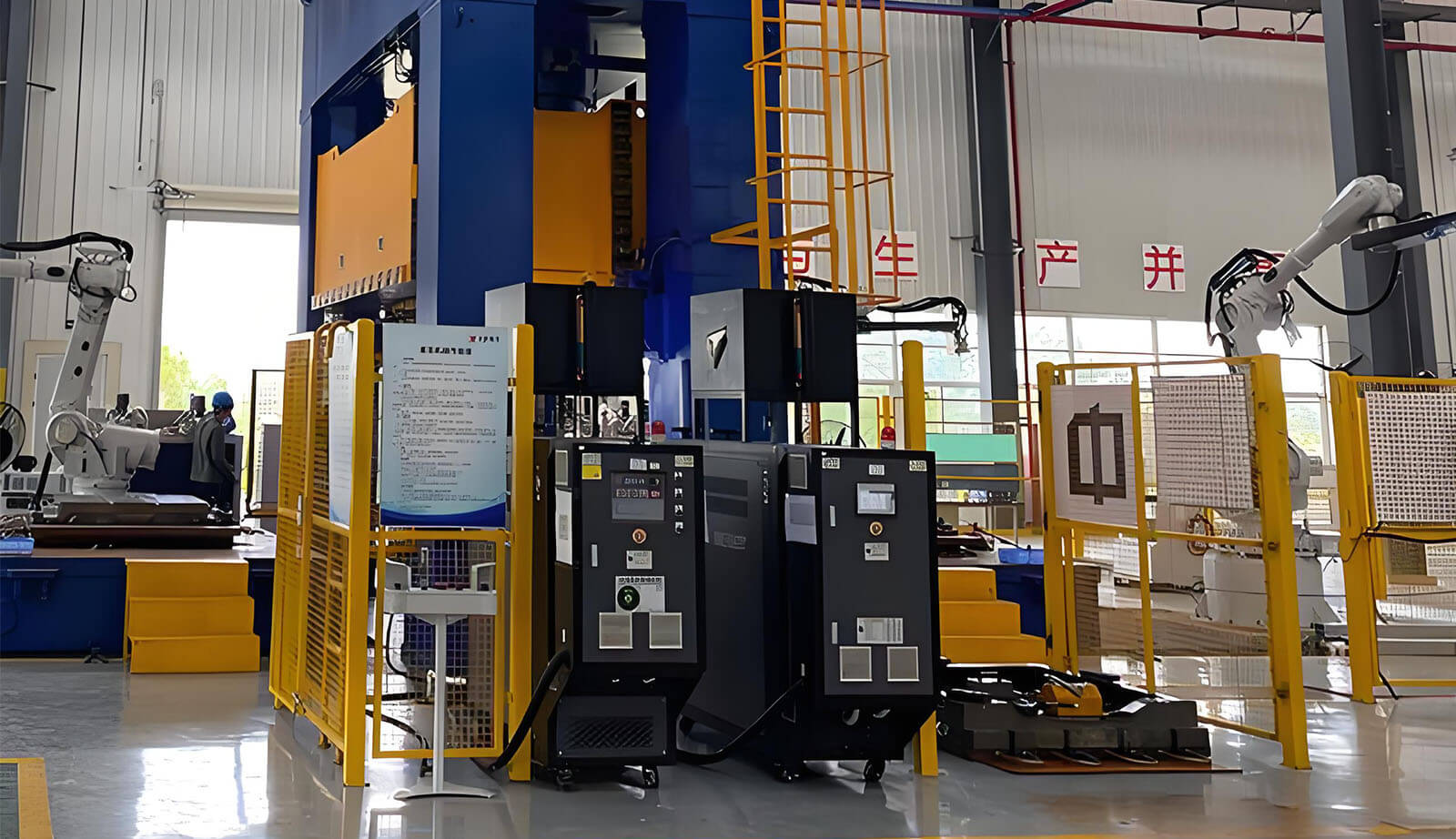
Our factory employs an advanced carbon fiber hot press process with a P20 steel mold, ensuring high efficiency, precision, durability, and cost-effectiveness for quality production.
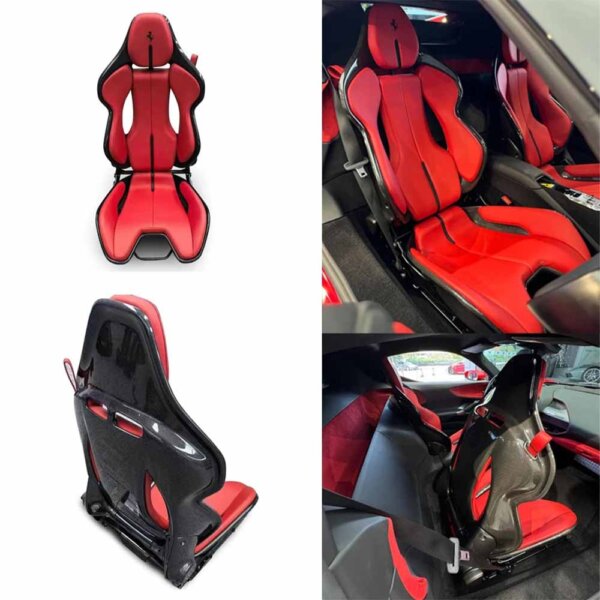
Carbon fiber bucket seats are high-performance car seats made from super strong, super light materials. These seats help your car go faster by cutting weight. They keep you safe during hard turns and crashes. Many race car drivers use them. Street car fans love them too.
Unlike regular car seats, bucket seats wrap around your body. They hold you tight when you drive fast. The carbon fiber cars industry uses these seats to make vehicles faster and safer.
| Seat Type | Weight | Strength |
|---|---|---|
| Steel Frame Seats | 25-40 lbs | Medium |
| Aluminum Seat Frames | 18-25 lbs | Medium-High |
| Fiberglass Seats | 15-22 lbs | Medium |
| Carbon Fiber Seats | 12-18 lbs | Very High |
Carbon fiber bucket seats weigh 40% less than steel-frame seats. This weight reduction helps your car in many ways:
The carbon fiber seat frames use aerospace-grade materials. This means the same stuff that goes into airplanes. It’s stronger than steel but weighs much less.
Our carbon fiber bucket seats use 3K carbon fiber weave patterns. Some models have 12K weave for extra strength. The carbon fiber seat construction follows strict rules:
The carbon fiber seat shells are built in a custom composite factory with years of experience. Each seat goes through carbon fiber seat crash testing to keep you safe.
Racing seat safety standards matter. Our seats have:
The FIA-approved bucket seats work for competition bucket seats and street use. The carbon fiber seat safety features include:
| Parameter | Specification | Benefit |
|---|---|---|
| Weight | 12-18 lbs | Drop 30+ lbs per car |
| Load Capacity | 280 lbs static / 180 lbs dynamic | Handles hard racing |
| Heat Resistance | Up to 300°F | No melting or warping |
| Dimensions | Standard/Wide sizes | Fits most drivers |
| Mounting | Side-mount/Bottom-mount | Works in any car |
The carbon fiber seat weight savings help your whole car. Less weight means:
Racing seat ergonomics matter for long drives. Our carbon fiber bucket seats have:
The carbon fiber seat comfort comes from smart design. We studied how bodies move during racing. The racing seat back angle keeps your spine safe. Thigh support stops leg pain on long tracks.
Track day seats need to handle extreme forces. Our track-focused seating works for:
The track car seating solutions keep you planted. During hard turns, cheap seats let you slide. Fixed-back racing seats lock you in place. This helps you:
Motorsport bucket seats follow strict motorsport seat regulations. Professional racers use our motorsport seating because:
Not everyone races full-time. Many drivers want aftermarket performance seats for daily cars. Our seats work as OEM replacement bucket seats for:
The carbon fiber reclining seats option adds comfort for street driving. You get performance seat adjustability without losing the race-ready feel.
Racing seat installation is easier than you think. We offer:
The carbon fiber seat mounting hardware includes:
Performance seat compatibility covers most vehicles. Our carbon fiber seat fitment works with:
The universal brackets fit when car-specific options don’t exist. Check our racing seat fitment guide before buying.
The carbon fiber seat weave patterns affect looks and strength:
Our carbon composite manufacturer uses the best carbon fiber seat materials available. The carbon fiber seat manufacturing process takes skill and time.
Some seats use carbon-Kevlar hybrid construction. This adds:
The FRP (Fiber Reinforced Plastic) base layer supports the carbon. This carbon fiber seat technology comes from aerospace engineering.
The carbon fiber seat production process includes:
Each step ensures carbon fiber seat longevity and carbon fiber seat stiffness.
Lightweight bucket seats improve cars in measurable ways:
| Benefit | How It Helps |
|---|---|
| Acceleration | Less weight = faster launch |
| Braking | Shorter stopping distance |
| Handling | Better balance in turns |
| Fuel Economy | Less weight = less gas |
The carbon fiber seat weight difference adds up. Remove two factory seats and add our lightweight car seating. You save 30-50 pounds easily.
Carbon fiber seat durability beats other materials:
Carbon fiber seat maintenance is simple:
The carbon fiber seat longevity means years of use. Many racers use the same seats for 10+ years.
Carbon fiber seat aesthetics turn heads. The carbon fiber seat design shows you mean business. Options include:
The custom carbon fiber options let you match your car’s theme.
| Brand | Known For | Price Range |
|---|---|---|
| Sparco | FIA racing seats | $1,200-$2,500 |
| Recaro | German engineering | $1,500-$3,000 |
| Bride | JDM style seats | $1,800-$2,800 |
| OMP | Budget race seats | $800-$1,500 |
| Cobra Seats | UK craftsmanship | $1,000-$2,000 |
| Corbeau | American seats | $700-$1,400 |
Other respected carbon fiber seat brands include:
Carbon fiber seat price depends on:
The carbon fiber seat cost ranges from $800-$2,500. Cheaper seats may skip FIA Homologation. Always check motorsport seat certifications before buying for racing.
The carbon fiber seat resale value stays high. Quality seats from Recaro, Sparco, or Bride hold value well.
Many ask about carbon fiber seat vs. fiberglass:
| Factor | Carbon Fiber | Fiberglass |
|---|---|---|
| Weight | 12-18 lbs | 15-22 lbs |
| Strength | Very High | Medium |
| Flex | Minimal | Some |
| Cost | Higher | Lower |
| Durability | Excellent | Good |
Fiberglass seats cost less but crack easier. The carbon fiber seat alternatives can’t match the performance seat material comparison.
Traditional steel seat frames are outdated for racing:
Aluminum seat frames split the difference but still weigh more than carbon.
The racing seat side impact protection uses thick carbon layers. The side bolsters extend high to guard ribs and shoulders. During a side crash, the carbon fiber seat strength spreads impact force.
Carbon fiber seat fire resistance exceeds standards. The epoxy resin won’t support flames. The heat resistance to 300°F means:
Harness slots in the seat back work with:
The racing seat harness compatibility includes 5-point and 6-point setups. Proper belt routing through harness slots is critical for safety.
Racing seat padding options include:
The racing seat ventilation comes from:
This performance seat airflow keeps you cool during summer track day seats events.
While fixed-back racing seats are lightest, some drivers want movement. Carbon fiber reclining seats offer:
The performance seat adjustability helps when multiple drivers share one car.
Carbon fiber seat thermal properties matter in racing:
The carbon fiber seat heat resistance means your back won’t burn on hot days.
Carbon fiber seat vibration damping smooths rough rides. The material absorbs:
This lightweight seat vibration control reduces fatigue.
The carbon fiber seat market trends show:
Some companies now offer carbon fiber seat OEM replacements for popular sports cars. The carbon fiber seat OEM options fit perfectly without modifications.
Coming soon to racing seat design:
✓ Certification level (FIA, SFI, or none) ✓ Weight limit matches your body ✓ Mounting type fits your car ✓ Size (standard, wide, or narrow) ✓ Budget for seat plus hardware ✓ Brand reputation and reviews
Purchase from:
Avoid cheap knockoffs. Fake carbon fiber bucket seats may not protect you in crashes.
Every 3 months:
Carbon fiber seat maintenance is straightforward and low-cost compared to traditional seats. Regular cleaning with mild soap and a soft cloth is sufficient. Avoid abrasive cleaners or solvents, and periodically inspect mounting points and harness slots to ensure long-term safety and performance.
From a carbon fiber manufacturer’s perspective, the true value of a carbon fiber bucket seat is determined not by appearance alone, but by engineering discipline and manufacturing consistency.
Fiber layup design, resin system selection, curing method, and mold accuracy all play a critical role in weight control, structural integrity, and crash performance.
While many seats on the market use carbon fiber mainly for visual appeal, genuinely high-performance seats are engineered around load paths, impact energy management, and repeatable production quality. Certifications such as FIA or SFI are important benchmarks, but long-term safety and reliability ultimately depend on process control and material expertise.
For motorsport, OEM, and professional performance applications, working with an experienced carbon composite manufacturer ensures that a seat is not only lightweight, but purpose-built for its intended use.
Carbon fiber bucket seats are not one-size-fits-all products. Requirements vary significantly between track-only cars, street–track hybrids, OEM replacement programs, and motorsport projects. Factors such as driver size range, mounting architecture, certification targets, production volume, and cost structure all influence the final design.
For teams, brands, and builders seeking long-term solutions, early technical communication and manufacturer involvement help avoid compromises later in the project. A collaborative approach allows performance, safety, manufacturability, and cost to be balanced from the outset — resulting in a seat that performs as intended throughout its service life.
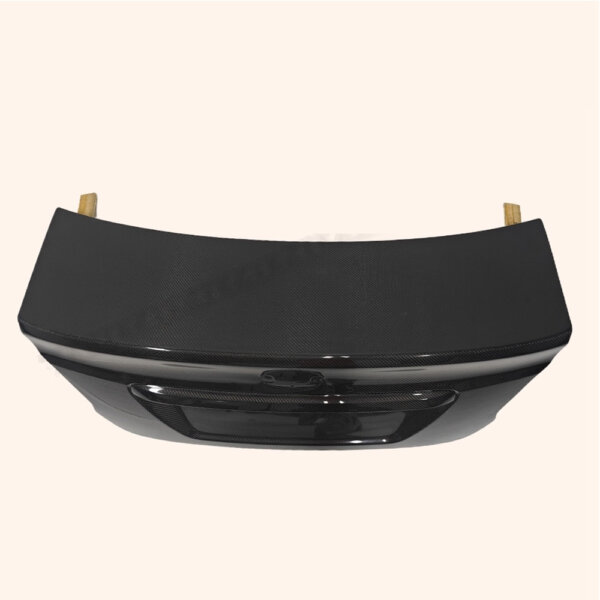

Our factory employs an advanced carbon fiber hot press process with a P20 steel mold, ensuring high efficiency, precision, durability, and cost-effectiveness for quality production.
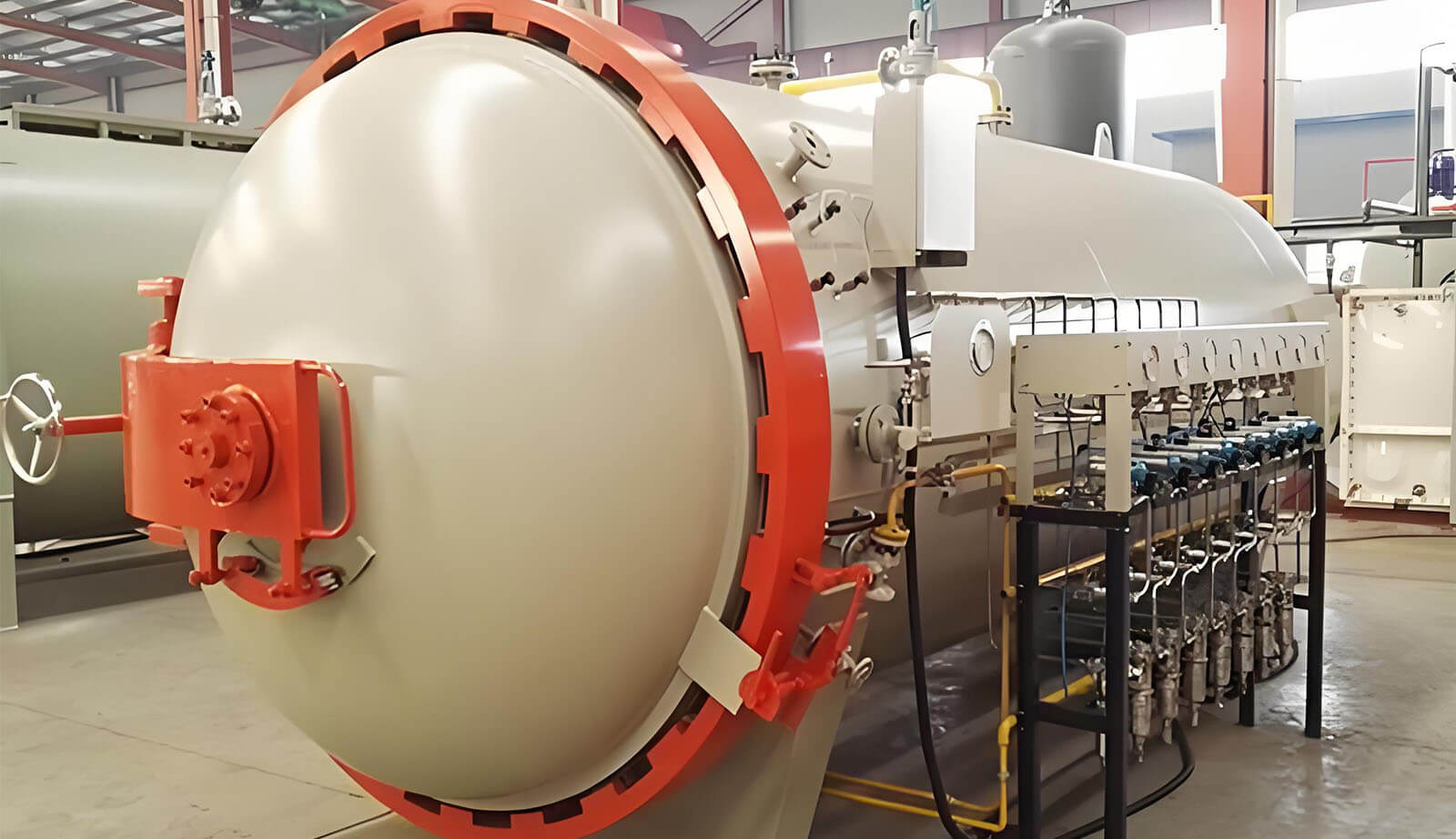
Our factory runs 100+ hot pressure autoclaves, using aluminum molds and vacuum induction to shape carbon fiber with precision. High heat and pressure enhance strength, stability, and flawless quality.
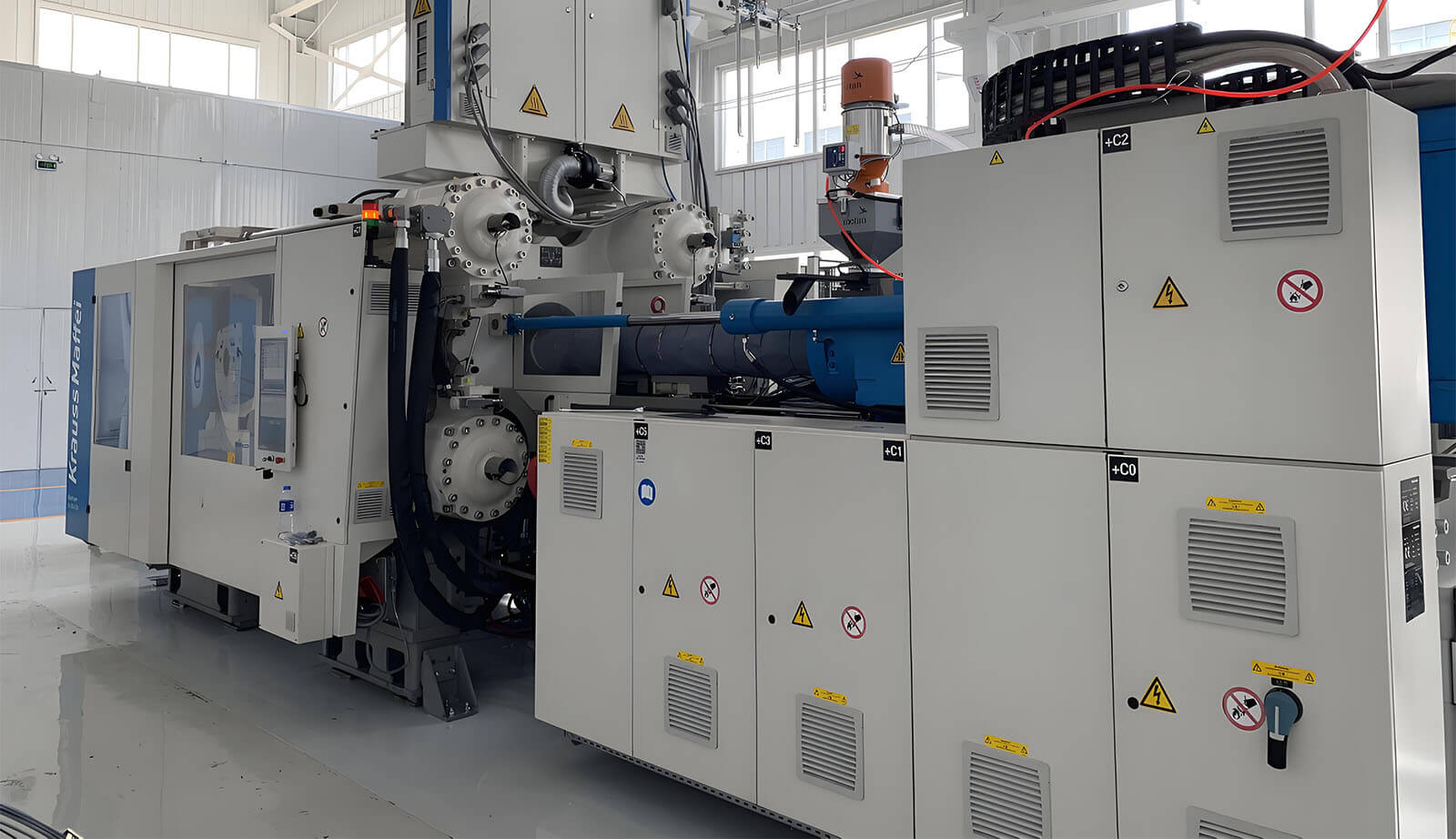
Our Carbon Fiber Research Center drives innovation in new energy, intelligence, and lightweight design, using advanced composites and Krauss Maffei FiberForm to create cutting-edge, customer-focused solutions.
Here are the answers to the frequently asked questions from the experienced carbon fiber products factory
We produce a wide range of carbon fiber components, including automotive parts, motorcycle parts, aerospace components, marine accessories, sports equipment, and industrial applications.
We primarily use high-quality prepreg carbon fiber and large-tow carbon fiber reinforced high-performance composites to ensure strength, durability, and lightweight characteristics.
Yes, our products are coated with UV-protective finishes to ensure long-lasting durability and maintain their polished appearance.
Yes, our facilities and equipment are capable of producing large-size carbon fiber components while maintaining precision and quality.
What are the benefits of using carbon fiber products?
Carbon fiber offers exceptional strength-to-weight ratio, corrosion resistance, stiffness, thermal stability, and a sleek, modern appearance.
We cater to automotive, motorcycle, aerospace, marine, medical, sports, and industrial sectors with a focus on lightweight and high-performance carbon fiber components.
Yes, we provide custom carbon fiber solutions tailored to your specifications, including unique designs, sizes, and patterns.
We utilize advanced technologies such as autoclave molding, hot pressing, and vacuum bagging, ensuring precision, stability, and quality in every product. wonders with the Hello Elementor Theme, we’re trying to make sure that it works great with all the major themes as well.
We use aluminum and P20 steel molds, designed for durability and high accuracy, to create complex and precise carbon fiber components.
Our products undergo rigorous quality control checks, including dimensional accuracy, material integrity, and performance testing, to meet industry standards.