
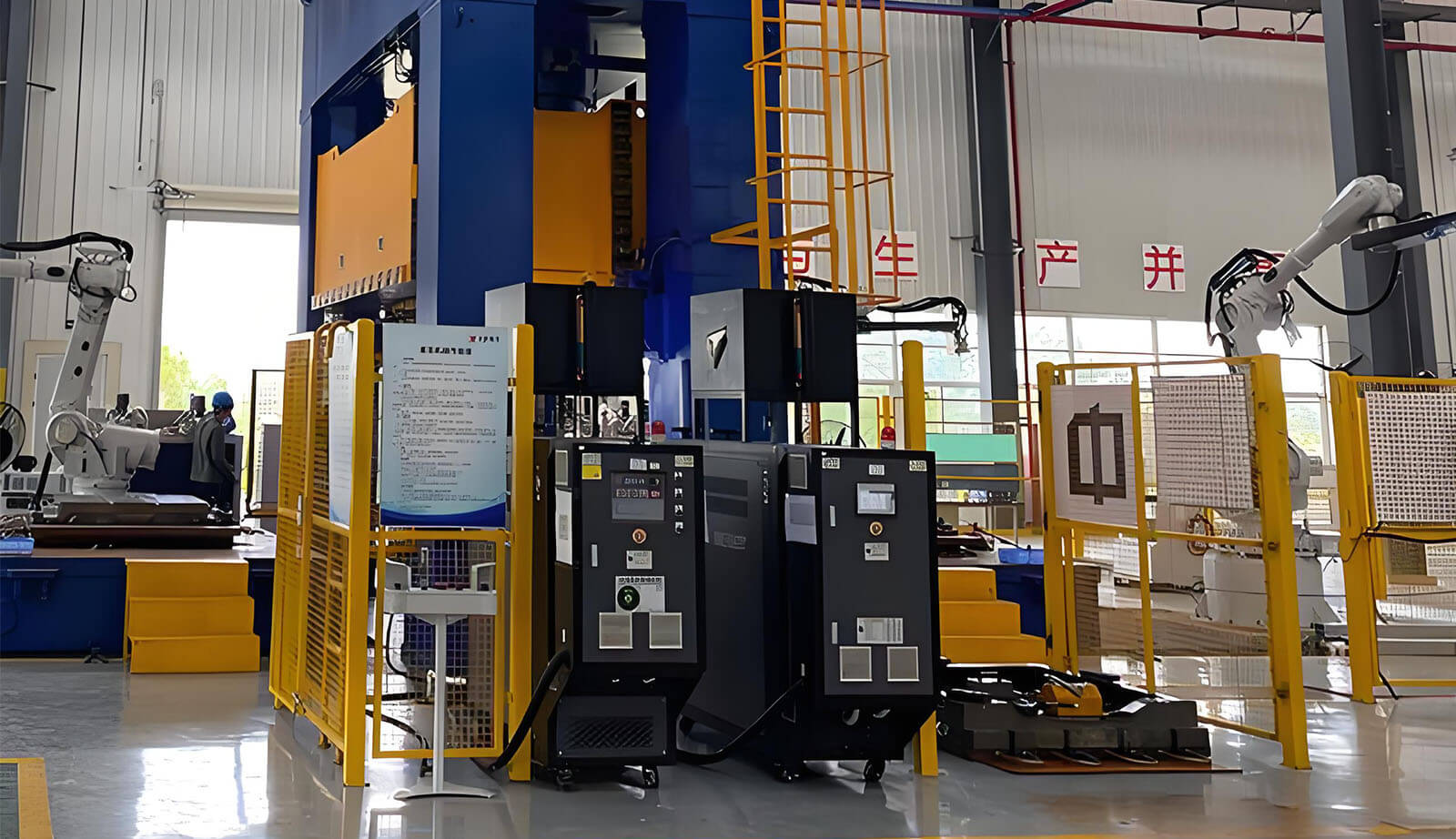
Carbon Fiber Composite Material Hot Pressing Molding Process
Our factory employs an advanced carbon fiber hot press process with a P20 steel mold, ensuring high efficiency, precision, durability, and cost-effectiveness for quality production.
Looking for a reliable carbon fiber prepreg supplier?
We supply high-performance carbon fiber prepreg materials for aerospace, automotive, and industrial applications, with OEM customization, consistent quality, and competitive factory pricing.
✔ Available in T700, T800, IM7, M55J
✔ Epoxy, BMI, and phenolic resin systems
✔ MOQ flexible — from prototyping to mass production
Send us your requirements or STEP files — our engineers will support you within 24 hours.
Carbon fiber prepreg is carbon fiber fabric that’s already soaked in resin. It is carbon fiber reinforcement that has been pre-impregnated with a controlled amount of resin, allowing more consistent processing and part quality.
You just cut it, lay it up, and cure it. No messy resin mixing. No guesswork on ratios.
The result is a lightweight, high-strength composite material with more consistent processing and performance.
As a trusted carbon composite manufacturer, we supply prepreg materials for demanding aerospace, automotive, and industrial applications, with quality control based on recognized industry standards such as ASTM testing and ISO quality systems.
Here’s what makes carbon fiber prepreg stand out:
| Parameter | Details |
|---|---|
| Fiber Type | Toray T700, T800, M55J / Hexcel IM7, AS4 / Mitsubishi Carbon |
| Resin System | Epoxy (120°C–180°C), BMI (high-temp), Phenolic (fire-rated) |
| Fabric Style | Unidirectional, 2×2 Twill Weave, Plain Weave, Non-crimp |
| Areal Weight | 125–300 gsm |
| Resin Content | 35% ± 2% |
| Ply Thickness | 0.1–0.5 mm |
| Tensile Strength | 600–700 ksi |
| Modulus | 33–36 Msi |
| Curing Temperature | 120°C–180°C |
| Cure Method | Autoclave, Out-of-Autoclave (OoA), Vacuum Bagging |
| Shelf Life | 6–12 months (stored at -18°C) |
| Certifications | ISO 9001, ASTM D3039, NADCAP |
| Price Range | $50–$200/kg (bulk discounts available) |
Not all prepreg is the same. Here are the main types you’ll work with:
All fibers run in one direction. This gives the highest tensile strength along that axis. It’s the top choice for wing spars, robotic arms, and wind turbine blades.
Fibers run in two directions — over and under like a basket. The most common styles are 2×2 twill (that classic carbon look) and plain weave. Great for body panels, motorcycle fairings, and curved parts.
Fibers stay straight and flat — no waviness. This gives better mechanical properties than woven. Perfect for aerospace structures and structural automotive parts.
Want help choosing? Visit our guide on how to work with carbon fiber for a full breakdown.
The resin system is the glue that holds everything together. Here’s a quick guide:
| Resin Type | Cure Temp | Best For | Key Benefit |
|---|---|---|---|
| Epoxy Prepreg | 120°C–180°C | Aerospace, Automotive, Sports | Best overall performance |
| Bismaleimide (BMI) | 180°C–230°C | Spacecraft, Defense, Racing | Extreme heat resistance |
| Phenolic | 150°C–180°C | Aircraft interiors, Rail | Fire and smoke resistance |
Epoxy prepreg is the most popular. Leading global manufacturers such as Toray Industries, Hexcel Corporation, Solvay, and Gurit produce high-performance prepreg systems.
Curing is how liquid resin turns solid. It’s like baking — heat and pressure transform raw prepreg into a hard, strong part.
Here are the three main methods:
Let’s talk numbers. Here’s why engineers and designers love this material:
This material shows up everywhere. Here’s a look at the most common industries:
Boeing 787 Dreamliner uses prepreg for over 50% of its structure. Airbus A350 fuselage panels are made with prepreg carbon fiber. Lockheed Martin, Northrop Grumman, and General Dynamics all rely on it for military aircraft.
Lamborghini, BMW (the BMW i3 chassis), and Tesla use prepreg for lightweight body panels and structural parts. Visit our carbon fiber car page to see real-world examples.
Formula 1 teams like McLaren and Red Bull Racing build entire chassis from prepreg. Check out our carbon fiber motorcycle parts for two-wheel performance upgrades.
SpaceX uses carbon fiber composites in rocket bodies. NASA — including missions like the Perseverance Rover and the Red Bull Stratos capsule — relies on certified prepreg materials.
Need something specific? We offer full custom carbon fiber solutions tailored to your project.
Here’s what you can customize:
| Option | Range |
|---|---|
| Fiber grade | T700, T800, M55J, IM7, AS4, or custom |
| Resin content | 30%–40% (standard: 35% ± 2%) |
| Areal weight | 125–300 gsm |
| Ply thickness | 0.1–0.5 mm |
| Roll width | 300mm–1500mm |
| Pre-cut shapes | Yes — CNC cutting available |
| Hybrid composites | Carbon + Kevlar, Carbon + Glass |
| Sandwich panels | Carbon prepreg + honeycomb core |
Our custom composite factory handles everything from small prototype runs to large OEM orders.
The price of carbon fiber prepreg depends on fiber grade, resin system, and order volume.
Typical price range:
💡 Bulk orders and long-term contracts can receive better pricing.
👉 Contact us today for a fast and accurate quotation.
Prepreg is time-sensitive. Follow these simple rules:
Out-time (time at room temperature) matters too. Most epoxy prepregs have a tack life of 10–30 days at room temperature. Plan your carbon fiber prepreg layup schedule carefully.
We take quality seriously. Every batch goes through:
Our materials meet standards set by ASTM International, ISO, and NADCAP. We work with aerospace primes and have been audited by SAMPE and ACMA (American Composites Manufacturers Association) members.
Research institutions like MIT, University of Delaware, Oak Ridge National Laboratory, Fraunhofer Institute, and the National Composites Centre (UK) have all studied prepreg composites extensively — and the data backs up every claim we make.
Simple. Here’s the short version:
✅ Aerospace-grade quality at competitive prices ✅ $50–$200/kg with bulk order discounts ✅ Certified to ISO 9001, ASTM, NADCAP ✅ Trusted by industries from Formula 1 to Aerospace ✅ Custom sizes, grades, and resin systems available ✅ Fast lead times — standard stock ships quickly ✅ Dedicated technical support from our composite engineers
When sourcing prepreg materials, most buyers care about:
We support all of the above — from small trial orders to large OEM supply contracts.
Compared to European or US suppliers, Chinese manufacturers offer:
We combine cost advantages with strict quality control to support global OEM and custom composite projects.
We have supplied prepreg materials and composite parts to clients in aerospace, automotive, and industrial sectors across Europe and North America.
Typically 6–12 months at -18°C.
Yes, we support low MOQ for prototyping.
Yes — fiber type, resin system, and size can all be customized.
Our MOQ is flexible. Small quantities are available for prototyping and sample orders.
Sample orders usually take 1–2 weeks, while bulk production typically takes 2–4 weeks depending on specifications and order volume.
Yes, we can prioritize urgent projects depending on production capacity and material availability.
To receive an accurate quotation, please send us:
Our engineering team will review your requirements and reply with a suitable material recommendation and quotation.
👉 Request a Custom Quote Today 👉 Browse Our Full Composite Product Range
Data references: Toray Industries, Hexcel Corporation, Solvay/Cytec Industries, ASTM International, SAMPE, JEC World publications.
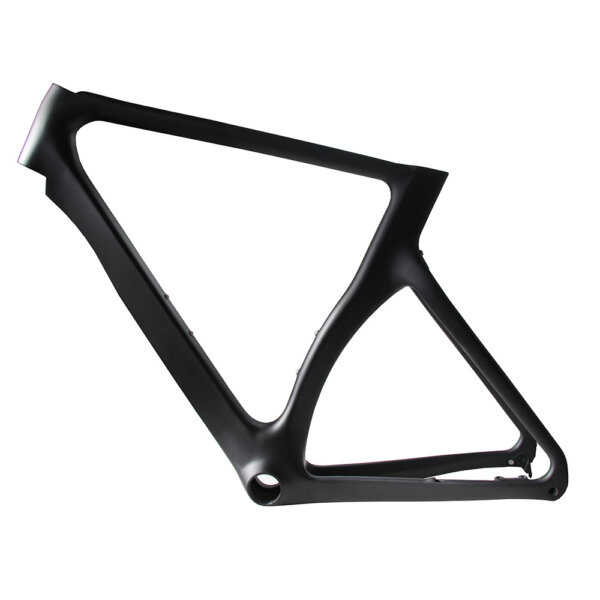

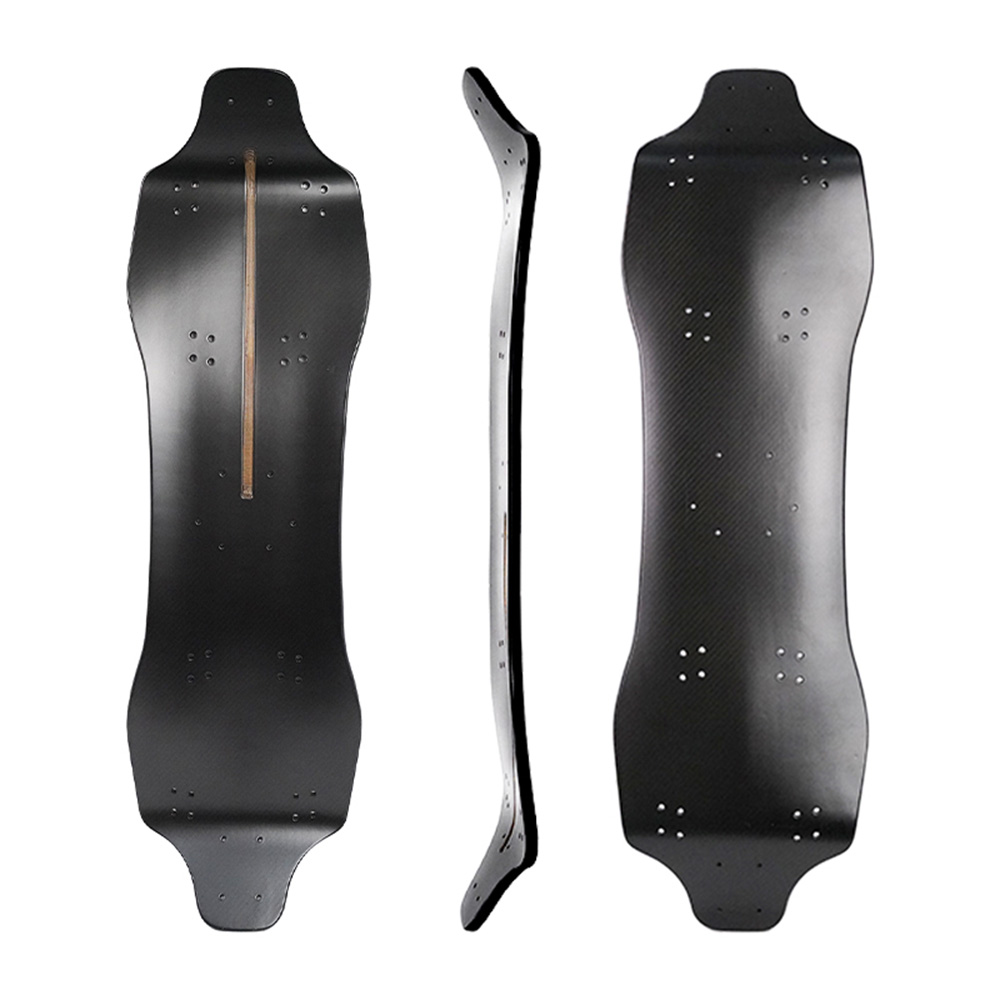
Our factory employs an advanced carbon fiber hot press process with a P20 steel mold, ensuring high efficiency, precision, durability, and cost-effectiveness for quality production.
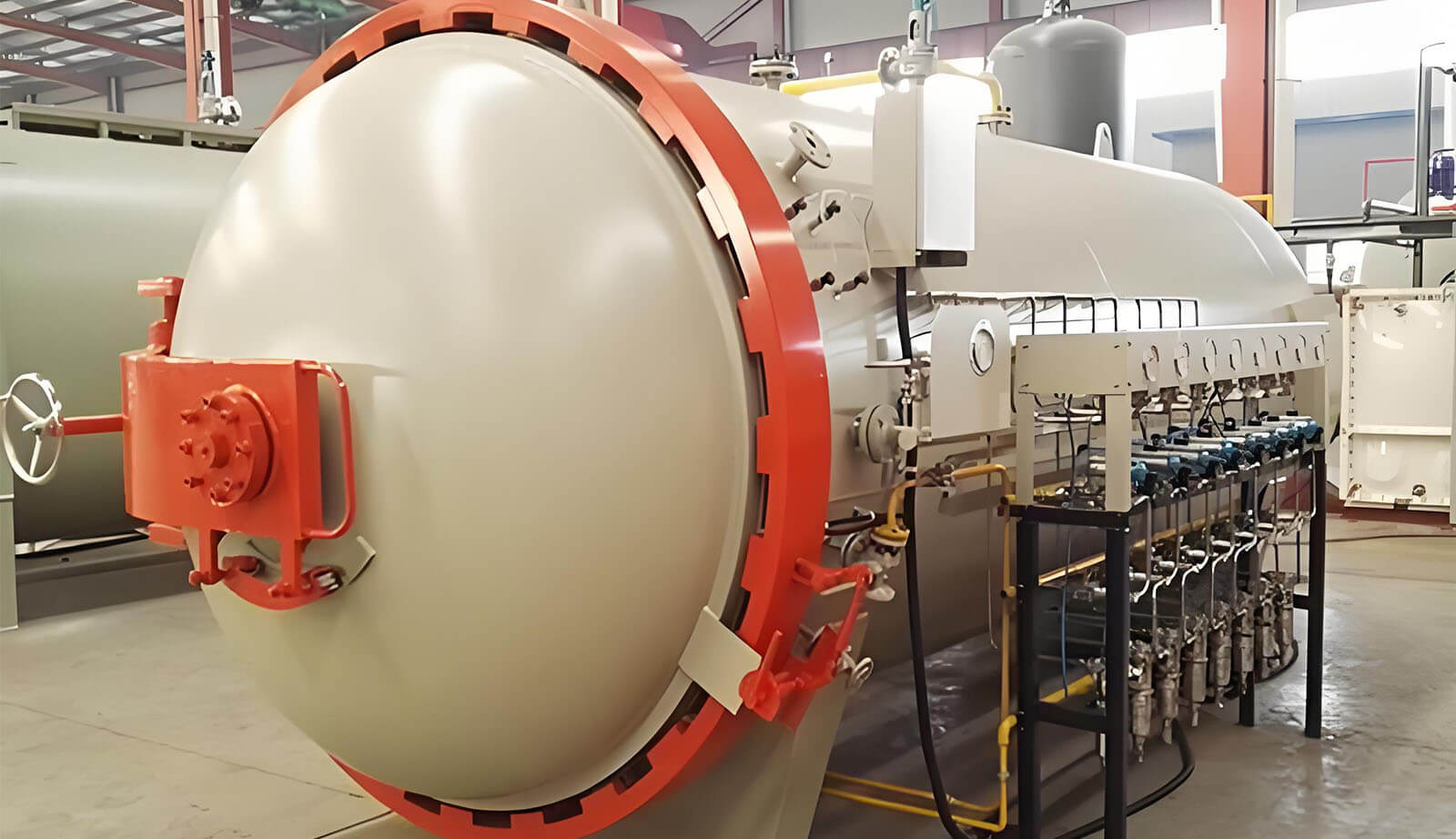
Our factory runs 100+ hot pressure autoclaves, using aluminum molds and vacuum induction to shape carbon fiber with precision. High heat and pressure enhance strength, stability, and flawless quality.
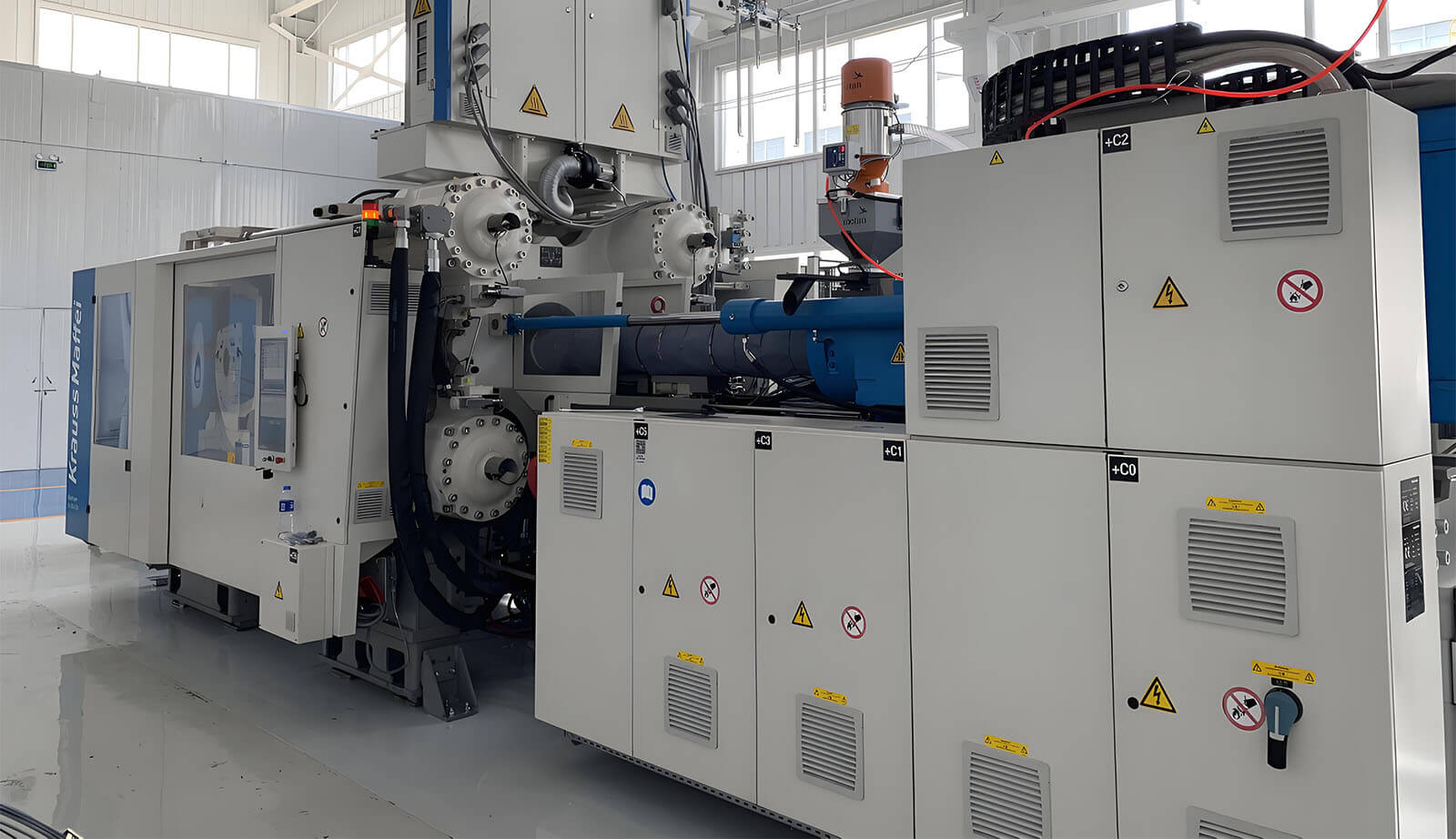
Our Carbon Fiber Research Center drives innovation in new energy, intelligence, and lightweight design, using advanced composites and Krauss Maffei FiberForm to create cutting-edge, customer-focused solutions.
Here are the answers to the frequently asked questions from the experienced carbon fiber products factory
We produce a wide range of carbon fiber components, including automotive parts, motorcycle parts, aerospace components, marine accessories, sports equipment, and industrial applications.
We primarily use high-quality prepreg carbon fiber and large-tow carbon fiber reinforced high-performance composites to ensure strength, durability, and lightweight characteristics.
Yes, our products are coated with UV-protective finishes to ensure long-lasting durability and maintain their polished appearance.
Yes, our facilities and equipment are capable of producing large-size carbon fiber components while maintaining precision and quality.
What are the benefits of using carbon fiber products?
Carbon fiber offers exceptional strength-to-weight ratio, corrosion resistance, stiffness, thermal stability, and a sleek, modern appearance.
We cater to automotive, motorcycle, aerospace, marine, medical, sports, and industrial sectors with a focus on lightweight and high-performance carbon fiber components.
Yes, we provide custom carbon fiber solutions tailored to your specifications, including unique designs, sizes, and patterns.
We utilize advanced technologies such as autoclave molding, hot pressing, and vacuum bagging, ensuring precision, stability, and quality in every product. wonders with the Hello Elementor Theme, we’re trying to make sure that it works great with all the major themes as well.
We use aluminum and P20 steel molds, designed for durability and high accuracy, to create complex and precise carbon fiber components.
Our products undergo rigorous quality control checks, including dimensional accuracy, material integrity, and performance testing, to meet industry standards.