
Carbon Fiber Composite Material Hot Pressing Molding Process
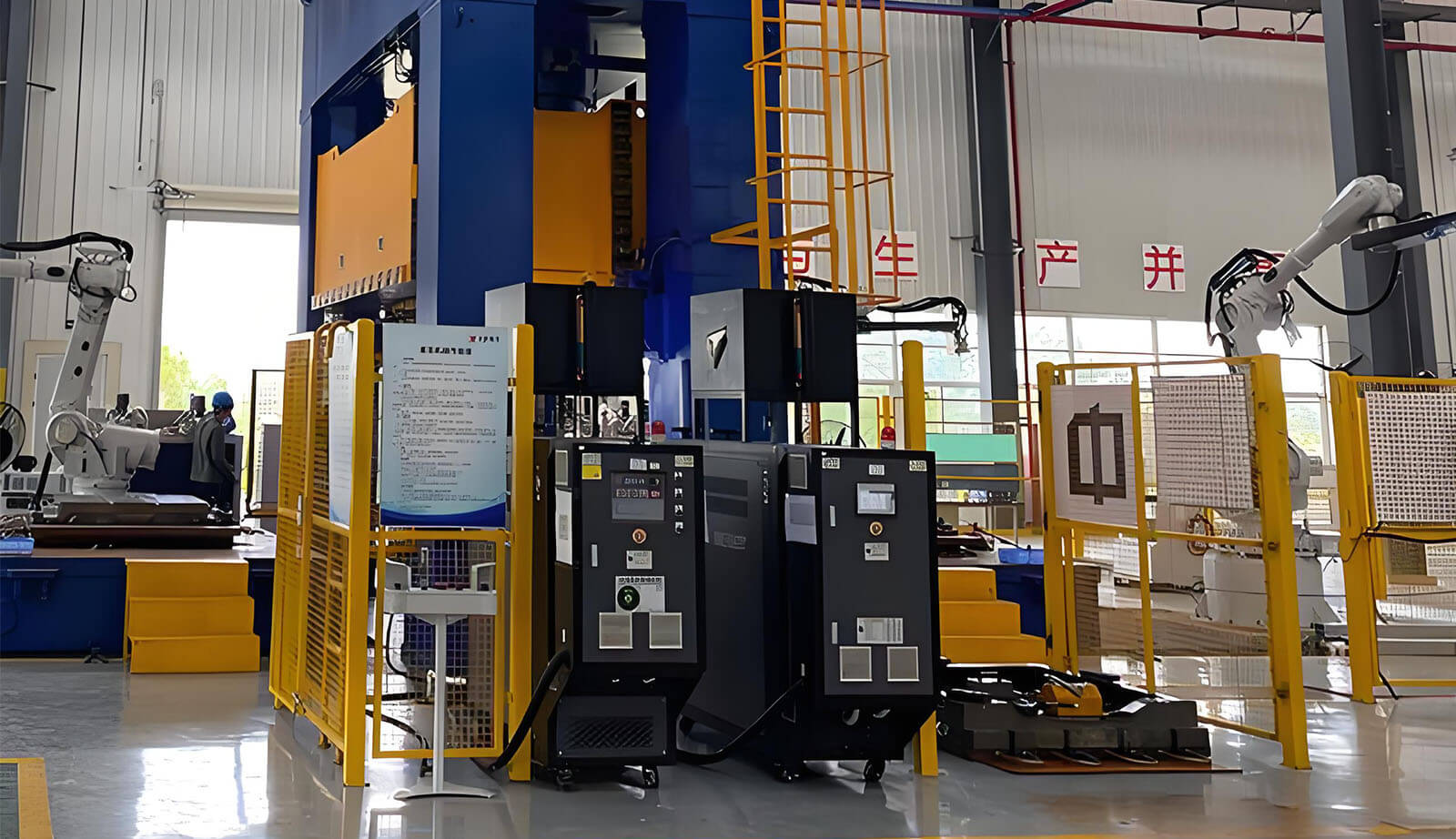
Our factory employs an advanced carbon fiber hot press process with a P20 steel mold, ensuring high efficiency, precision, durability, and cost-effectiveness for quality production.
Based in China, we manufacture custom carbon fiber square tubes and CFRP box sections for automotive, motorsport, robotics, and industrial applications. Our capabilities include prepreg layup, autoclave curing, CNC machining, and dimensional inspection, with sizes ranging from 10×10mm micro-profiles to 300×300mm structural sections. Square tube is one part of a wider manufacturing program — visit chinacarbonfibers.com for our full range of custom carbon fiber components.
If you are sourcing carbon fiber square tube for a motorsport chassis member, a carbon fiber drone frame, a robotics gantry, or an industrial fixture, this page gives you the specifications, process options, and technical background you need to specify the right tube — not just a product photo. If you’re new to sourcing composite tubing from China, our carbon fiber tube China buying guide covers pricing, MOQ, and supplier vetting basics before you request a quote.
This page is part of our broader custom carbon fiber solutions range, covering square tube alongside round tube, extrusions, and structural beams.
Use this table as a starting point for your RFQ. Every dimension below is customizable — send us your load case and we’ll recommend a layup rather than just a size.
| Parameter | Available Range |
|---|---|
| Cross-section (outer) | 10×10mm – 300×300mm |
| Wall thickness | 0.5mm – 10mm (thicker on request) |
| Length | Standard stock up to 3m; custom lengths on request |
| Corner style | Sharp corner or rounded corner (specify radius) |
| Carbon fiber grade | T300 / T700 / T800 (standard or high-modulus) |
| Fiber architecture | Unidirectional (UD), 3K twill weave, plain weave, hybrid ±45° |
| Surface finish | Gloss, matte, sanded, or painted |
| Dimensional tolerance | ±0.1mm achievable on critical dimensions |
| Manufacturing process | Roll-wrapped prepreg (autoclave-cured); pultrusion supported for suitable projects |
| Machining | CNC cutting, drilling, slotting, end-fitting bonding |
| MOQ | Prototype orders accepted; production MOQ depends on tube size, material, and tooling requirements |
Need a size or tolerance outside this table? Most of our square tube orders are fully custom — these ranges reflect what we’ve successfully produced, not a hard limit. If a round profile fits your application better, our carbon fiber tube page covers the same size and material options in round form.
Carbon Fiber Square Tube Dimension Guide — outer size, wall thickness, corner radius, and length reference diagram.
The manufacturing process determines what a square tube is actually good at. We recommend the process based on your load case, not based on what’s cheapest to make.
| Roll-Wrapped Prepreg | Pultruded | |
|---|---|---|
| How it’s made | Prepreg sheets wrapped around a square mandrel, then autoclave-cured under heat and pressure | Continuous fiber pulled through a resin bath and heated die |
| Best for | Multi-directional loads (bending + torsion + off-axis), aesthetic twill finish, custom layups | Pure axial stiffness, high-volume runs, tight budgets |
| Shape flexibility | Round, square, rectangular, oval, custom profiles | Primarily round and square, simpler geometry |
| Corner strength | Controllable via ply orientation and corner radius | Fixed by die geometry; less layup flexibility |
| Surface finish | Visible twill weave, gloss/matte options | Typically smooth or sanded finish |
| Typical applications | Motorsport structures, drone arms, camera rigs, sports equipment | Industrial poles, structural rails, cost-sensitive brackets |
We mainly manufacture roll-wrapped prepreg square tubes in-house. For pultruded profiles, we can also support customized solutions when this process is a better fit for the project — for example, a straight, primarily axial-load member where volume pricing matters more than layup customization. This is the same continuous-forming principle behind our carbon fiber extrusion profiles, if your project needs a non-tubular structural section instead. Tell us your target price and load case and we’ll advise which process fits.
| Carbon Fiber Grade | Characteristic | Typical Use Case |
|---|---|---|
| T300 | General-purpose, good balance of cost and performance | Cost-sensitive structural parts, general industrial use |
| T700 | Higher tensile strength than T300, strong fatigue performance | Motorsport, structural brackets, higher-load applications |
| T800 | Higher strength-to-weight ratio, premium performance tier | Aerospace-grade and weight-critical components |
We also offer hybrid layups that combine carbon fiber with fiberglass or Kevlar in specific plies — useful when you need carbon’s stiffness but want to reduce brittle failure modes or add impact tolerance at a lower cost than an all-high-modulus layup.
If you need material datasheets (fiber supplier, resin system, cured ply properties) for your engineering file, we can provide these on request per project.
Most supplier pages stop at a spec table. A spec sheet only tells you what a tube is — not what it will do under your actual loads. The following reflects how we work through a layup with customers who come to us with a real load case rather than just a size.
A round tube is structurally “neutral” — its properties are the same in every bending direction. A square tube isn’t, and that’s usually the reason someone specifies one:
A tube specified only by outer dimension and wall thickness — with no layup information — is an incomplete specification. Two tubes with identical outer dimensions can have very different torsional stiffness depending on how the 0°/±45°/90° plies are stacked. When you send us a load case, this is the first thing our engineers work out before recommending a wall thickness.
In our experience, most square tube failures don’t come from an undersized layup — they come from manufacturing defects or joint design, not the tube’s bulk material properties:
This is why we treat joint and end-fitting design as part of the tube specification, not an afterthought handled after the tube ships. For safety-critical runs, we can produce a witness sample alongside production for destructive testing correlation on request.
Chassis reinforcement members, lightweight mounting brackets, racing structural components, suspension links, and roll cage reinforcement tubes — this is one of our core application areas, where square tube’s flat mounting faces and torsional stiffness matter most.
| Industry | Typical Use Cases |
|---|---|
| Robotics & Automation | Gantry beams, linear actuator rails, pick-and-place arms, positioning stages |
| Aerospace & UAV | Drone arms, antenna masts, payload structures, structural support struts |
| Sports & Outdoor Equipment | Bike frame tubes, tent poles, fishing rod sections, hockey/lacrosse shafts |
| Medical Equipment | X-ray table structural members, mobile equipment frames, imaging supports |
| Industrial & Marine | Structural retrofitting profiles, railing supports, boat structural elements |
Square carbon fiber tube is particularly common in applications where a component needs to bolt or bond to a flat bracket without secondary machining — which is why it shows up so often in automotive brackets, robotics gantries, and carbon fiber drone frames rather than purely axial, round-tube applications.
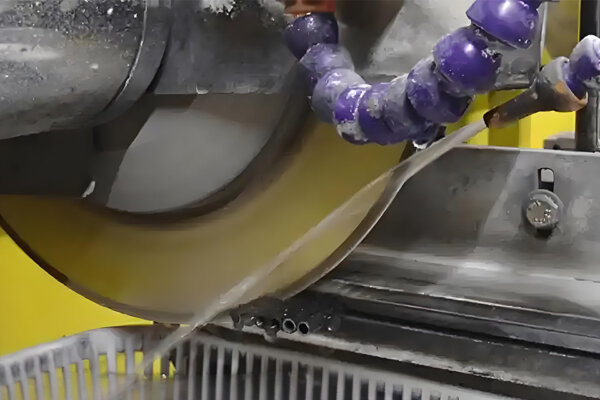
Prepreg cutting · Tube layup on mandrel · Autoclave curing · CNC trimming · Dimensional inspection
We have supplied customized carbon fiber structural components for automotive, motorsport, and industrial applications, from prototype samples through production runs.
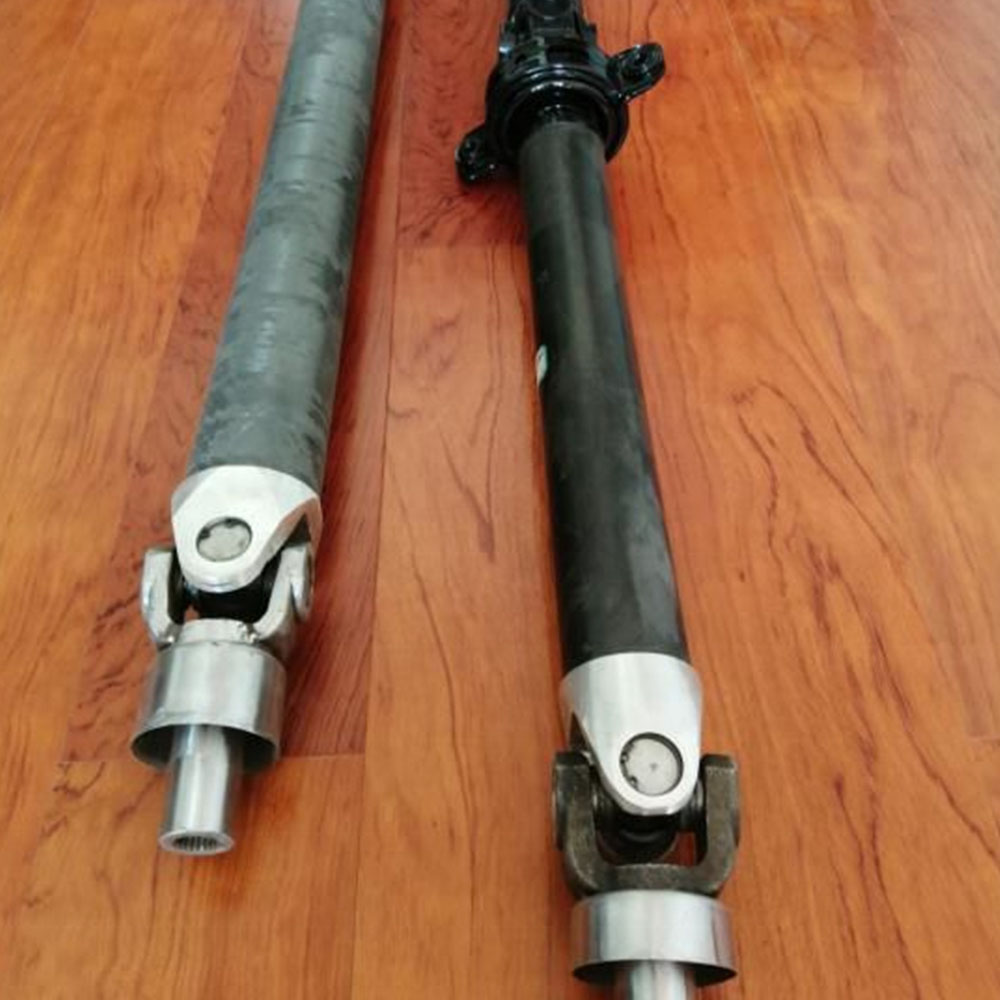
Example application: motorsport chassis reinforcement tube
Request Carbon Fiber Square Tube Quote Send Your Drawing / CAD File
We produce square cross-sections from 10×10mm up to 300×300mm, with wall thickness from 0.5mm to 10mm (thicker on request). Standard stock lengths run up to 3 meters; longer custom lengths are available.
Yes. Rounded corners are usually easier to manufacture defect-free and easier to bond brackets to, since a sharp 90° corner is the hardest area to lay up cleanly. Tell us your bonding/mounting requirements and we’ll recommend a corner radius.
Roll-wrapped prepreg tubes are autoclave-cured and give us control over ply orientation, which matters for parts under bending, torsion, or off-axis loads. Pultruded tubes are pulled continuously through a die — more economical for straight, primarily axial loads, but less flexible in fiber orientation.
Yes — cutting to length, drilling, slotting, and surface preparation for bonded end-fittings are all done in-house.
Prototype orders are accepted. For production runs, MOQ depends on tube size, material, and tooling requirements — contact us with your specification for a quote.
Yes — this is the recommended way to specify a tube. Send us your load case (bending moment, torque, or deflection limit) and our engineers will propose a wall thickness and ply schedule rather than just matching a competitor’s dimensions.
We are a carbon fiber manufacturer based in China, specializing in prepreg square tubes with autoclave curing and CNC machining. OEM/ODM production is available.
Lead time depends on whether the size is in stock and whether the order requires a new sample/approval cycle. Contact us with your specification for a current lead time estimate.
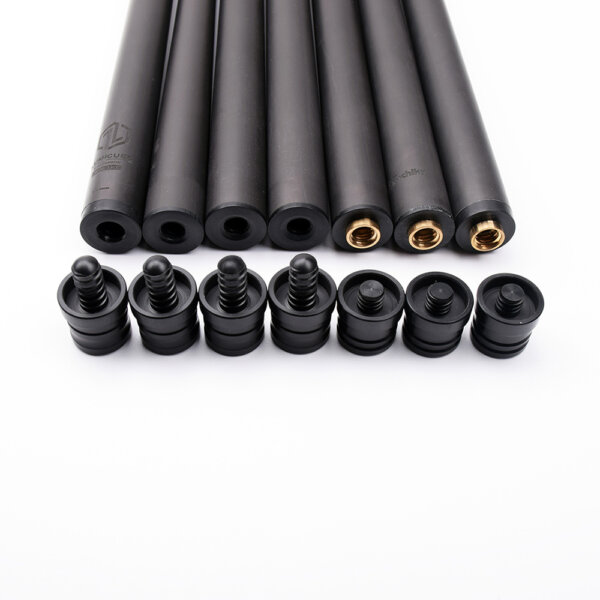
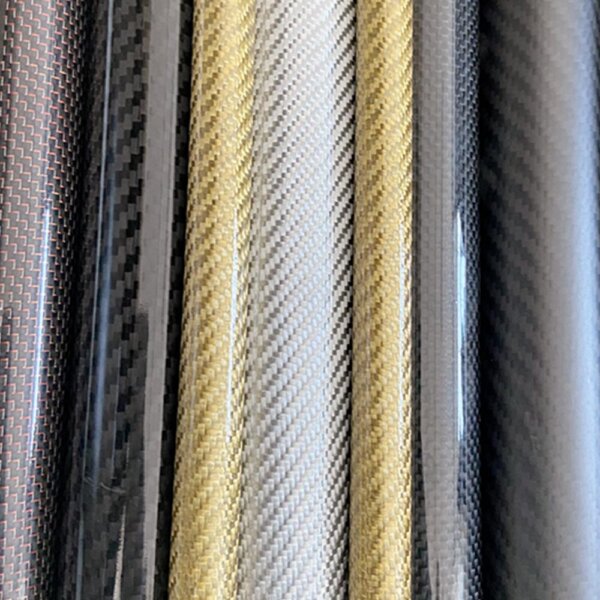
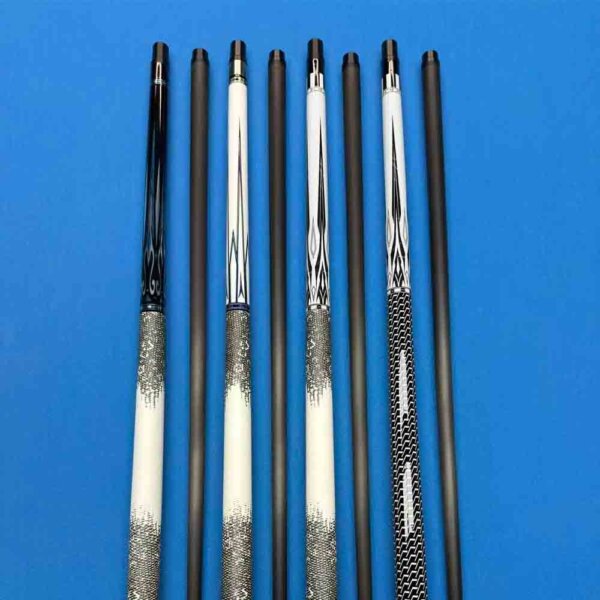
Our factory employs an advanced carbon fiber hot press process with a P20 steel mold, ensuring high efficiency, precision, durability, and cost-effectiveness for quality production.
Our factory runs 100+ hot pressure autoclaves, using aluminum molds and vacuum induction to shape carbon fiber with precision. High heat and pressure enhance strength, stability, and flawless quality.
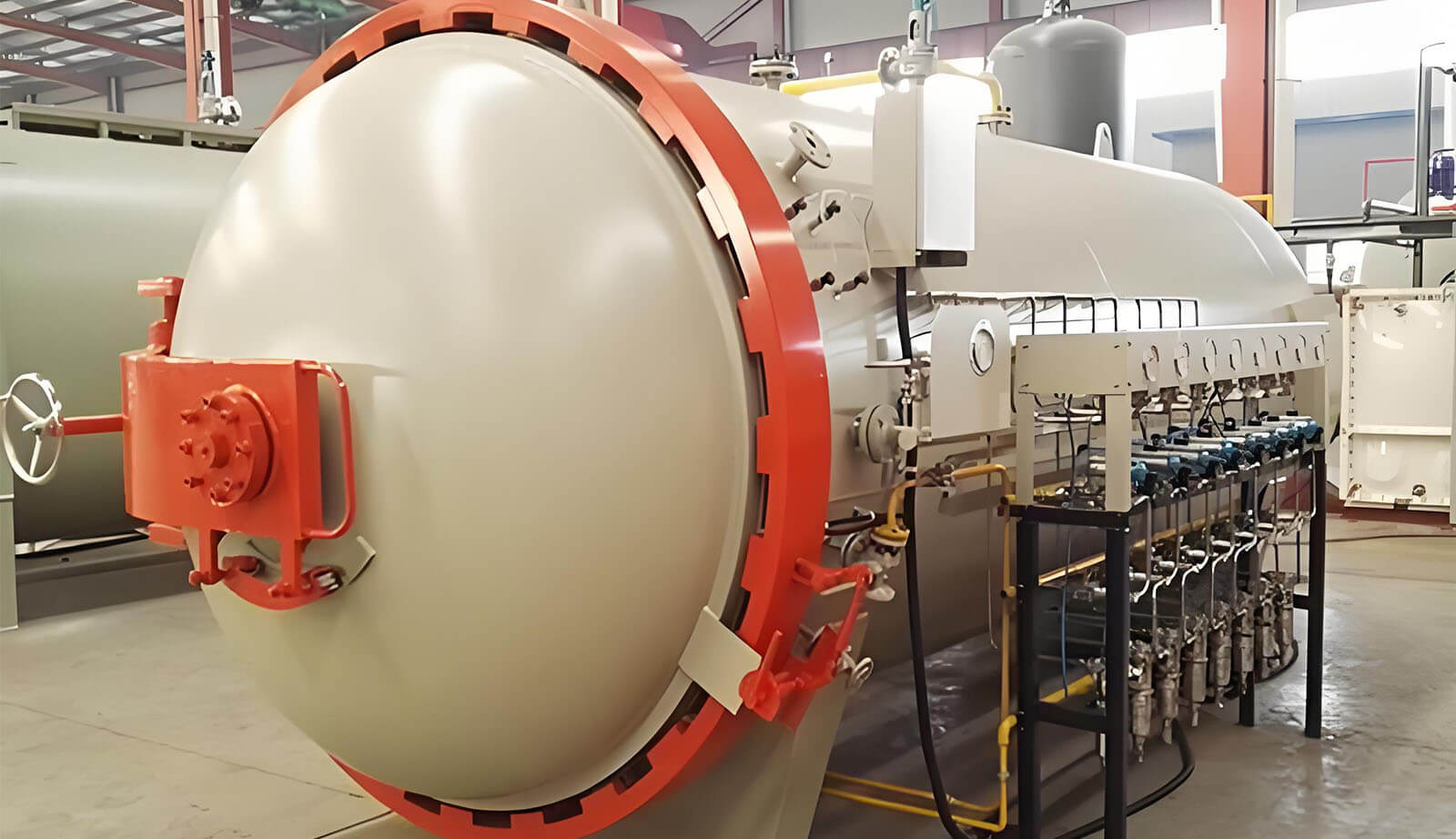
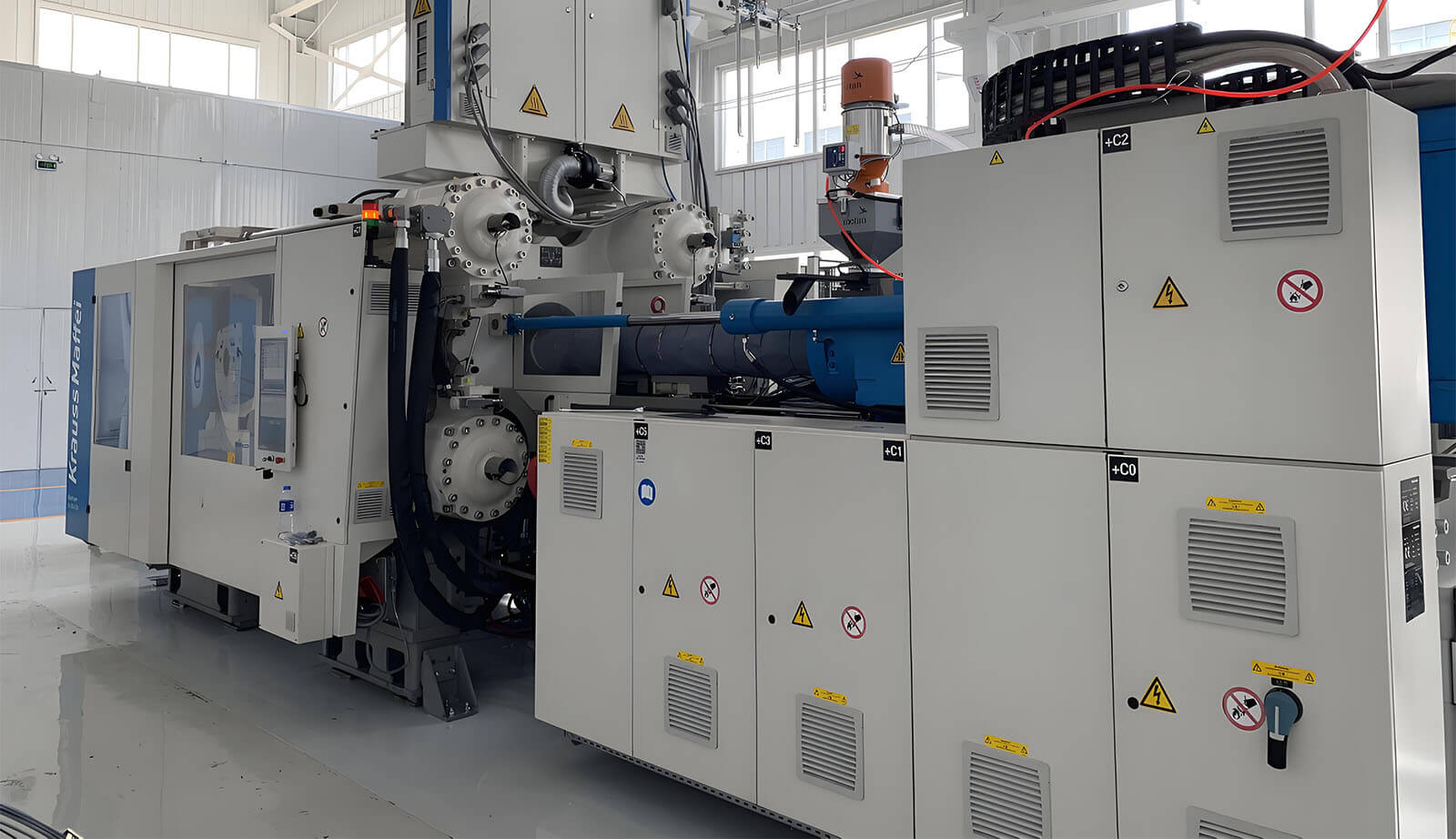
Our Carbon Fiber Research Center drives innovation in new energy, intelligence, and lightweight design, using advanced composites and Krauss Maffei Fiber Form to create cutting-edge, customer-focused solutions.
Here are the answers to the frequently asked questions from the experienced carbon fiber products factory
We produce a wide range of carbon fiber components, including automotive parts, motorcycle parts, aerospace components, marine accessories, sports equipment, and industrial applications.
We primarily use high-quality prepreg carbon fiber and large-tow carbon fiber reinforced high-performance composites to ensure strength, durability, and lightweight characteristics.
Yes, our products are coated with UV-protective finishes to ensure long-lasting durability and maintain their polished appearance.
Yes, our facilities and equipment are capable of producing large-size carbon fiber components while maintaining precision and quality.
What are the benefits of using carbon fiber products?
Carbon fiber offers exceptional strength-to-weight ratio, corrosion resistance, stiffness, thermal stability, and a sleek, modern appearance.
We cater to automotive, motorcycle, aerospace, marine, medical, sports, and industrial sectors with a focus on lightweight and high-performance carbon fiber components.
Yes, we provide custom carbon fiber solutions tailored to your specifications, including unique designs, sizes, and patterns.
We utilize advanced technologies such as autoclave molding, hot pressing, and vacuum bagging, ensuring precision, stability, and quality in every product. wonders with the Hello Elementor Theme, we’re trying to make sure that it works great with all the major themes as well.
We use aluminum and P20 steel molds, designed for durability and high accuracy, to create complex and precise carbon fiber components.
Our products undergo rigorous quality control checks, including dimensional accuracy, material integrity, and performance testing, to meet industry standards.