
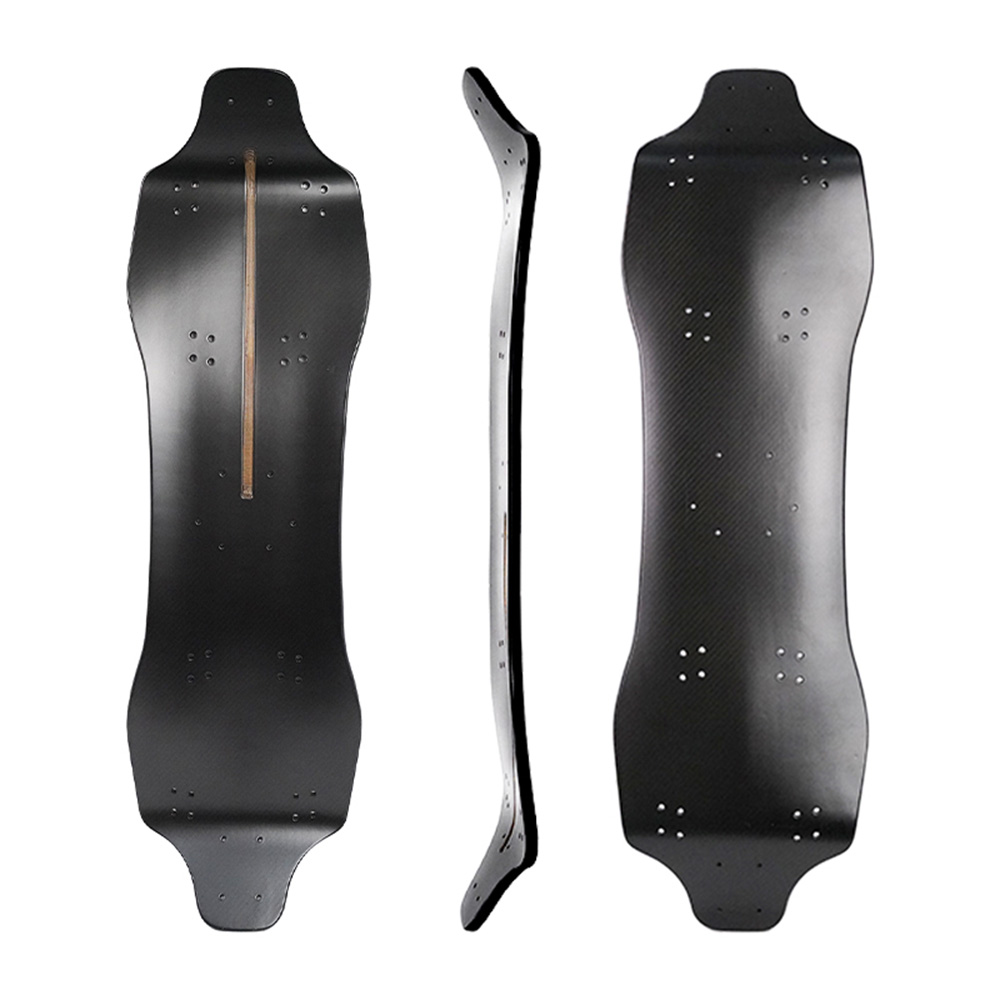
Carbon Fiber Composite Material Hot Pressing Molding Process
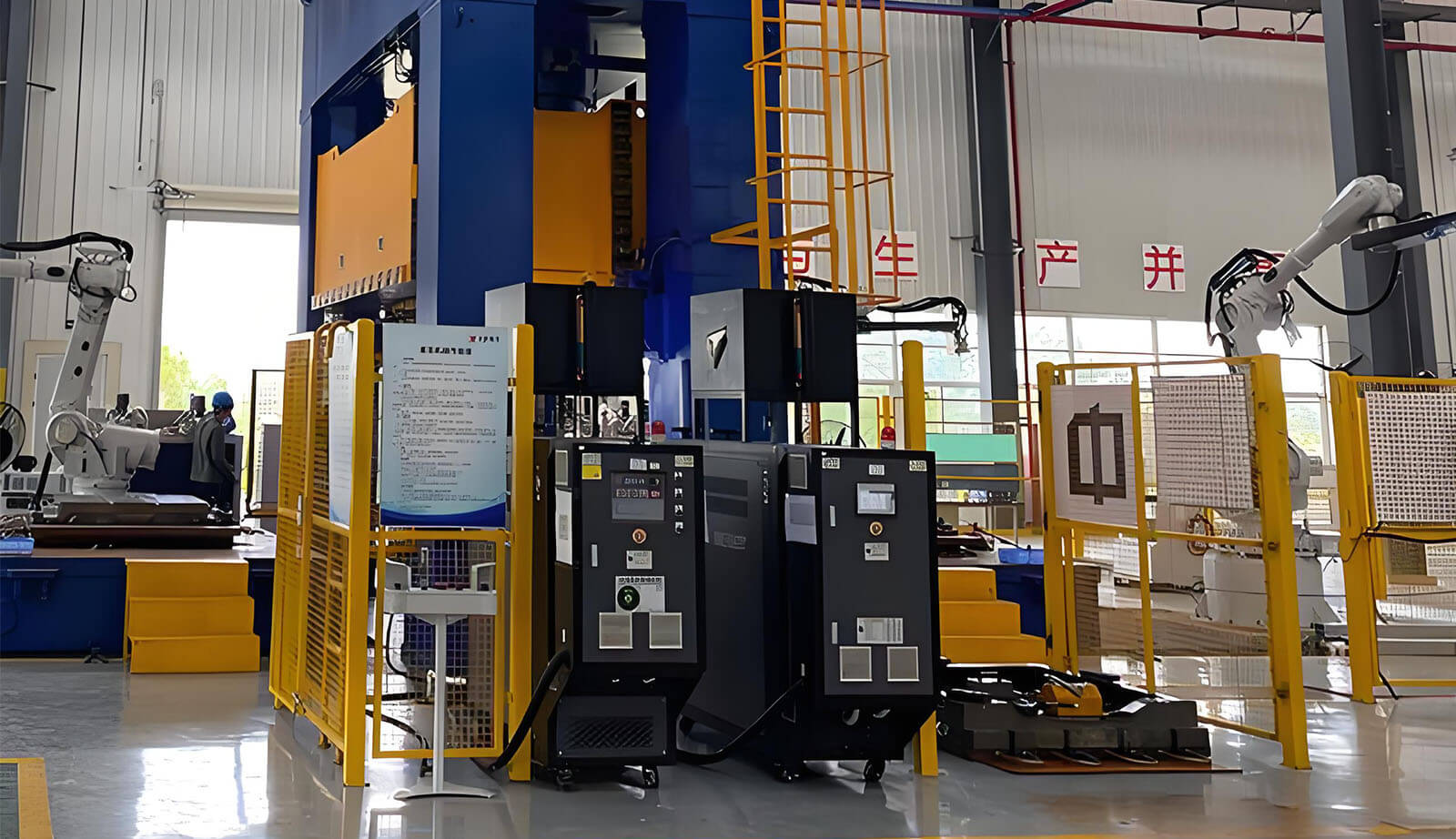
Our factory employs an advanced carbon fiber hot press process with a P20 steel mold, ensuring high efficiency, precision, durability, and cost-effectiveness for quality production.
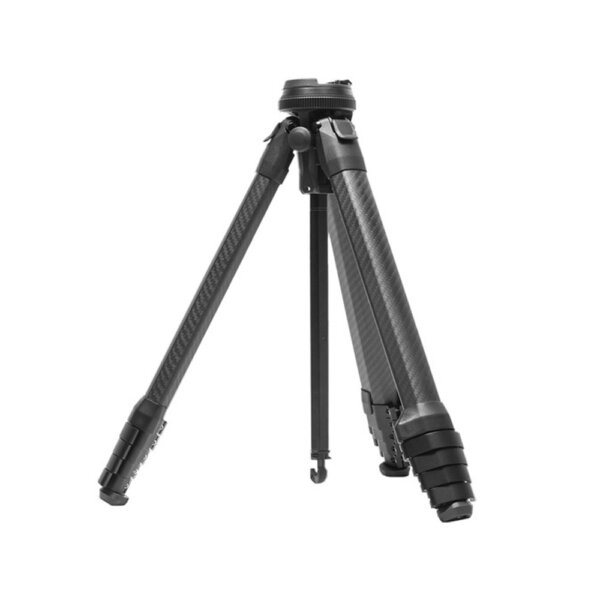
You need a tripod that doesn’t slow you down. That’s where carbon fiber makes all the difference.
A carbon fiber tripod weighs less than your lunch. Yet it holds your camera steady like a rock. This isn’t just any photography tripod. It’s your ticket to sharper photos and less tired shoulders.
Professional photographers trust carbon fiber for good reason. The material fights vibration naturally. Wind won’t shake your shots. Cold won’t make it heavy. Heat won’t bend the legs.
Our lightweight tripod tips the scales at just 2.8 pounds (1.3 kg). Compare that to bulky aluminum tripods that weigh twice as much. You’ll barely notice it in your tripod bag.
But don’t let the light weight fool you. This sturdy tripod handles a load capacity of 26.5 pounds (12 kg). Mount your heaviest DSLR with a telephoto lens. Add a flash. The tripod won’t budge.
Whether you’re shooting in the desert or on a mountaintop, this travel tripod goes where you go. The carbon fiber construction resists extreme temperatures. Rain won’t rust it. Sand won’t scratch the carbon fiber weave.
The compact design folds down to just 16 inches (41 cm). Toss it in your backpack. Clip it to your hiking gear. It’s the perfect backpacking tripod for serious adventurers.
The tripod legs extend to a maximum height of 60 inches (152 cm). That’s tall enough for most shooting situations. Need to go low? The minimum height drops to 15 inches (38 cm) for those creative ground-level shots.
Quick-release twist locks make setup fast. No fumbling with complicated levers. Just twist and go. The independent leg spread lets each leg find its own angle on uneven ground.
The multi-angle legs adjust to three different positions. Spread them wide for low-angle shooting. Keep them tight for standard work. The center column reverses too. Flip it upside down for macro photography between the legs.
Rubber feet grip smooth surfaces. Swap them for spiked feet when you’re on soft ground or ice. The interchangeable feet adapt to whatever terrain you find.
Pack light. Shoot heavy. This travel-friendly tripod doesn’t force you to choose between stability and portability. Airlines won’t charge extra. Your back won’t ache after a full day.
Wind resistance matters when you’re shooting in open spaces. Carbon fiber material dampens vibration better than metal. Your long exposure shots stay sharp even when the breeze picks up.
The weather-resistant design means you don’t pack up when conditions get tough. Morning fog? No problem. Coastal spray? Bring it on.
Those long exposure star trails demand zero movement. Carbon fiber’s natural vibration reduction keeps your sensor still. The hook for weight at the bottom lets you hang your camera bag for extra stability.
Convert it to a monopod when you need to move fast. Or add a fluid head for smooth pans. The video tripod versatility makes it perfect for time-lapse photography too.
Despite being a portable tripod, it performs like professional photography gear. The Arca-Swiss compatible quick-release plate works with your existing equipment. No new adapters needed.
| Feature | Specification |
|---|---|
| Material | 100% carbon fiber legs with magnesium alloy joints |
| Weight | 2.8 lbs (1.3 kg) |
| Max Height | 60 inches (152 cm) |
| Min Height | 15 inches (38 cm) |
| Folded Length | 16 inches (41 cm) |
| Load Capacity | 26.5 pounds (12 kg) |
| Leg Locks | Twist locks |
| Sections | 4-section legs |
| Feet Type | Rubber feet and spiked feet included |
Carbon fiber vs aluminum isn’t even close. Here’s why:
Carbon Fiber Tripod vs Aluminum Tripod – Quick Comparison
Here is a quick comparison between a carbon fiber tripod and an aluminum tripod to help you choose the right option.
| Feature | Carbon Fiber Tripod | Aluminum Tripod |
|---|---|---|
| Weight | Lighter (up to 40%) | Heavier |
| Vibration | Excellent damping | Moderate |
| Cold Resistance | No cold shock | Cold to touch |
| Durability | Corrosion resistant | Can corrode |
| Price | Higher | Lower |
Carbon fiber weighs 40% less than aluminum alloy. It’s stiffer too. That means better vibration reduction and sharper images.
Temperature changes don’t affect carbon fiber the way they impact metal. Aluminum tripods contract in cold weather and expand in heat. Carbon fiber stays consistent.
Carbon fiber durability surprises people. Yes, it’s light. But it’s also incredibly strong. The carbon fiber strength comes from how the fibers weave together.
Carbon fiber resistance to corrosion beats any metal. Salt water won’t hurt it. Chemicals won’t stain it. The carbon fiber longevity outlasts cheaper materials.
Carbon fiber maintenance is simple. Wipe it down after use. Cleaning carbon fiber takes just soap and water. No special products needed.
Watch for carbon fiber scratches on the carbon fiber finish. While tough, the outer layer can nick if you’re careless with rocks or concrete. The carbon fiber texture shows wear less than painted metal though.
Our carbon fiber warranty covers manufacturing defects. Replacement parts are available if you damage something in the field.
As a trusted carbon composite manufacturer, we control every step of production. Our custom composite factory uses the same carbon fiber construction techniques that build carbon fiber cars.
The carbon fiber weave in your tripod legs isn’t random. We align the fibers for maximum strength along the leg’s length. This custom carbon fiber approach costs more but performs better.
Each carbon fiber tube goes through rigorous testing. We borrowed quality standards from aerospace work. If it’s strong enough for aircraft, it’s strong enough for your camera tripod.
The tripod head matters almost as much as the legs. Here are your options:
A ball head offers the most flexibility. Loosen one knob and position your camera any way you want. Perfect for landscape photography and quick adjustments.
The pan-tilt head gives you separate controls for horizontal and vertical movement. It’s slower than a ball head but more precise. Video shooters often prefer this style.
For smooth video work, nothing beats a fluid head. The dampened movement creates professional-looking pans. Most fluid heads work with our Arca-Swiss mount.
Big telephoto lenses need a gimbal head. It balances the weight perfectly for wildlife photography. The setup takes longer but the results justify it.
Gitzo and Really Right Stuff make excellent carbon fiber tripods. They’re also expensive. Our tripod matches their specs at a fraction of the price.
Manfrotto offers good mid-range options. Peak Design focuses on travel tripods with clever features. Sirui and Benro provide solid budget tripod alternatives.
3 Legged Thing makes distinctive designs with personality. Leofoto and Feisol appeal to weight-obsessed minimalists. Induro and FLM serve the professional photography market.
MeFOTO and Vanguard target travelers. Joby revolutionized flexible legs with the GorillaPod line (though not carbon fiber).
Neewer, K&F Concept, and AmazonBasics offer entry-level pricing. Quality varies. Zomei and Andoer fall somewhere between budget and mid-range.
Low-angle shooting opens creative possibilities. Reverse the center column or spread the legs completely flat. Get your lens down in the flowers or close to the water.
Add weight to the hook at the bottom when wind picks up. Your camera bag works great. The extra mass fights vibration during long exposure work.
A good carrying case protects your investment during travel. Look for padded options with shoulder straps. The tripod bag should fit the folded length with room for the head.
Extra quick-release plates save time. Mount one on each camera body. You’ll never have to swap plates again.
A leveling base sits between the legs and head. It makes panoramic photography much easier. Just level the base once and the camera stays level as you pan.
Spiked feet help on ice and soft ground. Rubber feet protect indoor floors. Having both types covers all situations.
As a carbon composite manufacturer with years of experience in carbon fiber structures, and as a long-term user, I’ve personally tested this carbon fiber tripod across three continents. The compact folded length fits inside a carry-on. Airport security never questions it.
After a full day shooting, my shoulder doesn’t ache. That matters when you’re covering miles between locations. The weight difference versus an aluminum tripod is huge.
Setting up on a windy clifftop taught me about stability. Lesser tripods shake in strong gusts. This one stays put. The carbon fiber legs dampen vibration naturally.
Cold morning shoots prove the weather-resistant design works. Dew doesn’t hurt it. Frost doesn’t freeze the leg locks.
The load capacity handles my heaviest setup without stress. I’ve mounted a DSLR with a battery grip, flash, and big lens. No sagging. No creep.
The quick-release system speeds up camera changes. When you’re shooting multiple angles fast, every second counts.
Wipe down the legs after each use. Sand and dirt in the leg locks cause wear. A damp cloth removes most grime. For stubborn stuff, use mild soap.
Check the twist locks periodically. They should hold firmly without over-tightening. Loose locks mean it’s time for adjustment or replacement parts.
Store your tripod loosely extended in a dry place. Don’t leave the legs fully collapsed for months. It puts constant pressure on the leg locks.
Remove the head during long storage. The weight stresses the mounting plate unnecessarily.
Most issues come from dirt or sand in the mechanisms. Disassemble the leg locks annually for deep cleaning. Our custom carbon fiber manufacturing includes detailed maintenance guides.
Carbon fiber scratches rarely affect performance. They’re mostly cosmetic. Deep gouges might need attention from a professional.
Carbon fiber cost runs higher than aluminum or fiberglass tripod options. However, the carbon fiber benefits justify the price for serious shooters.
A budget tripod saves money now but costs more long-term. You’ll upgrade eventually. Start with quality and buy once.
DSLR tripod needs differ from mirrorless tripod requirements. Lighter cameras work fine with less load capacity. Heavy rigs need maximum support.
Smartphone tripod users won’t need this much stability. But if you’re upgrading your camera soon, plan ahead.
Check tripod reviews carefully. Look past the five-star ratings. Read what problems people report. Common issues reveal design flaws.
Tripod comparison charts help narrow choices. Focus on specs that matter: weight, height, load capacity, and folded length.
This professional tripod delivers lightweight performance without compromise. The carbon fiber material provides stability your photos need. The portable design goes anywhere you do.
Whether you’re shooting landscape photography, astrophotography, macro photography, or video, this travel tripod handles it all. The durable tripod construction means years of reliable service.
Amateur photography enthusiasts and pros alike appreciate the carbon fiber flexibility in different shooting situations. From time-lapse photography to long exposure work, you’re covered.
Great gear doesn’t take great photos. You do. But the right tripod removes obstacles between your vision and the final image.
Stability matters. Weight matters. Durability matters. This carbon fiber tripod nails all three.
Stop fighting with wobbly legs. Stop leaving your tripod behind because it’s too heavy. Get the tool that matches your ambition.
Ready to upgrade? Your camera deserves a sturdy platform. Your back deserves a lightweight solution. This tripod delivers both.
Questions? Contact our custom composite factory team. We’ll help you choose the right setup for your needs.
Our factory employs an advanced carbon fiber hot press process with a P20 steel mold, ensuring high efficiency, precision, durability, and cost-effectiveness for quality production.
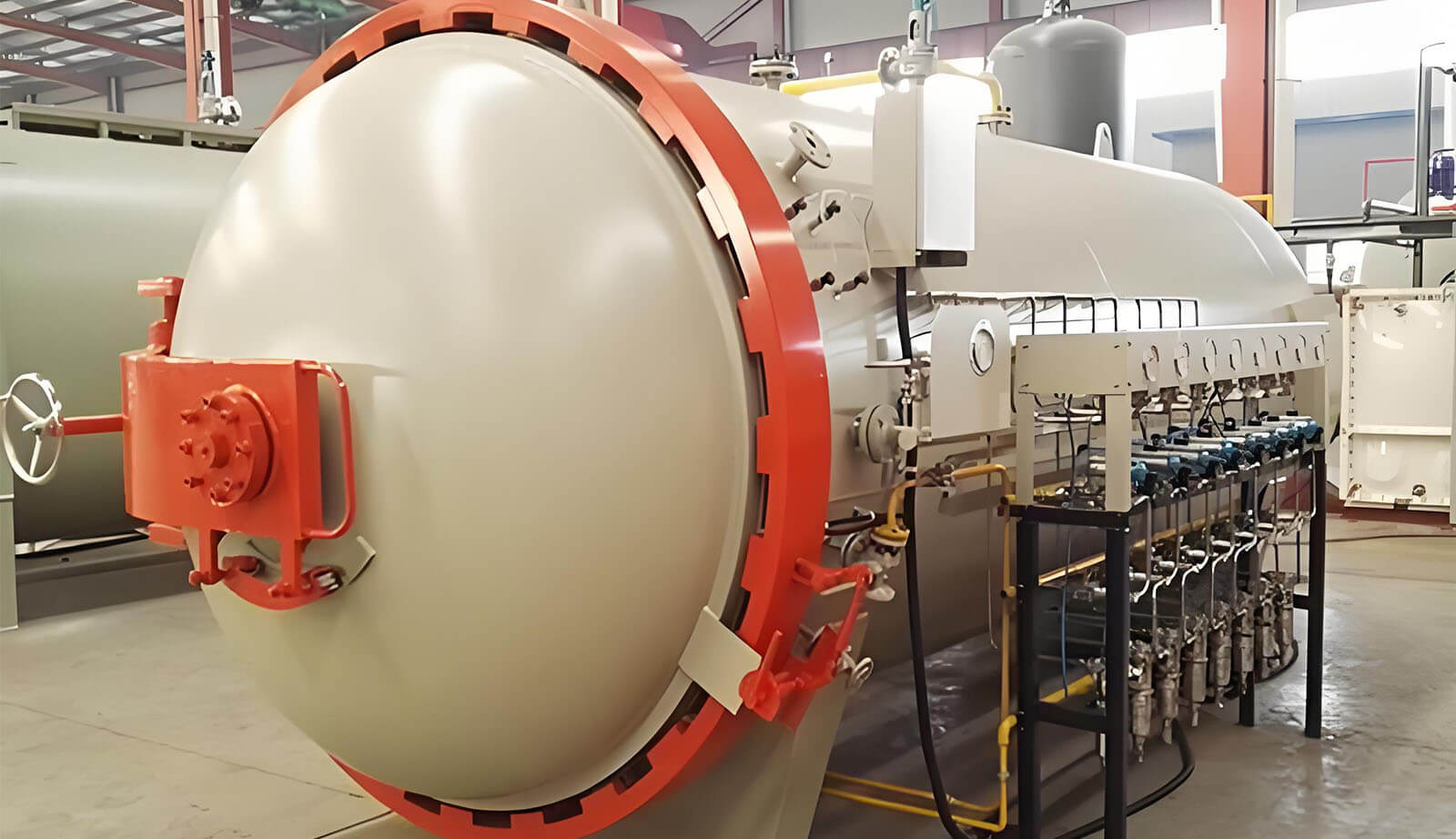
Our factory runs 100+ hot pressure autoclaves, using aluminum molds and vacuum induction to shape carbon fiber with precision. High heat and pressure enhance strength, stability, and flawless quality.
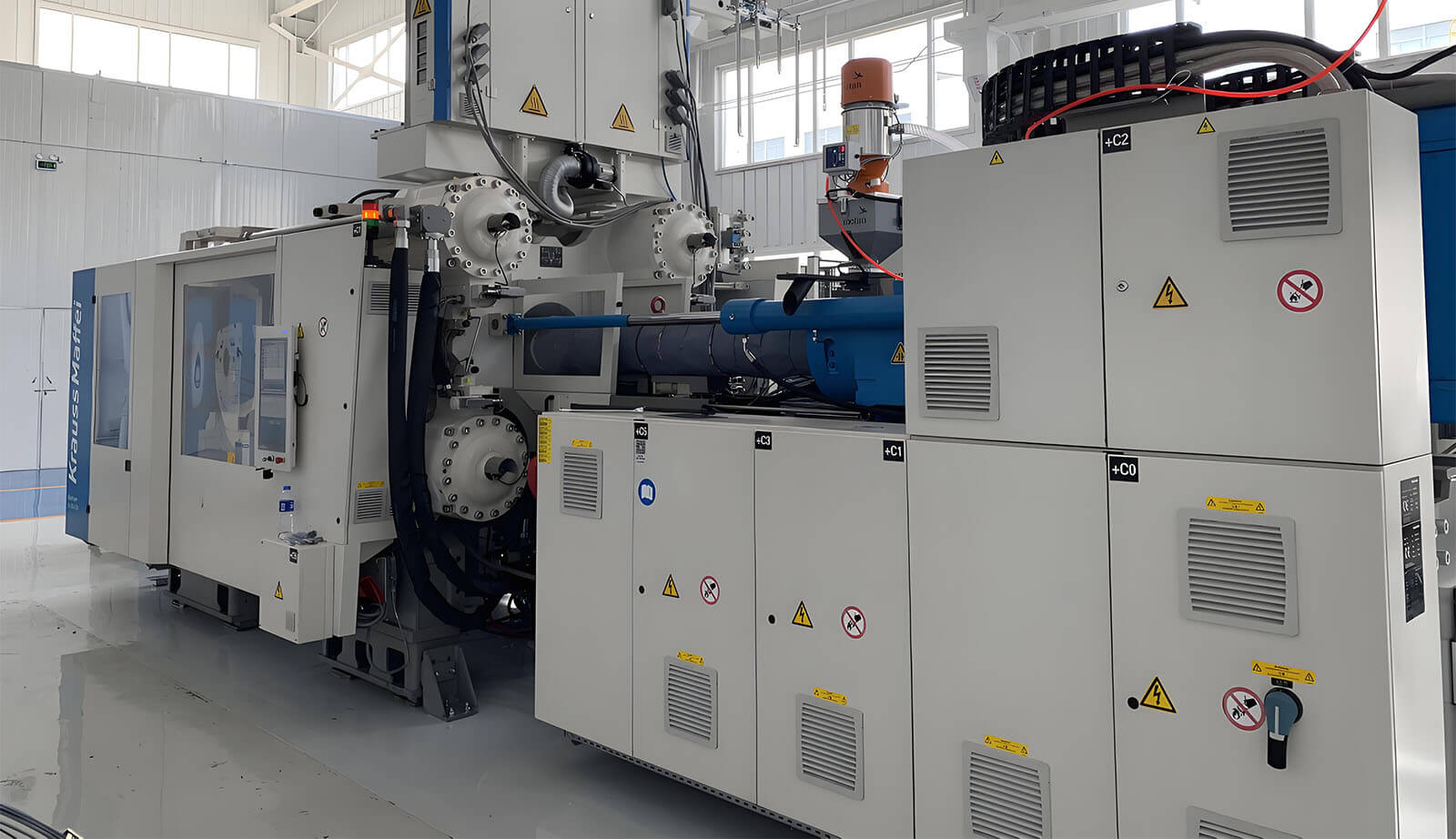
Our Carbon Fiber Research Center drives innovation in new energy, intelligence, and lightweight design, using advanced composites and Krauss Maffei FiberForm to create cutting-edge, customer-focused solutions.
Here are the answers to the frequently asked questions from the experienced carbon fiber products factory
We produce a wide range of carbon fiber components, including automotive parts, motorcycle parts, aerospace components, marine accessories, sports equipment, and industrial applications.
We primarily use high-quality prepreg carbon fiber and large-tow carbon fiber reinforced high-performance composites to ensure strength, durability, and lightweight characteristics.
Yes, our products are coated with UV-protective finishes to ensure long-lasting durability and maintain their polished appearance.
Yes, our facilities and equipment are capable of producing large-size carbon fiber components while maintaining precision and quality.
What are the benefits of using carbon fiber products?
Carbon fiber offers exceptional strength-to-weight ratio, corrosion resistance, stiffness, thermal stability, and a sleek, modern appearance.
We cater to automotive, motorcycle, aerospace, marine, medical, sports, and industrial sectors with a focus on lightweight and high-performance carbon fiber components.
Yes, we provide custom carbon fiber solutions tailored to your specifications, including unique designs, sizes, and patterns.
We utilize advanced technologies such as autoclave molding, hot pressing, and vacuum bagging, ensuring precision, stability, and quality in every product. wonders with the Hello Elementor Theme, we’re trying to make sure that it works great with all the major themes as well.
We use aluminum and P20 steel molds, designed for durability and high accuracy, to create complex and precise carbon fiber components.
Our products undergo rigorous quality control checks, including dimensional accuracy, material integrity, and performance testing, to meet industry standards.