Choosing between carbon fiber and fiberglass pickleball paddles isn’t easy. The right material impacts your power, control, and how long your paddle lasts. Here’s everything you need to know to make the best choice.
Quick Comparison: Carbon Fiber vs. Fiberglass
| Feature | Carbon Fiber | Fiberglass |
|---|---|---|
| Power | High | Moderate |
| Control | Moderate | High |
| Durability | Excellent | Good |
| Weight | Light | Moderate |
| Price | $$$ | $$ |
| Best For | Aggressive players | Touch/control players |
What Makes Carbon Fiber Special?
Carbon fiber paddles stand out on the court. They’re made from strong, lightweight materials that give you explosive power with every shot.
The Big Advantages
Carbon fiber paddles are commonly reported to deliver noticeably faster shots compared to fiberglass, especially at higher swing speeds. Why? The material is stiffer, so it transfers more energy to the ball. When you swing, you get more pop.
Weight matters too. Most carbon fiber paddles weigh between 7.2 and 8.4 ounces. That’s lighter than most fiberglass options. A lighter paddle means faster swings and quicker reactions at the net.
Durability is impressive. These paddles last 5+ years with regular play. They resist cracks and chips better than other materials. You won’t see edge wear as quickly.
Spin potential goes up by 20-30% with carbon fiber. The rough texture on the paddle face grips the ball better. If you love putting spin on your shots, carbon fiber helps you do it.
From a manufacturing standpoint, the consistency of carbon fiber layup and the curing process plays a major role in paddle performance. Small variations in fiber alignment, resin content, or curing temperature can significantly affect stiffness, feel, and spin response.
Professional players know this. About 70% of pros on the PPA Tour and APP Tour use carbon fiber paddles from brands like Selkirk, Joola, and Engage Pickleball.
The Downsides
Price hits your wallet hard. Carbon fiber paddles cost between $150 and $300 or more. That’s nearly double what you’d pay for a good fiberglass paddle.
Vibration can bother some players. The stiff material doesn’t absorb shock as well. You feel more feedback in your arm with each hit. If you have elbow or shoulder problems, this matters.
Sweet spot size is smaller too. You need more precision to hit the ball perfectly. Off-center hits don’t feel as forgiving.
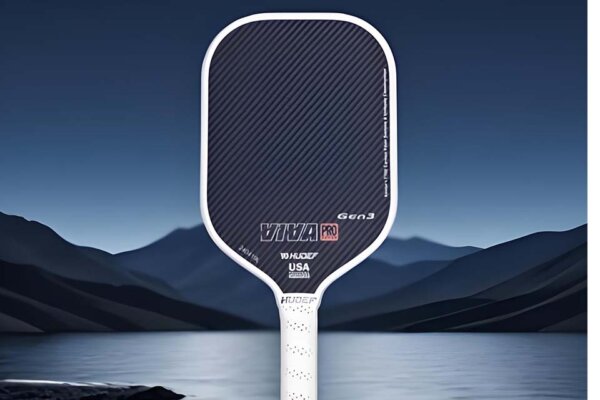
Why Players Choose Fiberglass
Fiberglass paddles have their own loyal fans. They offer something different – more control and a softer feel.
What Fiberglass Does Well
Control is the biggest win. The material flexes slightly when the ball hits. This gives you better touch on soft shots and dinks. Players who focus on placement over power love this.
Price makes fiberglass paddles attractive. Most cost between $80 and $180. That’s a big difference if you’re just starting out or play casually.
Feel is gentler on your body. Fiberglass absorbs more vibration than carbon fiber. Your arm doesn’t take as much stress. This helps prevent tennis elbow and shoulder strain.
Sweet spot is larger. When you don’t hit the ball perfectly, the paddle is more forgiving. Beginners especially appreciate this feature.
Noise level stays lower too. Fiberglass makes a quieter sound when it hits the ball. Some communities have noise rules for pickleball courts. Fiberglass paddles help you stay under those limits.
The Trade-offs
Power drops compared to carbon fiber. Shots are 5-10% slower because the flex absorbs some energy. If you want aggressive, hard-hitting play, this holds you back.
Durability isn’t as good. Fiberglass paddles typically last 2-3 years with heavy use. The surface can scratch and chip at the edges more easily.
Spin is harder to generate. You get 10-15% less spin than carbon fiber because the surface is smoother. The ball doesn’t grip as well.
The Numbers Don’t Lie
Let’s look at real data comparing these materials:
Performance Metrics
Ball speed tests show clear differences. Carbon fiber paddles generate faster shots consistently. In lab tests by Pickleball Studio, carbon fiber paddles produced 10-15% higher ball speeds than fiberglass options.
Accuracy measurements favor fiberglass. Player surveys from the PPA Tour show that fiberglass paddles score higher for control and touch shots. The flex helps players place the ball exactly where they want it.
Spin rate tests by Engage Pickleball measured significant differences. Carbon fiber paddles increased spin potential by 20-30% compared to fiberglass. The rough 3K carbon fiber weave texture makes this possible.
Cost and Longevity
Average cost ranges tell the story. You’ll pay $150-$300 for quality carbon fiber paddles. Fiberglass paddles cost $80-$180 on average.
Lifespan data from retailer warranties shows carbon fiber lasts 5+ years. Fiberglass paddles need replacement after 2-3 years of regular play. Over time, carbon fiber might actually save you money.
Player Preferences
Tournament usage statistics reveal what serious players choose. About 70% of professional players use carbon fiber paddles. Only 30% stick with fiberglass, and those are often in recreational play.
Weight distribution varies between materials. Carbon fiber paddles weigh 7.2-8.4 ounces. Fiberglass paddles are slightly heavier at 7.5-8.8 ounces. That half-ounce difference affects your swing speed.
Which Material Fits Your Game?
Your playing style determines the right choice. Let’s break it down.
Pick Carbon Fiber If You:
- Play aggressive baseline shots
- Want maximum spin potential
- Compete in tournaments
- Can afford the higher price
- Prefer a lightweight pickleball paddle
- Focus on power shots
- Have no arm or shoulder issues
- Want a paddle that lasts years
Brands like Selkirk, Joola, and ProKennex make excellent carbon fiber options. The Selkirk Vanguard Power Air and Joola Hyperion are top picks for 2026.
Pick Fiberglass If You:
- Focus on control and touch shots
- Play recreationally
- Want to save money
- Prefer soft shots and dinking
- Have elbow or wrist pain
- Need a forgiving sweet spot
- Like a quieter paddle
- Play in communities with noise rules
The Paddletek Bantam TS-5 and Onix Z5 lead the fiberglass category. Both offer great value and performance.
Consider Hybrid Options
Some manufacturers blend both materials. Hybrid composite paddles use a carbon fiber face with fiberglass edges. Or they reverse it – fiberglass face with carbon fiber reinforcement.
The Engage Pursuit MX combines both materials smartly. You get some power from carbon with better control from fiberglass. It’s a middle ground worth trying.
Core Materials Matter Too
The paddle face isn’t everything. What’s inside – the core material – affects performance just as much.
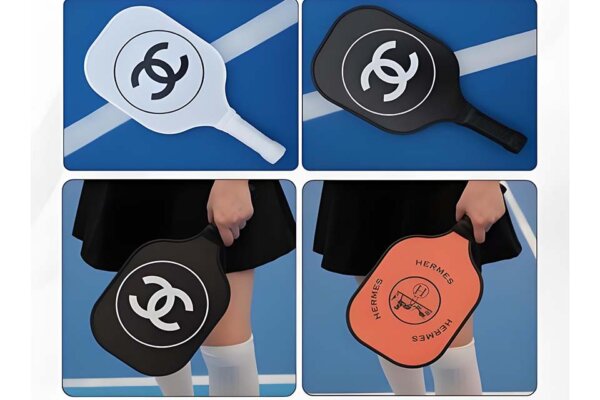
Polymer Core
Polymer core paddles are most common. They use a honeycomb core design that’s light but strong. This core works well with both carbon fiber and fiberglass faces.
The polymer gives you a good balance of power and control. It’s also quieter than other core options. Most USAPA-approved pickleball paddles use polymer cores.
Nomex Core
Nomex is a paper-based honeycomb material. It’s much stiffer than polymer. This creates a louder paddle with more power.
Aggressive players sometimes prefer Nomex cores with carbon fiber faces. However, the combination can be harsh on your arm. The noise level often exceeds limits at some courts too.
Aluminum Core
Aluminum core paddles are less common now. They’re heavier and don’t perform as well as polymer options. Most serious players avoid them.
What About Different Technologies?
Paddle technology keeps improving. Here are innovations you’ll see:
Thermoformed Construction
Thermoformed paddles use heat and pressure to bond the face directly to the core. There’s no separate edge guard. This creates a larger sweet spot and more consistent feel.
Both carbon fiber and fiberglass paddles can use this construction. Brands like Selkirk and Joola offer thermoformed options.
Surface Texture
Paddle surface texture affects spin. Rougher surfaces grip the ball better. Carbon fiber naturally has more texture than fiberglass.
Some manufacturers add grit or coatings to increase spin. However, USAPA rules limit how rough the surface can be. Check that your paddle meets USAPA-approved standards for tournament play.
Vibration Dampening
Vibration dampening systems help reduce arm fatigue. Some paddles add foam or rubber in the handle. Others use special materials in the core.
This feature matters more with carbon fiber paddles. The stiffer material needs help absorbing shock. If you have tennis elbow or shoulder strain, look for paddles with good dampening.
Testing Paddles Before You Buy
Reading about materials helps, but nothing beats trying paddles yourself. Here’s how to test them:
Demo Programs
Many online retailers offer demo programs. You pay a small fee to try 2-3 paddles for a week. Then you return them or apply the fee toward a purchase.
Paddletek, Selkirk, and Engage all have demo programs. This lets you compare carbon fiber vs fiberglass on your local court.
Local Shops
Visit a pickleball specialty store if one’s nearby. Most let you test paddles before buying. The staff can also give advice based on your playing style.
Try Friends’ Paddles
Ask fellow players if you can try their paddles during warm-up. Most people are happy to share. You’ll quickly feel the difference between materials.
Maintenance and Care
Taking care of your paddle extends its life – especially important with expensive carbon fiber options.
Cleaning
Wipe your paddle face after each session. Use a damp cloth to remove dirt and rubber from balls. Don’t use harsh chemicals that might damage the surface.
Carbon fiber paddles need regular cleaning to maintain their rough texture. Dirt fills in the grooves and reduces spin potential.
Storage
Keep your paddle in a protective case. Don’t leave it in your car where extreme temperatures can damage the materials.
UV resistance varies between materials. Carbon fiber handles sun better than fiberglass. Still, storing your paddle indoors protects both types.
Edge Guard Replacement
Check your edge guard regularly for damage. Chips and cracks grow bigger over time. Some paddles let you replace the edge guard without buying a new paddle.
Fiberglass paddles often need edge guard attention sooner. The material chips more easily when you hit the court surface.
Brand Recommendations for 2026
Let’s look at specific paddles worth considering:
Top Carbon Fiber Paddles
Selkirk Vanguard Power Air leads the pack. It’s lightweight at 7.6 ounces with excellent power. The T700 carbon fiber face generates serious spin. Price: around $200.
Joola Hyperion offers unibody construction for maximum sweet spot. Professional players love this paddle. It’s slightly heavier at 8.0 ounces. Price: approximately $250.
ProKennex Kinetic adds special vibration dampening. If you worry about arm fatigue but want carbon fiber, this is your paddle. Price: about $180.
Best Fiberglass Paddles
Paddletek Bantam TS-5 gives incredible control. The Bantam shape extends your reach. It’s a favorite for doubles play. Price: around $120.
Onix Z5 is a classic for beginners. Wide body design creates a large sweet spot. Very forgiving on off-center hits. Price: approximately $80.
Gamma Sports Compass balances power and control well. The honeycomb core adds stability. Good for intermediate players. Price: about $100.
Hybrid Recommendations
Engage Pursuit MX blends materials smartly. Carbon face with fiberglass layers gives you all-around play ability. Price: around $160.
Head Radical uses carbon fiber strategically for power zones. Fiberglass in control areas. Innovative design worth trying. Price: approximately $170.
Understanding the Manufacturing Process
Quality matters when comparing materials. How paddles are made affects their performance.
Carbon Fiber Production
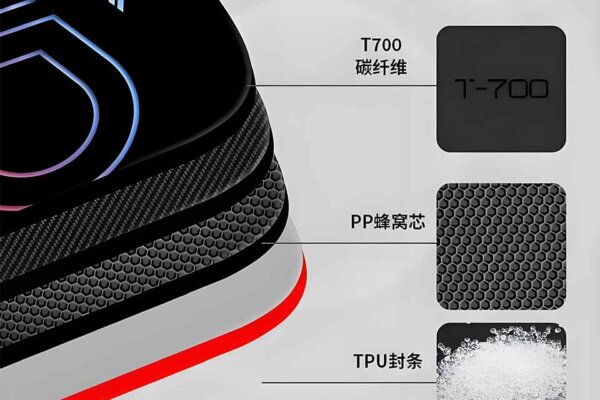
Carbon fiber paddles start with carbon fiber weave sheets. Manufacturers like those at a carbon composite manufacturer use 3K weave or T700 grade carbon. The sheets are layered and bonded with resin.
Heat and pressure cure the materials together. This creates the strong, light face. The process requires precise temperature control. Poor manufacturing creates weak spots that affect durability.
Quality custom carbon fiber production makes a difference you can feel on the court. Premium paddles use better resin systems and more careful curing.
Fiberglass Construction
Fiberglass uses woven glass fibers mixed with resin. The process is similar to carbon fiber but less expensive. The material is easier to work with and more forgiving of manufacturing variations.
This explains the lower price point. However, good fiberglass paddles still need careful construction. The weave pattern and resin quality affect the final feel and durability.
Quality Control
Tournament-grade paddles go through strict testing. Manufacturers check weight, balance, and size against USAPA specifications. They test thousands of balls to verify durability.
Budget paddles skip some testing steps. This creates more variation between individual paddles. When you’re spending $200+, you expect consistency.
Common Questions Answered
Is Carbon Fiber Worth the Extra Money?
It depends on your goals. If you play competitively and want every advantage, yes. Carbon fiber delivers measurable improvements in power and spin.
For recreational players who hit the court once a week, probably not. A good fiberglass paddle serves you just fine. Save the money for lessons or more court time.
Which Material Lasts Longer?
Carbon fiber wins here. It lasts 5+ years versus 2-3 years for fiberglass with regular play. The material resists impact damage better. Edges stay intact longer. Surface texture holds up through thousands of balls.
Over the paddle’s lifetime, carbon fiber might cost less per year of use. A $200 paddle lasting 5 years costs $40 yearly. A $100 fiberglass paddle lasting 2 years costs $50 yearly.
Can Fiberglass Generate Good Spin?
Yes, but not as much as carbon fiber. You can still put spin on your shots with fiberglass. It’s 10-15% less effective, which matters more at higher skill levels.
Beginning and intermediate players won’t notice much difference. Advanced players feel the limitation when trying aggressive spin serves or third-shot drops.
What About Paddle Weight Classes?
Both materials come in lightweight, midweight, and heavyweight options. Weight affects performance differently:
- Light paddles (under 7.8 oz): Faster swing speed, less power
- Midweight paddles (7.8-8.4 oz): Balanced performance
- Heavyweight paddles (over 8.4 oz): More power, slower reactions
Carbon fiber naturally makes lighter paddles easier to produce. Manufacturers add weight strategically for balance. Fiberglass tends toward midweight naturally.
Does Paddle Balance Matter?
Absolutely. Head-heavy paddles put more weight toward the top. This increases power but slows your swing. Handle-heavy paddles are quicker but sacrifice some pop.
Even balance splits the difference. Most players prefer even or slightly head-heavy. Material choice affects this – carbon fiber’s lightness makes head-heavy balance easier to handle.
How Does Weather Affect These Materials?
Cold weather makes both materials stiffer. Carbon fiber stays playable in more conditions. Fiberglass can feel brittle when temperatures drop below 40°F.
Hot weather softens fiberglass slightly. This can actually improve control. Carbon fiber maintains consistent performance across temperature ranges.
Moisture affects fiberglass more too. Humid conditions or wet courts can impact the material. Carbon fiber resists water better. This matters for outdoor play in varied climates.
The Future of Paddle Materials
Paddle technology keeps evolving. Here’s what’s coming:
New Carbon Materials
Toray carbon fiber represents the premium end. This Japanese-made material offers even better strength-to-weight ratios. Expect more paddles using it as prices drop.
Graphene-enhanced carbon fiber is entering the market. Graphene adds strength without weight. Early testing shows promising results for durability and power.
Hybrid Innovations
Injected core technology creates paddles without separate face and core pieces. The whole paddle forms as one unit. This works with both carbon and fiberglass faces.
Early versions show larger sweet spots and more consistent performance. Brands like Gearbox and PCKL are pioneering this approach.
Smart Paddles
Yes, really. Some manufacturers are testing paddles with built-in sensors. They track swing speed, ball impact location, and shot types. Bluetooth connects to your phone for analysis.
This technology works with any face material. It’s expensive now but prices will drop. Imagine getting real data about whether carbon fiber actually improves your power shots.
Making Your Final Decision
After all this information, here’s a simple decision tree:
Start by asking: What’s your budget?
- Under $100: Choose fiberglass. You get good performance without breaking the bank.
- $100-$150: Consider premium fiberglass or entry-level carbon fiber.
- $150-$250: Quality carbon fiber gives you pro-level performance.
- Over $250: You’re paying for cutting-edge technology and materials.
Next: What’s your playing style?
- Aggressive baseline player: Carbon fiber matches your game.
- Finesse and control player: Fiberglass suits you better.
- All-court player: Try hybrid options or mid-range carbon fiber.
Consider: Your physical condition?
- Arm or shoulder problems: Fiberglass’s vibration dampening helps.
- No physical issues: Carbon fiber’s stiffness isn’t a problem.
- Building strength: Start with fiberglass, move to carbon later.
Finally: How often do you play?
- 3+ times weekly: Carbon fiber’s durability pays off.
- Once a week: Fiberglass lasts long enough at lower cost.
- Occasional player: Budget fiberglass makes sense.
The Bottom Line
Carbon fiber and fiberglass both make excellent pickleball paddles. Neither is universally “better” – they excel at different things.
Carbon fiber gives you power, spin, and durability. You pay more upfront but get a paddle that performs at the highest level for years. Professional players choose it for good reason.
Fiberglass offers control, comfort, and value. It’s perfect for players who prioritize placement over power. Your arm will thank you too. Many recreational players never need anything more.
The best answer? Try both if possible. Your personal feel and playing style matter more than any specification sheet. What works for tournament pros might not work for your weekend games.
And remember – a $300 paddle won’t fix fundamental technique issues. Spend money on lessons before spending it on premium materials. Then upgrade your paddle when your skills demand better equipment.
Whether you choose carbon fiber pickleball paddle technology or stick with fiberglass, focus on enjoying the game. That’s what pickleball is all about.