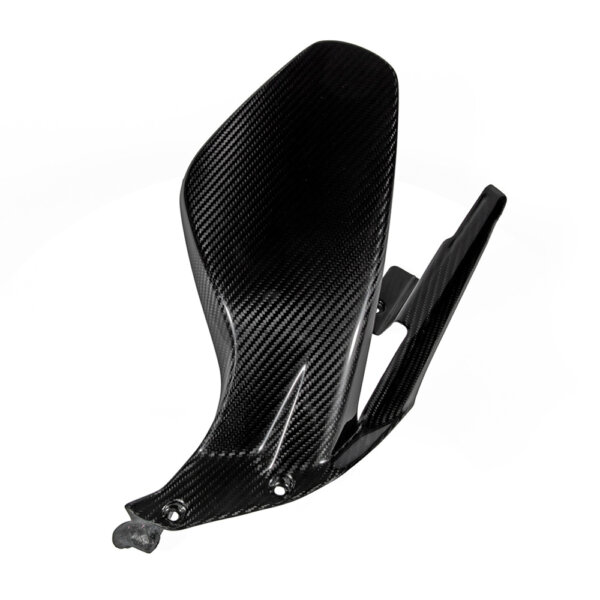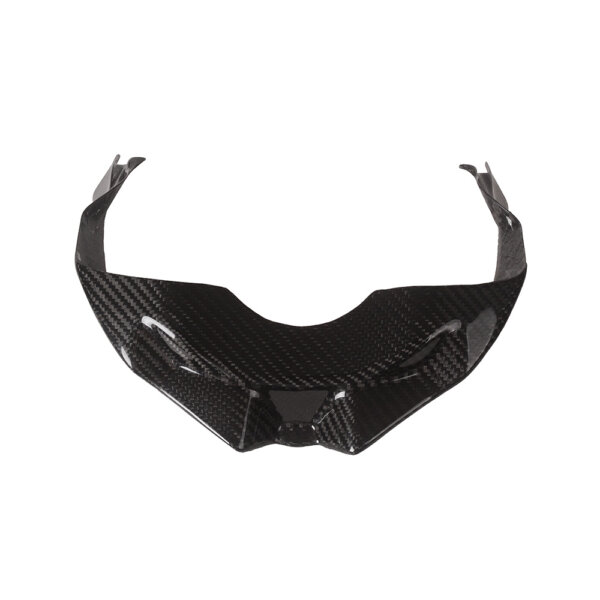
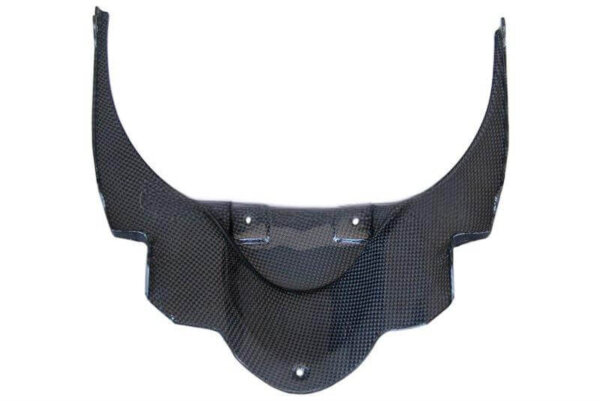
Carbon fiber car parts are 5 times stronger than steel but weigh half as much. That’s why you see them on supercars like the carbon fiber Lamborghini and race cars in Formula 1. If you want to make your own carbon fiber body panels, spoilers, or even a carbon fiber chassis, this guide will show you exactly how to do it.
Why Carbon Fiber Matters for Cars
Carbon fiber isn’t just about looks. According to industry data, carbon fiber offers a tensile strength of 500-700 ksi compared to steel’s 50-80 ksi. Plus, you’ll save 40-60% on weight versus aluminum parts. That’s huge for performance, fuel economy, and handling.
Major brands use carbon fiber everywhere now. BMW’s i3 uses it in the chassis. Tesla’s Cybertruck uses recycled carbon fiber panels to cut costs by 30%. The Lamborghini Aventador SVJ has a monocoque chassis that’s 75% carbon fiber.
Real-World Carbon Fiber Manufacturing Experience
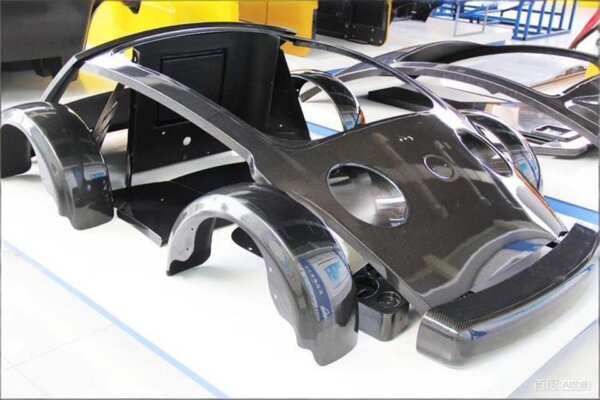
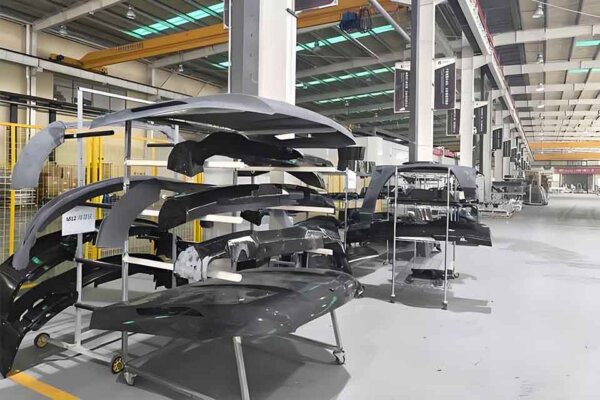
At ChinaCarbonFibers, we have manufactured thousands of carbon fiber automotive parts including hoods, diffusers, intake systems, and structural RTM components for both OEM and motorsport customers.
In real production, we see that: – Wet layup failure rates increase dramatically above 2.5 mm thickness – Improper vacuum sealing causes over 60% of cosmetic defects – Fiber orientation mistakes are the #1 reason parts crack during installation
Materials You Need to Get Started
Before you start your carbon fiber fabrication project, gather these supplies:
Core Materials
- Carbon fiber fabric (twill weave or plain weave)
- Epoxy resin (slow-cure works best for beginners)
- Release agent (PVA or wax to prevent sticking)
- Peel ply for smooth surfaces
- Breather fabric to absorb excess resin
Essential Tools
- Vacuum bagging system ($200-$500)
- Vacuum pump for resin infusion
- CNC machine or 3D printer for molds
- Respirator (carbon fiber dust is dangerous!)
- Diamond-coated blade for trimming
- Sandpaper (400 to 1000 grit)
You can find quality materials from suppliers like Toray Industries, Hexcel, or SGL Carbon. Many custom composite factories also sell starter kits.
Step 1: Design Your Mold
Everything starts with a good mold. You can’t make quality carbon fiber car parts without one.
Creating the Mold
Use CAD modeling software to design your part. Programs like SolidWorks or Fusion 360 work great. You need exact measurements. Even small errors will mess up your final part.
You have two main options for making molds:
CNC Machining: This method gives you super accurate molds. It’s what professional carbon composite manufacturers use. The downside? CNC machines are expensive.
3D Printing: Much cheaper for small projects. Ford Performance uses 3D-printed molds to speed up prototyping by 50%. However, printed molds aren’t as durable for multiple parts.
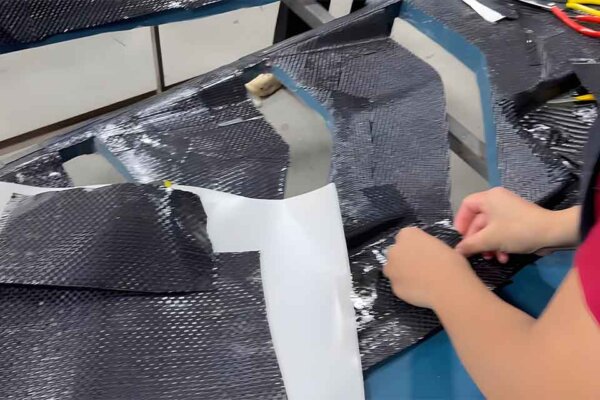
If you’re modifying an existing car part, you can make a mold directly from it. Just coat the original part with release agent and build up layers of fiberglass around it.
Step 2: Choose Your Layup Method
The layup process is where you actually build your carbon fiber part. There are several techniques, and each has tradeoffs.
Wet Layup Technique
This is the easiest method for beginners. Here’s how it works:
- Cut your carbon fiber fabric to fit your mold
- Mix your epoxy resin according to the instructions
- Brush resin onto the first layer of fabric
- Place the fabric in the mold
- Add more layers, brushing resin between each one
- Remove air bubbles with a roller
Wet layup costs less and doesn’t need fancy equipment. But it has higher void content (5-10%), which makes parts weaker. Delamination happens in 12% of wet layup parts versus just 2% in other methods.
Prepreg Carbon Fiber
Prepreg means pre-impregnated. The carbon fiber fabric already has resin in it. You just lay it in the mold and cure it.
This method gives you the strongest parts. Prepreg with autoclave curing creates only 0.1% voids. That’s why McLaren Automotive, Pagani Automobili, and Koenigsegg use it for their carbon fiber cars.
The catch? Prepreg needs to stay frozen until you use it. You also need an autoclave or curing oven that reaches 250°F or higher.
Vacuum Bagging Method
This technique works with both wet layup and prepreg. After you place your carbon fiber in the mold, you:
- Cover it with peel ply
- Add breather fabric
- Seal everything with vacuum bagging film
- Connect a vacuum pump
- Pull air out to compress the layers
Vacuum bagging removes air pockets and spreads resin evenly. It dramatically reduces voids and makes parts much stronger.
Resin Transfer Molding (RTM)
RTM is what pros use for automotive production. You place dry carbon fiber fabric in a closed mold, then inject resin under pressure.
The Lamborghini Aventador SVJ uses RTM for its monocoque chassis. This method is 20% faster than other techniques for large parts. It also creates very consistent quality.
However, RTM needs expensive equipment and precise molds. It’s not practical for most DIY projects.
Step 3: Understand Fiber Orientation
How you lay your carbon fiber matters a lot. The direction of the fibers changes the part’s strength.
Fiber Angles Explained
- 0°/90° orientation: Maximum stiffness. Use this for structural parts like carbon fiber suspension components
- ±45° orientation: Better flexibility. Good for curved body panels or carbon fiber hoods
- Unidirectional carbon fiber: All fibers run one direction. Super strong but only in that direction
- Twill weave carbon fiber: Fibers cross at 90°. Balanced strength in both directions
- Plain weave carbon fiber: The most common pattern. Good all-around strength
Professional carbon fiber manufacturers often use multiple orientations in one part. They might alternate layers to get strength in all directions.
Step 4: Curing Your Part
Curing is when the resin hardens and bonds everything together. You have several options:
Room Temperature Cure
The simplest method. Just leave your part at normal room temperature for 24-48 hours. Most epoxy resins will cure this way.
This works fine for non-critical parts like carbon fiber spoilers or body panels. But the parts won’t be as strong as oven-cured ones.
Oven Cure
Heat speeds up curing and makes stronger parts. A typical schedule is 2 hours at 250°F.
You don’t need a special autoclave. A regular oven works for small parts. Just make sure it reaches the right temperature.
Post-Cure Treatment
Want maximum strength? Do a post-cure after the initial curing. Bake your part at 200°F for 4 hours.
This increases the Tg (glass transition temperature) of the resin. Your part will handle heat better and be up to 25% stronger.
Autoclave Curing
Autoclaves combine heat and pressure. This creates the absolute best carbon fiber parts with minimal voids and delamination.
Formula 1 teams use autoclave curing for every part. The pressure (85-100 psi) squeezes out air and excess resin perfectly.
An autoclave costs $50,000 to $500,000, though. That’s why only serious motorsport teams and carbon composite manufacturers use them.
Step 5: Demolding and Finishing
Once your part is fully cured, it’s time to remove it from the mold and make it look great.
Safe Demolding
Don’t rush this step. Apply release agent properly before layup, and demolding becomes easy.
Gently work around the edges with a plastic wedge. Never use metal tools – they’ll scratch your mold or part.
Trimming Excess Material
You’ll have extra carbon fiber around the edges. Use a diamond-coated blade on an angle grinder to trim it.
Work slowly and wear your respirator. Carbon fiber dust is seriously harmful if you breathe it in.
Sanding and Polishing
Start with 400-grit sandpaper to smooth rough spots. Work up through 600, 800, and finally 1000 grit.
Sanding carbon fiber parts takes patience. Sand too aggressively and you’ll cut through the outer layer and ruin the look.
Clear Coating
Always apply a clear coat for UV protection. Without it, the epoxy resin will yellow and the carbon fiber will weaken over time.
Use automotive urethane clear coat. Apply 2-3 coats with light sanding between each one. This also makes the classic glossy carbon fiber look.
Pro Tips for Maximum Strength
Want parts as good as what you see on a carbon fiber Lamborghini? Follow these pro techniques:
Eliminate Voids
Voids (air pockets) are your enemy. They create weak spots where parts can crack.
Always use vacuum bagging for critical parts. The data shows it reduces void content from 10% down to 1-2%.
Roll out air bubbles carefully during wet layup. Work from the center outward to push air to the edges.
Get Fiber Orientation Right
Don’t just lay carbon fiber fabric randomly. Plan your fiber orientation based on the loads the part will face.
For a carbon fiber hood, use mostly 0°/90° layers for stiffness. Add one or two ±45° layers for impact resistance.
Control Your Resin Ratio
Too much resin adds weight without strength. Too little leaves dry spots.
The ideal fiber-to-resin ratio is 60:40 by weight. That means 60% carbon fiber and 40% resin.
Measure Everything Precisely
Carbon fiber fabrication isn’t forgiving. A part that’s off by 2mm might not fit.
Use CAD modeling to check measurements before cutting anything. Double-check dimensions on your mold.
Common Mistakes to Avoid
Learn from others’ errors. These mistakes ruin more carbon fiber car parts than anything else:
Skipping Release Agent
Forget release agent and your part will stick to the mold permanently. You’ll destroy both the part and the mold trying to separate them.
Always apply 3-4 coats of release agent before starting your layup. Let each coat dry completely.
Wrong Resin Mix Ratio
Epoxy resin needs exact mixing. Too much hardener makes it cure too fast. Too little and it stays sticky forever.
Use a scale to measure by weight, not volume. Follow the manufacturer’s ratio exactly.
Poor Workshop Ventilation
Carbon fiber and resin fumes are toxic. Working without ventilation causes headaches, dizziness, and long-term health problems.
Always work in a well-ventilated area. Wear a proper respirator with organic vapor cartridges – not just a dust mask.
Rushing the Cure
It’s tempting to demold parts early. Don’t. Uncured resin is weak and will deform.
Wait the full cure time. Then wait 4 more hours to be safe.
Inadequate PPE
Carbon fiber dust damages your lungs permanently. Uncured resin irritates skin and eyes.
Wear gloves, a respirator, safety glasses, and long sleeves for every step of carbon fiber fabrication.
Applications in Automotive
Carbon fiber changes how we build cars. Here’s where you’ll see it:
Performance Parts
- Carbon fiber hoods: Save 20-30 pounds over steel
- Carbon fiber spoilers: Better aerodynamics at high speed
- Carbon fiber diffusers: Increase downforce
- Carbon fiber wheels: Reduce unsprung weight for better handling
Even small weight savings matter. Every 100 pounds removed improves acceleration, braking, and cornering.
Racing Applications
Motorsport drives carbon fiber innovation. Formula 1 has used carbon fiber monocoques since the 1980s.
These racing carbon fiber chassis protect drivers in 200+ mph crashes. They’re also incredibly light – a full F1 monocoque weighs just 77 pounds.
Restoration Projects
Carbon fiber breathes new life into classic cars. Replace rusted steel body panels with carbon fiber versions.
You maintain the original look but cut hundreds of pounds. Your classic car handles better and uses less fuel.
Electric Vehicles
Weight matters even more for electric vehicles. Heavy batteries hurt range.
Tesla uses recycled carbon fiber to make lighter parts without the huge cost. BMW’s i3 proves you can build an entire carbon fiber passenger cell for a production car.
Cost Breakdown: DIY vs Professional
How much will your project cost? It depends on your approach.
DIY Carbon Fiber Parts
For small parts like a carbon fiber spoiler or trim piece:
- Carbon fiber fabric: $20-50 per yard
- Epoxy resin: $30-80 per gallon
- Vacuum bagging supplies: $50-100
- Release agent and prep: $20-30
- Tools: $100-300 (one-time purchase)
Total for a small part: $50-200 plus your labor
Wet layup keeps costs down. You’ll spend more time than money.
Professional Quality Parts
Want carbon fiber as good as what BMW or McLaren makes? You’ll pay more:
- Prepreg carbon fiber: $50-200 per pound
- Autoclave curing: Requires $50,000+ equipment
- CNC molds: $1,000-10,000 depending on complexity
- Quality control testing: $500-2,000 per part
OEM-grade parts cost: $500-5,000 depending on size and complexity
Professional carbon composite manufacturers invest heavily in equipment. That quality shows in strength and finish.
Cost Comparison to Other Materials
BMW i3 data shows carbon fiber costs $15 per pound versus steel’s $0.30 per pound. That’s 50 times more expensive!
But remember the weight savings. You need much less carbon fiber to match steel’s strength. For performance cars, the benefits justify the cost.
Environmental Impact and Sustainability
Carbon fiber has an environmental cost. Production uses about 150 MJ/kg of energy. That’s 5-7 times more than steel at 20-30 MJ/kg.
Recycling Carbon Fiber
Good news: carbon fiber recycling is improving. BMW’s pilot program achieves 85% recovery using pyrolysis (heating without oxygen).
Recycled carbon fiber works great for non-critical parts. Tesla uses it in the Cybertruck to cut costs and environmental impact.
Sustainable Carbon Fiber
Companies are developing bio-based carbon fiber from plant materials. Graphene-enhanced carbon fiber from University of Manchester tests shows 25% better strength with less material.
Advanced Techniques and Innovations
Carbon fiber technology keeps improving. Here’s what’s cutting-edge:
3D Printing Carbon Fiber
Some 3D printers now use carbon fiber filament. This lets you print molds or even small parts directly.
Ford Performance uses 3D-printed molds for prototyping. It’s 50% faster than traditional mold-making.
Compression Molding
This technique uses matched metal molds and hydraulic pressure. It’s faster than hand layup for production quantities.
Compression molding works well for carbon fiber body panels when you need 100+ identical parts.
Self-Healing Carbon Fiber
Researchers are embedding special resins that repair small cracks automatically. This could make carbon fiber even more durable.
Quality Control and Testing
Professional manufacturers test every carbon fiber part. You should too for critical components.
Visual Inspection
Look for:
- Delamination (layers separating)
- Voids (visible air pockets)
- Dry spots (areas without enough resin)
- Wrinkles in the carbon fiber weave
Any of these flaws weaken the part.
Porosity Testing
Use ultrasonic testing to find hidden voids. Professional carbon composite manufacturers test 100% of structural parts this way.
Strength Testing
For critical parts like carbon fiber suspension components, do destructive testing. Make extra parts and test them to failure.
This tells you the safety margin before using the part on your car.
Working with Professional Manufacturers
Not every project suits DIY. Sometimes you need a custom composite factory for:
- Large complex parts like a carbon fiber chassis
- FIA-compliant race car components
- High-volume production runs
- Parts requiring autoclave quality
Professional carbon fiber manufacturers offer:
- CAD modeling services
- Advanced compression molding and RTM
- Quality control testing
- Industry certifications
They can make custom carbon fiber parts to your exact specifications.
Getting Started Today
Ready to make your first carbon fiber car part? Start small.
Beginner Project Ideas
- Interior trim pieces
- Small carbon fiber spoilers
- Shift knobs or steering wheel covers
- Dash panels
These parts are simple shapes, non-structural, and safe for learning.
Essential Safety Rules
- Always wear a respirator when cutting or sanding
- Work in ventilated areas
- Wear gloves and eye protection
- Dispose of carbon fiber dust carefully
- Never eat or drink in your workspace
Carbon fiber safety isn’t optional. One mistake can cause permanent health damage.
Learning Resources
Watch videos from professional carbon fiber fabrication shops. Join online forums where makers share tips.
Start with wet layup to learn the basics. Move to vacuum bagging when you’re comfortable. Save prepreg and autoclave work for later.
The Future of Carbon Fiber in Automotive
Carbon fiber cars are becoming more common. What once appeared only on million-dollar supercars now shows up in regular vehicles.
Toray Industries and other suppliers are developing cheaper production methods. Automated fiber placement robots can lay up parts faster than humans.
Teijin Carbon and Mitsubishi Chemical are creating new types of carbon fiber that bond better and cost less.
As production scales up, carbon fiber car parts will become affordable for more people. The weight savings help both performance and fuel economy.
Conclusion
Making carbon fiber car parts takes patience, practice, and attention to detail. But the results are worth it.
You’ll create parts that are lighter, stronger, and better-looking than steel or aluminum. Whether you’re building a race car, restoring a classic, or just want the best carbon fiber body panels, these techniques will get you there.
Start with simple projects using wet layup. Learn proper vacuum bagging. Master your fiber orientation and resin ratios. Before long, you’ll be making carbon fiber parts that rival what professional carbon composite manufacturers produce.
The most important thing? Start today. Your first part won’t be perfect. That’s fine. Every expert started as a beginner. Grab some carbon fiber fabric and epoxy resin and make something amazing.