

Carbon fiber is strong, lightweight, and used in many outdoor and high-performance parts. But is it actually waterproof in rain, saltwater, or humid environments?
The short answer is: not by itself. Carbon fiber on its own is not fully waterproof, and the water resistance of a finished part depends mainly on the resin system, laminate quality, edge sealing, and surface coating.
In normal outdoor use, a well-made carbon fiber part can usually handle rain and splashes without problems. But long-term moisture exposure, saltwater, damaged coatings, and poor sealing can all reduce durability over time.
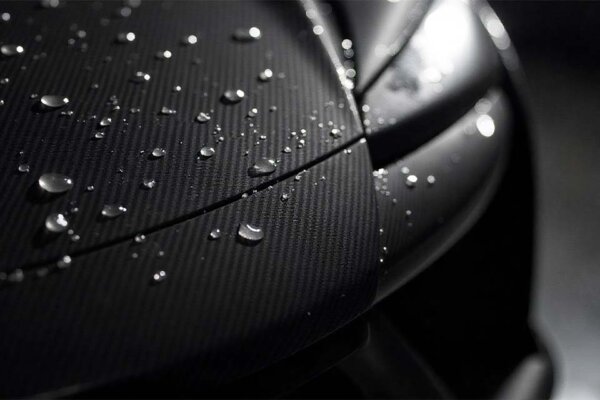
Quick Answer
| Question | Answer |
|---|---|
| Is raw carbon fiber waterproof? | ❌ No |
| Are finished carbon fiber parts waterproof? | ✅ Water-resistant when properly sealed |
| Does carbon fiber rust? | ❌ No |
| Can carbon fiber be used in rain? | ✅ Usually yes |
| Is saltwater more damaging than freshwater? | ✅ Yes |
| What protects carbon fiber from water? | Resin, clear coat, gel coat, and good sealing |
What Is Carbon Fiber Made Of?
A finished carbon fiber part is usually not just carbon fiber alone. In most real products, it is a carbon fiber composite, also called CFRP (Carbon Fiber Reinforced Polymer).
A typical carbon fiber composite includes:
- Carbon fiber reinforcement
- Resin system, usually epoxy
- Surface coating, such as clear coat, gel coat, or topcoat
- Bonded edges, joints, or drilled holes, which also need protection
That is why water resistance is not only about the fiber itself. It depends on the entire composite system and how well the part is manufactured and sealed.
Is Carbon Fiber Naturally Waterproof?
No. Carbon fiber by itself is not naturally waterproof.
In practice, moisture usually enters a carbon fiber composite through the resin matrix, exposed edges, voids, cracks, pinholes, drilled holes, or damaged coatings. That means a finished part can perform very differently depending on how it was made.
In practical terms:
- Bare or poorly sealed carbon fiber can absorb moisture over time
- Well-made, sealed carbon fiber parts are usually highly water-resistant in daily use
So the key factor is not just the carbon fiber. It is the quality of the resin system and sealing.
What Happens When Carbon Fiber Gets Wet?
Water usually does not destroy carbon fiber immediately. The real problem is long-term moisture ingress.
When water gets into a poorly sealed composite, several things can happen over time:
- Moisture enters through weak points such as edges, voids, or damaged coating
- The resin may soften or swell slightly
- Layers can begin to separate, especially under stress
- Microcracks may develop
- Long-term durability can decrease
In real applications, the biggest risks are often not normal rain, but:
- long-term immersion
- saltwater exposure
- humidity cycling
- UV plus moisture
- damaged clear coat or gel coat
- poorly sealed edges and holes
For most outdoor parts, occasional rain is not the main problem. The bigger issue is prolonged exposure combined with poor sealing or surface damage.
In many real parts, water does not enter through the main surface first. It more often enters through trimmed edges, drilled holes, chips in the clear coat, bonding lines, or small manufacturing defects.

Saltwater vs Freshwater
Saltwater is generally more aggressive than freshwater.
Freshwater can still cause problems over time, especially if a part is unsealed or damaged, but saltwater is usually worse because it increases stress on the resin system, bonded areas, and exposed surfaces.
General comparison
| Water Type | Typical Risk | Main Concern |
|---|---|---|
| Freshwater | Medium | Moisture absorption over time |
| Rain / splashes | Low to medium | Usually manageable if sealed |
| High humidity | Medium | Slow moisture ingress |
| Saltwater | High | Faster degradation of weak points |
| Long-term submersion | Very high | Delamination and durability loss |
For marine applications, sealing is especially important. In many cases, saltwater plus UV exposure is more damaging than water alone.
Is Carbon Fiber OK in Rain?
In most cases, yes. A finished carbon fiber part with proper resin and surface coating can usually handle rain, splashes, and routine washing without problems.
The bigger concern is not short-term rain exposure, but long-term immersion, damaged coating, exposed edges, and repeated saltwater or humidity cycling.
How to Protect Carbon Fiber from Water
The good news is that carbon fiber can perform very well in wet environments when it is properly protected.
1. Epoxy Resin System
A good resin system is the first line of defense. It helps bind the laminate and reduce moisture ingress.
2. Clear Coat or Topcoat
A quality surface coating helps protect against water, UV, and surface wear.
3. Gel Coat
Gel coats are commonly used in marine environments and can improve long-term durability.
4. Edge and Hole Sealing
In many real parts, edges, drilled holes, bonded joints, and trimmed areas are the most vulnerable points. These areas often matter more than the flat surface.
5. Better Manufacturing Quality
Low void content, even resin distribution, and good curing all help improve water resistance. For example, carbon fiber prepreg can help produce more consistent laminates with fewer weak spots.
Maintenance also matters. Even a well-sealed carbon fiber part can lose protection over time if the coating is chipped, cracked, or left unrepaired in harsh outdoor or marine environments.
Practical protection summary
| Method | Main Benefit | Typical Use |
|---|---|---|
| Epoxy resin system | Reduces moisture ingress | General composites |
| Clear coat / topcoat | Surface protection | Automotive, outdoor parts |
| Gel coat | Extra marine protection | Boats, marine parts |
| Edge sealing | Protects vulnerable areas | Trimmed or drilled parts |
| Prepreg process | More consistent laminate quality | High-performance parts |
Real-World Applications
Water resistance matters most when carbon fiber is used outdoors or in wet environments.
Marine
Boat parts, marine panels, and offshore components need strong sealing and surface protection.
Automotive
Carbon fiber car parts such as hoods, spoilers, splitters, and diffusers are regularly exposed to rain, washing, and road spray.
Motorcycles
Carbon fiber motorcycle parts face rain, dirt, and constant outdoor exposure, so coating quality is important.
Bicycles and Outdoor Gear
Bike frames, fishing rods, tripods, and similar products usually perform well in wet conditions when the laminate and finish are well made.
Aerospace and Industrial
In technical applications, moisture resistance is considered during material selection, resin design, and sealing standards.
Carbon Fiber vs Other Materials
Compared with fiberglass, aluminum, and steel, carbon fiber performs very differently in wet conditions.
| Material | Water Resistance | Corrosion / Rust Risk | Weight |
|---|---|---|---|
| Carbon fiber (sealed) | Good to excellent | No rust | Very light |
| Carbon fiber (poorly sealed) | Limited | No rust | Very light |
| Fiberglass | Good | No rust | Light |
| Aluminum | Moderate | Can oxidize | Light |
| Steel | Poor | Rust risk | Heavy |
A few practical points:
- Carbon fiber does not rust like steel
- Fiberglass is often naturally more forgiving in wet environments
- Sealed carbon fiber can perform very well while offering better stiffness-to-weight performance
- Metals may have rust or corrosion concerns that carbon fiber avoids
FAQ
Can carbon fiber get wet?
Yes. A properly sealed carbon fiber part can usually handle rain, splashes, and normal outdoor exposure.
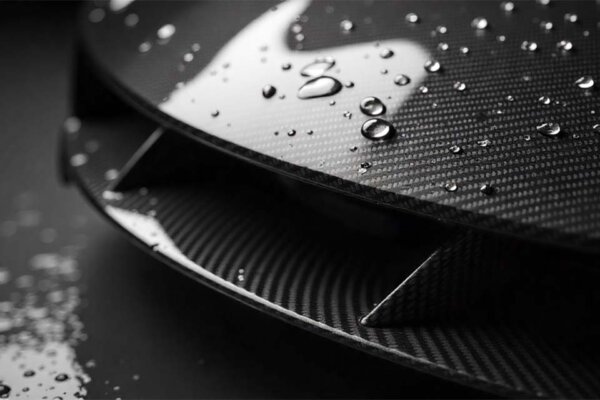
Does carbon fiber rust?
No. Carbon fiber does not rust like steel. However, the resin system and bonded areas can still degrade if moisture gets in over time.
Can carbon fiber be used outdoors long term?
Yes, if it is properly sealed and maintained. Long-term outdoor durability depends on coating quality, UV protection, edge sealing, and repairing surface damage when needed.
Is carbon fiber safe in saltwater?
It can be, but saltwater is much harsher than freshwater. Marine use requires better sealing, coating, and maintenance.
Is carbon fiber better than fiberglass in wet environments?
It depends on the application. Fiberglass is often more forgiving and lower cost, while sealed carbon fiber offers better weight and stiffness performance.
What is the weakest point for water damage?
In many cases, it is not the flat carbon surface. The biggest risk is usually exposed edges, drilled holes, cracks, or damaged coating.
Key Takeaways
- Carbon fiber is not fully waterproof by itself
- Finished carbon fiber parts can be highly water-resistant
- Rain is usually not the main problem
- Saltwater, long-term immersion, humidity cycling, and damaged coatings are more serious risks
- The resin system, laminate quality, and sealing matter more than the fiber alone
- Edges, holes, and joints are often the most vulnerable areas
- With proper protection, carbon fiber can work very well in wet environments
If you are selecting carbon fiber parts for outdoor, marine, or industrial use, do not look only at the carbon fiber itself. The real difference often comes from the resin system, coating quality, edge sealing, and manufacturing quality.
For projects that need better moisture resistance, you can also explore our custom carbon fiber solutions.