
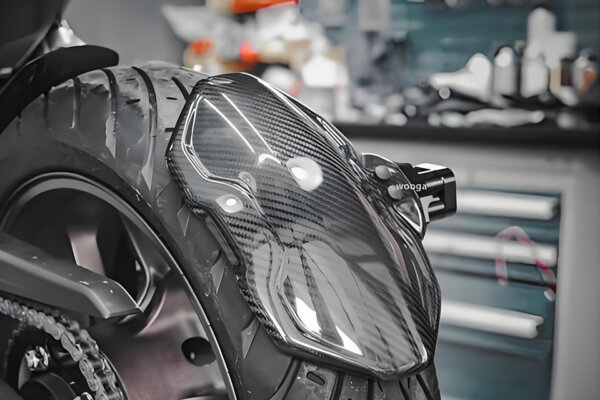
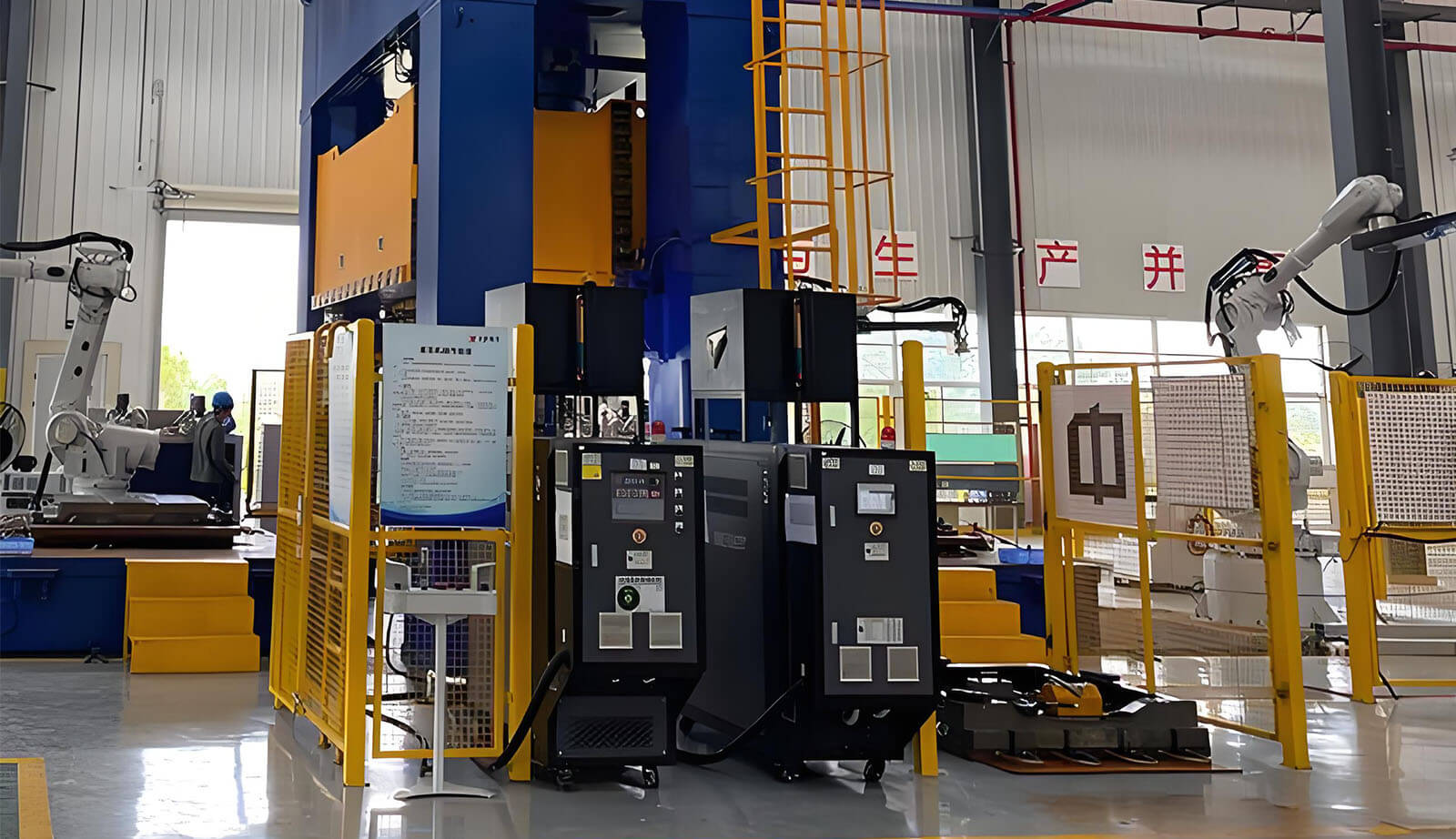
Carbon Fiber Composite Material Hot Pressing Molding Process
Our factory employs an advanced carbon fiber hot press process with a P20 steel mold, ensuring high efficiency, precision, durability, and cost-effectiveness for quality production.
Carbon Fiber Front Lip, Side Skirts, Rear Diffuser, Spoiler & Custom Parts | Dry Carbon | Wet Carbon | Forged Carbon | OEM/ODM & Wholesale
The Audi RS5 B9 combines a 2.9-liter twin-turbocharged V6 with distinctive RS styling. A carefully selected Audi RS5 carbon fiber body kit can give the vehicle a more individualized appearance while retaining its original design character. But selecting a front splitter, side skirts or rear diffuser requires more than choosing a weave pattern: vehicle generation, body style, molding accuracy, laminate construction, mounting details and finishing all matter.
At China Carbon Fibers, we manufacture and export composite components for aftermarket automotive applications. Our capabilities include prepreg autoclave production, vacuum-assisted wet carbon fabrication, genuine forged carbon manufacturing, custom tooling and automotive clear-coat finishing. We work with individual project buyers, tuning workshops, aftermarket distributors and OEM/ODM customers.
This page focuses on the pre-facelift RS5 B9, generally associated with 2018–2019 model years. It also explains the differences from the 2020–2025 B9.5 and the new-generation 2026 RS5 so buyers do not mistakenly order incompatible parts.
| Specification | Details |
|---|---|
| Primary application | Audi RS5 B9 pre-facelift |
| Typical model years | 2018–2019; verify actual bumper and production specification |
| Body styles | Coupe; Sportback compatibility confirmed separately for each part |
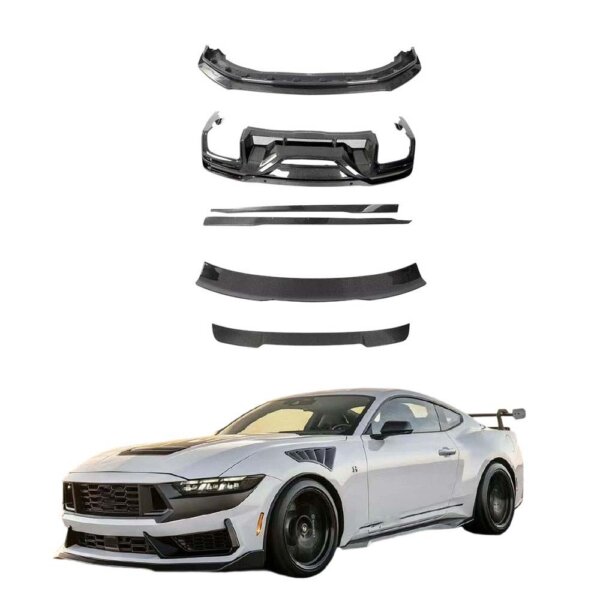
| Components to inquire about | Front lip, canards, side skirts, rear diffuser, trunk spoiler, mirror covers, custom hood |
| Manufacturing options | Prepreg dry carbon, vacuum-assisted wet carbon, forged carbon |
| Appearance | 3K 2×2 twill, forged carbon and other evaluated patterns |
| Finish | Gloss or matte automotive clear coat |
| Wet carbon production | Typically 7–10 days for established products with available tooling |
| Prepreg dry carbon production | Typically 15–25 days for established products with available tooling |
| MOQ | From 1 piece for eligible designs |
| Clear-coat warranty | 1 year for eligible finished products under normal use |
| OEM/ODM | Tooling development, prototypes, custom parts and wholesale |
| Shipping | EXW; DDP where available; customer-nominated forwarders accepted |
| Pricing | Quoted based on part, construction, quantity and destination |
Important: This is not a claim that every pictured or described design is held in stock or has existing tooling. Availability and exact fitment are confirmed before order acceptance. Lead times exclude international transit and may change with production scheduling, finishing, custom molds or special materials.
A coordinated exterior package may combine several components, or you can request an individual part. The design, existing tooling and exact vehicle determine what can be supplied.
The front lip is one of the most noticeable RS5 styling modifications. It extends the visual profile of the lower bumper, but correct B9 bumper geometry, support and attachment are essential. Ask about the contact surface, mounting holes, fastening method, ground clearance and whether the piece is an add-on or replacement. A protruding splitter can be damaged by steep ramps and curbs. Do not assume a cosmetic lip has validated downforce performance.
Canards sit near the outer bumper corners and can complement a front lip. Their compact curves require careful fiber placement, surface finishing and attachment design. Compatibility should be checked against the exact bumper and any existing aftermarket parts. Aerodynamic performance claims require testing.
Side skirt extensions visually connect the front lip and rear diffuser. Because they are long, even a modest dimensional mismatch can cause installation difficulty. Confirm Coupe versus Sportback, side sill shape, existing modifications, left/right geometry and installation method. Browse our 2019 Audi RS5 carbon fiber side skirt product page for a related design.
Rear diffuser geometry must match the bumper and exhaust layout. Verify original versus modified exhaust outlets, mounting tabs and holes, heat exposure and nearby sensors. Deep recesses make layup, trimming and coating more demanding. A diffuser’s appearance does not prove a measurable reduction in drag or increase in downforce.
Trunk-lip and ducktail-style spoilers alter the rear profile, but a Coupe spoiler should not automatically be treated as compatible with a Sportback. Confirm trunk shape and attachment details. Parts intended to carry significant aerodynamic loads require suitable structural and mounting validation.
A stick-on cover fits over an original housing; a replacement shell replaces a corresponding housing piece. These are not identical products. Confirm the mirror shape, features and mounting type when requesting a quote.
A replacement hood must address hinge attachments, latches, reinforcement, heat exposure, surrounding-panel fit and applicable safety requirements. A composite hood is not automatically lighter by a particular amount or mechanically equivalent to the original metal part. Such projects require separate engineering and quotation.
The term Audi RS5 carbon fiber kit does not describe one universal fitment. The RS5 has changed substantially across model years and markets.
The pre-facelift B9 is the primary focus of this page. Its front and rear bumper geometry provides the reference for compatible front lips, diffusers and bumper trim. Even within this range, confirm market specification, body style and modifications before purchase.
The facelift arrived at different times in different markets. A car registered or marketed as a 2020 RS5 should be identified using actual bumper design and production details rather than model year alone.
The B9.5 introduced revised front and rear styling, which can affect splitter and diffuser fitment. Coupe and Sportback availability also differs by market and year. Do not install a B9 kit on a B9.5 simply because the model name is RS5. A separate set of drawings, tooling or verified compatible parts may be required.
The 2026 new-generation Audi RS5, introduced with plug-in-hybrid powertrain and Sedan/Avant body styles, is distinct from B9 and B9.5. Existing B9/B9.5 kits must not be advertised as fitting it. New-generation parts require their own geometry review, design and fitment assessment; contact us for a custom development discussion rather than assuming current tooling is suitable.
| Vehicle / period | Exterior generation | What to check |
|---|---|---|
| 2018–2019 RS5 | Pre-facelift B9 | Bumper, Coupe/other body style, mounting geometry |
| 2020 RS5 | Market-dependent transition | Actual front/rear photographs and production specification |
| 2021–2025 RS5 | Predominantly B9.5 facelift in applicable markets | Facelift bumper, market, Coupe/ Sportback availability |
| 2026 RS5 | New generation | Separate Sedan/Avant design, tooling and fitment |
Model-year ranges are orientation only, not a compatibility guarantee. For accurate evaluation, provide the model year, destination market, body style, front/rear/side photographs, existing aftermarket modifications and reference images of the desired part. Explore our Audi carbon fiber parts and body kits for other vehicle applications.
Both dry and wet carbon can be genuine carbon fiber composites. The important differences are resin introduction, consolidation, process control, laminate architecture and intended use.
Prepreg carbon fiber is supplied with resin already incorporated into the reinforcement. It is placed into a mold, vacuum-bagged and cured to the specified cycle. Autoclave pressure assists consolidation. When properly engineered, this supports repeatability, resin-content control and weight management. However, the finished strength and quality still depend on material, fiber orientation, laminate schedule, tooling, cure and inspection. “Dry carbon” alone does not guarantee a stronger or lighter part.
For established parts using available tooling, our typical prepreg production estimate is 15–25 days, subject to the confirmed schedule. For deeper technical background, read what is dry carbon fiber.
Wet fabrication uses liquid resin combined with carbon reinforcement. Vacuum-assisted methods can help consolidate the laminate and reduce trapped air. This can be a cost-effective choice for many cosmetic automotive parts, although weight and laminate quality depend on resin content, layup, tooling and curing. Our typical estimate for established wet carbon designs is 7–10 days, excluding shipping.
| Factor | Prepreg dry carbon | Wet / vacuum-assisted carbon |
|---|---|---|
| Resin introduction | Pre-impregnated reinforcement | Liquid resin during fabrication |
| Consolidation | Vacuum plus specified autoclave process | Vacuum assistance where applicable |
| Resin consistency | Generally more controlled | Depends on production method |
| Weight | Potential advantages with appropriate design | Depends on fiber/resin ratio and laminate |
| Appearance | Gloss or matte possible | Gloss or matte possible |
| Cost | Often higher | Often more economical |
| Typical established-part production | 15–25 days | 7–10 days |
For styling components, either method may be suitable. For specific structural or mass targets, choose against a defined engineering requirement rather than marketing terms.
Yes, China Carbon Fibers manufactures genuine forged carbon components. Traditional 3K 2×2 twill has a repeating diagonal pattern; forged carbon has a distinctive irregular appearance commonly associated with discontinuous or chopped-fiber reinforcement. Both may be offered in gloss or matte finishes. Custom front lips, side skirts, diffusers, spoilers, mirror covers and trim can be evaluated in forged carbon, subject to the design and manufacturing process.
| Feature | 3K 2×2 twill carbon | Forged carbon |
|---|---|---|
| Appearance | Regular diagonal weave | Irregular chopped-fiber pattern |
| Typical architecture | Continuous woven fiber | Discontinuous-fiber architecture |
| Gloss / matte finishing | Available | Available |
| Performance | Depends on laminate and loading direction | Depends on fiber arrangement, resin and process |
Forged carbon is not automatically stronger or lighter than a woven laminate. See our forged carbon fiber guide for more on the material and appearance.
The visible pattern alone cannot establish material construction.
Ask for the actual construction and backside photographs, rather than relying only on an attractive front-facing product image.
For a multi-piece kit, visually consistent weave direction and coating are important. Gloss clear coat emphasizes the fiber pattern; matte clear coat offers a lower-reflection finish but should not be aggressively polished. Exterior clear-coat systems can help protect against sunlight, moisture and contaminants, but no coating provides permanent resistance to environmental aging. Learn more in our guide to carbon fiber weave patterns and finishes.
1. Design and fitment review. Evaluate CAD files, drawings, reference samples, available molds, part geometry and mounting surfaces. New development may require scanning or physical reference parts.
2. Tooling. Select suitable mold material and construction based on temperature, geometry, production volume and required dimensional repeatability. New tooling is costed separately.
3. Layup. Place reinforcement according to the specified construction, paying attention to corners, recesses and mounting areas to minimize wrinkles and poor consolidation.
4. Consolidation and curing. Apply the material-appropriate vacuum, autoclave or wet fabrication process. Actual temperatures and pressure settings depend on the resin system; they cannot be assumed from generic industry numbers.
5. Trimming and finishing. Demold, trim, prepare holes and edges, then apply the specified gloss or matte automotive clear-coat finish.
6. Inspection and packing. Evaluate agreed cosmetic criteria, dimensions, mounting details, coating and protection for shipment. A physical fit check can be arranged when appropriate reference equipment or a vehicle is available; it should not be presumed for every product.
Read our carbon fiber material and manufacturing background for further context.
A glossy photograph alone is not a quality assessment. Buyers should consider:
For wholesale buyers, a defined inspection standard is more valuable than an unsupported promise of “100% perfect fit.”
Some add-on parts can use automotive adhesive, while others require mechanical fasteners or panel removal. Do not assume all parts are direct bolt-on replacements. Professional installation is recommended where bumper removal, drilling or safety-critical mounting is involved. Excessive tightening or forced alignment can crack a composite laminate.
A lightweight composite replacement may reduce mass relative to an original component, but a carbon cover added over an existing part can increase it. Any claimed weight saving should use actual finished weights including the necessary brackets and fasteners.
Front splitters, side skirts, spoilers and diffusers can affect airflow, but visible styling alone does not prove downforce, drag or lap-time improvement. Such claims need appropriate engineering validation. For many street-driven RS5 cars, the primary benefit is exterior customization.
Wash using suitable pH-neutral automotive shampoo and a soft microfiber mitt. Avoid abrasive chemicals, particularly on matte finishes. Inspect edges and fasteners, limit impacts against curbs and steep ramps, and follow the coating manufacturer’s maintenance guidance. Have cracking, delamination or damaged attachment points assessed before further use.
The quotation depends on component selection, geometry, wet/prepreg/forged construction, existing versus new tooling, surface finish, order quantity, protective packing and destination. A single universal “full kit” price is not appropriate for different configurations.
MOQ starts from 1 piece for eligible products with suitable existing tooling. Samples are chargeable. Special materials, new molds and custom development may have different requirements.
| Process | Estimate for established products |
|---|---|
| Vacuum-assisted wet carbon | 7–10 days |
| Prepreg dry carbon | 15–25 days |
| Forged carbon | Confirmed by design and process |
| New mold / custom development | Quoted separately |
These estimates are not stock promises and exclude international shipping. The confirmed quotation governs scheduling.
Eligible finished parts carry a 1-year paint/clear-coat warranty under normal use, subject to the confirmed terms. Impact damage, improper installation, misuse, harsh chemicals and abrasive treatment are excluded. Other claims are evaluated against the agreed product specifications and commercial terms.
Standard terms generally require a 50% deposit, with the balance paid before shipment; project-specific terms may differ. We can quote EXW and evaluate DDP for eligible destinations. Large body parts can incur volumetric freight charges because packed dimensions matter as well as actual weight. Buyers may nominate their own forwarder.
We support custom composite projects for tuning brands, accessory developers and distributors.
Beyond automotive aftermarket products, explore our custom carbon fiber products across a wider range of applications.
Not automatically. The B9.5 facelift has revised bumper styling and needs part-specific verification.
No compatibility should be assumed. The 2026 new-generation RS5 uses different vehicle architecture and body designs, so new fitment evaluation and potentially new tooling are required.
Verify the market, actual bumper design and production specification; transition timing varies across markets.
Not necessarily. Body-specific geometry and mounting locations must be checked.
Individual parts can be evaluated, with MOQ from 1 piece for eligible existing-tool designs.
Prepreg dry carbon uses pre-impregnated fiber and a controlled cure process; wet carbon combines carbon reinforcement with liquid resin during fabrication. Both are real composites, and neither term alone guarantees mechanical performance.
Yes. We manufacture genuine forged carbon components and can evaluate front lips, skirts, diffusers, spoilers, mirror covers and trim in forged carbon, with gloss or matte finishes. Tooling, construction and lead time depend on the individual design.
Not inherently. Strength depends on reinforcement architecture, resin, laminate design and loading direction.
We manufacture real carbon composites; the precise construction, including any substrate or reinforcement, is identified in the quotation.
Yes, depending on component and manufacturing method.
Where the component design permits. Some installations require additional fasteners or professional modification.
It depends on the specific part and fastening method. Verify before purchase.
They may if positioned incorrectly. Confirm equipment and perform clearance and functionality checks.
A replacement component may save weight if it is actually lighter; add-on covers may add mass. No aerodynamic or performance improvement should be assumed without testing.
MOQ starts from one eligible piece. Established wet carbon products typically require 7–10 days and established prepreg products 15–25 days, subject to tooling and production scheduling. Forged and custom work is quoted separately.
Eligible finished parts include a 1-year paint and clear-coat warranty under normal use, subject to the confirmed terms.
Yes. We evaluate OEM/ODM projects based on technical drawings, CAD data and suitable reference components. Samples and tooling are charged where applicable.
Yes. B2B pricing depends on specifications and quantity. EXW is available, and DDP can be assessed for eligible destinations. You may also use your own forwarder.
China Carbon Fibers focuses on composite manufacturing and international supply, including prepreg autoclave processing, vacuum-assisted wet carbon, genuine forged carbon, mold development, clear-coat finishing and OEM/ODM projects. We encourage buyers to judge products by the actual construction, vehicle compatibility, dimensional accuracy, finishing and agreed inspection requirements, rather than unsupported performance claims.
Learn more about our company on the About China Carbon Fibers page. For other makes and models, browse our carbon fiber car parts range.
Need a 2018–2019 Audi RS5 B9 front lip, side skirts, diffuser or spoiler, or considering development for a 2020–2025 RS5 B9.5 or new-generation 2026 RS5? Send vehicle details, photographs, component references, desired wet/prepreg/forged construction, finish, quantity and destination. We will evaluate the appropriate manufacturing and fitment requirements rather than treating the generations as interchangeable.
Request a Factory-Direct Quotation
Email: [email protected]
Website: https://chinacarbonfibers.com/
Last updated: November 2026.
Disclaimer: China Carbon Fibers is an independent aftermarket composite manufacturer and is not affiliated with, endorsed by or sponsored by Audi AG. Audi and RS5 are trademarks of their respective owners. Vehicle names are used for identification and compatibility only. Specific part availability, fitment, manufacturing specifications, lead times and commercial conditions are confirmed before order acceptance.
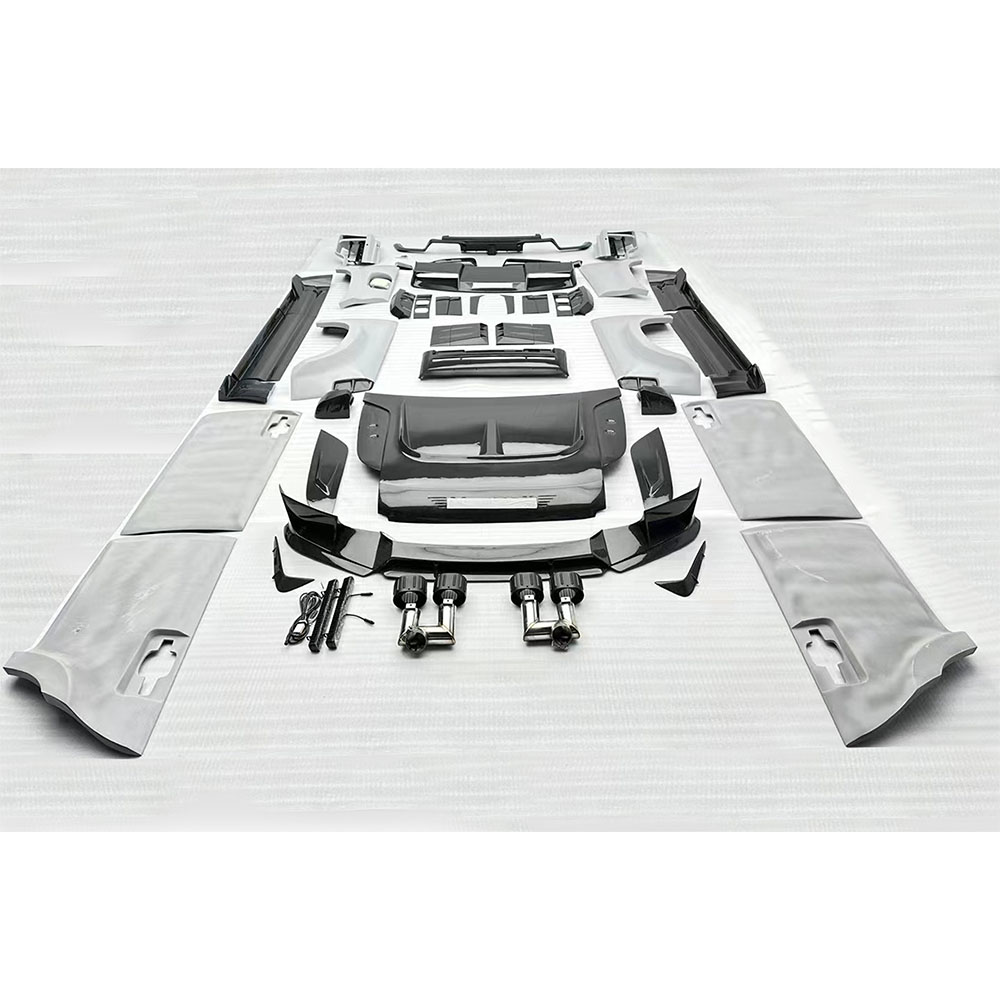
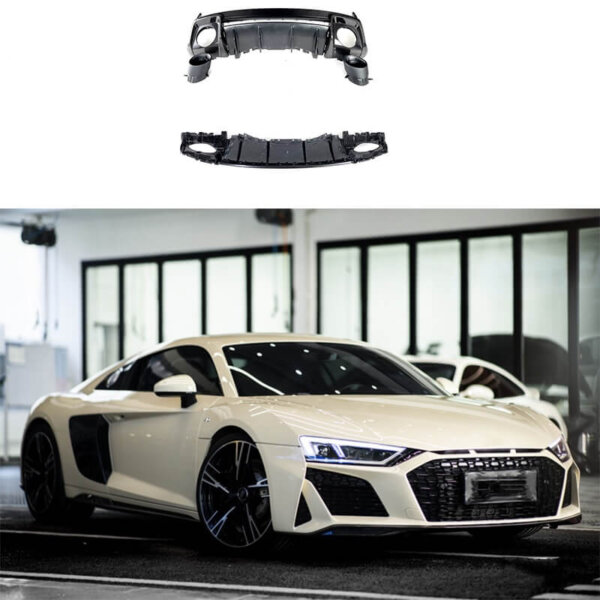

Our factory employs an advanced carbon fiber hot press process with a P20 steel mold, ensuring high efficiency, precision, durability, and cost-effectiveness for quality production.
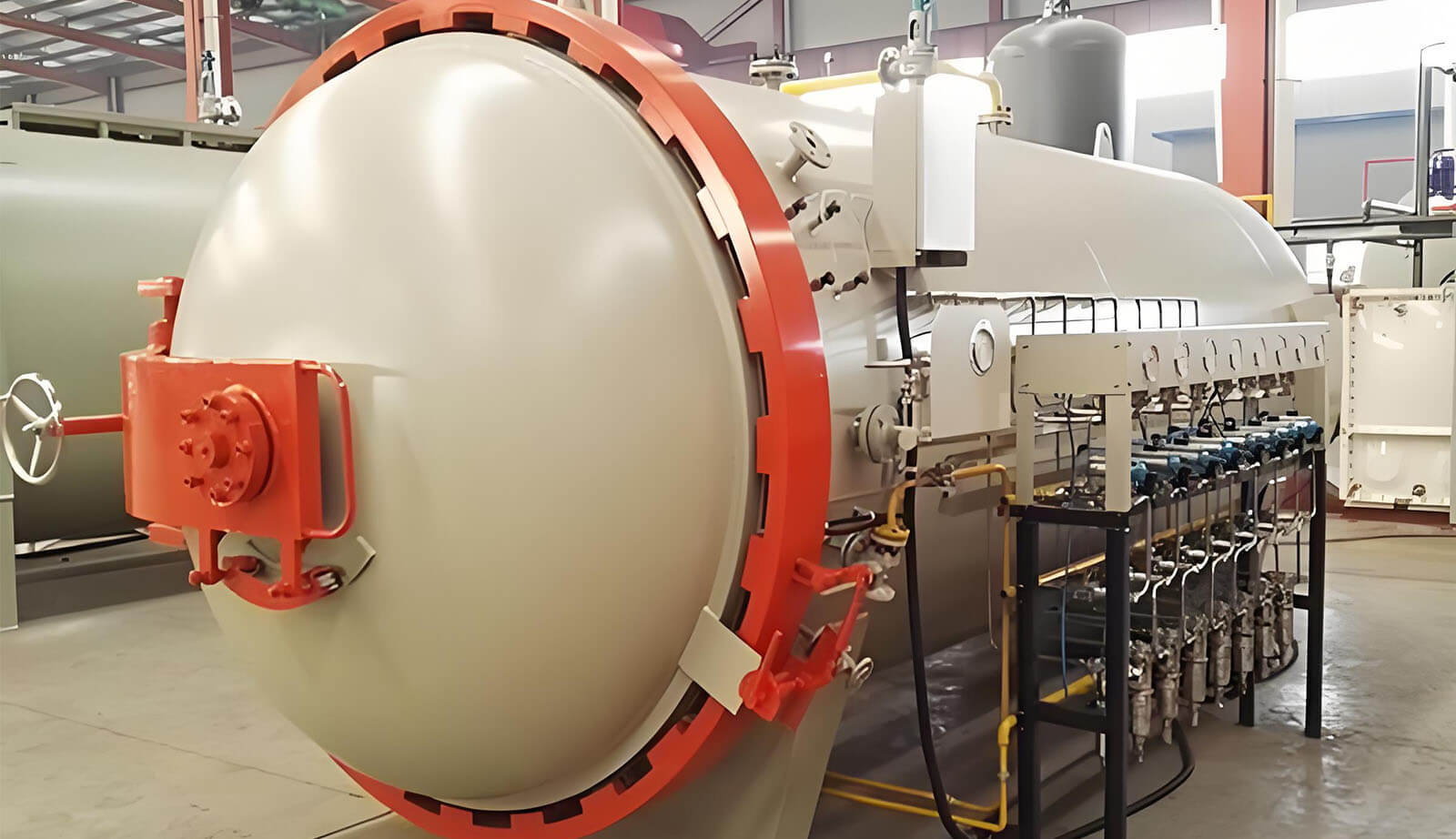
Our factory runs 100+ hot pressure autoclaves, using aluminum molds and vacuum induction to shape carbon fiber with precision. High heat and pressure enhance strength, stability, and flawless quality.
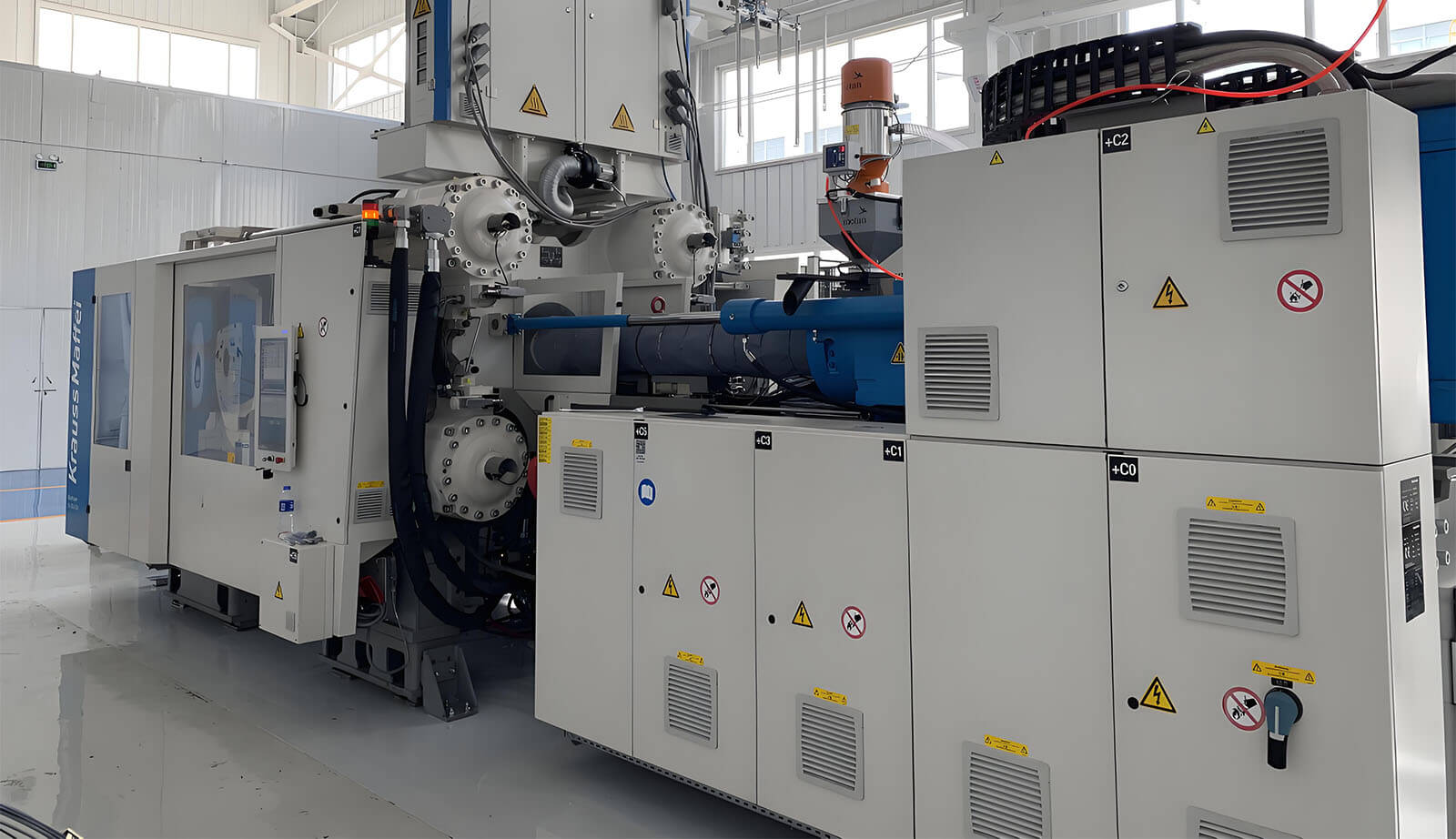
Our Carbon Fiber Research Center drives innovation in new energy, intelligence, and lightweight design, using advanced composites and Krauss Maffei FiberForm to create cutting-edge, customer-focused solutions.
Here are the answers to the frequently asked questions from the experienced carbon fiber products factory
We produce a wide range of carbon fiber components, including automotive parts, motorcycle parts, aerospace components, marine accessories, sports equipment, and industrial applications.
We primarily use high-quality prepreg carbon fiber and large-tow carbon fiber reinforced high-performance composites to ensure strength, durability, and lightweight characteristics.
Yes, our products are coated with UV-protective finishes to ensure long-lasting durability and maintain their polished appearance.
Yes, our facilities and equipment are capable of producing large-size carbon fiber components while maintaining precision and quality.
What are the benefits of using carbon fiber products?
Carbon fiber offers exceptional strength-to-weight ratio, corrosion resistance, stiffness, thermal stability, and a sleek, modern appearance.
We cater to automotive, motorcycle, aerospace, marine, medical, sports, and industrial sectors with a focus on lightweight and high-performance carbon fiber components.
Yes, we provide custom carbon fiber solutions tailored to your specifications, including unique designs, sizes, and patterns.
We utilize advanced technologies such as autoclave molding, hot pressing, and vacuum bagging, ensuring precision, stability, and quality in every product. wonders with the Hello Elementor Theme, we’re trying to make sure that it works great with all the major themes as well.
We use aluminum and P20 steel molds, designed for durability and high accuracy, to create complex and precise carbon fiber components.
Our products undergo rigorous quality control checks, including dimensional accuracy, material integrity, and performance testing, to meet industry standards.