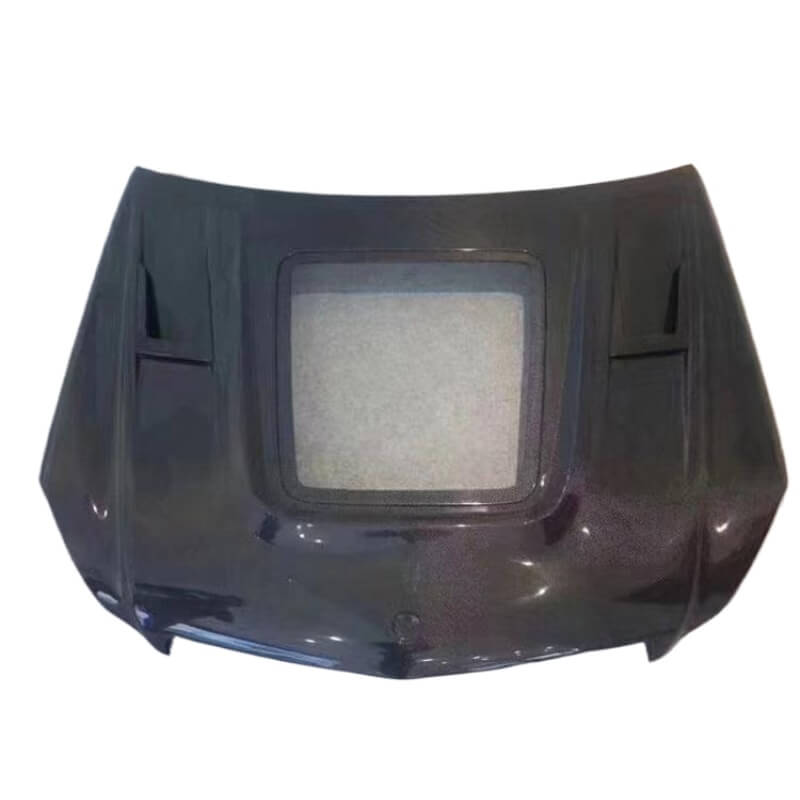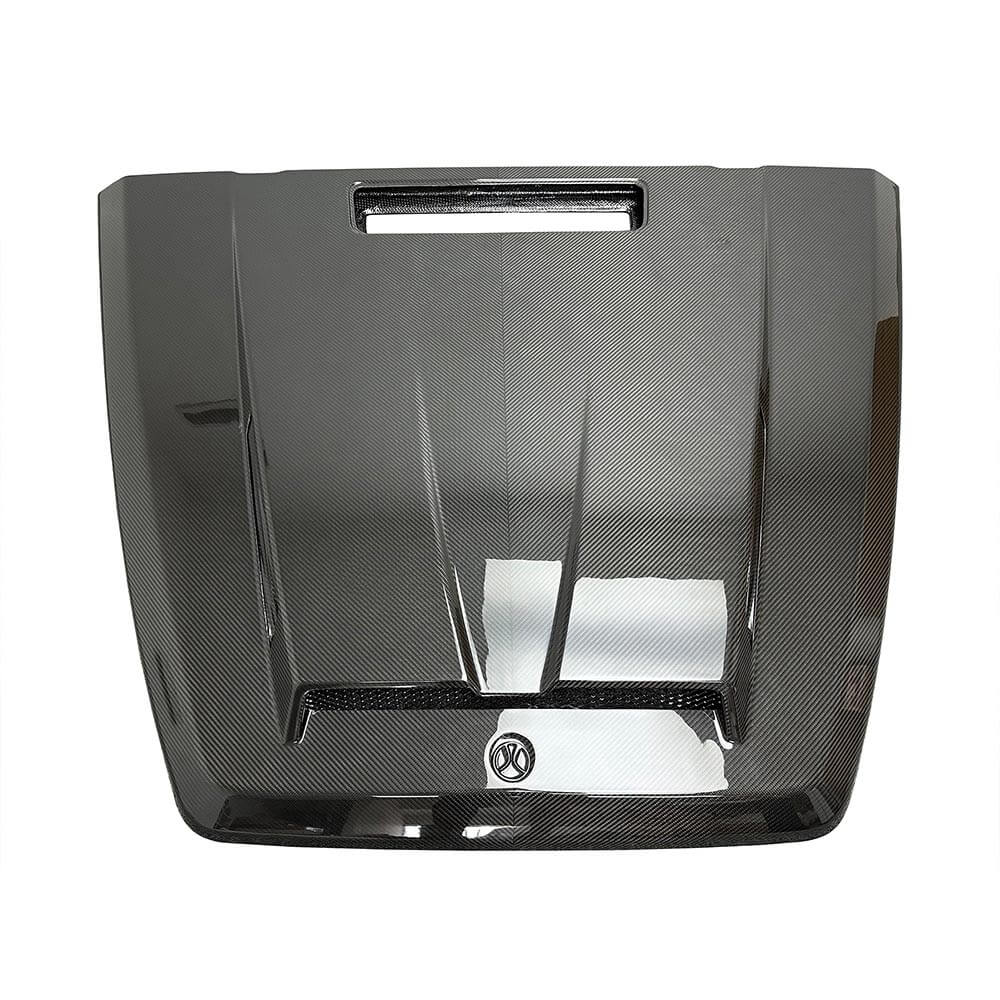
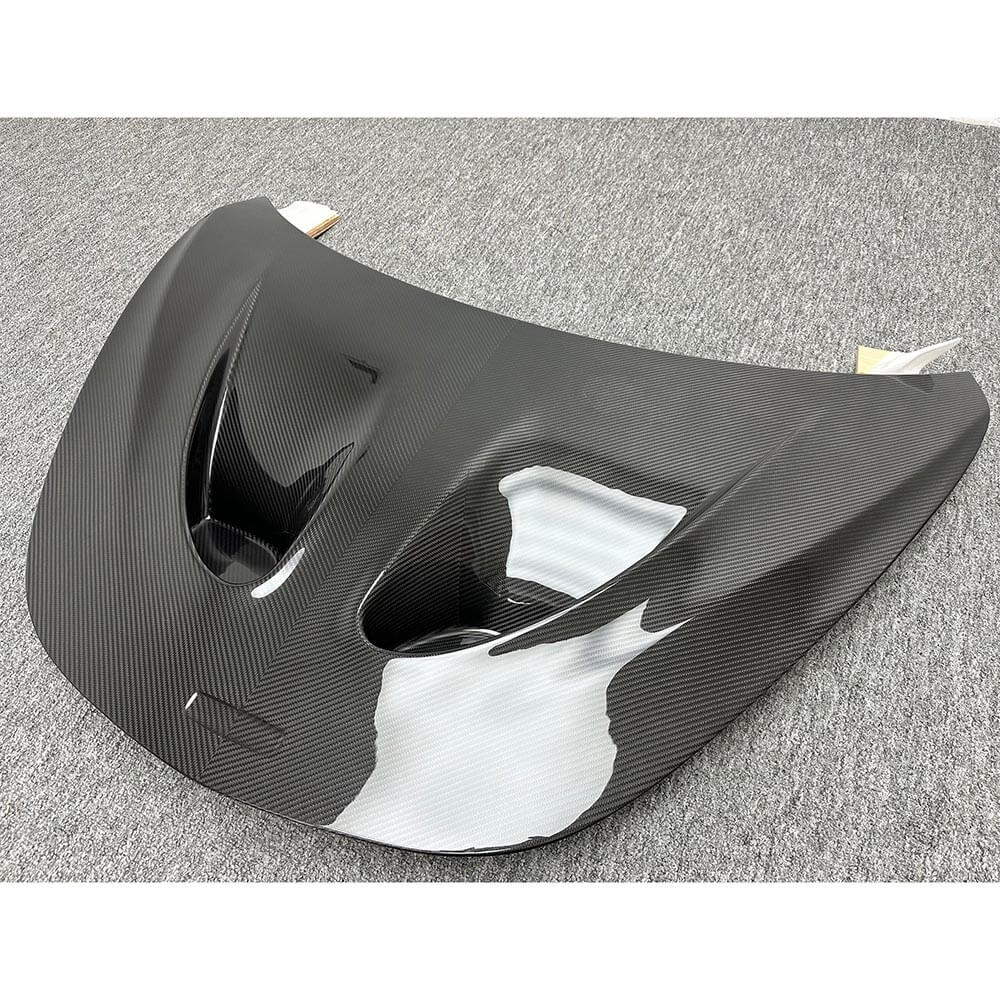
Yes, You Can Paint a Carbon Fiber Hood
Yes, carbon fiber hoods can be painted, but the surface preparation is critical. Before painting, the hood should be sanded, cleaned, and primed correctly to ensure good paint adhesion. For visible carbon fiber finishes, a UV-protective clear coat is usually recommended to help reduce yellowing, fading, and surface damage over time.
What Happens If a Carbon Fiber Hood Is Not Sealed Correctly
If a carbon fiber hood is not sealed correctly, UV exposure, moisture, heat, and poor surface preparation can cause problems over time. Common issues include yellowing, fading, clear coat peeling, poor paint adhesion, and visible surface defects. This is why proper sanding, cleaning, primer selection, and UV-protective clear coat are important before painting or refinishing a carbon fiber hood.
When a carbon fiber hood is not painted or sealed correctly with a protective clear coat, the problem is not only cosmetic. Long-term UV exposure, heat, moisture, and poor surface protection can cause the finish to turn yellow, fade, lose gloss, or peel over time.
In some cases, a poorly protected carbon fiber hood may also develop surface cracks, dull spots, or adhesion problems when it is painted later. Repairing these issues is usually more difficult and expensive than preparing the hood correctly from the beginning.
This is why painting a carbon fiber hood is not just about color matching — it is also about surface protection, paint adhesion, and long-term durability.
Paint vs Clear Coat vs Tinted Clear Coat: Which Finish Should You Choose?
Before painting a carbon fiber hood, it is important to decide whether you want to fully cover the carbon weave, keep the visible carbon fiber look, or create a custom darker finish. The right option depends on the condition of the hood, the desired appearance, and how much surface protection is needed.
| Finish Option | Best For | Carbon Weave Visible? | Key Notes |
|---|---|---|---|
| Full Paint | OEM body color matching, damaged surface repair, or a factory-style look | No | Requires sanding, cleaning, primer, basecoat, and clear coat. Best handled by a professional paint shop. |
| Clear Coat Only | Keeping the natural carbon fiber weave visible | Yes | A UV-protective automotive clear coat helps reduce yellowing, fading, and loss of gloss over time. |
| Tinted Clear Coat | Darker carbon appearance or custom show-car finish | Partly / Yes | Requires careful spraying to avoid uneven color, dark spots, or patchy appearance. |
| Partial Paint | Two-tone styling, exposed carbon center sections, or race-inspired designs | Partly | Masking lines, edge finishing, and clear coat blending are important for a clean result. |
DIY vs. Professional Painting: What You Need to Know
Look at this table to see your options:
| What To Compare | DIY Painting | Professional Paint Shop |
|---|---|---|
| Cost | Lower upfront cost | Higher upfront cost |
| Time Needed | Longer preparation and learning time | Usually faster and more consistent |
| Risk of Mistakes | Higher if surface preparation is poor | Lower when handled by an experienced shop |
| Best For | Small repairs or experienced DIY users | Full hood painting, color matching, and visible carbon finishes |
Manufacturer Notes Before Painting a Carbon Fiber Hood
From a manufacturing point of view, paint adhesion depends heavily on the original surface condition of the carbon fiber hood. Parts made with poor resin control, trapped mold release agent, pinholes, resin-rich areas, dry spots, or uneven clear coat may require more sanding, cleaning, or surface repair before painting.
Before applying primer, the hood surface should be checked carefully for pinholes, edge defects, leftover mold release agent, sanding marks, and uneven gloss. If these issues are not corrected first, the paint may not bond evenly, and problems such as peeling, bubbles, or visible surface defects may appear later.
If the hood is designed to keep the visible carbon fiber weave, the clear coat quality is especially important. The goal is to prepare the resin or existing clear coat surface, not to sand into the carbon weave itself. Over-sanding can expose or damage the weave, making the surface more difficult to finish evenly.
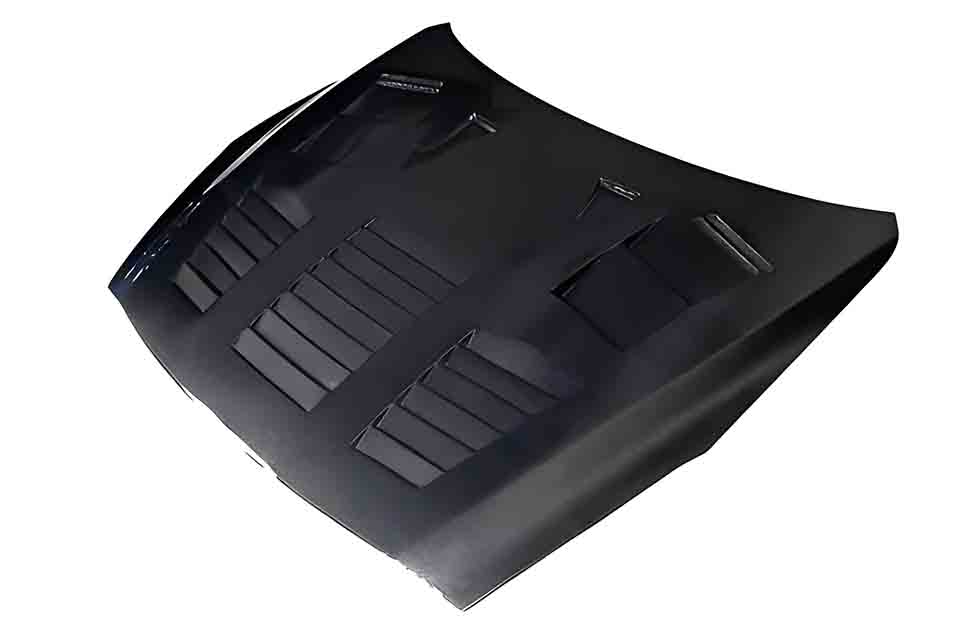
Do Not Sand Into the Carbon Weave
When preparing a carbon fiber hood for paint, the goal is to scuff the resin layer or existing clear coat, not to cut into the carbon fiber weave itself. If the weave becomes exposed, the surface may become difficult to finish evenly, and additional repair or sealing may be required before primer is applied.
Use light, even sanding and check the surface frequently during preparation. Stop sanding if the carbon weave starts to look dry, fuzzy, uneven, or exposed. Proper surface preparation should improve paint adhesion without damaging the carbon fiber structure or visible weave pattern.
Step-by-Step: How to Paint Your Carbon Fiber Hood
1. Surface Cleaning and Preparation
Before sanding, the hood surface should be cleaned thoroughly:
- Wash with mild soap and water
- Wipe down with isopropyl alcohol to remove residues, oils, and mold release agent
- Allow the surface to dry completely before sanding
Poor surface preparation is a common cause of paint adhesion failure. For a broader overview of carbon fiber painting methods, you can also read our guide on how to paint carbon fiber.
2. Light Sanding
Sand the resin or existing clear coat surface lightly to improve primer adhesion:
- Use 320–400 grit for initial scuffing, followed by 600 grit for final preparation
- Apply light, even pressure and check the surface frequently
- Stop immediately if the carbon fiber weave appears dry, fuzzy, or exposed
3. Primer Application
Primer helps paint bond correctly to the prepared resin surface:
- Use an epoxy or urethane primer designed for automotive composite surfaces
- Apply 2–3 thin coats, allowing adequate flash time between each coat
- Follow the primer manufacturer’s recommended dry time before applying paint
4. Paint and Clear Coat
- Apply automotive-grade basecoat in thin, even coats using an HVLP spray gun
- Allow each coat to flash before applying the next
- Finish with 2–3 coats of UV-protective automotive clear coat
- Allow the clear coat to cure fully before the hood is returned to service
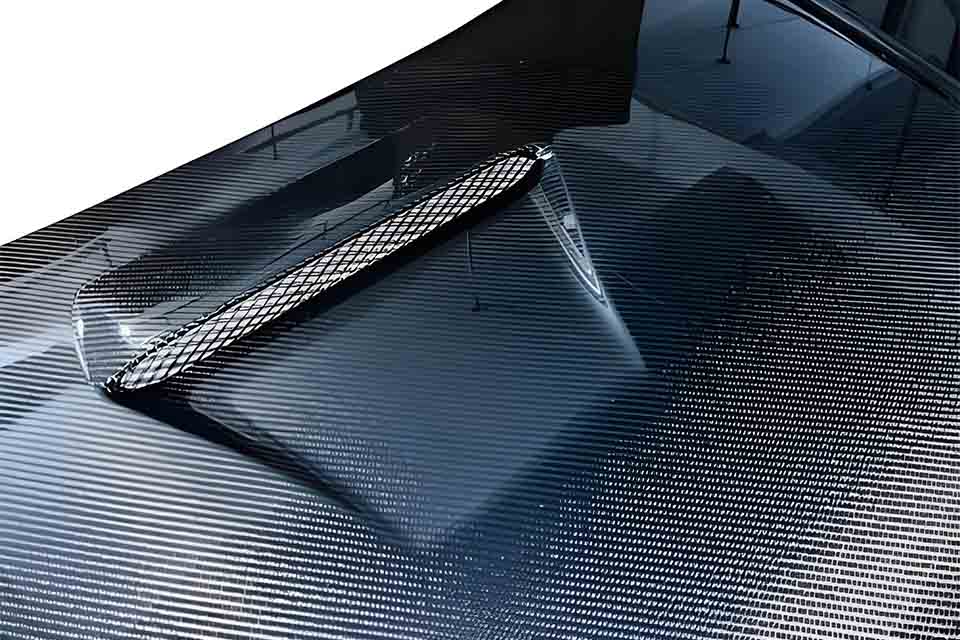
UV-protective clear coat helps reduce yellowing and surface degradation over time.
Benefits of Painting or Clear Coating a Carbon Fiber Hood
1. UV and Surface Protection
Without a protective clear coat or paint, UV exposure can cause the resin surface to yellow, lose gloss, and degrade over time. A UV-protective clear coat or full paint finish helps reduce this risk and extends the service life of the hood surface.
2. Color Matching
A carbon fiber hood can be painted to match the vehicle body color, giving a factory-style appearance. This is a common choice for owners who want the weight and structural benefits of carbon fiber with a consistent exterior finish.
3. Resale Condition
A well-maintained painted or sealed carbon fiber hood generally retains better condition and resale value than an unprotected hood that has yellowed or faded.
4. Surface Cleanability
A sealed or painted surface is easier to clean and maintain than an unsealed carbon fiber surface, which can trap fine dirt and contaminants in the resin texture over time.
5. Finish Options
Paint also allows for custom colors, race stripes, or two-tone finishes, depending on the owner’s preference and vehicle application. For custom projects, our custom carbon fiber parts can be produced with different surface finish requirements depending on the application.
Common Problems When Painting Carbon Fiber
| Problem | Notes |
|---|---|
| Paint cracking | Usually caused by using non-flexible paint on a composite surface. Automotive-grade paint with flex additives is recommended for carbon fiber parts. |
| Paint peeling | Most often caused by insufficient surface preparation, residual mold release agent, or skipping primer. |
| Bubbles or uneven finish | Applying coats that are too thick or not allowing adequate flash time between coats is a common cause. |
| Color mismatch | Accurate color matching for carbon fiber hoods is best handled by a professional automotive paint shop. |
What About Clear Coat Only?
For owners who want to keep the visible carbon fiber weave, a clear coat finish is usually the better option. The hood still requires proper surface preparation — cleaning, light sanding, and primer in some cases — before clear coat is applied. A UV-protective automotive clear coat helps protect the resin surface from yellowing, fading, and loss of gloss over time.
Clear coat only is also common on other visible carbon fiber parts, including automotive exterior parts, body kits, and some carbon fiber motorcycle parts where the carbon weave is part of the final appearance.
FAQ: Painting Carbon Fiber Hoods
Can I use regular spray paint?
Regular spray paint is not recommended for carbon fiber surfaces. Automotive-grade paint with flex additives is better suited to composite parts and is less likely to crack or peel over time.
Will paint hide the carbon fiber pattern?
A solid color basecoat will cover the carbon fiber weave. If you want to keep the weave visible, use clear coat or tinted clear coat instead.
How long does painted carbon fiber last?
Durability depends on surface preparation quality, paint system used, and how the hood is maintained. A correctly prepared and painted carbon fiber hood with UV-protective clear coat can maintain its finish for a number of years under normal conditions.
Can I remove paint later if I change my mind?
Paint can be removed from a carbon fiber surface, but the process requires care to avoid damaging the resin layer or weave. Professional assessment is recommended before attempting to strip a painted carbon fiber hood.
Do I need special tools?
An HVLP spray gun gives more consistent results than aerosol cans for carbon fiber surfaces. Proper spray equipment, along with correct surface preparation, is important for a good finish.
Can you paint over carbon fiber?
Yes, you can paint over carbon fiber, but the surface must be sanded, cleaned, and prepared correctly first. If the carbon fiber part already has an existing clear coat or surface finish, it should be lightly sanded and inspected before primer or new paint is applied. Poor preparation can cause peeling, bubbles, or weak paint adhesion.
Can you paint a carbon fiber hood the same color as the car?
Yes. A carbon fiber hood can be painted to match the car body color. The hood should be sanded, cleaned, primed, painted with automotive basecoat, and finished with clear coat. Color matching should usually be done by a professional paint shop.
Can you clear coat a carbon fiber hood instead of painting it?
Yes. If you want to keep the visible carbon fiber weave, clear coat is usually the better option. A UV-protective automotive clear coat helps protect the resin surface from yellowing, fading, and loss of gloss over time.
Do you need primer before painting carbon fiber?
In most cases, yes. Primer or sealer helps the paint bond to the prepared resin surface. The surface should be cleaned and sanded before primer is applied.
How Our Factory Makes Painting Easier
As a carbon fiber products manufacturer, we understand that paint quality depends not only on the paint shop, but also on the original part surface. A smoother resin surface, cleaner mold release control, and consistent clear coat finish can reduce the amount of repair work needed before painting.
For custom projects, we can produce custom carbon fiber parts with surface finish requirements based on whether the final part will be painted, clear coated, or kept as visible carbon fiber.
For example, visible carbon body kits such as a Porsche Carrera GT carbon fiber body kit require careful surface preparation and clear coat control because the carbon weave remains part of the final appearance.
Final Thoughts
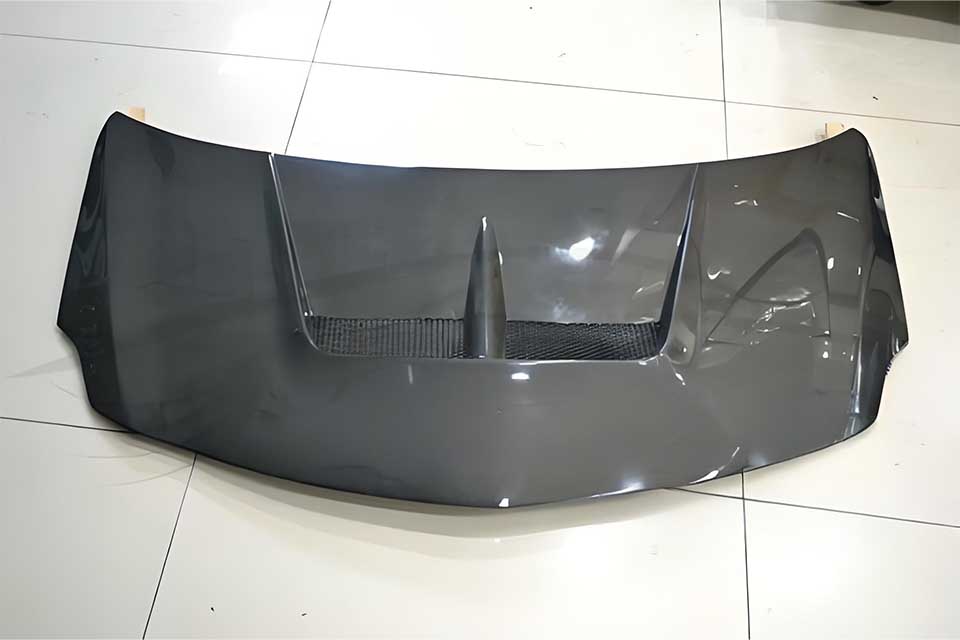
Carbon fiber hoods can be painted, clear coated, or finished with a tinted clear coat depending on the desired result and surface condition. In all cases, correct surface preparation — cleaning, light sanding, and primer selection — is the most important factor in achieving a durable finish.
For carbon fiber hoods that require painting or refinishing, our factory produces parts with controlled resin surfaces and consistent surface finish. Contact China Carbon Fibers with your vehicle details or specifications to discuss your requirements.