
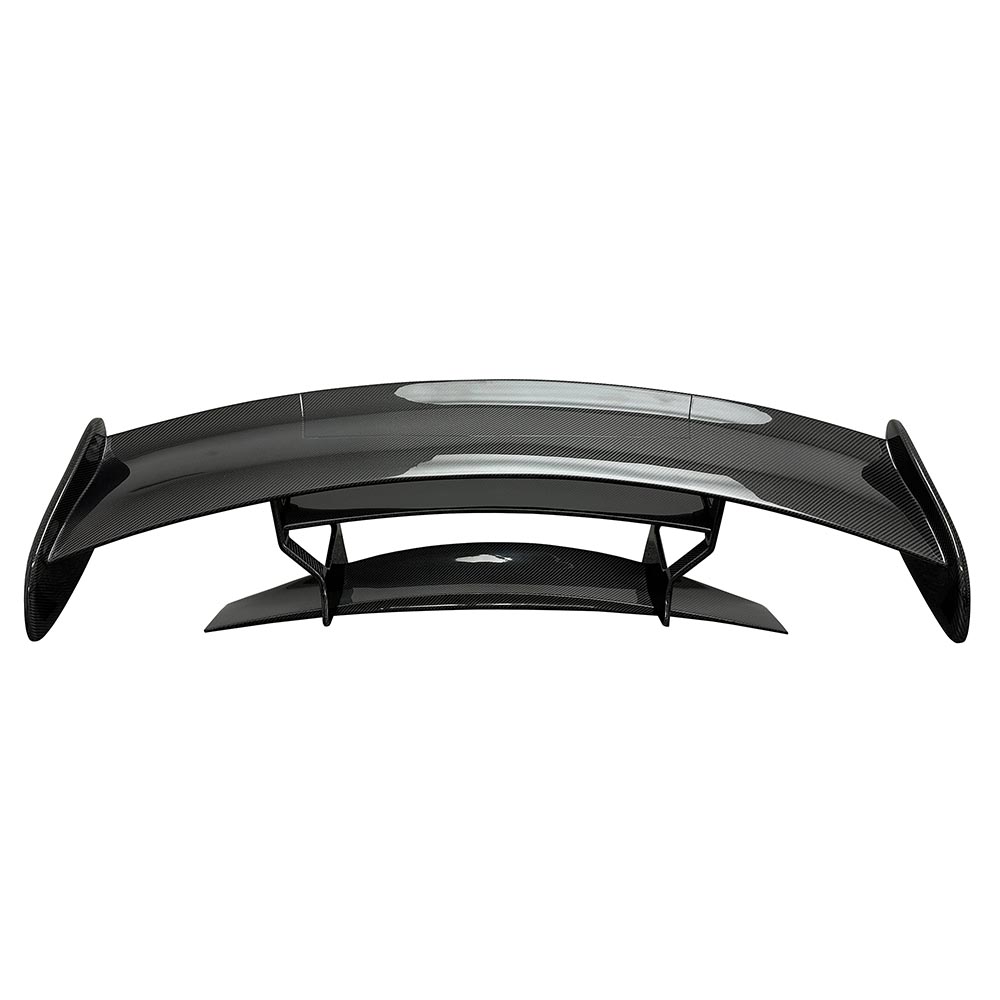
Carbon Fiber Composite Material Hot Pressing Molding Process
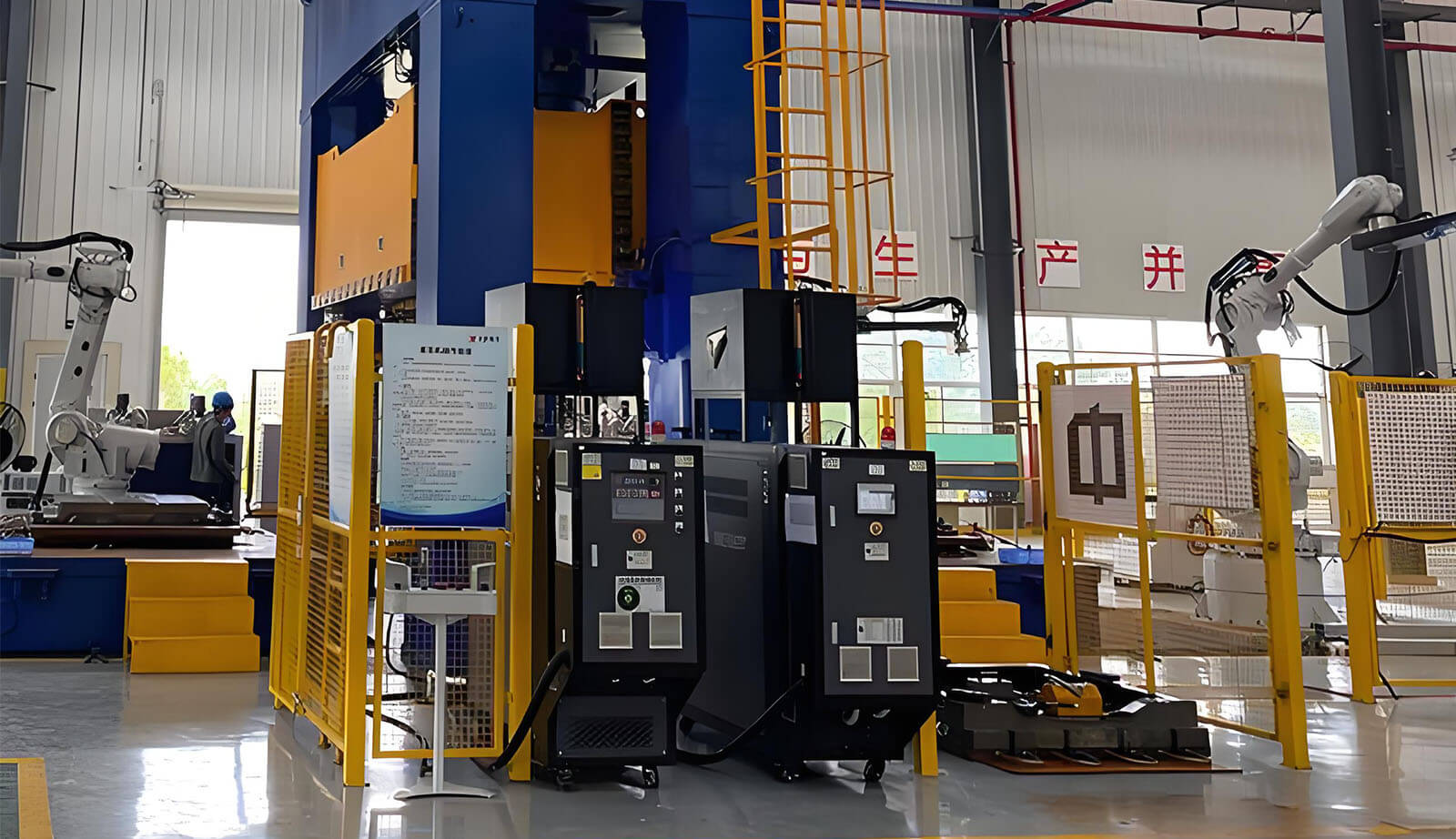
Our factory employs an advanced carbon fiber hot press process with a P20 steel mold, ensuring high efficiency, precision, durability, and cost-effectiveness for quality production.
A carbon fiber spoiler changes three things on a vehicle: aerodynamic balance, vehicle mass distribution, and rear overhang weight — and, at the sizes used in motorsport, rear-axle downforce. Below a certain speed and wing size, the aerodynamic effect on a street car is negligible and the main value is weight reduction and rigidity compared to OEM plastic. Above that threshold (large GT wings, track-focused builds), fiber orientation, laminate schedule, and mounting stiffness directly affect how much of the theoretical downforce is actually usable.
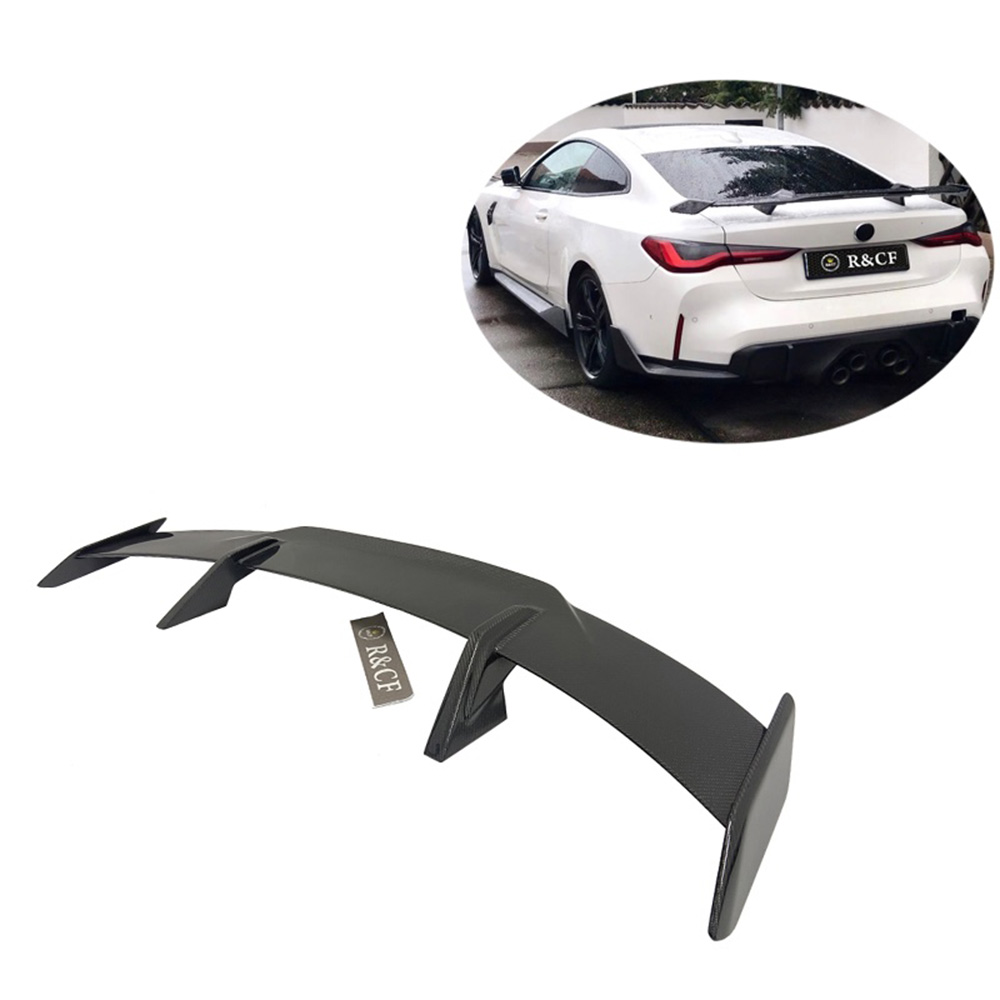
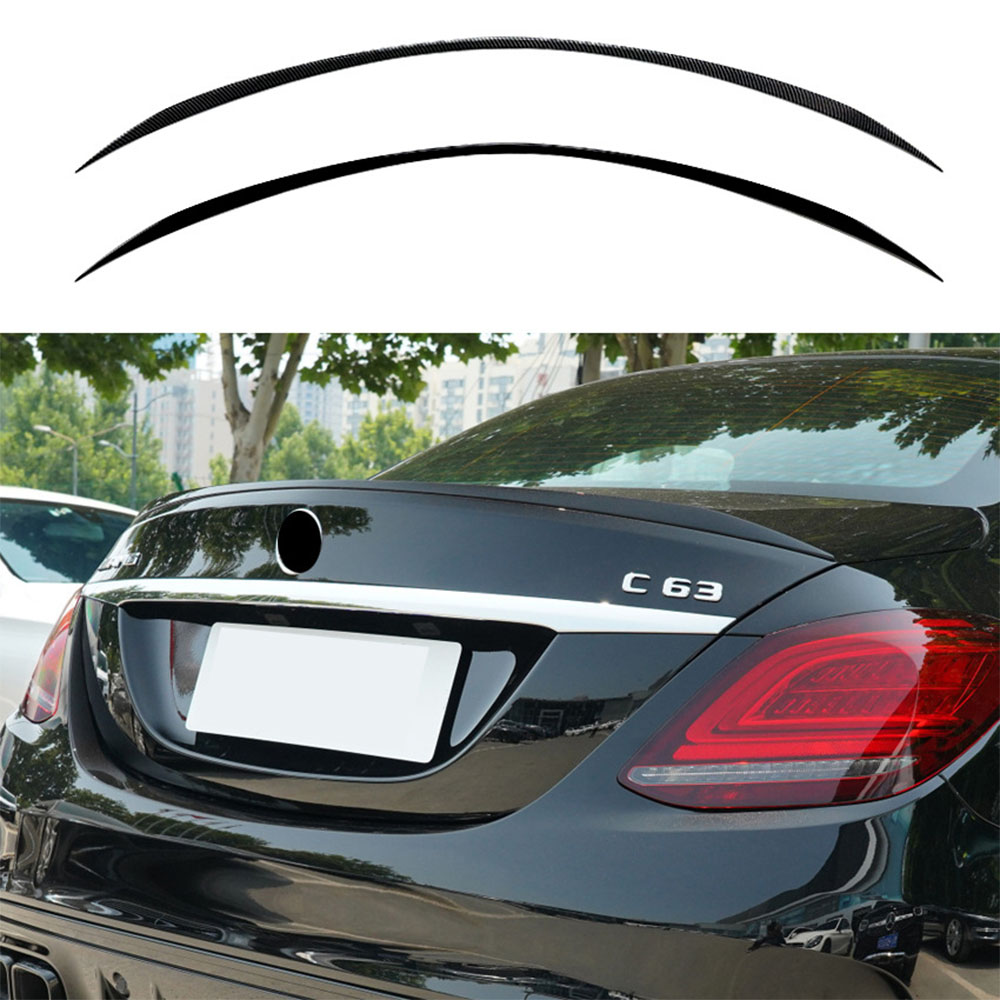
We are a carbon fiber component manufacturer producing custom and OEM/ODM rear wings, trunk spoilers, duckbill spoilers, and GT wings for automotive brands, tuning companies, distributors, and racing teams. This page explains how these parts are actually made, what separates a durable part from a short-lived one, and how to specify and order one. For our full product range, visit chinacarbonfibers.com.
| Type | Typical Application | Primary Function | Aerodynamic Contribution |
|---|---|---|---|
| Lip spoiler | OEM-style street cars | Styling, minor trailing-edge airflow cleanup | Low |
| Ducktail spoiler | Porsche 911 / BMW-style coupes | Styling + mild rear-end lift reduction | Low–Moderate |
| Mid-size rear wing | Sport coupes, sedans | Visual stance + measurable downforce at highway/track speed | Moderate |
| GT wing (adjustable) | Track cars, time attack, GT racing | Tunable downforce, angle-of-attack adjustment | High |
| Active/retractable spoiler | Supercars, performance EVs | Speed-variable aerodynamic control | High (variable) |
If you’re specifying a part for a customer, the honest answer to “will this make my car faster” depends on which row of this table you’re in — we tell distributors this directly so end customers aren’t oversold.
“Carbon fiber” is not one material — it’s a family of processes with very different weight, strength, and cost outcomes. Here’s how the three main methods compare on a typical mid-size trunk spoiler:
| Method | Process | Weight Profile | Fiber/Resin Ratio | Void Content | Relative Cost | Best Fit |
|---|---|---|---|---|---|---|
| Wet layup / vacuum infusion | Carbon cloth hand-laid or infused with resin at room temperature | Heavier for a given size; varies with part geometry | Lower, resin-rich | Higher (more prone to pinholes) | Base | Prototypes, low-volume production, and projects where tooling investment and cost efficiency are the priority |
| Prepreg autoclave | Pre-impregnated carbon sheet cured under controlled heat and pressure, with cycle parameters set per prepreg system specification (e.g. Toray, Hexcel, SGL) | Lighter for a given size versus wet layup on the same geometry | Controlled, fiber-rich | Very low | Higher than wet layup | OEM-grade parts, motorsport, parts needing consistent structural performance |
| Forged carbon | Chopped carbon fiber tow compression-molded | Between wet layup and prepreg, depending on design | Randomized orientation | Low | Between wet layup and prepreg | Complex curved shapes, distinctive marbled finish, lower tooling cost than full prepreg lay-up on compound curves |
Why this matters for buyers: actual weight and resin content depend on part size, reinforcement design, and mounting structure — a compact lip spoiler and a large GT wing aren’t comparable on a single number. We provide a weight and resin-content data sheet on request for every SKU we quote — ask for it from any supplier before ordering.
| Criteria | Carbon Fiber (prepreg) | ABS Plastic (carbon-look) | Fiberglass (FRP) |
|---|---|---|---|
| Weight vs. OEM plastic wing | 40–60% lighter | Comparable or heavier | 10–20% lighter |
| Stiffness | Highest | Lowest | Moderate |
| Impact resistance | Lower (brittle under point impact) | Highest | Moderate–high |
| UV/heat stability | High with proper clear coat | High | Moderate (can print-through or yellow) |
| Repairability after damage | Difficult, usually replace | Easy (sand/fill/repaint) | Easy (sand/fill/repaint) |
| Cost | Highest | Lowest | Mid |
| Motorsport use | Common in aerodynamic applications | Rare | Limited (regulations and series vary — confirm with your sanctioning body) |
Carbon fiber is not the correct choice for every application — if a customer needs a paintable part that survives curb strikes on a daily driver, ABS or FRP is a legitimately better recommendation. We say this in quoting conversations because it reduces return rates for our distributor partners.
Because “carbon fiber look” ABS and hydro-dipped plastic are common in the aftermarket, here’s what separates real laminate from a cosmetic finish:
We include a materials data sheet with weight and layup specification for every part shipped, so this can be verified against the physical product on arrival.
Two honest trade-offs worth knowing before you buy: carbon laminate is stiff but comparatively brittle under point impact — more prone to chipping or cracking from a curb strike or rock chip than ABS or fiberglass under the same impact. And because the visible weave is the point of the part, carbon spoilers are typically finished in clear coat rather than painted; if body-color matching is a hard requirement, ABS or FRP is usually the more practical material choice, and we’ll say so rather than force-fit carbon onto the wrong use case.
1. Data Review Submit CAD/STEP files, a 3D scan, an existing OEM part, or reference photos with dimensions. Our engineering team reviews mounting points, panel curvature, and structural load path before quoting.
2. Tooling Selection
| Tooling | Suited Volume | Lead Time to First Article | Notes |
|---|---|---|---|
| Epoxy/composite tool | 20–100 pcs | 2–3 weeks | Lower upfront cost, limited tool life |
| Aluminum mold | 500–2,000+ pcs | 3–5 weeks | Better dimensional repeatability, longer tool life |
| Steel mold (P20) | High-volume / long-term OEM programs | 4–6 weeks | Highest repeatability and durability for continuous production |
3. Layup Fiber selection (3K twill, forged carbon, or higher-modulus tow such as T700/T800 for structural applications) and orientation are set according to load direction, not just appearance.
4. Autoclave Curing Controlled temperature and pressure cycle reduces void content and produces a consistent laminate — this is the step that a heat-gun or oven-cured “dry carbon” claim skips, and it’s the single biggest quality differentiator between suppliers.
5. CNC Trimming Mounting holes and edge profiles are CNC-trimmed to hold consistent dimensional tolerance across production runs, rather than hand-trimmed part by part — this is where most fitment complaints on aftermarket parts originate, and it’s a repeatability issue more than a material issue.
6. Finishing & QC Gloss or matte UV-stabilized clear coat, edge sealing, and a fitment check against a jig or donor panel before packing.
Manufacturing capability
Materials
Production support
Industries served
Beyond automotive spoilers, our manufacturing capability also covers carbon fiber motorcycle parts and broader custom carbon fiber solutions for industrial and lifestyle applications. Learn more about our facility and team on our About page.
Whether you’re building a new product line or reproducing an existing part, we support:
This covers both ends of the market we serve: automotive brands and tuning companies developing an original product, and distributors or performance shops sourcing a proven part under their own label.
We produce fitment-matched spoilers, rear wings, and trunk lids for a wide range of platforms, including:
If your platform isn’t listed, submit your vehicle model and mounting reference — most platforms can be developed from CAD data, a donor sample, or a 3D scan.
To illustrate how a custom order typically moves from request to production:
This is the same review-prototype-production sequence we use for aftermarket and OEM orders at any scale — only the volume and material specification change.
Beyond spoilers and wings, our broader carbon fiber car parts range covers additional aerodynamic and styling components for the same platforms.
| Customer Type | MOQ | Lead Time | Notes |
|---|---|---|---|
| Automotive distributors | Sample/prototype available; volume MOQ depends on tooling and production method | 2–4 weeks for sampling | Volume discount tiers available |
| Regional agents | 25 units | 2–4 weeks | Territory protection available |
| OEM / private-label projects | Custom quote, tied to tooling program | 4–6 weeks (includes tooling) | Custom mold + branding included |
| Performance shops & racing teams | Sample/prototype available | 2–3 weeks for sampling | Display samples available |
Prototype and sample production can typically be arranged for evaluation purposes; production MOQ depends on tooling requirement, manufacturing method, and project volume rather than a single fixed unit count.
Yes. Submit CAD/STEP/IGES/STL files, a 3D scan, or a physical sample with reference photos of mounting points and panel curvature. We provide a manufacturability review before quoting tooling and unit cost.
Dry carbon (prepreg, autoclave-cured) has a controlled, fiber-rich resin ratio and very low void content, giving a lighter, stiffer, more dimensionally stable part for a given design. Wet layup/vacuum infusion is more resin-rich and heavier for the same geometry, but costs less and suits prototypes, low-volume runs, or cosmetic parts.
Prototype and sample production can typically be arranged for evaluation. Production MOQ depends on tooling requirement, manufacturing method, and project volume rather than a fixed unit count — we scope this per project.
STEP, IGES, or STL for CAD data; for reverse-engineering from a physical sample, a 3D scan or dimensioned photos of the mounting points and panel curvature.
Roughly 2–3 weeks for epoxy tooling (prototype/low volume), 3–5 weeks for aluminum tooling, and 4–6 weeks for steel tooling on high-volume programs — actual timing depends on part complexity.
Yes, including custom branding and packaging for OEM and distributor programs.
Yes — parts are checked against a fitment jig or donor panel as part of final QC before packing.
Check weave shift under angled light, inspect the edge for visible fiber plies, check the unfinished backside texture, and compare weight and feel against the OEM plastic equivalent.
Send your CAD data, vehicle platform, target volume, and intended use (street, track, or display) to our engineering team. We’ll recommend the manufacturing method — wet layup, prepreg autoclave, or forged carbon — that actually fits your budget and performance requirement, rather than defaulting to whichever process is most profitable for us to sell.
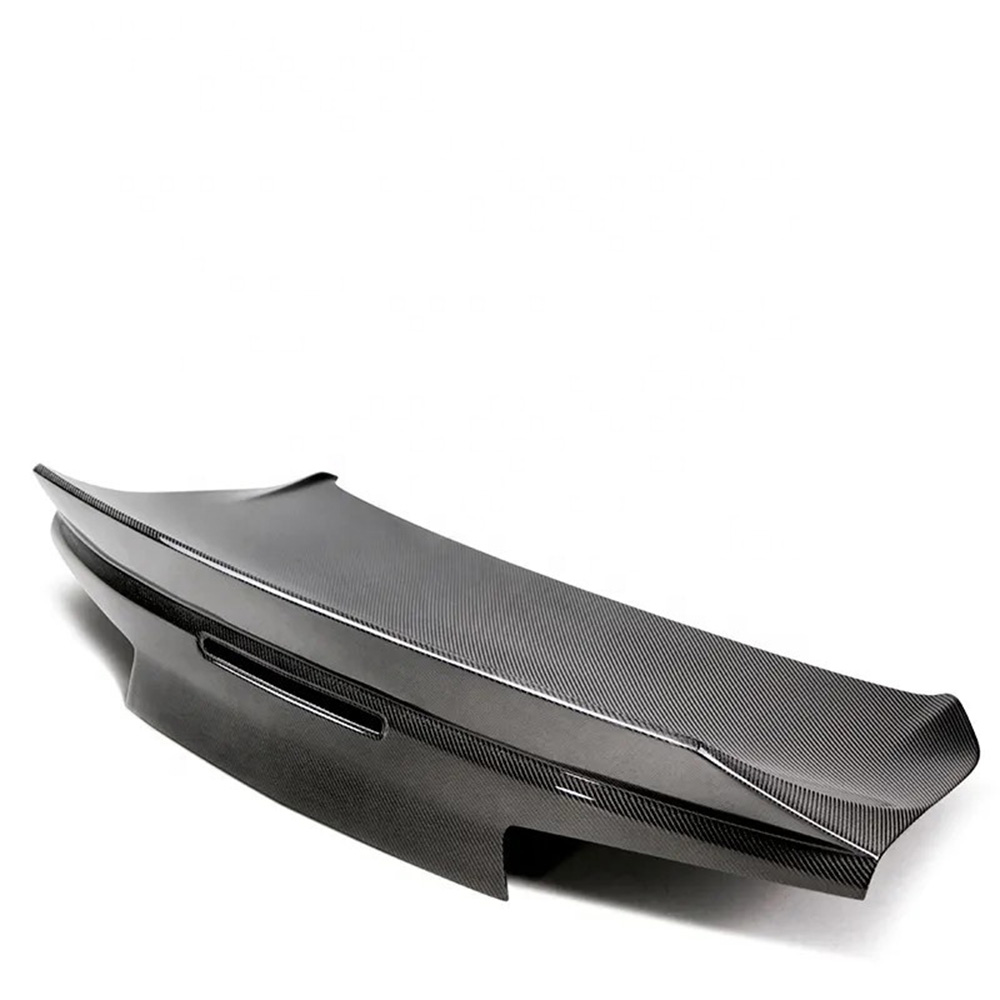
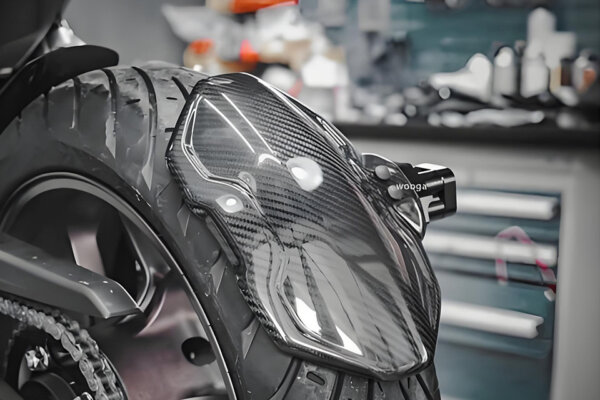
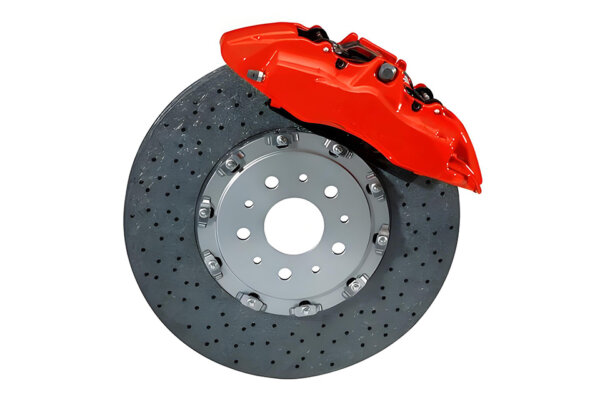
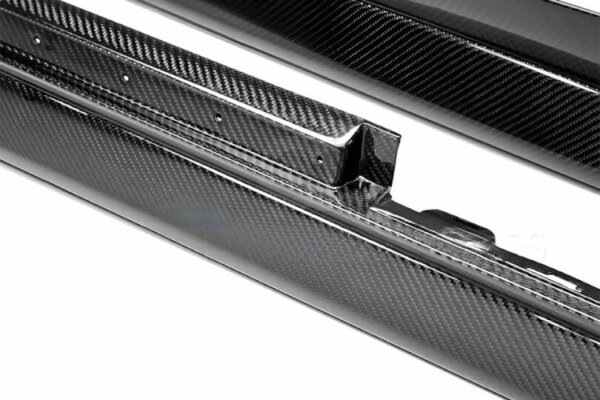
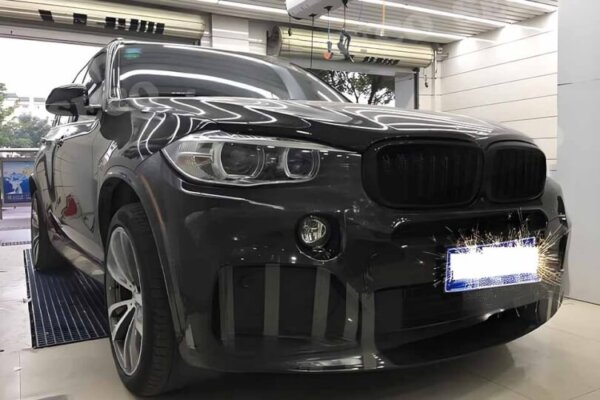
Our factory employs an advanced carbon fiber hot press process with a P20 steel mold, ensuring high efficiency, precision, durability, and cost-effectiveness for quality production.
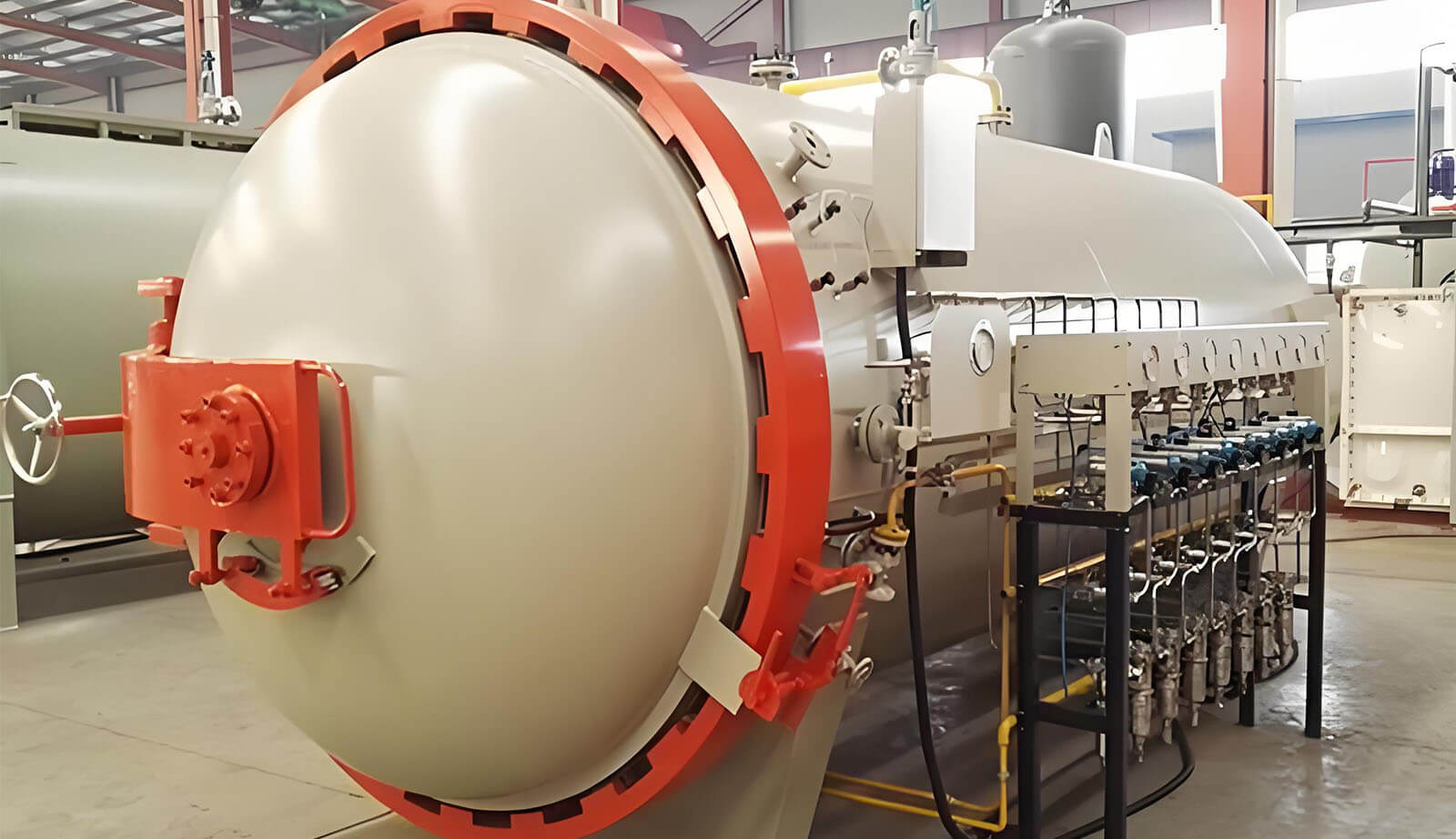
Our factory runs 100+ hot pressure autoclaves, using aluminum molds and vacuum induction to shape carbon fiber with precision. High heat and pressure enhance strength, stability, and flawless quality.
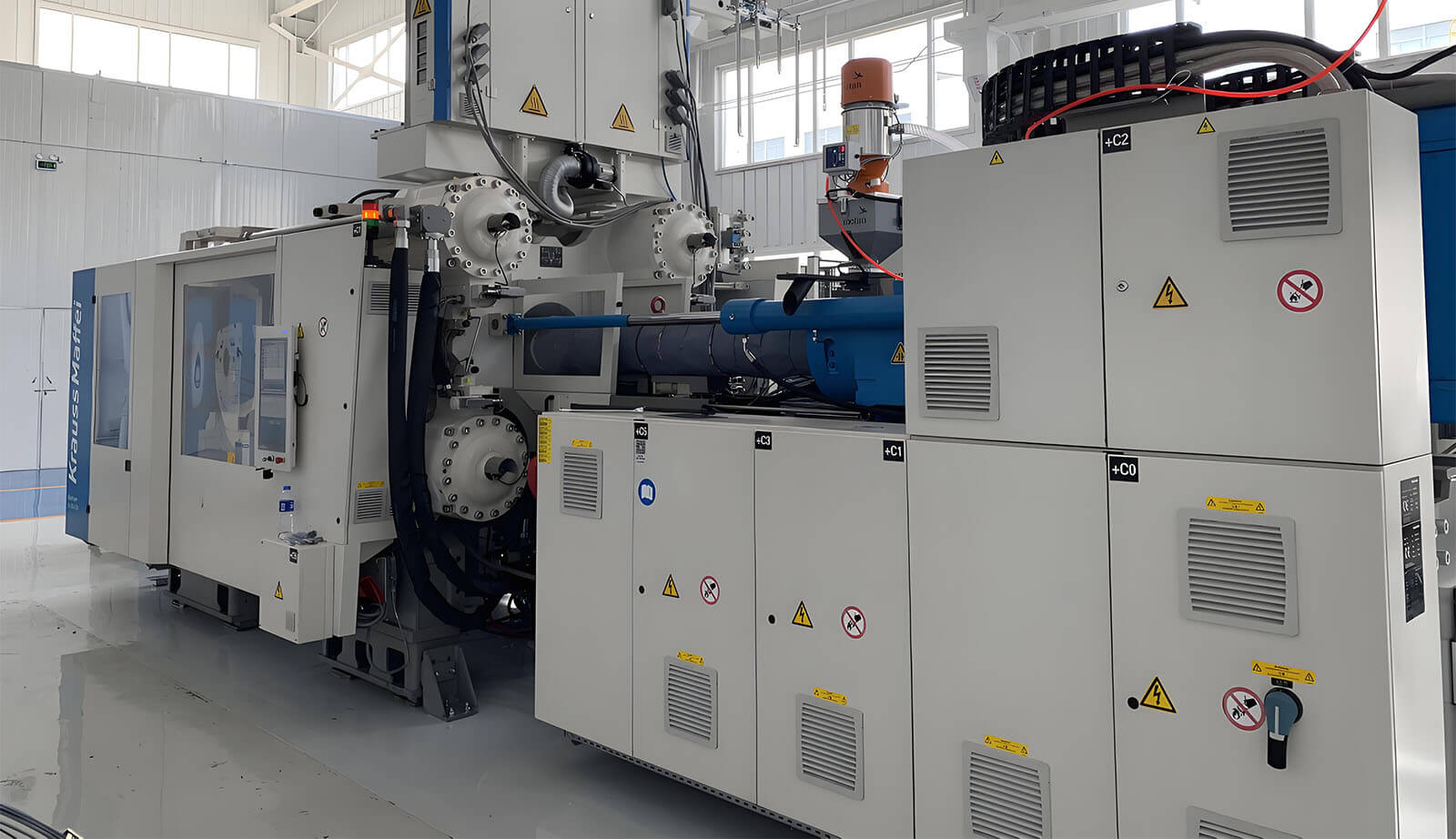
Our Carbon Fiber Research Center drives innovation in new energy, intelligence, and lightweight design, using advanced composites and Krauss Maffei FiberForm to create cutting-edge, customer-focused solutions.
Here are the answers to the frequently asked questions from the experienced carbon fiber products factory
We produce a wide range of carbon fiber components, including automotive parts, motorcycle parts, aerospace components, marine accessories, sports equipment, and industrial applications.
We primarily use high-quality prepreg carbon fiber and large-tow carbon fiber reinforced high-performance composites to ensure strength, durability, and lightweight characteristics.
Yes, our products are coated with UV-protective finishes to ensure long-lasting durability and maintain their polished appearance.
Yes, our facilities and equipment are capable of producing large-size carbon fiber components while maintaining precision and quality.
What are the benefits of using carbon fiber products?
Carbon fiber offers exceptional strength-to-weight ratio, corrosion resistance, stiffness, thermal stability, and a sleek, modern appearance.
We cater to automotive, motorcycle, aerospace, marine, medical, sports, and industrial sectors with a focus on lightweight and high-performance carbon fiber components.
Yes, we provide custom carbon fiber solutions tailored to your specifications, including unique designs, sizes, and patterns.
We utilize advanced technologies such as autoclave molding, hot pressing, and vacuum bagging, ensuring precision, stability, and quality in every product. wonders with the Hello Elementor Theme, we’re trying to make sure that it works great with all the major themes as well.
We use aluminum and P20 steel molds, designed for durability and high accuracy, to create complex and precise carbon fiber components.
Our products undergo rigorous quality control checks, including dimensional accuracy, material integrity, and performance testing, to meet industry standards.