

Carbon Fiber Composite Material Hot Pressing Molding Process
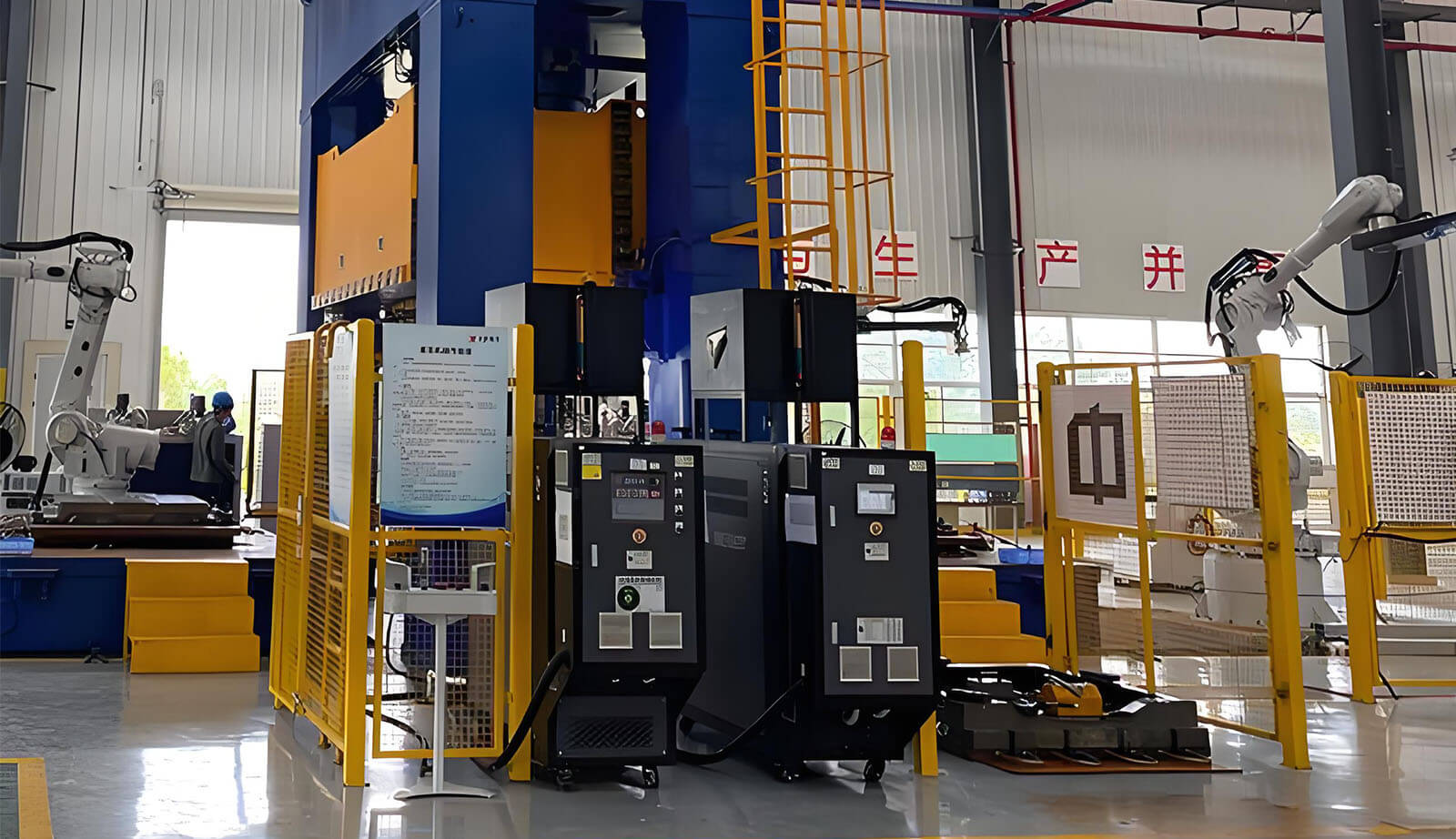
Our factory employs an advanced carbon fiber hot press process with a P20 steel mold, ensuring high efficiency, precision, durability, and cost-effectiveness for quality production.
Imagine building a car that’s 50% lighter but three times stronger than steel. That’s what a carbon fiber chassis does. It’s not magic—it’s science.
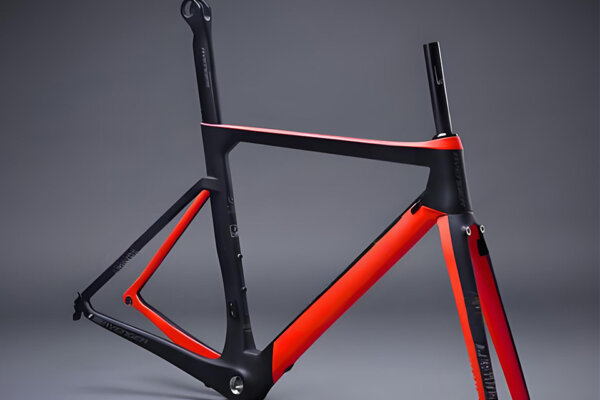
A carbon fiber chassis forms the backbone of your vehicle. Unlike heavy steel frames, this uses carbon fiber reinforced polymer (CFRP). We weave tiny carbon threads together with epoxy resin. The result? A structure that’s incredibly light yet tough enough to survive crashes.
McLaren, Ferrari, and Lamborghini don’t use carbon fiber just to look cool. They use it because it works. Their supercar chassis needs to be light for speed but strong for safety. A monocoque chassis made from carbon fiber checks both boxes.
Even Tesla explores carbon composites for electric vehicles. Why? Because lighter cars travel farther on the same battery charge. That’s smart engineering.
Our custom composite factory uses several methods to create your chassis:
Prepreg Carbon Fiber Layup
Autoclave Curing Process
Resin Transfer Molding (RTM)
Compression Molding for Structural Parts
We don’t just build it and ship it. Every chassis goes through:
| Property | Carbon Fiber | Aluminum | Steel |
|---|---|---|---|
| Weight Savings | 40-60% lighter | Baseline | 50% heavier |
| Tensile Strength | 500-700 MPa | 200-300 MPa | 400-500 MPa |
| Stiffness (Modulus) | 70-150 GPa | 69 GPa | 200 GPa |
| Corrosion Resistance | Excellent | Fair | Poor |
| Temperature Range | -50°C to +120°C | -40°C to +90°C | -30°C to +100°C |
High stiffness-to-weight ratio means your chassis bends less under stress. That improves handling. Your car corners better. It responds faster to steering inputs.
Thermal stability matters when racing. Carbon fiber doesn’t expand or contract much when temperatures change. Your suspension geometry stays consistent lap after lap.
Fatigue resistance ensures longevity. Steel eventually cracks from repeated stress. Carbon fiber can handle millions of cycles without failing.
Formula 1 teams spend millions perfecting their motorsport frame designs. Every car uses a carbon fiber safety cell called a monocoque chassis. Why?
Le Mans Prototypes and IndyCar also mandate carbon fiber tubs. These aren’t just race cars—they’re rolling laboratories testing tomorrow’s technology.
The EV chassis benefits massively from carbon fiber. Here’s why:
Rimac builds hybrid carbon-aluminum structures for their hypercar. BMW used carbon fiber extensively in their i3 and i8 models. They call it the “Carbon Life Module.”
Our carbon composite manufacturer expertise extends to:
Boeing and Airbus use similar composite materials in aircraft. SpaceX incorporates carbon fiber in rocket components. If it needs to be light and strong, carbon fiber is the answer.
Monocoque Chassis Design
Spaceframe Design
Sometimes we mix materials for the best outcome:
As a leading custom composite factory, we offer:
Physics is simple: lighter cars accelerate faster. A lightweight chassis design means:
Torsional rigidity determines how much your chassis twists under load. Carbon fiber’s high specific modulus means:
Modern crash test performance standards are brutal. Carbon fiber excels because:
Let’s be honest: carbon fiber isn’t cheap. Here’s why:
Raw Materials: Toray Industries, Hexcel Corporation, and SGL Carbon produce high-grade fibers. T800 carbon fiber costs significantly more than T300.
Labor: Hand layup requires skilled technicians. Automated fiber placement (AFP) reduces costs but requires expensive equipment.
Tooling: Molds and autoclaves represent major capital investments.
Final cost depends on geometry, material grade, tooling complexity, and validation requirements.
Carbon fiber pays off when:
OEM carbon parts come from the factory:
Aftermarket carbon parts offer:
Carbon fiber is tough but needs proper care:
Regular Inspections
Cleaning and Protection
Repairs We can support carbon fiber repair solutions for minor non-structural damage:
Recycled carbon fiber is becoming more available:
Aluminum chassis are common because they’re affordable. But carbon fiber offers:
Audi R8 uses an aluminum spaceframe with some carbon panels. Full carbon costs more but performs better.
Steel is cheap and easy to weld. Carbon fiber counters with:
NASCAR now allows limited composite bodies because carbon fiber’s safety benefits outweigh tradition.
The future includes:
Self-Healing Composites
Integrated Sensors
AI-Driven Design Optimization
Additive Manufacturing Advancements
Researchers at Fraunhofer Institute and University of Delaware work on:
| Industry | Use Case | Key Benefit |
|---|---|---|
| Automotive | Carbon fiber cars, luxury car carbon options | Speed + safety |
| Motorsports | F1, LMP1, IndyCar monocoques | FIA compliance + protection |
| Aerospace | UAV frames, satellite structures | Weight-critical missions |
| Marine | Racing yacht hulls, submersibles | Corrosion resistance |
| Defense | Armored vehicle components | Blast protection |
| Industrial | Robotics arms, manufacturing tools | Precision rigidity |
If you’re building a competitive vehicle:
Creating a one-off project? We help with:
Developing the next great EV? Consider:
As a premier carbon composite manufacturer, we deliver:
✓ Certified Quality: ISO and FIA certification processes compliance ✓ Expert Engineering: Finite element analysis for every design ✓ Flexible Production: From one-off customs to small batch runs ✓ Material Options: T300 to T1100 fibers, multiple resin systems ✓ Full Testing: Impact test results, tensile strength verification, ultrasonic inspection
We provide complete documentation:
Every chassis includes:
Ready to transform your project with custom carbon fiber? Here’s what we need:
Contact our team today. We’ll match you with the right composite materials for your specific needs. Whether you’re building the next Koenigsegg competitor or a cutting-edge drone chassis, we’ve engineered solutions for projects just like yours.
Carbon fiber chassis technology isn’t just for million-dollar hypercars anymore. Costs are dropping. Manufacturing is improving. Sustainable carbon fiber initiatives are making it greener.
From Formula E safety structures to electric vehicle chassis platforms, carbon fiber defines modern high-performance engineering. Its unmatched high stiffness-to-weight ratio, superior impact resistance, and proven crash energy absorption make it the material of choice when performance matters.
Your project deserves the best. Choose carbon fiber. Choose strength without weight. Choose the future.
Start your carbon fiber chassis project today with the experts who’ve supplied components to racing teams, aerospace programs, and automotive innovators worldwide. Contact our custom composite factory and let’s build something extraordinary together.
Written by:
Engineering Team – China Carbon Fibers
15+ years in carbon composite manufacturing Projects across automotive, motorsport, aerospace & robotics

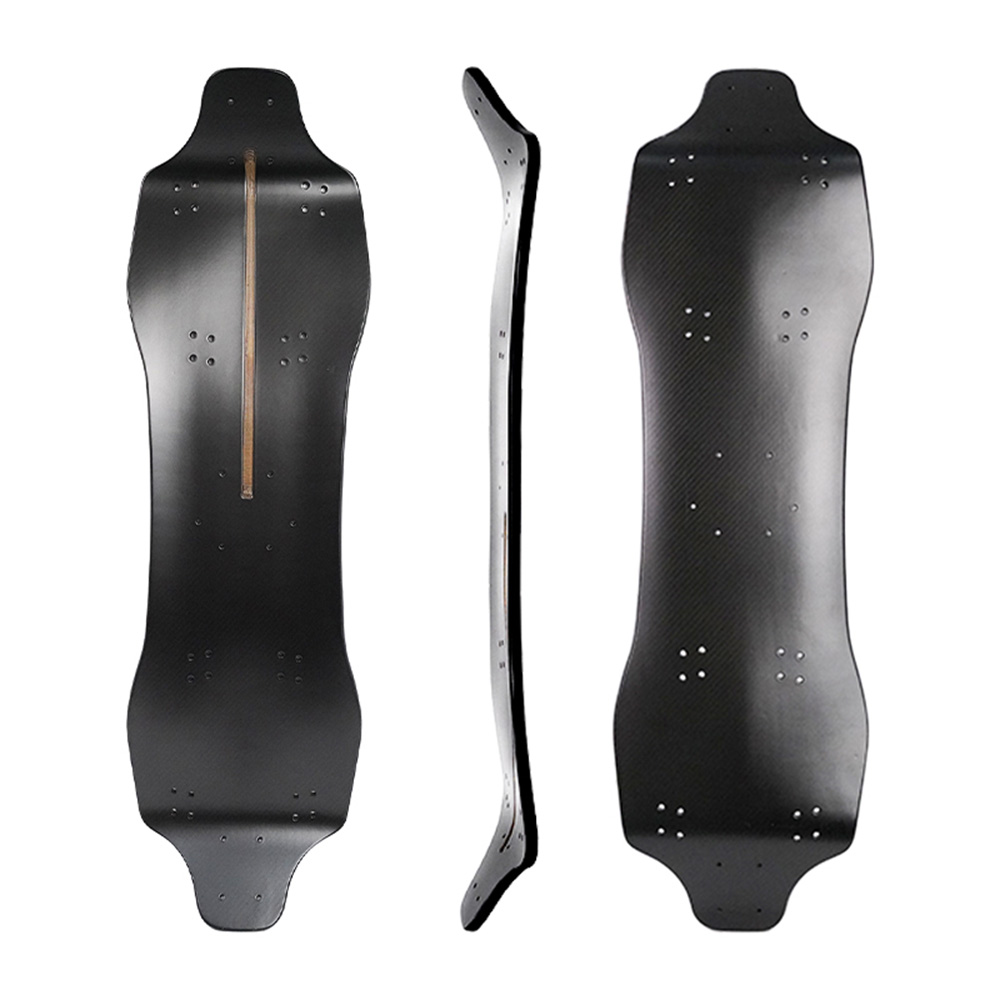
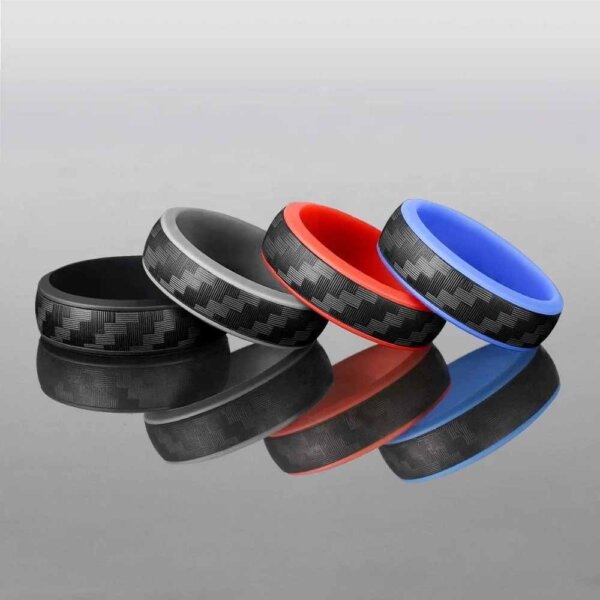
Our factory employs an advanced carbon fiber hot press process with a P20 steel mold, ensuring high efficiency, precision, durability, and cost-effectiveness for quality production.
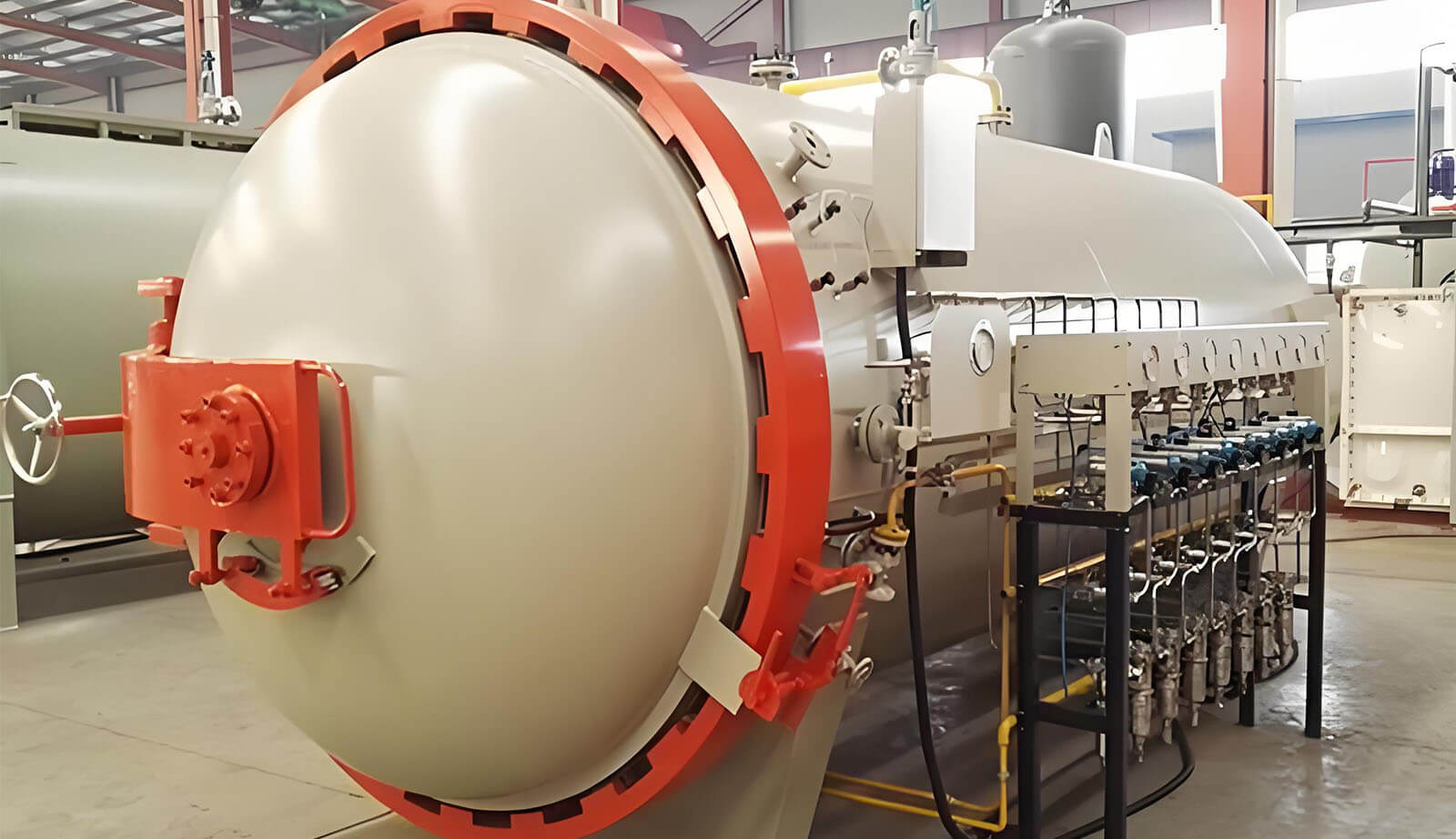
Our factory runs 100+ hot pressure autoclaves, using aluminum molds and vacuum induction to shape carbon fiber with precision. High heat and pressure enhance strength, stability, and flawless quality.
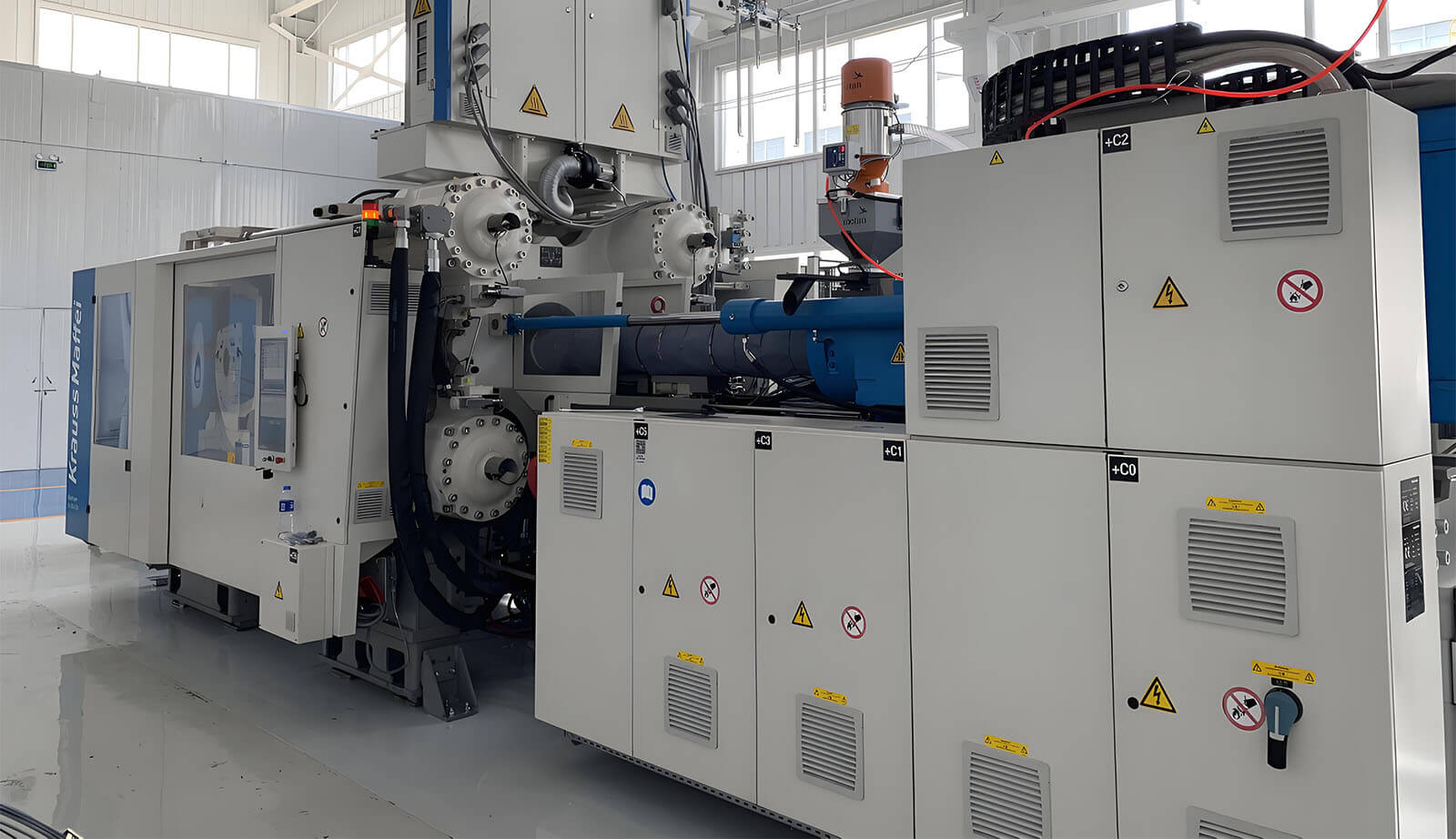
Our Carbon Fiber Research Center drives innovation in new energy, intelligence, and lightweight design, using advanced composites and Krauss Maffei FiberForm to create cutting-edge, customer-focused solutions.
Here are the answers to the frequently asked questions from the experienced carbon fiber products factory
We produce a wide range of carbon fiber components, including automotive parts, motorcycle parts, aerospace components, marine accessories, sports equipment, and industrial applications.
We primarily use high-quality prepreg carbon fiber and large-tow carbon fiber reinforced high-performance composites to ensure strength, durability, and lightweight characteristics.
Yes, our products are coated with UV-protective finishes to ensure long-lasting durability and maintain their polished appearance.
Yes, our facilities and equipment are capable of producing large-size carbon fiber components while maintaining precision and quality.
What are the benefits of using carbon fiber products?
Carbon fiber offers exceptional strength-to-weight ratio, corrosion resistance, stiffness, thermal stability, and a sleek, modern appearance.
We cater to automotive, motorcycle, aerospace, marine, medical, sports, and industrial sectors with a focus on lightweight and high-performance carbon fiber components.
Yes, we provide custom carbon fiber solutions tailored to your specifications, including unique designs, sizes, and patterns.
We utilize advanced technologies such as autoclave molding, hot pressing, and vacuum bagging, ensuring precision, stability, and quality in every product. wonders with the Hello Elementor Theme, we’re trying to make sure that it works great with all the major themes as well.
We use aluminum and P20 steel molds, designed for durability and high accuracy, to create complex and precise carbon fiber components.
Our products undergo rigorous quality control checks, including dimensional accuracy, material integrity, and performance testing, to meet industry standards.