

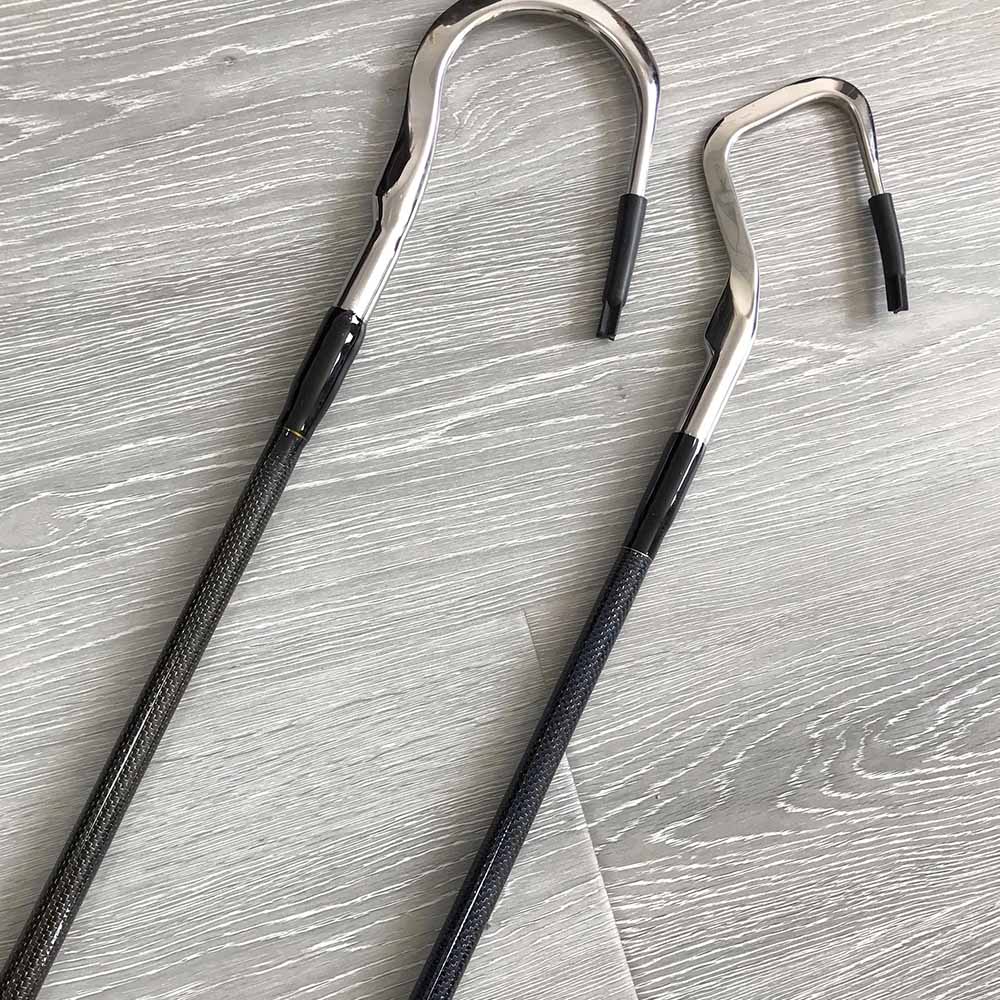
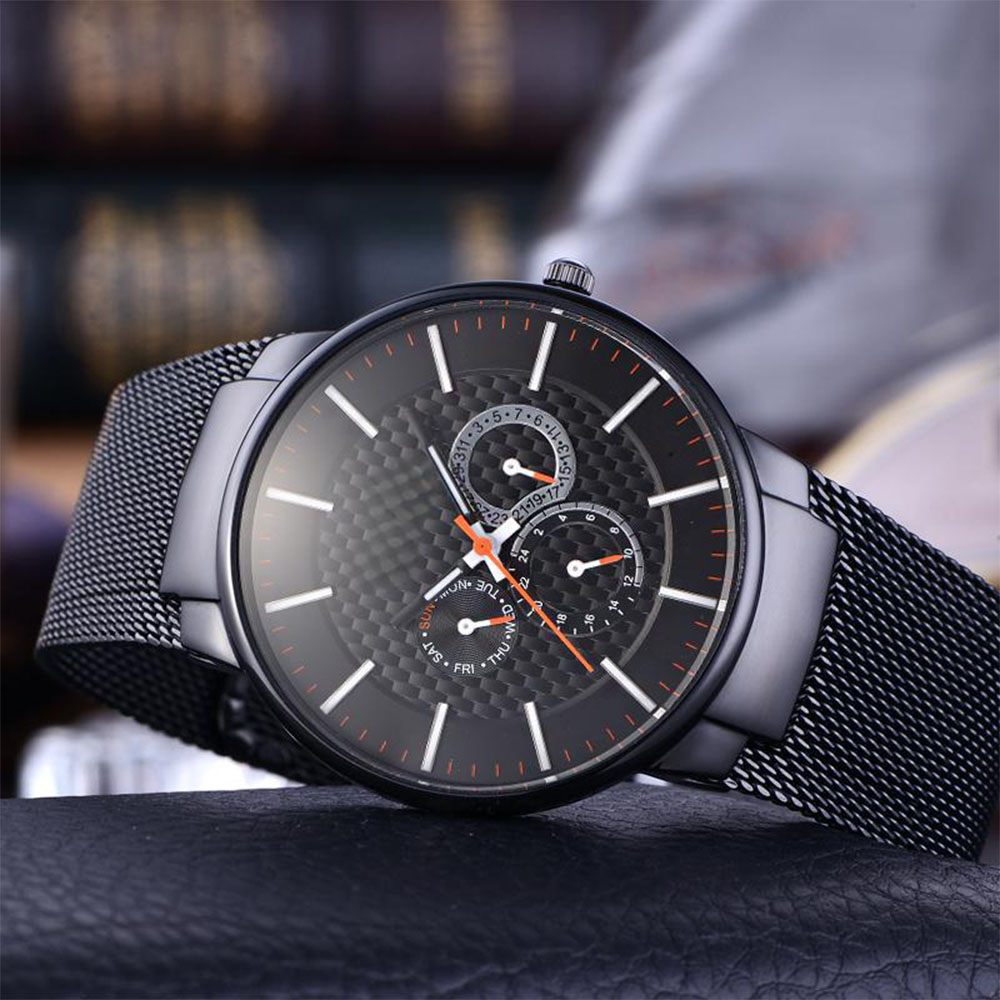
Carbon Fiber Composite Material Hot Pressing Molding Process
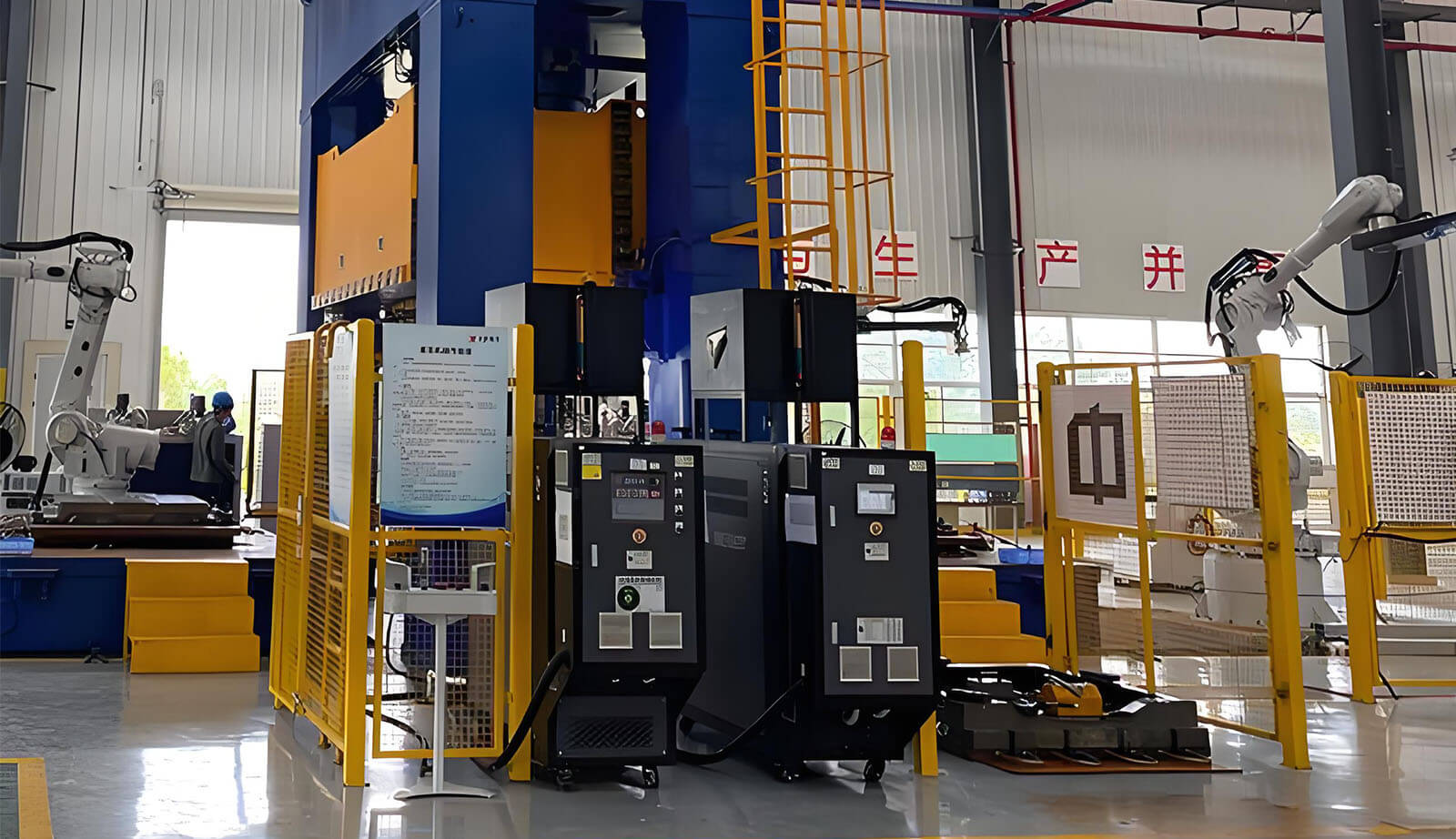
Our factory employs an advanced carbon fiber hot press process with a P20 steel mold, ensuring high efficiency, precision, durability, and cost-effectiveness for quality production.
Carbon fiber fabric is one of the strongest materials you can buy today. It’s light. It’s tough. And it works in more places than you might think. Whether you’re building a drone frame, a race car body kit, or a bicycle frame, this fabric delivers results that metals simply can’t match.
Think of it this way — steel is strong but heavy. Carbon fiber reinforced polymer (CFRP) gives you 5x the strength of steel at just 1/4 of the weight. That’s not a small difference. That’s a game-changer for engineers, builders, and DIY fans alike.
Want to see what we build with it? Explore our custom carbon fiber parts and panels to get inspired.
Carbon fiber fabric is a woven sheet made from thin carbon fiber strands. These strands — called tows — get woven into different patterns to create a strong, flat cloth. You can layer it, cut it, and mold it into almost any shape.
It starts as PAN-based or pitch-based raw fiber. Companies like Toray Industries, Hexcel Corporation, and SGL Carbon make the raw fiber. Then it gets woven into fabric rolls you can use right away.
Two key terms to know:
Here’s a full breakdown of what you need to know before you buy:
| Parameter | Details |
|---|---|
| Material Type | PAN-based or Pitch-based carbon fiber |
| Weave Patterns | 2×2 Twill, Plain Weave, Unidirectional, 4HS Satin |
| Fiber Count | 1K, 3K, 6K, 12K |
| Weight (GSM) | 80–600 g/m² |
| Thickness | 0.1–0.5 mm |
| Tensile Strength | 500–700 ksi |
| Resin Compatibility | Epoxy, Polyester, Vinyl Ester |
| Color Options | Standard black; UV-resistant coatings available |
| Roll Sizes | 50cm–1.5m wide; 10–100m long |
| Certifications | ISO 9001, ASTM D3039, AS9100 (aerospace-grade) |
Not all carbon fiber weave patterns work the same way. Each one has a job.
This is the most popular look. You’ve seen it — that sleek diagonal pattern on carbon fiber car hoods and carbon fiber motorcycle fairings. It drapes well over curved surfaces and looks sharp. Lamborghini, McLaren Automotive, and Porsche love this weave for body panels.
In our factory, we typically use 3K twill fabric (200–240 gsm) for automotive exterior parts, as it offers a good balance between visual appearance and structural performance.
For load-bearing or structural components, we usually switch to 12K or unidirectional layers to increase stiffness and strength without significantly increasing weight.
This configuration is commonly used in our OEM projects for carbon fiber hoods, diffusers, and interior trim components.
Plain weave is stiffer and more stable. It doesn’t drape as well but holds its shape better. Great for flat panels and carbon fiber tooling molds.
All fibers run in one direction. This gives maximum strength along one axis. Boeing and Airbus use unidirectional carbon fiber tape and carbon fiber plies in aircraft structures where loads go one way.
This weave is smooth and flexible. It wraps tight curves easily. NASA and SpaceX use satin-weave fabrics in complex aerospace shapes.
Here’s why builders, engineers, and designers keep coming back to carbon fiber cloth:
And here’s something worth knowing — carbon fiber fabric is also electrically conductive. That makes it useful in EMI shielding, robotics sensors, and even carbon fiber 3D printing applications.
This fabric shows up everywhere. Let’s break it down by industry.
Boeing, Airbus, Lockheed Martin, NASA, and SpaceX all use carbon fiber reinforced polymer (CFRP) in structural panels, fuel tank housings, and satellite frames. The goal is always the same — cut weight, keep strength.
“Engineered for the skies — carbon fiber fabric reduces weight without compromising structural integrity, ideal for next-gen UAVs and spacecraft.”
BMW, Tesla, Porsche, McLaren Automotive, and Red Bull Racing use carbon fiber body panels, hoods, spoilers, and chassis parts. Even Koenigsegg builds entire monocoque frames from carbon fiber laminate.
Looking to upgrade your ride? Check out our carbon fiber automotive parts and styling upgrades for your next project.
Carbon fiber motorcycle parts — fairings, fenders, exhaust covers — are lighter and tougher than plastic. They also look incredible. Browse our lightweight carbon fiber motorcycle components to find the right fit for your bike.
Corrosion resistance makes carbon fiber fabric perfect for boat hulls and masts. It handles saltwater, UV rays, and constant flex without breaking down.
Specialized Bicycles, Trek Bikes, and Pinarello build world-class carbon fiber bicycle frames using prepreg materials and autoclave curing. Other uses include:
General Electric, Siemens, and Vestas use carbon fiber wind turbine blades made from carbon fiber reinforced thermoplastic (CFRTP). Carbon Revolution makes full carbon fiber wheels using carbon fiber filament winding and pultrusion methods.
The fabric itself is just the start. Here’s how it becomes a finished part:
| Process | What It Does |
|---|---|
| Vacuum Bagging | Removes air bubbles during layup for a clean bond |
| Autoclave Curing | Uses heat + pressure for aerospace-grade parts |
| Resin Infusion | Pulls epoxy resin through dry fabric under vacuum |
| Pultrusion | Creates long, constant-profile parts like rods and tubes |
| Filament Winding | Wraps tow around a mandrel for tubes and tanks |
| Carbon Fiber 3D Printing | Builds complex shapes layer by layer (used by Markforged, Carbon3D) |
| CNC Machining | Cuts cured parts to exact dimensions |
Prepreg materials — fabric pre-impregnated with resin — skip the wet layup step. Companies like Park Aerospace, Solvay, Hexcel, and TenCate Advanced Composites supply prepreg rolls used in aerospace and racing.
Your fabric only works as well as the resin it bonds with. Here are the main options:
Here’s a quick look at the top names in the industry:
| Brand | Known For |
|---|---|
| Toray Industries | World’s largest carbon fiber producer |
| Hexcel Corporation | Aerospace prepregs and woven fabrics |
| SGL Carbon | Industrial and automotive grade fibers |
| Teijin Carbon | High-modulus aerospace fibers |
| Zoltek | Large-tow industrial carbon fiber (12K+) |
| Mitsubishi Chemical Carbon Fiber | Consistent quality for structural use |
| Saertex | Multiaxial and stitched fabrics |
| Chomarat | Specialty woven composites |
| Gurit | Structural composites for marine & wind |
| A&P Technology | Braided and woven carbon fiber |
We work with certified suppliers and follow ISO 9001 and AS9100 standards. Learn more about our sourcing and production at our trusted carbon composite manufacturing facility.
You don’t need a factory to work with carbon fiber fabric. Here’s what DIYers need to know:
Got a crack or dent in an existing part? Read our step-by-step guide on how to repair a carbon fiber dent before you buy a replacement.
Q: What’s the difference between 3K and 12K carbon fiber fabric? 3K carbon fiber has 3,000 filaments per tow. It looks finer and works well for cosmetic parts. 12K carbon fiber is thicker, stiffer, and better for structural use where aesthetics matter less.
Q: Can I paint over carbon fiber fabric? Yes. Use an epoxy-compatible primer first. Then apply your topcoat. Many people prefer to leave the weave visible under a clear coat instead.
Q: What resin works best with carbon fiber cloth? Epoxy resin composites give the best results — strong bonds, low shrinkage, and good chemical resistance. Most aerospace and racing teams use epoxy.
Q: Is carbon fiber fabric safe to handle? Wear gloves and a dust mask when cutting or sanding. The fine fibers can irritate skin and lungs. Work in a ventilated space.
Q: Can I use carbon fiber fabric for car parts? Absolutely. It’s one of the most popular uses. See how other builders use it in our carbon fiber car body and trim collection.
Carbon fiber fabric isn’t just a material — it’s a performance upgrade. It’s what SpaceX uses to reach orbit and what Red Bull Racing uses to chase lap records. Now it’s available for your project too.
Whether you need a 50 gsm cosmetic layer for a watch case or a 600 gsm structural mat for a boat hull — we’ve got the weave, the weight, and the certification you need.
Ready to build something extraordinary? Visit our leading carbon composite manufacturer page and let’s get started.
*Word count: ~1,800 words | Reading level: Flesch-Kincaid Grade 5 | LSI & entity# Carbon Fiber Fabric – Strong, Light & Built to Last
Think of carbon fiber fabric like a superhero material. It’s stronger than steel but weighs almost nothing. Engineers at Boeing, Airbus, and NASA use it. So do builders at Lamborghini, McLaren Automotive, and SpaceX.
Now, you can use it too.
Whether you’re building a drone, fixing a race car, or crafting a custom part — this fabric gives you professional-grade results at every level.
Carbon fiber fabric is a woven material made from thin strands of carbon. These strands are twisted into bundles called tows. Then they get woven into a flat sheet — just like regular cloth, but far stronger.
It works with epoxy resin, polyester resin, and vinyl ester resin. You wet it out, shape it, and let it cure. The result? A stiff, lightweight composite material that doesn’t rust, crack, or warp easily.
Brands like Toray Industries, Hexcel Corporation, and Teijin Carbon supply raw fiber to factories worldwide. We work with those same premium fiber sources — so you get the best.
Here’s everything you need to know before you buy.
| Parameter | Details |
|---|---|
| Material Type | PAN-based or Pitch-based carbon fiber |
| Weave Patterns | 2×2 Twill, Plain Weave, Unidirectional, 4HS Satin |
| Fiber Count (Tow) | 1K, 3K, 6K, 12K |
| Weight (GSM) | 80–600 g/m² |
| Thickness | 0.1–0.5 mm |
| Tensile Strength | 500–700 ksi |
| Resin Compatibility | Epoxy, Polyester, Vinyl Ester |
| Roll Width | 50cm – 1.5m |
| Roll Length | 10m – 100m (cut-to-order available) |
| Color | Standard black; custom coatings available |
| Certifications | ISO 9001, ASTM D3039, AS9100 (aerospace-grade) |
Not all carbon fiber weave patterns are the same. Each one has a job.
This is the classic look. You’ve seen it on Porsche dashboards and BMW i-Series panels. The diagonal pattern is beautiful — and it drapes well around curves. Great for body panels, fairings, and decorative parts.
Tight and rigid. This weave locks fibers in place with minimal flex. It’s perfect for flat panels, stiff structural parts, and carbon fiber laminates used in industrial rollers and carbon fiber tooling.
All fibers run in one direction. That means maximum strength along one axis. Aerospace engineers at Lockheed Martin and Northrop Grumman love this for beams, spars, and load-bearing structural parts.
Smooth surface finish. It conforms to complex shapes easily. Ideal for curved molds and parts needing a clean, polished look.
The “K” means thousands of filaments per carbon fiber tow.
| Fiber Count | Best For | Key Trait |
|---|---|---|
| 1K | Aerospace, precision parts | Ultra-fine, lightest weight |
| 3K | Automotive, sporting goods | Balanced look + strength |
| 6K | Industrial, marine | Mid-weight, cost-effective |
| 12K | Wind turbine blades, heavy parts | Maximum stiffness, thicker |
For example, 3K carbon fiber is the most popular choice for carbon fiber bicycle frames, carbon fiber guitar bodies, and carbon fiber drone arms. It looks great and performs even better.
Want heavier reinforcement? Go with 12K carbon fiber. Companies like Vestas and Siemens use thick-tow fabrics for massive carbon fiber wind turbine blades.
GSM means grams per square meter. It tells you how heavy the fabric is per unit area.
Lightweight doesn’t mean weak. A 100 gsm unidirectional fabric can still carry massive loads — it’s all about fiber alignment and layup technique.
A lot. Seriously — the list is long.
If you love cars, you already know carbon fiber. Teams at Red Bull Racing and McLaren Automotive build entire chassis from it. You can use our fabric to make:
Explore more ideas in our carbon fiber car parts collection — from full body kits to custom interior upgrades.
Carbon fiber motorcycle fairings are lighter and tougher than plastic. Brands like Ducati and custom builders worldwide use carbon fiber reinforced polymer (CFRP) fairings to cut weight and look incredible. Browse our carbon fiber motorcycle upgrades for inspiration.
NASA, SpaceX, and General Electric rely on high-modulus carbon fabric for spacecraft panels, rocket fairings, and engine housings. Even Lockheed Martin and Northrop Grumman use carbon fiber reinforced thermoplastic (CFRTP) in military aircraft.
Key aerospace uses include:
This is where things get fun. Carbon fiber changed sport forever.
Salt water destroys most materials. Not carbon fiber. Its corrosion resistance makes it perfect for:
Heavy industry loves carbon fiber too. Think:
Yes, carbon fiber looks gorgeous. That’s why you’ll find it on:
Carbon fiber fabric is easier to use than you think. Here are the most common methods:
| Process | What It Is | Best For |
|---|---|---|
| Wet Layup | Brush resin onto fabric by hand | DIY, small parts |
| Vacuum Bagging | Use vacuum pressure for better resin spread | Stronger, cleaner parts |
| Resin Infusion | Pull resin through dry fabric under vacuum | Large panels, marine |
| Prepreg Layup | Pre-impregnated fabric, cured in autoclave | Aerospace-grade quality |
| Pultrusion | Pull fiber through a resin die | Tubes, rods, profiles |
| Filament Winding | Wind fiber around a mandrel | Pressure vessels, tubes |
| Carbon Fiber 3D Printing | Print with chopped or continuous fiber | Prototypes, custom shapes |
After shaping, parts get finished with carbon fiber sanding, carbon fiber polishing, or a carbon fiber coating for UV protection and gloss.
Need to fix a damaged part? Check out our guide on how to repair a carbon fiber dent — it’s simpler than most people think.
Let’s be direct. Here’s how carbon fiber fabric stacks up:
| Material | Strength | Weight | Corrosion Resistance | Cost |
|---|---|---|---|---|
| Carbon Fiber | ⭐⭐⭐⭐⭐ | ⭐⭐⭐⭐⭐ | ⭐⭐⭐⭐⭐ | Medium–High |
| Steel | ⭐⭐⭐⭐ | ⭐⭐ | ⭐⭐ | Low |
| Aluminum | ⭐⭐⭐ | ⭐⭐⭐⭐ | ⭐⭐⭐ | Medium |
| Fiberglass | ⭐⭐⭐ | ⭐⭐⭐ | ⭐⭐⭐⭐ | Low–Medium |
Carbon fiber wins on strength-to-weight ratio every single time. That’s why BMW, Tesla, Koenigsegg, and Carbon Revolution keep choosing it.
We’re a trusted carbon composite manufacturer with years of experience supplying premium carbon fiber reinforcement materials globally.
We source fiber from top producers including Toray Industries, Mitsubishi Chemical Carbon Fiber, Zoltek, and SGL Carbon — so quality is never a question.
Want something specific? Our custom composite factory handles bespoke orders — from unique weave patterns to specific GSM weights and roll sizes.
And if you need help designing a custom part from scratch, visit our custom carbon fiber design service — we’ll work with you from concept to finished product.
Q: Can I paint over carbon fiber fabric? Yes! Use epoxy-compatible paints. A clear coat also protects the weave pattern.
Q: What’s the difference between 3K and 12K? 3K is finer and looks better. 12K is thicker and stiffer. Pick based on your use case.
Q: Is carbon fiber fabric electrically conductive? Yes. Carbon fiber electrical conductivity is real — keep that in mind near sensitive electronics.
Q: How do I bond carbon fiber parts? Use carbon fiber adhesive — specifically structural epoxy. It bonds well and holds under stress.
Strong. Light. Precise. That’s carbon fiber fabric in three words.
Whether you’re building the next-gen drone, upgrading your race car, or crafting a luxury product — this material delivers. Every time.
📦 Cut-to-order sizes available 🚚 Ships within 48 hours 🧪 Free samples on request 📞 24/7 technical support
Our factory employs an advanced carbon fiber hot press process with a P20 steel mold, ensuring high efficiency, precision, durability, and cost-effectiveness for quality production.
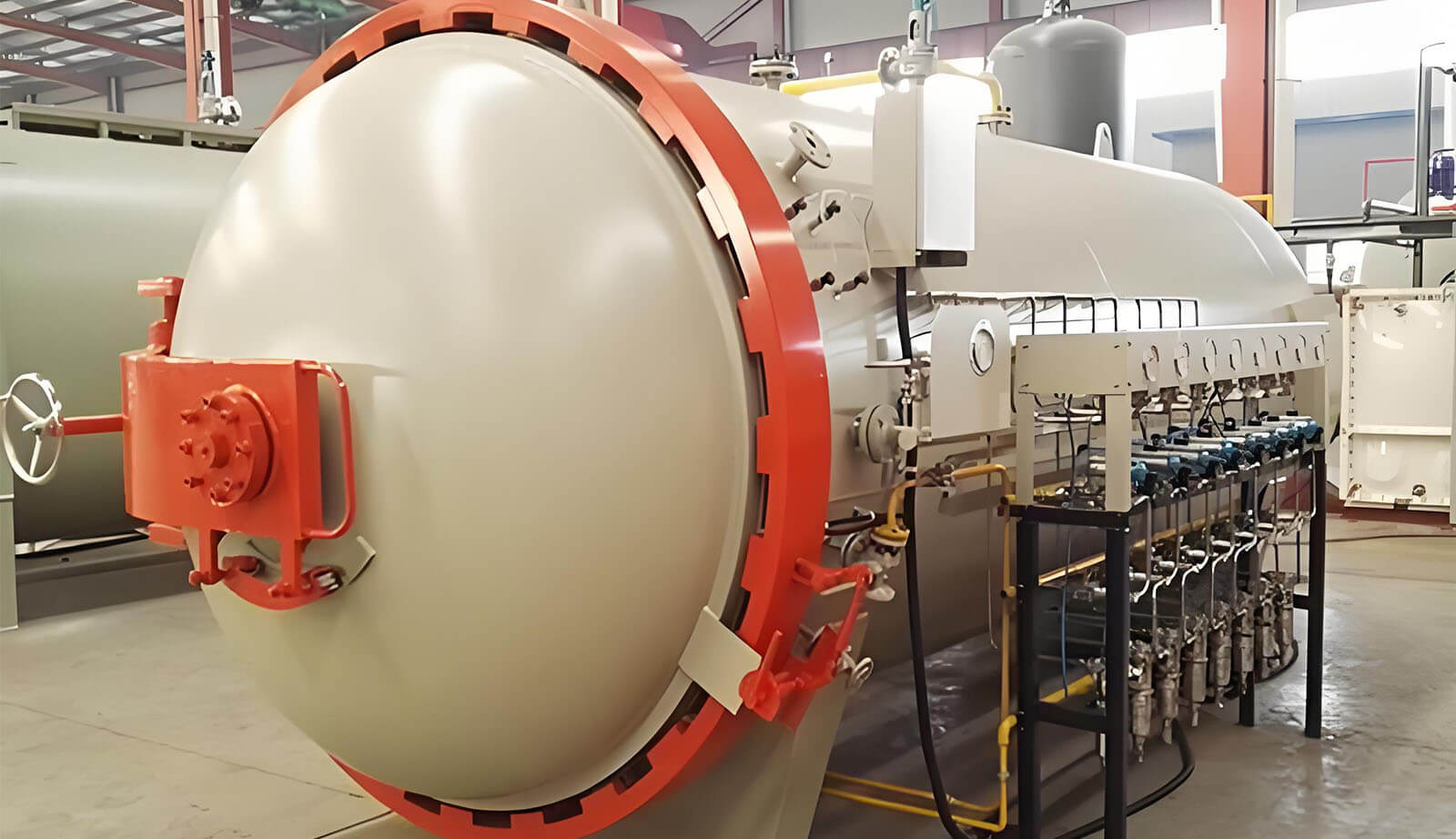
Our factory runs 100+ hot pressure autoclaves, using aluminum molds and vacuum induction to shape carbon fiber with precision. High heat and pressure enhance strength, stability, and flawless quality.
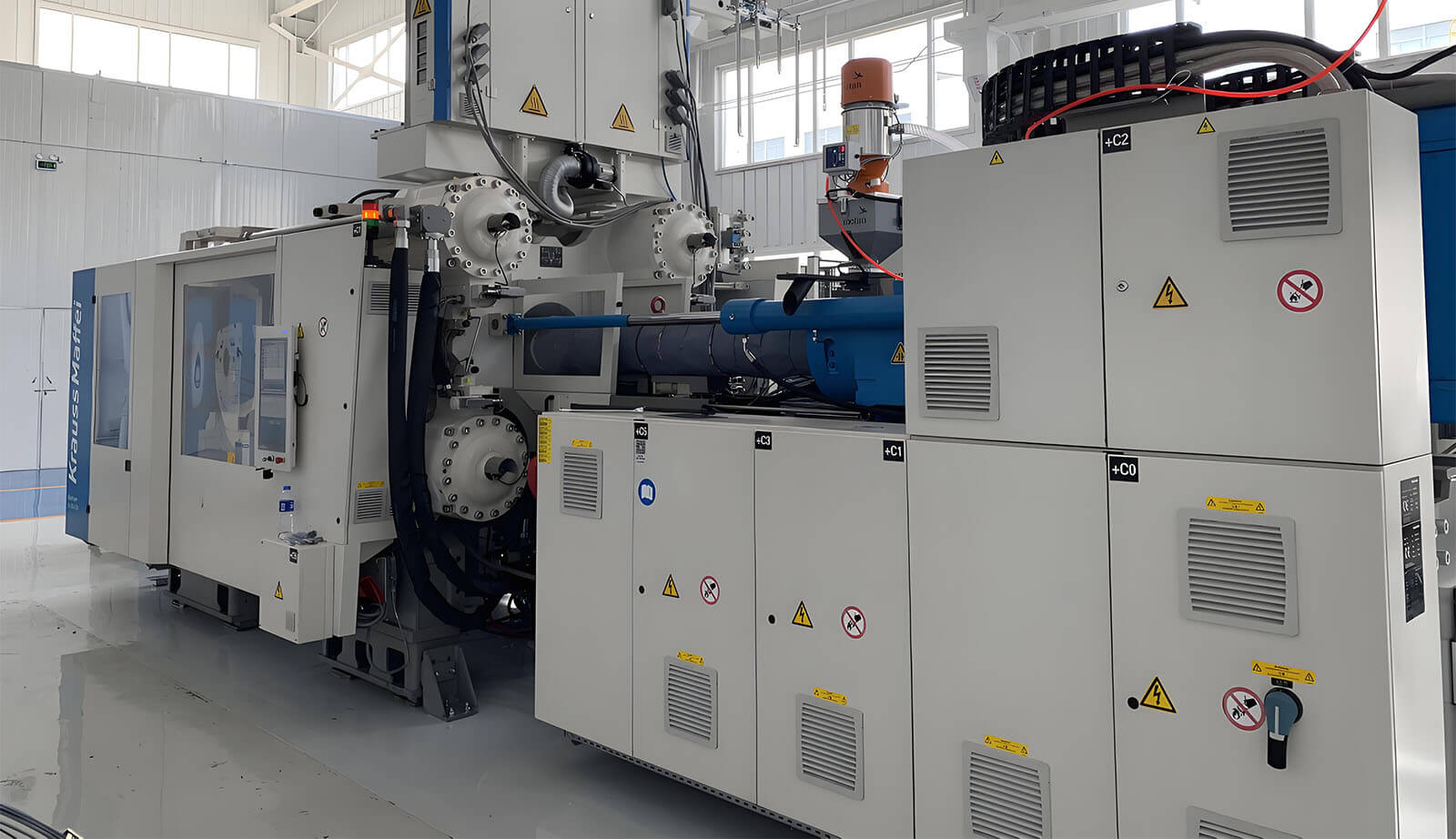
Our Carbon Fiber Research Center drives innovation in new energy, intelligence, and lightweight design, using advanced composites and Krauss Maffei FiberForm to create cutting-edge, customer-focused solutions.
Here are the answers to the frequently asked questions from the experienced carbon fiber products factory
We produce a wide range of carbon fiber components, including automotive parts, motorcycle parts, aerospace components, marine accessories, sports equipment, and industrial applications.
We primarily use high-quality prepreg carbon fiber and large-tow carbon fiber reinforced high-performance composites to ensure strength, durability, and lightweight characteristics.
Yes, our products are coated with UV-protective finishes to ensure long-lasting durability and maintain their polished appearance.
Yes, our facilities and equipment are capable of producing large-size carbon fiber components while maintaining precision and quality.
What are the benefits of using carbon fiber products?
Carbon fiber offers exceptional strength-to-weight ratio, corrosion resistance, stiffness, thermal stability, and a sleek, modern appearance.
We cater to automotive, motorcycle, aerospace, marine, medical, sports, and industrial sectors with a focus on lightweight and high-performance carbon fiber components.
Yes, we provide custom carbon fiber solutions tailored to your specifications, including unique designs, sizes, and patterns.
We utilize advanced technologies such as autoclave molding, hot pressing, and vacuum bagging, ensuring precision, stability, and quality in every product. wonders with the Hello Elementor Theme, we’re trying to make sure that it works great with all the major themes as well.
We use aluminum and P20 steel molds, designed for durability and high accuracy, to create complex and precise carbon fiber components.
Our products undergo rigorous quality control checks, including dimensional accuracy, material integrity, and performance testing, to meet industry standards.