
Carbon Fiber Composite Material Hot Pressing Molding Process
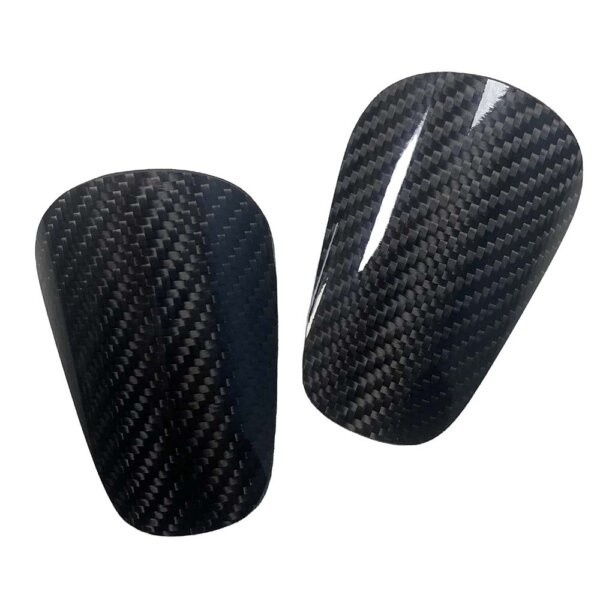
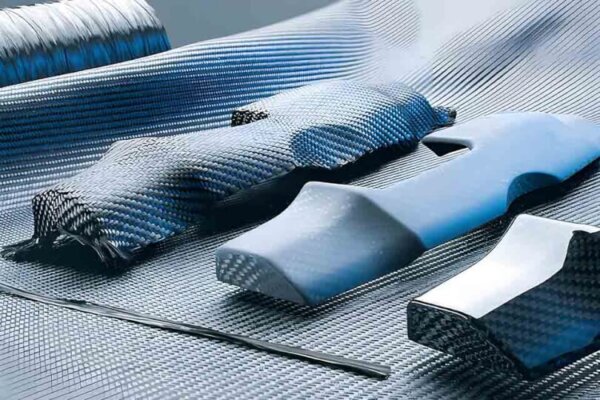
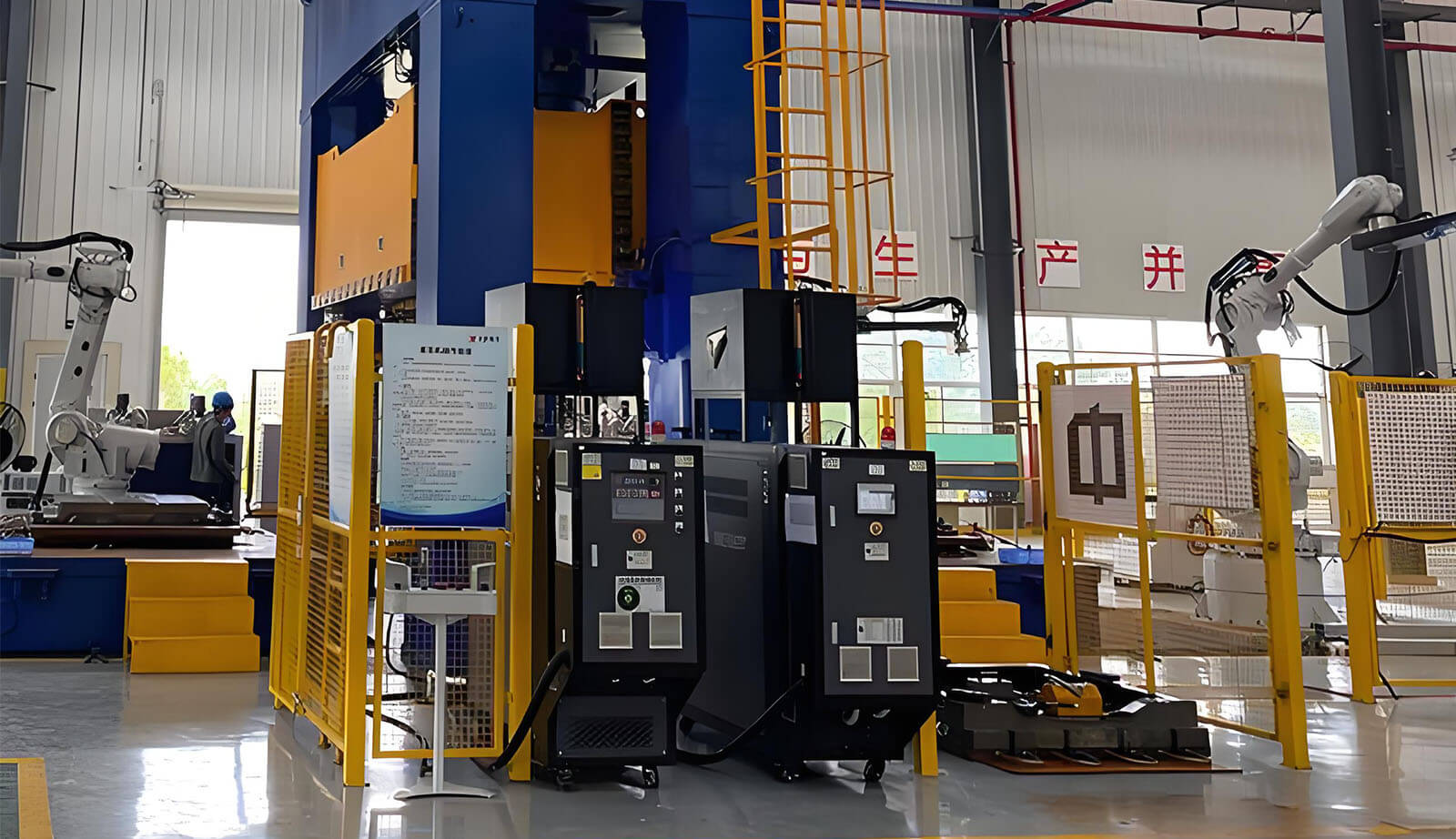
Our factory employs an advanced carbon fiber hot press process with a P20 steel mold, ensuring high efficiency, precision, durability, and cost-effectiveness for quality production.
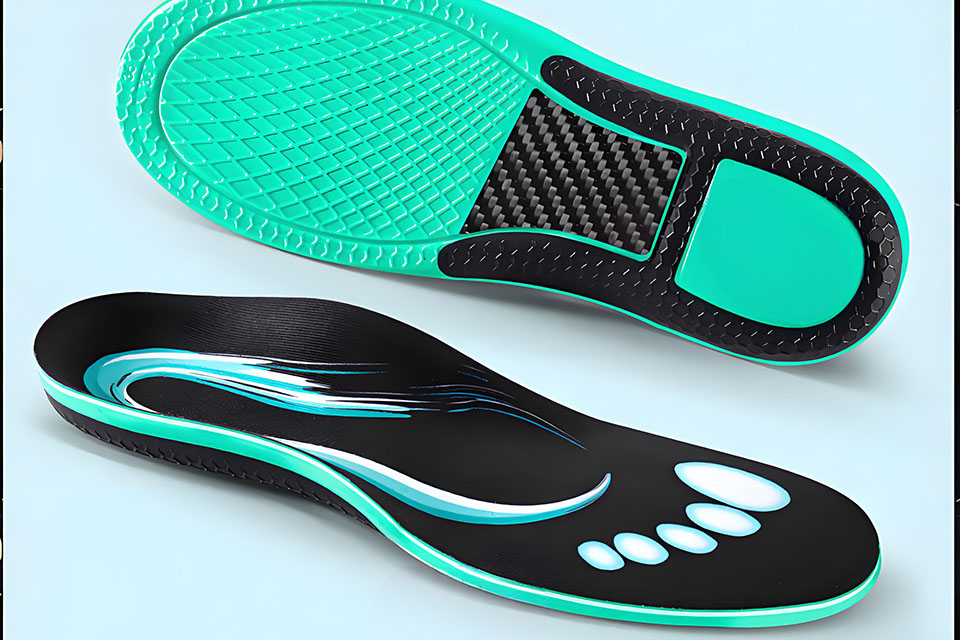
We manufacture custom carbon fiber foot inserts, orthotic support plates, and arch support inserts for footwear brands, orthotic product companies, and private-label projects. Plates are produced rigid or semi-rigid depending on the intended application, in full-length, 3/4-length, forefoot, or custom orthotic shell formats. This page is part of the composite manufacturing catalog at chinacarbonfibers.com.
Available as rigid or semi-rigid plates, custom arch profiles, forefoot plates, Morton’s extension plates, and full orthotic shells based on drawings, 3D scans, or physical samples.
This page covers structural foot-support inserts — orthotic and arch-support plates, not sports footwear sole plates.
A note on scope: we manufacture the composite structural component. Final suitability for a specific foot condition, patient, or clinical use should be evaluated by a qualified orthotist, podiatrist, or footwear product engineer — we don’t make diagnostic or treatment claims for these components. You can read more about our manufacturing background on our about page.
Carbon fiber foot inserts are thin, molded composite plates placed inside footwear or built into an orthotic device to add structural support, controlled stiffness, and shape retention that most foam, EVA, or plastic components can’t provide at the same thickness. They’re used as standalone inserts, as the structural core of an orthotic insole (under a cushioned top cover), or as a component supplied to orthotic labs and footwear brands for their own finished products.
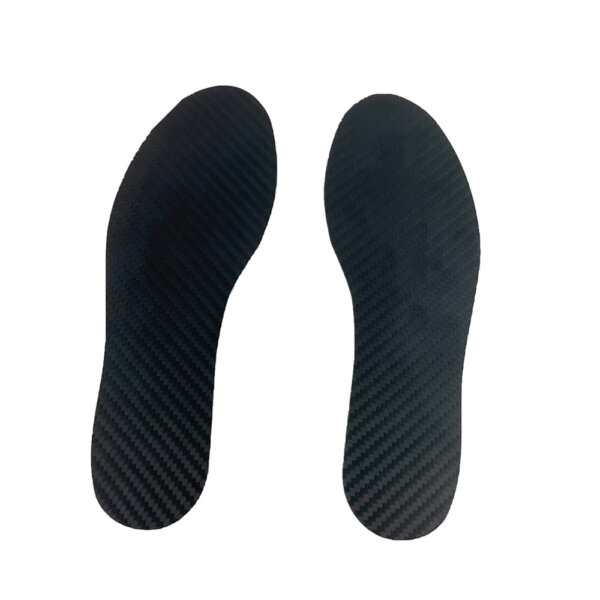
They’re built as full-length plates, 3/4-length plates, forefoot-only plates, arch-specific plates, or fully custom orthotic shells, depending on where support is needed and how the final product will be assembled.
For orthotic brands and product developers, we produce semi-rigid support shells built to your shape file or a reference sample:
Stiffness is specified as rigid or semi-rigid based on your intended use case — a rigid shell resists deformation more completely and is typical where firm structural control is the goal; a semi-rigid shell retains more flex and is used where some natural foot motion needs to be preserved.
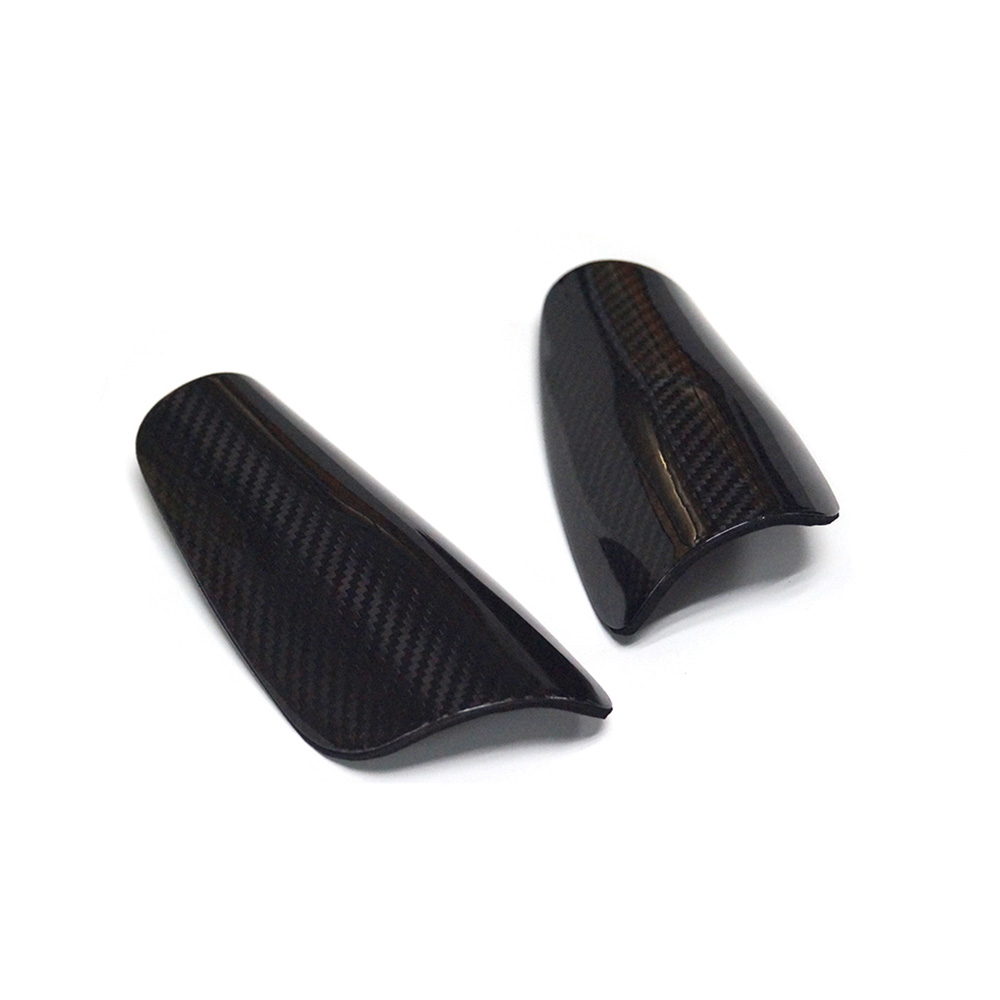
This is a distinct configuration within our foot insert line, built specifically to provide structural support under the medial arch rather than full-plate support across the whole foot.
Specification options include:
What we can say: these plates are designed to provide structural support and resist compression under the arch area, consistent with how carbon fiber composite behaves under load.
What we don’t say: we don’t claim these products cure flat feet, fix plantar fasciitis, or guarantee pain relief. Whether a given arch profile and stiffness is right for a specific foot or condition is a fit and clinical question, not a materials question — that assessment belongs with an orthotic professional or your product engineering team, not with the plate manufacturer.
Full-length carbon fiber foot inserts — support and shape retention across the entire foot, typically used as the structural base layer under a cushioned top cover.
3/4-length carbon fiber inserts — extend from the heel through the arch and partway into the forefoot, used where full toe-to-heel rigidity isn’t needed but midfoot support is.
Forefoot carbon fiber plates — support and controlled stiffness limited to the forefoot region, often specified where the goal is to limit motion at the first metatarsophalangeal joint (relevant to conditions like turf toe or hallux rigidus, though again — clinical applicability should be confirmed by a qualified professional, not assumed from the plate spec alone). This is distinct from the propulsion-tuned forefoot plates we build for football boots and soccer cleats, which are engineered for athletic performance rather than structural support.
Morton’s extension plates — a forefoot plate with an extension specifically under the first ray, a configuration commonly requested by orthotic labs for big-toe joint motion limitation.
Carbon fiber arch support plates — see above; support concentrated under the medial arch rather than distributed across the full foot.
Custom orthotic shells — a fully custom shape built from your last, mold, or 3D scan file, for orthotic brands building their own finished product line around our composite core.
| Carbon Fiber | Plastic / Polypropylene | |
|---|---|---|
| Thickness at equivalent stiffness | Thinner | Usually thicker |
| Weight | Lower | Medium to higher |
| Stiffness control | Tuned by layup direction and thickness together | Mainly controlled by thickness and material grade |
| Shape retention over time | Strong — resists permanent deformation | Can take a permanent set with repeated flex |
| Left/right custom shaping | Standard | Standard, but less design flexibility for thin/contoured profiles |
| Tooling and unit cost | Higher | Lower |
| Typical fit | Premium orthotic devices, low-profile applications where stack height matters | Cost-sensitive orthotic production, thicker device tolerance |
Neither material is a universal answer — plastic shells remain a reasonable choice where cost is the primary constraint and profile thickness isn’t. Carbon fiber earns its cost premium specifically where a thin, low-profile device still needs to hold its shape and resist compression over years of use.
We supply the composite structural component (plate or shell) to these businesses — we don’t sell direct-to-consumer finished orthotic devices, and we don’t provide clinical fitting services. Foot and orthotic inserts are one line within our broader custom carbon fiber product range.
| Parameter | Options |
|---|---|
| Shape | Full-length, 3/4-length, forefoot, arch-specific, custom orthotic shell |
| Stiffness | Rigid, semi-rigid, custom flex profile |
| Thickness | Specified against stiffness target, typically 1.0–3.5mm |
| Arch height | Low, medium, high, custom profile from scan/reference |
| Surface / top cover | Raw carbon, matte, gloss, EVA, PU, fabric, leather |
| Branding | Logo molding, private-label packaging available for brand customers |
Composite inserts of this type are commonly used in:
This is a description of common use categories, not a clinical recommendation for any specific condition — application suitability should be confirmed by your product or clinical team.
The examples below describe representative project types and specs we work with. Details are generalized rather than tied to a specific brand, in line with customer confidentiality.
Example: semi-rigid arch support plate for an orthotic product brand Application: private-label arch support insole. Configuration: arch-specific plate with heel-to-arch shaping, medium arch profile matched to the customer’s scan reference. Stiffness: semi-rigid. Top cover: bonded EVA layer for the finished retail product. Outcome of the process: sample matched to the reference profile within one revision, moved to production.
Example: rigid forefoot plate for an orthotic lab Application: custom orthotic device with a Morton’s extension for first-ray motion limitation, specified by the customer’s clinical team. Configuration: rigid forefoot plate with extension. Fiber: prepreg UD carbon for directional stiffness under the first ray. Top cover: none — supplied as a structural component for the lab’s own device assembly. Outcome of the process: left/right pair produced to the lab’s shape file, delivered without top cover per their assembly process.
[Placeholder for future case studies — this section should be updated with real, anonymized project photos as soon as they’re available. Even anonymized shots (no brand names, no client-identifying marks) meaningfully strengthen this page’s credibility. Suggested shots and ALT text:
Once available, replace this note with the actual images placed next to their corresponding case example above.]
Thin, molded carbon fiber composite plates used inside footwear or orthotic devices to provide structural support and controlled stiffness — supplied either as a finished insert or as a structural component for orthotic labs and footwear brands to build into their own products.
They’re closely related — “orthotic inserts” typically refers to the semi-rigid support shell used as the base of a custom orthotic device, while “foot inserts” is a broader term covering full-length, arch-specific, and forefoot configurations. We produce all of these under the same manufacturing process.
Yes — arch height, stiffness, and support zone are all specified per project, either against a wet-footprint/scan reference you provide or a written spec.
Yes, low, medium, high, or a fully custom profile matched to a scan or reference sample.
Yes, stiffness is one of the primary specs we confirm before production, along with thickness and layup.
A 3D scan, drawing, or physical sample gives the most accurate quote and shortest development cycle. We can also work from a written spec if none of these are available yet.
Yes, top covers can be bonded during or after molding depending on the material and your finished-product requirements.
MOQ depends on whether an existing mold profile fits your shape or a custom mold is required. Send your specs and target volume for an accurate figure.
Yes. A 3D scan or a physical sample is one of the fastest paths to an accurate quote and a shape-matched sample, alongside a drawing or written spec.
Yes, logo molding and private-label packaging are available for brand customers — let us know your branding requirements alongside your product spec.
New to carbon fiber inserts and not sure which configuration fits your project? Our carbon fiber shoe inserts guide covers the main types, stiffness options, and how to choose.

Our factory employs an advanced carbon fiber hot press process with a P20 steel mold, ensuring high efficiency, precision, durability, and cost-effectiveness for quality production.
Our factory runs 100+ hot pressure autoclaves, using aluminum molds and vacuum induction to shape carbon fiber with precision. High heat and pressure enhance strength, stability, and flawless quality.
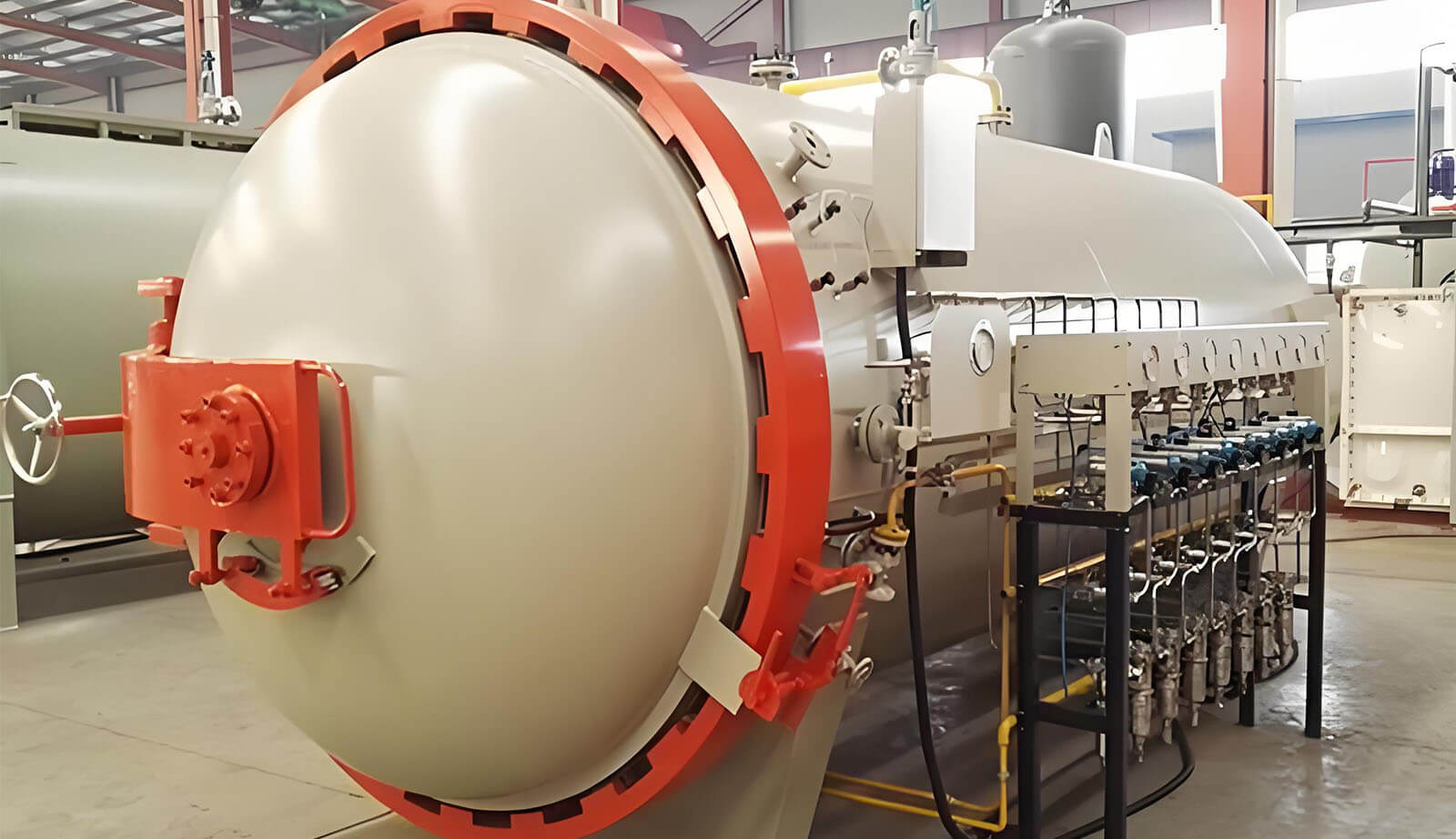
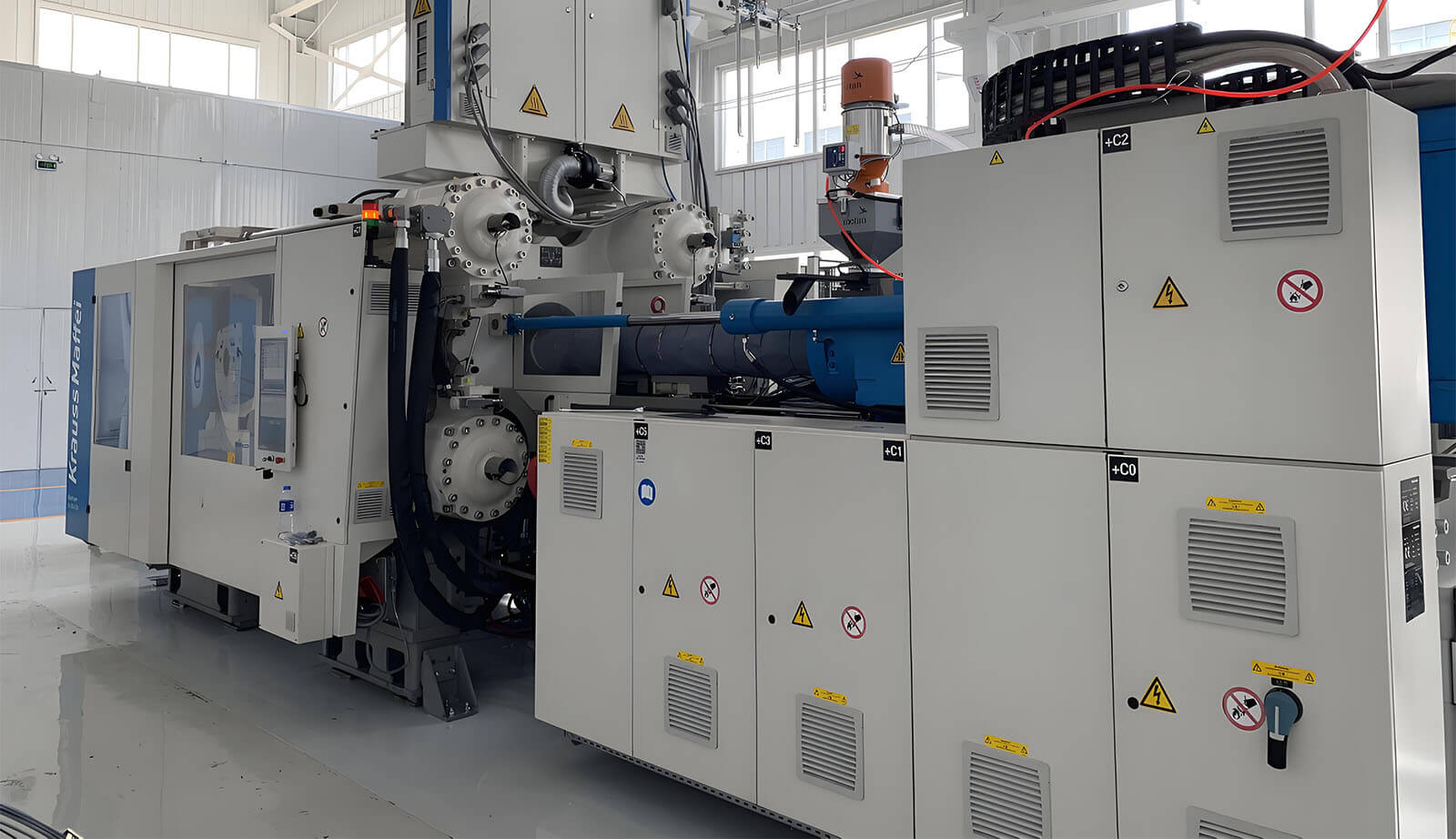
Our Carbon Fiber Research Center drives innovation in new energy, intelligence, and lightweight design, using advanced composites and Krauss Maffei Fiber Form to create cutting-edge, customer-focused solutions.
Here are the answers to the frequently asked questions from the experienced carbon fiber products factory
We produce a wide range of carbon fiber components, including automotive parts, motorcycle parts, aerospace components, marine accessories, sports equipment, and industrial applications.
We primarily use high-quality prepreg carbon fiber and large-tow carbon fiber reinforced high-performance composites to ensure strength, durability, and lightweight characteristics.
Yes, our products are coated with UV-protective finishes to ensure long-lasting durability and maintain their polished appearance.
Yes, our facilities and equipment are capable of producing large-size carbon fiber components while maintaining precision and quality.
What are the benefits of using carbon fiber products?
Carbon fiber offers exceptional strength-to-weight ratio, corrosion resistance, stiffness, thermal stability, and a sleek, modern appearance.
We cater to automotive, motorcycle, aerospace, marine, medical, sports, and industrial sectors with a focus on lightweight and high-performance carbon fiber components.
Yes, we provide custom carbon fiber solutions tailored to your specifications, including unique designs, sizes, and patterns.
We utilize advanced technologies such as autoclave molding, hot pressing, and vacuum bagging, ensuring precision, stability, and quality in every product. wonders with the Hello Elementor Theme, we’re trying to make sure that it works great with all the major themes as well.
We use aluminum and P20 steel molds, designed for durability and high accuracy, to create complex and precise carbon fiber components.
Our products undergo rigorous quality control checks, including dimensional accuracy, material integrity, and performance testing, to meet industry standards.