
Carbon Fiber Composite Material Hot Pressing Molding Process
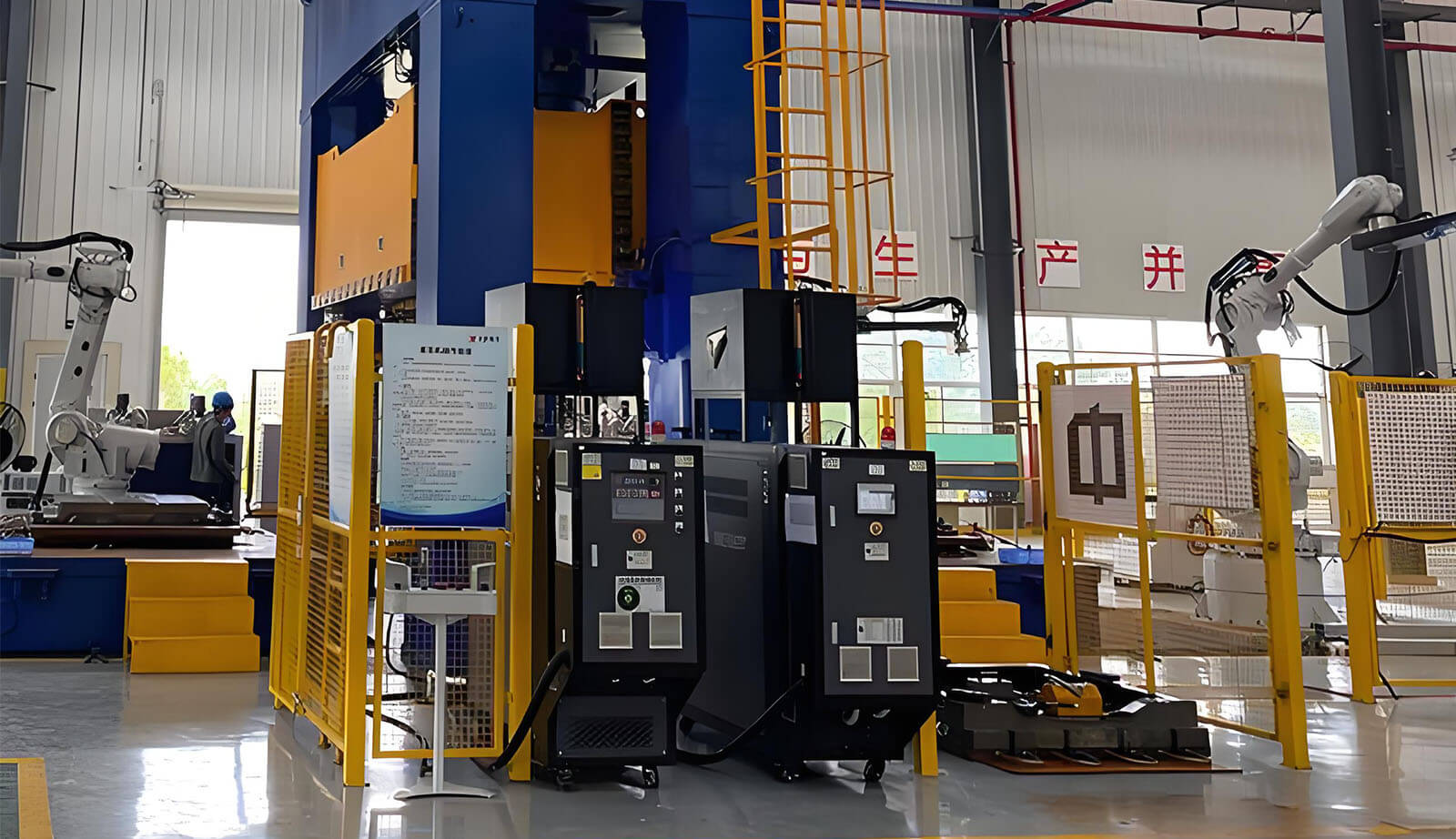
Our factory employs an advanced carbon fiber hot press process with a P20 steel mold, ensuring high efficiency, precision, durability, and cost-effectiveness for quality production.
We manufacture custom carbon fiber hard hat shells, carbon fiber safety helmet shells and composite head protection components for OEM and private label projects. Our factory supports PPE brands, industrial safety suppliers, construction equipment distributors and premium workwear companies that require real carbon fiber hard hats with custom tooling, surface finish, logo and bulk manufacturing. From prototype mold development through to production-ready shells, we work directly with buyers across the full project lifecycle.
Certification requirements such as ANSI/ISEA Z89.1, EN 397 or CSA Z94.1 must be confirmed according to the target market, application and testing plan. We work with buyers to prepare production according to their specified standard and testing requirements, but final certification depends on the complete assembly being tested by a qualified third-party laboratory.
Our carbon fiber hard hat manufacturing program is designed for:
We support full OEM and ODM projects, including custom shell production, mold tooling development, surface finish, logo application and export packaging. Buyers can supply their own suspension systems or request factory-sourced components based on the project specification. For more on our background and manufacturing experience, visit our about page.
Our manufacturing process for carbon fiber hard hat shells involves a multi-stage composite production workflow designed for structural consistency and surface quality.
Core manufacturing processes available:
Each shell goes through dimensional and visual inspection before assembly or packaging. Weight, thickness and surface finish can be adjusted based on the laminate schedule and buyer specification.
We can develop custom tooling for different hard hat shell profiles depending on the buyer’s design requirements.
Available shell formats:
Shell geometry, brim angle and crown shape are developed during the tooling phase. If a buyer has an existing approved hard hat and requires a carbon fiber shell in the same profile, the geometry can be reviewed as part of the project scoping process.
The structural and aesthetic performance of a carbon fiber hard hat shell depends on the material system and laminate design. We offer the following options:
Fiber options:
Resin and finish options:
Important note on weight: Shell weight depends on laminate thickness, fiber type, brim size, reinforcement zone layout and suspension system. We do not publish fixed weight claims unless they are confirmed through physical sample measurement for the specific project configuration.
Traditional industrial hard hats are commonly produced from HDPE, ABS or PC/ABS materials through injection molding. Carbon fiber hard hat shells are structurally different because they are manufactured from fiber-reinforced composite laminates. Understanding this difference helps buyers make the right sourcing decision for their project.
| Item | Carbon Fiber Composite Shell | HDPE / ABS / PC Plastic Shell |
|---|---|---|
| Manufacturing process | Composite lay-up, molding, curing, CNC trimming and clear coating | Injection molding |
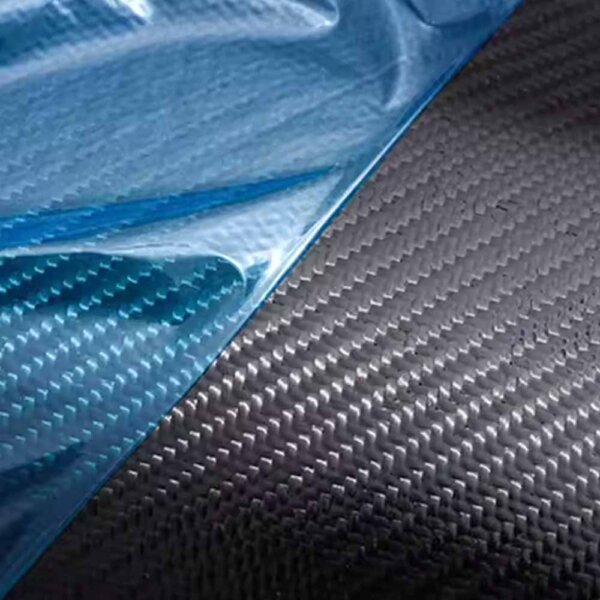
| Appearance | Real visible carbon fiber weave or forged carbon texture | Solid color or printed carbon pattern film |
| Tooling cost | Lower for prototype and small batch composite molds | High injection mold cost, typically only justified at large volume |
| Small batch flexibility | More suitable for custom OEM and private label projects | Less suitable unless order volume is high |
| Electrical insulation | Carbon fiber is conductive — standard shells are Class C unless specially designed | Plastic materials are generally more suitable for Class G or Class E electrical insulation designs |
| Certification | Complete assembly must be tested according to target standard | Complete assembly must also be tested according to target standard |
Carbon fiber shells are more suitable for premium private label projects, custom PPE brands and low-to-medium volume composite helmet development. For very high-volume standard safety helmets where unit cost is the primary driver, injection-molded plastic shells may remain more cost-effective. The right choice depends on the buyer’s brand positioning, target market and order volume.
This is one of the most critical areas for any carbon fiber hard hat project. Buyers must confirm the applicable standard for their target market before production begins.
Relevant standards by region:
| Standard | Region | Notes |
|---|---|---|
| ANSI/ISEA Z89.1 | United States | Type I or Type II, Class C / G / E |
| EN 397 | European Union and UK | Industrial safety helmets |
| CSA Z94.1 | Canada | Industrial protective headwear |
| AS/NZS 1801 | Australia and New Zealand | Occupational protective helmets |
Type classification under ANSI/ISEA Z89.1:
Class classification under ANSI/ISEA Z89.1:
Important: We do not claim that our products meet ANSI, EN 397 or CSA Z94.1 unless the buyer has confirmed the test standard, submitted samples for third-party testing and received official test reports. We can manufacture according to the buyer’s design target and support the preparation process, but certification must be obtained through a qualified test laboratory.
Carbon fiber is electrically conductive. A hard hat shell made from carbon fiber reinforced composite will not provide electrical insulation by default. For this reason, most carbon fiber hard hats in the market are designed for Class C (Conductive) applications, where no electrical protection is required.
If a buyer requires Class G or Class E electrical protection in a carbon fiber hard hat, the following must be reviewed before production:
This distinction matters because many buyers specify carbon fiber primarily for its appearance and weight, without considering the electrical classification implications. We recommend confirming the required protection class before tooling begins.
A hard hat shell alone does not constitute a complete certified hard hat. The suspension system, sweatband, brow pad and other components must be designed and tested as part of the complete assembly.
Suspension and interior components:
Accessory mounting compatibility:
Buyers can supply their own ANSI or EN 397 compliant suspension system for integration with our carbon fiber shells, or we can source suspension systems that match the project requirements. Mounting hole positions, slot dimensions and attachment geometry are confirmed during the prototype stage.
Surface finish and logo options are a central part of private label and OEM projects. We support the following:
Finish options:
Logo application methods:
Please note that logos, trademarks or brand identifiers belonging to third parties cannot be applied to our products without written authorization from the rights holder.
Mold development is a central part of any custom carbon fiber hard hat project. Unlike injection-molded thermoplastic hard hats, composite shells require a purpose-built mold for each shell geometry.
Our tooling development process:
Mold cost factors:
Tooling cost depends on shell geometry complexity, brim size and profile, mold material selection, surface finish requirement and expected production volume. Buyers should provide full design information at the start of the project so that tooling cost and timeline can be estimated accurately.
If a buyer has an existing carbon fiber hard hat they wish to reference for a custom project, this can be reviewed on a case-by-case basis within the boundaries of applicable IP and design rights.
Mold material selection has a direct impact on tooling cost, surface quality, dimensional stability and production lifespan. For carbon fiber hard hat shell projects, we recommend different mold solutions based on the expected order quantity and project development stage.
| Mold Type | Suitable For | Typical Lifespan | Advantages | Limitations |
|---|---|---|---|---|
| Fiberglass composite mold | Prototype and small batch orders | About 20–30 pcs depending on geometry and maintenance | Lower tooling cost, faster development timeline | Shorter lifespan, less suitable for high-volume or tight-tolerance production |
| Epoxy tooling mold | Small to medium production runs | About 100–200 pcs depending on cure temperature and demolding frequency | Better surface quality and dimensional stability than fiberglass molds | Higher cost than composite molds |
| Aluminum mold | Long-term bulk production | About 500–1,000 pcs or more depending on maintenance | Best durability, repeatability and surface consistency | Highest tooling cost and longer machining lead time |
For new carbon fiber hard hat projects, prototype tooling is typically used first to confirm shell geometry, suspension compatibility, edge trimming quality and surface finish. After the prototype is approved and bulk demand is confirmed, production tooling can be upgraded to an epoxy or aluminum mold to support higher volume and longer service life.
Buyers planning a large initial order should discuss mold material at the inquiry stage, as the choice affects both upfront tooling cost and long-term per-unit production cost.
Our standard OEM project workflow for carbon fiber hard hats is as follows:
Timeline for each stage depends on mold complexity, mold material, production volume and testing requirements.
Each batch of carbon fiber hard hat shells is inspected before packaging and shipment. Our standard QC procedure includes:
If the buyer requires third-party impact testing, penetration testing or electrical testing as part of the production approval process, we can arrange sample submission to a qualified laboratory. In-house impact testing capacity is confirmed at the project scoping stage.
Carbon fiber hard hat shells and safety helmet components produced by our factory are suitable for the following types of projects:
We do not supply carbon fiber hard hat shells for medical, military ballistic or certified rescue applications unless the buyer provides full project specifications, applicable test standards and a confirmed compliance pathway. Overclaiming protection capability in safety products creates serious liability risk for both the buyer and the manufacturer.
Carbon fiber hard hats are safety-related products. Before launching a product in any market, the buyer is responsible for confirming the complete compliance pathway, including shell design, suspension system, labeling requirements, user instructions, batch traceability and third-party test requirements for the target jurisdiction.
Our role is to manufacture carbon fiber hard hat shells and composite helmet components according to the buyer’s confirmed specification. The final product compliance depends on the complete helmet assembly, test results and local market regulations — not on the shell material alone.
We do not recommend using uncertified carbon fiber hard hat shells as industrial PPE in regulated workplaces. Buyers who are unsure about the certification requirements for their target market should consult a qualified safety product compliance specialist before committing to tooling.
To prepare an accurate quotation for a custom carbon fiber hard hat project, we require the following information:
| Information Required | Details |
|---|---|
| Hard hat style | Full brim, cap style, cowboy brim or custom geometry |
| Target market | USA, EU, Canada, Australia, UK or other region |
| Safety standard | ANSI/ISEA Z89.1, EN 397, CSA Z94.1 or buyer’s own test standard |
| Protection class | Type I / Type II, Class C / G / E if applicable |
| Material preference | 3K twill, plain weave, forged carbon, carbon + fiberglass, carbon + aramid |
| Surface finish | Gloss, matte, satin, tinted clear coat or solid color |
| Logo requirement | Decal under clear coat, laser marking, mold detail or packaging only |
| Suspension system | Buyer-supplied system or factory-sourced based on specification |
| Order quantity | Prototype / sample quantity and expected bulk order volume |
| Existing files or samples | Whether a 3D file, technical drawing or reference sample is available |
Providing complete information at the inquiry stage allows us to give a more accurate quotation and reduces revision cycles during the project scoping phase.
Working directly with a carbon fiber composite manufacturer — rather than a reseller or trading company — gives buyers several practical advantages for OEM and private label projects. As a carbon fiber factory with experience across multiple industries, we bring composite engineering knowledge to every hard hat project:
Yes. We manufacture carbon fiber hard hat shells for OEM and private label projects using real carbon fiber reinforced composite — not carbon fiber print film or patterned plastic. Final safety certification depends on the buyer’s test plan and qualified laboratory results.
ANSI approval applies to the complete tested assembly, not the shell material. We can manufacture shells to the buyer’s design and support sample preparation for third-party testing, but formal certification must come from a qualified test laboratory. We do not claim ANSI compliance on behalf of the buyer’s finished product.
Standard carbon fiber composite shells are designed for Class C (Conductive) because carbon fiber is electrically conductive. Class G or Class E requires an insulating material layer, full encapsulation of conductive fiber and a passing result on the relevant electrical test. This is not a standard configuration and must be reviewed by our engineering team before tooling is committed.
Yes. Full brim shells can be developed with custom mold tooling. Brim width, brim angle, crown profile, finish and logo are all customizable to the buyer’s specification.
Yes. A forged carbon fiber appearance is produced using chopped fiber compression molding, resulting in a different surface texture from woven carbon shells. This is suitable for premium private label projects.
MOQ depends on whether an existing mold fits the required geometry. New tooling projects carry a separate mold cost, and the minimum bulk quantity needed to justify that investment depends on shell complexity, mold type and target unit price. Discussing quantity expectations at inquiry stage allows us to give realistic project cost guidance.
We need the hard hat style, target safety standard and market, material and finish preference, logo requirements, suspension system details, order quantity and whether a 3D file or reference sample is available. Complete information at inquiry stage means a faster and more accurate response.
Yes. If a buyer has a concept, sketch or reference product, we can support the design review, 3D model development, mold engineering and prototype production. Sufficient design direction must be provided for our engineering team to confirm geometry and structure before tooling is committed.
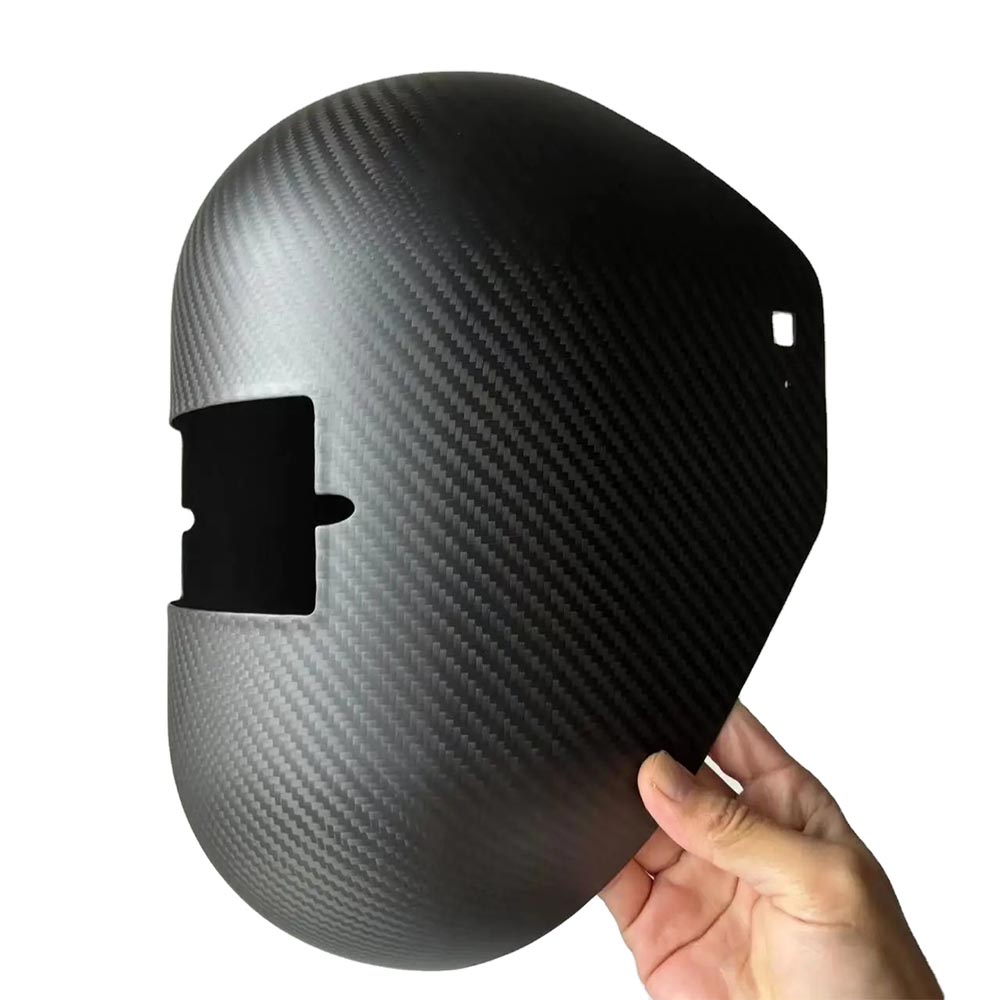

Our factory employs an advanced carbon fiber hot press process with a P20 steel mold, ensuring high efficiency, precision, durability, and cost-effectiveness for quality production.
Our factory runs 100+ hot pressure autoclaves, using aluminum molds and vacuum induction to shape carbon fiber with precision. High heat and pressure enhance strength, stability, and flawless quality.
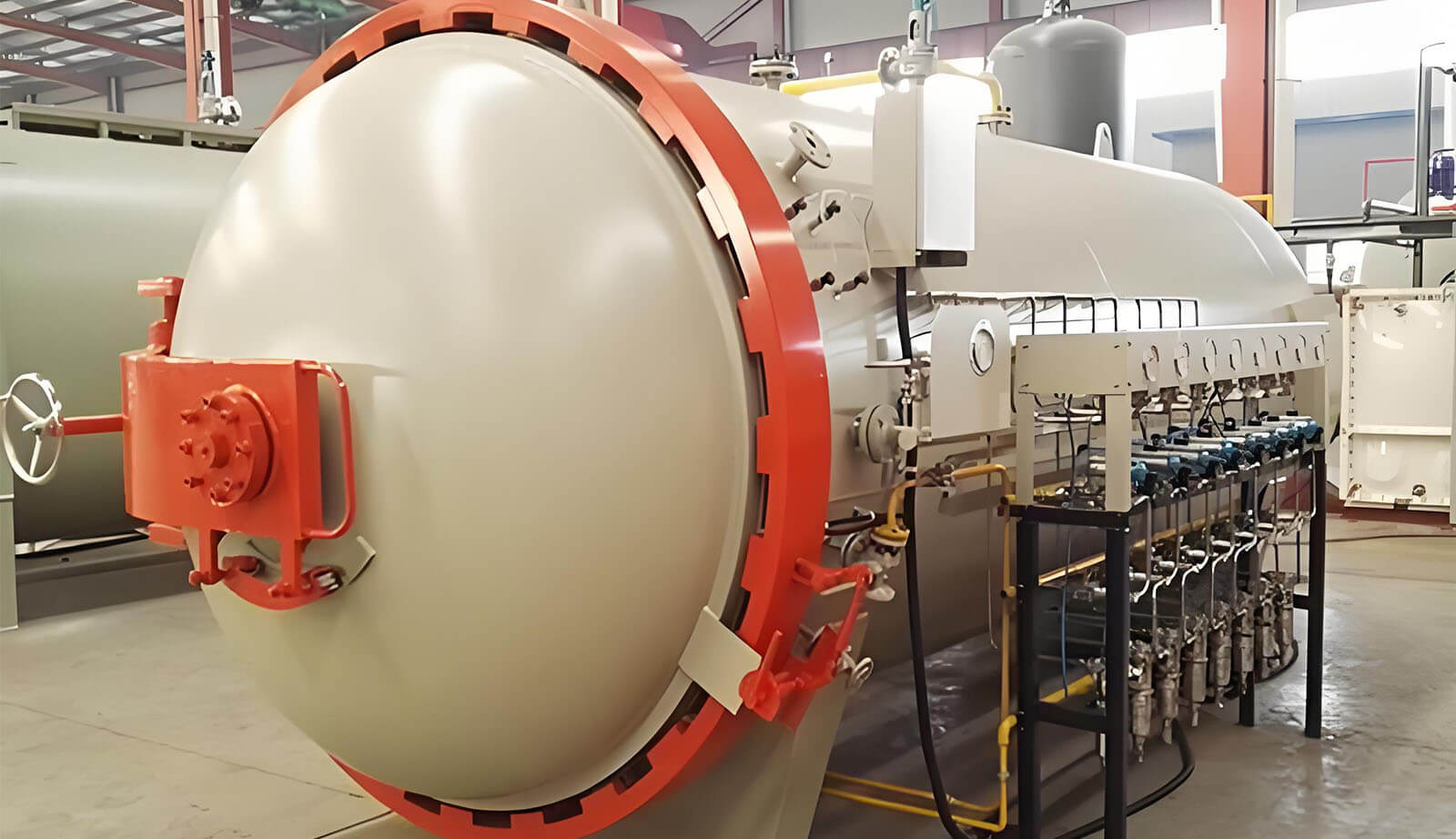
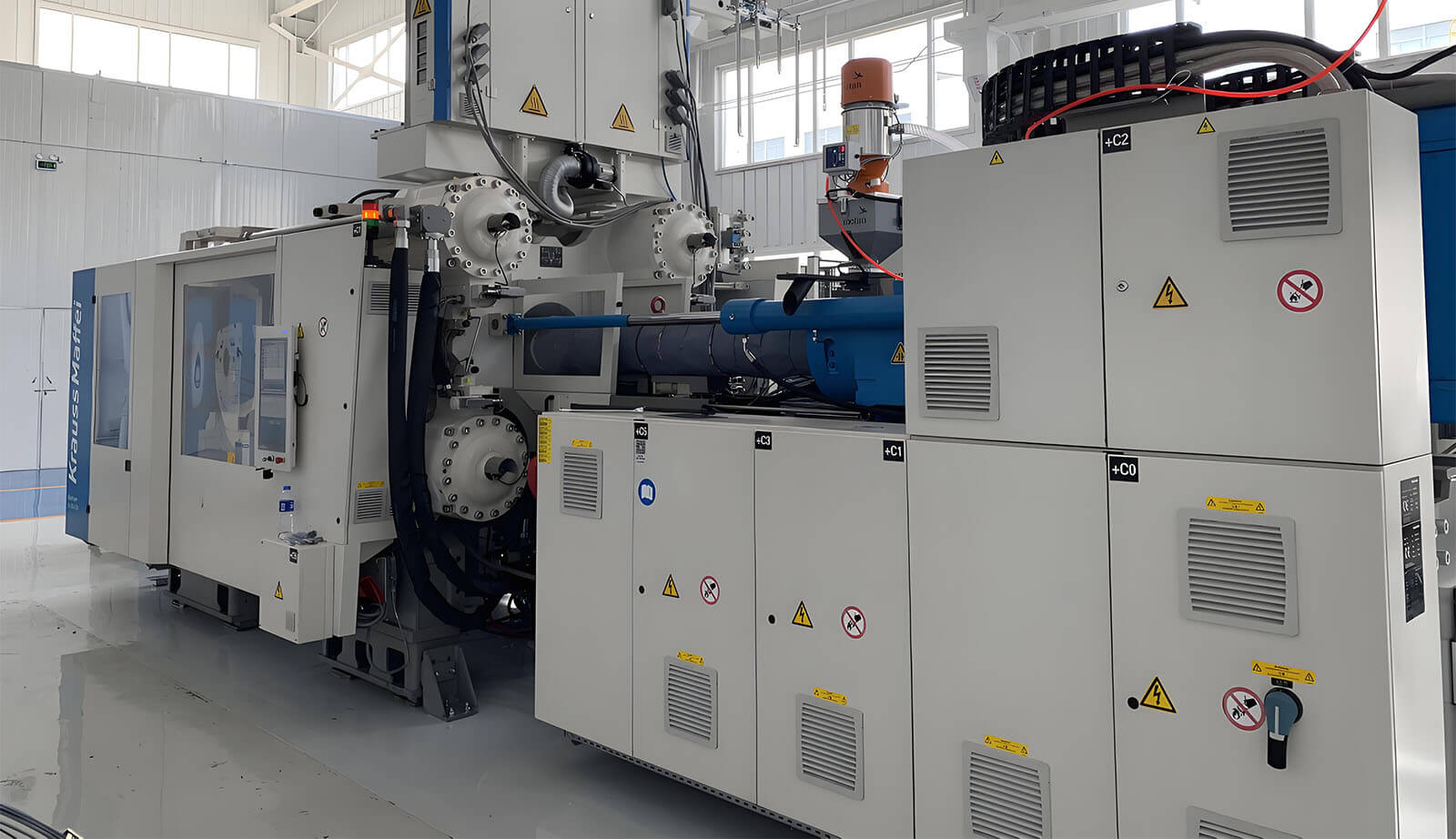
Our Carbon Fiber Research Center drives innovation in new energy, intelligence, and lightweight design, using advanced composites and Krauss Maffei Fiber Form to create cutting-edge, customer-focused solutions.
Here are the answers to the frequently asked questions from the experienced carbon fiber products factory
We produce a wide range of carbon fiber components, including automotive parts, motorcycle parts, aerospace components, marine accessories, sports equipment, and industrial applications.
We primarily use high-quality prepreg carbon fiber and large-tow carbon fiber reinforced high-performance composites to ensure strength, durability, and lightweight characteristics.
Yes, our products are coated with UV-protective finishes to ensure long-lasting durability and maintain their polished appearance.
Yes, our facilities and equipment are capable of producing large-size carbon fiber components while maintaining precision and quality.
What are the benefits of using carbon fiber products?
Carbon fiber offers exceptional strength-to-weight ratio, corrosion resistance, stiffness, thermal stability, and a sleek, modern appearance.
We cater to automotive, motorcycle, aerospace, marine, medical, sports, and industrial sectors with a focus on lightweight and high-performance carbon fiber components.
Yes, we provide custom carbon fiber solutions tailored to your specifications, including unique designs, sizes, and patterns.
We utilize advanced technologies such as autoclave molding, hot pressing, and vacuum bagging, ensuring precision, stability, and quality in every product. wonders with the Hello Elementor Theme, we’re trying to make sure that it works great with all the major themes as well.
We use aluminum and P20 steel molds, designed for durability and high accuracy, to create complex and precise carbon fiber components.
Our products undergo rigorous quality control checks, including dimensional accuracy, material integrity, and performance testing, to meet industry standards.