Carbon Fiber Composite Material Hot Pressing Molding Process
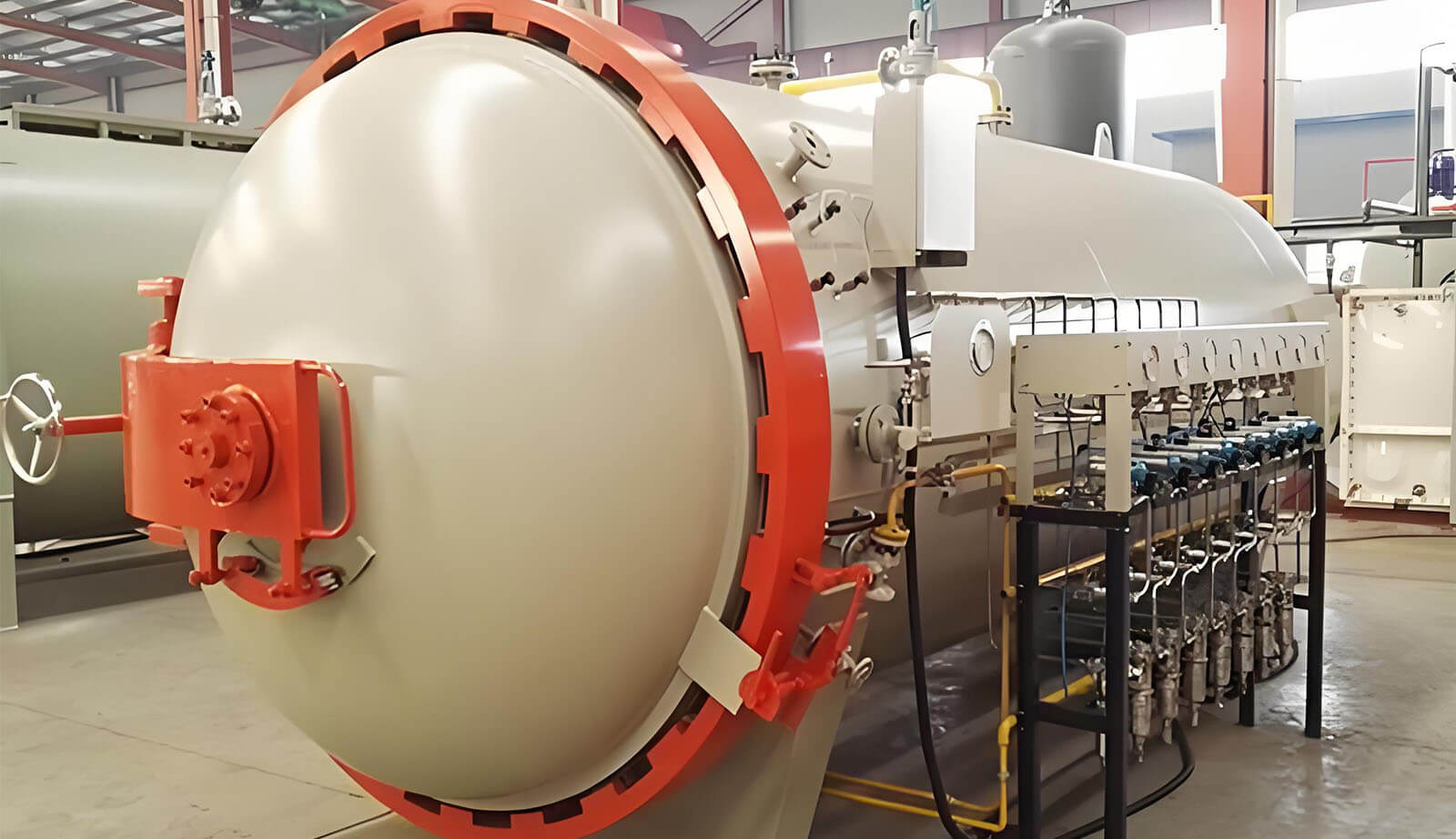
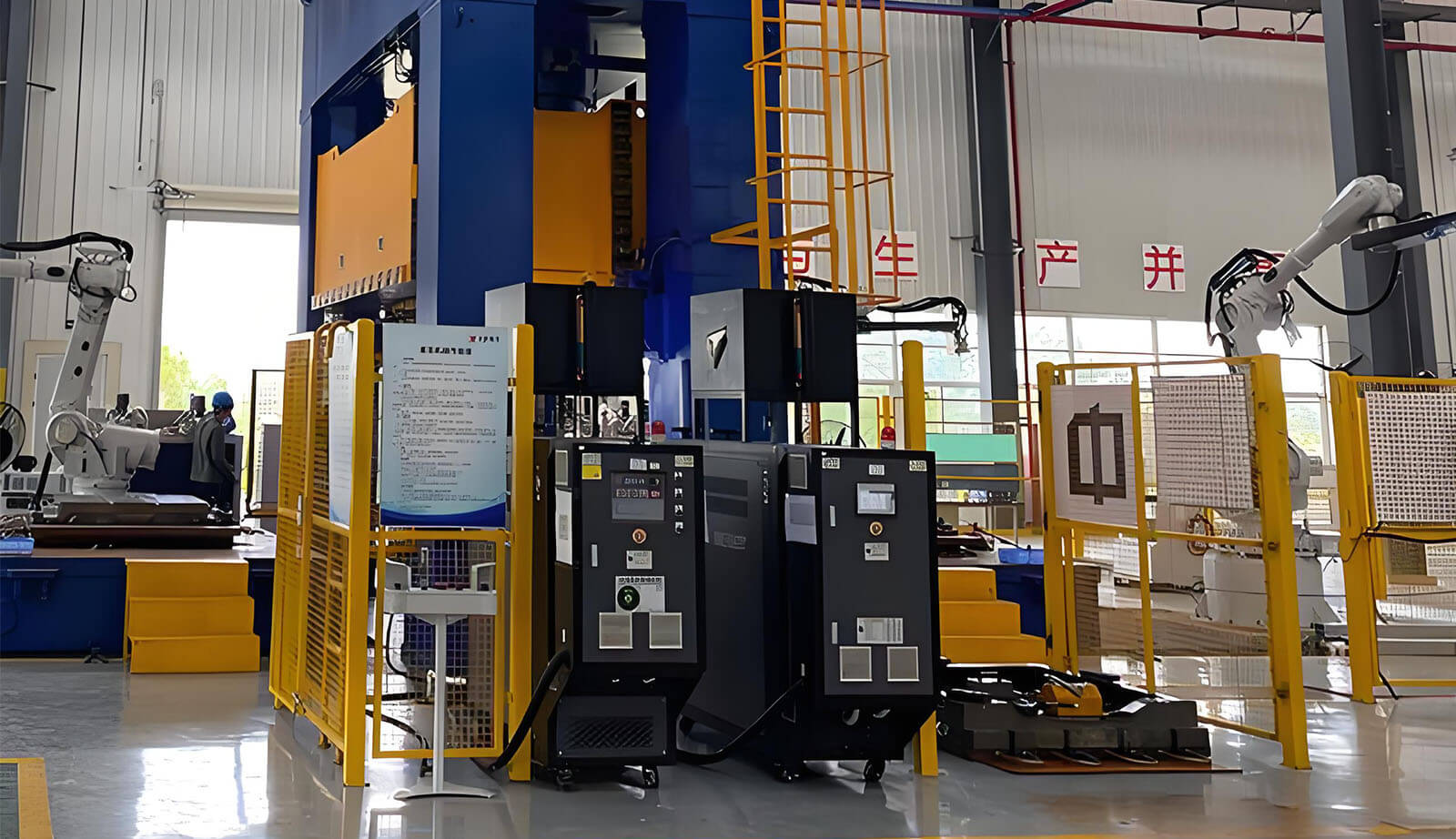
Our factory employs an advanced carbon fiber hot press process with a P20 steel mold, ensuring high efficiency, precision, durability, and cost-effectiveness for quality production.
We manufacture custom carbon fiber knife handles and knife scales for knife brands, product designers, distributors, and OEM/ODM buyers, as part of our carbon fiber manufacturing operation in Suzhou, China.
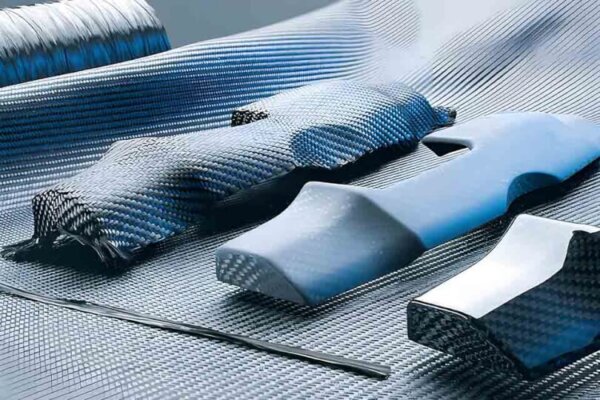
Depending on part geometry, appearance, production volume, and performance requirements, components can be produced from woven carbon-fiber laminate, prepreg, forged carbon, or CNC-machined carbon-fiber plate. We develop parts from CAD drawings, technical files, or physical samples.
Need a quotation? Send us your drawing, sample, dimensions, target quantity, and required finish.
Carbon fiber knife scales are composite panels fitted to the handle of a folding knife, fixed-blade knife, or other bladed tool. Scales are machined to match the handle profile and may include holes, countersinks, chamfers, pockets, logos, or metal inserts.
Actual performance depends on fiber type, laminate construction, resin system, thickness, geometry, and attachment method — we’re happy to walk through these tradeoffs for your specific design.
Knife handle scales aren’t just a smaller version of a cosmetic carbon fiber panel. A few things make them a distinct manufacturing challenge:
This is where handle-specific manufacturing experience matters more than general composite fabrication knowledge.
Knife handles are one category within our full range of custom carbon fiber products. Within this category, we can develop:
Please confirm during enquiry whether you need scales only, assembled handles, or hardware integration.
Handle materials draw on the same base carbon fiber fabric and carbon fiber prepreg options used across our product range, selected here for handle geometry and grip performance.
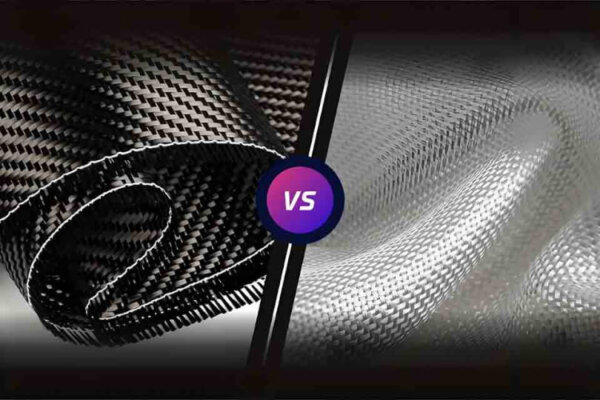
3K twill carbon fiber — the familiar diagonal weave, suited to flatter or gently contoured scale designs where the visual alignment of the weave is part of the product’s identity.
Plain-weave carbon fiber — a more regular grid appearance, suitable for smaller parts, flat areas, or a cleaner technical look.
Forged carbon fiber — chopped carbon fiber pressed in a mold, producing a random marbled pattern. This construction is particularly well suited to knife handles specifically because it molds into complex 3D contours — finger grooves, thumb ramps, palm swells — that woven fabric tends to bridge or wrinkle on tight radii. No two forged handles look identical, which can be a distinctive feature for collector-tier or limited-edition designs.
CNC-machined carbon-fiber plate — flat or near-flat scales cut, drilled, chamfered, and polished from laminated plate. Lower tooling cost, practical for prototypes or lower-volume projects where a dedicated mold isn’t yet justified.
| Design requirement | Recommended process |
|---|---|
| Flat or simple scale profile | CNC-machined carbon-fiber plate |
| Contoured / complex 3D geometry (finger grooves, ramps) | Molded forged carbon |
| Flat design where weave alignment is part of the look | 3K twill prepreg (molded or plate) |
| Prototype or low-volume run | CNC plate |
| Repeat production at volume | Dedicated mold + CNC finishing |
Material and process selection should ultimately be confirmed against your geometry, surface requirement, expected impact exposure, volume, and budget — this table is a starting point, not a substitute for reviewing your drawing.
Where scales are bonded or mechanically fastened over a steel, titanium, or aluminum tang or liner, the attachment method is typically chosen based on the knife’s lock type and expected load. Common approaches include adhesive bonding, mechanical pinning, and screw-mounted scales — each suited to different lock types and removability requirements. We’ll confirm which method fits your design, and whether it falls within our current production process, during design review.
Finish choice affects more than appearance on a handle — it affects grip:
This section covers what’s specific to knife handle production — layup, curing, and machining otherwise follow our standard composite manufacturing process.
| Item | Options / Range |
|---|---|
| Material | 3K twill / plain weave / forged carbon / CNC-machined CFRP plate |
| Input format | STEP/STP, 2D drawing, or physical sample |
| Thickness | Confirmed per project, based on handle design and load requirement |
| Tolerance | Confirmed per drawing during design review |
| Surface finish | Gloss / matte / satin |
| Machining | Profile, drilling, countersink, chamfer, pocket |
| Hardware compatibility | Confirmed per project — common options include steel, titanium, and aluminum inserts |
| Production stages | Prototype → first article → batch production |
Before shipment, parts are checked against the approved drawing or sample for:
We can work from 2D drawings, 3D CAD files, physical samples, reference photographs, marked-up dimensions, or an existing knife model supplied for fit verification.
The correct design depends on the knife’s tang geometry, fastening method, expected loads, hand-contact areas, and intended environment. Knife handles sit within our broader consumer and lifestyle carbon fiber products line, alongside similar precision components.
| Material | Main Advantages | Main Considerations |
|---|---|---|
| Carbon fiber | Low mass, stiff feel, premium appearance, moisture-resistant composite surface | Higher material and machining cost; composite can be damaged by severe impact |
| G10 | Cost-effective, good grip, broad color range | Usually less premium-looking; surface texture can be more aggressive |
| Micarta | Warm hand feel, traditional appearance, good grip | Can absorb or show moisture depending on finish |
| Aluminum | Machinable, durable, broad finishing options | Heavier than carbon fiber and more thermally conductive |
| Wood | Natural appearance and tactile feel | Requires more environmental protection and dimensional care |
The best choice depends on product positioning, grip requirements, environment, expected volume, and target cost.
MOQ depends on part design, tooling requirements, material, and production process.
For a faster quotation, include:
This page covers carbon fiber knife handles, scales, and related components — not complete finished knives.
Yes. Our engineering team can develop custom parts from CAD drawings or physical samples. Dimensional scanning or drawing approval is confirmed per project.
3K twill has a visible woven pattern and suits flatter designs. Forged carbon has a random marbled appearance and molds into more complex 3D contours — this is why it’s common on ergonomic or curved handle designs.
Yes, using adhesive bonding, mechanical pinning, or screw-mounted construction depending on your lock type and structural requirement.
Yes. The marking method, artwork format, position, and any minimum-order requirement should be confirmed before production.
Yes. Carbon-fiber composites are not immune to severe impact, crushing, delamination, or damage around holes and edges. Design details, laminate construction, and installation method all affect durability.
Use a soft cloth and mild soap if needed. Avoid abrasive cleaners and inspect the part after a severe impact. Blade and pivot maintenance should follow the knife manufacturer’s instructions.
Send your knife handle drawing, sample, target quantity, material preference, and finish requirements to [email protected].
Our team can review the project and advise on material selection, tooling, machining, and production planning. Learn more about SCOMP Technology and our manufacturing background.

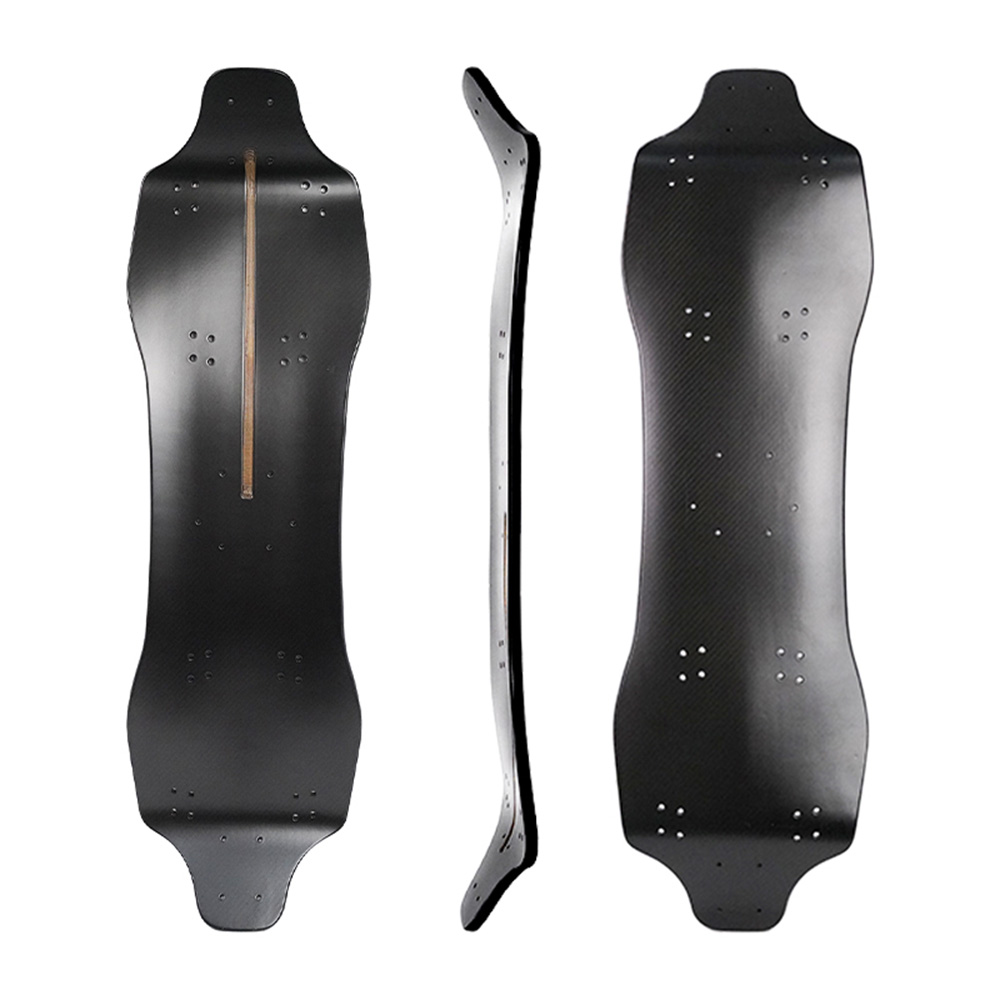
Our factory employs an advanced carbon fiber hot press process with a P20 steel mold, ensuring high efficiency, precision, durability, and cost-effectiveness for quality production.
Our factory runs 100+ hot pressure autoclaves, using aluminum molds and vacuum induction to shape carbon fiber with precision. High heat and pressure enhance strength, stability, and flawless quality.
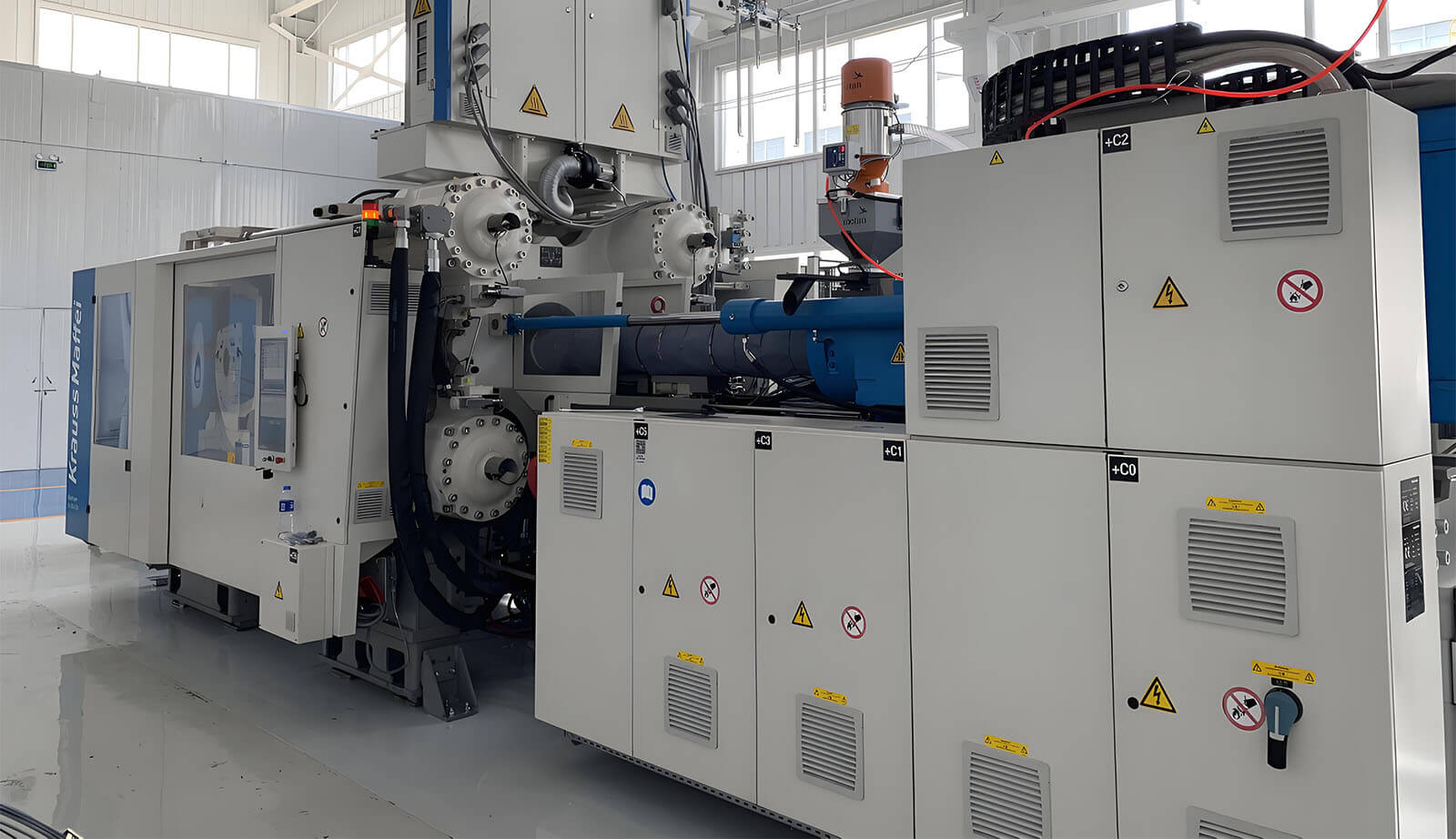
Our Carbon Fiber Research Center drives innovation in new energy, intelligence, and lightweight design, using advanced composites and Krauss Maffei FiberForm to create cutting-edge, customer-focused solutions.
Here are the answers to the frequently asked questions from the experienced carbon fiber products factory
We produce a wide range of carbon fiber components, including automotive parts, motorcycle parts, aerospace components, marine accessories, sports equipment, and industrial applications.
We primarily use high-quality prepreg carbon fiber and large-tow carbon fiber reinforced high-performance composites to ensure strength, durability, and lightweight characteristics.
Yes, our products are coated with UV-protective finishes to ensure long-lasting durability and maintain their polished appearance.
Yes, our facilities and equipment are capable of producing large-size carbon fiber components while maintaining precision and quality.
What are the benefits of using carbon fiber products?
Carbon fiber offers exceptional strength-to-weight ratio, corrosion resistance, stiffness, thermal stability, and a sleek, modern appearance.
We cater to automotive, motorcycle, aerospace, marine, medical, sports, and industrial sectors with a focus on lightweight and high-performance carbon fiber components.
Yes, we provide custom carbon fiber solutions tailored to your specifications, including unique designs, sizes, and patterns.
We utilize advanced technologies such as autoclave molding, hot pressing, and vacuum bagging, ensuring precision, stability, and quality in every product. wonders with the Hello Elementor Theme, we’re trying to make sure that it works great with all the major themes as well.
We use aluminum and P20 steel molds, designed for durability and high accuracy, to create complex and precise carbon fiber components.
Our products undergo rigorous quality control checks, including dimensional accuracy, material integrity, and performance testing, to meet industry standards.