


Carbon Fiber Composite Material Hot Pressing Molding Process
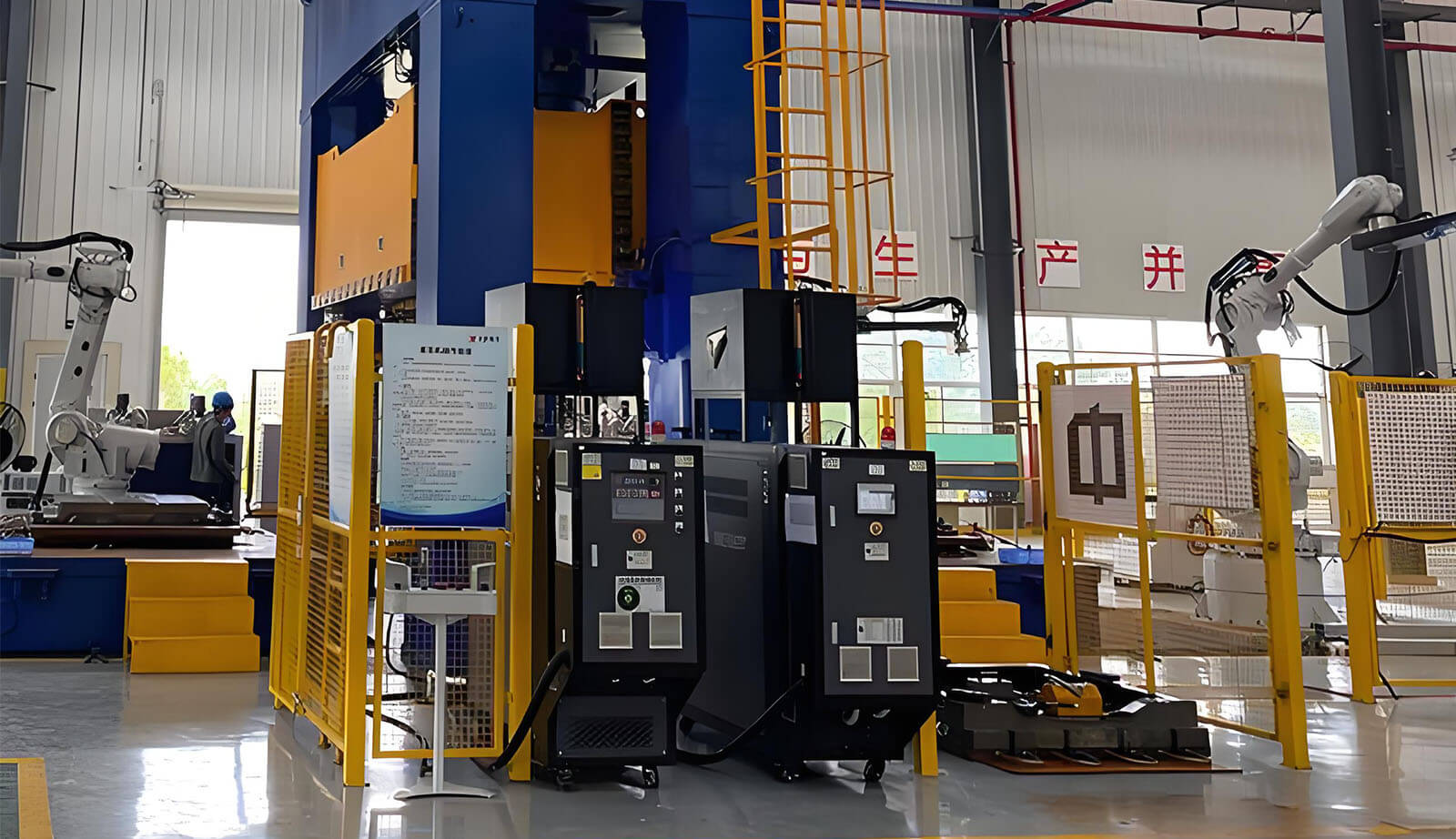
Our factory employs an advanced carbon fiber hot press process with a P20 steel mold, ensuring high efficiency, precision, durability, and cost-effectiveness for quality production.
You want to go faster. Every racer knows this truth: weight is the enemy. When you shave 18 pounds off your car, you don’t just improve lap times. You change how your vehicle corners, brakes, and accelerates.
Carbon fiber racing seats solve this problem. These aren’t just pretty parts for show cars. They’re serious tools built by experienced carbon composite manufacturers who understand motorsport demands.
Let me explain why pro teams and weekend warriors alike trust these seats.
A typical steel racing seat weighs 25 pounds or more. Meanwhile, carbon fiber bucket seats tip the scales at just 7 to 12 pounds. That’s a 60% weight reduction right there.
Where does this weight go? Straight into better performance:
Don’t let the light weight fool you. These seats use 3K and 12K carbon fiber weave with epoxy resin—the same materials found in Formula 1 cars and fighter jets.
Some manufacturers add Kevlar hybrid layers for extra impact resistance. The result? A seat that flexes with chassis loads instead of cracking like old steel brackets do.
| Feature | Standard Specs | Why It Matters |
|---|---|---|
| Material | 3K/12K carbon fiber + epoxy resin | Combines strength with minimal weight |
| Weight | 7–12 lbs (vs. 25+ lbs steel) | Shaves critical pounds from your build |
| Heat Resistance | Up to 300°F | No melted seats during desert racing |
| Certifications | FIA 8862-2009, SFI 39.2 | Legally race-ready for WEC and GT3 events |
| Mounting | Side-mount or bottom-mount | Works with NASCAR and FIA roll cages |
| Warranty | 5-year carbon, 2-year hardware | Race it hard with confidence |
When you’re pushing limits at tracks like Nürburgring or Spa 24h, safety isn’t optional. That’s why top seats carry FIA 8862-2009 certification. This standard requires:
Older seats might only have FIA 8855-1999 approval. That’s fine for club racing, but serious competitors want the newer standard.
For drag racing and oval track events, you’ll see SFI 39.2 certification. The NHRA requires this for many classes. It proves your seat can handle the violent g-forces of quarter-mile runs.
You’re chasing lap times at your local track. Maybe it’s a time attack event or just open lapping. Either way, you need aggressive bolstering that holds you tight through sweepers.
Fixed-back racing seats work best here. They don’t recline because you don’t need that. What you need is:
Brands like Sparco, Recaro, and Bride Japan dominate this space. Their GT3-style seats mimic what you’ll find in Le Mans prototypes.
Rally racing seats face brutal punishment. Think about WRC stages where cars fly over jumps and slam into ruts. Your seat takes all that impact.
For events like Baja 1000 or Dakar, you need:
The carbon fiber construction naturally dampens vibrations better than steel. Your back will thank you after 500 miles of rough terrain.
Drifters need something different. You’re constantly throwing the car sideways and looking out the side window. A 30-degree recline gives you better visibility for tandem control.
Look for seats with:
Many drift teams run custom carbon fiber seats tailored to their exact body shape. That’s where working with a custom composite factory pays off.
When you’re driving 12-hour stints at Le Mans or Daytona, comfort becomes critical. Driver fatigue kills lap times—and sometimes drivers.
Reclining carbon seats help here. They let you adjust the seat back angle for different drivers sharing the car. Combined with:
Pro teams like those in IMSA SportsCar Championship spend serious money getting this right.
Drag racing puts massive g-forces on your spine during launches and parachute deployment. Your seat needs to prevent injury during those violent moments.
That means:
The NASCAR Cup Series uses similar requirements. Their seats bolt into approved roll cages with specific spacing rules.
You’ll find two main types:
Side-Mount Seats
Bottom-Mount Seats
Most manufacturers include aluminum brackets in the box. However, verify they fit your specific chassis. A carbon composite manufacturer can fabricate custom mounts if needed.
Your seat must work with your cage. Check these details:
For LMP cars and IndyCar builds, the cage literally wraps around the seat. You can’t just bolt any seat in there.
Racing harnesses thread through your seat. Make sure yours has:
The slots need proper spacing for HANS device tethers. Otherwise, your head and neck restraint won’t work correctly.
Not all carbon looks the same. Here’s what the patterns mean:
2×2 Twill Weave
3K Carbon Fiber
12K Carbon Fiber
Many seats use t700 carbon fiber, which offers excellent tensile strength for motorsports.
The epoxy resin matters as much as the carbon itself. Quality resin provides:
Cheap seats use polyester resin that cracks under UV exposure. Don’t skimp here.
The best seats use autoclave curing at high pressure and temperature. This creates denser, stronger parts than simple pre-preg carbon fiber layups.
Some manufacturers now use 3D-printed seat molds to achieve perfect ergonomics. The technology allows custom racing seat fabrication matched to laser scans of your body.
Sparco
Recaro
OMP Racing
Bride Japan
Cobra Seats (UK)
Kirkey Racing (USA)
Status Racing
Measure your hips before buying. Sizes typically run:
A too-narrow seat crushes your ribs. A too-wide seat lets you slide around, defeating the purpose.
Most carbon seats handle 200–250 pounds safely. Heavier drivers should verify the seat weight capacity rating.
The carbon fiber itself is strong enough. The concern is the mounting points and how forces distribute through the shell.
For ultimate comfort, consider custom builds. A custom composite factory can create a seat from a body cast or 3D scan.
This matters for:
Want a carbon seat in your daily driver? It’s possible but requires compromises:
Reclining mechanisms add weight but provide comfort. Look for models with DOT-compliant mounting systems.
You’ll sacrifice some lateral support compared to fixed-back designs. But you gain:
Many carbon fiber cars from manufacturers like McLaren and Porsche use hybrid designs—carbon shells with adjustable mechanisms.
Here’s where you go all-out. A dedicated track car doesn’t need street compromises:
This setup works for:
Keep your investment looking fresh:
For stubborn dirt from track days, a gentle degreaser works on the padding. Never use harsh chemicals on the carbon shell itself.
Check these items regularly:
Before each race:
Seasonally:
After crashes:
If you store your race car:
UV exposure degrades the resin over time. A $2,000 seat deserves proper care.
You get:
Good for:
You get:
Good for:
You get:
Good for:
Think about it this way: That $2,000 seat saves 18 pounds. To cut that weight elsewhere:
The seat delivers weight savings at a competitive price point. Plus it improves driver control and safety—benefits you can’t measure in dollars alone.
E-mobility racing like Formula E needs every advantage. Battery packs add serious weight, so lightweight racing seats become even more critical.
Carbon seats help offset those heavy lithium cells. They also provide vibration damping for the instant torque delivery.
Yes, serious sim racing competitors use real racing seats. Why? Because muscle memory matters.
Practice at home in the same seating position you’ll use at the track. Your body learns proper posture and lateral support expectations.
Many sim racers mount carbon seats to dedicated rigs with motion platforms. It’s the ultimate training tool.
Restomods and classic racing builds often add modern safety equipment. A carbon seat fits the vintage aesthetic while meeting current FIA standards.
You keep the car’s character but add life-saving technology. It’s the perfect blend of old and new.
Show cars at SEMA push boundaries. Builders use custom carbon fiber seats as art pieces—hand-laid with custom weaves and colored resin.
These seats combine:
They prove carbon fiber isn’t just functional—it’s beautiful.
I’ve seen too many racers buy seats that don’t fit. Measure yourself. Try seats at shops if possible. A poorly fitted seat hurts performance and comfort.
Don’t buy uncertified seats for real racing. Tech inspection will fail you. That cheap eBay seat isn’t worth the hassle.
Mounting bolts have torque specs for a reason. Over-tighten and you crack the carbon. Under-tighten and the seat moves during crashes.
Hire a professional if you’re unsure. Your life depends on correct installation.
A great seat with a worn-out harness is dangerous. Replace harnesses per manufacturer schedules—usually every 3–5 years regardless of visible wear.
Manufacturers experiment with:
Expect to see:
As motorsport goes green, seat makers explore:
Choosing the right carbon fiber racing seat comes down to your specific needs. Ask yourself:
What’s my primary use?
What’s my budget?
What certifications do I need?
How important is comfort?
Ready to upgrade your racing setup? Here’s what to do:
The right seat transforms your driving experience. You’ll feel more connected to the car. Your lap times will improve. Most importantly, you’ll be safer when things go wrong.
Whether you’re chasing championships in WEC, bombing through stages in WRC, or just enjoying track days with friends—a quality carbon fiber racing seat is one of the smartest upgrades you can make.
Our team works with professional racing teams, builders, and OEM partners to develop carbon fiber components that meet real motorsport standards—not just cosmetic upgrades.
Start your build right. Choose carbon fiber. Race faster. Race safer.
Looking for expert guidance on carbon fiber products? Our team at chinacarbonfibers.com specializes in high-performance composite solutions for motorsports. Contact us to discuss your specific racing needs.

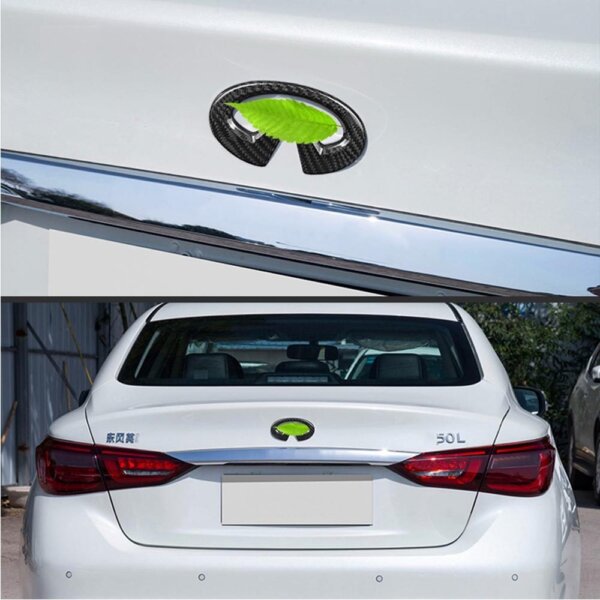
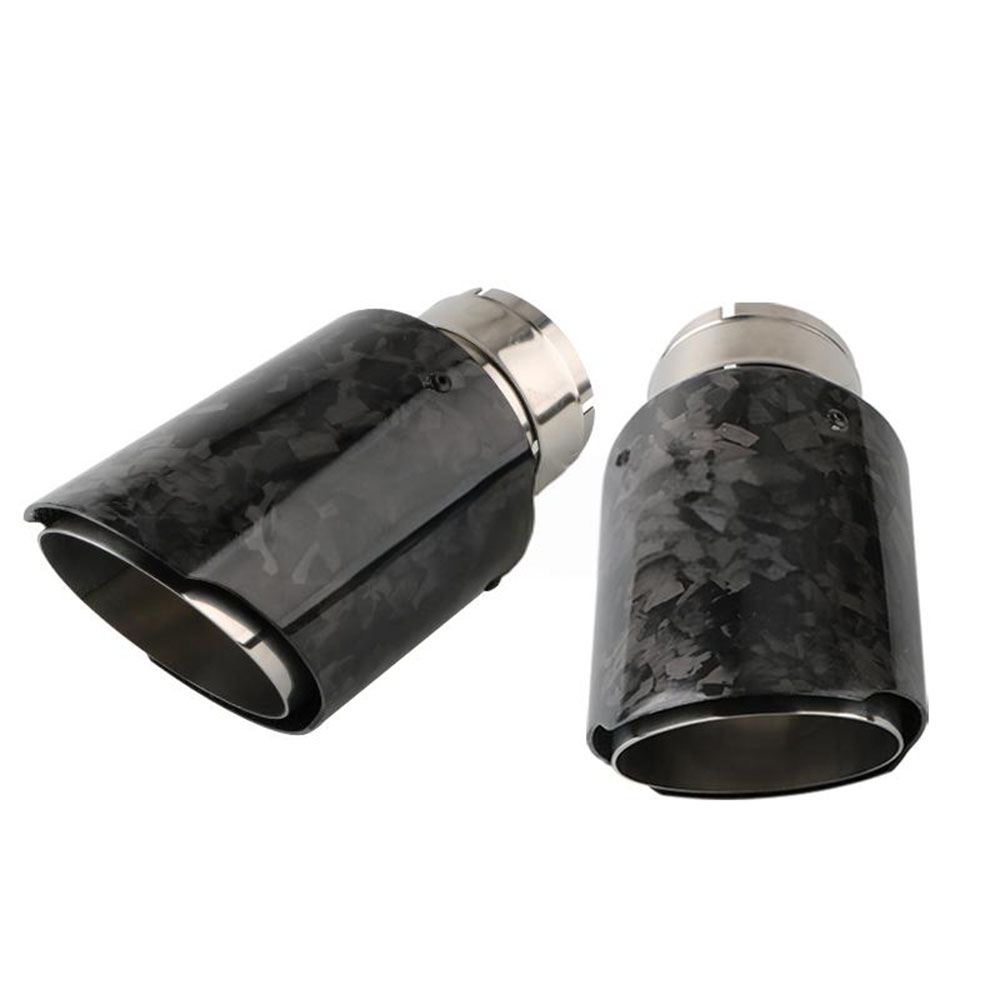
Our factory employs an advanced carbon fiber hot press process with a P20 steel mold, ensuring high efficiency, precision, durability, and cost-effectiveness for quality production.
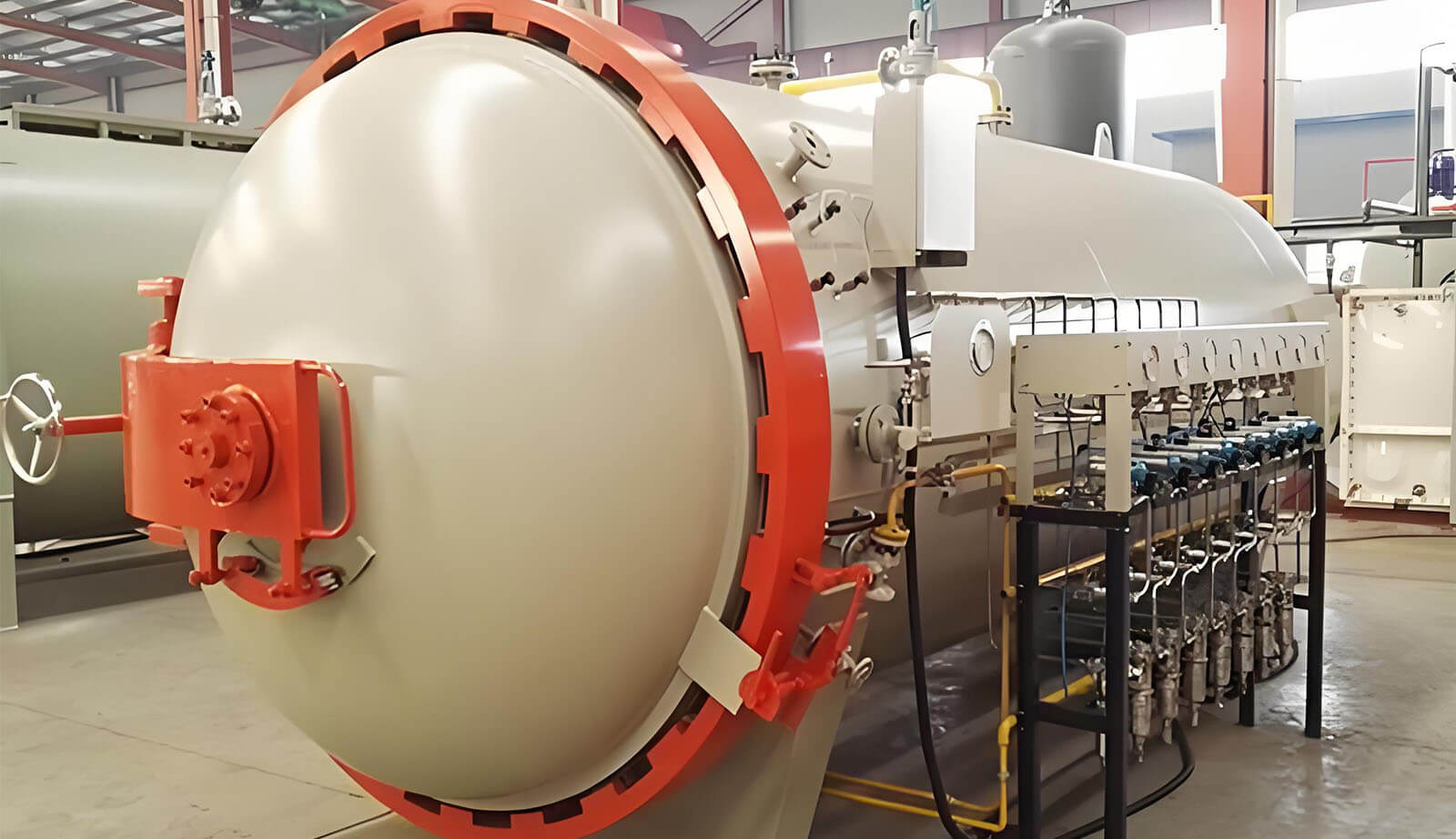
Our factory runs 100+ hot pressure autoclaves, using aluminum molds and vacuum induction to shape carbon fiber with precision. High heat and pressure enhance strength, stability, and flawless quality.
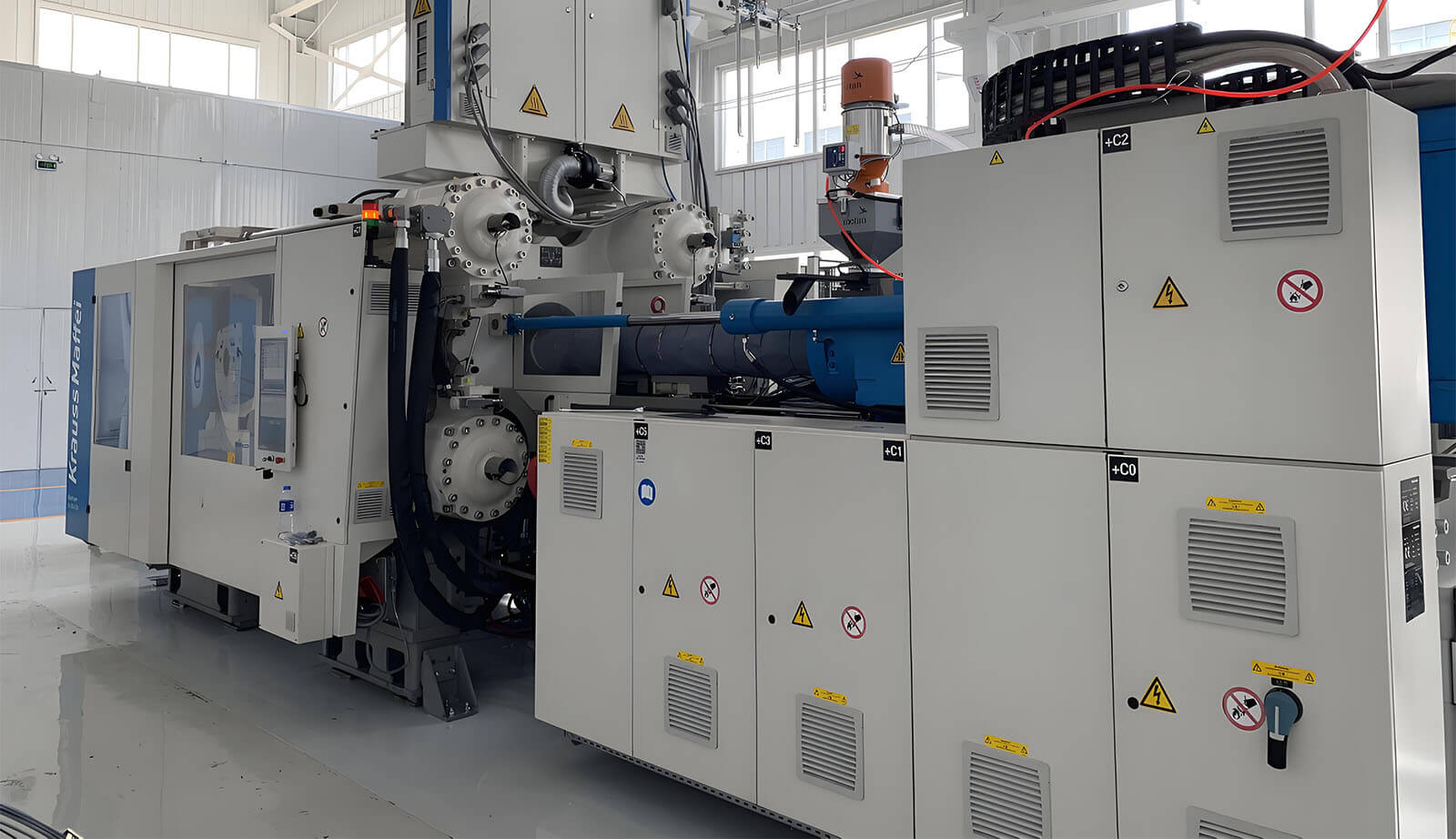
Our Carbon Fiber Research Center drives innovation in new energy, intelligence, and lightweight design, using advanced composites and Krauss Maffei FiberForm to create cutting-edge, customer-focused solutions.
Here are the answers to the frequently asked questions from the experienced carbon fiber products factory
We produce a wide range of carbon fiber components, including automotive parts, motorcycle parts, aerospace components, marine accessories, sports equipment, and industrial applications.
We primarily use high-quality prepreg carbon fiber and large-tow carbon fiber reinforced high-performance composites to ensure strength, durability, and lightweight characteristics.
Yes, our products are coated with UV-protective finishes to ensure long-lasting durability and maintain their polished appearance.
Yes, our facilities and equipment are capable of producing large-size carbon fiber components while maintaining precision and quality.
What are the benefits of using carbon fiber products?
Carbon fiber offers exceptional strength-to-weight ratio, corrosion resistance, stiffness, thermal stability, and a sleek, modern appearance.
We cater to automotive, motorcycle, aerospace, marine, medical, sports, and industrial sectors with a focus on lightweight and high-performance carbon fiber components.
Yes, we provide custom carbon fiber solutions tailored to your specifications, including unique designs, sizes, and patterns.
We utilize advanced technologies such as autoclave molding, hot pressing, and vacuum bagging, ensuring precision, stability, and quality in every product. wonders with the Hello Elementor Theme, we’re trying to make sure that it works great with all the major themes as well.
We use aluminum and P20 steel molds, designed for durability and high accuracy, to create complex and precise carbon fiber components.
Our products undergo rigorous quality control checks, including dimensional accuracy, material integrity, and performance testing, to meet industry standards.