
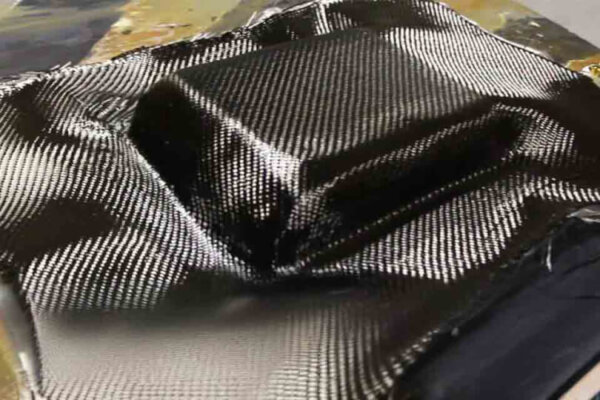
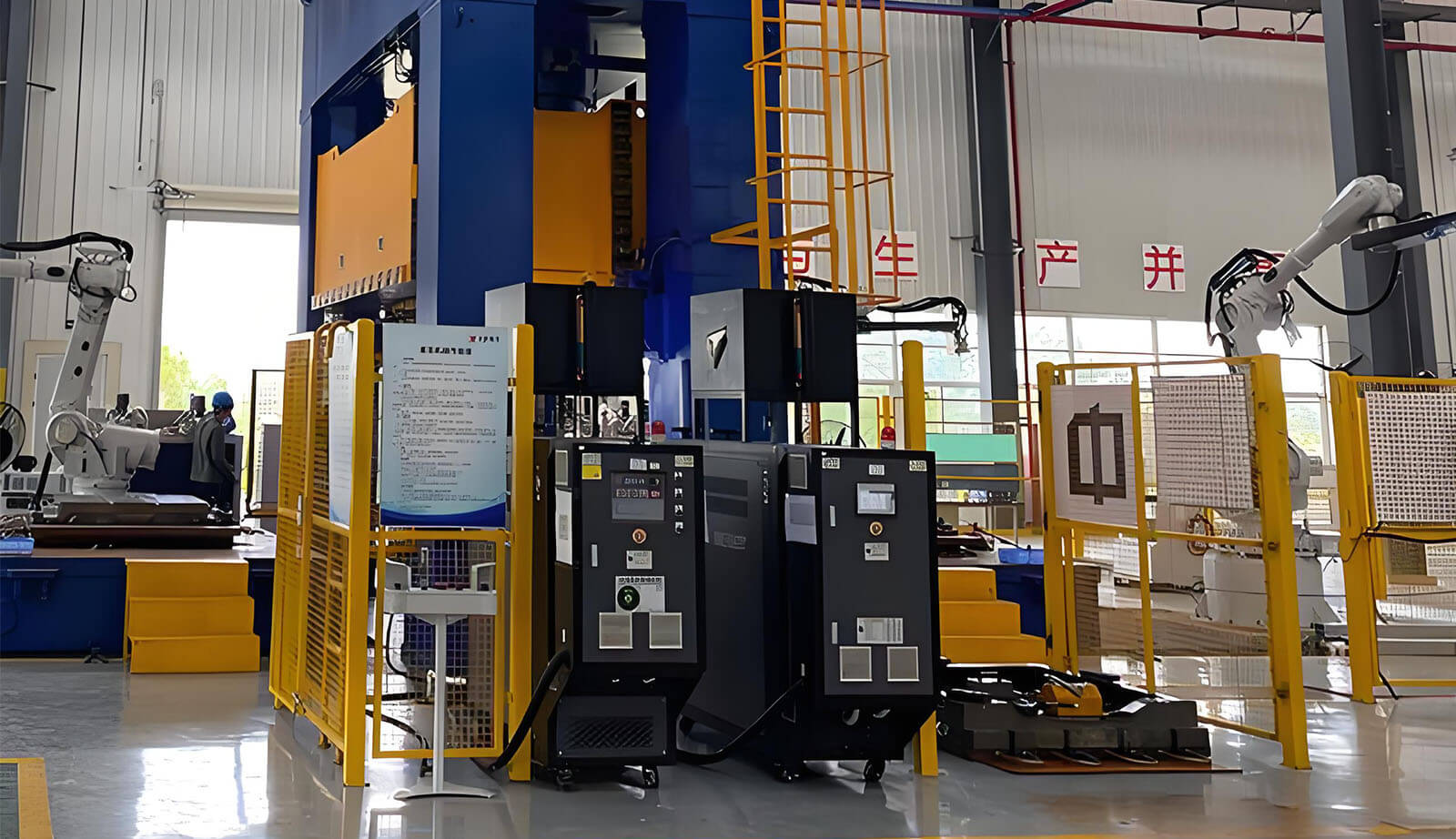
Carbon Fiber Composite Material Hot Pressing Molding Process
Our factory employs an advanced carbon fiber hot press process with a P20 steel mold, ensuring high efficiency, precision, durability, and cost-effectiveness for quality production.
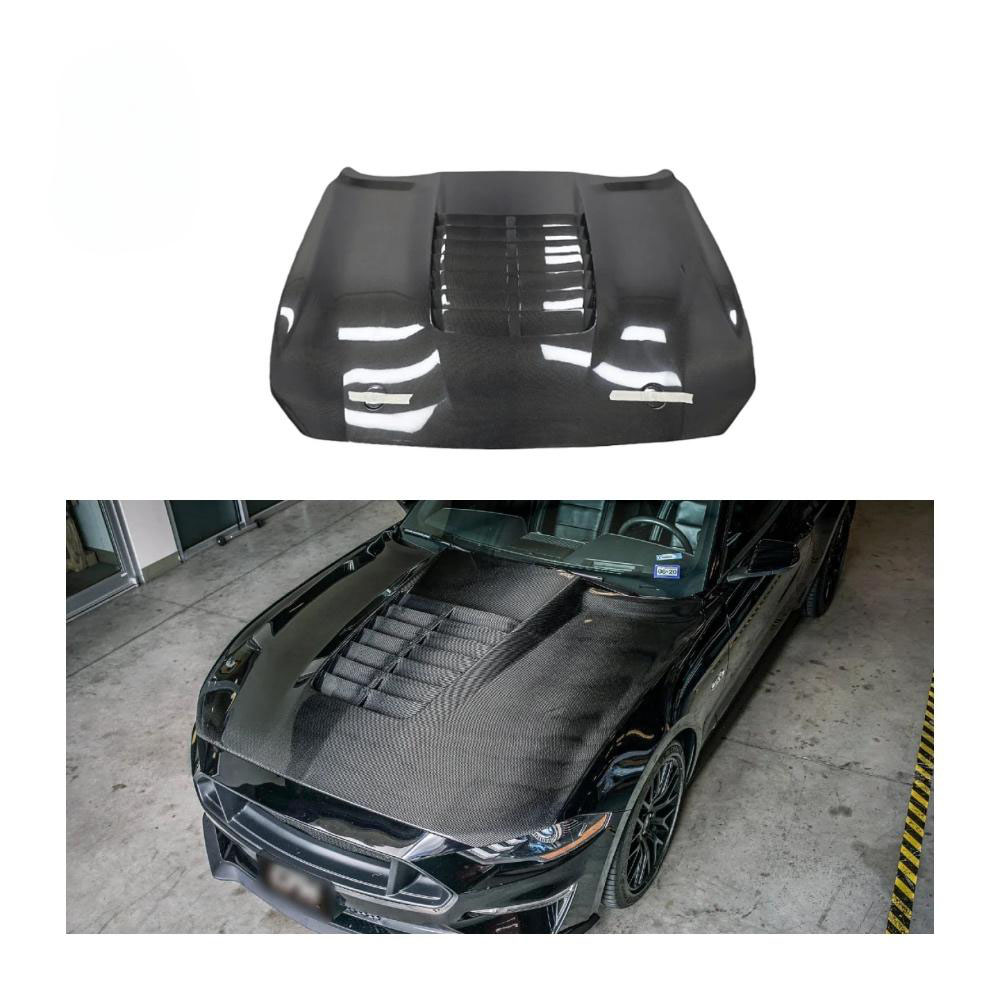
We manufacture custom carbon fiber hoods for aftermarket brands, tuning shops, motorsport-style projects, and low-volume vehicle programs. Depending on the project requirement, we can develop wet carbon fiber hoods, vacuum-bagged hoods, resin-infused hoods, or dry carbon prepreg hoods based on an OEM hood sample, 3D scan, CAD data, or an existing mold.
A carbon fiber hood is not only about reducing weight or showing a clean weave pattern. For a reliable custom hood, the key points are mold accuracy, inner-frame design, hinge and latch reinforcement, trimming control, surface finish, and OEM-style fitment.
| Benefit | What It Means |
|---|---|
| Weight Reduction | Helps reduce front-end weight compared with many OEM steel hoods |
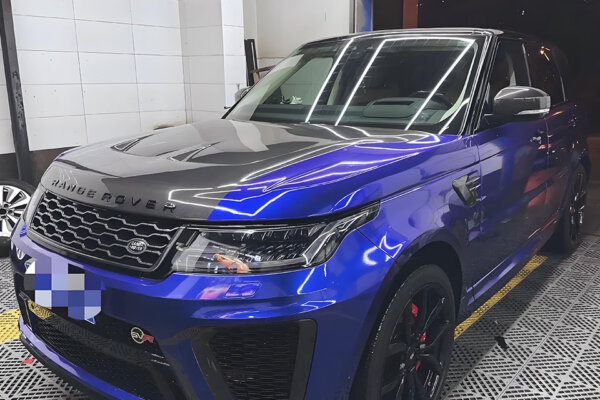
| Custom Appearance | 3K twill, forged carbon, gloss, matte, or painted finish options |
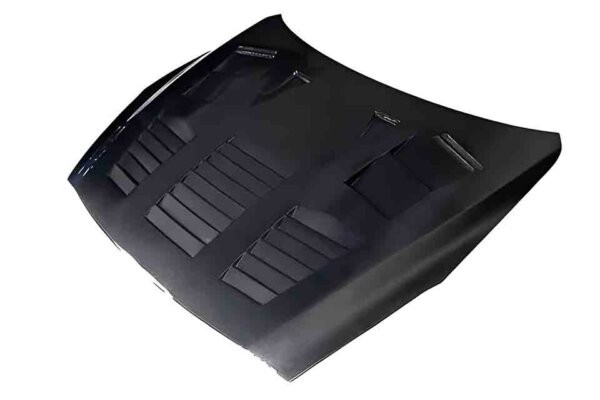
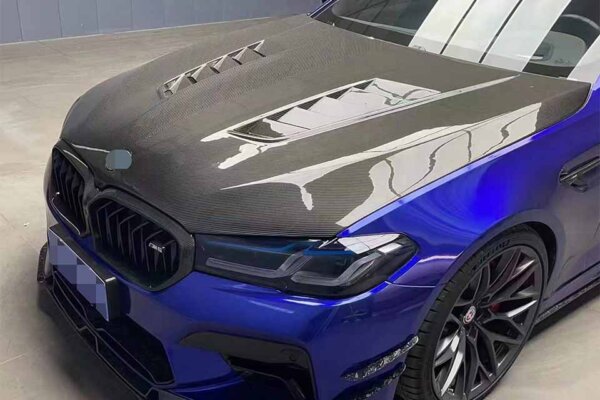
| Hood Vent Options | Can support vents, scoops, or heat extraction designs if required |
| OEM-Style Fitment | Designed around hinge, latch, edge gap, and trimming control |
| Low-Volume Customization | Suitable for prototypes, aftermarket brands, and special vehicle projects |
A custom carbon fiber hood can help reduce front-end weight compared with many OEM steel hoods, but the exact weight saving depends on the vehicle model, hood size, inner-frame structure, and selected manufacturing process. For road cars, the main value is usually weight reduction, visual upgrade, and custom styling. For racing or track-focused projects, the hood can also be designed with vents, scoops, or heat extraction openings to support engine bay airflow.
The final performance benefit depends on the vehicle model, hood structure, installation method, and overall vehicle setup. For this reason, we do not treat a carbon fiber hood as only a lightweight outer panel. We also consider inner-frame stiffness, hinge areas, latch reinforcement, edge returns, and trimming accuracy during development.
We can support different surface and styling options depending on the hood design, vehicle model, and production process.
Common options include:
Not all carbon fiber hoods are made in the same way. A good-looking surface weave is only one part of the product. For a custom carbon fiber hood, the real difference comes from the manufacturing route, mold quality, inner-frame design, reinforcement layout, and final fitment control.
Depending on the project requirement, we can produce wet carbon fiber hoods, vacuum-bagged carbon hoods, resin-infused carbon hoods, or dry carbon prepreg hoods cured in an autoclave. Each process is selected based on the customer’s budget, weight target, surface finish, production quantity, and fitment requirement.
For visual carbon fiber hoods, we normally use 3K 2×2 twill carbon fiber fabric because it provides a clean weave appearance and is widely accepted in aftermarket and motorsport-style bodywork. During layup, our technicians control fiber direction around vents, cowl areas, edge returns, hinge zones, and latch locations to reduce distortion and improve fitment after trimming.
For wet carbon or vacuum-bagged parts, resin control is critical. Excessive resin adds unnecessary weight and can create a cloudy surface, while insufficient resin may lead to dry spots, pinholes, or weak bonding. For dry carbon prepreg hoods, the resin content is controlled in the prepreg material itself, and the laminate is consolidated under vacuum and autoclave pressure to improve consistency, reduce voids, and achieve a lighter, stiffer finished part.
A carbon fiber hood is not only an outer skin. The inner frame, hinge mounting points, latch area, and edge stiffness determine whether the hood can be installed safely and repeatedly. For this reason, we evaluate each custom hood as a complete assembly, including surface finish, reinforcement design, trimming accuracy, and OEM-style fitment points.
The mold cost for a custom carbon fiber hood depends on hood size, surface complexity, vent design, inner-frame structure, production quantity, and the selected tooling material. A simple OEM-style hood is usually easier to tool than a vented hood, cowl hood, or double-sided carbon fiber hood with a complex inner frame.
For a basic custom carbon fiber hood project, mold development may start from around USD 1,500–3,000 when the hood structure is relatively simple and an FRP or epoxy mold is suitable. For larger hoods, complex vented designs, double-sided carbon fiber construction, or dry carbon prepreg projects that require higher-temperature tooling, the mold cost can be higher.
Common tooling options include:
| Mold Type | Suitable For | Cost Level |
|---|---|---|
| FRP mold | Prototype or very low-volume production | Lower |
| Epoxy mold | Small-batch repeat production | Medium |
| Aluminum mold | Dry carbon prepreg, higher temperature, better dimensional stability | Higher |
In general, the mold is a one-time investment. Once the mold is completed and approved, repeat orders can usually be produced with a lower unit cost and shorter lead time. To estimate the mold cost accurately, we normally need the vehicle model, OEM hood photos, 3D scan, CAD data, or a physical sample.
Our custom carbon fiber hoods are developed around OEM-style mounting points whenever the original vehicle data, hood sample, or 3D scan is available. During development, we focus on hinge position, latch alignment, edge gaps, inner-frame stiffness, and trimming accuracy.
Because carbon fiber parts are hand-laid composite parts rather than stamped metal panels, final installation may still require minor adjustment. For hoods with vents, scoops, custom inner frames, or lightweight racing structures, we recommend professional installation.
To evaluate a custom carbon fiber hood project, please send us the following information:
After reviewing the project details, we can advise on mold development, production process, estimated lead time, and quotation.
For auto parts dealers and modification shops, we offer wholesale prices on our carbon fiber parts. You can order many different carbon fiber hood styles for your customers. Browse our wide selection of carbon fiber hoods for all types of vehicles. We have options for:
| Vehicle Type | Available Hood Styles |
|---|---|
| Sports Cars | Vented, Cowl, Flat, Race Style |
| Muscle Cars | Cowl Induction, Scooped, Classic |
| Trucks/SUVs | Raised Center, Vented, Stock Style |
| Luxury Cars | Subtle Style, OEM+ Look, Performance |
| Race Vehicles | Ultra Light, Maximum Vent, Custom |
For most projects using an existing mold, standard production lead time is usually 4–6 weeks from order confirmation, depending on the selected process, finish, and production schedule.
If a new mold needs to be developed from an OEM hood, 3D scan, CAD data, or physical sample, additional time is required for plug preparation, mold making, mold polishing, and trial fitting. For custom carbon fiber hood projects, we recommend confirming the vehicle model, hood design, material process, finish, and quantity before estimating the final lead time.
The cost of a custom carbon fiber hood depends on the vehicle model, hood size, mold complexity, surface finish, production process, and order quantity. A simple OEM-style hood is usually easier to produce than a hood with vents, scoops, ducting, complex inner frames, or special forged carbon finishes.
For basic custom hood projects that require a new mold, mold development may start from around USD 1,500–3,000 when the hood structure is relatively simple and an FRP or epoxy mold is suitable.
If a new mold is required, there will normally be a one-time tooling cost. This cost depends on whether the project uses an FRP mold, epoxy mold, aluminum mold, or other tooling solution. After the mold is completed, repeat orders can usually be produced at a lower unit cost.
Yes. A carbon fiber hood can be painted if the surface is properly prepared. Some customers choose a visible carbon fiber finish with gloss or matte clear coat, while others prefer a painted finish to match the vehicle body color.
For visible carbon fiber hoods, we normally recommend a UV-resistant clear coat to help protect the resin surface and reduce yellowing over time. For painted hoods, the surface preparation, primer, and paint system should be handled according to automotive refinishing standards.
There is no single fixed number of carbon fiber layers for every hood. The layup schedule depends on hood size, stiffness requirement, single-sided or double-sided construction, inner frame design, vent structure, hinge area, latch area, and reinforcement points.
For a custom carbon fiber hood, the outer skin is only one part of the structure. The inner frame, edge returns, hinge mounting points, and latch area usually require additional attention to improve strength, fitment, and long-term stability.
Wet carbon fiber hoods are usually made by hand layup, vacuum bagging, or resin infusion using liquid resin. This process is suitable for custom projects, aftermarket parts, visual carbon fiber hoods, and small-batch production.
Dry carbon, more accurately called prepreg carbon fiber, uses carbon fiber material that has been pre-impregnated with resin. It is laid into the mold and cured under controlled temperature and pressure, often in an autoclave. Prepreg carbon usually provides better resin control, lower weight, and improved laminate consistency, but it also requires higher tooling and production cost.
For road cars, show cars, and many aftermarket applications, wet carbon or vacuum-bagged carbon can be a practical choice. For racing, premium lightweight projects, or high-end custom builds, dry carbon prepreg may be more suitable.
A custom carbon fiber hood is normally designed to use the vehicle’s OEM-style hinge and latch positions. During development, we pay attention to hinge mounting areas, latch position, edge gaps, inner frame stiffness, and trimming accuracy.
However, final installation can still require minor adjustment because carbon fiber parts are not stamped metal parts. We recommend professional installation, especially for hoods with complex vents, custom inner frames, or lightweight racing-style construction.
Our minimum order quantity is 1 piece for many custom carbon fiber hood projects, especially prototype orders, sample development, or low-volume custom production.
If a new mold is required, the tooling cost is usually the main investment. For repeat orders from an existing mold, the unit cost and production lead time are generally more favorable. For aftermarket brands, tuning shops, and distributors, we can also discuss small-batch or wholesale production based on the project requirement.
Yes, material information can be provided upon request depending on the project requirement. For custom or engineering-focused carbon fiber hood projects, we can discuss available material data sheets, process records, curing details, and inspection requirements before production.
If a customer requires specific certification, testing, or traceability documents, this should be confirmed before quotation so we can evaluate whether the requirement can be supported for that project.
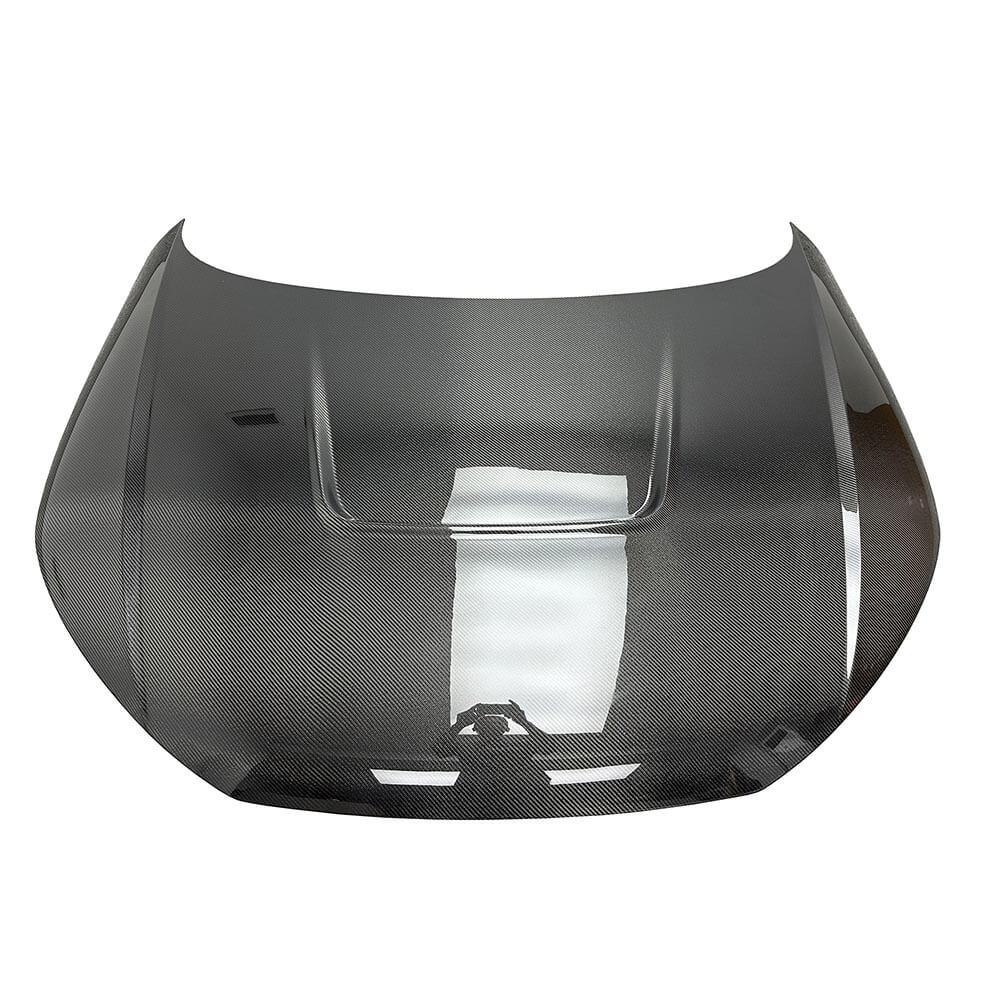
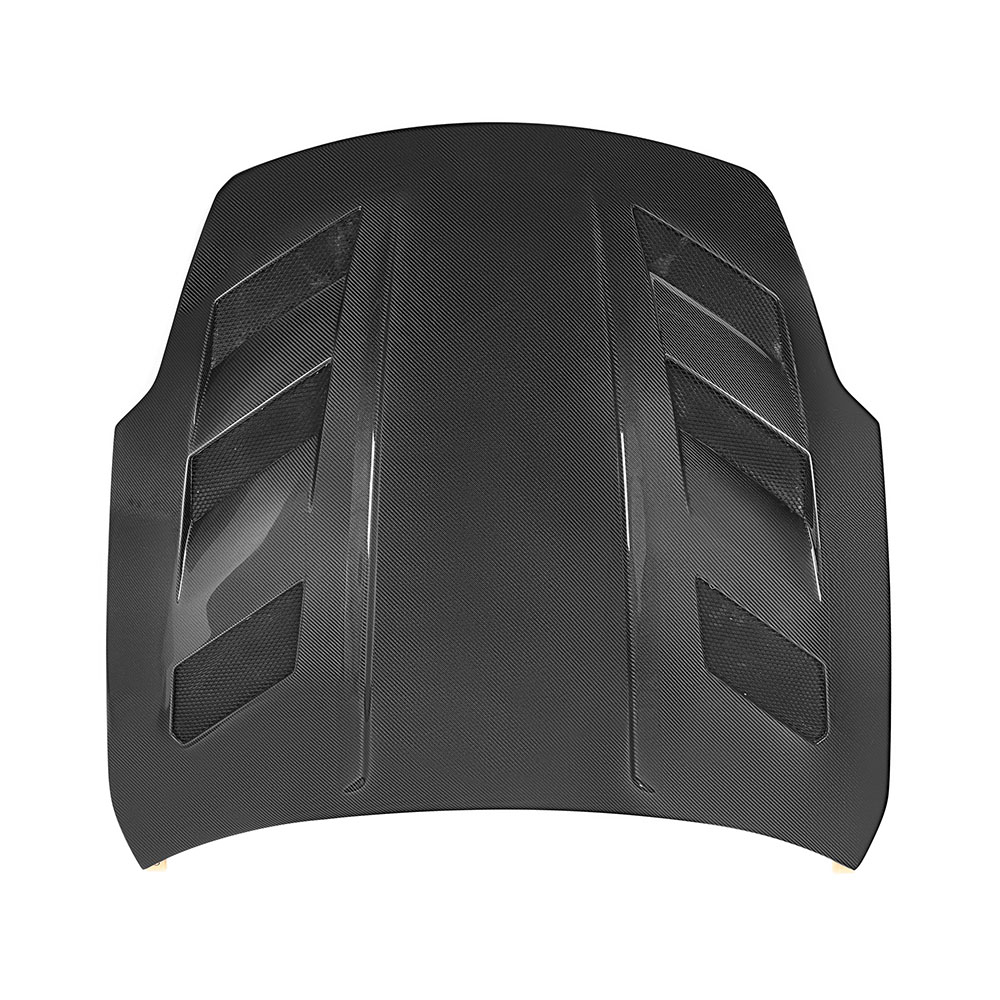
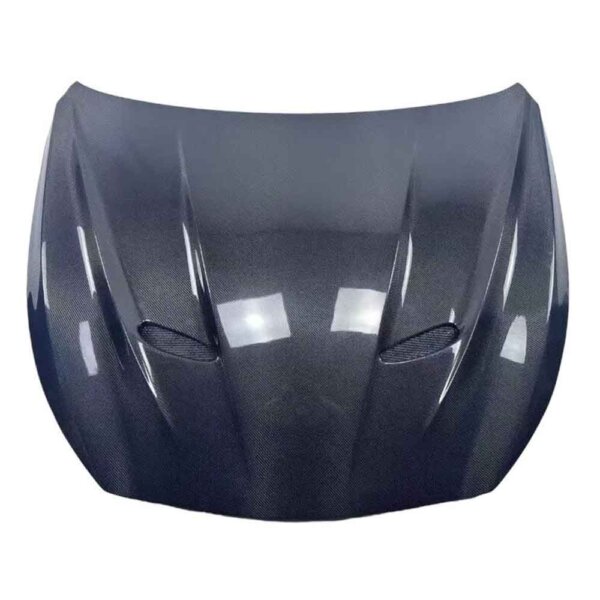
Our factory employs an advanced carbon fiber hot press process with a P20 steel mold, ensuring high efficiency, precision, durability, and cost-effectiveness for quality production.
Our factory runs 100+ hot pressure autoclaves, using aluminum molds and vacuum induction to shape carbon fiber with precision. High heat and pressure enhance strength, stability, and flawless quality.
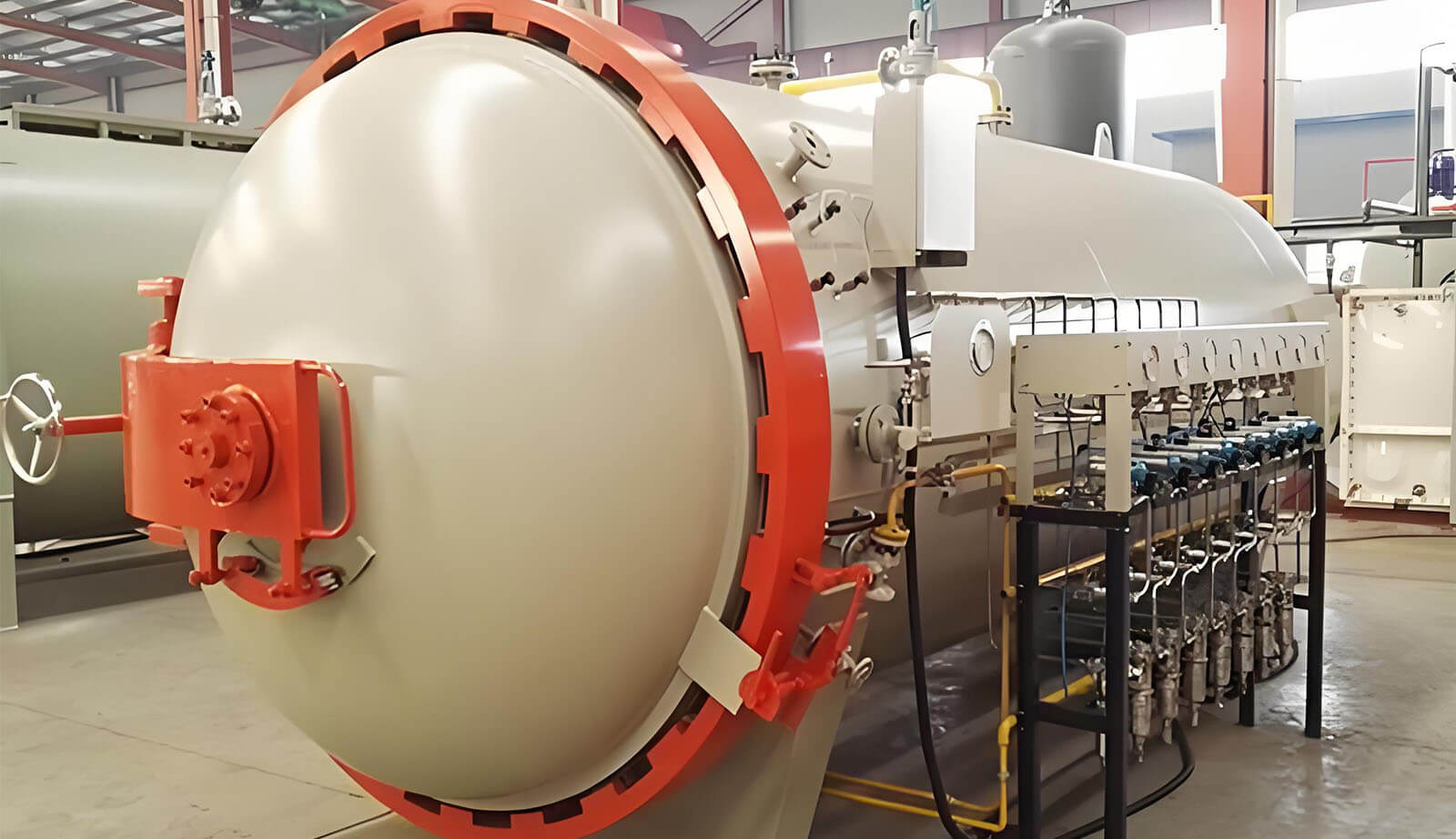
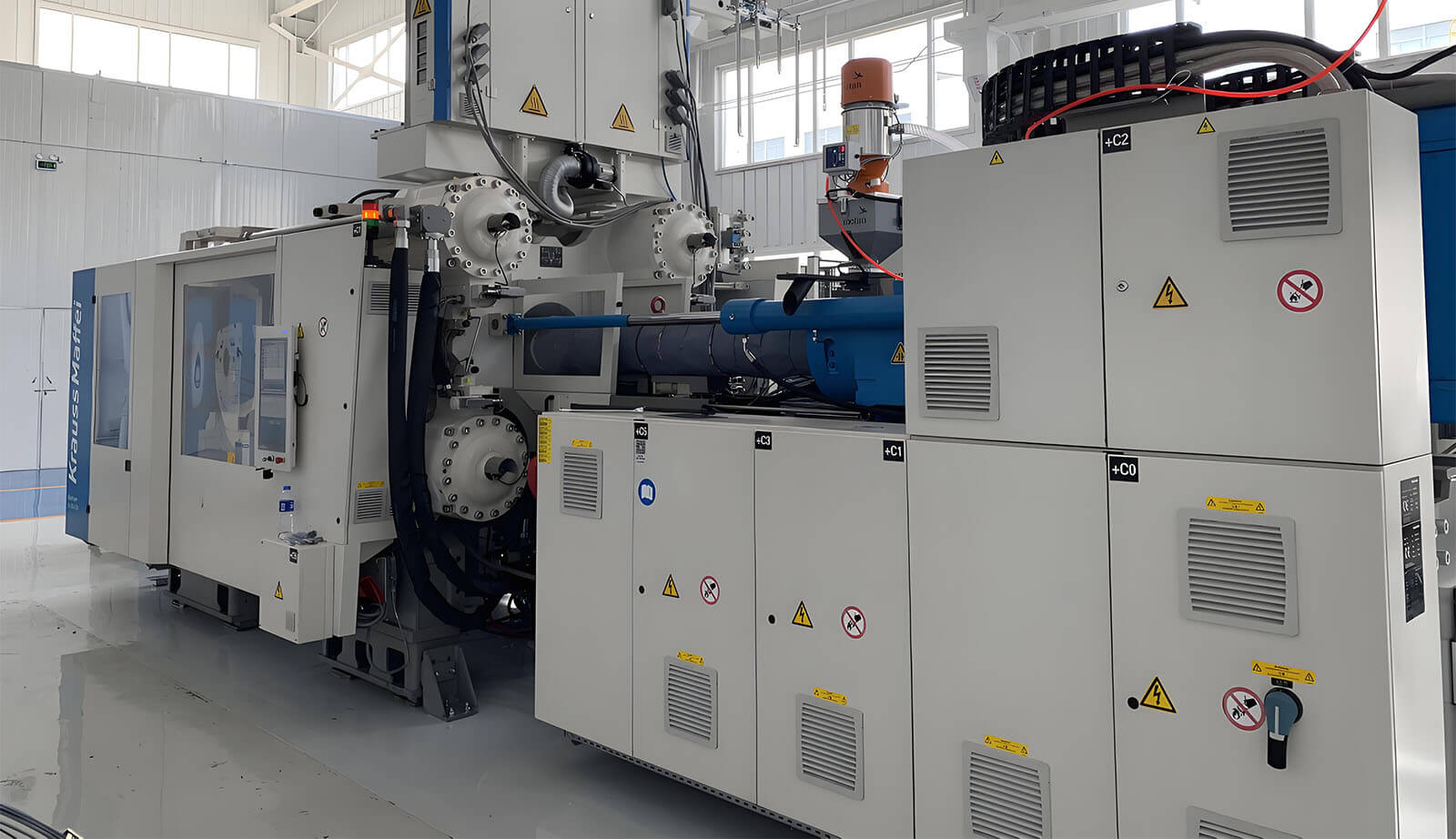
Our Carbon Fiber Research Center drives innovation in new energy, intelligence, and lightweight design, using advanced composites and Krauss Maffei Fiber Form to create cutting-edge, customer-focused solutions.
Here are the answers to the frequently asked questions from the experienced carbon fiber products factory
We produce a wide range of carbon fiber components, including automotive parts, motorcycle parts, aerospace components, marine accessories, sports equipment, and industrial applications.
We primarily use high-quality prepreg carbon fiber and large-tow carbon fiber reinforced high-performance composites to ensure strength, durability, and lightweight characteristics.
Yes, our products are coated with UV-protective finishes to ensure long-lasting durability and maintain their polished appearance.
Yes, our facilities and equipment are capable of producing large-size carbon fiber components while maintaining precision and quality.
What are the benefits of using carbon fiber products?
Carbon fiber offers exceptional strength-to-weight ratio, corrosion resistance, stiffness, thermal stability, and a sleek, modern appearance.
We cater to automotive, motorcycle, aerospace, marine, medical, sports, and industrial sectors with a focus on lightweight and high-performance carbon fiber components.
Yes, we provide custom carbon fiber solutions tailored to your specifications, including unique designs, sizes, and patterns.
We utilize advanced technologies such as autoclave molding, hot pressing, and vacuum bagging, ensuring precision, stability, and quality in every product. wonders with the Hello Elementor Theme, we’re trying to make sure that it works great with all the major themes as well.
We use aluminum and P20 steel molds, designed for durability and high accuracy, to create complex and precise carbon fiber components.
Our products undergo rigorous quality control checks, including dimensional accuracy, material integrity, and performance testing, to meet industry standards.