

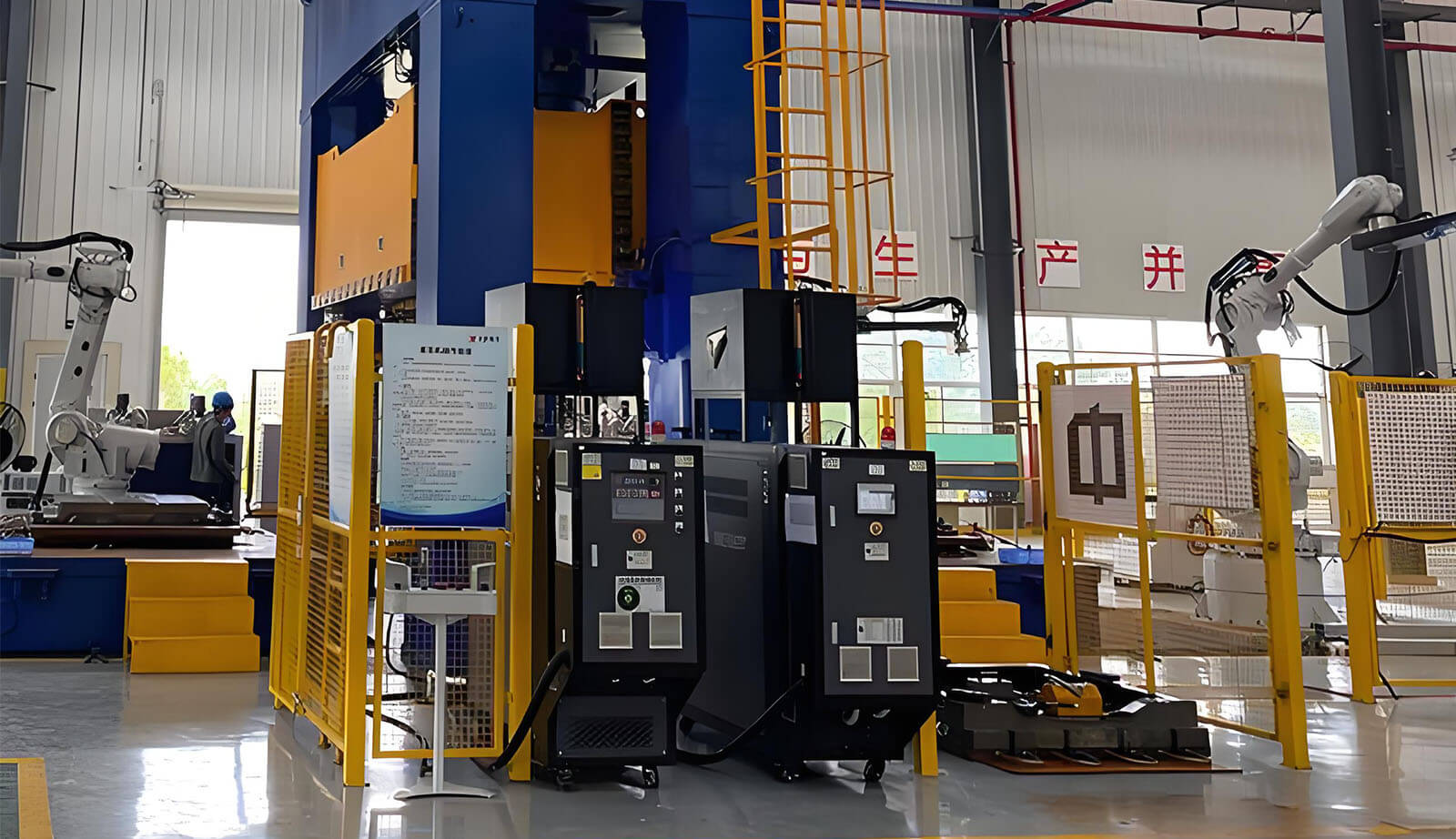
Carbon Fiber Composite Material Hot Pressing Molding Process
Our factory employs an advanced carbon fiber hot press process with a P20 steel mold, ensuring high efficiency, precision, durability, and cost-effectiveness for quality production.
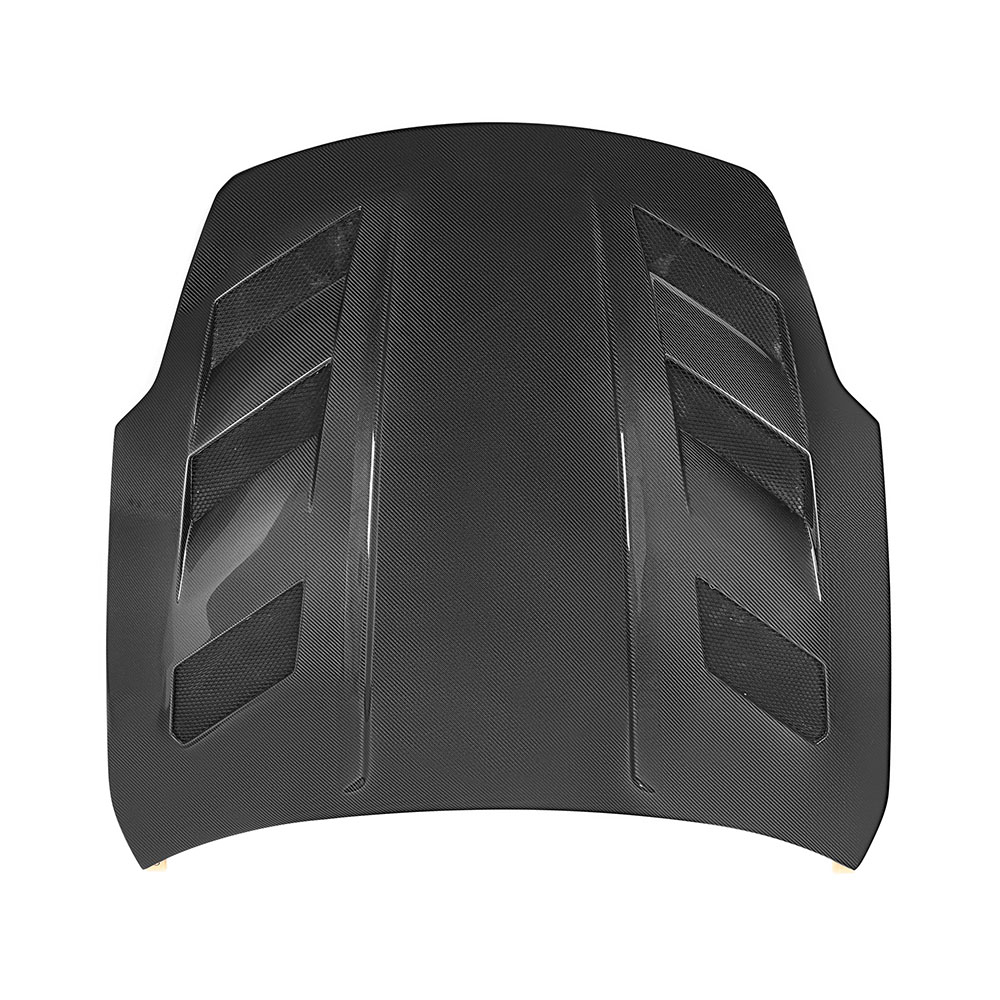
Real carbon fiber, built as a direct OEM-fit replacement for the Infiniti Q50 sedan. Below you’ll find exactly what’s different between our hood and the stock steel/aluminum one, which Q50 generation it fits, how it’s made, and what to check before you order — for both individual buyers and shops/wholesalers.
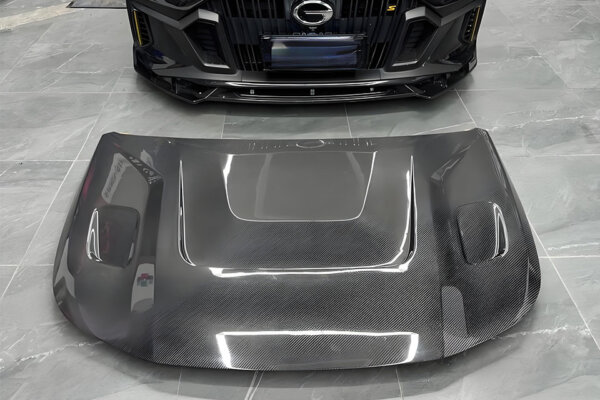
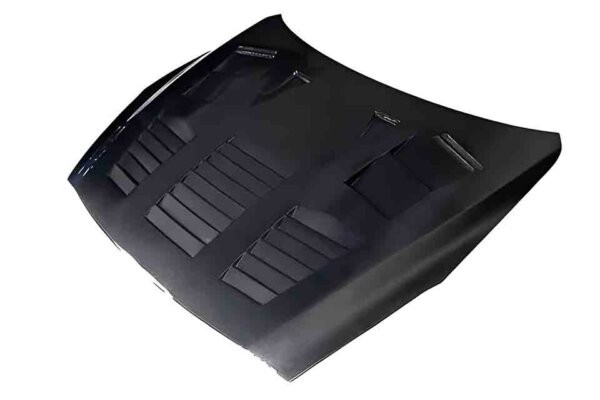
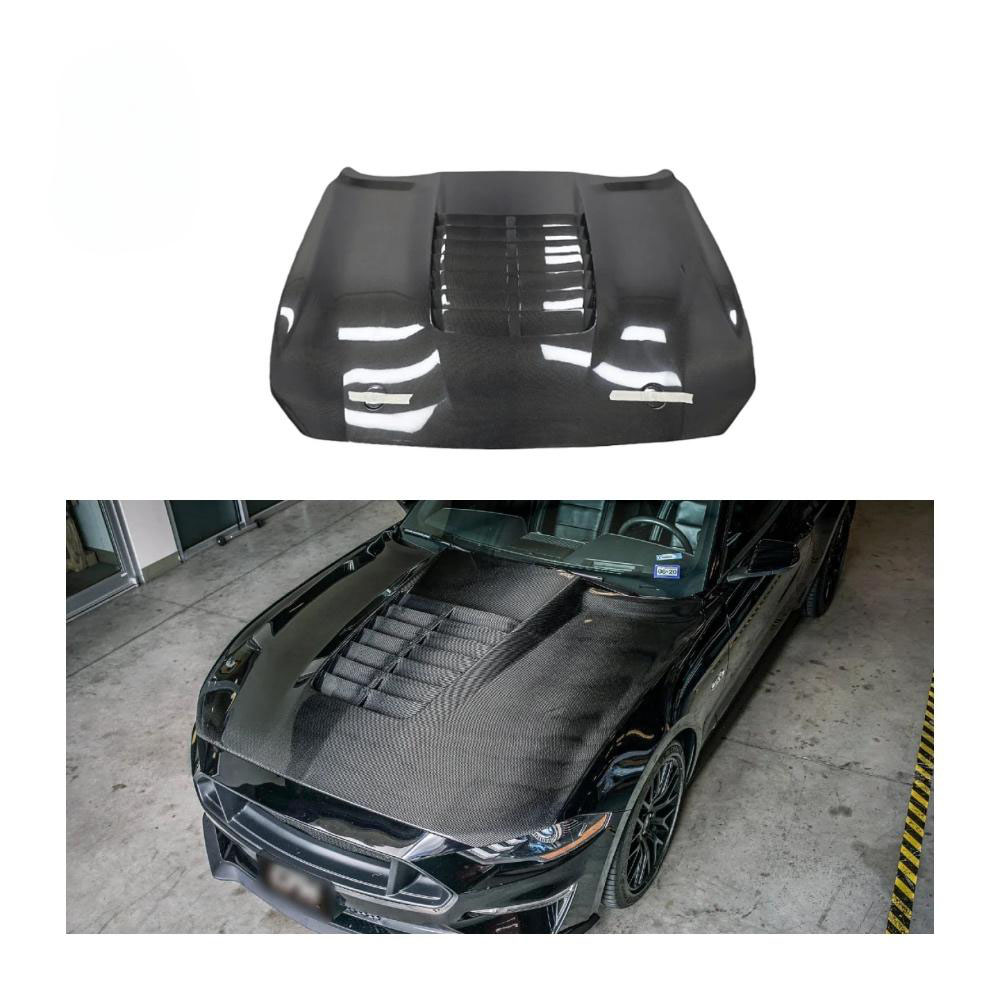
Product photos below show the hood from the front three-quarter angle, a close-up of the weave pattern, the underside reinforcement structure, and installed on a Q50.
| Feature | Specification |
|---|---|
| Fitment | Infiniti Q50 Sedan, 2014–2024 (see generation notes below) |
| Style | GTS-inspired vented design |
| Material | Carbon fiber composite — see the dry carbon vs. wet layup breakdown below for exactly which construction this hood uses |
| Weave | 2×2 twill carbon fiber (forged/plain options available on request) |
| Weight | Noticeably lighter than the OEM steel hood — see the Material Specification table for exact figures |
| Finish | UV-resistant clear coat, gloss |
| Construction | Multi-layer layup bonded to an inner reinforcement shell — see Material Specification for the full layup schedule |
| Mounting | Factory hinge and latch points, no OEM-hardware modification required |
| Lead time | Made-to-order production plus freight shipping; timing varies by destination — ask us for a current estimate when you order |
| MOQ | 1 piece for retail orders; lower per-unit pricing available at wholesale volume |
The Q50 (V37) was built across two visually distinct front-end generations. Hood-to-fender and hood-to-headlight alignment differs slightly between them, so fitment isn’t universal across all model years without checking your specific trim.
| Years | Generation | Fitment Notes |
|---|---|---|
| 2014–2017 | Pre-facelift Q50 | Earlier headlight and grille proportions; hood line matches the original front fascia |
| 2018–2024 | Facelift Q50 (incl. Q50 Red Sport 400) | Revised grille and hood line following the mid-cycle refresh; confirm your trim’s front fascia before ordering |
Not sure which generation you have? Check your VIN or send us your build year and trim (Base, Pure, Luxe, Sport, Red Sport 400) before ordering — hood-to-bumper alignment can vary slightly between trims with different front fascias.
| OEM Steel/Aluminum Hood | This Carbon Fiber Hood | |
|---|---|---|
| Weight | Heavier, adds front-axle load | Significantly lighter — see measured weight above |
| Cooling | Sealed, no active venting | GTS-style vents allow hot engine bay air to escape |
| Appearance | Factory-flat | Visible weave, motorsport-inspired lines |
| Corrosion | Can rust/dent | Composite — won’t rust, resists minor impact differently (see care notes) |
| Customization | None | Weave pattern, finish, and construction options available |
Carbon fiber’s real-world benefit here is reduced front-end weight and better underhood heat extraction — not a horsepower increase. We won’t claim otherwise, and you should be skeptical of any hood seller who does.
If you’re comparing hoods across sellers rather than shopping for this one specifically, here’s what actually separates a good one from a bad one:
The single biggest factor in weight, finish quality, and price. A seller who won’t tell you which process they use, or uses “dry carbon” loosely as a marketing term, is a red flag. See the comparison table below for what each process actually delivers.
Confirm the hood is molded specifically for your Q50’s generation (pre-facelift 2014–2017 vs. facelift 2018–2024) and uses factory hinge/latch points. A hood that needs hardware modification or aftermarket latch kits will cost you more in labor than you save on the part.
Ask how the mold was made (3D-scanned from an actual Q50, or copied from another aftermarket part). Molds copied from other aftermarket hoods tend to compound existing fitment errors.
Gloss is more common and shows off the weave; matte requires a different clear coat process and can be harder to touch up later. Either way, ask what UV protection the clear coat offers — this determines how the finish ages over 2–3 years of sun exposure.
Does the seller actually manufacture the part, or resell it? Can they show real production photos, give you real weight and material specs, and answer dry-vs-wet-carbon questions specifically — or do they deflect to generic marketing language? That’s usually the fastest way to tell a manufacturer from a reseller.
“GTS” is one of several hood styles available for the Q50, and it’s worth knowing what you’re actually choosing between:
| Style | Look | Best For |
|---|---|---|
| GTS (this hood) | Vented, moderate sculpting, closest to a factory-plus look | Buyers who want an aggressive but not extreme change |
| OEM-style (unvented) | Matches factory lines exactly, no vents | Buyers who want weight savings without changing the look |
| Apex-style | Lower, sharper center profile, more sculpted | Buyers building a more track-focused front end |
| M-style | Cleaner character lines, subtler vent | Buyers wanting a sportier look that stays understated |
We manufacture the GTS style shown on this page as standard, and can produce OEM-style, Apex-style, or custom vent geometries through our custom mold service (see below).
| Option | Description | Typical Use |
|---|---|---|
| 2×2 Twill (standard) | Diagonal weave pattern, classic automotive look | Street & show cars |
| Plain weave | Tighter checkerboard pattern | Cleaner, more subtle finish |
| Forged carbon | Chopped fiber pressed into mold, marbled texture | Distinctive, non-repeating pattern |
| Prepreg / autoclave-cured | Pre-impregnated fiber cured under heat and pressure | Higher stiffness-to-weight, used in our aerospace-derived process |
| Dry Carbon (Prepreg/Autoclave) | Wet Layup | |
|---|---|---|
| Process | Pre-impregnated fiber, cured in autoclave under heat + vacuum pressure | Fiber hand-laid with resin, cured at ambient or oven temp |
| Resin content | Precisely controlled (~35–45% typical) | Higher, less consistent resin content |
| Weight | Lower | Higher |
| Surface finish | Tighter weave, fewer pinholes | Good, but more finishing work needed |
| Cost | Higher | Lower |
| Where we use it | This hood’s standard construction | — |
We tell you plainly which process this specific hood uses — “dry carbon” is a marketing term that gets misused often in this industry, and the difference does matter for weight and price.
We manufacture automotive carbon fiber body panels and exterior components directly — this Q50 hood isn’t sourced from a third party and relabeled. As a carbon fiber automotive parts manufacturer, our facility handles both catalog production, like this hood, and custom composite body panel manufacturing for shops, tuners, and OEM/ODM partners. Beyond Q50 hoods, our catalog spans carbon fiber car parts for dozens of makes and models, as well as carbon fiber motorcycle parts for street and track builds. You can read more about our background on our about page.
Our team works across autoclave curing, vacuum infusion, and compression molding, giving us flexibility in how a given part is produced depending on the weight, finish, and cost targets a customer needs.
Core capabilities:
Photos below show our production floor, the layup process, curing equipment in operation, CNC trimming, and finished parts under inspection.
This hood goes through our standard automotive body panel process:
Photos and short clips of this process, from layup through final inspection, are available on request and will be added to this page over time.
| Vehicle | Infiniti Q50 |
| Material | 2×2 twill carbon fiber, as detailed in the Material Specification table below |
| Process | See “How It’s Made” above — this hood follows the same layup-to-clear-coat sequence |
| Application | Suitable for both street use and track/show builds |
| Batch | Available as a standard catalog item; also produced in small batches for shop and wholesale orders |
We’re building out a gallery of completed installs — check back or ask us for current examples when you inquire.
| Property | Value |
|---|---|
| Fiber type | Carbon fiber tow, automotive grade |
| Weave | 2×2 twill (standard) |
| Resin system | Epoxy resin system |
| Cure method | Matched to the construction described in the dry carbon vs. wet layup section above |
| Panel thickness | Sized for structural rigidity while minimizing weight — confirm exact dimensions with us if you need them for a specific project |
| Total hood weight | Meaningfully lighter than the OEM steel hood — ask us for the current measured figure, as it can vary slightly by production batch |
| Layup schedule | Multi-ply construction bonded to an inner reinforcement shell |
| Clear coat | UV-resistant polyurethane, gloss finish |
A professional shop installation is strongly recommended. This isn’t a liability disclaimer — hood alignment affects panel gaps at the fender and bumper, and getting it wrong the first time usually means redoing the work.
Installation is straightforward for a shop familiar with body panel work, and typically doesn’t require anything beyond the factory hardware already on your Q50.
Estimated shop labor: Ask your installer for a time estimate based on their own process — most body shops can quote this after a quick look at the part.
Beyond stock Q50 hoods, our facility supports:
If you need something outside our standard catalog, browse our custom carbon fiber parts capabilities or tell us the application (racing, aftermarket retail, OEM program) and target volume, and we’ll scope tooling and lead time.
Buying from the factory that actually lays up and cures the part — instead of a reseller — changes what you can ask for:
This matters most for auto parts dealers, performance shops, and OEM/first-tier suppliers evaluating us as a carbon fiber body panel manufacturer and aftermarket supplier rather than a one-off seller.
Every hood is checked against the following before it ships:
Inspection records and any relevant quality documentation are available on request for wholesale and OEM/ODM inquiries.
Retail (single hood): Contact us for current pricing — a made-to-order composite part like this is quoted per request rather than listed at a fixed price, since finish and construction options affect cost. Shops & installers: Volume pricing available for multi-unit orders Wholesalers & OEM/ODM: Contact us with target volume and application for a quote
Lead time is typically a production run plus freight shipping time, which varies by destination. Large composite panels like this ship by freight due to their size, so factor that into your timeline if you’re working toward an installation date.
Contact us to request a quote or place an order.
It fits both the 2014–2017 pre-facelift and 2018–2024 facelift Q50, but the two generations have different hood-to-fender lines. Confirm your build year before ordering — see the fitment table above.
It’s real carbon fiber composite, built using the layup and cure process described above — not a painted or wrapped panel.
See the “Dry Carbon vs. Wet Layup” comparison above — we tell you plainly which construction this hood uses rather than using “dry carbon” as a loose marketing term.
Meaningfully lighter than the factory steel hood. Ask us for the current measured weight when you inquire, since exact figures can vary slightly by production batch.
Yes — it’s designed as a direct-fit replacement using factory hinge and latch mounting points. No cutting, drilling, or hardware modification is required.
Vented hoods are legal in most jurisdictions, but rules vary by state/country and can relate to sharp edges or pedestrian safety regulations. Check your local vehicle modification rules before installing — we can’t give legal advice specific to your location.
The hood is designed to work with the Q50’s factory mounting points. If your specific trim has hood-mounted sensors or washer nozzles, mention this when you order so we can confirm compatibility for your build.
It’s possible for an experienced DIYer, but panel gap alignment is easy to get wrong on the first try. We recommend a shop with body panel experience, especially for a first-time carbon hood install.
This is a made-to-order composite part, so production takes longer than a stocked item, plus freight shipping time that varies by destination. Ask us for a current estimate when you place your order.
Yes — see the Manufacturing Capability & Custom OEM/ODM Service and Why Buy Direct From the Manufacturer sections above, or contact us directly with your volume and requirements.
Yes — through our custom mold development service we can produce alternate vent geometry or styling beyond the standard GTS style, for one-off builds or production runs. See Manufacturing Capability & Custom OEM/ODM Service above.
Yes — we work with race teams, tuning shops, and distributors who need smaller batch sizes than typical factory-scale minimums. Tell us your target volume and we’ll confirm what’s feasible.
As with most made-to-order composite parts, returns are handled differently than stocked items — ask us for our current policy before ordering so there are no surprises.
Individual buyer, shop, or wholesale — contact us with your Q50’s model year, quantity, and any custom requirements (weave, style, finish), and we’ll confirm fitment and lead time before you order. You can also browse our full product range on the chinacarbonfibers.com homepage.
Contact us to get a quote.

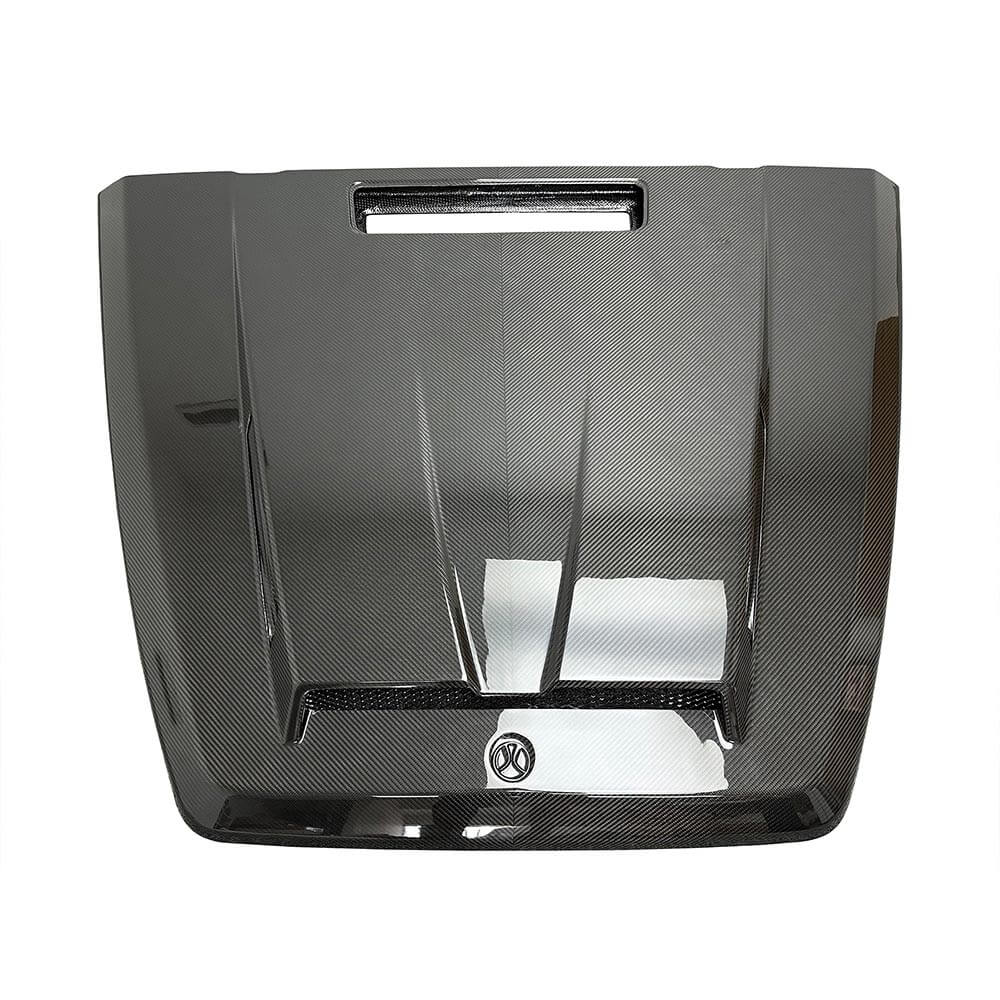
Here are the answers to the frequently asked questions from the experienced carbon fiber products factory
We produce a wide range of carbon fiber components, including automotive parts, motorcycle parts, aerospace components, marine accessories, sports equipment, and industrial applications.
We primarily use high-quality prepreg carbon fiber and large-tow carbon fiber reinforced high-performance composites to ensure strength, durability, and lightweight characteristics.
Yes, our products are coated with UV-protective finishes to ensure long-lasting durability and maintain their polished appearance.
Yes, our facilities and equipment are capable of producing large-size carbon fiber components while maintaining precision and quality.
What are the benefits of using carbon fiber products?
Carbon fiber offers exceptional strength-to-weight ratio, corrosion resistance, stiffness, thermal stability, and a sleek, modern appearance.
We cater to automotive, motorcycle, aerospace, marine, medical, sports, and industrial sectors with a focus on lightweight and high-performance carbon fiber components.
Yes, we provide custom carbon fiber solutions tailored to your specifications, including unique designs, sizes, and patterns.
We utilize advanced technologies such as autoclave molding, hot pressing, and vacuum bagging, ensuring precision, stability, and quality in every product. wonders with the Hello Elementor Theme, we’re trying to make sure that it works great with all the major themes as well.
We use aluminum and P20 steel molds, designed for durability and high accuracy, to create complex and precise carbon fiber components.
Our products undergo rigorous quality control checks, including dimensional accuracy, material integrity, and performance testing, to meet industry standards.
Our factory employs an advanced carbon fiber hot press process with a P20 steel mold, ensuring high efficiency, precision, durability, and cost-effectiveness for quality production.
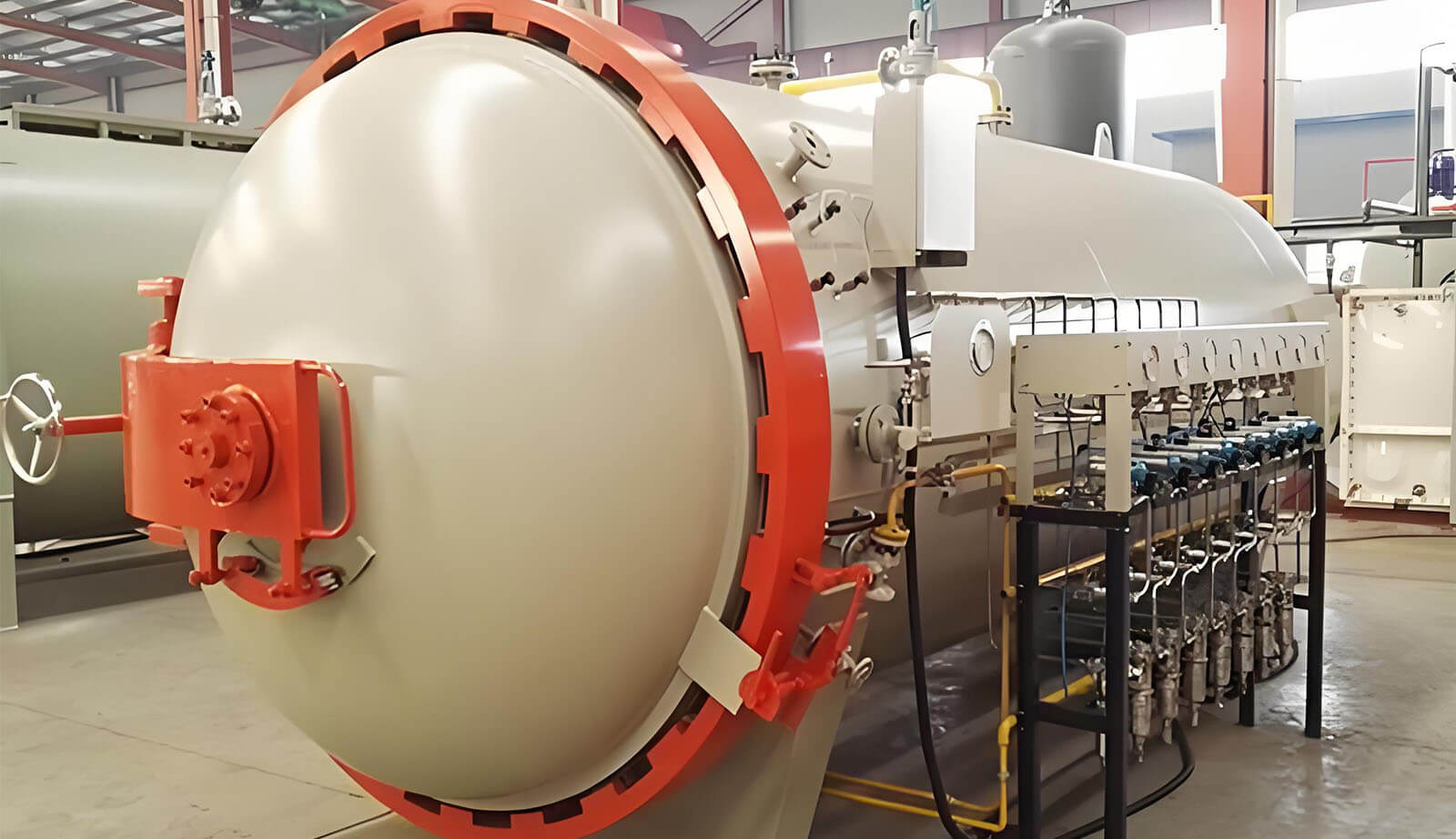
Our factory runs 100+ hot pressure autoclaves, using aluminum molds and vacuum induction to shape carbon fiber with precision. High heat and pressure enhance strength, stability, and flawless quality.
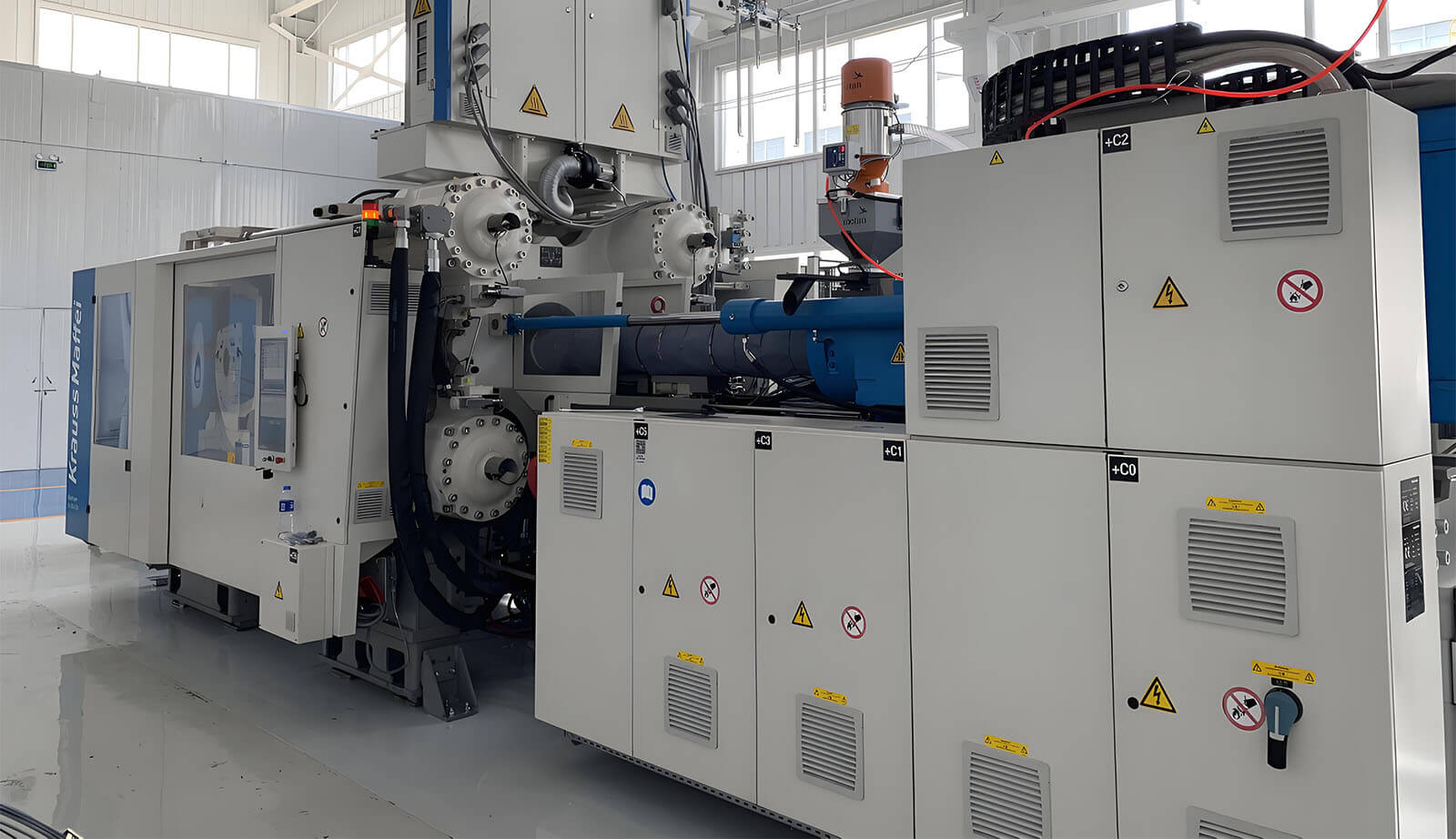
Our Carbon Fiber Research Center drives innovation in new energy, intelligence, and lightweight design, using advanced composites and Krauss Maffei FiberForm to create cutting-edge, customer-focused solutions.