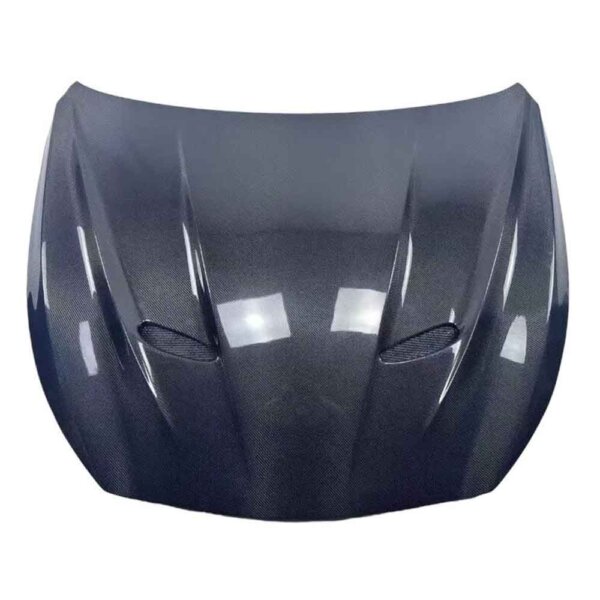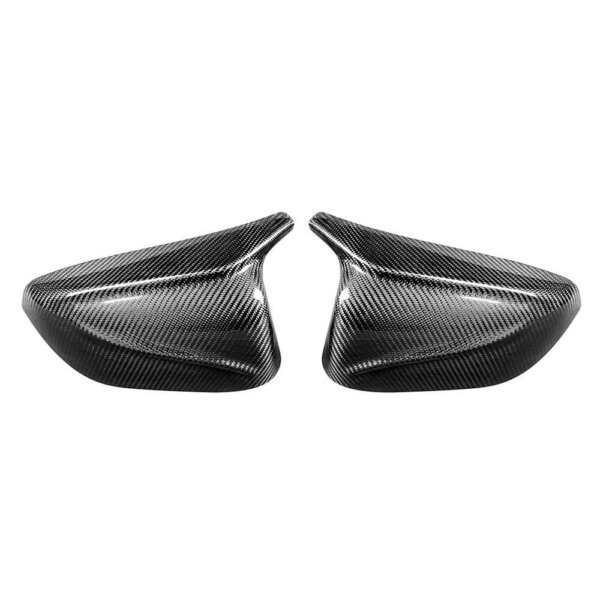
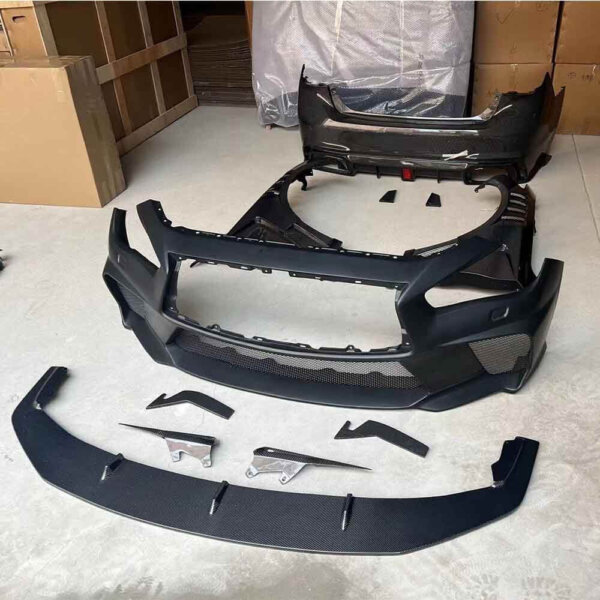
The Big Problem: Carbon Fiber Finishing Is Hard
Do you have a carbon fiber part that looks rough? Many people mess up when they try to sand carbon fiber. They break the pretty pattern or make the part weak.
This is bad because:
- Your carbon fiber car parts might look ugly
- The carbon fiber motorcycle parts might break
- Your custom carbon fiber work might need to be done again
The Short Answer: Yes — But You’re Not Sanding the Carbon Fiber
Yes, you can sand carbon fiber — but there’s a critical distinction most people miss: you are not actually sanding the carbon fibers themselves. What you are sanding is the resin matrix (typically epoxy) or clear coat that surrounds and protects the fibers.
The carbon fibers underneath are extremely brittle. If you sand through the resin layer and reach the bare fibers, you will distort the weave pattern, compromise structural integrity, and create irreversible damage that no clear coat can fix.
This is why technique matters: the goal is always to work within the resin layer — never beyond it.
Why It Gets Worse Without Good Sanding
When carbon fiber is not sanded right, big problems happen. The parts can look bad with weird light spots. Or worse, they might break when you need them most!
Bad sanding can make:
- Ugly spots that show up after clear coat
- Weak spots that might break
- Wasted money on parts you need to buy again
The Solution: Our 28+ Years of Carbon Fiber Know-How
Good news! Our team at Haoyue Carbon Fiber knows how to sand carbon fiber the right way. With 28+ years of making carbon fiber, we have fixed all these problems.
Tools You Need for Carbon Fiber Sanding
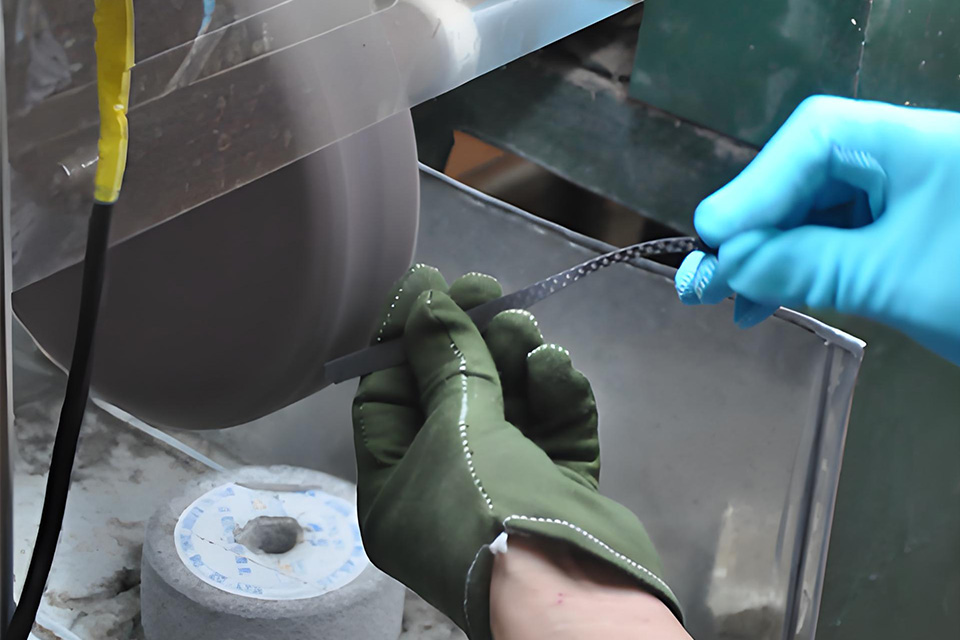
| Tool | What It Does | Why It’s Good |
|---|---|---|
| Electric Palm Sander | Makes big jobs fast | Good for big parts like car pieces |
| Wet Sanding Tools | Keeps dust down | Makes the finish smooth |
| Fine Sandpaper (1000-2500) | Makes mirror finish | Makes parts look great |
Choosing the Right Sandpaper for Carbon Fiber
Not all sandpaper performs equally on carbon fiber. Two types are commonly used:
Silicon carbide sandpaper is the preferred choice. It is sharper, harder, and more durable than alternatives — especially important for wet sanding, where it maintains its cutting edge much longer. Look for “wet/dry” silicon carbide sheets.
Aluminum oxide sandpaper is more widely available but dulls faster on hard resin surfaces. It can be used in a pinch for rough shaping stages, but switch to silicon carbide for anything above 400 grit.
One rule that applies to both: never skip grit sizes. Jumping from 400 to 1500 grit will leave deep scratches underneath that are nearly impossible to remove once clear coat is applied.
5 Steps to Sand Carbon Fiber Like a Pro
Step 1: Get Ready
- Wear a mask to keep dust out of your lungs
- Put on gloves to keep hands safe
- Use a high-density foam base to hold your part
Step 2: First Rough Sanding
The first step is to get rid of the big bumps. Use 100-400 grit sandpaper for this. Go slow and don’t push too hard!
Tips for rough sanding:
- Move in one direction for each grit stage
- When switching to a finer grit, sand at a 90° angle (cross-hatch pattern) to the previous direction — this helps you see and remove the previous scratches before moving on
- Don’t press too hard — contact pressure should be light and even
- Check your work often under good lighting
- After each grit change, wipe the surface clean before continuing — leftover coarse particles will create new scratches in your fine finish
Step 3: Wet Sanding Magic
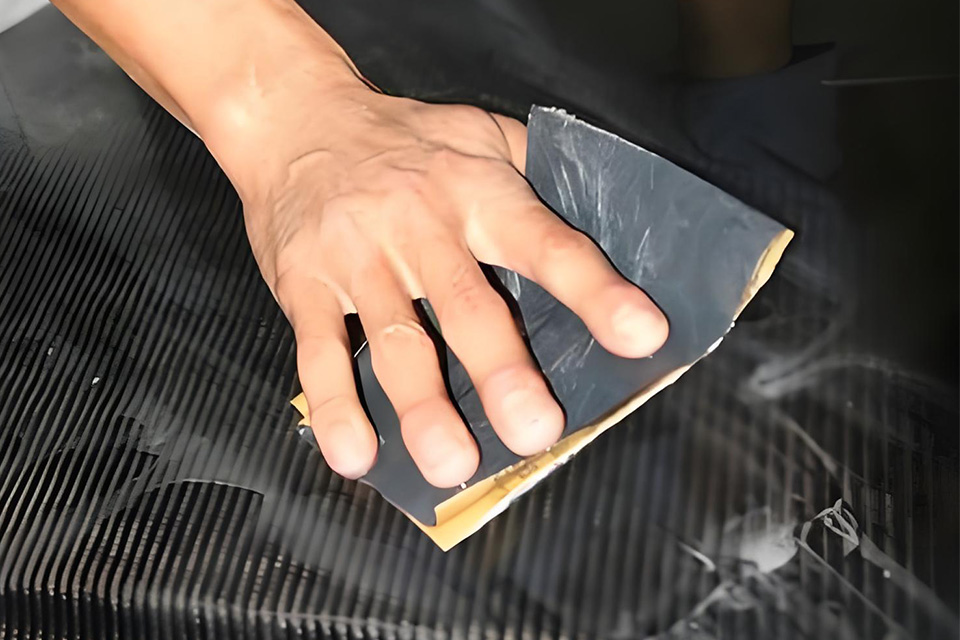
Wet sanding makes carbon fiber look much better. It cuts down on dust and helps the sandpaper last longer.
How to wet sand:
- Get your sandpaper wet
- Use 800-1200 grit paper
- Move in smooth, even ways
- Keep the part wet all the time
Step 4: Fine Finish
Now it’s time to make your custom carbon fiber parts shine! Use the finest paper (2000-2500 grit) to get a glass-like finish.
Remember: If you sand too deep into the carbon fiber weave, it will look bad when you add clear coat.
Step 5: Clean and Protect
When you’re done sanding:
- Wash with soap and water
- Dry with a soft cloth
- Add a good clear coat to protect
Carbon Fiber Types and How to Sand Each One
Not all carbon fiber is the same! Here’s how to sand different kinds:
Carbon Fiber Bike Frames
Most bikes just need soap and water! You don’t need to sand a carbon bike frame for cleaning. Only sand if you need to fix damage.
Car and Motorcycle Parts
Carbon fiber motorcycle and car parts often need more care. They get road dirt and scratches. Wet sand with 2000 grit for best looks.
Custom Carbon Fiber Projects
For things like knife handles or gun stocks, start with 100 grit and work up to 2500 for a perfect finish.
Common Problems and How We Fix Them
After 28+ years making carbon fiber, we’ve seen it all! Here are the big problems and how we fix them:
Problem 1: White Spots After Sanding
Why it happens: You sanded too deep into the carbon fiber weave
Our fix: We use special techniques to sand just the top layer, leaving the weave perfect
Problem 2: Weak Spots After Sanding
Why it happens: When you remove too much resin, the bare carbon fibers become exposed. Unlike resin, raw carbon fibers absorb moisture, create stress concentration points, and wear down under friction. This is how over-sanding leads to structural failure — not from the sanding itself, but from what it exposes.
Key technical limits to keep in mind:
- Never remove more than 0.1mm of material per pass
- Keep sanding tool rotation speeds at ≤ 3,000 RPM for power sanders
- Keep the sanding area temperature below 80°C — heat causes resin decomposition, which weakens the bond between fiber and matrix
Our fix: With 28+ years of experience, our team has calibrated exactly how much material removal is safe for each part type. Every piece is tested after finishing to confirm it retains 95–98% of its original structural strength.
Problem 3: Dust Problems
Why it happens: Dry sanding makes lots of dust that can hurt lungs
Our fix: We use wet sanding and good masks to keep everyone safe
Frequently Asked Questions
Can you sand raw carbon fiber (exposed fibers with no resin)?
No. Never sand raw, uncoated carbon fiber. The fibers are extremely brittle and will fray immediately. Only sand surfaces that have a resin or clear coat layer on top.
Why did my carbon fiber turn white after sanding?
White spots appear when you have sanded through the resin layer and into the carbon fiber weave itself. The fibers scatter light differently than resin, creating that milky appearance. Unfortunately this cannot be fixed by adding more clear coat — the weave is already damaged at that spot.
What grit sandpaper should I start with for carbon fiber?
For most finishing and surface prep work, start at 400 grit. Only go coarser (220–320) if you are removing significant resin drips or shaping a part. Starting too coarse leaves deep scratches that take many extra steps to remove.
Do I need to prime carbon fiber before painting?
Yes. After sanding, always apply a primer before painting. Sanding creates a mechanical key for adhesion, but primer seals the surface and ensures the paint bonds durably. Skipping primer leads to peeling.
Can wet sanding be done with a power sander?
It is not recommended. Power sanders with water create electrical hazards and are difficult to control with the light, even pressure required for carbon fiber. Wet sanding by hand gives you much better feel and reduces the risk of over-sanding in one spot.
Why Choose Our OEM/ODM Carbon Fiber Services
As a top carbon fiber products manufacturer in China, we bring big benefits:
- 28+ years experience making perfect carbon fiber
- Custom services for your exact needs
- Perfect sanding every time with no mistakes
- Full testing to make sure parts are strong
- On-time delivery so you’re never waiting
What Our Sanding Process Looks Like
Our factory uses a special 5-step sanding process that makes carbon fiber look amazing:
- Tool Check – We pick the right tools for each job
- Rough Sand – We shape the part just right
- Wet Sand – We make the surface smooth
- Fine Polish – We make it shine
- Quality Check – We make sure it’s perfect
How Our Carbon Fiber is Different
When you get parts from us, you get:
- Stronger parts that last longer (95-98% strength kept after sanding)
- Better looks with perfect finish
- No mistakes from our expert team
- Custom help for your special needs
Ready to Get Perfect Carbon Fiber Parts?
Stop dealing with bad carbon fiber finishing! Our team is ready to help with any carbon fiber project you have.
Visit our main site at SCOMP Carbon Fiber to see what we can do for you.
Get in touch today to:
- Get a free quote
- See samples of our work
- Talk to our expert team
- Start your custom project
The Best Carbon Fiber Starts Here
With 28+ years making carbon fiber parts, we know how to sand, finish, and perfect every piece. Let us show you what real carbon fiber quality looks like!