Carbon fiber itself does not rust because it contains no iron. Rust is iron oxide, so carbon fiber composite parts will not rust the way steel does. However, carbon fiber parts can still suffer from resin damage, UV aging, surface cracking, or galvanic corrosion when they come into contact with aluminum or steel components without proper insulation. Understanding these differences matters more than a simple “yes or no” answer, especially if you are sourcing parts for cars, bikes, boats, or outdoor equipment.
Does Carbon Fiber Rust?
No. Rust is a chemical reaction that happens when iron reacts with oxygen and moisture. Carbon fiber is made of tightly woven carbon atoms held together by epoxy resin — there is no iron in the material, so the fiber itself cannot rust like iron-based metals.
This is one of the main reasons manufacturers choose carbon fiber over steel for parts exposed to water, humidity, or changing weather. A carbon fiber component left outdoors for years will not develop the reddish-brown flaking that steel does.
That said, “will not rust” is not the same as “will never degrade.” Carbon fiber parts are protected by epoxy resin, and the long-term performance of the part depends heavily on the quality of that resin, the layup process, and how the part is finished and sealed.
Can Carbon Fiber Corrode?
The carbon fiber itself will not corrode. But carbon fiber composite parts are more than just fiber — they include resin, coatings, and often metal hardware such as inserts, bolts, or brackets. Corrosion-related problems in carbon fiber parts usually come from one of these areas rather than the fiber itself:
- Resin degradation — prolonged UV exposure or poor-quality resin can cause micro-cracking, discoloration, or a chalky surface over time.
- Moisture ingress — if the resin layer is damaged or the part is poorly sealed, water can reach the fiber layers and weaken the bond between fiber and resin.
- Metal hardware corrosion — inserts, threaded fittings, or fasteners used with carbon fiber parts are often metal, and these can rust or corrode just like any other metal component.
- Surface impact damage — a chip or scratch that exposes raw fiber can allow moisture in, leading to localized weakening if not repaired.
In short: carbon fiber does not corrode in the traditional sense, but a carbon fiber part is a system, and the non-fiber components of that system still need to be considered.
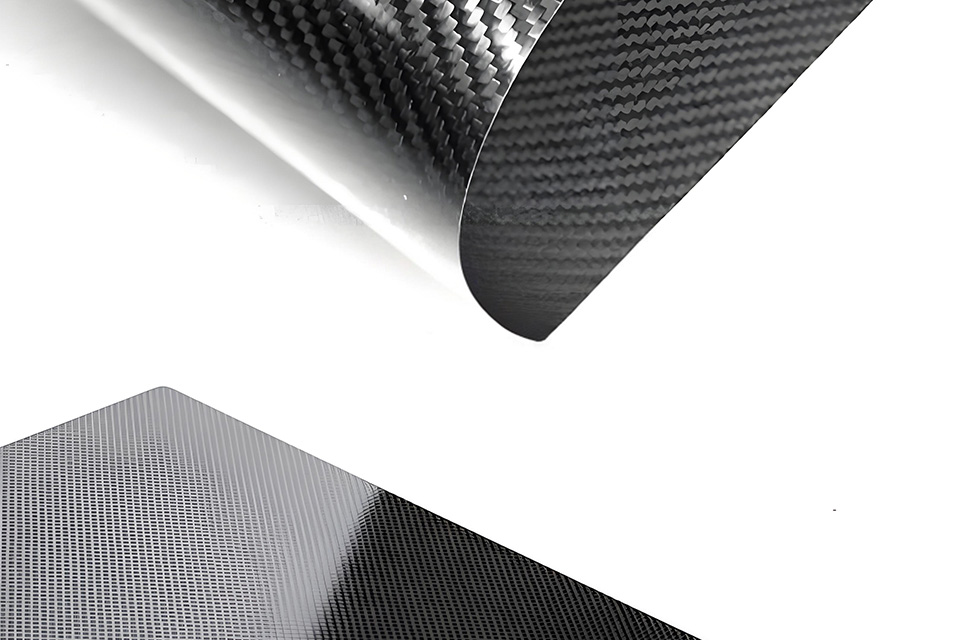
Common Problems Buyers Mistake for “Carbon Fiber Rust”
Many buyers report “rust” on a carbon fiber part, but in almost every case the carbon fiber itself is not the source. Here is what is usually actually happening:
| What Buyers Notice | What Is Actually Happening | Is It the Carbon Fiber? |
|---|---|---|
| Reddish-brown spots near bolts or inserts | Corrosion on steel fasteners or inserts | No — metal hardware |
| White, chalky residue on edges | Aluminum oxidation on brackets or fittings | No — aluminum component |
| Yellowing or dull patches on the surface | UV degradation of the clear coat or resin | No — resin/finish, not fiber |
| Small surface cracks | Impact damage or resin fatigue at the surface layer | No — resin layer |
| Fraying or lifting at cut edges | Unsealed or poorly finished edges allowing moisture in | No — finishing issue |
Recognizing this difference helps buyers evaluate whether a supplier’s manufacturing quality — not the carbon fiber material — is the real issue.
Buyer Checklist: How to Avoid Corrosion Problems in Carbon Fiber Parts
Before ordering carbon fiber parts for outdoor, automotive, marine, or industrial use, buyers should check more than whether the carbon fiber itself can rust. The real question is whether the full assembly is designed to resist UV exposure, moisture, and metal-to-carbon contact.
| What to Check | Why It Matters |
|---|---|
| Resin system and curing process | Poor curing can make the surface softer and more prone to cracking or aging. |
| UV-resistant clear coat | Helps reduce yellowing, haze, and resin surface degradation. |
| Edge sealing after trimming or drilling | Exposed cut edges can allow moisture to enter the laminate. |
| Fastener material | Untreated steel screws can rust even when the carbon fiber part is fine. |
| Insulation between carbon fiber and aluminum | Helps reduce galvanic corrosion risk in wet or salty environments. |
| Application temperature | Engine bay or high-heat use may require a higher-temperature resin system. |
Carbon Fiber vs Steel vs Aluminum: Rust and Corrosion
| Material | Rust or Corrosion Risk | Weight | Strength | Notes |
|---|---|---|---|---|
| Carbon Fiber | Does not rust; resin can degrade with UV/impact damage | Very light | Very high strength-to-weight ratio | Needs proper resin and surface protection |
| Steel | Rusts when exposed to moisture and oxygen | Heavy | High strength | Requires coatings or galvanizing to resist rust |
| Aluminum | Does not rust, but oxidizes and can corrode (especially with dissimilar metals) | Light | Good, but lower than steel or carbon fiber | Prone to galvanic corrosion near carbon fiber or steel |
| Fiberglass | Does not rust | Medium | Medium strength | More affordable, but heavier and less stiff than carbon fiber |
Carbon fiber generally performs best in this comparison for weight and rust resistance, but it is not automatically “corrosion-proof” in every application — particularly when it is paired with metal fittings, as covered below.
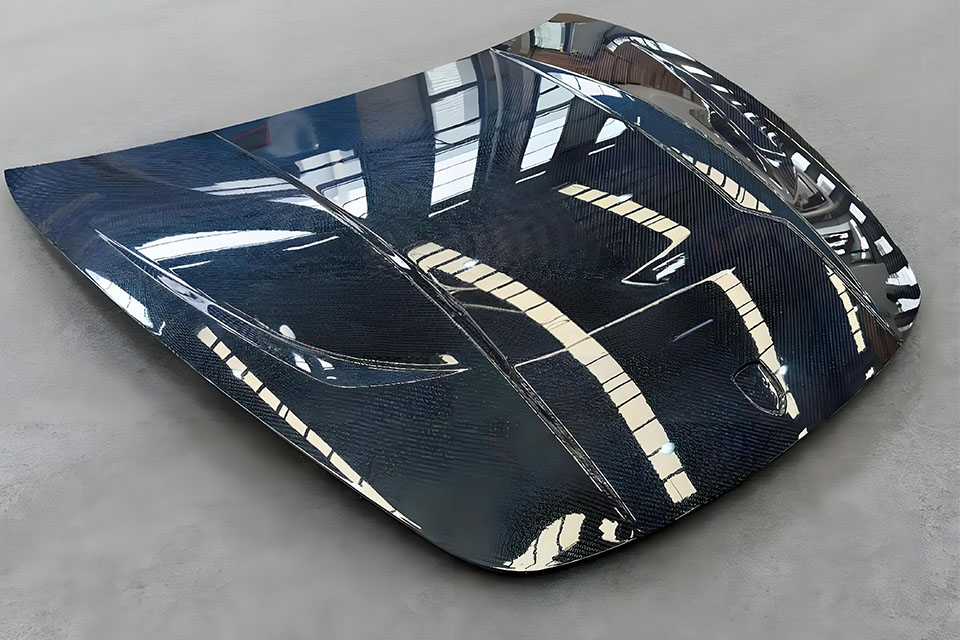
What Happens If Carbon Fiber Is Used Outdoors?
Carbon fiber parts are widely used in cars, motorcycles, bicycles, boats, and sports equipment specifically because they hold up well in outdoor conditions. A few things to know about long-term outdoor use:
- UV exposure can gradually break down unprotected epoxy resin, so most quality parts include a UV-resistant clear coat or gel coat finish.
- Marine environments are demanding because salt water accelerates corrosion of any metal hardware attached to the composite, even though the carbon fiber itself is unaffected.
- Temperature swings are generally well tolerated by properly cured epoxy resin, but extreme heat over long periods can soften lower-grade resins.
- Impact and abrasion are the most common real-world causes of visible damage — not rust, but resin cracking or delamination at the point of impact.
For buyers evaluating carbon fiber for outdoor products, the resin system and finishing process matter as much as the carbon fiber grade itself.
Galvanic Corrosion: The Hidden Risk With Carbon Fiber and Metal
One issue that often gets overlooked is galvanic corrosion. Carbon fiber is electrically conductive, and when it is in direct contact with certain metals — particularly aluminum — in the presence of moisture, it can accelerate corrosion of the metal part. This is a well-documented issue in the automotive and marine industries.
Common ways this is prevented in well-made carbon fiber parts:
- Insulating layers (such as fiberglass or specialized coatings) placed between carbon fiber and aluminum components
- Stainless steel or titanium hardware instead of standard aluminum or mild steel fasteners
- Protective sleeves or washers at bolt and insert locations
- Sealants applied at contact points to keep moisture out
If a carbon fiber part is failing prematurely near a metal fitting, galvanic corrosion — not the carbon fiber itself — is usually the underlying cause. This is an important distinction for buyers to understand when troubleshooting part failures or selecting a manufacturer.
How We Manufacture Carbon Fiber Parts for Long-Term Durability
With more than 28 years in carbon fiber manufacturing, we build durability into the process rather than treating it as an afterthought:
- Pre-preg carbon fiber cloth — fiber that is already impregnated with resin for more consistent, stronger results than hand-layup methods.
- Controlled heat and pressure curing — ensures the resin fully bonds with the fiber, reducing the risk of voids or weak spots.
- UV-resistant clear coats — added where parts will see regular sun exposure.
- Galvanic-corrosion prevention — insulating layers and appropriate hardware selection at any metal contact points.
- Quality inspection — including visual inspection, fitment checks, and optional strength or internal quality testing when required by the project.
From our factory experience, the most important durability details are usually not visible in product photos. Buyers often focus on the carbon weave pattern and glossy finish, but long-term performance depends more on resin curing, edge sealing, insert design, and whether metal fittings are isolated from the carbon fiber. This is why we review the application environment before confirming the process for custom carbon fiber parts.
In automotive and marine carbon fiber projects, the most common long-term problems we see are not rust on the carbon fiber itself, but chipped clear coat, unsealed drilled holes, and corrosion around untreated metal fasteners or aluminum brackets. This is why our process pays close attention to edge sealing, hardware selection, and finish quality — not just the fiber layup itself.
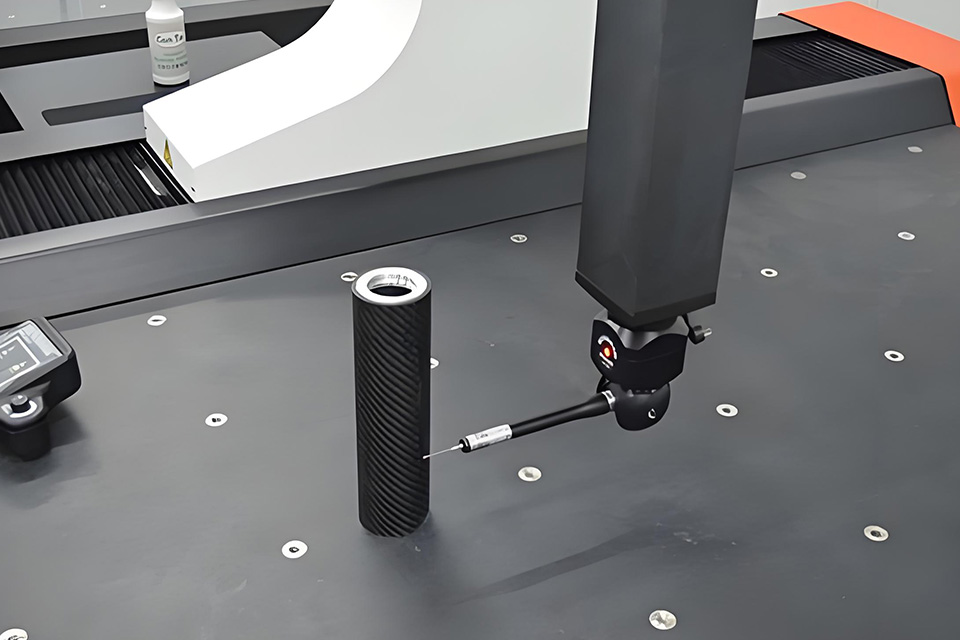
How to Take Care of Carbon Fiber
Carbon fiber parts require very little maintenance compared to metal, but a few basic habits extend their lifespan:
- Clean with mild soap and water — avoid harsh solvents
- Avoid abrasive brushes or scouring pads that can scratch the clear coat
- Keep parts out of prolonged extreme heat where possible
- Inspect regularly for resin cracks, chips, or discoloration
- Repair any resin damage promptly to prevent moisture ingress
- Check metal inserts or fasteners periodically for corrosion
FAQ
Does carbon fiber rust in water?
No. Carbon fiber contains no iron, so it cannot rust in water or any other environment. However, prolonged water exposure can affect the resin over time if the part’s protective coating is damaged.
Does carbon fiber rust on cars?
No. Carbon fiber automotive parts do not rust, which is a major reason they are used for body panels, trim, and structural components in performance and luxury vehicles. Any metal brackets or fasteners used alongside the carbon fiber part can still rust or corrode.
Can carbon fiber corrode?
The fiber itself does not corrode like metals, but the resin can degrade from UV exposure or impact damage, and any metal hardware attached to a carbon fiber part can corrode independently.
Is carbon fiber better than aluminum for corrosion resistance?
Carbon fiber does not rust and is not subject to oxidation the way aluminum is. However, when carbon fiber and aluminum are used together without proper insulation, galvanic corrosion can actually accelerate the aluminum’s breakdown — so the two materials need to be paired carefully.
Does carbon fiber hold up in wet or marine environments?
Yes, when it is made and finished correctly. Salt water and constant moisture put more stress on the resin and any metal hardware than on the fiber itself, so well-made parts use suitable resin systems, sealing, and protective coatings for wet environments.
Do carbon fiber parts need maintenance?
Yes, though less than metal parts. Routine cleaning and periodic inspection for resin cracks or hardware corrosion are enough to keep most carbon fiber parts performing well for years.
Need custom carbon fiber parts for automotive, marine, outdoor, or industrial use? Contact us to discuss resin system, surface finish, metal inserts, and corrosion-aware design for your project.