
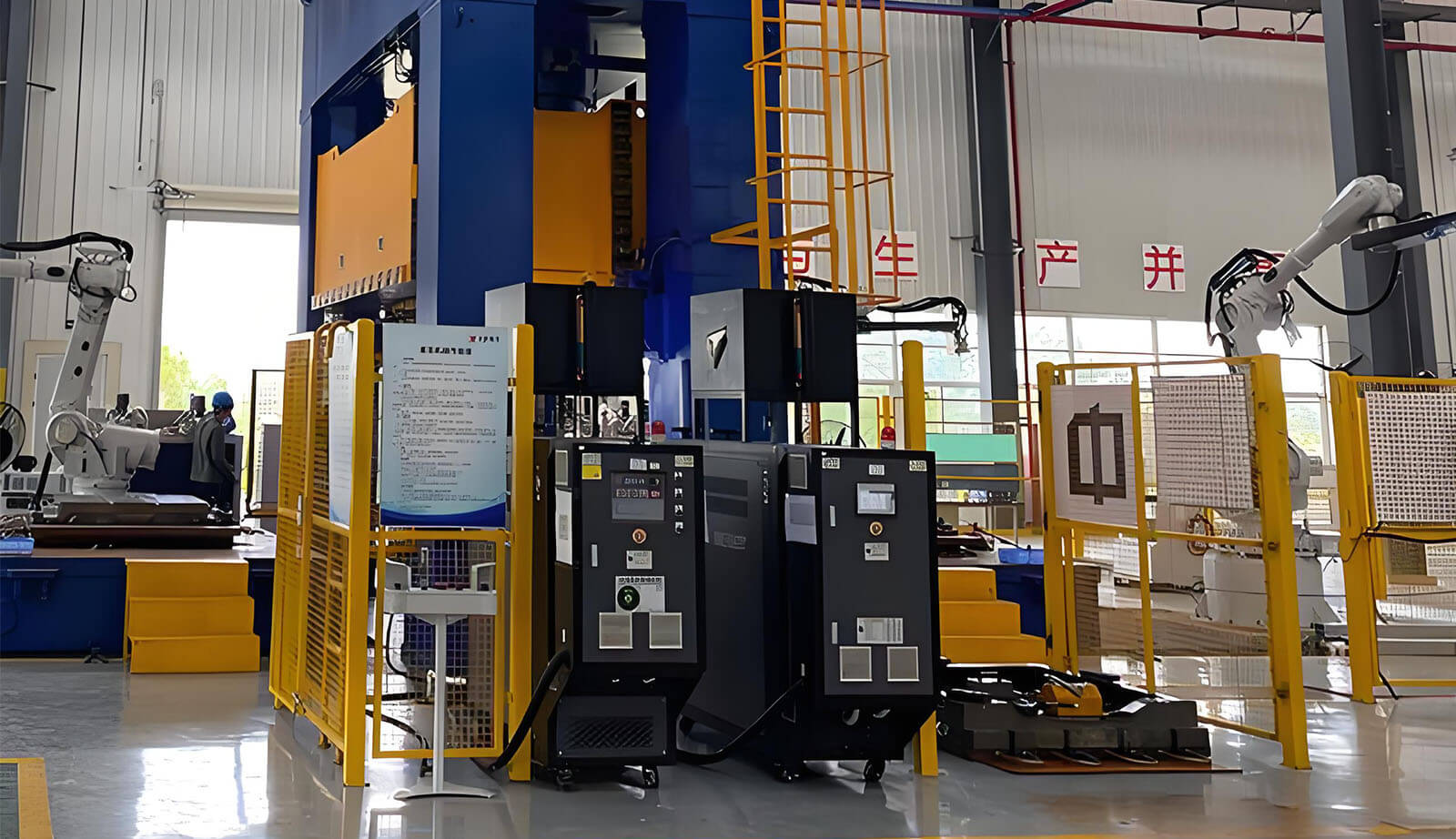
Carbon Fiber Composite Material Hot Pressing Molding Process
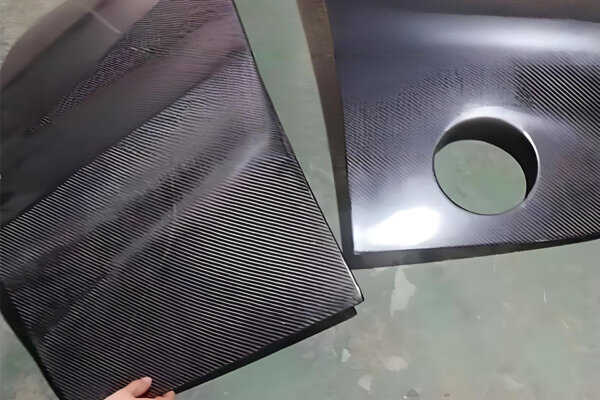
Our factory employs an advanced carbon fiber hot press process with a P20 steel mold, ensuring high efficiency, precision, durability, and cost-effectiveness for quality production.
Looking to buy high-quality carbon fiber plates? We are a professional carbon fiber plates manufacturer supplying OEM and custom CFRP sheets for global clients.
Our factory produces carbon fiber plates based on your CAD drawings, thickness requirements, and surface specifications — ideal for aerospace, automotive, and industrial applications.
We support small batch prototypes and large-scale production with stable quality and competitive factory pricing.
We make our plates from Carbon Fiber Reinforced Polymer (CFRP). That means you get the best of both worlds: the stiffness of steel and the light weight of plastic. As a trusted carbon composite manufacturer, we know what engineers and builders need.
Let’s break it all down for you.
Carbon fiber plates are flat, rigid sheets made from layers of carbon fiber and epoxy resin. Think of them like a sandwich. Each layer adds strength. The result? A material that’s 70% lighter than steel and 40% lighter than aluminum — but just as strong, if not stronger.
Companies like Toray Industries, Hexcel, and Teijin Carbon make the raw fiber. We turn that fiber into ready-to-use CFRP plates that you can cut, drill, and bond right away.
Here’s what you need to know before you buy. No guessing. Just facts.
| Parameter | Details |
|---|---|
| Material | Carbon Fiber Reinforced Polymer (CFRP) |
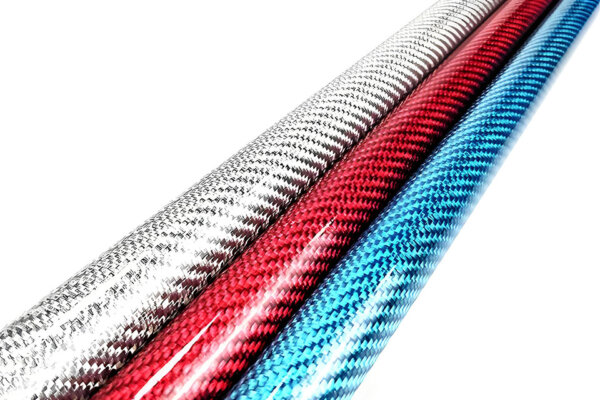
| Weave Patterns | Unidirectional, Twill weave, Plain weave |
| Thickness Range | 0.5mm – 50mm |
| Standard Sizes | 1000mm x 500mm, 1200mm x 600mm |
| Tensile Strength | 500–700 MPa |
| Density | 1.5–1.6 g/cm³ |
| Temperature Range | -50°C to +120°C |
| Surface Finish | Glossy, Matte, or Textured |
| Color Options | Black (standard), custom epoxy coatings |
| Certifications | ISO 9001, MIL-SPEC, RoHS compliant |
These numbers matter. A tensile strength of 500–700 MPa means the plate can handle serious stress. A density of just 1.5–1.6 g/cm³ means it won’t weigh your project down. Compare that to steel at 7.8 g/cm³. The difference is huge.
Here’s why engineers, designers, and builders choose carbon fiber sheets over metals every time.
Not all plates are the same. The carbon fiber weave patterns change how the plate performs.
| Weave Type | Best For | Look |
|---|---|---|
| Unidirectional carbon fiber | Maximum strength in one direction | Clean, striped finish |
| Twill weave carbon fiber | Balanced strength + flexibility | Classic diagonal pattern |
| Plain weave carbon fiber | Even strength in all directions | Checkerboard pattern |
Most buyers pick twill weave for its look and balance. Aerospace engineers often go with unidirectional for maximum load-bearing. It depends on your job.
Good question. The process matters. Here’s how carbon fiber fabrication works from start to finish. [4]
Some plates use the carbon fiber pultrusion method for long, uniform shapes. Others use the carbon fiber layup process for custom curves and panels. We also offer carbon fiber 3D printing for complex prototype parts.
The carbon fiber epoxy resin we use meets aerospace and military standards. That’s not a claim — it’s backed by our ISO 9001 and MIL-SPEC certifications.
The short answer? Almost anything. Here are the top uses.
Boeing, Airbus, Lockheed Martin, Northrop Grumman, NASA, and SpaceX all use carbon fiber aerospace panels in their designs. Why? Because carbon fiber in aerospace cuts weight without cutting safety. You’ll find these plates in:
Speed lovers know this material well. Tesla, BMW i-Series, Lamborghini, McLaren Automotive, Porsche, Pagani, and Koenigsegg all rely on carbon fiber car parts for weight reduction. Check out our full range of high-performance carbon fiber car components for your next build.
Uses include:
For riders, don’t miss our carbon fiber motorcycle parts and upgrades — built for performance and style.
Factories and engineers love carbon fiber in industrial uses because the plates are stiff, light, and easy to machine. Common uses:
Athletes and equipment makers use carbon fiber in sports equipment to gain an edge. Think of the Nike Vaporfly and Adidas Adizero — both use carbon fiber plates in the soles for energy return.
Other uses:
Yes, carbon fiber shows up in everyday life too. It’s not just for engineers.
Engineers use carbon fiber in construction to make buildings safer and stronger. Key uses include:
Still on the fence? Here’s a straight comparison.
| Property | Carbon Fiber | Aluminum | Steel |
|---|---|---|---|
| Weight | 1.5–1.6 g/cm³ | 2.7 g/cm³ | 7.8 g/cm³ |
| Tensile Strength | 500–700 MPa | 270–310 MPa | 400–550 MPa |
| Corrosion Resistance | Excellent | Moderate | Poor |
| Stiffness | Very High | Moderate | High |
| Cost per kg | Higher | Lower | Lowest |
| Machinability | CNC-friendly | Easy | Moderate |
Carbon fiber vs. aluminum and carbon fiber vs. steel — the plate wins on strength-to-weight every time. Yes, carbon fiber cost per kg is higher. But the carbon fiber weight savings pay off fast in fuel, speed, and performance.
You can work with these plates using standard tools. Here’s what works best. [3]
For full custom parts, visit our custom carbon fiber fabrication service — we handle design, cutting, and finishing for you.
Need something beyond a flat plate? We offer these too.
| Panel Type | What It Is | Best Use |
|---|---|---|
| Carbon fiber honeycomb panels | Carbon skins over aluminum honeycomb core | Aerospace, racing |
| Carbon fiber sandwich panels | Two carbon skins with foam core | Marine, construction |
| Carbon fiber laminates | Multi-layer bonded sheets | Structural parts |
| Carbon fiber ballistic plates | Hardened CFRP for impact resistance | Carbon fiber armor, military |
| Carbon fiber tooling plates | Flat, precision-ground surfaces | Jigs, molds, fixtures |
Carbon fiber military applications and carbon fiber ballistic plates meet strict MIL-SPEC standards. These aren’t your average hobby-shop sheets.
We follow the rules set by the top bodies in the composites world.
Our production also aligns with software tools like Autodesk for design and ANSYS for stress testing and carbon fiber bending strength simulation. That means every plate ships with verified performance data.
We source from the world’s best.
We work with certified suppliers so you get consistent carbon fiber modulus, strength, and finish — every order.
We keep it simple.
Our custom composite factory handles everything from single prototype plates to full production runs. Fast turnaround. Consistent quality. No headaches.
Carbon fiber plates give you more strength for less weight. They resist rust, handle heat, and work in dozens of industries — from carbon fiber drone frames to carbon fiber boat hulls to carbon fiber wind turbine blades. Whether you need a small hobby plate or a full aerospace panel, we have the right spec for your job.
Strong. Light. Reliable. That’s carbon fiber.
The price of carbon fiber plates depends on thickness, size, material grade, and production method (prepreg or infusion).
As a factory, we offer competitive pricing based on your specific requirements. Contact us with your drawings or specifications to get an accurate quotation.
If you are looking for a reliable carbon fiber plate supplier, we offer:
Send us your requirements and get a fast quotation within 24 hours.
Q: Can I buy custom carbon fiber plates? A: Yes, we manufacture carbon fiber plates based on your drawings and specifications.
Q: Do you offer OEM carbon fiber sheets? A: Yes, we specialize in OEM and ODM production for global clients.
Q: What is the minimum order quantity? A: MOQ depends on thickness and size. We support prototype and small batch orders.
👉 Get a Quote for Custom Carbon Fiber Plates Today Send your drawings or specifications — our engineering team will review and provide a quotation within 24 hours.
Certifications: ISO 9001 | MIL-SPEC | RoHS Compliant Suppliers: Toray | Hexcel | SGL Carbon | Teijin | Zoltek Ships worldwide | Bulk discounts available
Our factory employs an advanced carbon fiber hot press process with a P20 steel mold, ensuring high efficiency, precision, durability, and cost-effectiveness for quality production.
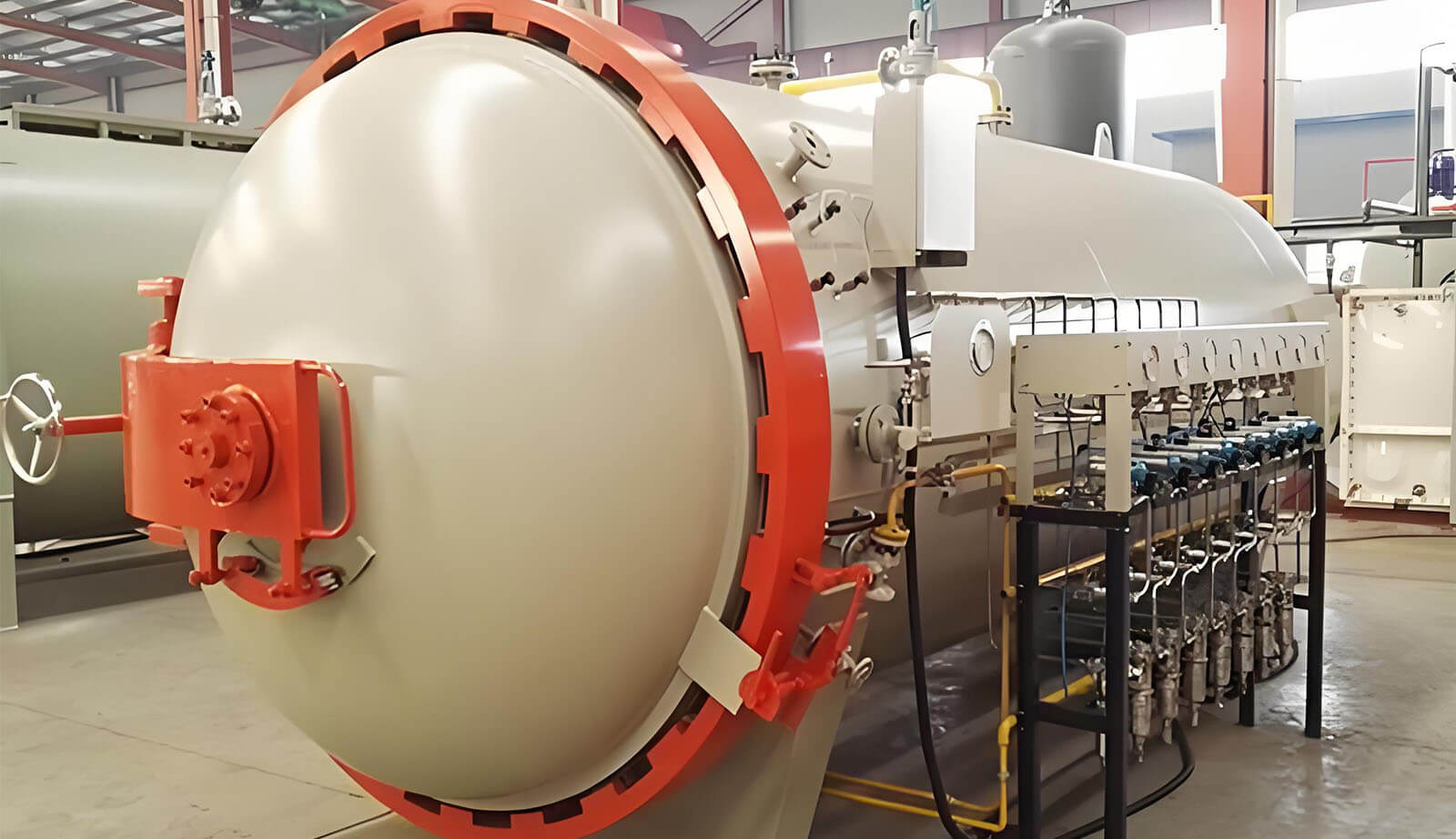
Our factory runs 100+ hot pressure autoclaves, using aluminum molds and vacuum induction to shape carbon fiber with precision. High heat and pressure enhance strength, stability, and flawless quality.
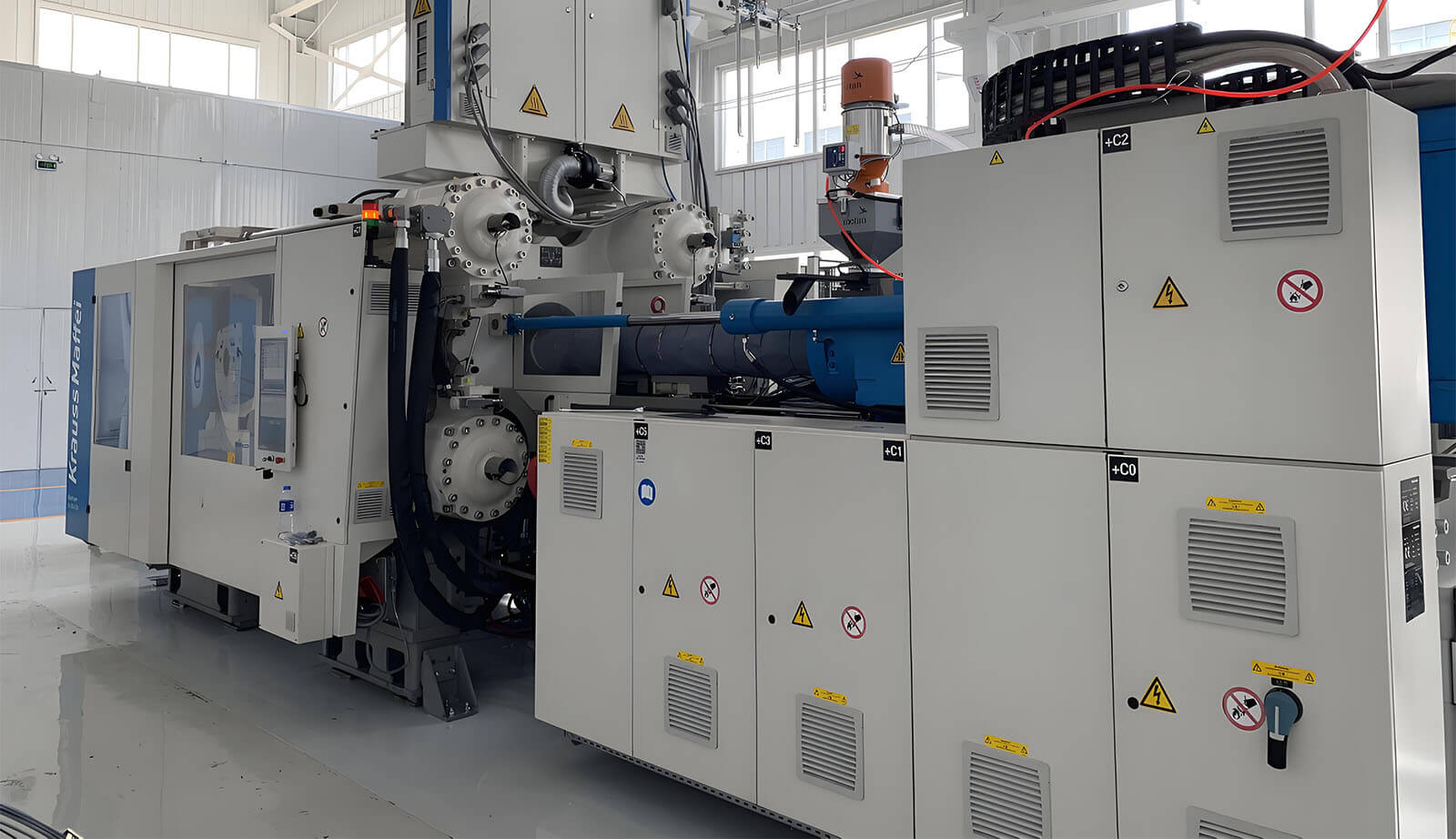
Our Carbon Fiber Research Center drives innovation in new energy, intelligence, and lightweight design, using advanced composites and Krauss Maffei Fiber Form to create cutting-edge, customer-focused solutions.
Here are the answers to the frequently asked questions from the experienced carbon fiber products factory
We produce a wide range of carbon fiber components, including automotive parts, motorcycle parts, aerospace components, marine accessories, sports equipment, and industrial applications.
We primarily use high-quality prepreg carbon fiber and large-tow carbon fiber reinforced high-performance composites to ensure strength, durability, and lightweight characteristics.
Yes, our products are coated with UV-protective finishes to ensure long-lasting durability and maintain their polished appearance.
Yes, our facilities and equipment are capable of producing large-size carbon fiber components while maintaining precision and quality.
What are the benefits of using carbon fiber products?
Carbon fiber offers exceptional strength-to-weight ratio, corrosion resistance, stiffness, thermal stability, and a sleek, modern appearance.
We cater to automotive, motorcycle, aerospace, marine, medical, sports, and industrial sectors with a focus on lightweight and high-performance carbon fiber components.
Yes, we provide custom carbon fiber solutions tailored to your specifications, including unique designs, sizes, and patterns.
We utilize advanced technologies such as autoclave molding, hot pressing, and vacuum bagging, ensuring precision, stability, and quality in every product. wonders with the Hello Elementor Theme, we’re trying to make sure that it works great with all the major themes as well.
We use aluminum and P20 steel molds, designed for durability and high accuracy, to create complex and precise carbon fiber components.
Our products undergo rigorous quality control checks, including dimensional accuracy, material integrity, and performance testing, to meet industry standards.