
Carbon Fiber Composite Material Hot Pressing Molding Process
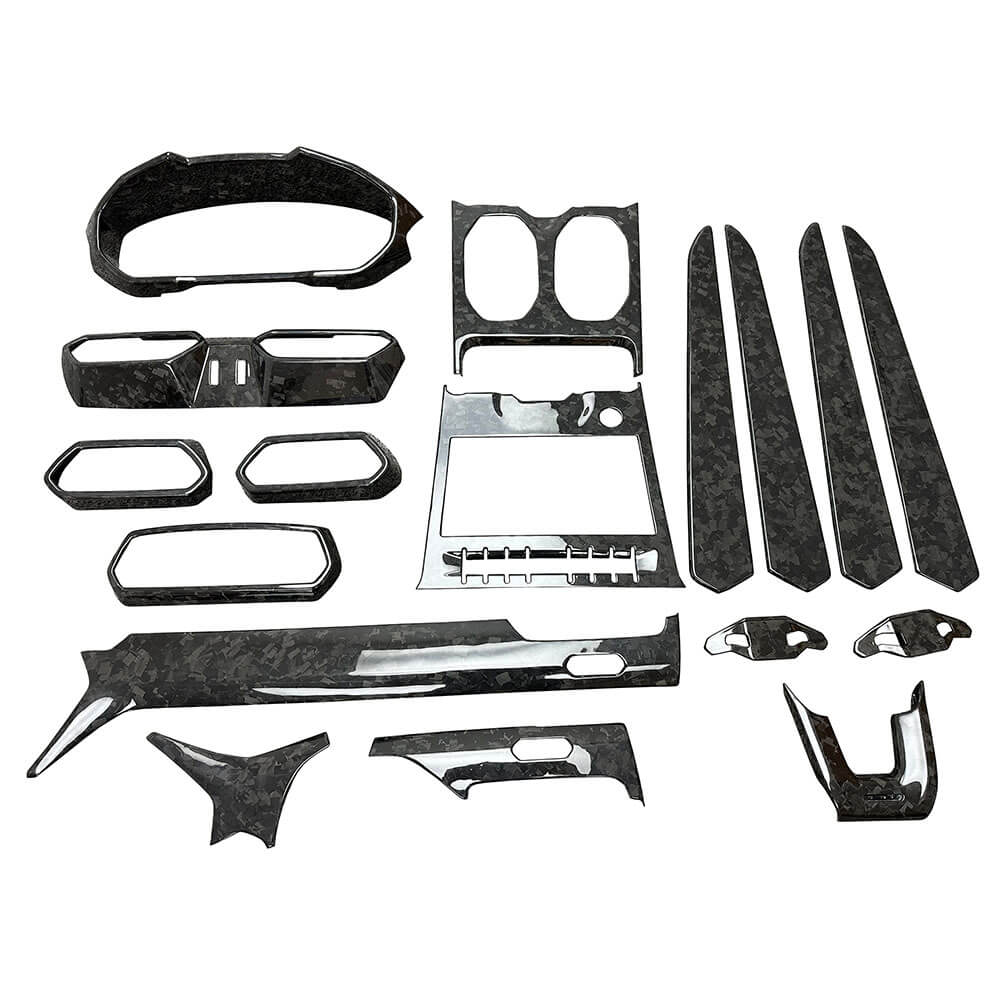
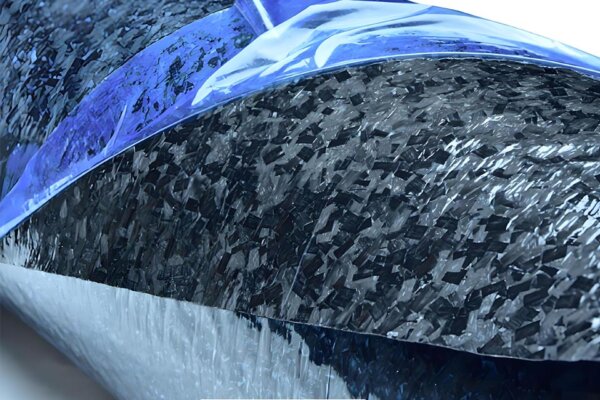
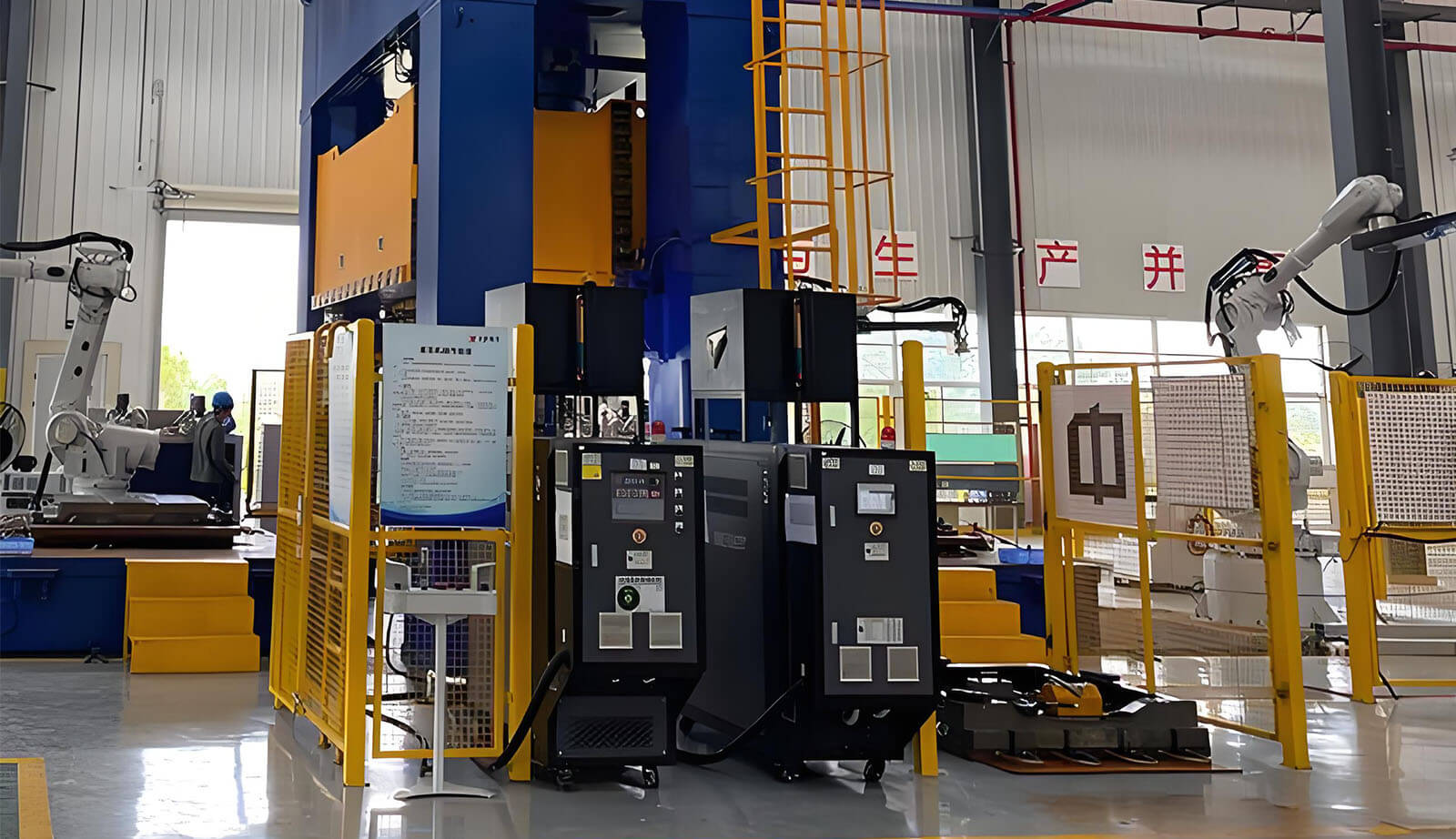
Our factory employs an advanced carbon fiber hot press process with a P20 steel mold, ensuring high efficiency, precision, durability, and cost-effectiveness for quality production.
SC Composite offers custom Lamborghini Temerario carbon fiber body kits, exterior aero components, engine bay panels and interior trim for owners, tuning shops and aftermarket brands. Our manufacturing capabilities include prepreg carbon fiber, autoclave curing, mold development, vacuum infusion and CNC trimming. Our Temerario program has completed mold development and received customer orders. Existing-tooling components are offered on a made-to-order basis, subject to part-specific availability and fitment confirmation. Additional designs can be developed through our OEM/ODM service.
Request Temerario pricing and availability
| Buying question | SC Composite approach |
|---|---|
| Company | SC Composite, China |
| Experience | Automotive composite manufacturing and custom tooling development |
| Autoclave capacity | Prepreg curing in a controlled autoclave; equipment details below |
| Machining and inspection | CNC trimming and project-specific dimensional and laminate inspection |
| Product scope | Individual exterior and interior components, coordinated aero kits and bespoke bodywork |
| Manufacturing | Prepreg/autoclave, vacuum infusion and selected compression-molded carbon finishes |
| Vehicle compatibility | Standard Coupé, Alleggerita-equipped vehicles and Spyder assessed separately |
| Availability | Temerario molds developed; customer orders received. Confirm individual parts and production availability on inquiry. |
| Installation | Replacement or add-on design, with attachment method agreed before production |
| Pricing and lead time | Project quotation based on tooling, specification, quantity and validation requirements |
| OEM/ODM | Custom tooling, prototype approval and small-batch or wholesale production |
| Shipping | EXW or international delivery options, including DDP where available |
Our Temerario tooling program is established and customer orders have been received. The catalogue below covers the component categories we handle through existing tooling or additional custom development. Ask us to confirm which specific molds are available for your requested configuration. Products using existing tooling can be ordered for production; this is not a live stock list. For finished parts on other models, browse our full range of carbon fiber car parts. Material choices are proposed routes, subject to geometry, loads and operating conditions. Existing tooling, exact installation method, price and compatibility are confirmed individually.
| Component | Material/process options | Fitment and engineering considerations |
|---|---|---|
| Front lip / splitter | Continuous-fiber prepreg | Underbody interface, clearance, attachment loads |
| Front bumper / canards | Prepreg or infusion | Sensor openings, bumper interfaces, local reinforcement |
| Hood / vent trim | Prepreg | Latches, ventilation, inner geometry |
| Side skirts | Prepreg or infusion | Sill geometry, jacking access, ground clearance |
| Side intake trim | Prepreg | Intake opening and attachment |
| Mirror covers | Prepreg or decorative forged carbon | Housing, camera and indicator clearance |
| Rear diffuser | Prepreg | Underfloor interface, exhaust clearance, heat exposure |
| Rear wing / spoiler | Engineered continuous-fiber laminate | Brackets, load transfer, deck geometry |
| Engine bay panels | Temperature-appropriate resin system | Heat shielding, ventilation and clearances |
| Roof components | Project-specific composite | Fixed-roof geometry or separate Spyder mechanism review |
| Interior trim | Prepreg or decorative forged carbon | Clips, controls, airbag and display clearance |
| Full aero / widebody kit | Project-specific laminate and tooling | Complete vehicle integration |
All entries require an individual fitment review; no Coupé-to-Spyder interchangeability is implied. Weight comparisons and validated installation details can be supplied when corresponding measurements are available.
The Temerario replaces the Huracán and uses a completely different powertrain. Its 4.0-liter twin-turbo flat-plane V8 works with three electric motors to produce 920 CV (about 907 hp / 677 kW) combined, and the engine revs to 10,000 rpm.
These technologies change where the cooling ducts, underbody panels, engine covers and aerodynamic surfaces sit. A Temerario carbon fiber body kit therefore has to do more than copy the visible shape of a factory part. Mounting points, airflow and heat protection all have to be designed from the start.
These figures describe the original vehicle, not the performance of SC Composite parts. Source: Lamborghini official model information.
| Specification | Lamborghini Temerario |
|---|---|
| Powertrain | 4.0L twin-turbo V8 + three electric motors |
| Engine architecture | 90° Hot-V, flat-plane crankshaft |
| Combined output | 920 CV / ≈907 hp / 677 kW |
| Engine output / torque | 800 CV / 730 Nm |
| Redline | 10,000 rpm |
| Transmission | 8-speed dual-clutch |
| Drivetrain | AWD with electric front-axle torque vectoring |
| Hybrid battery | 3.8 kWh |
| 0–100 km/h | 2.7 s (Coupé) |
| Top speed | 343 km/h |
| Chassis | Aluminum spaceframe |
| Factory Alleggerita package | SC Composite carbon parts | |
|---|---|---|
| When you can get it | Chosen when the car is ordered | After delivery, subject to development feasibility |
| Scope | Fixed factory parts list | Single parts, a coordinated kit or a bespoke design |
| Finishes | Factory specification | Twill / plain weave, gloss / matte, forged, matched to a sample you send |
| Fits cars built without Alleggerita | — | Subject to individual fitment review |
| Approved by Lamborghini | Yes | No. We are an independent aftermarket manufacturer |
| Published performance data | Lamborghini figures | Only data we have measured ourselves |
You don’t need to start with a widebody conversion. Request pricing for individual components or a coordinated exterior package using available molds, or discuss a bespoke kit that requires additional tooling.
| Component | What we check during development |
|---|---|
| Front lip / splitter | Ground clearance, mounting stiffness, how it meets the underbody |
| Front bumper | Factory attachment points, openings, gaps to neighboring panels |
| Front canards | Attachment loads, local reinforcement of the bumper |
| Front hood / bonnet | Latch interfaces, inner structure, panel alignment |
| Front air intake trim | Airflow passages, attachment method |
| Front fenders | Wheel clearance, alignment with the bumper and side panels |
A splitter is judged as an installed assembly, not as a carbon surface. If it sticks out further, it reduces approach clearance and puts more load on its mounting points. The intended use informs laminate and reinforcement requirements, which must be validated for functional aero parts.
| Component | What we check during development |
|---|---|
| Side skirts | Jacking-point access, sill geometry, ground clearance |
| Side air intake covers | Intake opening kept clear |
| Mirror covers | Housing geometry, clearance for cameras and indicators |
| Fender extensions | Wheel envelope, fastening |
| Door sill covers | Entry clearance, abrasion resistance |
Left and right parts can be specified with mirrored weave layouts, so the carbon pattern looks symmetrical on both sides of the car where the part shape allows.
| Component | What we check during development |
|---|---|
| Rear diffuser | Underfloor interfaces, exhaust clearance |
| Rear wing | Load path, brackets, inserts, validation |
| Ducktail spoiler | Deck geometry, opening clearance |
| Rear bumper | Exhaust openings, sensors |
| Rear vent covers | Ventilation area, heat exposure |
For a wing that generates real downforce, the blade, uprights, fasteners and mounting structure must be evaluated as one system. A good-looking blade on its own proves nothing about whether the whole assembly is safe at high speed.
Dashboard trim, center console panels, door trim, air vent surrounds and instrument cluster surrounds. We concentrate on edge finish, clip geometry, even gaps and a gloss level that matches any factory carbon trim. Parts near airbags, restraints or displays get an additional safety review. We do not supply complete steering wheel assemblies.
For owners who want to keep the factory proportions: front lip, side skirt accents, mirror covers, intake trim and selected rear trim. This is the least invasive option. We confirm for each part whether it uses the factory mounting points.
A matched splitter, side skirts, diffuser and wing or spoiler with consistent profiles and finishes. We agree with you up front whether the car will be used on the road or on track, and what validation is needed. The word “aero kit” does not by itself promise any downforce or drag figure.
Redesigned fenders, bumpers, skirts and arch extensions, developed together with your wheel offset, tire size, suspension travel and steering clearance. Any permanent change to the car is identified before the design is finalized.
For tuning brands: we work from your CAD data, authorized reference parts or scan data, using private tooling and the branding you specify, under NDA. See how our custom carbon fiber manufacturing service handles private-label and ODM projects.
A part designed for a standard Temerario may not fit an Alleggerita-equipped car. The package changes aerodynamic parts and uses carbon fiber in several panels. We check compatibility against your car’s actual factory specification, not just the model name.
Coupé parts do not automatically fit the Spyder. Lamborghini describes the Spyder as using an electrically operated retractable hardtop with vertical folding kinematics (official Spyder information). A part that fits a Coupé when the car is parked could still hit the moving roof on a Spyder. We therefore check the roof’s full range of movement for every part near the roof, rear deck, rear window and engine cover.
| Vehicle configuration | How we check fitment |
|---|---|
| Temerario Coupé | Each part checked against the standard car |
| Coupé with Alleggerita package | Package-specific geometry and mounting points |
| Temerario Spyder | Separate review, including the roof’s full range of movement |
| Left- / right-hand drive | Interior trim geometry |
| Previously modified car | Existing aftermarket parts and their mounting points |
Send us the model year, whether it is a Coupé or Spyder, its factory option packages, photos of the area, any previous modifications, and original part numbers or CAD files if you have them. For bodywork, also tell us about any sensors, cameras or nose-lift system in that area.
Prepreg is carbon fabric supplied with a controlled amount of resin already in it. We cut it, lay it into the mold, seal it under a vacuum bag and cure it in an autoclave under heat and pressure according to the selected resin system. Cure parameters are selected for the resin system and part geometry. Controlled consolidation can help reduce porosity and improve surface consistency; thickness and cosmetic quality still depend on tooling, layup and process control. For a deeper explanation of the material, read our guide to prepreg carbon fiber.
“Dry carbon” is an industry term. It does not mean the part contains no resin. What determines a part’s properties is the laminate design, the fiber volume and how well it is cured. We explain what dry carbon fiber actually means in a separate article.
In vacuum infusion, a vacuum draws liquid resin through dry carbon fabric laid within a sealed vacuum-bag arrangement over a mold. It can suit large panels and cost-sensitive projects while still allowing engineered lightweight laminates. Vacuum infusion and hand wet layup are different processes, and our quotations state which one is used.
| Prepreg / Autoclave | Vacuum Infusion | |
|---|---|---|
| Resin | Pre-impregnated | Liquid resin drawn in during the process |
| Consolidation | Vacuum + autoclave pressure | Atmospheric pressure differential under vacuum |
| Weight potential | High potential with a controlled laminate | Depends on laminate design, resin content and consolidation |
| Cost | Higher | Lower for suitable designs |
| Best for | Aero parts, engine bay, exposed cosmetic carbon | Large panels, cost-sensitive volumes |
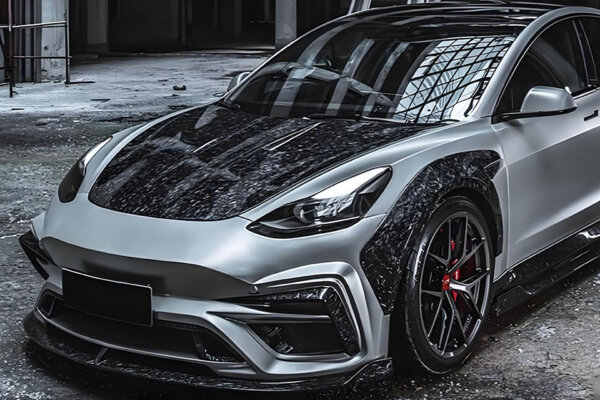
Forged carbon commonly uses chopped fibers that create the marbled pattern. It suits decorative parts. The pattern says nothing about strength, so a decorative forged-carbon specification must not substitute for a validated structural laminate.
We choose aluminum or composite molds according to the part’s shape, the cure temperature, the quantity and the accuracy required. Learn more about carbon fiber mold manufacturing and tooling preparation. After molding, 5-axis CNC trimming sets the edges, openings and mounting features. On visible carbon parts, this also determines how the edges look and how even the gaps are.
The following capabilities are described on our composite manufacturing facilities page. Equipment ratings are not product cure settings or guaranteed finished-part tolerances; process parameters and inspection requirements are agreed for each project.
| Equipment | Specification | Used for |
|---|---|---|
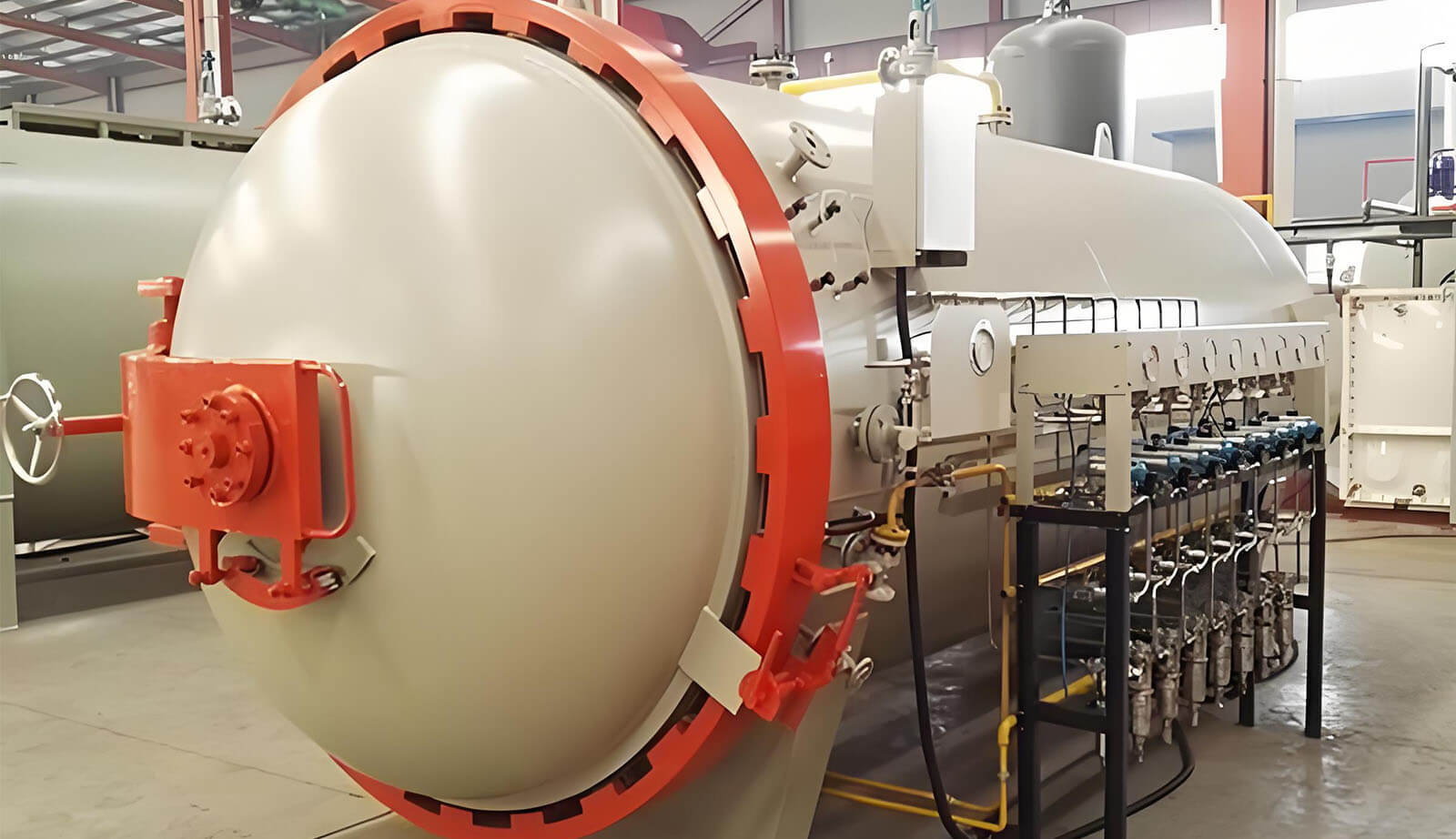
| Autoclave | 1.6 m × 4 m, rated 10 bar / 250 °C, published ±2.5 °C temperature uniformity and ±0.1 bar pressure accuracy | Prepreg curing and consolidation |
| Prepreg freezers | Cold storage for prepreg materials | Controlling material shelf life |
| 5-axis CNC machining centers | Machining capability up to ±0.025 mm under suitable conditions; finished composite part tolerances are project-specific | Edge trimming, openings, mounting features |
| CAD and engineering tools | SolidWorks, CATIA and finite element analysis | Part, mold and laminate design |
| Ultrasonic C-scan | Water-coupled, non-destructive | Detecting internal defects in CFRP |
| CMM | Coordinate measuring machine | Dimensional checks against CAD data |
The splitter changes how air passes from the front bumper to the underbody. We review how it interacts with the factory underbody panels, suspension travel, the front nose-lift system if fitted, and likely contact with the ground.
A wing passes its downforce through its brackets into the body structure. The laminate schedule, inserts and brackets must be specified and validated for the agreed use. A good visual fit is not proof that the wing is structurally suitable. For track use, the validation is agreed with the engineer responsible for the car.
We design the diffuser around the underfloor, the neighboring panels and the exhaust, including optional titanium exhaust systems. Changing the diffuser’s shape does not automatically improve aerodynamics.
Carbon fiber conducts electricity and is not an insulator. Any proposal near high-voltage equipment requires review by qualified vehicle specialists. Factory cooling passages, electrical isolation and heat protection must not be compromised.
Carbon fiber can block radio-frequency signals, so a part placed in front of a radar sensor or an antenna has to be evaluated first. After installation, any sensor recalibration should be done by a specialist.
We treat a decorative trim panel, a removable exterior cover and a loaded aero part as three different categories. We do not build crash-critical structures or restraint systems, or modify the car’s primary structure.
For components with existing molds, the order process starts with confirming the part list, vehicle configuration, finish, quantity and available tooling. The quotation specifies production lead time, installation requirements and any outstanding validation. Existing molds can avoid new tooling development where the design and interfaces are unchanged. New designs or modified components follow the development process below.
Tooling completion is not the same as verified fitment. For each component we confirm the available validation evidence and agree any required first-article or vehicle fitment checks before production approval.
Tooling ownership, storage and access to technical data are agreed in writing before tooling starts. Confidential projects run under NDA, and you must hold the rights to any design you send us.
For wholesale or private-label quotes, send your expected annual volume along with the first order quantity, so we can price the tooling and the units together.
| Inspection area | How we inspect |
|---|---|
| External dimensions | CMM comparison with CAD data, measuring tools, fixtures |
| Internal laminate quality | Ultrasonic C-scan for critical parts |
| Mounting features | Hole positions, clips, inserts, mating surfaces |
| Surface | Weave alignment, wrinkles, pinholes |
| Finish | Gloss consistency, edge quality |
| Weight | Measured, stating whether it is a bare panel or a complete assembly |
| Fitment | On the car, an approved reference or a fixture |
| Packaging | Surface protection and support for export shipping |
Inspection documentation and material traceability requirements are agreed with the customer before production. Specify any required batch records, material certificates and inspection reports in the inquiry.
How we present evidence:
Our established Temerario tooling program draws on manufacturing capabilities relevant to complex supercar bodywork: coordinated tooling, visible carbon layup, precision trimming and surface finishing. Large exterior assemblies require consistent panel interfaces, whereas engine bay trim requires particular attention to local heat exposure and coating selection.
Our wider range of Lamborghini carbon fiber parts includes development work for Lamborghini’s other hybrid supercar, the Revuelto. See our Revuelto carbon fiber body kit. The Revuelto and Temerario are distinct vehicle platforms. Manufacturing experience on other models is not evidence of Temerario fitment or performance.
For an existing-tooling order or new project, request relevant manufacturing examples and agree the inspection records needed for your application before placing an order.
Price depends on the part’s size, shape, laminate, process, finish, mounting features, whether a mold already exists, and the quantity. Existing-tooling availability and unit pricing are confirmed on inquiry. New designs include development and tooling costs.
| Item | How it is quoted |
|---|---|
| Parts with existing tooling | Quoted after tooling and availability review |
| Custom parts and kits | Quoted against an agreed parts list and specification |
| New tooling | Quoted by design and process |
| Samples | Paid sample and development charges |
| Wholesale | First order quantity plus expected annual demand |
| Lead time | Confirmed per project, including tooling, sample manufacture, fitment review and production |
| Payment | Normally 50% deposit, with the balance due before shipment; custom project milestones agreed in writing |
| Warranty | Applicable written terms confirmed before ordering |
Packaging is selected according to part geometry, fragility and shipping method. Large aero components may require protective foam and export crates. Shipping is quoted EXW, or DDP where available for your destination. Send your country and postcode for a shipping quote.
Yes. Temerario mold development has been completed and customer orders have been received. We confirm the exact parts covered by existing tooling, vehicle compatibility and production schedule with each quotation. Existing tooling does not necessarily mean finished parts are in stock.
Yes, our Temerario program has completed mold development and received customer orders. We quote individual components and kit configurations according to available tooling. Additional designs can be developed separately.
Prepreg/autoclave dry carbon is available for suitable Temerario components. Each quotation states the actual process (prepreg/autoclave, vacuum infusion or forged), and we don’t use “dry carbon” as a loose marketing label.
Dry carbon (prepreg) arrives with its resin already in the fabric. Wet carbon has liquid resin added during manufacture. Autoclave consolidation can improve consistency, but the laminate design, resin system and cure quality determine the final properties and weight.
Not automatically. Parts at the front and along the sills may share the same shape. Parts near the roof, the rear deck and the engine cover need a separate Spyder review because of the folding hardtop.
Only after we confirm it for your car. The Alleggerita package changes some aero parts and panels. Tell us your factory options when you request a quote.
Not necessarily. A replacement saves weight only when the installed assembly weighs less than the original. An add-on cover normally increases weight. No Temerario-specific weight saving is claimed here.
Yes, individual components can be quoted separately. Minimum quantities and production availability depend on the specific part and tooling.
It depends on the specific design. Factory mounting points are preferred where feasible. Any drilling, cutting or permanent bonding is disclosed in the quotation before you order.
We can evaluate weave and finish matching against a physical sample or controlled photographs. We match weave type, tow size, orientation and gloss, but a generic description alone can’t guarantee an exact match.
Yes: gloss, matte, forged and colored carbon, depending on the process and what the part does.
Yes. STEP, STP and IGES files are ideal. We may also ask for data on the mounting points and neighboring panels.
MOQ is project-specific. Single-piece development may be feasible when tooling and setup costs are covered. Wholesale pricing is based on your first order and your expected annual volume.
Parts and custom kits are quoted per project, based on the parts list, material, finish and tooling.
Lead time is confirmed in the quotation. Existing tooling, design approval, new mold manufacture, first-article validation and batch size all affect the schedule.
International shipping is available for eligible destinations. DDP depends on your destination and the logistics options available. Send your country and postcode for a quote.
Our Temerario program is open for orders. Contact us for the current product list, available molds, material and finish options, unit pricing and production lead time. For custom designs, we can separately quote engineering and new tooling.
Please include:
Contact SC Composite about your Temerario project
SC Composite · China
SC Composite is a China-based carbon fiber composite manufacturer offering prepreg, autoclave curing, vacuum infusion, mold making and CNC machining. Vehicle specifications on this page are drawn from Lamborghini’s public information; the manufacturing and fitment sections describe engineering considerations, not completed model-specific tests.
These references describe Lamborghini vehicles, not measured performance or approved fitment of SC Composite products.
Lamborghini and Temerario are trademarks of Automobili Lamborghini S.p.A. We use these names only to identify the vehicles for which our aftermarket parts are offered or developed. SC Composite is an independent aftermarket manufacturer, not affiliated with or endorsed by Automobili Lamborghini S.p.A.
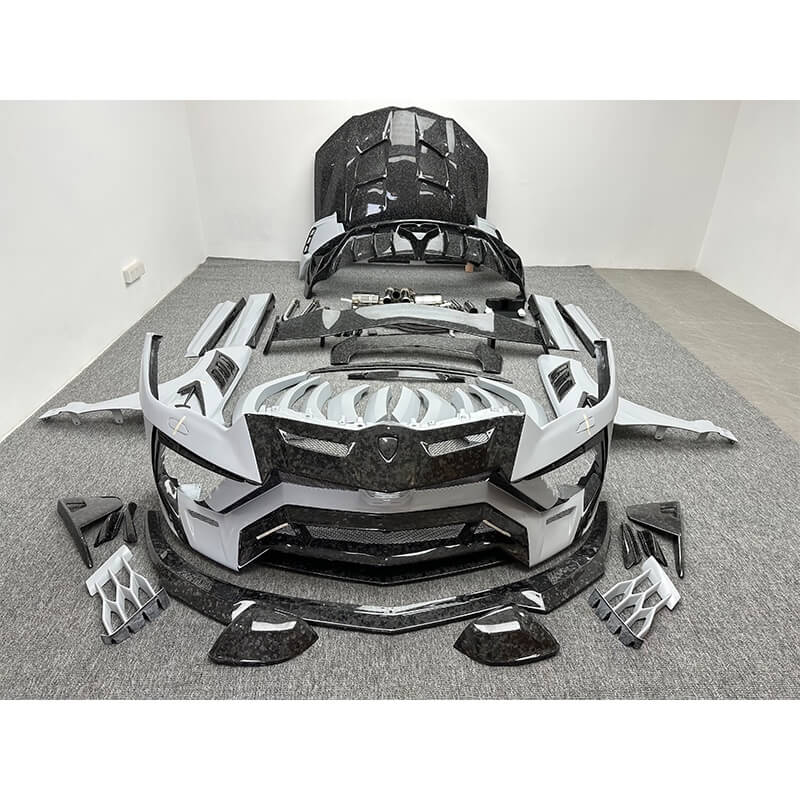
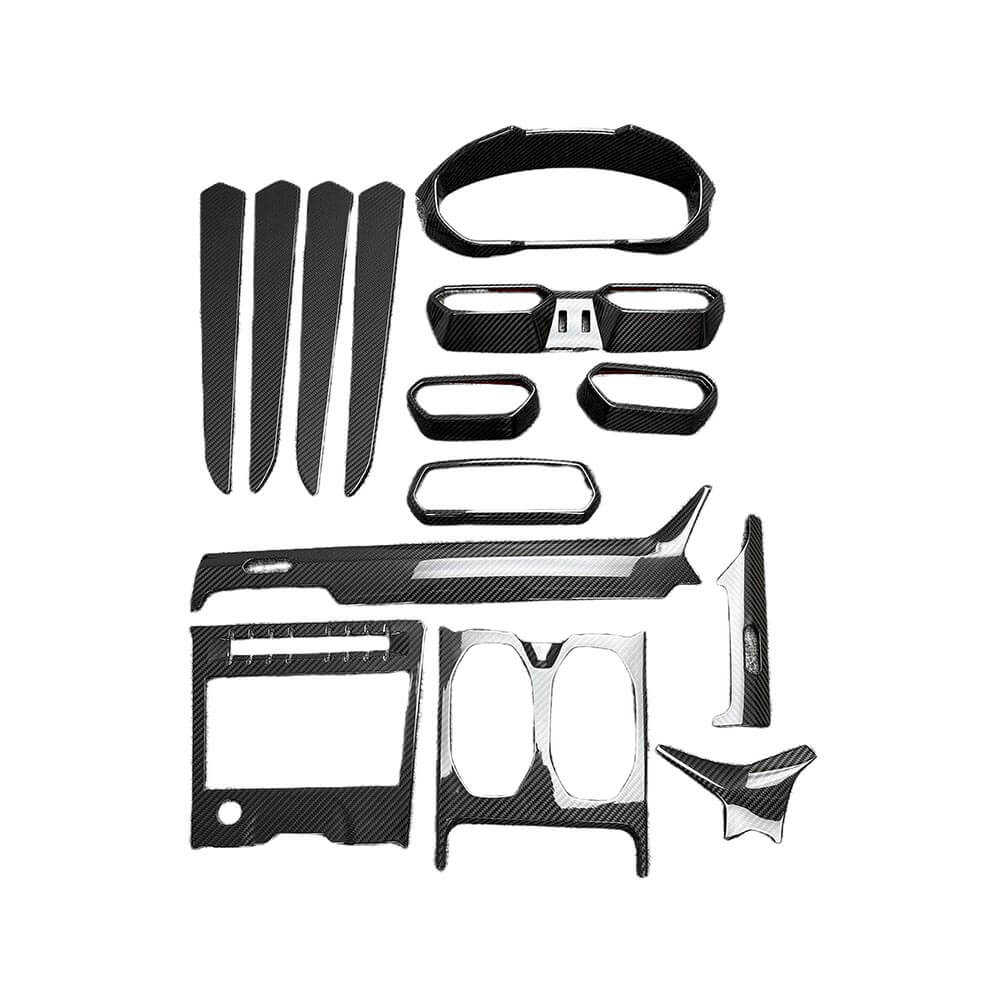
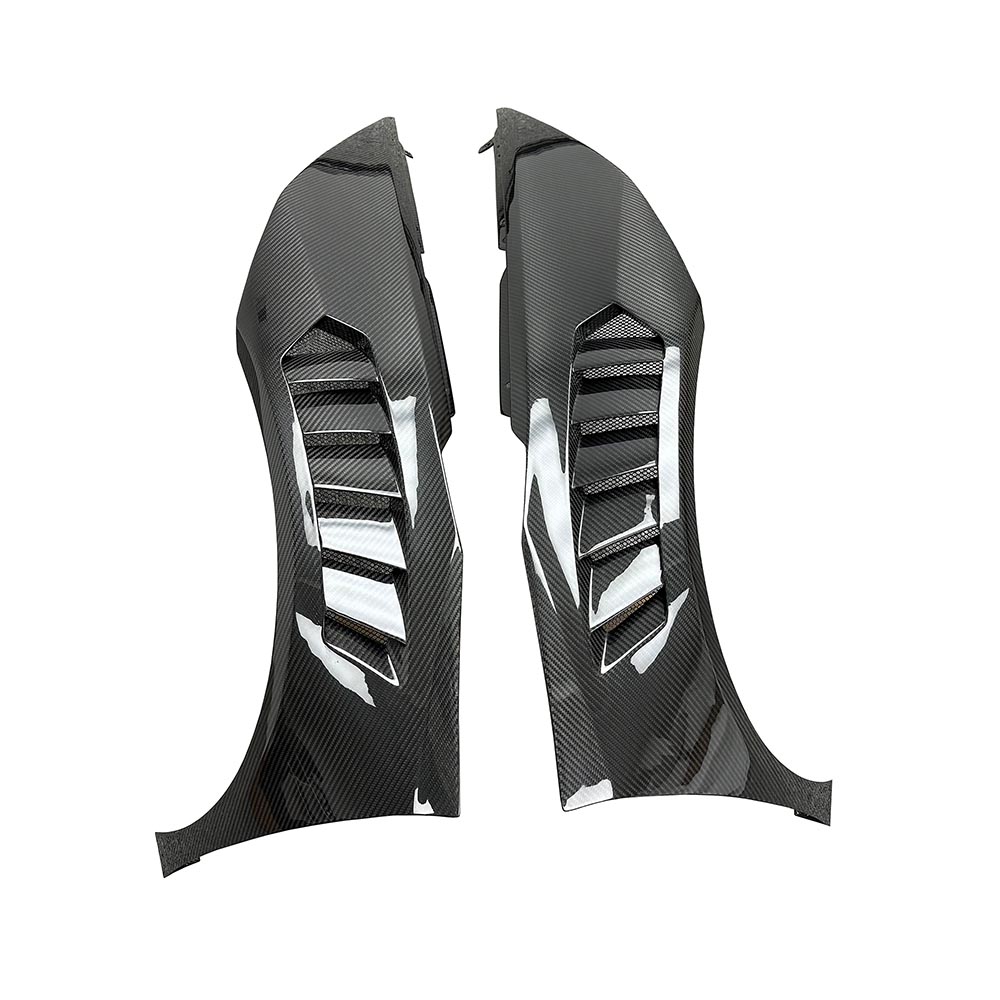
Our factory employs an advanced carbon fiber hot press process with a P20 steel mold, ensuring high efficiency, precision, durability, and cost-effectiveness for quality production.
Our factory runs 100+ hot pressure autoclaves, using aluminum molds and vacuum induction to shape carbon fiber with precision. High heat and pressure enhance strength, stability, and flawless quality.
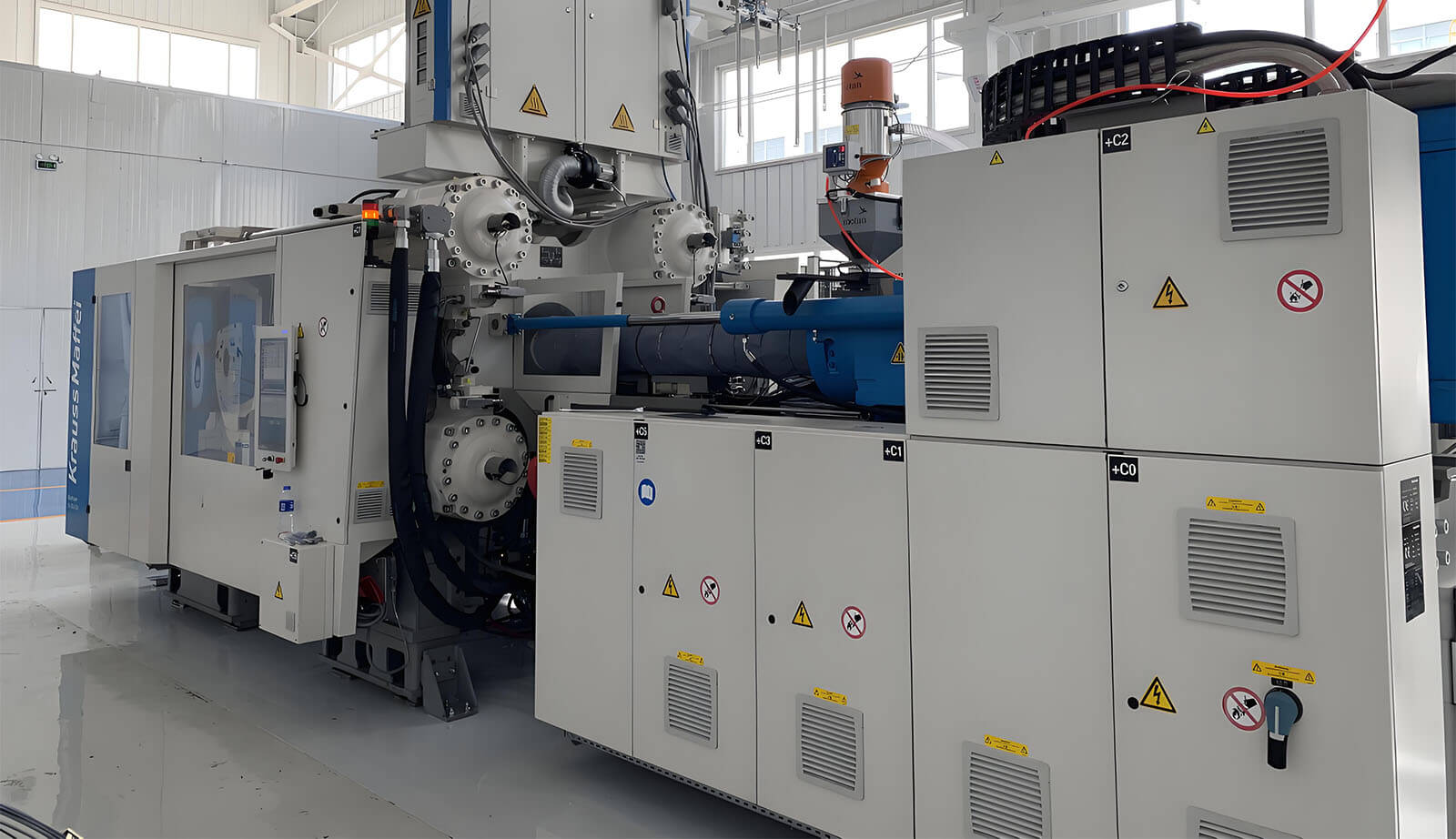
Our Carbon Fiber Research Center drives innovation in new energy, intelligence, and lightweight design, using advanced composites and Krauss Maffei Fiber Form to create cutting-edge, customer-focused solutions.
Here are the answers to the frequently asked questions from the experienced carbon fiber products factory
We produce a wide range of carbon fiber components, including automotive parts, motorcycle parts, aerospace components, marine accessories, sports equipment, and industrial applications.
We primarily use high-quality prepreg carbon fiber and large-tow carbon fiber reinforced high-performance composites to ensure strength, durability, and lightweight characteristics.
Yes, our products are coated with UV-protective finishes to ensure long-lasting durability and maintain their polished appearance.
Yes, our facilities and equipment are capable of producing large-size carbon fiber components while maintaining precision and quality.
What are the benefits of using carbon fiber products?
Carbon fiber offers exceptional strength-to-weight ratio, corrosion resistance, stiffness, thermal stability, and a sleek, modern appearance.
We cater to automotive, motorcycle, aerospace, marine, medical, sports, and industrial sectors with a focus on lightweight and high-performance carbon fiber components.
Yes, we provide custom carbon fiber solutions tailored to your specifications, including unique designs, sizes, and patterns.
We utilize advanced technologies such as autoclave molding, hot pressing, and vacuum bagging, ensuring precision, stability, and quality in every product. wonders with the Hello Elementor Theme, we’re trying to make sure that it works great with all the major themes as well.
We use aluminum and P20 steel molds, designed for durability and high accuracy, to create complex and precise carbon fiber components.
Our products undergo rigorous quality control checks, including dimensional accuracy, material integrity, and performance testing, to meet industry standards.