
Carbon Fiber Composite Material Hot Pressing Molding Process
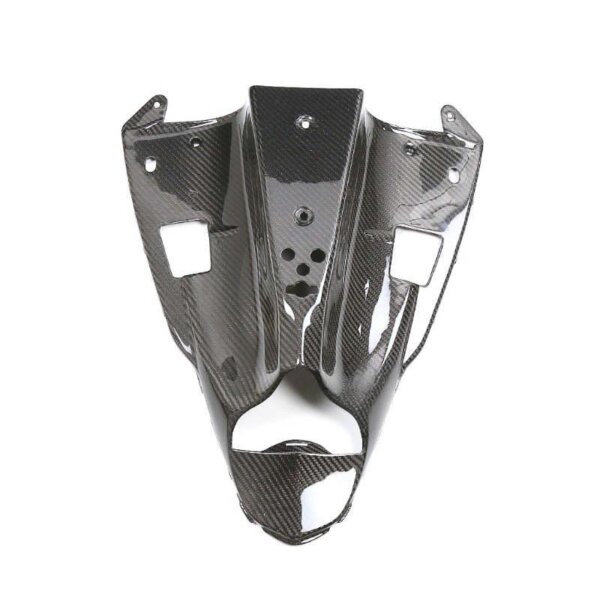
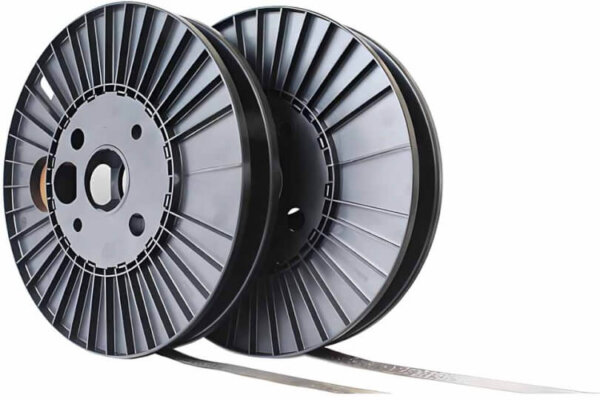
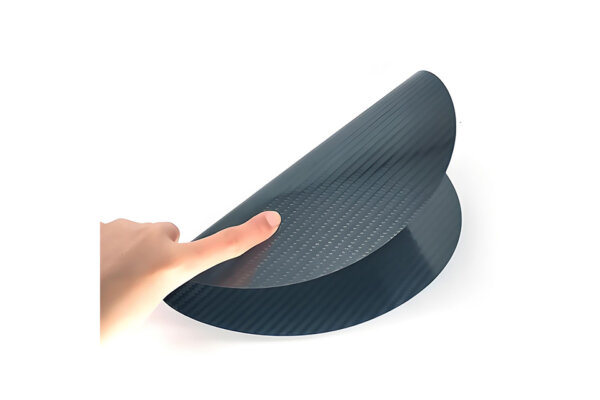
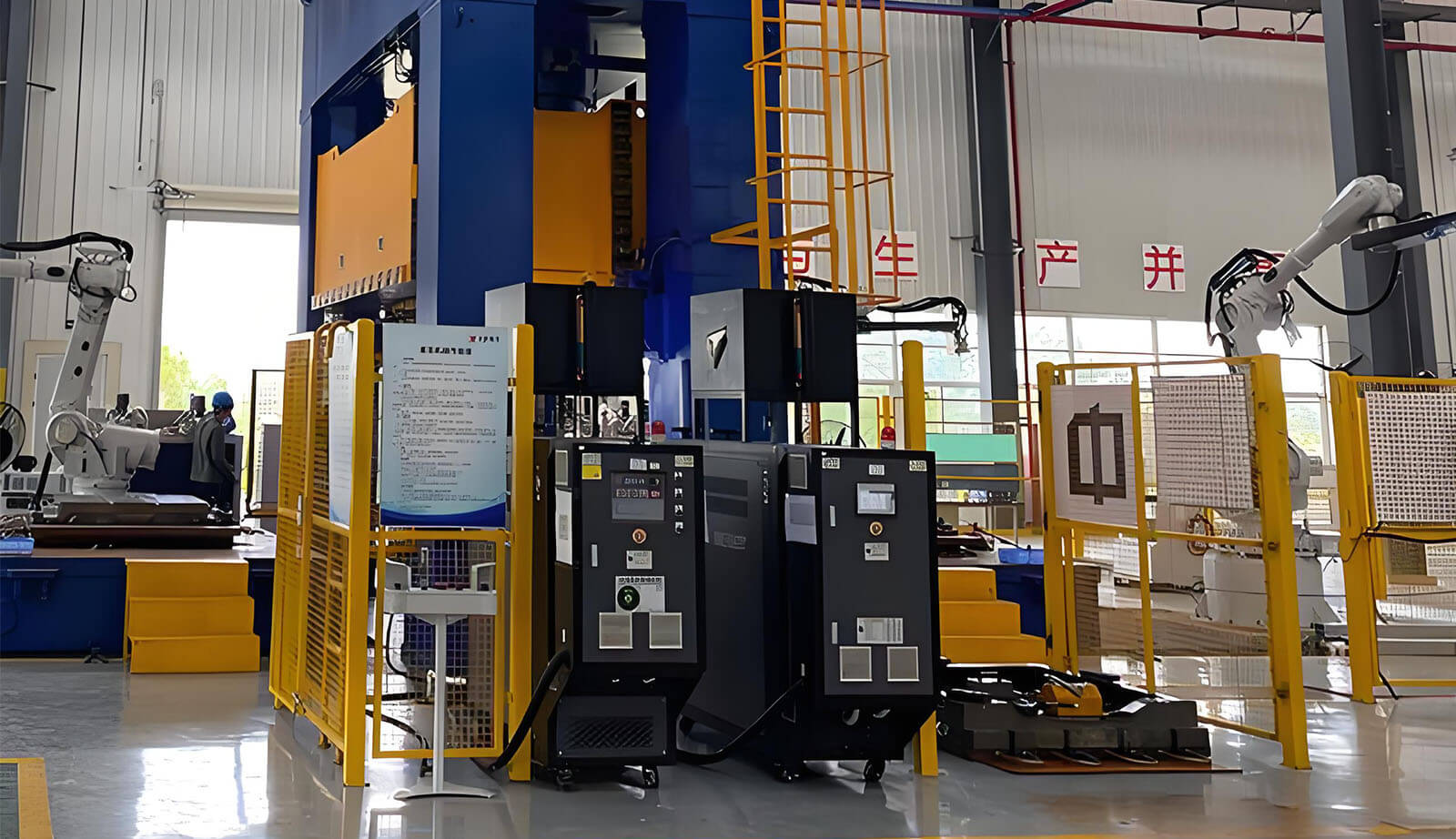
Our factory employs an advanced carbon fiber hot press process with a P20 steel mold, ensuring high efficiency, precision, durability, and cost-effectiveness for quality production.
We manufacture real carbon fiber fairings and body parts for the Yamaha YZF-R1 and R1M. Our production covers individual replacement panels, carbon fiber covers, partial fairing kits, and complete carbon fiber bodywork sets for aftermarket brands, tuning workshops, racing teams, and wholesale distributors.
We are a composite manufacturing factory producing carbon fiber motorcycle parts in-house. Yamaha R1 carbon fiber fairings leave our facility as finished parts — laid up, cured, trimmed, clear-coated and inspected before shipment. We do not operate as a trading-only website or simply resell third-party stock.
Our main production options include prepreg dry carbon, wet carbon, carbon-Kevlar hybrid layup, gloss clear coat, matte clear coat, raw carbon finish, primer finish, and private-label manufacturing for B2B customers.
We can manufacture a wide range of Yamaha R1 carbon fiber fairings, body panels, covers, and race parts. Mold availability depends on the exact model year and part type.
| Part | Notes |
|---|---|
| Front upper fairing / nose cowl | OEM-style replacement, race upper fairing, or custom design |
| Side fairings | Left and right panels, street or racing version |
| Lower fairing / belly pan | OEM-style lower panel or closed race belly pan |
| Tail section / seat cowl | Seat cowl, tail cover, single-seat race unit, or custom tail panel |
| Tank cover / tank side covers | Full tank cover or left/right side covers |
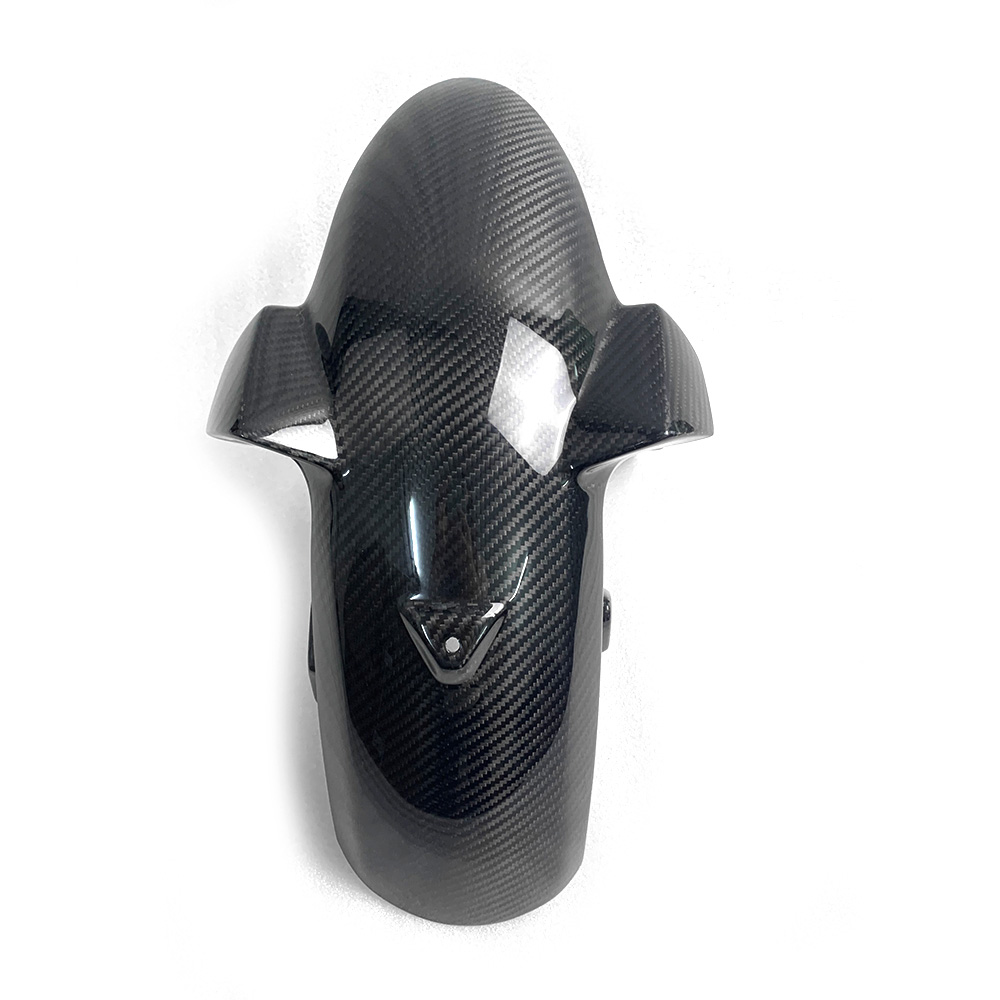
| Front fender | Standard, short race-spec, gloss or matte finish |
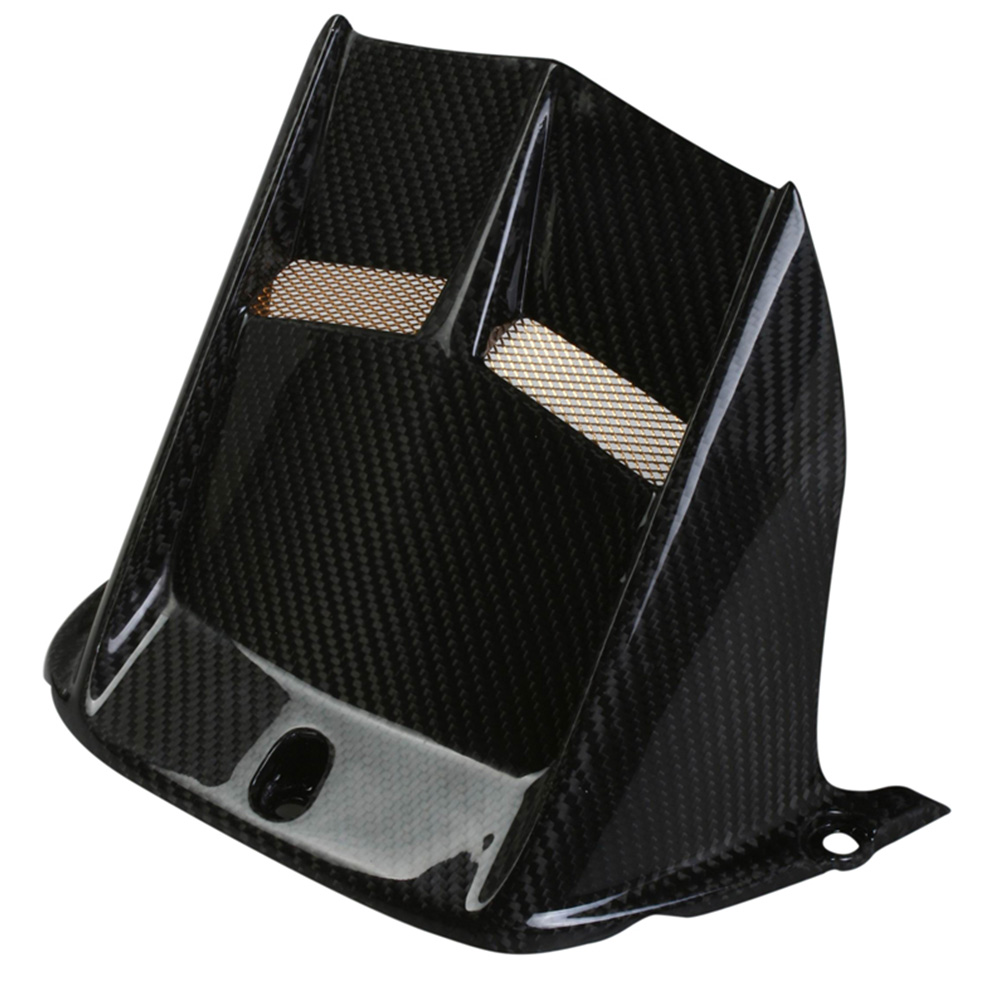
| Rear hugger / rear fender | With or without chain guard extension |
| Frame covers | Left and right frame protection covers |
| Swingarm covers | Cosmetic or protective carbon fiber covers |
| Chain guard | Lightweight carbon fiber chain guard |
| Sprocket cover | Carbon fiber sprocket protection cover |
| Exhaust heat shield | Carbon fiber or carbon-Kevlar hybrid option |
| Air intake duct covers | OEM-style carbon air intake covers |
| Instrument cluster surround | Carbon fiber cockpit trim panel |
| Winglet area / aero covers | Available depending on model year and design |
| Custom race fairing panels | Requires STEP/STP files, 3D scan data, or original sample parts |
Parts not listed above can be evaluated for production based on original sample parts, 3D scan data, STEP/STP files, technical drawings, or clear product photos.
For buyers comparing different motorcycle applications, you can also view our broader carbon fiber motorcycle parts category for other motorcycle brands, fairings, covers, guards, and custom bodywork projects.
The Yamaha R1 has gone through several major bodywork revisions. Carbon fiber fairings and body panels from different model years are usually not interchangeable. Please confirm the exact year before requesting a quotation.
| Model Years | Fitment Notes | Commonly Available Parts |
|---|---|---|
| 1998–2001 | Early Yamaha R1 bodywork; mold availability needs confirmation | Front fender, rear hugger, frame covers, small trim covers |
| 2002–2003 | Different fairing, tank and tail design from 1998–2001 | Front fender, rear hugger, chain guard, selected covers |
| 2004–2006 | Separate front fairing, side panel, tail and air duct design | Front fender, rear hugger, frame covers, tail section, tank covers |
| 2007–2008 | Revised fairing profile and updated intake area | Front fender, rear hugger, seat cowl, tank covers, side covers |
| 2009–2014 | Crossplane R1 generation; different bodywork and mounting points | Front fender, rear hugger, frame covers, tank covers, fairing panels |
| 2015–2019 | Newer R1 / R1M platform with different front fairing, tail and cover design | Full range can be evaluated — confirm mold by part |
| 2020–2024 | Updated R1 / R1M bodywork, winglet area and revised tail section | Full range including R1M trim — confirm by exact variant |
| 2025+ | Newer model year; fitment should be confirmed by photos, sample parts or 3D scan data | Custom development or mold confirmation required |
Mold availability varies by part and generation. When you contact us, please state the exact year and whether the motorcycle is a standard Yamaha R1 or Yamaha R1M.
For parts requiring precise fitment, especially fairing panels with multiple mounting points, supplying an original part as a mold reference or providing 3D scan data can reduce development risk and improve fitment accuracy.
Important Fitment Note: Yamaha R1 fairings, covers and mounting points can vary between model years, markets, and R1 / R1M variants. Please do not order based only on the model name “R1”. Always confirm the exact year, variant, required part list, and photos before quotation. For custom development, original sample parts or accurate 3D scan data are strongly recommended.
Many Yamaha R1 and R1M body panels are similar within the same model year range, but some trim pieces, mounting details, OEM carbon parts, suspension-related covers and small accessories may differ.
Before production, we will confirm:
This helps avoid incorrect fitment, wrong mounting hole positions, and unnecessary tooling cost.
Some suppliers sell ABS plastic fairings with carbon-look paint, hydrographic film, or printed carbon patterns. These are not real carbon fiber.
| Comparison | Real Carbon Fiber | Carbon-Look ABS |
|---|---|---|
| Material | Carbon fiber composite | ABS plastic |
| Surface | Actual woven or forged carbon fiber | Printed, painted, or hydro-dipped carbon pattern |
| Weight | Usually lighter than plastic, depending on layup | Similar to or heavier than OEM plastic |
| Stiffness | Higher stiffness-to-weight performance | Lower stiffness |
| Cost | Higher | Lower |
| Use case | Premium aftermarket, racing, lightweight builds, OEM projects | Budget cosmetic upgrades |
Our factory produces real carbon fiber parts. We do not manufacture carbon-look ABS fairings or fiberglass parts with carbon-pattern film.
Choosing the correct production process is important for weight, surface quality, cost, and final application.
Prepreg carbon fiber fabric is placed into the mold and cured under controlled heat and pressure. For high-end motorcycle parts, prepreg dry carbon is normally used when customers require lightweight construction, stable laminate quality, better fiber consolidation, and a premium visible carbon surface.
Prepreg dry carbon is recommended for:
Wet carbon uses dry carbon fabric and liquid resin during layup. It is vacuum-bagged and cured after the resin is applied. This process has a lower tooling and production cost than prepreg dry carbon, while still providing a real visible carbon fiber surface.
Wet carbon can be suitable for:
For racing use, lightweight builds, and premium brand supply, prepreg dry carbon is normally the recommended choice. For budget-controlled projects, wet carbon can be a practical alternative.
Yamaha R1 carbon fiber fairings can be manufactured for street use or race use. The design requirements are different.
Street fairings normally require OEM-style mounting points, headlight openings, air duct compatibility, trim clearance, and original-style panel gaps.
Race fairing kits are usually simplified for track use. They may remove road-light openings, use a closed belly pan, or combine several areas into fewer panels for easier track maintenance.
For Yamaha R1 race fairing projects, we can evaluate:
Please confirm whether the parts are for street replacement, track day use, or racing bodywork before quotation.
Some Yamaha R1 carbon fiber parts are designed as full replacement panels, while others are carbon covers installed over the original plastic, metal, or composite part.
Before production, we will confirm whether your required part should be:
This is important for fitment, mounting hole design, edge trimming, material thickness, final weight, and production cost.
For example, a carbon fiber front fender or rear hugger is often a direct replacement part, while some frame covers, swingarm covers, tank side covers, and small trim pieces may be designed as overlay covers.
We can manufacture Yamaha R1 carbon fiber fairings and body parts with different material and finish options.
For visible carbon fiber motorcycle parts, gloss and matte clear coat are the most common choices.
For B2B customers evaluating us as a Yamaha R1 carbon fiber parts manufacturer, this is how a typical order moves through our factory.
Mold check or mold development We confirm whether existing tooling is suitable for your model year and part list. If new tooling is required, we provide a mold cost estimate together with the part quotation.
Material preparation Carbon fiber fabric, prepreg material, release film, vacuum bagging materials and reinforcement areas are prepared according to the production method.
Carbon fiber layup Carbon fabric is layered into the mold. Reinforcement can be added around mounting holes, edges, stress points, and high-wear areas.
Vacuum bagging and curing Parts are vacuum-bagged and cured under controlled temperature and pressure. Prepreg parts can be cured using autoclave or hot-press methods depending on part geometry and project requirements.
CNC trimming and hole cutting Cured carbon fiber parts are trimmed to final dimensions. Mounting holes and cutouts are processed according to the sample part, drawing, or confirmed fixture.
Surface finishing Gloss, matte, raw, or primer finish is applied according to customer requirements.
Quality inspection Parts are inspected for surface quality, weave alignment, edge trimming, mounting holes, clear coat condition, and packing condition.
Packing and export Each carbon fiber fairing or body panel is protected with foam, film, and strong outer packaging for international air or sea shipment.
For customers developing non-standard parts, we can also support custom carbon fiber manufacturing based on samples, 3D scan data, STEP/STP files, drawings, or special layup requirements.
As a composite manufacturing factory, we can support both standard Yamaha R1 carbon fiber parts and custom carbon fiber motorcycle projects.
Our quality checks can include:
For higher-volume OEM, ODM, wholesale, or private-label projects, we can discuss sample approval, production inspection, packing standards, label requirements, and repeat order control.
Most carbon fiber motorcycle parts in the aftermarket are distributed through trading companies, import agents, or retail stores. Working directly with a manufacturing factory gives B2B buyers more control over tooling, finish, quality, and long-term supply.
For dealers, workshops, and custom motorcycle parts brands, direct factory cooperation can provide:
You can learn more about our carbon fiber factory and manufacturing background before starting an OEM or wholesale project.
We manufacture parts in-house. When you contact us, you are communicating directly with a carbon fiber parts manufacturer, not only a sales agent managing third-party suppliers.
Our production model is suitable for B2B customers, not only single-piece retail orders. If you are sourcing Yamaha R1 carbon fiber fairings or R1M carbon fiber parts for your own business, we can support:
We work with customers in the United States, United Kingdom, Germany, Australia, Canada, and other international markets. If you are building a Yamaha R1 carbon fiber product line or looking for a long-term composite manufacturing partner, we can discuss your requirements directly.
Our production experience is not limited to motorcycles. For customers also developing automotive exterior or interior parts, our carbon fiber car parts category shows related composite manufacturing applications across different vehicle platforms.
For new Yamaha R1 carbon fiber parts, we usually recommend starting with a sample order or a small pilot batch before moving into larger production.
A typical B2B production process can include:
For dealers, distributors and motorcycle parts brands, this process helps reduce fitment risk and keeps repeat orders more stable. If you already have approved sample parts, STEP/STP files, or 3D scan data, the development process can be faster and more accurate.
For repeat production, we can discuss batch quantity, finish consistency, packing method, branding requirements, and long-term supply planning.
To provide an accurate quotation, please share as many details as possible.
| Information Needed | Example |
|---|---|
| Exact model year | Yamaha R1 2018, Yamaha R1M 2021 |
| Variant | R1 or R1M |
| Required parts | Front fender, side fairings, belly pan, seat cowl, frame covers |
| Production method | Prepreg dry carbon, wet carbon, or open to recommendation |
| Surface finish | Gloss, matte, raw, or primer |
| Carbon weave | 3K twill, plain weave, forged carbon, carbon-Kevlar |
| Usage | Street, track day, racing, wholesale, OEM project |
| Quantity | Sample order, small batch, or repeat production |
| Reference material | Photos, original sample parts, STEP/STP files, 3D scan data, drawings |
| Branding requirements | Private label, logo, packaging, or neutral production |
If you are not sure which process is suitable, send us the model year, photos, part list, and target quantity. We can recommend a practical production method based on your application and budget.
Lead time depends on mold availability, part complexity, production method, surface finish, and order quantity.
In general:
For new Yamaha R1 carbon fiber parts without existing tooling, original sample parts or accurate 3D scan data are strongly recommended.
Carbon fiber motorcycle fairings are lightweight, but edges, corners and clear-coated surfaces can be damaged if they are not protected correctly during international shipping.
For Yamaha R1 carbon fiber fairings and body panels, we can use:
For wholesale or OEM orders, packaging can also be discussed according to your brand, warehouse, or retail requirements. If your parts need barcode labels, neutral packaging, custom cartons, or stronger export packing, please confirm this before production.
Choosing a manufacturer is different from buying from a retail parts store. For dealers, workshops, and brands, the key issues are mold availability, repeat production, stable finish, packing quality, and long-term supply.
We can support your project with:
Whether you need Yamaha R1 carbon fiber front fenders, rear huggers, frame covers, tank covers, belly pans, race fairings, seat cowls, air duct covers, swingarm covers, chain guards, sprocket covers, or a complete carbon fiber fairing kit, we can evaluate your project and provide a manufacturing solution.
Visit our carbon fiber manufacturing factory homepage for a full overview of our capabilities across motorcycle, automotive, and industrial composite projects.
Yes. We manufacture real carbon fiber composite parts, including prepreg dry carbon and wet carbon options. We do not produce carbon-look ABS or printed carbon-pattern plastic fairings.
Yes. We can manufacture Yamaha R1M carbon fiber fairings, covers, and body parts. Many R1 and R1M panels are similar within the same model year range, but some trim pieces and mounting details may differ. Please confirm the exact year and variant before ordering.
Yes. We can produce complete or partial Yamaha R1 carbon fiber fairing kits depending on mold availability and your required model year. A full kit can include front upper fairing, side fairings, lower fairing, belly pan, tail section, seat cowl, front fender, rear hugger, frame covers and other body panels.
Mold availability varies by model year and part type. Please send your exact model year and required part list. We will confirm whether existing tooling is available or whether new mold development is required.
Prepreg dry carbon uses pre-impregnated carbon fiber fabric and controlled curing. It normally provides better weight control, surface consistency and laminate quality. Wet carbon uses dry carbon fabric and liquid resin during layup. It is usually more cost-effective but may be slightly heavier. For racing and premium aftermarket products, dry carbon is normally recommended.
It depends on the part. Some parts, such as front fenders and rear huggers, can often be made as direct replacement parts. Other parts, such as frame covers, swingarm covers, tank side covers and small trim panels, may be designed as carbon covers. We will confirm this before quotation.
Yes. We can evaluate Yamaha R1 carbon fiber race fairings, including upper race fairings, side panels, closed lower belly pans, seat units, air duct covers and reinforced mounting areas. Please confirm whether the parts are for track day use, racing use, or street use.
Yes. For new Yamaha R1 carbon fiber parts, we usually recommend starting with a sample order or small pilot batch before repeat production. This helps confirm fitment, finish quality, packing method and any required revisions.
Yes. We support wholesale supply, OEM manufacturing, private-label production, and repeat production for dealers, distributors, workshops and motorcycle parts brands.
Yes. We can review STEP/STP files, 3D scan data, drawings, photos, or original sample parts. For parts with strict mounting requirements, original parts or accurate 3D scan data are preferred.
Yes. Private-label production, neutral production, custom logo placement and custom packaging can be discussed for OEM, ODM and wholesale projects.
Visible carbon surfaces can be protected with soft film or foam, and thin edges or corners can receive additional protection. Larger fairing kits or bulk orders can be packed in reinforced cartons or wooden crates depending on shipping method.
Please provide the exact model year, R1 or R1M variant, required part list, quantity, preferred process, weave pattern, finish, intended use and any available reference files or sample parts.
If you are looking for Yamaha R1 carbon fiber fairings, Yamaha R1M carbon fiber parts, dry carbon motorcycle bodywork, carbon fiber race fairings, or OEM carbon fiber motorcycle parts manufacturing, please send us your project details.
Please include:
We will review your requirements and confirm mold availability, production method, estimated cost and lead time.
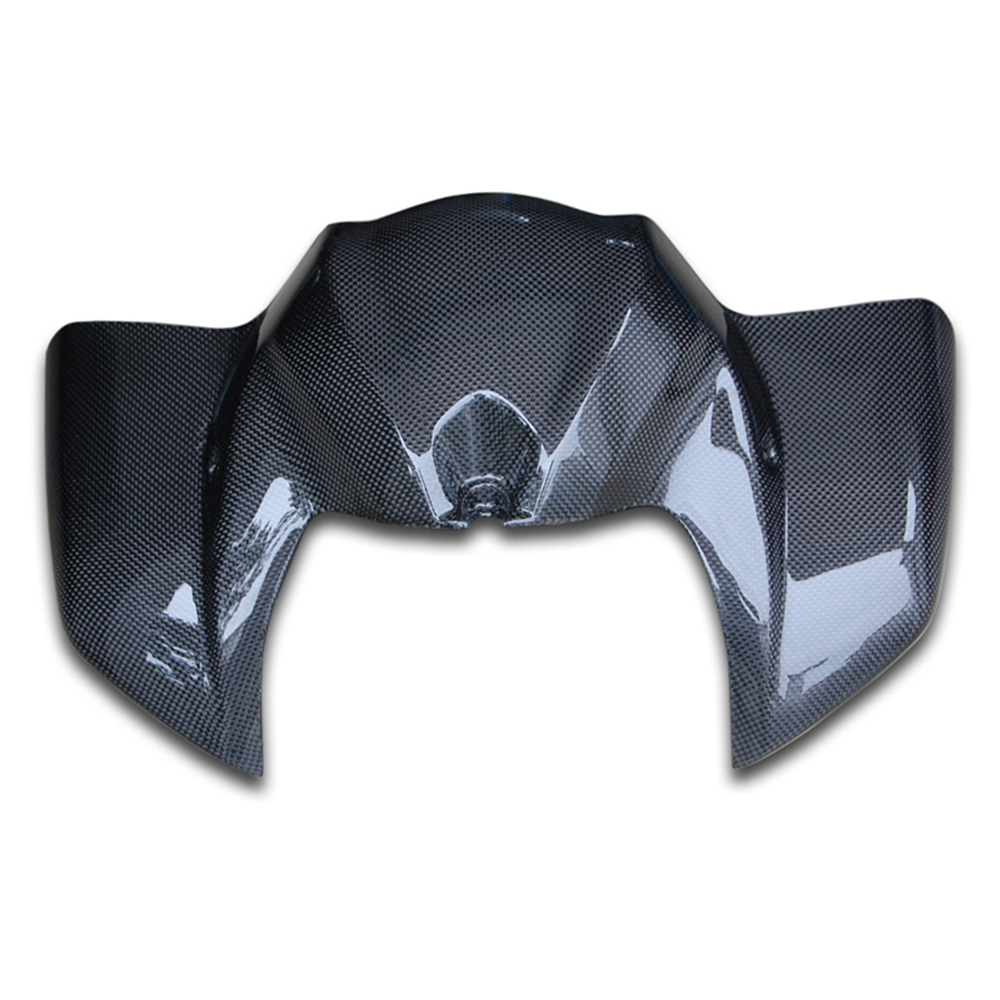
Our factory employs an advanced carbon fiber hot press process with a P20 steel mold, ensuring high efficiency, precision, durability, and cost-effectiveness for quality production.
Our factory runs 100+ hot pressure autoclaves, using aluminum molds and vacuum induction to shape carbon fiber with precision. High heat and pressure enhance strength, stability, and flawless quality.
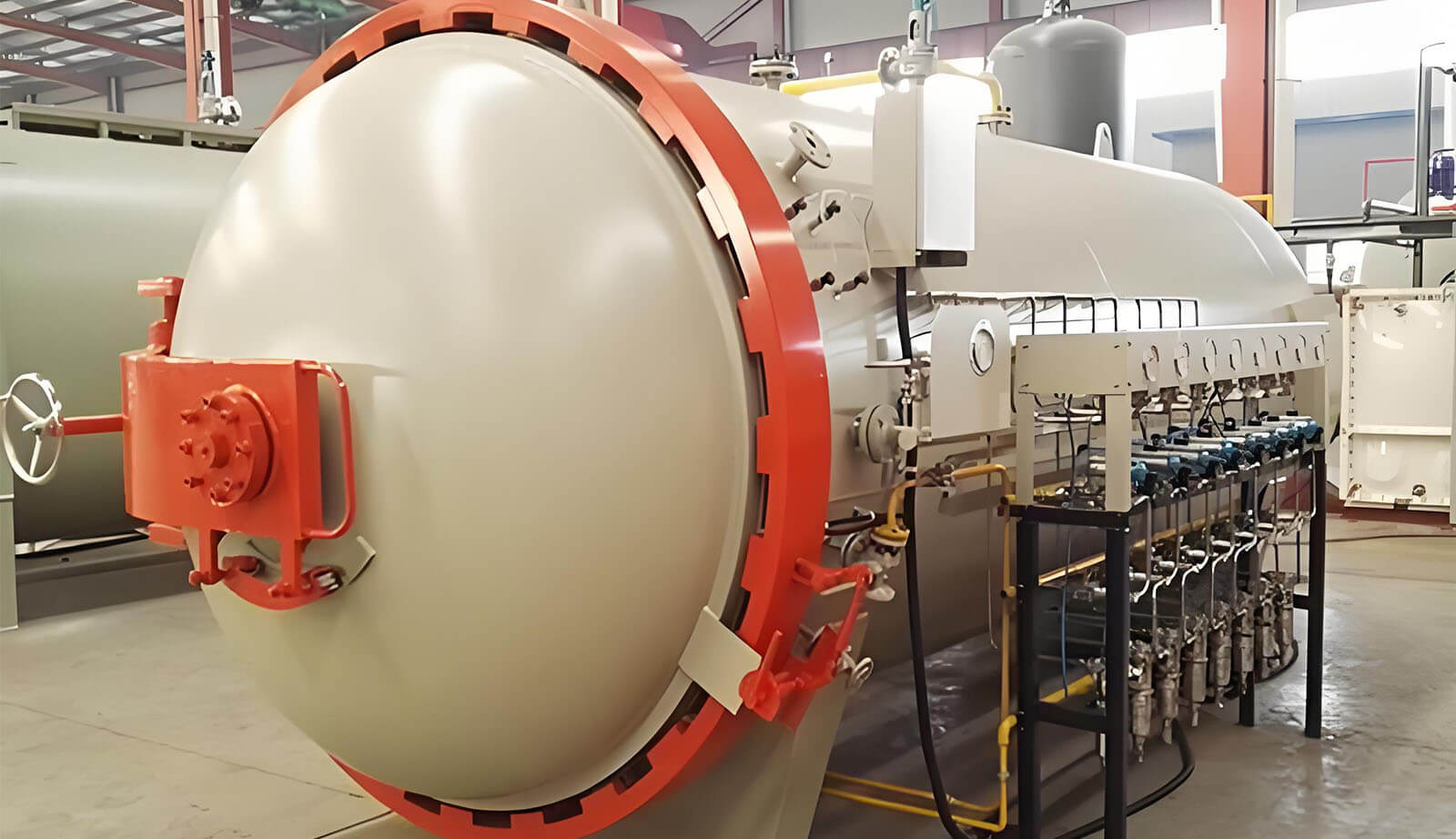
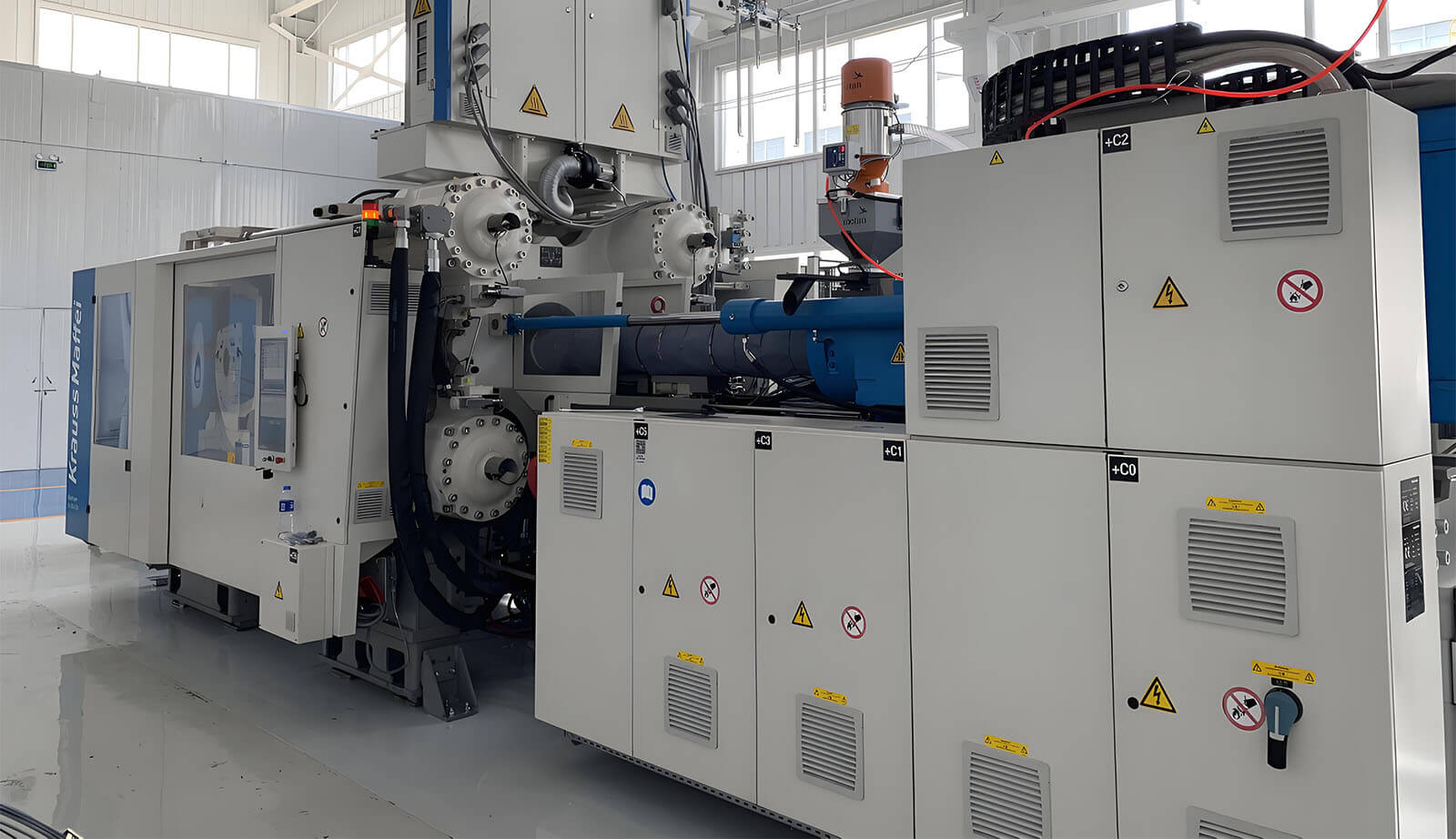
Our Carbon Fiber Research Center drives innovation in new energy, intelligence, and lightweight design, using advanced composites and Krauss Maffei Fiber Form to create cutting-edge, customer-focused solutions.
Here are the answers to the frequently asked questions from the experienced carbon fiber products factory
We produce a wide range of carbon fiber components, including automotive parts, motorcycle parts, aerospace components, marine accessories, sports equipment, and industrial applications.
We primarily use high-quality prepreg carbon fiber and large-tow carbon fiber reinforced high-performance composites to ensure strength, durability, and lightweight characteristics.
Yes, our products are coated with UV-protective finishes to ensure long-lasting durability and maintain their polished appearance.
Yes, our facilities and equipment are capable of producing large-size carbon fiber components while maintaining precision and quality.
What are the benefits of using carbon fiber products?
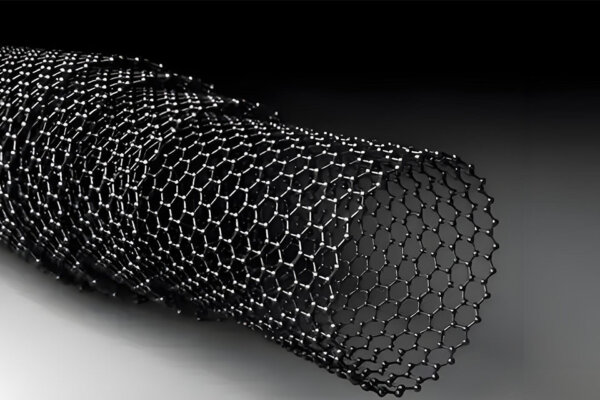
Carbon fiber offers exceptional strength-to-weight ratio, corrosion resistance, stiffness, thermal stability, and a sleek, modern appearance.
We cater to automotive, motorcycle, aerospace, marine, medical, sports, and industrial sectors with a focus on lightweight and high-performance carbon fiber components.
Yes, we provide custom carbon fiber solutions tailored to your specifications, including unique designs, sizes, and patterns.
We utilize advanced technologies such as autoclave molding, hot pressing, and vacuum bagging, ensuring precision, stability, and quality in every product. wonders with the Hello Elementor Theme, we’re trying to make sure that it works great with all the major themes as well.
We use aluminum and P20 steel molds, designed for durability and high accuracy, to create complex and precise carbon fiber components.
Our products undergo rigorous quality control checks, including dimensional accuracy, material integrity, and performance testing, to meet industry standards.