
Carbon Fiber Composite Material Hot Pressing Molding Process
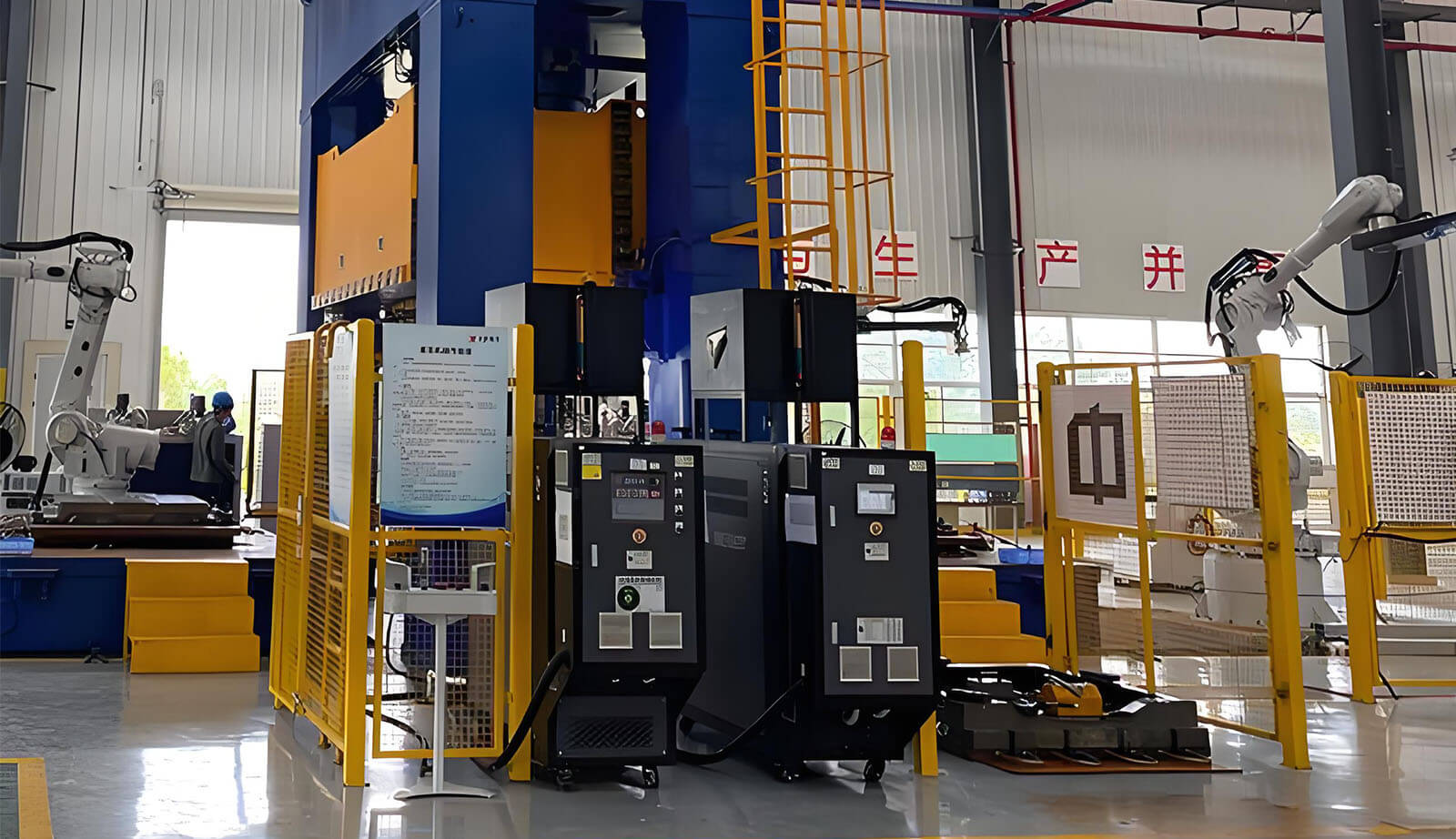
Our factory employs an advanced carbon fiber hot press process with a P20 steel mold, ensuring high efficiency, precision, durability, and cost-effectiveness for quality production.
We manufacture custom carbon fiber motorcycle fairings and bodywork panels for motorcycle brands, racing teams, tuning shops, aftermarket distributors and OEM/ODM projects. Our factory supports full fairing sets, front fairings, side panels, belly pans, rear seat cowls, fenders, tank covers, frame covers and custom aero parts — using prepreg autoclave, wet carbon, vacuum bagging and custom tooling processes.
With 28 years of OEM/ODM manufacturing experience, we supply directly from our factory in China. We work directly with OEM/ODM customers, aftermarket brands and distributors, supporting both bulk orders and custom tooling projects.
We produce a full range of motorcycle bodywork in carbon fiber. Whether you need a single replacement panel or a complete OEM product line, we can support your project from tooling through delivery.
| Part Type | Common Applications |
|---|---|
| Full fairing kits | Racing bikes, track bikes, aftermarket replacement kits |
| Front fairing / nose fairing | Sport bikes, superbikes, custom aero projects |
| Side fairing panels | OEM replacement, tuning parts, dealer product lines |
| Belly pan / lower fairing | Track use, oil containment style, aerodynamic styling |
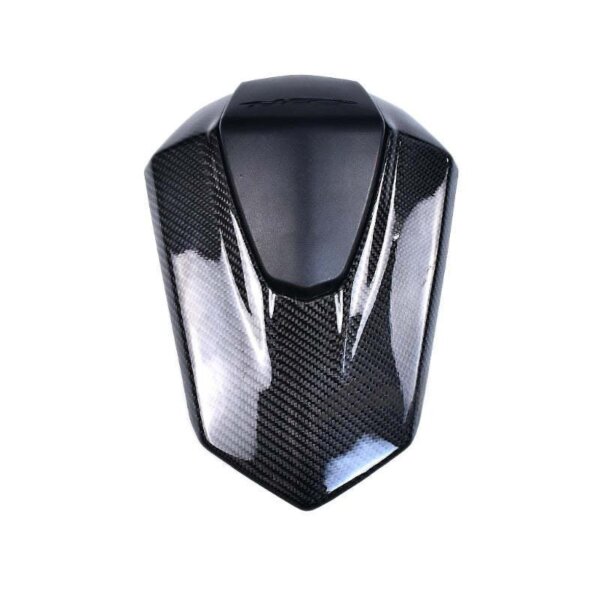
| Rear seat cowl / tail fairing | Single-seat conversion, racing appearance |
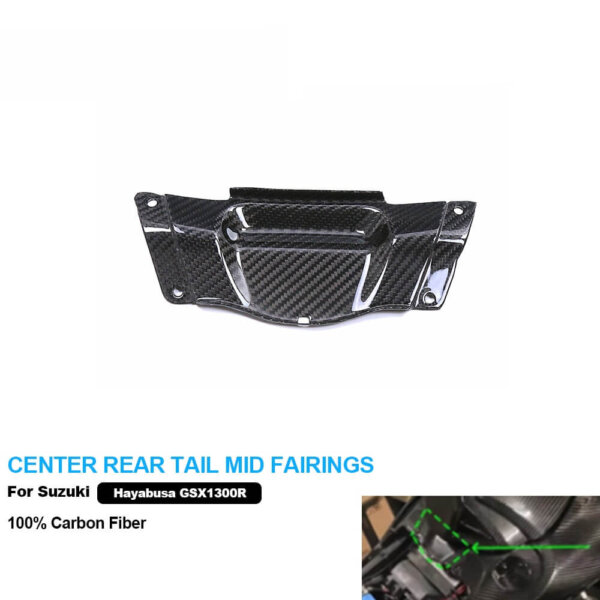
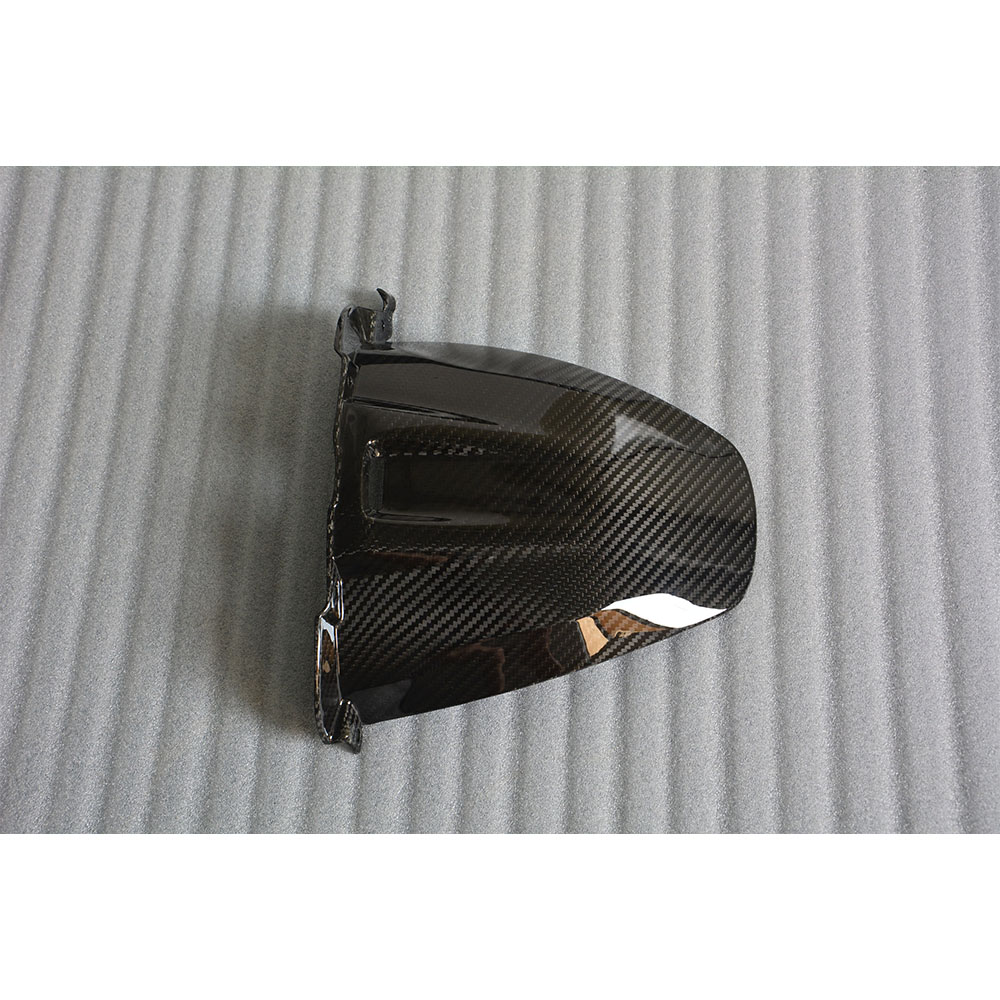
| Front and rear fenders | Ducati, BMW, Yamaha, Kawasaki, Honda, Suzuki projects |
| Tank cover / tank side panels | Visual carbon upgrade and lightweight styling |
| Frame covers / swingarm covers | Protection, appearance, aftermarket kits |
| Air ducts / winglets | Custom racing aero development |
We manufacture carbon fiber motorcycle fairings and bodywork for most major sport bike, superbike and naked bike platforms. For existing parts, OEM samples or original panels can be used for reverse engineering and mold development. For new designs, STEP/STP files or 3D scan data are preferred.
| Brand | Common Models / Project Types |
|---|---|
| Ducati | Ducati carbon fiber fairings — Panigale V2/V4, Streetfighter V4, Monster, Diavel |
| BMW | S1000RR, M1000RR, R nineT custom parts |
| Yamaha | R1, R6, MT series, track fairings |
| Kawasaki | Ninja ZX-6R, ZX-10R, H2, Z series |
| Honda | CBR600RR, CBR1000RR, Fireblade |
| Suzuki | GSX-R600, GSX-R750, GSX-R1000, Hayabusa |
| Aprilia | RSV4, Tuono |
| KTM | Duke, RC series, Super Duke |
| Triumph | Daytona, Street Triple, Speed Triple |
Don’t see your model? Contact us — for most sport and superbike platforms, we can work from OEM samples or customer-supplied files.
We offer multiple carbon fiber manufacturing processes depending on your target weight, volume, budget and application. Here is a straightforward comparison:
| Process | Best For | Key Advantages |
|---|---|---|
| Prepreg autoclave | Premium dry carbon fairings, racing parts, high-end aftermarket | Lowest weight, consistent fiber/resin ratio, best surface quality |
| Wet carbon / vacuum bagging | Custom fairings, covers, small-batch aftermarket parts | Lower starting cost, flexible for low MOQ |
| Vacuum infusion | Larger panels and repeat production runs | Better resin control than hand layup, good consistency |
| Carbon + fiberglass hybrid | Cost-sensitive fairing kits | Lower cost while keeping carbon appearance |
| Carbon Kevlar hybrid | Racing bodywork, impact-sensitive areas | Better toughness and impact resistance than pure carbon |
Our factory is equipped with autoclaves, hot presses, curing ovens and CNC trimming equipment, supported by aluminum and P20 steel mold tooling, giving us the capacity for both sample development and high-volume batch production.
| Option | Available Choices |
|---|---|
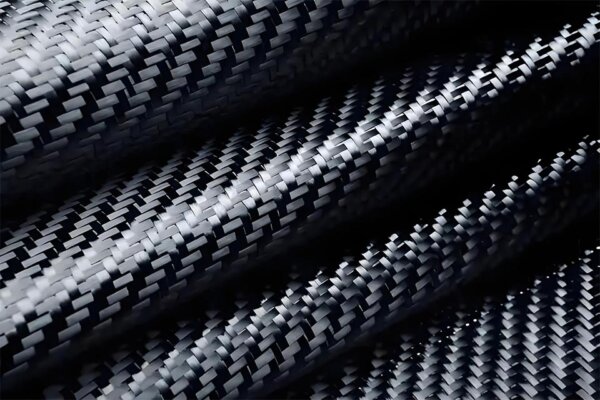
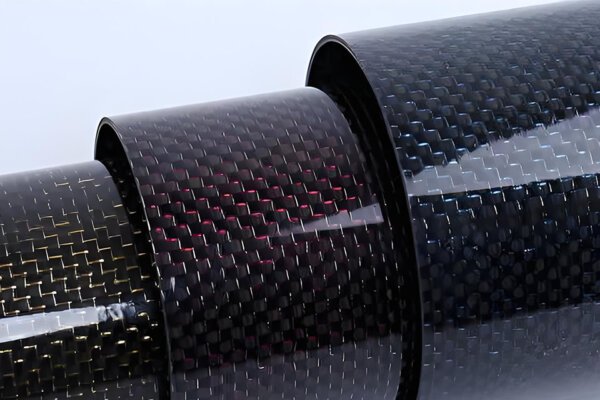
| Carbon weave | 3K twill, 3K plain, 12K twill, forged carbon, custom weave |
| Surface finish | Gloss clear coat, matte clear coat, satin clear coat |
| Material construction | Full carbon fiber, carbon + fiberglass, carbon Kevlar hybrid |
| UV coating | UV-resistant automotive clear coat, 2K clear coat |
| Color options | Natural black carbon, tinted clear coat, custom logo area |
| Fitment target | OEM replacement, racing fairing, custom aftermarket design |
Why this matters for your project: A 3K twill weave gives the classic visible carbon pattern most customers recognize. 12K weave is coarser and often used for structural panels where appearance is secondary. Forged carbon suits complex contoured shapes where a continuous weave would require multiple awkward cuts.
This is one of the most common questions we get from buyers. Here is a practical breakdown:
Dry carbon (prepreg autoclave)
Wet carbon (vacuum bagging / hand layup)
For cost-sensitive or early-stage projects, wet carbon samples can be used to verify shape and fitment before committing to full tooling investment. For premium aftermarket lines or racing product lines where weight, surface consistency and laminate control are more critical, prepreg autoclave production is the recommended process.
For OEM replacement projects, we target direct fitment based on original samples or CAD files. Minor adjustment may still depend on motorcycle condition, installation method and aftermarket accessories.
For motorcycle fairings, the most important quality checkpoints are mounting hole position, edge trimming, panel symmetry, clear coat quality and compatibility with OEM mounting points. During production, we inspect at each stage before moving to the next.
| QC Point | What We Check |
|---|---|
| Mold condition | Surface, parting line, mounting reference points |
| Fiber layup | Weave direction, overlap area, local reinforcement zones |
| Curing | Vacuum integrity, temperature profile, curing time |
| Trimming | Edge lines, slots, vent openings, mounting holes |
| Surface finish | Gloss/matte consistency, pinholes, bubbles, dry spots |
| Fitment | OEM sample comparison or customer installation feedback |
| Packing | Foam protection, export carton or crate |
We do not claim zero-defect on every batch — what we do is catch and address issues before they leave the factory. For new tooling projects, a first article inspection and customer sign-off is a standard part of our process.
Our carbon fiber motorcycle fairing production supports:
Beyond motorcycle fairings, our facility also produces carbon fiber automotive parts using the same tooling and process infrastructure, making us a practical single-source option for customers who work across both vehicle categories.
Yes. We can use OEM fairing panels for reverse engineering, mold development and carbon fiber reproduction. For best accuracy, original panels should be complete and not badly deformed. We can also work from photographs and measurements for simple shapes, but 3D scan data or STEP files are always preferred for tight-tolerance parts.
For projects using existing tooling or samples we already hold, MOQ is negotiable and can be low. For custom tooling projects, MOQ depends on part size, mold investment and process. Many customers start with one sample set or a small first batch after mold completion, then move to repeat orders once fitment and quality are approved. We are happy to discuss first-run quantities for new OEM/ODM projects.
Dry carbon fairings use prepreg material cured under autoclave pressure — they are lighter and more consistent but cost more to produce. Wet carbon or vacuum bagged parts use hand-applied resin and are more cost-effective for custom or lower-volume work. See the full comparison section above.
STEP or STP files are preferred for new designs, but we can also start from 3D scan data, OEM samples or detailed engineering drawings. For OEM replacement parts, original panels are usually sufficient.
Yes. We offer gloss, matte and satin clear coat finishes. Surface weave options include 3K twill, 3K plain, 12K and forged carbon patterns.
Yes. We manufacture custom carbon fiber motorcycle fairings and bodywork for Ducati, BMW, Yamaha, Kawasaki, Honda, Suzuki, Aprilia, KTM, Triumph and other platforms. For models not listed, contact us with your specifications.
Yes. We ship by air or sea, DDP or to your China forwarder. Lead time, shipping method and incoterms can be discussed based on your order size and timeline.
Ready to discuss a custom motorcycle fairing project? Send us your motorcycle model, part list, target quantity and preferred finish. Our team will review the tooling feasibility and respond with a quotation or DFM feedback within 1–2 business days.
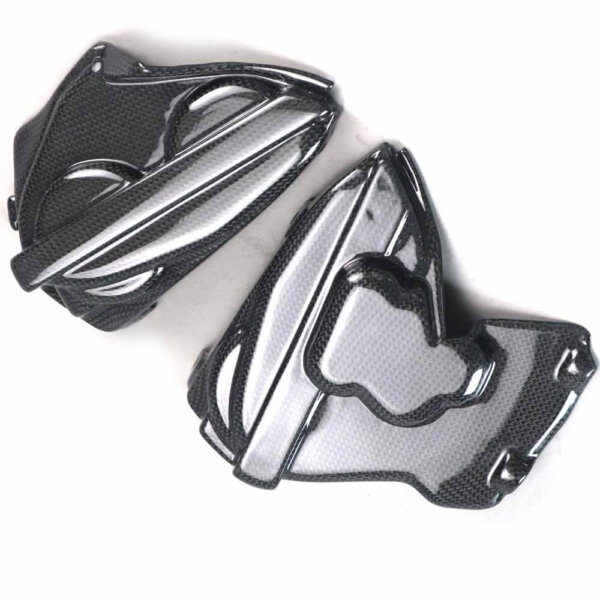
Our factory employs an advanced carbon fiber hot press process with a P20 steel mold, ensuring high efficiency, precision, durability, and cost-effectiveness for quality production.
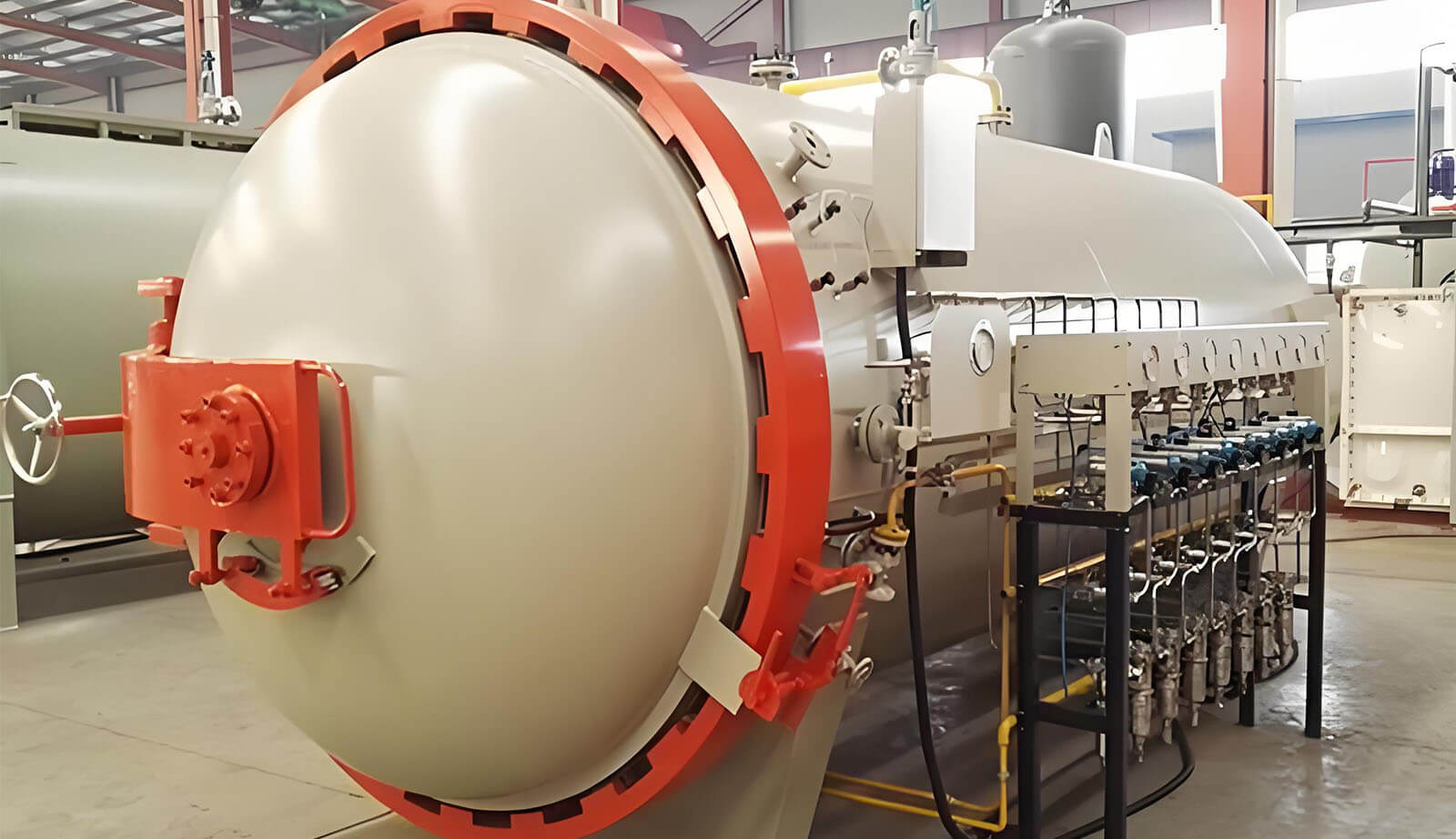
Our factory runs 100+ hot pressure autoclaves, using aluminum molds and vacuum induction to shape carbon fiber with precision. High heat and pressure enhance strength, stability, and flawless quality.
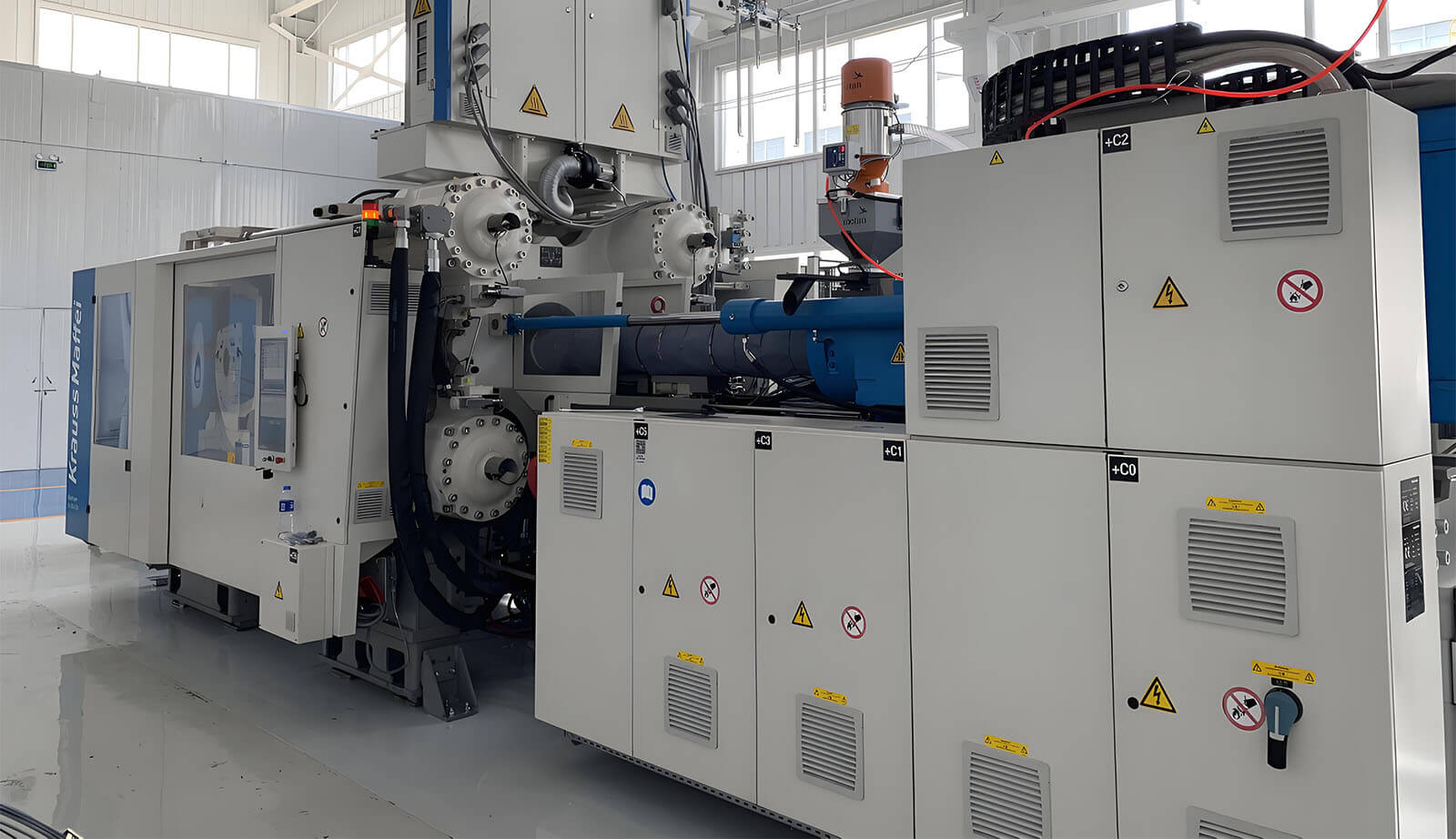
Our Carbon Fiber Research Center drives innovation in new energy, intelligence, and lightweight design, using advanced composites and Krauss Maffei Fiber Form to create cutting-edge, customer-focused solutions.
Here are the answers to the frequently asked questions from the experienced carbon fiber products factory
We produce a wide range of carbon fiber components, including automotive parts, motorcycle parts, aerospace components, marine accessories, sports equipment, and industrial applications.
We primarily use high-quality prepreg carbon fiber and large-tow carbon fiber reinforced high-performance composites to ensure strength, durability, and lightweight characteristics.
Yes, our products are coated with UV-protective finishes to ensure long-lasting durability and maintain their polished appearance.
Yes, our facilities and equipment are capable of producing large-size carbon fiber components while maintaining precision and quality.
What are the benefits of using carbon fiber products?
Carbon fiber offers exceptional strength-to-weight ratio, corrosion resistance, stiffness, thermal stability, and a sleek, modern appearance.
We cater to automotive, motorcycle, aerospace, marine, medical, sports, and industrial sectors with a focus on lightweight and high-performance carbon fiber components.
Yes, we provide custom carbon fiber solutions tailored to your specifications, including unique designs, sizes, and patterns.
We utilize advanced technologies such as autoclave molding, hot pressing, and vacuum bagging, ensuring precision, stability, and quality in every product. wonders with the Hello Elementor Theme, we’re trying to make sure that it works great with all the major themes as well.
We use aluminum and P20 steel molds, designed for durability and high accuracy, to create complex and precise carbon fiber components.
Our products undergo rigorous quality control checks, including dimensional accuracy, material integrity, and performance testing, to meet industry standards.