
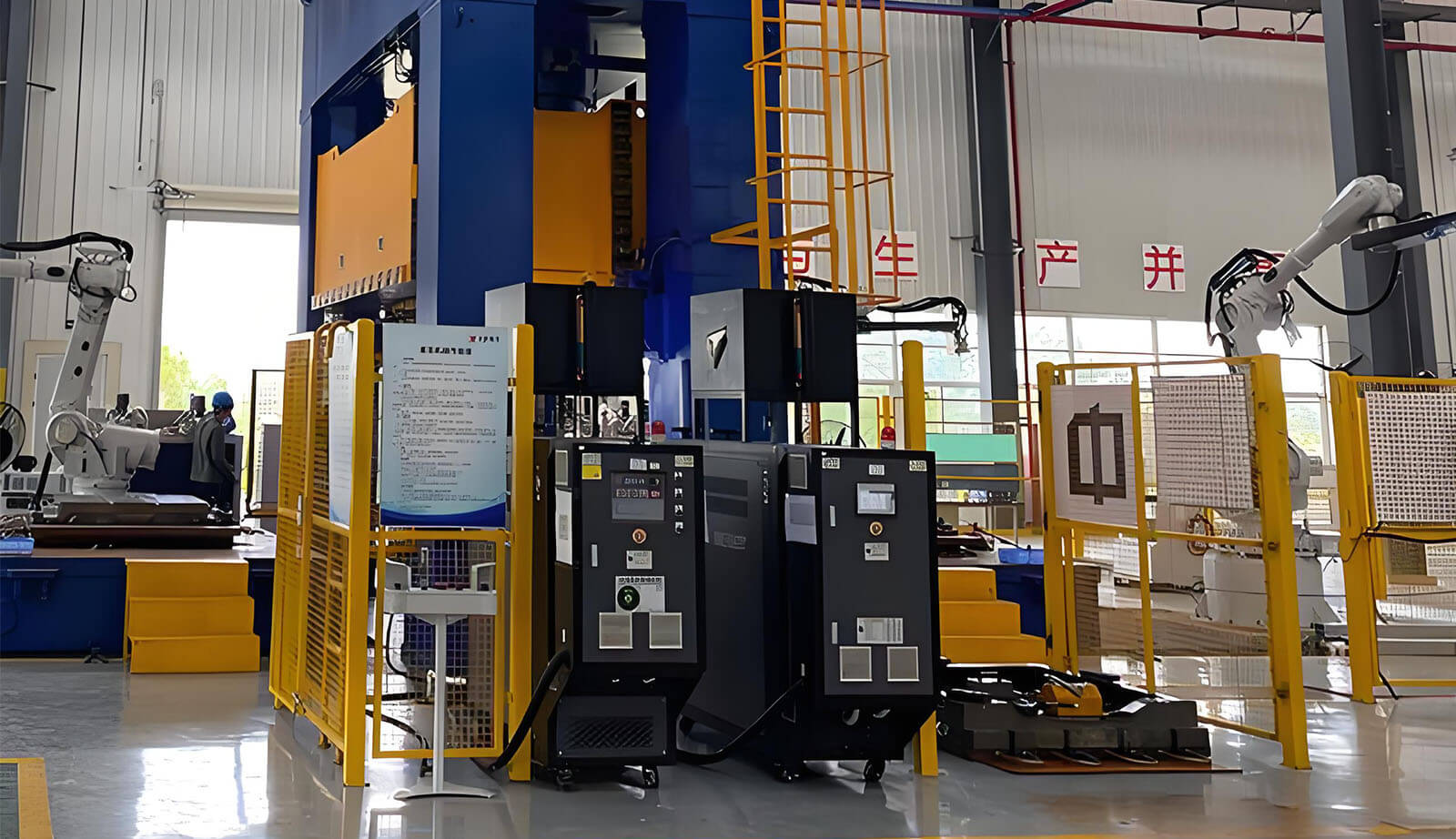
Carbon Fiber Composite Material Hot Pressing Molding Process
Our factory employs an advanced carbon fiber hot press process with a P20 steel mold, ensuring high efficiency, precision, durability, and cost-effectiveness for quality production.
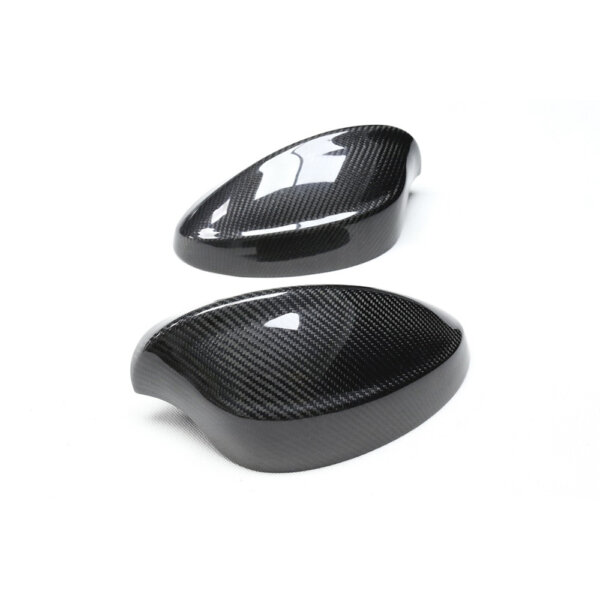
If you’ve searched “Q50 carbon fiber mirror caps,” you’ve probably already noticed the problem: every listing says “real carbon fiber,” “lightweight,” “easy install” — and none of them tell you what’s actually different between a $40 overlay off a marketplace and a $150+ replacement cap, or why some caps ship with bubbling clear coat within weeks of installation.
This guide is written from the manufacturing side. We produce OEM-fit carbon fiber mirror caps for the Q50/Q60 platform, so instead of another sales page, this is the technical and fitment reference we’d want if we were buying.
Among Infiniti Q50 aftermarket parts, mirror caps are usually the first purchase for a reason: they’re one of the lowest-cost ways to change the side profile of the car, they’re fully visible from a typical viewing angle (unlike underbody parts), and — as replacement-style caps — they don’t require any permanent cutting or modification to the mirror housing itself. That combination is why Q50 carbon fiber mirror covers show up so often in “first mod” recommendations across the Q50 accessories and Infiniti Q50 side mirror covers search space, ahead of bigger-ticket items like hoods or wide body kits.
The Q50 went through several running changes that affect mirror housing geometry, turn-signal wiring pass-through position, and clip layout. Most listings lump “2014–2025” into one SKU — that’s fine for the outer shell shape, but it’s worth knowing what actually changed:
| Generation | Years | Notes on mirror caps |
|---|---|---|
| Pre-facelift Q50 | 2014–2017 | Original mirror housing shape; standard clip pattern |
| Facelift Q50 | 2018–2020 | Revised mirror housing, same mounting points as pre-facelift |
| Q50 (VC-Turbo era) | 2019–2023 | No mirror housing change from facelift; engine badge/trim only |
| Q50 Red Sport 400 | 2016–2025 | Same mirror housing as standard Q50 of the same year; no Red Sport-specific mirror shape |
| Q60 Coupe | 2017–2022 | Similar mirror housing architecture to Q50; commonly compatible — confirm by mirror housing shape before ordering |
| Q70 / QX30 / QX50 (older) | Varies | Cross-compatible on some model years — confirm mirror base shape, not just badge, before ordering |
Does it fit Q60? In most cases, yes — Q60 models from overlapping production years use a similar mirror housing architecture to the Q50, which is why “Q50/Q60” listings are common. That said, we recommend confirming fitment by mirror housing shape (or sending your VIN) before ordering rather than relying on model badge alone, since running changes aren’t always identical across both nameplates in every year.
Does Red Sport need a different part? No. Red Sport 400 doesn’t use a unique mirror housing — the difference is badge, wheels, and interior trim, not mirror geometry. Any confusion usually comes from aftermarket sellers copying each other’s fitment lists without verifying them.
If you’re not sure which generation you have, the fastest check is the shape of the turn-signal cutout on the underside of the factory cap — pre-facelift and facelift housings position it slightly differently, which matters if you’re running sequential mirror signals alongside the caps.
This is the distinction almost no product page explains, and it’s one of the most common sources of “these didn’t fit right” complaints with aftermarket mirror caps in general.
| Type | What it is | Pros | Cons |
|---|---|---|---|
| Overlay cover | A thin shell that fits over your existing factory mirror cap (often with 3M tape) | Cheapest, fastest, reversible, no risk of breaking factory clips | Adds thickness/height, edges can lift over time, factory cap still underneath (extra weight, not a true weight-reduction part) |
| Replacement cap | Fully replaces the factory cap; uses the OEM clip pattern and mounts directly to the mirror housing | True OEM-style fit and profile, actual weight reduction vs. factory ABS cap, no tape/adhesive failure risk | Requires removing the factory cap (risk of clip breakage if done cold), slightly more involved install |
| Full mirror housing replacement | Entire mirror shell replaced, not just the cap | Maximum design freedom (e.g., M-style shapes not offered by OEM) | Highest cost, may require rewiring turn signal/puddle light connectors |
Our caps are produced as direct replacement caps, built from OEM scan data rather than measured off an aftermarket sample — which matters because copying a competitor’s part propagates their fitment errors forward. If a listing doesn’t tell you which of the three types you’re buying, that’s a fair reason to ask before ordering.
Quick reference — why carbon fiber instead of factory ABS:
| Factory ABS Cap | Carbon Fiber Cap | |
|---|---|---|
| Material | Injection-molded plastic | Woven carbon fiber (CFRP) |
| Appearance | Painted/gloss plastic | Real 3D weave texture |
| Weight | Baseline | Lighter |
| Feel | Standard OEM | Premium, tactile weave |
“Made from carbon fiber” describes a material, not a process — and the process is what determines fit, weight, and how the part ages. Here’s the actual production sequence:
| Wet Layup Carbon | Prepreg Carbon | |
|---|---|---|
| Resin distribution | Applied by hand, more variable | Pre-impregnated at a controlled ratio — consistent from part to part |
| Surface finish | Good, but more prone to pinholes/resin-rich spots | Higher, more consistent gloss and weave clarity |
| Fiber-to-resin ratio | Typically resin-heavier (added weight) | Optimized, generally lighter for the same stiffness |
| Cure method | Room-temp or oven cure, often under simple vacuum | Autoclave cure under controlled heat and pressure |
| Cost to produce | Lower | Higher |
| Where it’s used | Common in low-cost aftermarket parts | Common in OEM/motorsport-grade components |
For a part as small as a mirror cap, the practical difference shows up in two places: weave clarity (prepreg parts tend to show a crisper, less “cloudy” weave under the clear coat) and finish consistency — lower-quality wet layup parts can have higher variation in resin distribution from part to part, which can affect surface consistency and, over time, long-term clear coat durability. This isn’t a rule against wet layup carbon in general (well-controlled wet layup production can be very durable) — it’s a reason to ask a supplier which method they use and how they control resin ratio, rather than assuming “real carbon fiber” on a label guarantees a specific process.
Not everything marketed as a “carbon mirror cap” is structural carbon fiber. Some are injection-molded ABS plastic with a printed or hydro-dipped carbon pattern under a clear coat.
| Real Carbon Fiber (CFRP) | ABS “Carbon Look” | |
|---|---|---|
| Material | Woven carbon cloth + resin matrix | Plastic with printed/film carbon pattern |
| Weight | Lighter than factory ABS cap | Similar to or heavier than factory ABS cap |
| Weave under light | Real 3D texture, weave shifts appearance with viewing angle | Flat print — pattern looks identical from every angle |
| UV durability | Depends on clear coat quality (see above) | Depends on print/film quality, often fades or peels faster |
| Simple field test | Weave pattern appears to have depth and slightly different reflectivity at the edges of each fiber tow | Pattern is perfectly uniform and repeats identically — a giveaway of a printed film |
If a listing doesn’t specify wet layup vs. prepreg, or doesn’t confirm real woven cloth vs. printed pattern, that’s worth asking directly — reputable manufacturers won’t hesitate to answer either question.
| Style | Look | Notes |
|---|---|---|
| 3K Plain Weave | Tight, classic square-weave pattern | Closest to factory-style “carbon look” OEM+ parts |
| 3K Twill Weave | Diagonal weave, most common automotive finish | Best balance of clarity and cost for gloss finish |
| Honeycomb / Forged Carbon | Randomized, aggressive marbled pattern | More “race car” aesthetic; popular on M-style caps |
| M-Style Shape | Aggressive bat-wing profile (housing shape, not just weave) | Full housing replacement territory — confirm which fitment category this falls into (see comparison table above) |
Gloss clear coat is standard; matte is available as a special order but is more prone to showing swirl marks from washing, which is worth mentioning rather than glossing over. If you’re comparing options across other platforms, our full carbon fiber mirror lineup covers the same weave and finish choices for other makes and models.
This is the level of detail we’d want to see from any supplier, and it’s the same QC our production line uses for parts destined for motorsport and OEM-adjacent programs — mirror caps are a smaller part, but the process doesn’t change.
Quality support: Each set is inspected against the fitment jig and finish standards above before shipment. If a manufacturing issue is identified after delivery, we review it against production records and OEM-scan fitment data to determine the appropriate resolution. (Add your specific warranty period / replacement policy here if you have a standard one — left general intentionally since no policy was specified.)
Time required: 20–40 minutes per side for a replacement-style cap, longer if the factory clips are original and stiff.
Known fitment issues to watch for, based on common aftermarket fitment issues observed in carbon fiber replacement parts generally:
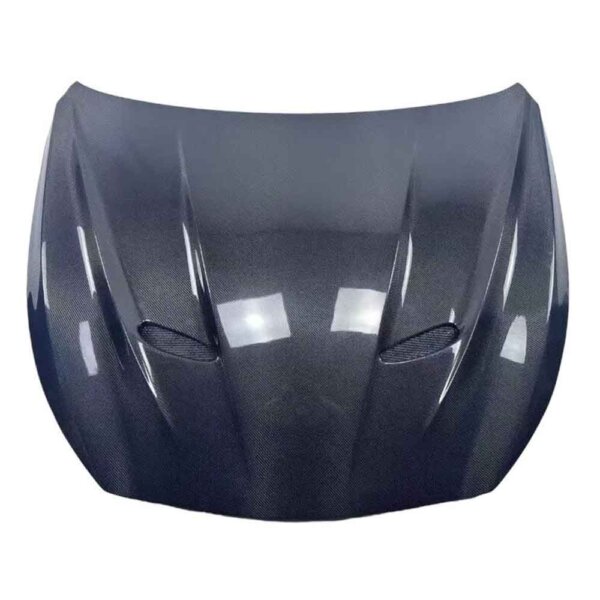
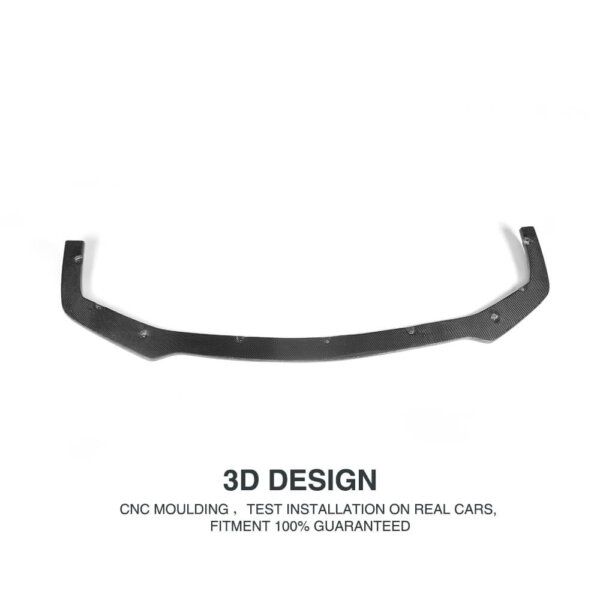
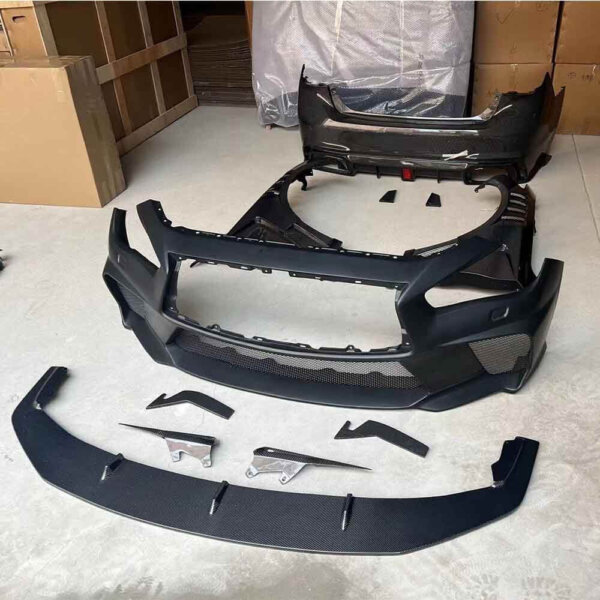
Mirror caps are usually the first mod because they’re low-risk and reversible-adjacent, but they pair naturally with a Q50 carbon fiber front lip, a vented carbon hood, a rear diffuser, or a full Infiniti Q50 wide body kit if you’re planning a complete exterior refresh. You can browse our broader range of carbon fiber car parts if you’re mapping out a multi-part build.
Matching the weave style (twill vs. forged) across these parts is worth planning for up front — mixing weave types across visible panels is the most common aesthetic mistake in full exterior builds.
Many aftermarket carbon fiber parts are supplied through different distribution channels, which can make it difficult for buyers to understand the actual manufacturing process behind the product — questions like wet layup vs. prepreg, mold source, or QC steps aren’t always something a seller can answer if they don’t run the production line themselves.
We manufacture the caps directly, which means:
This is what lets us support both one-off retail orders and larger wholesale/OEM programs from the same production capability, rather than treating them as two different businesses. You can read more about our facilities and manufacturing background on our about page.
| Item | Specification |
|---|---|
| Vehicle compatibility | Infiniti Q50 (2014–2025), Q60 (2017–2022, confirm by housing shape) |
| Cap type | Direct replacement (OEM clip pattern) |
| Material | Real carbon fiber (CFRP) |
| Production method | Prepreg autoclave or wet layup — specify preference |
| Weave options | 3K plain, 3K twill, honeycomb/forged |
| Finish | Gloss clear coat (standard), matte (special order) |
| Set contents | 2× mirror caps (left + right) |
| Installation | Direct clip-fit, no adhesive required |
| MOQ (wholesale) | Contact us for current minimums |
| Lead time | Depends on stock vs. custom tooling — confirm at time of order |
Beyond retail sets, we produce for:
If you need a mirror cap shape not covered here (a specific M-style profile, a customer’s own design, or a non-Q50 platform), our process starts the same way: scan or CAD first, then tooling — not a hand-measured copy of an existing part. See our broader custom carbon fiber capabilities for projects outside the Q50/Q60 platform.
It depends on the manufacturer — genuine parts use woven carbon cloth in a resin matrix (CFRP), while lower-cost alternatives use ABS plastic with a printed or film carbon pattern. See the comparison table above for a simple visual test you can use to tell them apart before or after purchase.
Yes. Red Sport 400 doesn’t use a unique mirror housing shape — fitment is determined by model year and generation (pre-facelift vs. facelift), not trim level.
This matters more than most listings admit — see the full breakdown above. A true replacement cap uses the OEM clip pattern and mounts directly to the mirror housing; an overlay sits on top of your existing factory cap.
Most owners can install a replacement-style cap in 20–40 minutes with basic tools. Professional installation is worth considering if you’re not comfortable working around factory electrical connectors (for models with turn signal repeaters built into the mirror).
Q60 (2017–2022) uses a similar mirror housing architecture to the Q50 across overlapping years, so cross-compatibility is common — but we still recommend confirming by housing shape or VIN rather than badge alone. Q70/QX30/QX50 compatibility varies more by year, so the same confirmation step applies there too.
Yes, for most owners — a replacement-style cap typically takes 20–40 minutes per side with basic tools (see the installation guide above). The most common mistake is prying a cold factory cap without warming it first, which raises the risk of a broken clip.
Yes — beyond the Q50/Q60 platform, we produce carbon fiber mirror caps for a range of makes and models. Browse our full carbon fiber mirror lineup or contact us with your vehicle details if you don’t see your platform listed.
Prepreg carbon is pre-impregnated with resin at a controlled ratio and autoclave-cured, giving more consistent weave clarity and typically less weight. Wet layup is hand-wetted and cured under simpler conditions, which is lower-cost but more prone to resin-rich spots and, over time, clear coat issues. Full comparison above.
Yes — custom mold development is available from either your own physical sample or CAD data, with small-batch production runs for shops, distributors, or brand partners.
Yes, with tiered pricing for bulk orders, and private-label packaging available for shops and regional distributors. Contact us with expected order volume for a quote.
Timelines depend on whether existing tooling can be used or new molds need to be developed — existing-mold orders ship fastest, while new custom tooling adds development time upfront. We’ll give you a specific timeline once we know which category your order falls into.
The easiest reference point is the turn-signal cutout position on the underside of your factory cap, which shifted slightly between the pre-2018 and 2018+ housings. If you’re unsure, sending us your VIN or a photo of the factory cap’s underside is the fastest way to confirm.
Pricing depends on carbon type (prepreg vs. wet layup), weave/finish option, and order quantity. Contact us for current retail and wholesale pricing.
Yes — see the Wholesale, OEM/ODM, and Custom Manufacturing section above for what we support, from bulk retail-set orders to private-label and custom tooling programs.
Yes — our process (OEM scan, mold development, prepreg or wet layup production) applies across the Q50/Q60 platform, including the Q50 carbon fiber front lip and Infiniti Q50 wide body kit, plus hoods and diffusers. You can also browse our carbon fiber car parts category for the full range.
Whether you need a single replacement set or ongoing wholesale supply, contact our carbon fiber manufacturing team with:
We’ll confirm the correct fitment, recommend a production method (prepreg or wet layup), and provide a quote.
This guide is maintained by our composite manufacturing team and updated as fitment data changes across Q50/Q60 model years. If you’ve found a fitment discrepancy not listed here, let us know — we verify reports against our OEM scan data before updating this page.
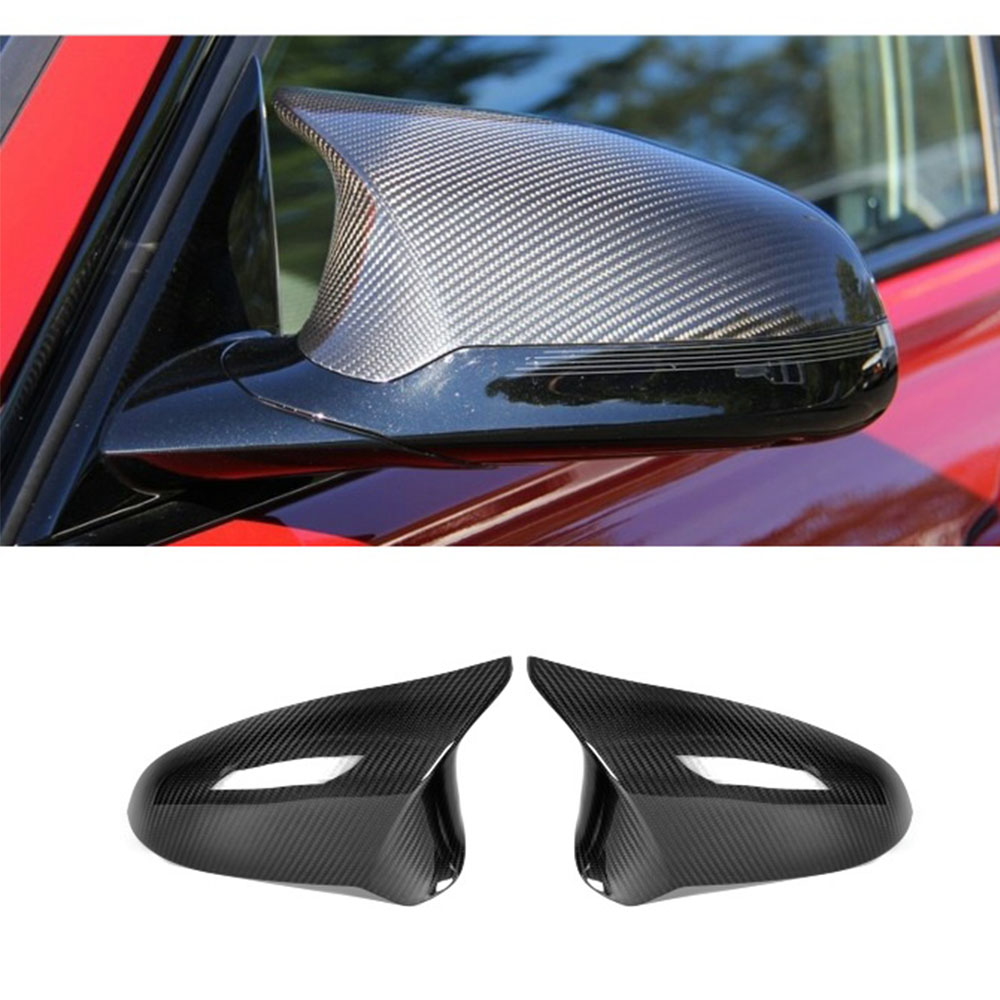
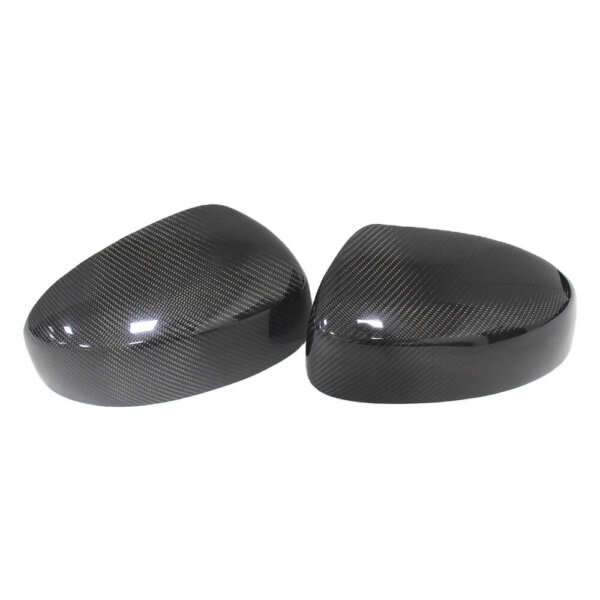
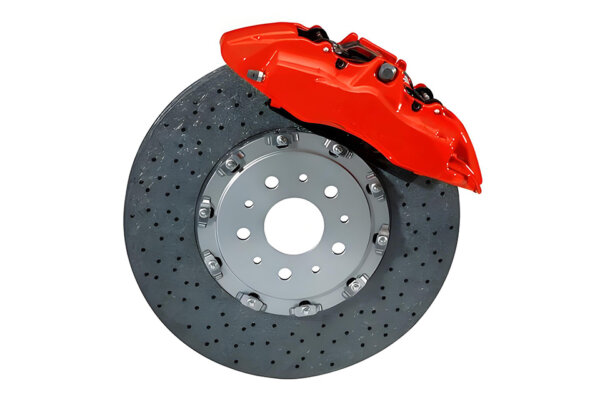
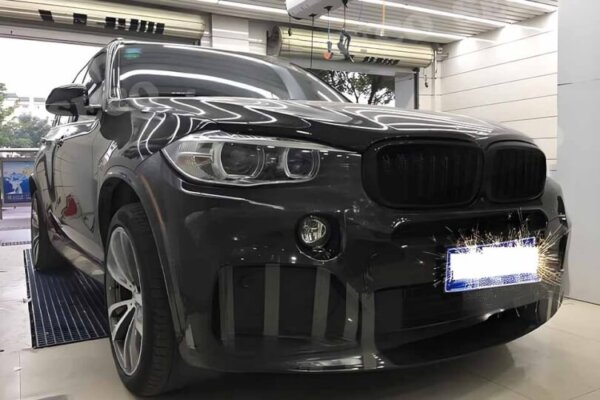
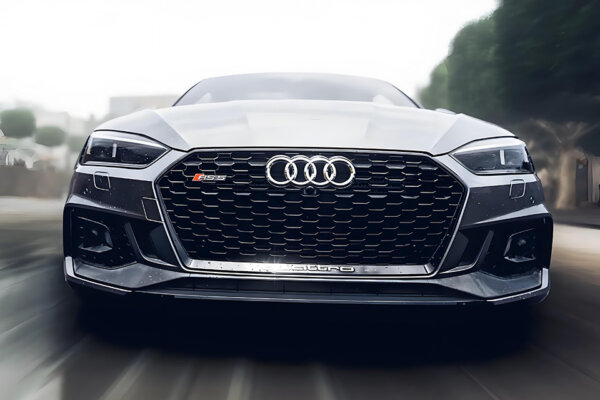
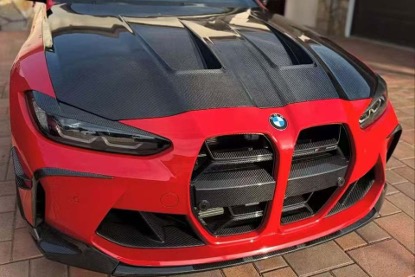
Our factory employs an advanced carbon fiber hot press process with a P20 steel mold, ensuring high efficiency, precision, durability, and cost-effectiveness for quality production.
Our factory runs 100+ hot pressure autoclaves, using aluminum molds and vacuum induction to shape carbon fiber with precision. High heat and pressure enhance strength, stability, and flawless quality.
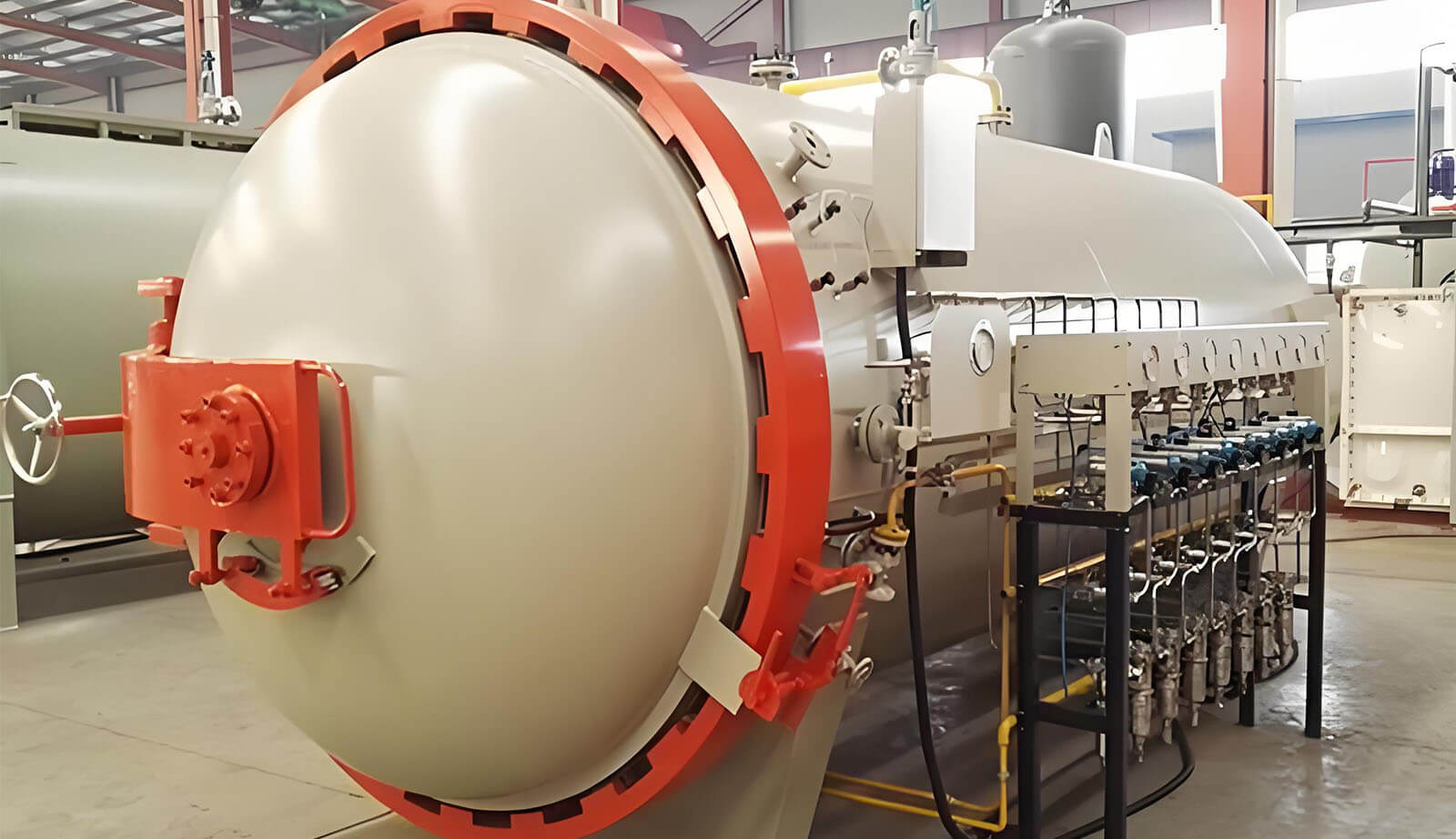
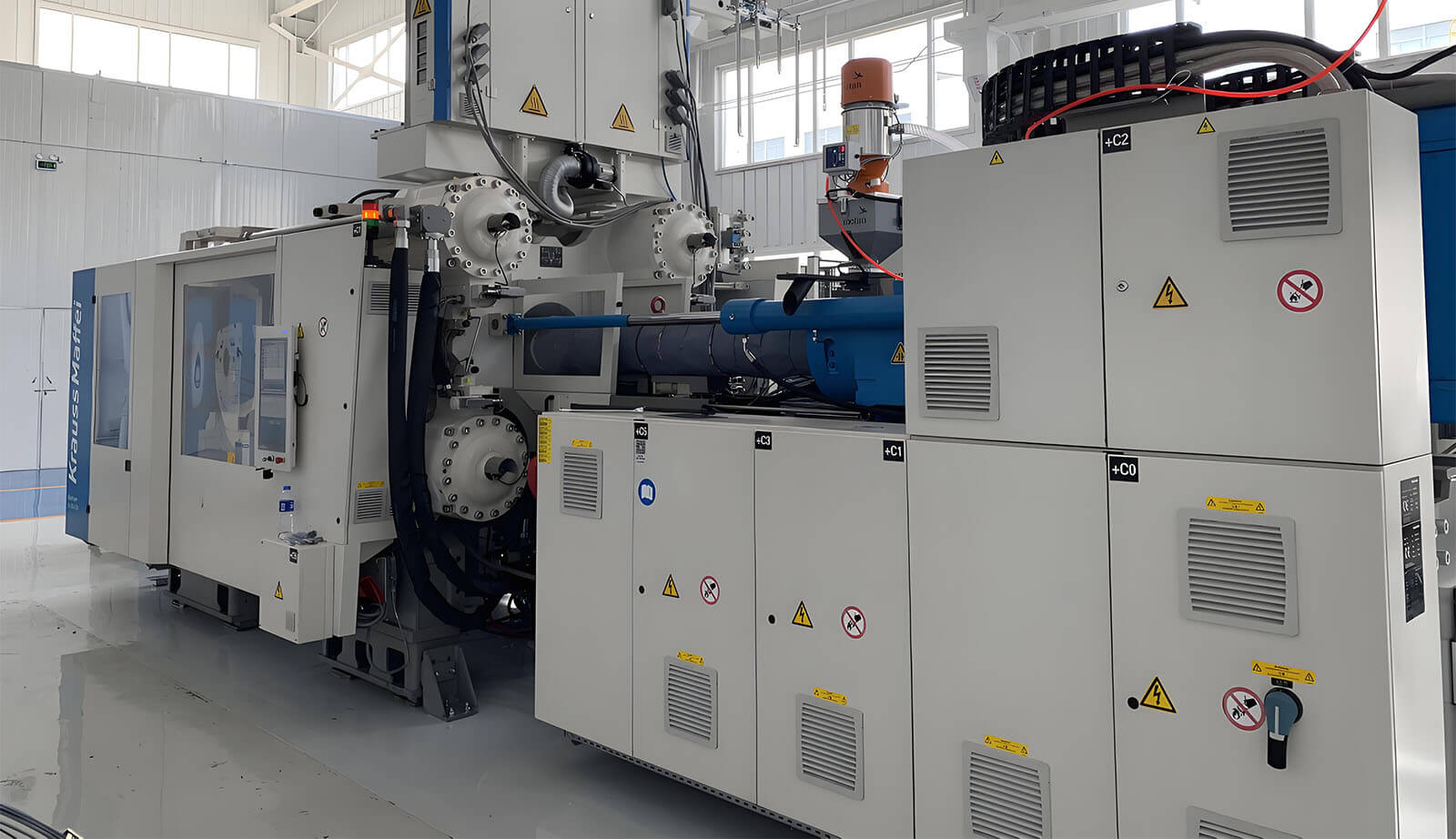
Our Carbon Fiber Research Center drives innovation in new energy, intelligence, and lightweight design, using advanced composites and Krauss Maffei FiberForm to create cutting-edge, customer-focused solutions.
Here are the answers to the frequently asked questions from the experienced carbon fiber products factory
We produce a wide range of carbon fiber components, including automotive parts, motorcycle parts, aerospace components, marine accessories, sports equipment, and industrial applications.
We primarily use high-quality prepreg carbon fiber and large-tow carbon fiber reinforced high-performance composites to ensure strength, durability, and lightweight characteristics.
Yes, our products are coated with UV-protective finishes to ensure long-lasting durability and maintain their polished appearance.
Yes, our facilities and equipment are capable of producing large-size carbon fiber components while maintaining precision and quality.
What are the benefits of using carbon fiber products?
Carbon fiber offers exceptional strength-to-weight ratio, corrosion resistance, stiffness, thermal stability, and a sleek, modern appearance.
We cater to automotive, motorcycle, aerospace, marine, medical, sports, and industrial sectors with a focus on lightweight and high-performance carbon fiber components.
Yes, we provide custom carbon fiber solutions tailored to your specifications, including unique designs, sizes, and patterns.
We utilize advanced technologies such as autoclave molding, hot pressing, and vacuum bagging, ensuring precision, stability, and quality in every product. wonders with the Hello Elementor Theme, we’re trying to make sure that it works great with all the major themes as well.
We use aluminum and P20 steel molds, designed for durability and high accuracy, to create complex and precise carbon fiber components.
Our products undergo rigorous quality control checks, including dimensional accuracy, material integrity, and performance testing, to meet industry standards.