
Carbon Fiber Composite Material Hot Pressing Molding Process
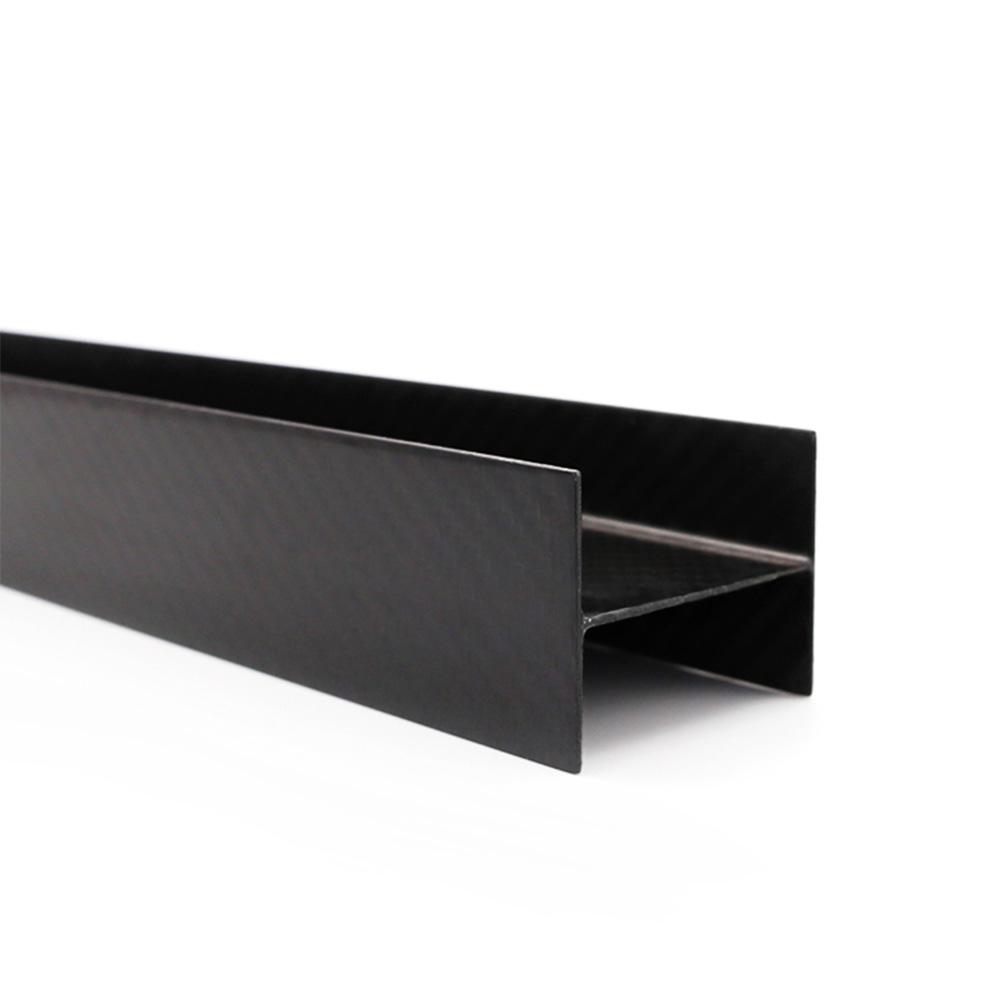
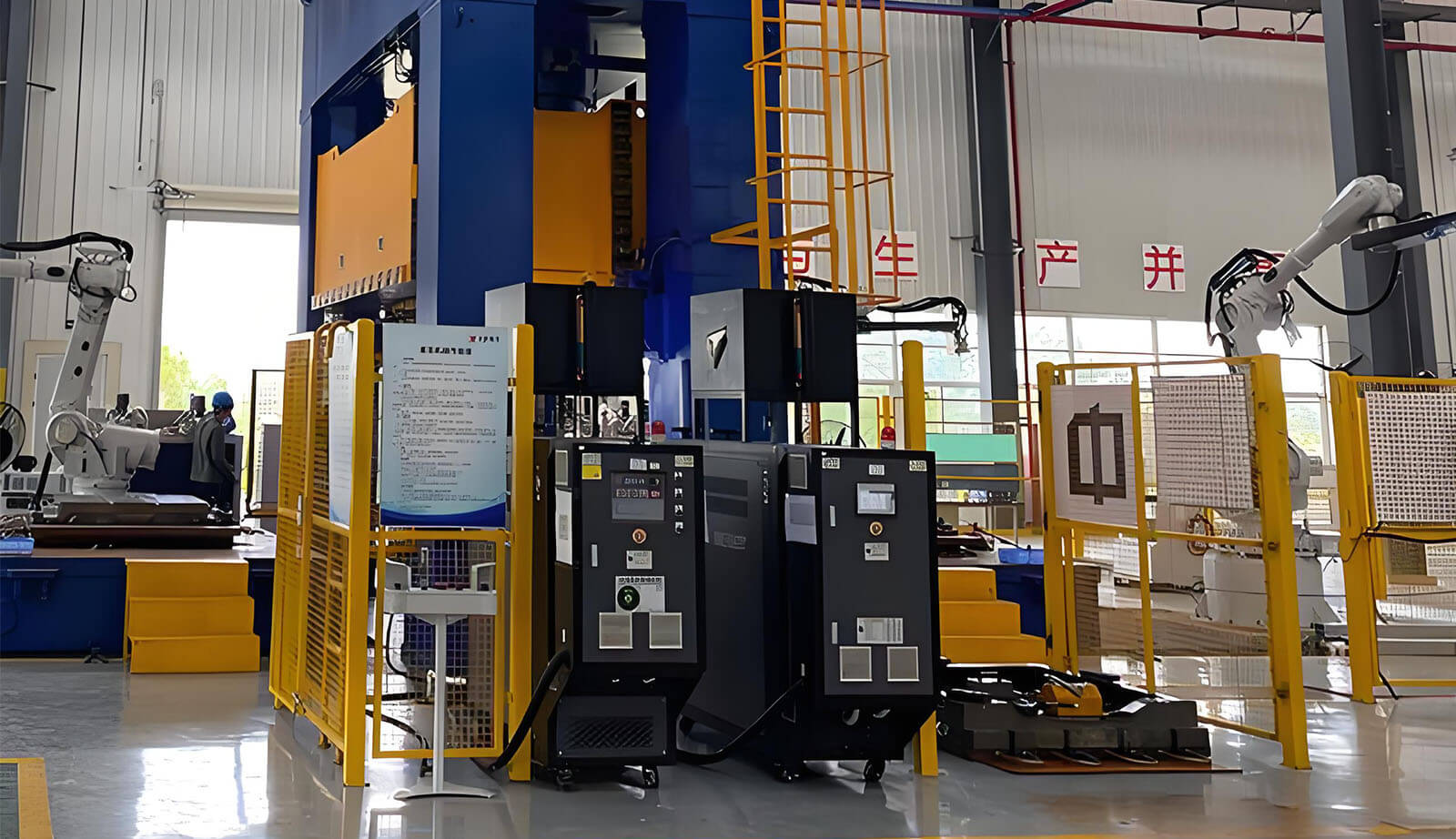
Our factory employs an advanced carbon fiber hot press process with a P20 steel mold, ensuring high efficiency, precision, durability, and cost-effectiveness for quality production.
Custom carbon fiber drone frames and UAV structural components for FPV, VTOL, fixed-wing and heavy-lift drone projects. CNC carbon plate cutting, roll-wrapped carbon tube arms, molded shells, sandwich panels, aluminum insert bonding — prototype to batch production from your CAD files or samples.
Carbon fiber offers a high stiffness-to-weight ratio, good fatigue resistance, low thermal expansion, and corrosion resistance that aluminum and plastic cannot match at equivalent weight. For drone applications, these properties reduce total frame weight, improve flight endurance, lower vibration transmission to cameras and electronics, and maintain structural stability under sustained motor and wind load.
| Material | Advantage | Limitation |
|---|---|---|
| Carbon fiber | Lightweight, stiff, corrosion-resistant, fatigue-tolerant | Higher cost; requires correct layup and bonding method |
| Aluminum | Good machinability, strong insert threads, predictable failure mode | Heavier; may plastically deform under crash loading |
| Plastic / nylon | Low cost, rapid molding | Lower stiffness, higher vibration, deformation risk at elevated temperature |
| Fiberglass | Lower material cost than carbon | Heavier and less stiff for the same thickness |
For most commercial, industrial, and performance drone projects, the weight and stiffness advantage of carbon fiber justifies the material cost — particularly once flight time, payload capacity, and structural reliability are considered.
We support OEM and ODM carbon fiber drone frame projects for drone brands, UAV integrators, robotics companies, research teams, and industrial equipment manufacturers. We manufacture according to your CAD files, can advise on design optimization for production, and support prototype, pilot batch, and repeat production runs.
Whether you need a single prototype to validate a new design, a pilot batch for field testing, or repeatable serial production, we work to the same drawings and quality process throughout. Customers retain ownership of all tooling and drawings produced for their projects. To learn more about our factory, equipment, and composite manufacturing background, visit our factory and company overview.
| Drone Type | Carbon Fiber Solution |
|---|---|
| FPV racing drone | CNC carbon plate arms (typically 4–6 mm), compact stacked center plate, countersunk hardware |
| Freestyle drone | Replaceable arm design, reinforced arm root, chamfered plate edges |
| Camera / aerial photography drone | Rigid center frame, vibration-isolated gimbal deck, quasi-isotropic layup |
| Quadcopter / hexacopter | Scalable plate or tube frame; motor layout and stack size per specification |
| Agricultural UAV | Carbon tube arms, chemical-resistant surface finish, reinforced landing gear |
| Heavy-lift UAV | Roll-wrapped carbon tube booms, aluminum joint blocks, insert-bonded motor mounts |
| VTOL drone | Carbon tube booms, molded fuselage panels, threaded metal insert bonding |
| Fixed-wing UAV | Carbon spars, ribs, fuselage shells, access panels, aerodynamic profiles |
| Industrial inspection drone | UV-stable surface finish, modular arm design, corrosion-resistant hardware |
| Component | Available Manufacturing Options |
|---|---|
| Top plate / bottom plate | CNC-cut from carbon sheet; matte, glossy, or raw finish |
| Flat arm | CNC plate arms; layup orientation and thickness per drawing |
| Tubular arm / UAV boom | Roll-wrapped carbon tube; diameter, wall thickness, and length per specification |
| Center frame / body shell | Stacked plate assembly / molded monocoque / sandwich panel |
| Motor mount | CNC carbon plate with aluminum threaded inserts |
| Landing gear | Carbon tube with CNC connectors, or fully molded carbon structure |
| Battery tray | CNC carbon plate with cutouts and cable management features |
| Gimbal mounting plate | Vibration-isolated carbon plate with damper mount locations |
| Payload bracket | Molded carbon bracket or CNC plate to drawing |
| VTOL boom | Roll-wrapped tube; custom length, taper, and wall thickness |
| Fixed-wing rib / spar | CNC or pultruded carbon, per aerodynamic profile |
| Drone body shell / fairing | Prepreg layup, wet layup, or vacuum infusion depending on complexity |
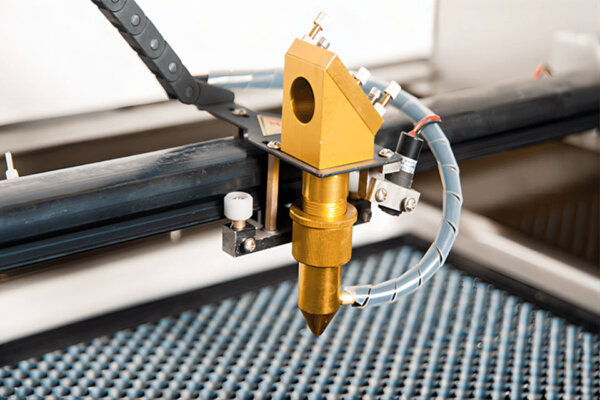
For flat FPV frames, quadcopter frames, and UAV plates, CNC cutting from carbon fiber sheet is usually the most cost-effective and fastest process. We can cut top plates, bottom plates, arms, battery trays, camera plates, gimbal decks, and motor mount plates from 3K twill, plain weave, UD-reinforced, or custom laminate carbon sheets. This is part of our broader range of custom carbon fiber manufacturing services that spans drone structures, industrial components, and specialty applications.
CNC-cut parts can be produced from 1 piece with no tooling investment, making them well suited to prototype validation and low-volume production. Tolerances are subject to plate thickness, geometry, and drawing requirements — confirm your critical dimensions at RFQ stage.
For countersinking, chamfering, edge finishing, logo engraving, and anodized aluminum insert bonding on CNC-cut parts, these are available as part of the same production step.
Arm design is one of the most important structural decisions in a carbon fiber drone frame. The right option depends on drone size, payload, arm span, and production volume.
| Arm Type | Best For | Key Limitation |
|---|---|---|
| CNC plate arm | FPV, small quadcopters, rapid prototyping, easy field replacement | Less structurally efficient at long spans; heavier per unit stiffness beyond ~350 mm |
| Carbon fiber square tube arm | Heavy-lift, agricultural UAV, VTOL, long boom structures | Requires aluminum joint blocks or bonded inserts for motor mount |
| Molded carbon arm | Aerodynamic designs, repeat production, integrated profiles | Requires tooling; higher upfront cost |
| Sandwich panel arm | Lightweight large-panel structures, industrial UAV decks | Requires correct core selection and edge closeout design |
This is especially relevant for agricultural UAVs, delivery drones, and industrial inspection drones where arm span, payload, and vibration control are more critical than plate thickness alone. If you are unsure which arm type suits your design, send us your target span, motor weight, and payload requirement — we can advise before you commit to geometry.
For large heavy-lift UAVs with arm spans above approximately 400 mm, flat carbon plate arms can become too flexible or disproportionately heavy to meet stiffness requirements. In these cases, we typically recommend roll-wrapped carbon fiber tubes with aluminum joint blocks — tubes provide better bending stiffness per unit weight and a cleaner structural load path than stacked plate designs.
This matters most for agricultural UAVs, delivery drones, and industrial inspection platforms where arm span, payload, and vibration control take priority. Avoid long unsupported flat plate arms for heavy-lift drones; use tube or box-section structures instead.
For repeated assembly at motor mounts and arm joints, bonded metal inserts or metal bushings are strongly preferred over screws threading directly into carbon laminate — direct tapping into carbon fiber will loosen with vibration over time and compromises the joint.
| Process | Best For | Notes |
|---|---|---|
| CNC cutting from carbon sheet | Flat FPV frames, plates, battery trays | From 1 piece; no tooling required |
| Roll-wrapping (carbon tube) | Arm booms, VTOL booms, structural members | Diameter, wall, and length per specification |
| Prepreg layup + autoclave | High-performance molded structures, aerodynamic shells | From 5–10 pcs; tooling required |
| Vacuum infusion / wet layup | Large shells, fairings, prototype structural parts | From 1 piece; suited to complex geometry |
| Compression molding | Body shells, arm covers, repeat-geometry parts | Better suited to 100 pcs+; lower per-part cost |
| Sandwich panel (carbon + foam core) | Lightweight industrial UAV panels, large decks | From 1 piece; core type per specification |
| Hybrid: carbon + aluminum insert | Motor mounts, fold joints, high-stress screw locations | From 5 pcs; bonding method per drawing |
We can also help adjust the prototype design before tooling so that the final part is easier to manufacture in repeat batches. If you plan to move to production after prototype validation, mention this at RFQ stage so we can design accordingly.
| Requirement | Suggested Material |
|---|---|
| Cost-effective FPV or quadcopter frame | 3K twill carbon fiber sheet (T300 base or equivalent) |
| Higher stiffness, lower weight | UD carbon reinforcement layer in layup stack |
| Heavy-lift drone boom arms | Roll-wrapped T700 carbon fiber tube |
| Vibration-sensitive camera platform | Quasi-isotropic layup (0°/45°/90°/−45°) |
| Long-duration outdoor UAV | T700 prepreg with UV-resistant clear coat and corrosion-resistant hardware |
| Maximum strength-to-weight | T800 prepreg with autoclave cure |
| Lightweight structural panel | Carbon sandwich: 3K skins + PMI or Rohacell foam core |
| Impact-tolerant freestyle frame | 3K twill with rubber-damped hardware, replaceable arm geometry |
Depending on project requirements and budget, we source from Toray-grade carbon fiber, domestic equivalents, or standard commercial materials. Material certificates are available on request for projects where documentation is required.
The same carbon fiber materials and manufacturing processes used in our drone frames are also applied across our carbon fiber automotive parts and carbon fiber motorcycle components — reflecting a consistent approach to composite quality across all product categories.
Our engineering team can advise on arm geometry, layup sequence, fiber orientation, insert selection, and process choice based on your performance targets. We can work from finished CAD files or assist earlier in the design process.
Engineering notes for designers:
To prepare an accurate quotation without unnecessary back-and-forth, please provide as much of the following as possible:
If CAD files are not yet available, we can make an initial feasibility review from photos, sketches, or a physical sample. STEP or DXF files are strongly recommended for accurate pricing and production.
| Inspection Stage | What We Check |
|---|---|
| Incoming material | Carbon fiber grade, fabric weight, prepreg batch, resin content |
| Fiber orientation | Layup confirmed against engineering specification |
| CNC dimensional inspection | Hole position, arm length, outer profile — per drawing and tolerance callout |
| Edge finishing | No delamination, no exposed fiber burrs, consistent chamfer or radius |
| Insert bonding | Visual and structural check on bonded metal inserts |
| Flatness check | Checked relative to part size, thickness, and layup design |
| Visual inspection | Weave alignment, surface pinholes, resin-rich or resin-starved areas |
| Trial assembly | Motor, ESC, flight controller, and battery confirmed to fit per layout |
| Final documentation | Dimensional report available for batch orders on request |
| Packaging | Anti-static foam, edge protection, no direct contact between stacked plates |
For projects requiring additional documentation or testing — such as insert pull-out testing, material test coupons, 3D scan reports, or first article inspection (FAI) — these can be arranged depending on project requirements. Some tests may require third-party laboratory support. Please state your quality requirements at RFQ stage.
A UAV developer required lightweight carbon tube arms and CNC carbon center plates for an industrial inspection drone. The project required repeatable arm stiffness, accurate motor mount hole position, and clean assembly across multiple units. We reviewed the STEP files, recommended an adjustment to the insert bonding area geometry to improve pull-out strength, produced prototype parts within the agreed timeline, and supported small-batch production after sample approval. The customer confirmed that prototype-to-batch dimensional consistency met their assembly requirements without further adjustment.
This type of project — prototype to small batch with engineering input — is representative of the work we do. We do not require large minimum orders to begin.
We can help adjust prototype design before tooling commitment so that the final production part is easier to manufacture in repeat batches with consistent quality.
FPV frames prioritize low weight and arm stiffness in a small geometry. CNC-cut carbon plates are the standard process — they allow tight tolerances on motor mount holes, clean prop clearance geometry, and fast prototype turnaround with no tooling cost. Replaceable arm designs suit freestyle use where crash damage to individual arms is expected.
Camera platforms benefit most from overall frame rigidity. A quasi-isotropic layup in the center plate provides multi-axis stiffness, and a dedicated vibration-isolated gimbal deck reduces high-frequency vibration from motors and propellers. Frame geometry should position the camera well forward of the motor arc for unobstructed forward footage.
Agricultural drones operate in wet and chemically exposed conditions. We apply UV-resistant clear coat and specify corrosion-resistant hardware. Carbon tube arms are preferred at the arm spans common in agriculture (600–1000 mm) — they provide better bending stiffness per unit weight than flat plate arms at these lengths.
Heavy-lift platforms require a clear load path from motor to center body. We size tube diameter, wall thickness, joint block geometry, and insert bonding to the expected loading. For projects requiring structural documentation or testing, this can be discussed at RFQ stage.
VTOL and fixed-wing projects involve more complex geometry than multirotor frames. We manufacture carbon tube booms, molded fuselage shells, wing spars, ribs, access panels, and payload bays. Process selection depends on shape complexity, required surface quality, and target batch quantity.
Lead time depends on geometry, process, and current production loading. CNC-cut flat frames are generally faster than molded or tube-based structures. We confirm lead time at the quotation stage.
Prototype CNC parts can start from 1 piece with no tooling required. For molded carbon parts, MOQ depends on tooling cost, part size, and process — 20–50 pcs is typically more economical for aluminum-tooled parts, while compression-molded structures suit larger runs. Discuss your target quantities and we will recommend the right approach.
Yes. We design the prototype process to be compatible with production where possible. If the production process changes (for example, from CNC to compression molding), we produce a pre-production sample from production tooling before releasing to batch.
Yes. We sign NDA before reviewing designs when confidentiality is required.
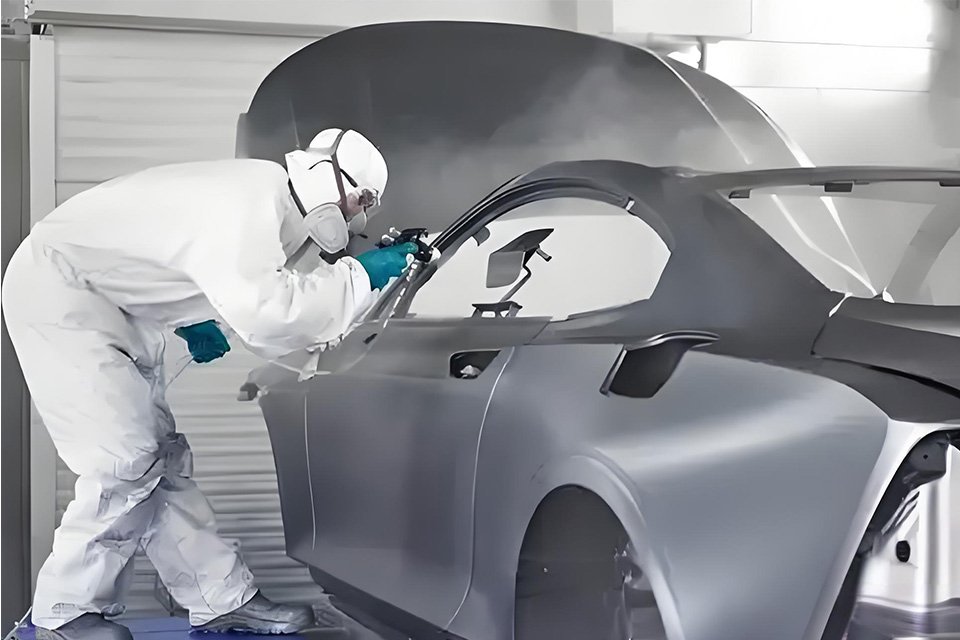
Matte, glossy, raw carbon, and UV-resistant clear coat are available as standard. Custom finishes can be discussed depending on material and project requirements.
We can conduct an initial feasibility review from a physical sample, photos, or sketches. STEP or DXF files are strongly recommended for accurate pricing and production.
Material certificates are available on request, particularly for engineering, industrial, research, or regulated applications.
STEP, STP, DXF, DWG. For tube structures, cross-section dimensions and length are sufficient to begin a review.
Yes. We manufacture quadcopter, hexacopter, octocopter, and custom multi-rotor frame geometries. Motor count, arm layout, and stack configuration are all defined by your drawing or specification.
We normally respond within 1–2 business days. Complex projects requiring detailed technical review may take longer before we can provide accurate pricing.
To request a quotation for your custom carbon fiber drone frame or UAV structural parts, please send:
We will respond with a quotation or clarifying questions as soon as technical review is complete. You can also explore our full product range and company background at chinacarbonfibers.com.
Reviewed by the Composite Engineering Team — last updated July 2026.
All specifications, tolerances, and capabilities described on this page are subject to project-specific confirmation. Contact us directly before making commitments based on figures shown here.
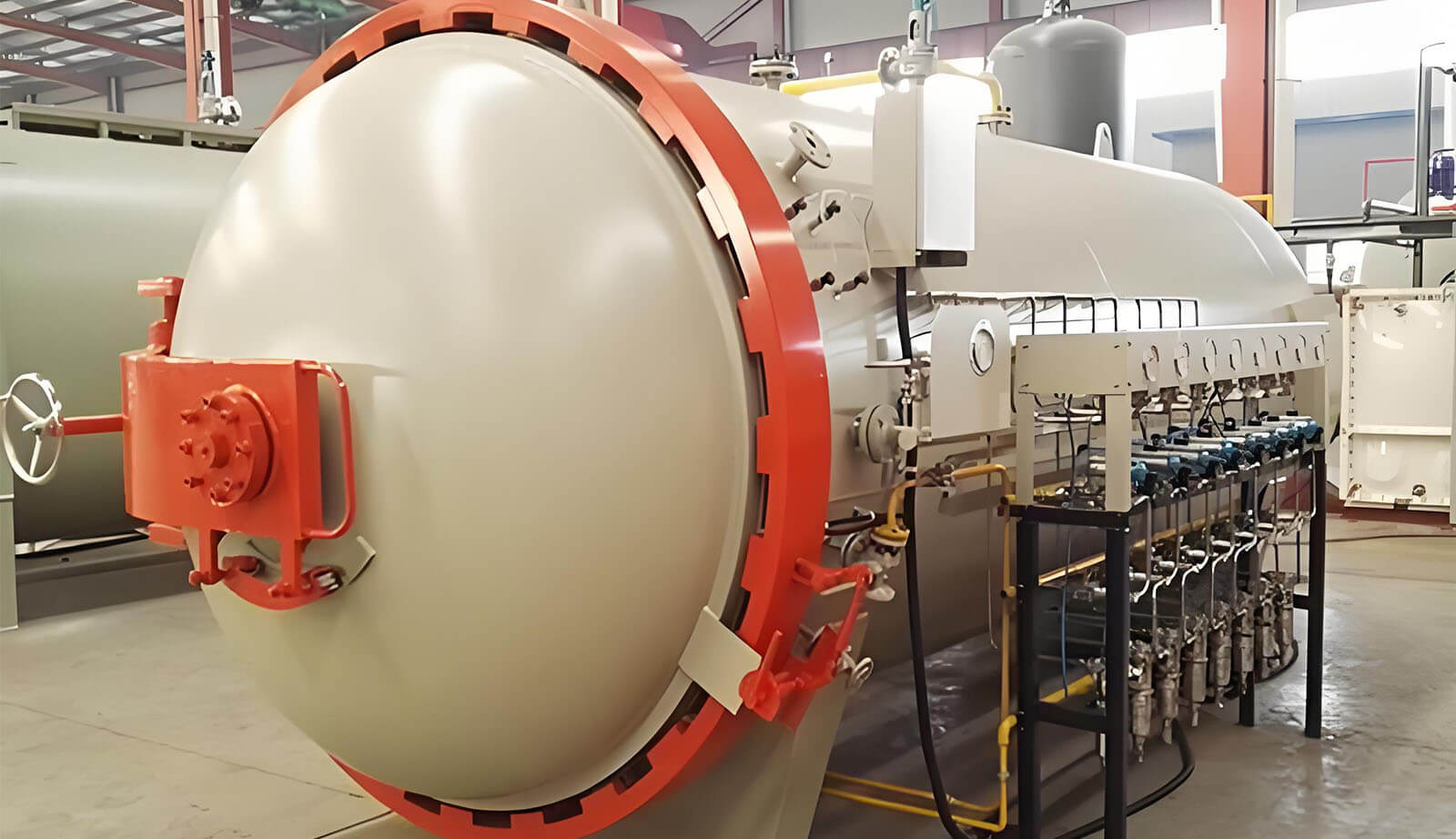
Our factory employs an advanced carbon fiber hot press process with a P20 steel mold, ensuring high efficiency, precision, durability, and cost-effectiveness for quality production.
Our factory runs 100+ hot pressure autoclaves, using aluminum molds and vacuum induction to shape carbon fiber with precision. High heat and pressure enhance strength, stability, and flawless quality.
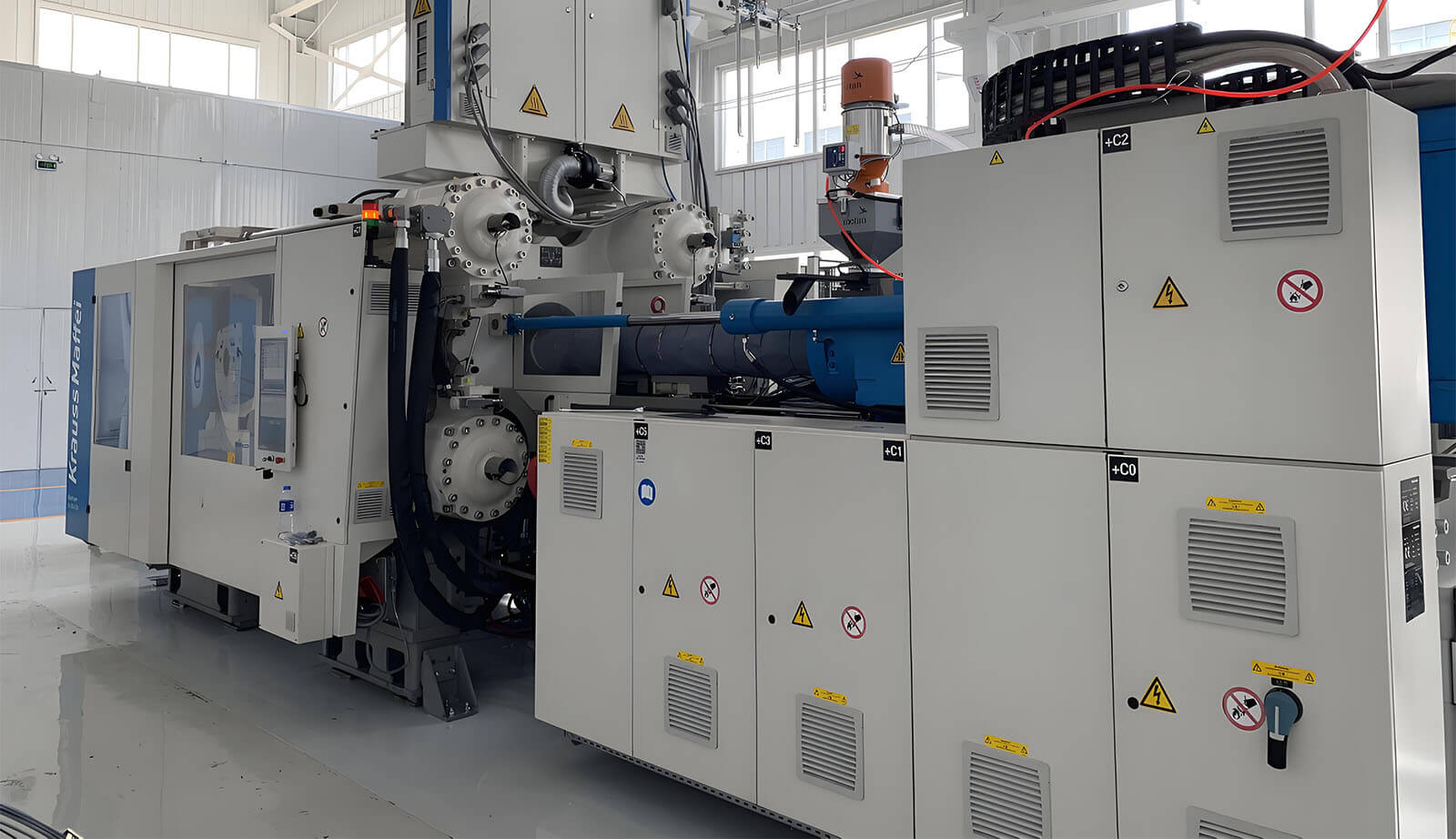
Our Carbon Fiber Research Center drives innovation in new energy, intelligence, and lightweight design, using advanced composites and Krauss Maffei FiberForm to create cutting-edge, customer-focused solutions.
Here are the answers to the frequently asked questions from the experienced carbon fiber products factory
We produce a wide range of carbon fiber components, including automotive parts, motorcycle parts, aerospace components, marine accessories, sports equipment, and industrial applications.
We primarily use high-quality prepreg carbon fiber and large-tow carbon fiber reinforced high-performance composites to ensure strength, durability, and lightweight characteristics.
Yes, our products are coated with UV-protective finishes to ensure long-lasting durability and maintain their polished appearance.
Yes, our facilities and equipment are capable of producing large-size carbon fiber components while maintaining precision and quality.
What are the benefits of using carbon fiber products?
Carbon fiber offers exceptional strength-to-weight ratio, corrosion resistance, stiffness, thermal stability, and a sleek, modern appearance.
We cater to automotive, motorcycle, aerospace, marine, medical, sports, and industrial sectors with a focus on lightweight and high-performance carbon fiber components.
Yes, we provide custom carbon fiber solutions tailored to your specifications, including unique designs, sizes, and patterns.
We utilize advanced technologies such as autoclave molding, hot pressing, and vacuum bagging, ensuring precision, stability, and quality in every product. wonders with the Hello Elementor Theme, we’re trying to make sure that it works great with all the major themes as well.
We use aluminum and P20 steel molds, designed for durability and high accuracy, to create complex and precise carbon fiber components.
Our products undergo rigorous quality control checks, including dimensional accuracy, material integrity, and performance testing, to meet industry standards.