
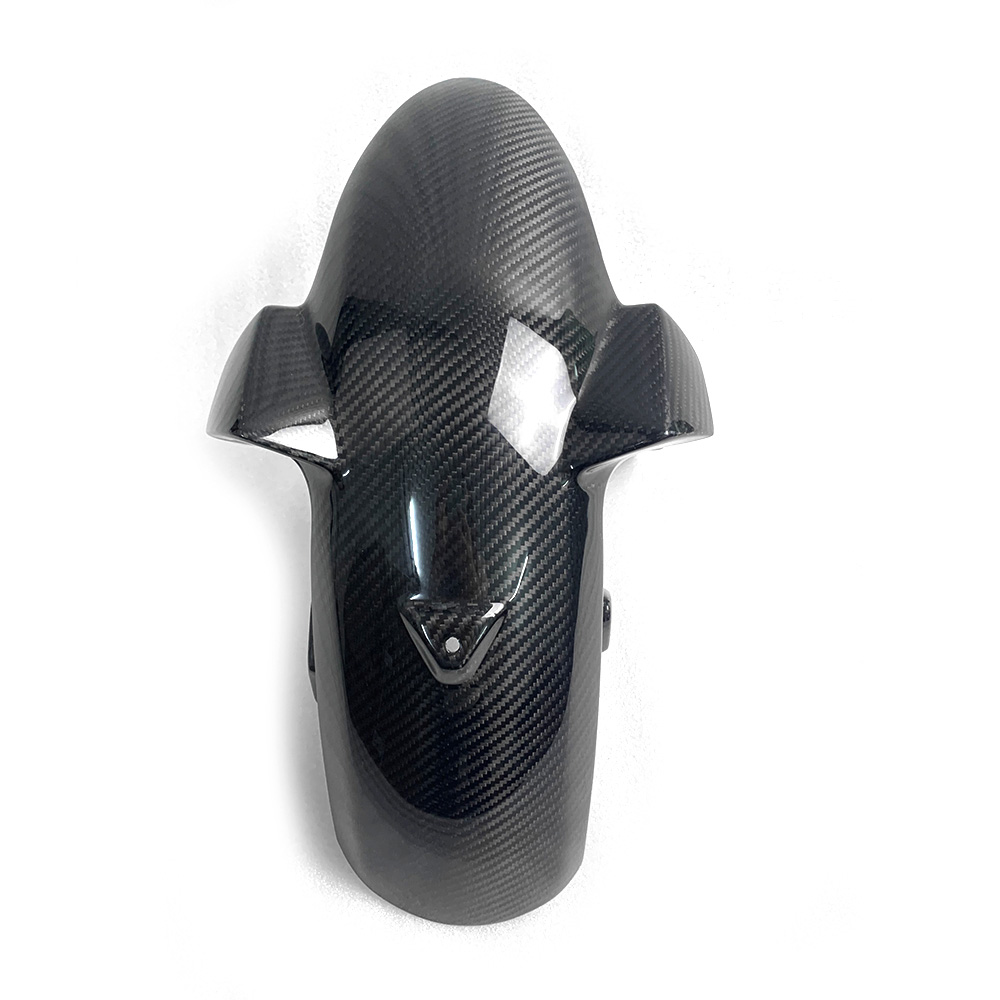
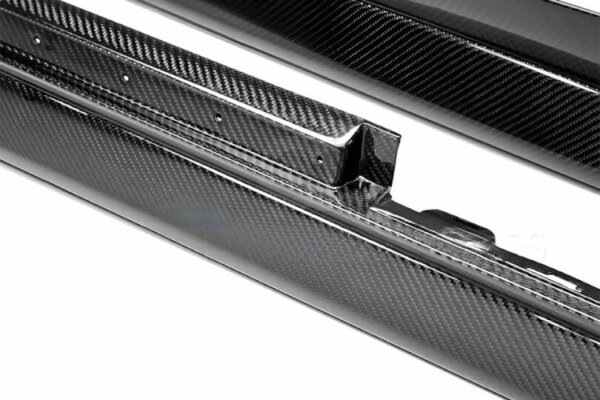
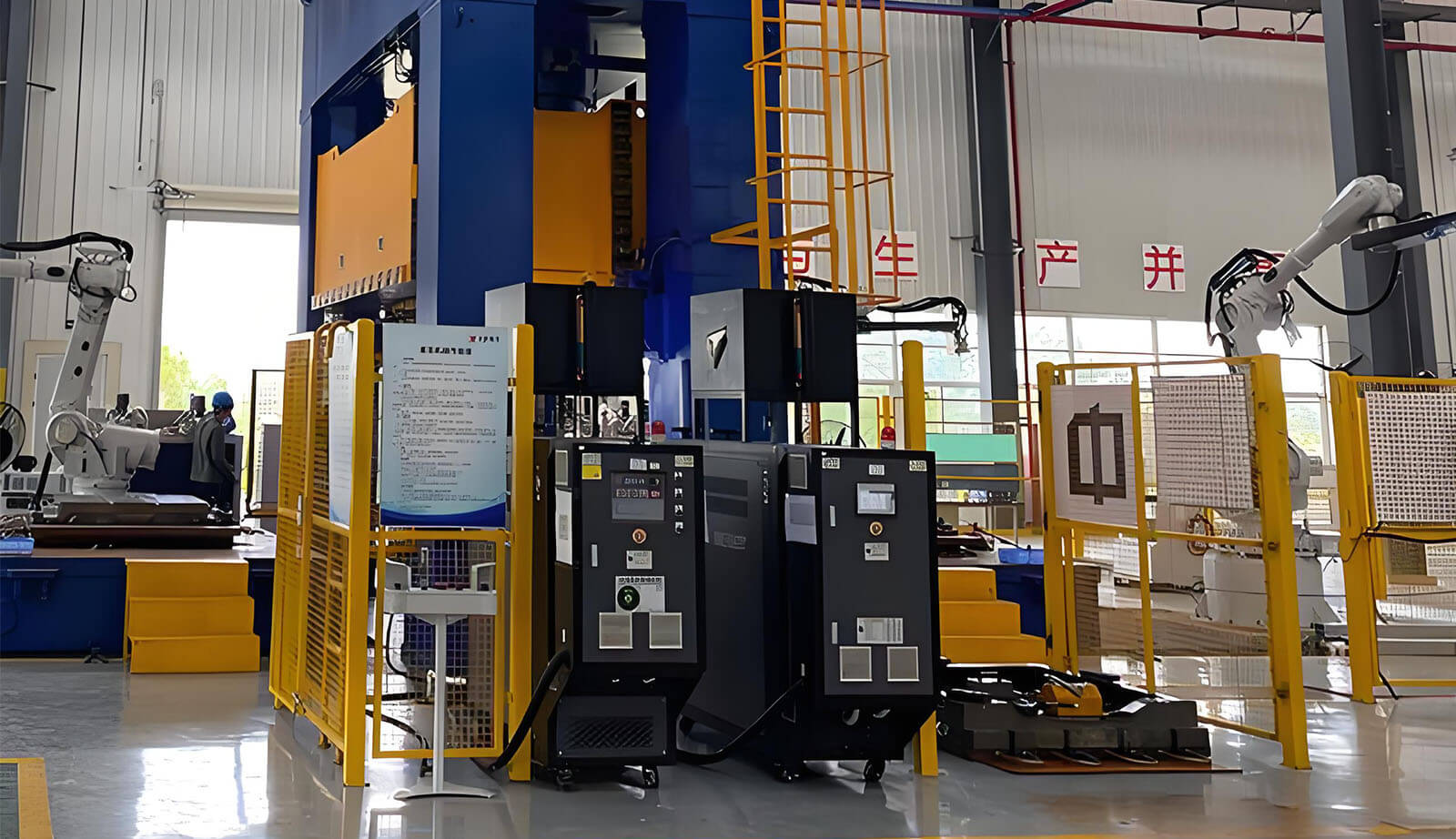
Carbon Fiber Composite Material Hot Pressing Molding Process
Our factory employs an advanced carbon fiber hot press process with a P20 steel mold, ensuring high efficiency, precision, durability, and cost-effectiveness for quality production.
We manufacture Yamaha R6 carbon fiber fairings using autoclave prepreg technology, producing OEM-fit dry carbon bodywork for racing teams, motorcycle dealers, and customization companies. As a carbon fiber motorcycle parts manufacturer, we also develop fenders, tank covers, and other composite components across the Yamaha range and other brands. This page covers the material and construction options we offer, how fitment differs across R6 generations, our manufacturing process, and what to expect when ordering wholesale or custom-developed parts.
We are not a retailer reselling stock fairings — we operate the autoclave presses, molds, and CNC trimming lines ourselves. That distinction matters more than it sounds: it’s the difference between a supplier who can answer “why is this layer schedule specified this way” and one who is just relaying a catalog number.
| Item | Details |
|---|---|
| Product | Yamaha R6 carbon fiber fairings / full body kit |
| Material | Genuine carbon fiber composite (dry carbon prepreg standard; wet layup available) |
| Process | Autoclave molding, CNC-trimmed |
| Weave options | 3K Twill / Plain Weave / Forged Carbon / 12K Diamond |
| Finish | Gloss or Matte, UV-protective clear coat |
| Fitment | Yamaha R6 2003–2025 (generation-specific — confirm chassis code) |
| Application | Street, track day, club racing |
| Customization | Color tint, logo/private label, custom development from OEM parts or scan data |
| Ordering | Contact us with your model year and configuration for MOQ and lead time |
The YZF-R6 is one of the most widely raced middleweight supersport platforms in club racing, track day events, and national championship classes. Because it’s a track-focused bike, weight reduction and quick-change bodywork have real performance value — not just cosmetic value — which is why carbon fiber replacement fairings are so common on this model specifically, more so than on commuter-oriented bikes.
Replacing OEM ABS injection-molded panels with a carbon fiber laminate has three practical effects: a lighter overall bike (bodywork is a meaningful share of total dry weight on a supersport), higher resistance to heat distortion near the exhaust and radiator area, and (for teams) the option of thinner, race-only panels that skip street-legal reinforcement the OEM part carries.
Before ordering, the single most important fact to establish is which generation of R6 you have, because the panel geometry, mounting points, and even the number of mounting bosses differ across generations — this is the detail most fairing suppliers gloss over and it’s the most common cause of a “doesn’t quite fit” complaint.
| Model Years | Generation | Chassis / Frame Code | Notable Bodywork-Relevant Changes |
|---|---|---|---|
| 2003–2004 | 2nd gen | 5SL | Deltabox III frame; first fuel-injected R6; conventional forks |
| 2005 | 2nd gen (facelift) | 5SL | Inverted forks and radial calipers change lower fairing clearance around the front end |
| 2006–2007 | 3rd gen | 2C0 | New bodywork line, revised ram-air intake position affects front fairing duct fitment |
| 2008–2011 | 4th gen | 13S | YCC-I intake system; distinct tail and side panel shape from the 2C0 |
| 2012–2016 | 4th gen (running change) | 13S (colour-code variant 1JS in some markets) | Same bodywork mounting as 2008–2011; cosmetic/colour changes only, no fairing fitment impact |
| 2017–2020 | 6th gen | BN6 | Fully revised, MotoGP-inspired bodywork — not interchangeable with any pre-2017 panel |
| 2021–present (Race/GYTR) | 6th gen | BN6 | Same bodywork platform as 2017–2020; track-only variants use lighter OEM panels as the baseline |
Always confirm your exact model year (and, for pre-2017 bikes, whether your bike has the earlier 2C0 or later 13S front-end) before ordering. Panels built for one generation will not bolt onto another without rework, regardless of how similar two model years look in photos.
We build three categories of bodywork, and which one you want depends on how the bike will actually be used — this is worth deciding before you pick a weave pattern or finish.
Matches the factory panel geometry, mounting hardware, and reinforcement points exactly. Intended for street-registered bikes, collectors, and riders who want the factory silhouette in carbon instead of ABS. These retain the OEM bracket and grommet locations so factory hardware and heat shields still fit.
Optimized laminate schedule, no street-only brackets (turn signal mounts, reflectors, etc. are typically omitted or made optional), and quick-release fastener provisions for pit-lane panel changes. This is the category most club racers and track day riders should be ordering rather than the OEM-replacement version.
A complete set covering:
This kit structure follows the same carbon fiber motorcycle fairings manufacturing approach we use across other sportbike platforms.
This section exists because it’s a genuine point of confusion in the aftermarket fairing market, and buyers get burned by it regularly. A significant share of listings for “carbon fiber” R6 fairings are actually ABS plastic, injection-molded, then painted or hydro-dipped with a carbon-look finish. These parts can look convincing in photos and are not inherently low quality as ABS parts — but they do not deliver the weight reduction, heat resistance, or stiffness of an actual carbon fiber composite, and they should not be priced or marketed as if they do.
Three ways to tell the difference before you buy, from anyone’s fairings, not just ours:
We manufacture genuine carbon fiber composite parts — meaning actual woven carbon fiber cloth impregnated with resin and cured — not painted plastic. We’re stating this plainly because it’s a real distinction in this market, not a marketing claim against a specific competitor.
Within genuine carbon fiber fairings, there’s a second distinction buyers should understand: how the part was cured.
| Dry Carbon (Autoclave Prepreg) | Wet Layup (Hand Layup) | |
|---|---|---|
| Fiber-to-resin ratio | Higher, more consistent (resin content controlled during prepreg manufacturing) | Lower and more variable — depends on the technician’s hand |
| Weight | Lower for a given stiffness | Higher, since excess resin adds weight without adding strength |
| Surface finish | More consistent, fewer pinholes and resin-rich patches | More variable; often needs more filler/clear coat to hide imperfections |
| Mechanical consistency | Higher and more predictable, cured under controlled heat and pressure | More dependent on technician skill; greater part-to-part variation |
| Production cost | Higher (autoclave time, prepreg material cost) | Lower |
For race panels and any bodywork mounted near heat sources, autoclave prepreg construction is the better choice, and it’s what we recommend and manufacture as our standard process for R6 fairings. Wet layup has its place for lower-cost cosmetic parts, and we’re upfront with customers about which category a given quote falls into.
Yamaha R6 carbon fiber fairings from our production line are used across a few distinct contexts, and we build to slightly different specs depending on which one applies:
To illustrate how a custom order actually moves through our process, here’s a representative workflow for a 2017+ (BN6) R6 race bodywork project — this is a generalized example of our process, not a specific customer case:
For stock configurations we already have tooling for, this shortens to steps 1, 5, and 6.
This is the part of the page we can speak to with the most authority, because it’s what we actually do on our own production floor, not a description borrowed from an industry brochure.
This is the same core carbon fiber manufacturing process we apply across our motorcycle and automotive product lines, adapted to R6-specific molds and mounting geometry.
We offer four weave/surface options. Rather than list them as flat options, here’s how to actually choose between them:
| Style | Appearance | Best For |
|---|---|---|
| 3K Twill | Matches the diagonal weave pattern of most factory-style carbon trim | Riders who want a look consistent with OEM carbon accessories |
| Plain Weave | Simple checkerboard pattern, flatter visual texture | Buyers who want a clean, understated look rather than a bold pattern |
| Forged Carbon | Randomized, marbled fiber pattern (chopped fiber compression, not woven cloth) | Buyers prioritizing a distinctive visual look over the exact factory-style weave |
| 12K / Diamond weave | Larger, bolder weave pattern | Riders who want the weave pattern itself to be the visual statement |
Finish options:
Custom tinting (red, blue, green, or specified Pantone/RAL colors mixed into the clear coat) is available on request for buyers wanting a bike-specific color match rather than raw carbon appearance.
| Year Range | Chassis Code | Fitment Status |
|---|---|---|
| 2003–2004 | 5SL | Available |
| 2005 | 5SL (facelift) | Available — confirm front-end spec (USD forks) |
| 2006–2007 | 2C0 | Available |
| 2008–2016 | 13S | Available |
| 2017–2025 | BN6 | Available |
Please confirm your exact model year when ordering. Yamaha R6 fairing geometry changes between generations even where the frame code stayed the same across a range of years (see the 2008–2016 13S column above); we match panels to your confirmed year rather than assuming compatibility from a single reference photo.
Beyond the R6, we produce fairings and bodywork across the rest of our Yamaha carbon fiber motorcycle parts range, including the R1 and R7.
Actual finished weight depends on the specific panel, ply schedule, and finish (gloss clear coat adds a small amount of weight versus matte). Rather than quote a single average figure that may not match what actually ships, we provide a per-panel weight sheet on request, generated against the specific kit configuration and generation you’re ordering.
Every panel goes through:
We work with racing teams, dealers, and customization shops on both stock configurations and fully custom development.
We’re a carbon fiber composite manufacturer running our own autoclave and CNC tooling, not a trading company reselling other factories’ output. Specific to this program:
Chinacarbonfibers is a composite manufacturer with more than 28 years of history, focused on custom carbon fiber manufacturing, with products distributed to customers in 118 countries. Our production base is located in Xiangcheng District, Suzhou, China. Alongside motorcycle bodywork, we manufacture carbon fiber components for automotive, industrial, and sports applications using autoclave prepreg molding, vacuum bagging, and CNC trimming.
(Replace the placeholders below with real photos from your own production floor before publishing — no stock imagery.)
| Image | Suggested Alt Text |
|---|---|
| Finished R6 carbon fairing | Yamaha R6 carbon fiber fairing finished panel |
| Carbon fabric layup in mold | Yamaha R6 carbon fiber fairing autoclave manufacturing layup |
| Production mold | Yamaha R6 carbon fiber fairing production mold |
| Autoclave curing cycle | Carbon fiber autoclave curing Yamaha R6 fairing |
| CNC trimming | CNC trimming Yamaha R6 carbon fiber fairing |
| Final inspection / fitment check | Yamaha R6 carbon fiber fairing quality inspection |
Fitment and legality depend on your local vehicle regulations regarding aftermarket bodywork, lighting, and reflector retention — OEM-replacement panels are built to retain factory mounting points for lighting and reflectors, but you should confirm requirements in your own jurisdiction before riding on public roads.
These are genuine woven carbon fiber composite panels — carbon fabric impregnated with resin and autoclave-cured — not painted or vinyl-wrapped ABS plastic. See the “Real Carbon Fiber vs. ABS” section above for how to verify this on any supplier’s parts, including ours.
Both. OEM-replacement kits retain factory mounting and reinforcement points; racing kits use an optimized layup and omit street-only hardware provisions. Specify which you need when requesting a quote, since the mold and layer schedule differ between the two.
Yes, forged carbon is available as a finish/material option alongside twill, plain, and diamond weave.
It depends on whether the order uses existing tooling or requires new mold development. Orders against parts we already produce can generally be filled in smaller quantities; new custom development is quoted separately to account for tooling and sampling. Send us your target quantity and configuration for a specific answer.
Timeline depends on part complexity and whether you’re supplying an OEM reference part or existing scan/CAD data. Contact us with your specific part list for a current schedule.
To get an accurate quote, please provide:
This page was prepared by Chinacarbonfibers’ engineering and production team. Chinacarbonfibers is a carbon fiber composite manufacturer operating autoclave and CNC tooling for automotive and motorcycle bodywork applications, including custom mold development from OEM reference parts and 3D scan data.
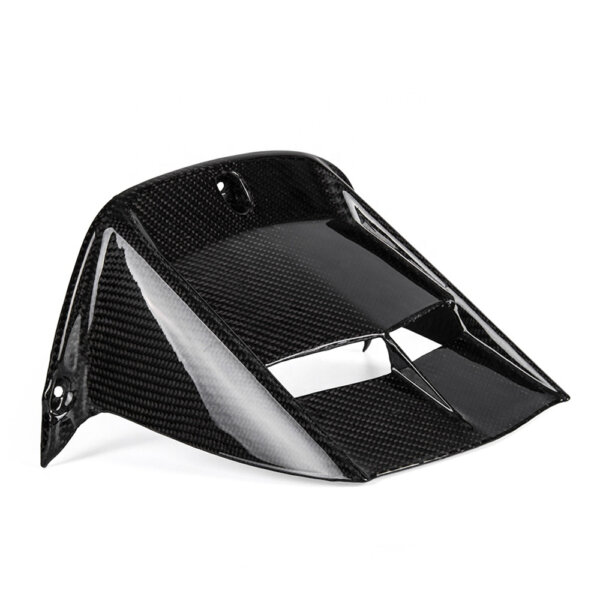
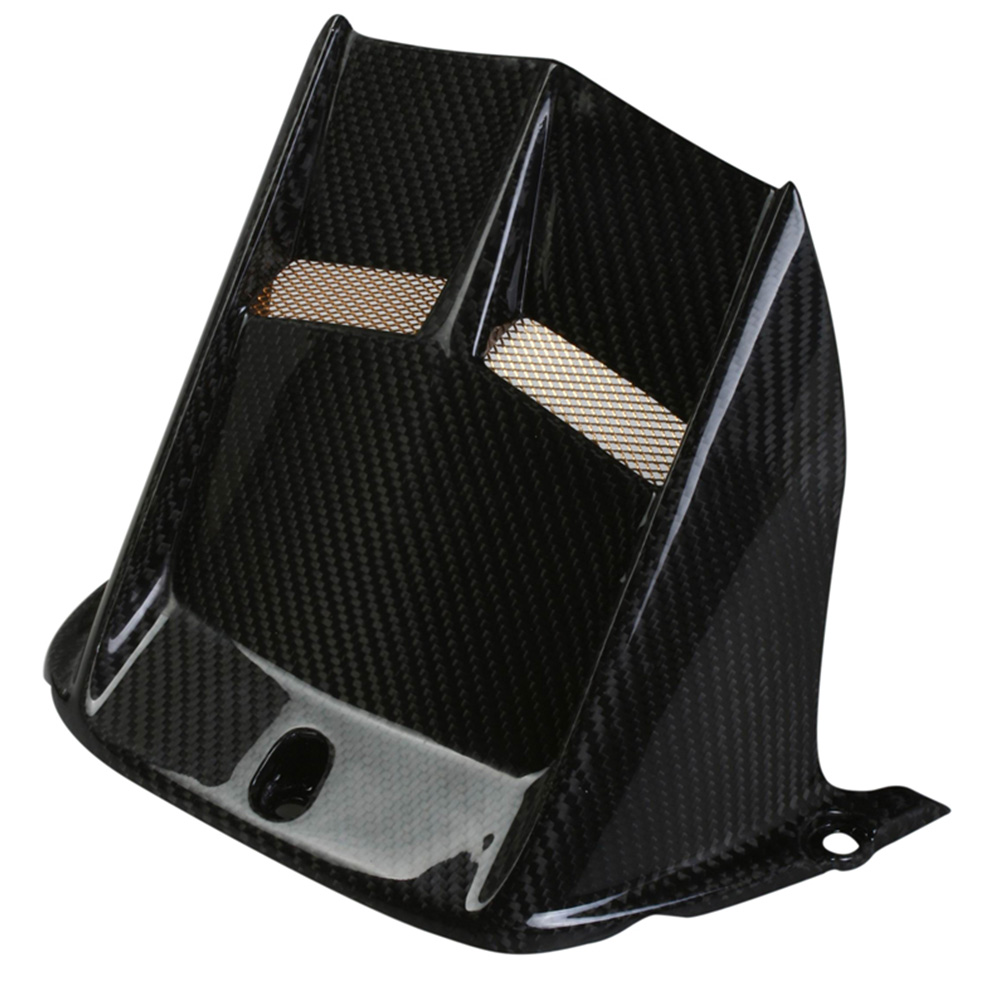
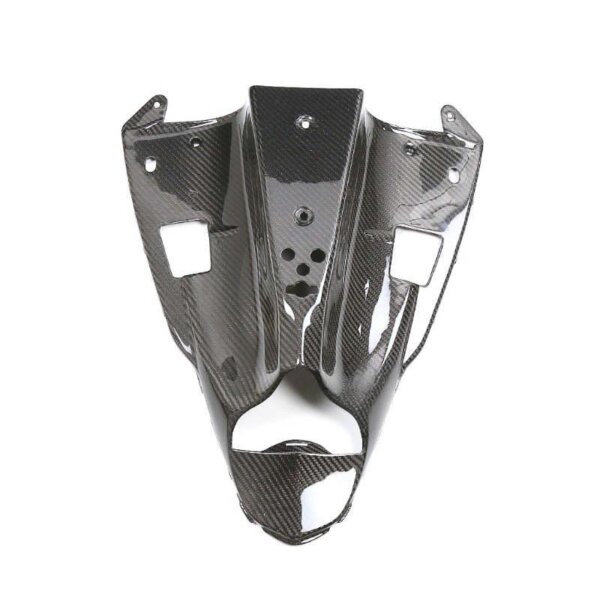
Our factory employs an advanced carbon fiber hot press process with a P20 steel mold, ensuring high efficiency, precision, durability, and cost-effectiveness for quality production.
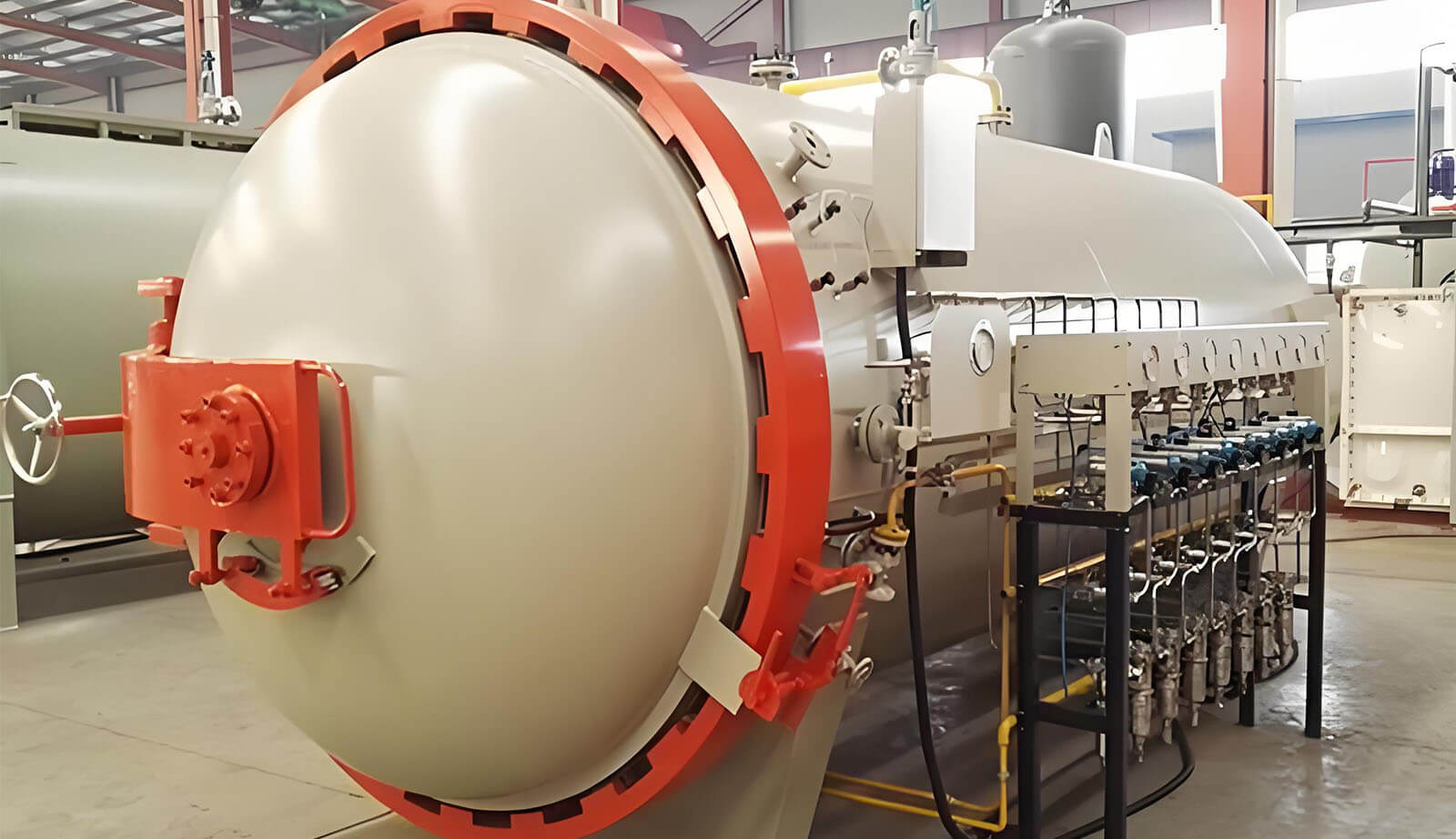
Our factory runs 100+ hot pressure autoclaves, using aluminum molds and vacuum induction to shape carbon fiber with precision. High heat and pressure enhance strength, stability, and flawless quality.
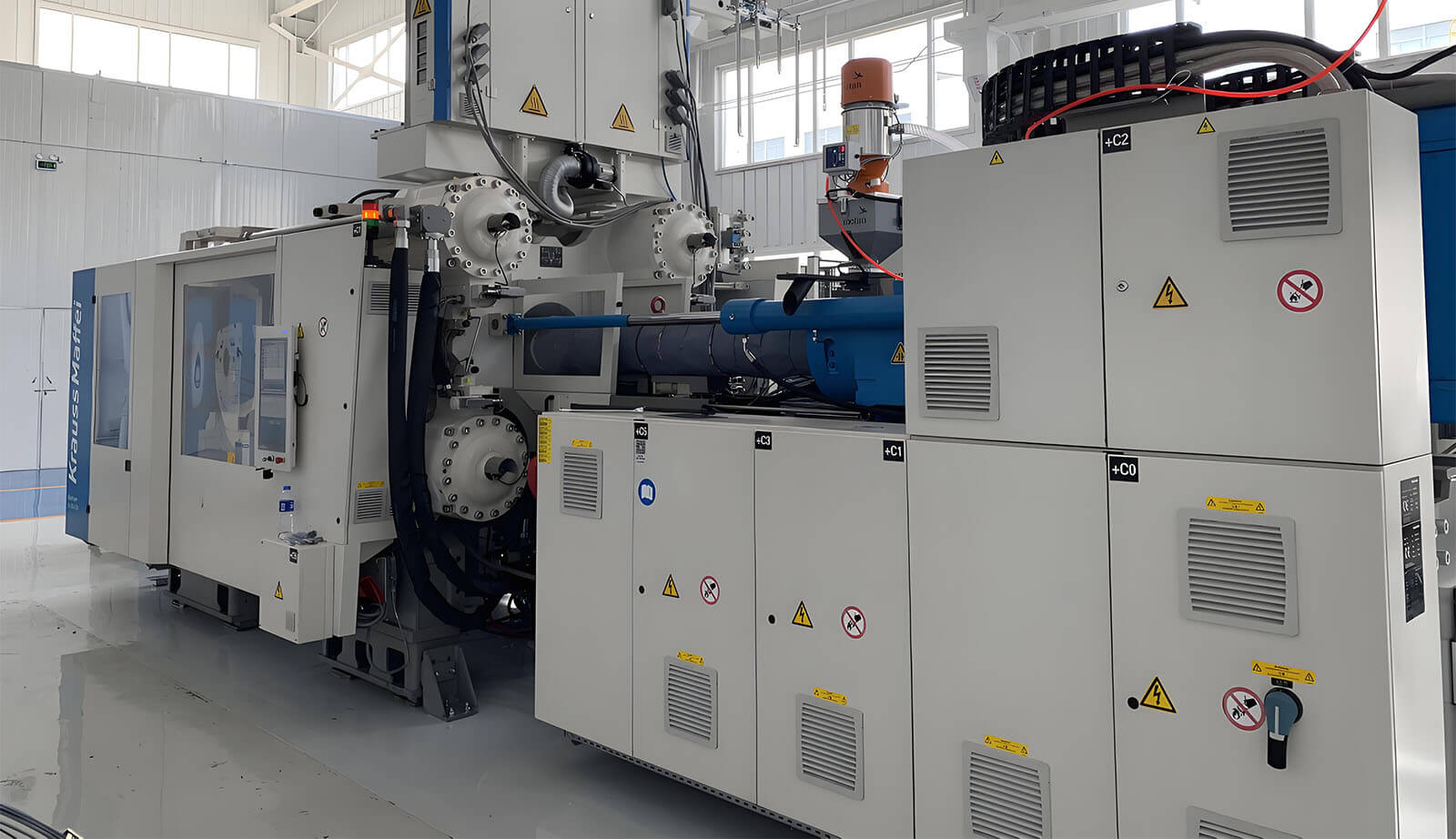
Our Carbon Fiber Research Center drives innovation in new energy, intelligence, and lightweight design, using advanced composites and Krauss Maffei Fiber Form to create cutting-edge, customer-focused solutions.
Here are the answers to the frequently asked questions from the experienced carbon fiber products factory
We produce a wide range of carbon fiber components, including automotive parts, motorcycle parts, aerospace components, marine accessories, sports equipment, and industrial applications.
We primarily use high-quality prepreg carbon fiber and large-tow carbon fiber reinforced high-performance composites to ensure strength, durability, and lightweight characteristics.
Yes, our products are coated with UV-protective finishes to ensure long-lasting durability and maintain their polished appearance.
Yes, our facilities and equipment are capable of producing large-size carbon fiber components while maintaining precision and quality.
What are the benefits of using carbon fiber products?
Carbon fiber offers exceptional strength-to-weight ratio, corrosion resistance, stiffness, thermal stability, and a sleek, modern appearance.
We cater to automotive, motorcycle, aerospace, marine, medical, sports, and industrial sectors with a focus on lightweight and high-performance carbon fiber components.
Yes, we provide custom carbon fiber solutions tailored to your specifications, including unique designs, sizes, and patterns.
We utilize advanced technologies such as autoclave molding, hot pressing, and vacuum bagging, ensuring precision, stability, and quality in every product. wonders with the Hello Elementor Theme, we’re trying to make sure that it works great with all the major themes as well.
We use aluminum and P20 steel molds, designed for durability and high accuracy, to create complex and precise carbon fiber components.
Our products undergo rigorous quality control checks, including dimensional accuracy, material integrity, and performance testing, to meet industry standards.