
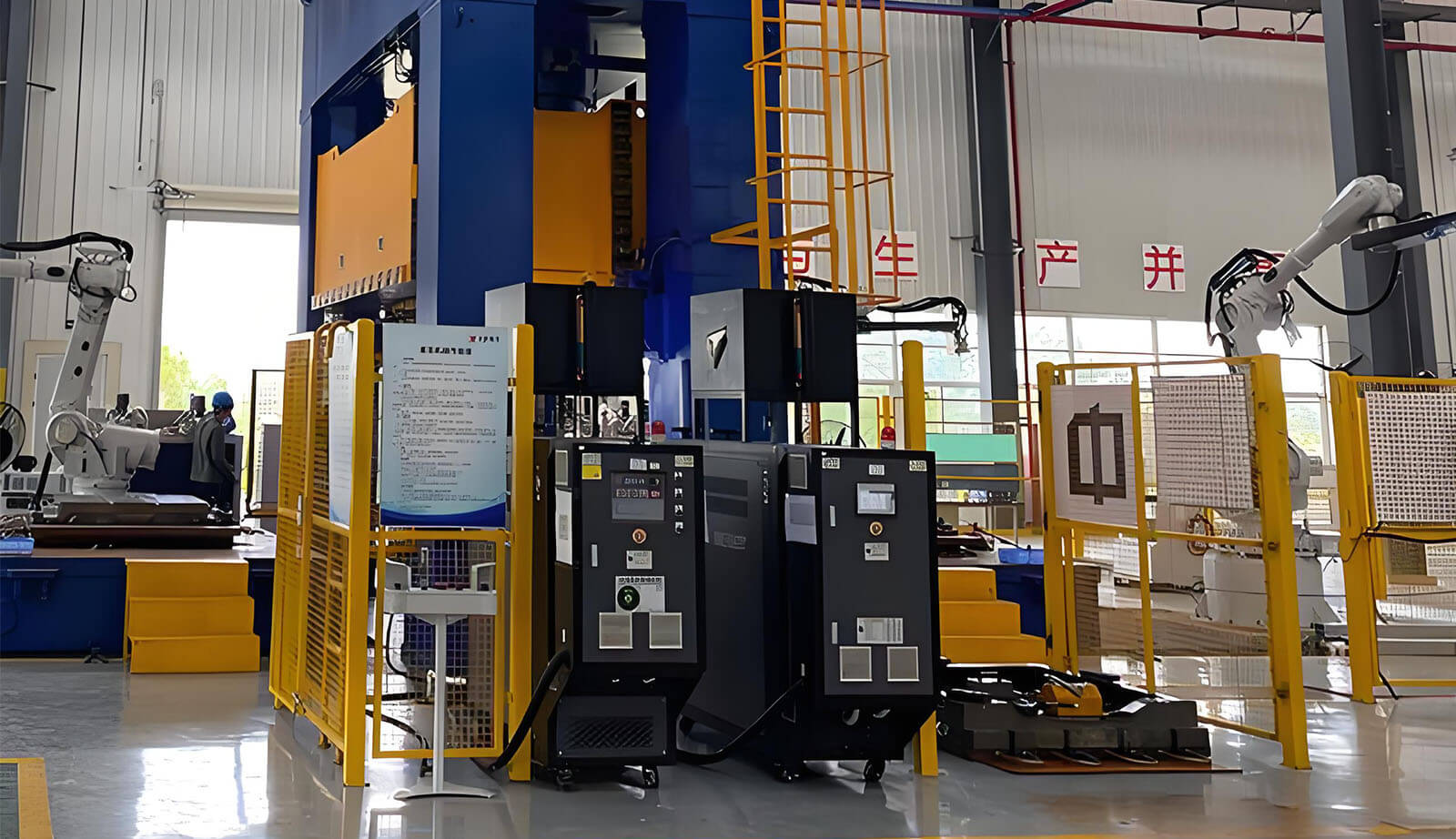
Carbon Fiber Composite Material Hot Pressing Molding Process
Our factory employs an advanced carbon fiber hot press process with a P20 steel mold, ensuring high efficiency, precision, durability, and cost-effectiveness for quality production.
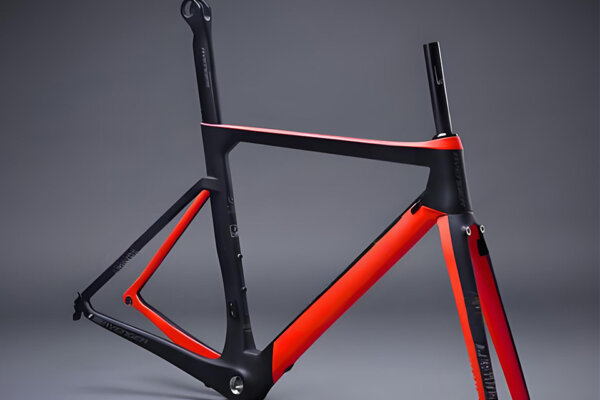
Carbon fiber bikes are widely regarded as the benchmark for modern high-performance cycling. Compared with aluminum or steel bikes, carbon fiber frames offer an outstanding balance of low weight, high stiffness, and improved vibration damping.
You want speed. You need power. You dream of flying up hills while other riders struggle behind you.
Carbon fiber bikes make all of this possible.
These aren’t just bicycles. They’re engineering marvels that combine aerospace technology with cycling performance. When you ride a carbon frame bicycle, you’re using the same material found in fighter jets and race cars. Carbon fiber composites are widely used in aerospace, automotive, and high-performance engineering because of their exceptional strength-to-weight ratio.
As a professional carbon composite manufacturer, we see the same advanced materials used in everything from performance vehicles to lightweight bicycle frames. The same carbon composite manufacturer technology that powers Formula 1 vehicles now powers your ride.
Let’s break down why carbon fiber cycling has become the gold standard for serious riders.
Picture this: You’re carrying your bike up three flights of stairs. With aluminum, you’re struggling. With steel, you’re exhausted. But with carbon? You barely notice the weight.
High-modulus carbon fiber frames weigh just 750g to 1,200g (size 54cm). That’s lighter than most laptops! The total bike weight ranges from 6.8kg to 8.5kg – that’s 15 to 18.7 pounds. Professional racers choose bikes at the UCI weight limit of 6.8kg because every gram counts when you’re chasing victory.
Here’s where carbon fiber really shines. When you push down on the pedals, you want all that energy to move you forward – not flex the frame.
Many performance-oriented carbon bikes are engineered for very high bottom bracket stiffness, helping riders transfer more pedaling force efficiently to the road. What does this mean for you? Every watt you generate goes straight to the road. Zero energy wasted. This is why professional teams like those racing in the Tour de France trust carbon exclusively.
Rough roads hurt. But carbon fiber’s vibration-damping properties reduce road buzz by 30% or more compared to aluminum bikes.
Think of it like this: aluminum transmits every bump straight to your hands and spine. Carbon? It absorbs the punishment so you don’t have to. After 100 miles on cobblestones or cracked pavement, you’ll feel the difference. This comfort advantage makes carbon perfect for century rides, touring, and endurance racing.
| Feature | Specification | What It Means for You |
|---|---|---|
| Frame Material | Toray T700/T800/T1000 carbon | Aerospace-grade strength at bicycle weight |
| Frame Weight | 750g–1,200g | Climb faster with less effort |
| Total Bike Weight | 6.8kg–8.5kg | Easy to carry and maneuver |
| Stiffness Rating | 100+ Nm/deg | Zero power loss when sprinting |
| Vibration Damping | 30%+ reduction | Ride longer without fatigue |
| Aerodynamic Advantage | 20% lower drag vs. round tubes | Gain 1.5–3.0 km/h at racing speeds |
| Impact Resistance | ASTM Level 3 certified | Tough enough for cyclocross and gravel |
| Warranty | Lifetime on frame | Buy with confidence |
Carbon road bikes like the Trek Madone, Specialized S-Works, and Pinarello Dogma dominate professional racing. These bikes feature aggressive geometry with stack-to-reach ratios of 1.45 for maximum aerodynamics.
Perfect for:
Popular models include the Cannondale SuperSix EVO, Cervelo R5, Giant TCR Advanced, and Scott Addict.
Carbon mountain bikes bring lightweight strength to rough terrain. With the same durability that handles potholes on road bikes, these frames excel on rocky trails and technical descents.
The carbon fiber composite construction provides:
Carbon fiber gravel bikes combine road bike speed with mountain bike versatility. These bikes use compliance-focused layups that smooth out washboard surfaces while maintaining stiffness for efficient pedaling.
Tire clearance for 28mm to 32mm tires (or wider) lets you tackle everything from smooth pavement to chunky gravel roads. Perfect for bikepacking, touring, and mixed-surface endurance rides.
Aero carbon bikes push the boundaries of speed. Wind tunnel testing conducted by leading manufacturers shows that aerodynamic carbon frames can reduce drag by up to 20% compared with traditional round-tube bicycle designs. At racing speeds of 40 km/h, you gain 1.5 to 3.0 km/h simply from better aerodynamics.
Models like the Canyon Ultimate CF SLX, BMC Teammachine, and Factor Ostro feature integrated components and hidden cables for maximum aerodynamic efficiency.
Aluminum bikes cost less upfront. But here’s what you sacrifice:
The custom carbon fiber advantage becomes clear after your first long ride, especially for cyclists looking for lightweight performance bicycles and high-efficiency power transfer.
Steel offers classic styling and smooth ride quality. But it’s heavy – often 3-5 pounds heavier than comparable carbon frames. For racing and performance riding, that weight penalty is too much. Steel shines for casual commuting and relaxed touring.
If you’re chasing podium finishes, carbon isn’t optional – it’s essential. The pro-level stiffness-to-weight ratio gives you the edge when races are won by seconds. Every professional cycling team rides carbon exclusively because winning matters more than cost.
Planning a century ride or multi-day tour? The vibration-damping properties reduce fatigue dramatically. You’ll arrive fresher and recover faster. Models like the Colnago V3Rs, Orbea Orca, and Bianchi Oltre are designed specifically for all-day comfort.
Even if you’re not racing professionally, you deserve professional-grade equipment. Entry-level carbon bikes priced between $2,500 and $4,000 deliver most of the performance benefits at accessible prices. Brands like Vitus ZX-1, Ribble Endurance SL, and Van Rysel EDR prove that quality carbon doesn’t require a second mortgage.
Love the latest innovations? Carbon frames integrate seamlessly with electronic shifting like Shimano Dura-Ace and SRAM Red eTap AXS. Internal cable routing keeps the look clean while improving aerodynamics. The same advanced carbon fiber technology used in carbon fiber cars and carbon fiber motorcycles now powers two-wheeled performance.
Your groupset controls shifting and braking. Top options include:
Carbon fiber bike wheels dramatically improve performance. Deep-section rims (50mm to 65mm depth) slice through wind but require skill in crosswinds. Lighter climbing wheels (30mm to 40mm) accelerate quickly on hills.
Match your carbon bike wheels to your riding style:
Complete your build with:
Don’t forget essential items like your carbon bike saddle, quality carbon bike tires, reliable carbon fiber bike brakes, and precise carbon bike shifters.
From local crit racing to national championships, carbon bikes dominate the starting line. The combination of light weight, high stiffness, and aero shaping gives you every possible advantage. Whether you’re sprinting for the line or climbing a mountain stage, carbon delivers.
Endurance rides, touring, and century rides test both bike and rider. Carbon’s comfort advantage becomes massive after 50+ miles. Less vibration means less fatigue. You’ll finish stronger and recover faster.
Think carbon is too fragile for rough riding? Think again. Modern carbon fiber bike frames meet ASTM Level 3 impact resistance standards. They handle cyclocross barriers, gravel washboard, and bikepacking adventures with confidence.
In triathlon, you can’t draft. That makes aerodynamics crucial. Carbon bike time trial frames with integrated storage and aggressive geometry help you post your fastest splits in the bike leg.
From a manufacturing perspective, carbon fiber bicycle performance is not determined by material name alone. Fiber grade, layup schedule, resin system, mold accuracy, and curing process all affect the final result. This is why two carbon frames may look similar on the surface but perform very differently in stiffness, comfort, weight, and long-term durability.
Proper carbon bike geometry determines comfort and performance. Key measurements include:
Work with a professional fitter to find your ideal carbon bike frame size. Most brands offer sizes from XS through XL to fit riders from 5’0″ to 6’6″.
Many custom carbon bikes offer unlimited paint options. Create your personal signature with custom graphics, team colors, or stealthy matte black. Some manufacturers even offer one-off custom carbon fiber builds tailored exactly to your specifications through a custom composite factory.
Carbon requires different care than metal frames:
Small cosmetic damage doesn’t affect carbon bike safety. But cracks in high-stress areas need professional carbon fiber bike repair. Many manufacturers offer crash replacement programs.
Most carbon bikes support riders up to 250-300 pounds (113-136 kg). Check your specific model’s carbon fiber bike weight limit if you’re concerned.
Women-specific models like the Liv Langma offer geometry tailored for female riders.
Carbon fiber bike prices span a wide range. Here’s what to expect:
Look for carbon bike deals during model year transitions (typically August-October). Many shops offer carbon bike discounts of 20-30% on previous year inventory.
Before buying, test multiple models. Compare:
Read carbon bike reviews and check carbon bike ratings on cycling forums. Join carbon bike forums to ask current owners about their experiences.
Before you buy:
Carbon bike technology continues advancing. Current carbon bike trends include:
The carbon bike future looks bright as manufacturing costs decrease while performance improves.
Carbon fiber bikes represent the pinnacle of cycling technology. They’re lighter, faster, stronger, and more comfortable than any alternative.
Whether you’re chasing race victories, exploring gravel roads, or simply enjoying weekend rides, carbon delivers unmatched performance. The same advanced materials used by carbon composite manufacturers for aerospace and automotive applications now power your cycling dreams.
Stop wondering “Are carbon fiber bikes worth it?” The answer is yes – especially if you’re serious about performance, comfort, or just love riding your best.
Ready to upgrade? Find your perfect carbon bike today. Test ride a few models. Feel the difference that high-performance bikes make.
Your fastest rides are still ahead of you.
As a professional carbon composite manufacturer, we support OEM and ODM projects for lightweight carbon fiber parts across multiple industries. If you are developing custom bicycle components, performance composite structures, or other advanced carbon fiber products, our team can provide manufacturing support based on drawings, samples, or technical requirements.
Contact us to discuss your project.
Frequently Asked Questions:
Q: Are carbon fiber bikes durable?
A: Yes! Modern carbon frames meet strict ASTM Level 3 standards and include lifetime warranties. They resist corrosion better than metal and don’t fatigue like aluminum.
Q: How do I choose between carbon fiber bike brands?
A: Focus on geometry fit first, then components and price. Read carbon bike comparisons and test ride multiple options.
Q: Can beginners ride carbon bikes?
A: Absolutely! Entry-level carbon bikes offer excellent value for riders at any skill level.
Q: Are carbon fiber bikes fragile?
A: Modern carbon fiber frames are extremely durable and designed to withstand heavy riding loads. High-quality frames are tested under strict standards such as ASTM and ISO fatigue tests.
Q: How long do carbon fiber bikes last?
A: With proper maintenance, carbon fiber bikes can last many years. Unlike aluminum, carbon composites do not suffer from metal fatigue, which helps extend frame lifespan.
Q: Are carbon fiber bikes worth the money?
A: For riders who value low weight, responsive handling, and better ride refinement, carbon fiber bikes can be well worth the investment. The right choice depends on your riding goals, budget, and the type of bike you need.
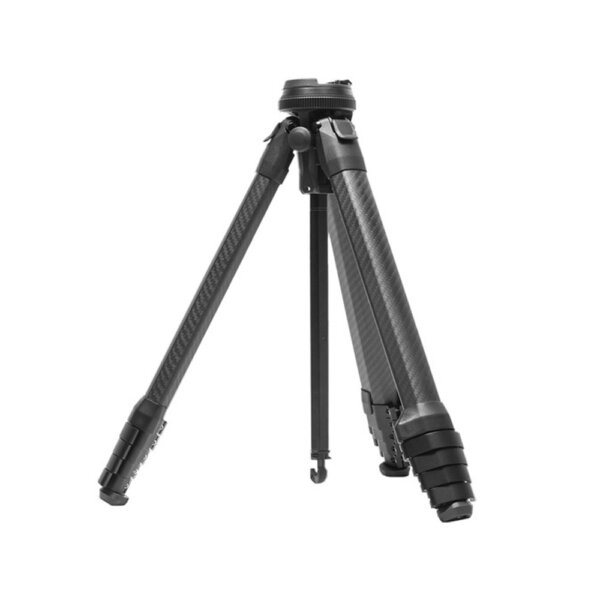
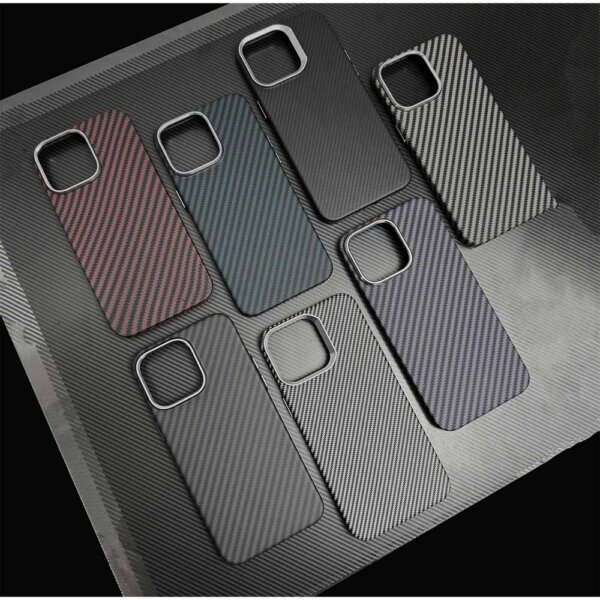
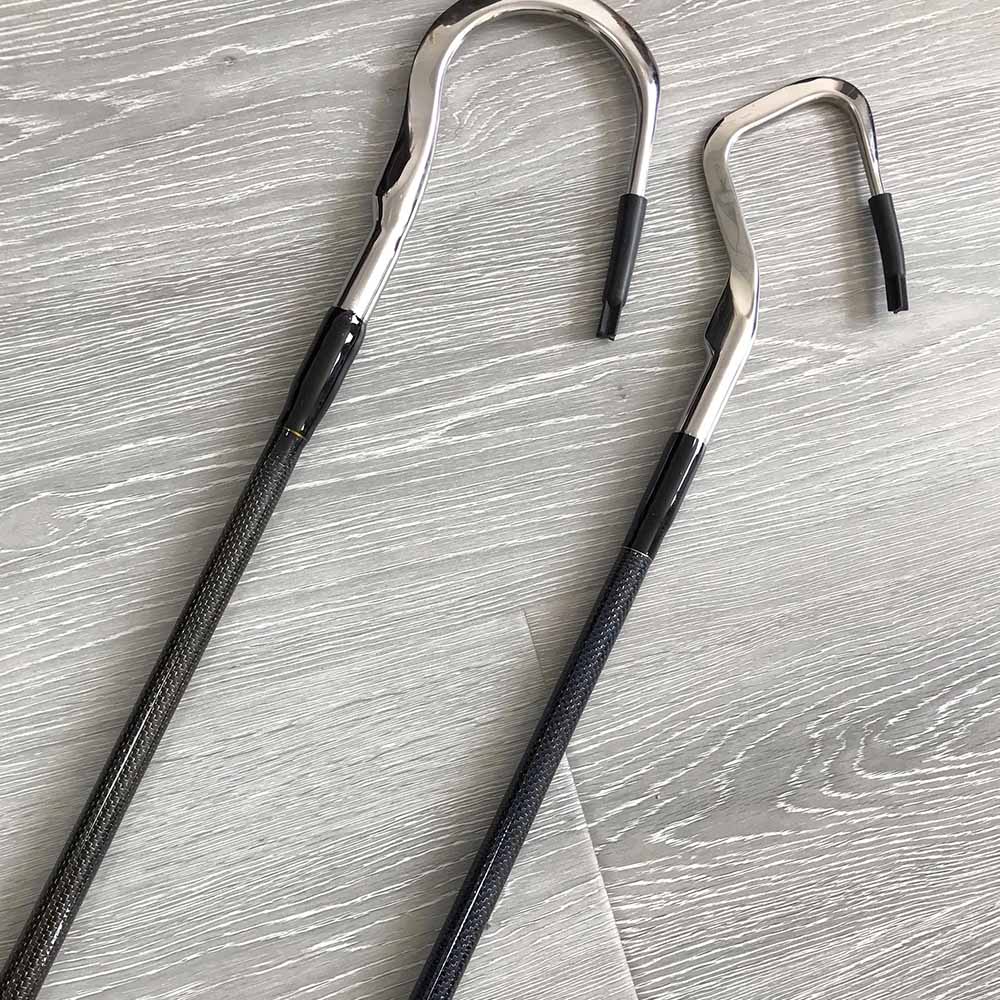
Our factory employs an advanced carbon fiber hot press process with a P20 steel mold, ensuring high efficiency, precision, durability, and cost-effectiveness for quality production.
Our factory runs 100+ hot pressure autoclaves, using aluminum molds and vacuum induction to shape carbon fiber with precision. High heat and pressure enhance strength, stability, and flawless quality.
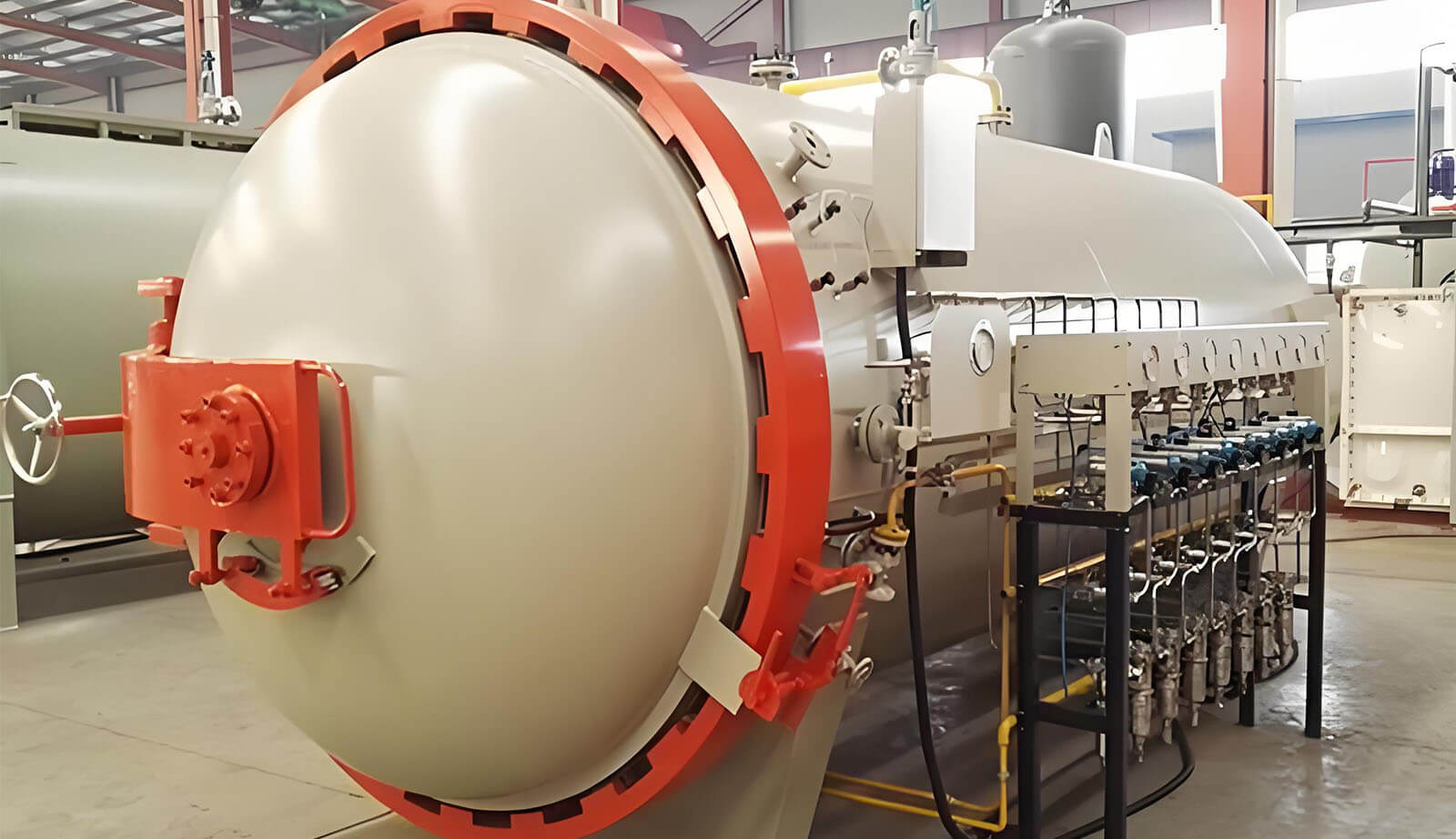
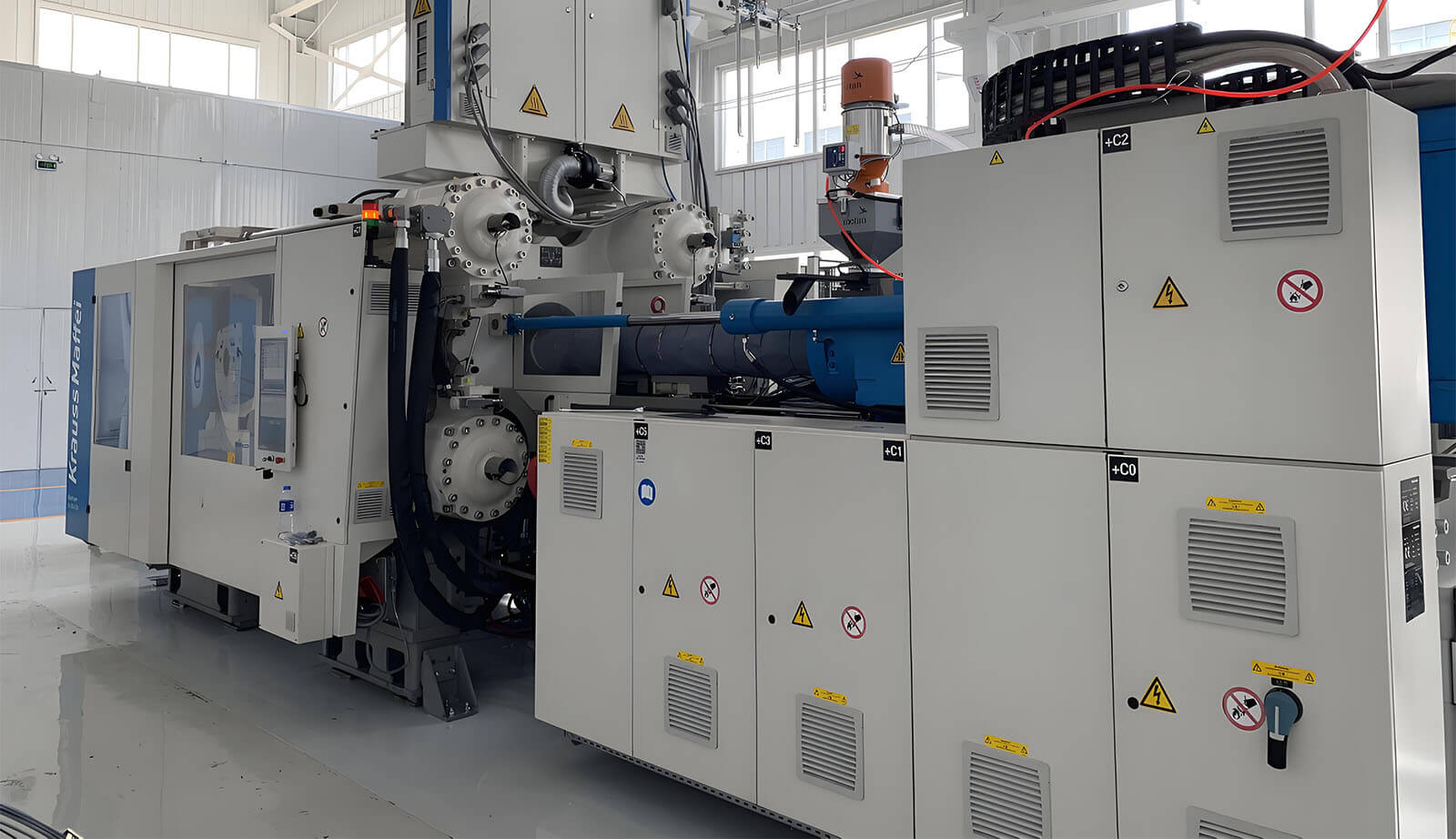
Our Carbon Fiber Research Center drives innovation in new energy, intelligence, and lightweight design, using advanced composites and Krauss Maffei FiberForm to create cutting-edge, customer-focused solutions.
Here are the answers to the frequently asked questions from the experienced carbon fiber products factory
We produce a wide range of carbon fiber components, including automotive parts, motorcycle parts, aerospace components, marine accessories, sports equipment, and industrial applications.
We primarily use high-quality prepreg carbon fiber and large-tow carbon fiber reinforced high-performance composites to ensure strength, durability, and lightweight characteristics.
Yes, our products are coated with UV-protective finishes to ensure long-lasting durability and maintain their polished appearance.
Yes, our facilities and equipment are capable of producing large-size carbon fiber components while maintaining precision and quality.
What are the benefits of using carbon fiber products?
Carbon fiber offers exceptional strength-to-weight ratio, corrosion resistance, stiffness, thermal stability, and a sleek, modern appearance.
We cater to automotive, motorcycle, aerospace, marine, medical, sports, and industrial sectors with a focus on lightweight and high-performance carbon fiber components.
Yes, we provide custom carbon fiber solutions tailored to your specifications, including unique designs, sizes, and patterns.
We utilize advanced technologies such as autoclave molding, hot pressing, and vacuum bagging, ensuring precision, stability, and quality in every product. wonders with the Hello Elementor Theme, we’re trying to make sure that it works great with all the major themes as well.
We use aluminum and P20 steel molds, designed for durability and high accuracy, to create complex and precise carbon fiber components.
Our products undergo rigorous quality control checks, including dimensional accuracy, material integrity, and performance testing, to meet industry standards.