
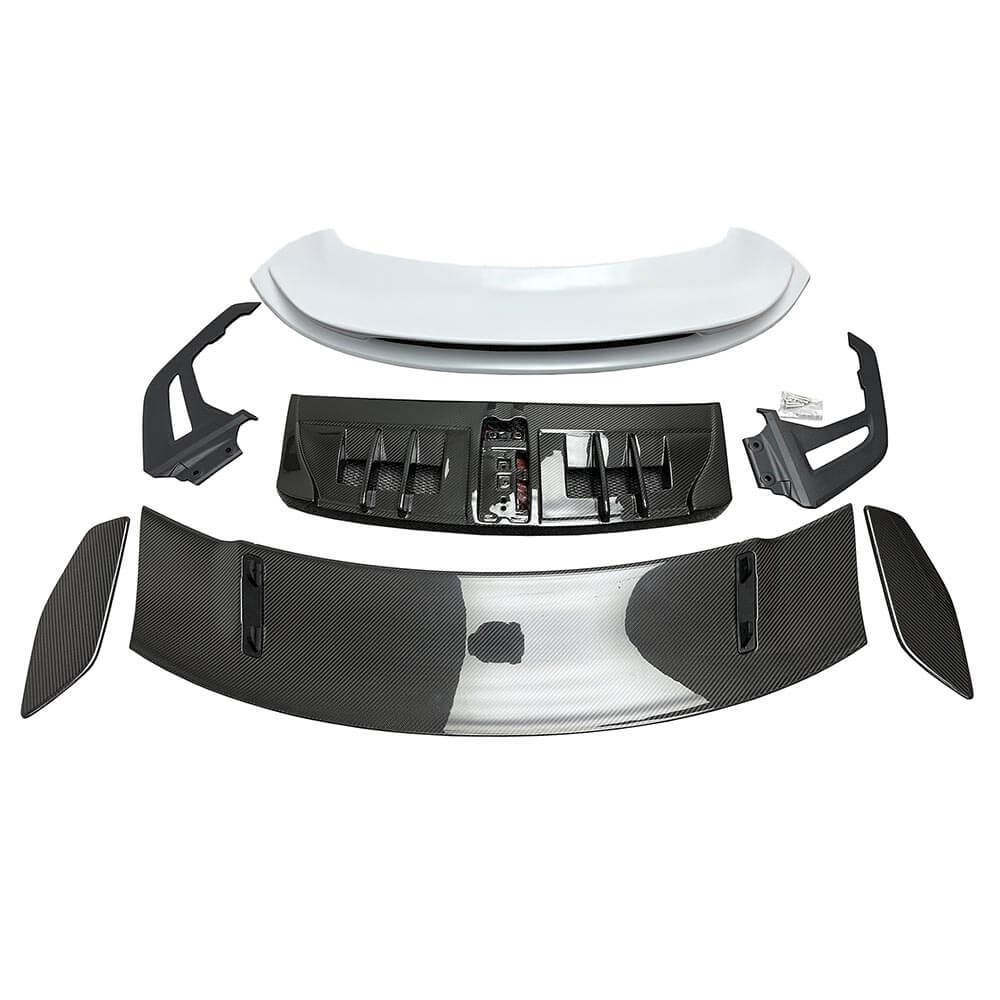
Carbon Fiber Composite Material Hot Pressing Molding Process
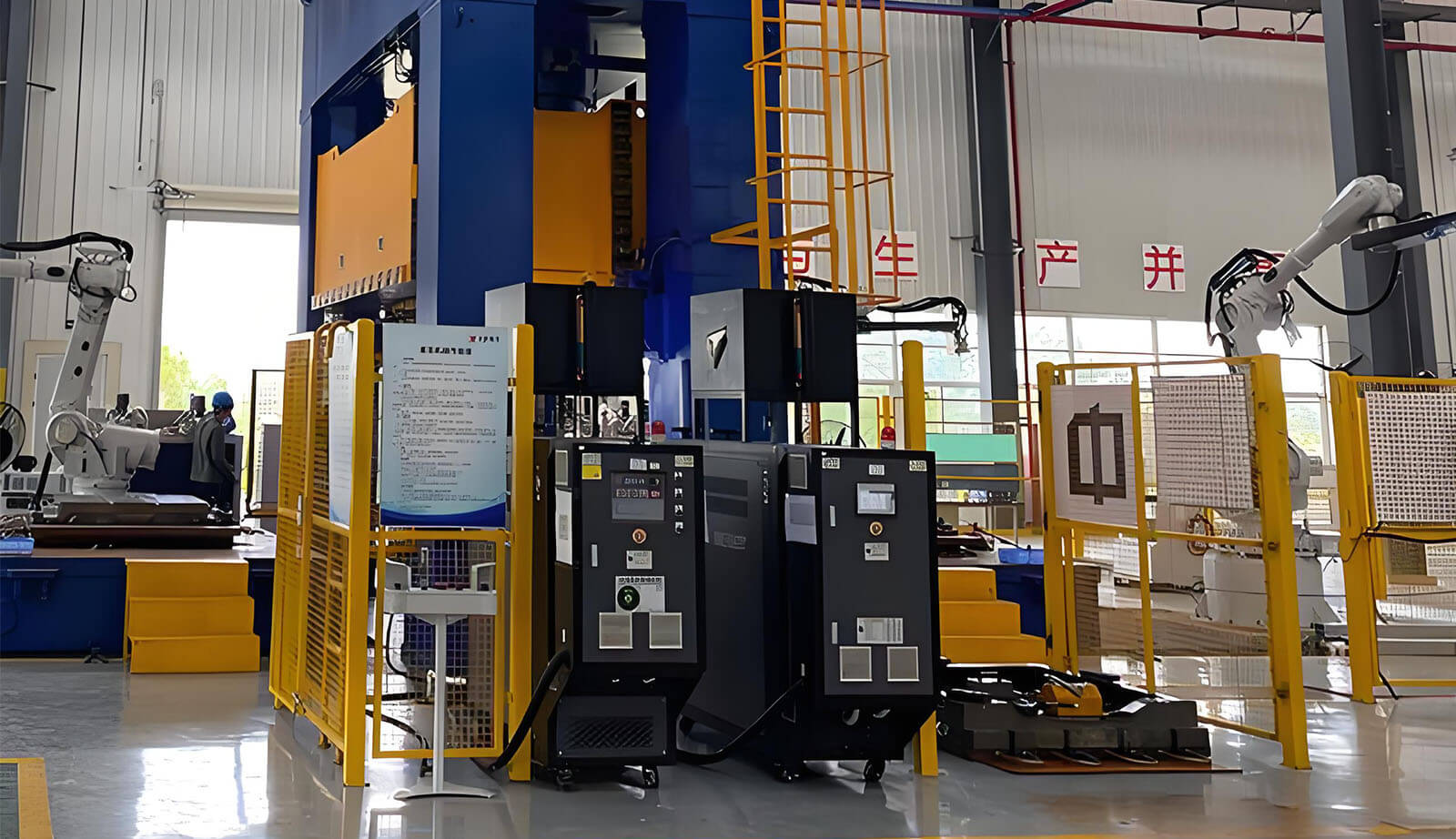
Our factory employs an advanced carbon fiber hot press process with a P20 steel mold, ensuring high efficiency, precision, durability, and cost-effectiveness for quality production.
A carbon fiber duckbill spoiler is not just a styling accessory — it’s a lightweight composite component that depends on accurate aerodynamic surfacing, correct laminate schedule, and controlled mold tolerances to fit and perform correctly. Most suppliers in this category sell a finished part. We manufacture it: OEM surface scanning, mold development, autoclave curing, and dimensional inspection are carried out through our own production facility and qualified manufacturing partners.
We’re a carbon fiber rear spoiler manufacturer, producing dry carbon rear spoilers and other profiles for both OEM and aftermarket programs. The duckbill is one of several profiles we produce alongside ducktail, lip, and custom aerodynamic spoilers. This guide covers what a duckbill spoiler actually does aerodynamically, how dry carbon differs from wet carbon in real production terms, how our mold and tooling process works at different volumes, and how OEM brands, tuning companies, and aftermarket resellers work with us for custom development and private label supply.
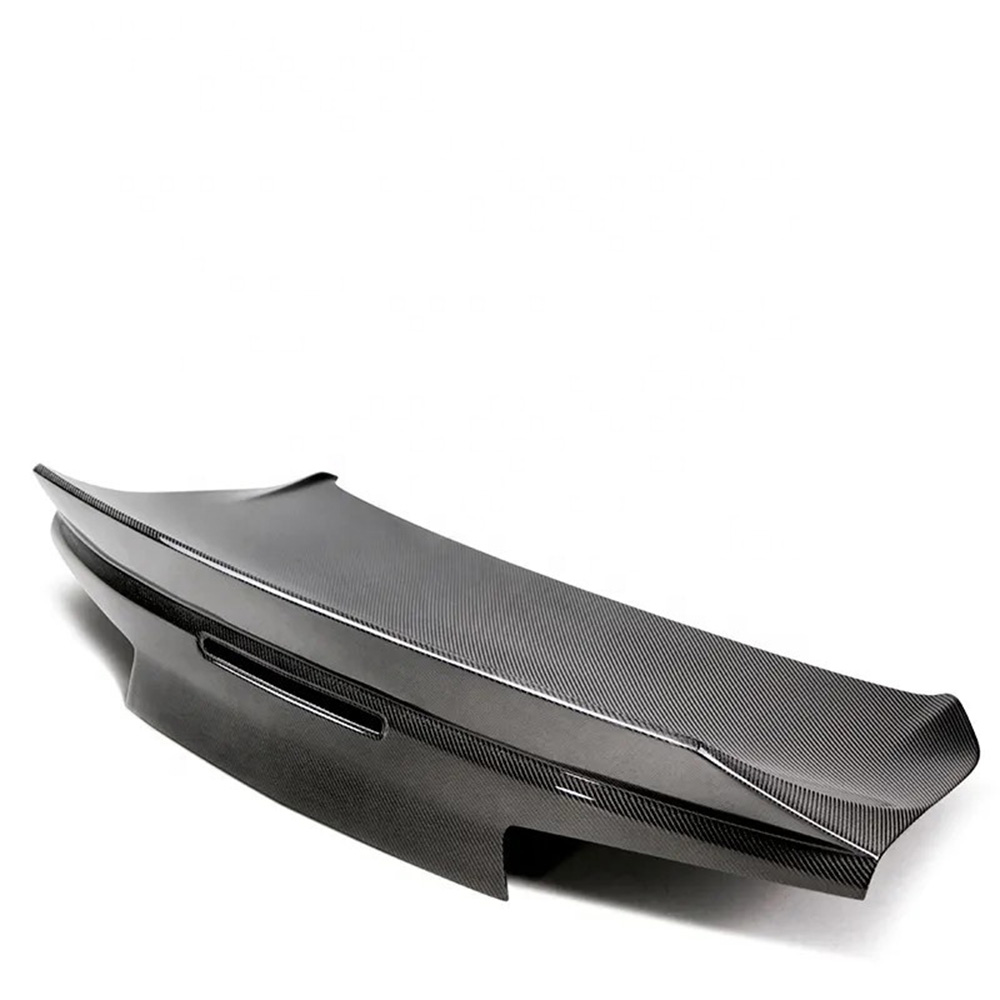
A duckbill spoiler is an integrated, low-profile rear spoiler that follows the trunk lid’s factory body line but lifts sharply at the trailing edge — the upward flick that gives it its name. Unlike a bolt-on wing sitting on risers above the body, a duckbill is designed to look like it could have come from the factory.
It’s easy to confuse with related spoiler types, and buyers frequently search for the wrong term. Here’s how they actually differ:
| Type | Design | Aerodynamic Function | Typical Buyer |
|---|---|---|---|
| Duckbill spoiler | Integrated raised trailing edge, follows OEM trunk line | Trips airflow to reduce rear lift; modest stability gain | Street/OEM+ builds wanting a factory-look upgrade |
| Ducktail spoiler | Similar upward-flick profile, often used interchangeably with “duckbill” | Same principle — clean boundary-layer separation at the trailing edge | Classic/retro-styled builds (911, Golf GTI heritage styling) |
| Lip spoiler | Small, low extension along the trunk edge | Minimal drag or lift change; mostly cosmetic | Luxury sedans, subtle upgrades |
| Swan neck / GT wing | Elevated airfoil mounted on stalks above the trunk | Significant, tunable downforce; also adds drag | Track cars, time-attack builds |
If a customer is asking about “duckbill vs ducktail,” the honest answer is that in most automotive contexts the two terms describe the same design — the distinction matters more for wing-style spoilers, which produce meaningfully more downforce at the cost of drag and visual subtlety.
This is the most common question we get from both OEM buyers and aftermarket customers, and it deserves an honest answer rather than a marketing one.
The mechanism: the raised trailing edge forces airflow to separate cleanly from the trunk surface instead of curling underneath it. Clean separation reduces the low-pressure “lift” zone that forms behind a smoothly rounded trunk at speed, improving high-speed stability.
The honest limits:
We’d rather tell customers this upfront than oversell the part. It also helps set the right expectations early — an OEM engineering team evaluating the part for a production vehicle needs different information than a track-focused customer who may actually need a wing instead of a duckbill.
“Carbon fiber is strong and lightweight” is true but says nothing useful. Here’s what actually matters for a duckbill spoiler specifically.
Weight reduction (measured, not marketing):
| Material | Typical Density |
|---|---|
| Steel | ~7.8 g/cm³ |
| Aluminum | ~2.7 g/cm³ |
| ABS Plastic | ~1.05 g/cm³ |
| Carbon Fiber Composite | ~1.5–1.7 g/cm³ |
Carbon fiber isn’t always the lightest material by density alone — ABS is actually less dense. What carbon fiber wins on is stiffness-to-weight ratio. A duckbill spoiler needs to hold its exact aerodynamic profile at speed without flexing or vibrating; ABS parts can deform or flutter over time and lose fitment precision, especially in direct sun exposure. A properly laminated carbon part holds its shape and mounting geometry far longer.
Surface and finish options:
Buyers new to composite parts are often sold vinyl wraps or hydro-dipped plastic marketed as “carbon fiber.” Knowing how to tell real carbon fiber from fake before ordering can save a customer from paying a premium for a part that isn’t structural carbon at all.
This distinction is where most competitor content stops short, and it’s one of the most common technical questions we get from OEM and racing clients.
| Dry Carbon (Prepreg + Autoclave) | Wet Carbon (Hand Layup / Vacuum Infusion) | |
|---|---|---|
| Resin content control | Precise, pre-impregnated fiber ratio | Variable, dependent on layup skill |
| Weight | Lower, more consistent part-to-part | Higher, more variable |
| Void content | Very low (autoclave pressure) | Higher risk of voids/pinholes |
| Surface quality | Excellent, consistent weave definition | Depends heavily on operator |
| Typical cost | Higher (equipment + cure cycle time) | Lower |
| Best application | OEM replacement parts, racing, weight-critical builds | Cost-sensitive aftermarket, larger low-stress panels |
Neither is “better” universally — it depends on the buyer’s budget and application. We manufacture both, and part of our quoting process is recommending the right process for the customer’s actual use case rather than defaulting to whichever is more profitable for us.
Here’s what actually happens between a customer sending us a sample or CAD file and a finished part shipping out.
For OEM-fitment or replacement parts, we 3D-scan the factory trunk panel (or a customer-supplied sample/OEM spoiler) and rebuild the surface in CAD, including mounting points and clearance zones — not just the visible exterior shape.
Mold choice depends on production volume, and we’re direct with customers about the tradeoffs:
| Mold Type | Typical Lifespan | Best For |
|---|---|---|
| Epoxy tooling | ~25–60 parts | Prototypes, R&D runs, low-volume custom orders (10–50 pcs) |
| Aluminum mold | ~500–1,000 parts | Mid-volume production (100–1,000 pcs) |
| Steel mold (P20) | 5,000+ parts | High-volume OEM/aftermarket programs |
Quoting the right mold type upfront prevents customers from over-paying for steel tooling on a 30-piece run, or under-investing in tooling that won’t survive a 2,000-piece annual order.
Our carbon fiber automotive components are produced through prepreg autoclave curing, vacuum bagging, resin infusion, and compression molding — chosen per part depending on the customer’s volume, budget, and performance requirements. This capability covers prototype development, low-volume OEM programs, and higher-volume aftermarket production. You can read more about our facility and background on our company page.
Process capability includes:
Beyond duckbill spoilers specifically, our broader carbon fiber spoiler and body component work spans a range of performance and OEM+ platforms, from Porsche and BMW M-series to Ferrari and McLaren. Each program is scoped around the customer’s process, material, and volume requirements — from prototype and private-label runs through full OEM replacement programs. The same tooling and layup capability extends beyond cars as well, including carbon fiber motorcycle parts for sport bike and custom builds.
We support four categories of buyers, each with a different engineering path. This is part of our broader custom carbon fiber development capability, not limited to spoilers:
Typical development process:
We produce carbon fiber trunk spoilers, including the duckbill profile, across three broad categories, each with different customer priorities — part of our wider carbon fiber car parts range:
European Performance Cars — Porsche 911, BMW M Series, Mercedes-AMG, Ferrari, Lamborghini. Buyers here typically prioritize dry carbon finish quality and factory-level fitment tolerance.
Japanese Performance Cars — Toyota Supra (A90/A91), Nissan GT-R, Honda Civic Type R, Subaru WRX/STI. This segment spans both OEM+ street builds and track-focused customers, often ordering both dry and wet carbon options depending on budget.
EV Performance Cars — Tesla Model 3, Tesla Model S Plaid. A growing category where owners want subtle aero without disrupting a clean factory silhouette.
(If you don’t yet supply a specific chassis, note it explicitly — “Don’t see your vehicle? Send us your OEM part or CAD file for a custom quote” — rather than the current “we can make anything” claim, which reads as unverifiable to both readers and Google.)
A model-specific spoiler is engineered from that vehicle’s exact factory surface data — it mounts using OEM holes and hardware with no modification. A universal spoiler is a compromise shape that fits a range of vehicles loosely, and in practice almost always requires drilling, trimming, or adhesive-only mounting, with a less integrated final look.
For any buyer prioritizing a clean install, model-specific tooling is the recommendation — and it’s also the more defensible long-term SEO position, since “universal fit for any car” pages tend to read as generic and interchangeable to both readers and search engines.
Every batch goes through:
Buyers evaluating suppliers often default to comparing price per piece or how the weave pattern looks in photos. Neither tells you whether the supplier can actually deliver a consistent, well-fitting part at your required volume. Evaluate instead on:
A duckbill integrates into the trunk’s factory surface line and mainly reduces rear lift; a wing sits elevated on stalks and generates meaningfully more downforce at the cost of added drag and a more aggressive look.
Both use the same aerodynamic shape principle. Carbon fiber’s advantage is stiffness retention and resistance to UV-related warping over time, not a fundamentally different aero effect at street speeds.
We produce both. OEM-fitment parts are built from 3D-scanned factory surface data; universal parts use a compromise profile across multiple vehicles.
Yes — we support custom development from a CAD file, 3D scan, or physical OEM sample through prototype and production tooling.
2×2 twill weave, forged carbon, and both dry carbon (autoclave prepreg) and wet carbon (hand layup/vacuum infusion) processes, depending on your budget and performance requirements.
Yes, for customers prioritizing a distinctive marbled finish or specific cost targets at volume.
MOQ depends on mold type — contact us with your target volume and we’ll recommend epoxy, aluminum, or steel tooling accordingly.
Timeline depends on mold complexity and type; epoxy prototype tooling is fastest, steel production tooling takes longer but supports far higher part counts.
Yes, when we’re provided a sample part, factory CAD, or a 3D scan of the vehicle surface.
Yes — this is one of our core B2B service lines, from unbranded production through customer-branded packaging.
Cost depends primarily on tooling type (epoxy, aluminum, or steel), material (wet vs. dry carbon), and order quantity — per-piece cost drops significantly once tooling is amortized over a larger run. Send us your target volume and material spec for an accurate quote rather than a generic price range.
Duckbill is one specific rear spoiler profile. “Carbon fiber rear spoiler” is the broader category that also includes ducktail, lip, and wing-style spoilers — we manufacture across all of these profiles.
Lead time depends on whether we’re producing from an existing mold pattern or developing new tooling from a scan/CAD file — new tooling naturally takes longer than adapting an existing profile.
This is agreed per contract — some customers own the tooling outright after program costs are covered; others run on a per-order basis where we retain and maintain the mold between reorders.
Fitment issues are checked against CAD/OEM reference data before shipment, but any confirmed fitment defect from OEM-sample-based production is covered under our standard QC guarantee — this is worth confirming in writing before placing a production order.
Rather than a generic “order now” call to action, custom and OEM development inquiries typically start with one of the following:
Explore our full range of composite parts on the chinacarbonfibers.com homepage.
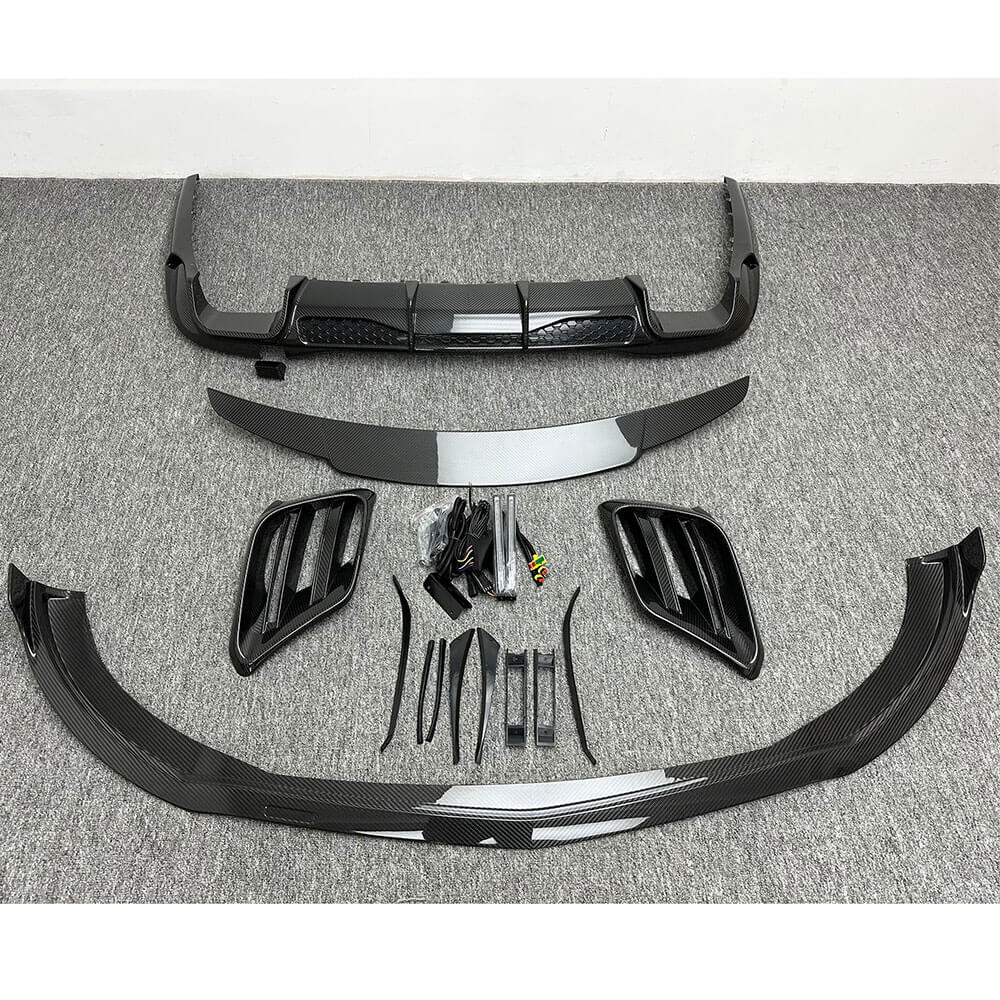
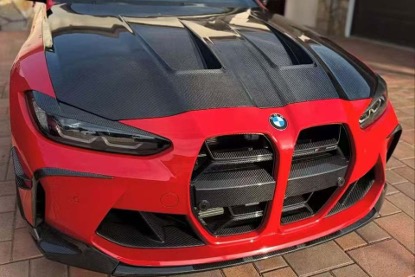
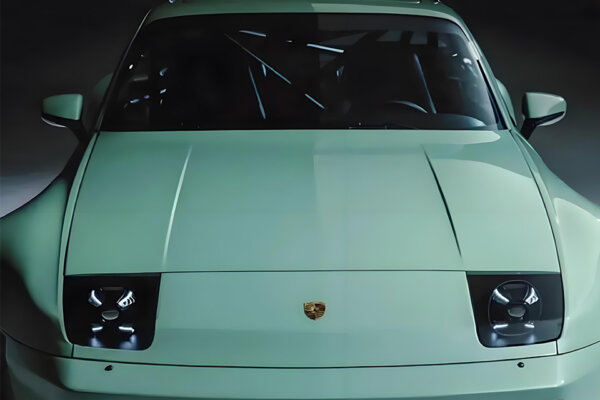
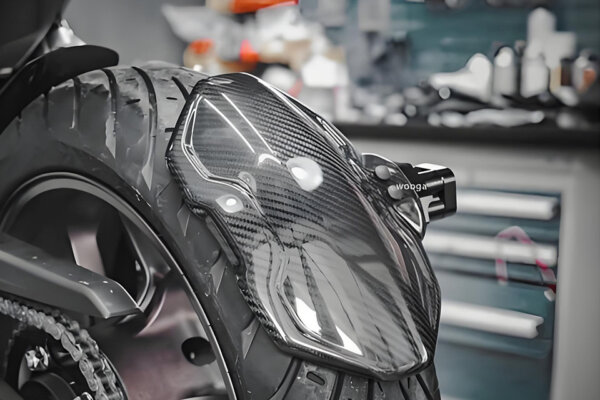
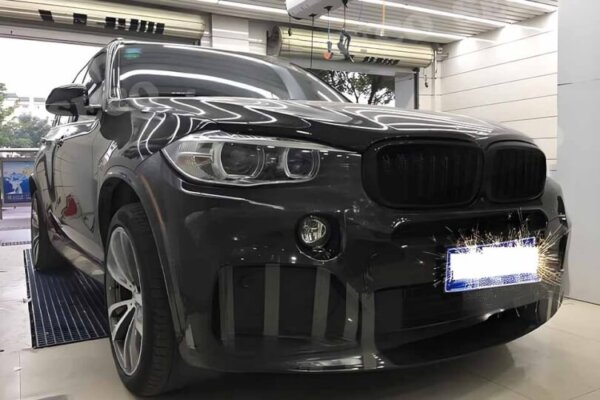
Our factory employs an advanced carbon fiber hot press process with a P20 steel mold, ensuring high efficiency, precision, durability, and cost-effectiveness for quality production.
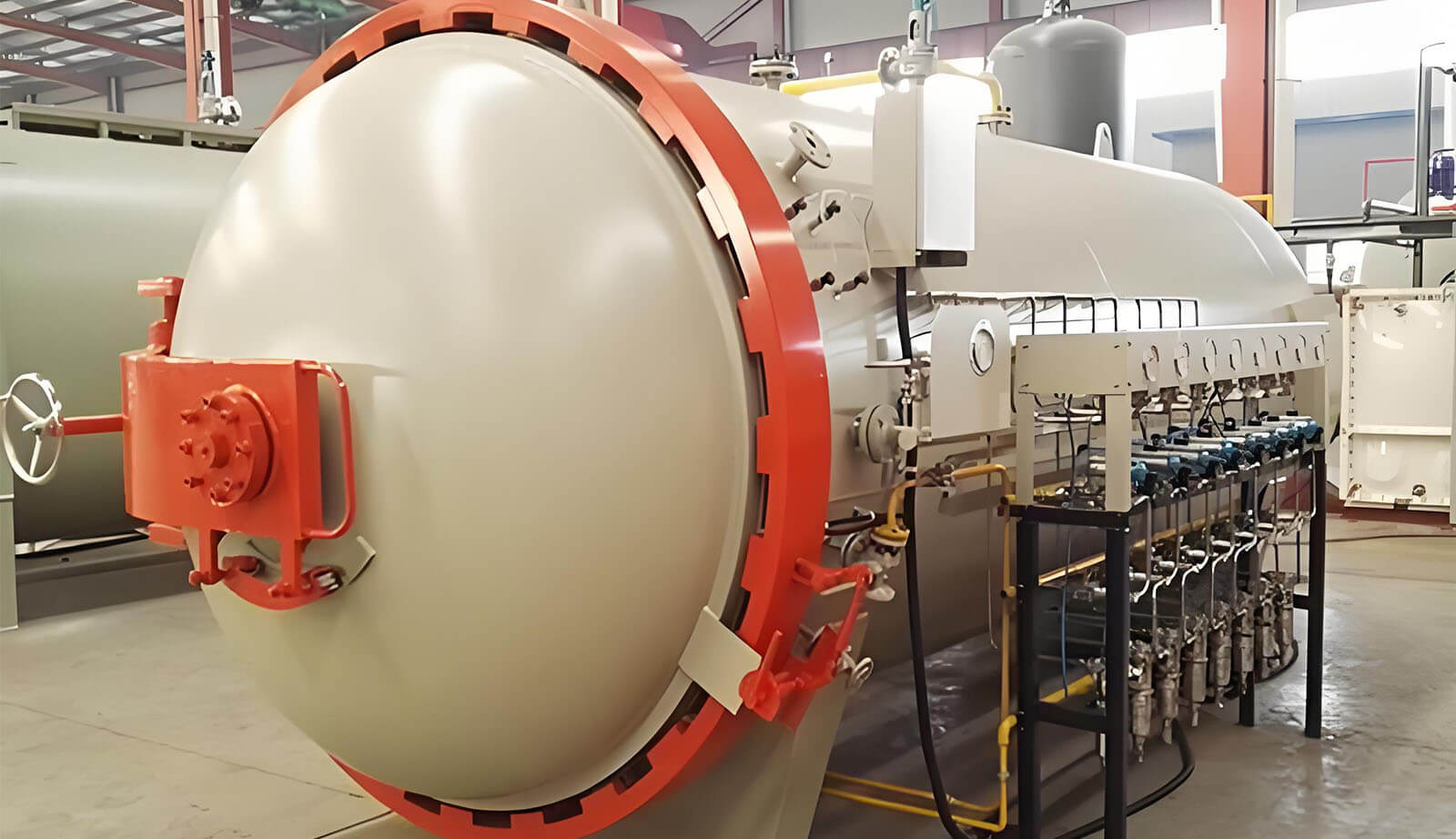
Our factory runs 100+ hot pressure autoclaves, using aluminum molds and vacuum induction to shape carbon fiber with precision. High heat and pressure enhance strength, stability, and flawless quality.
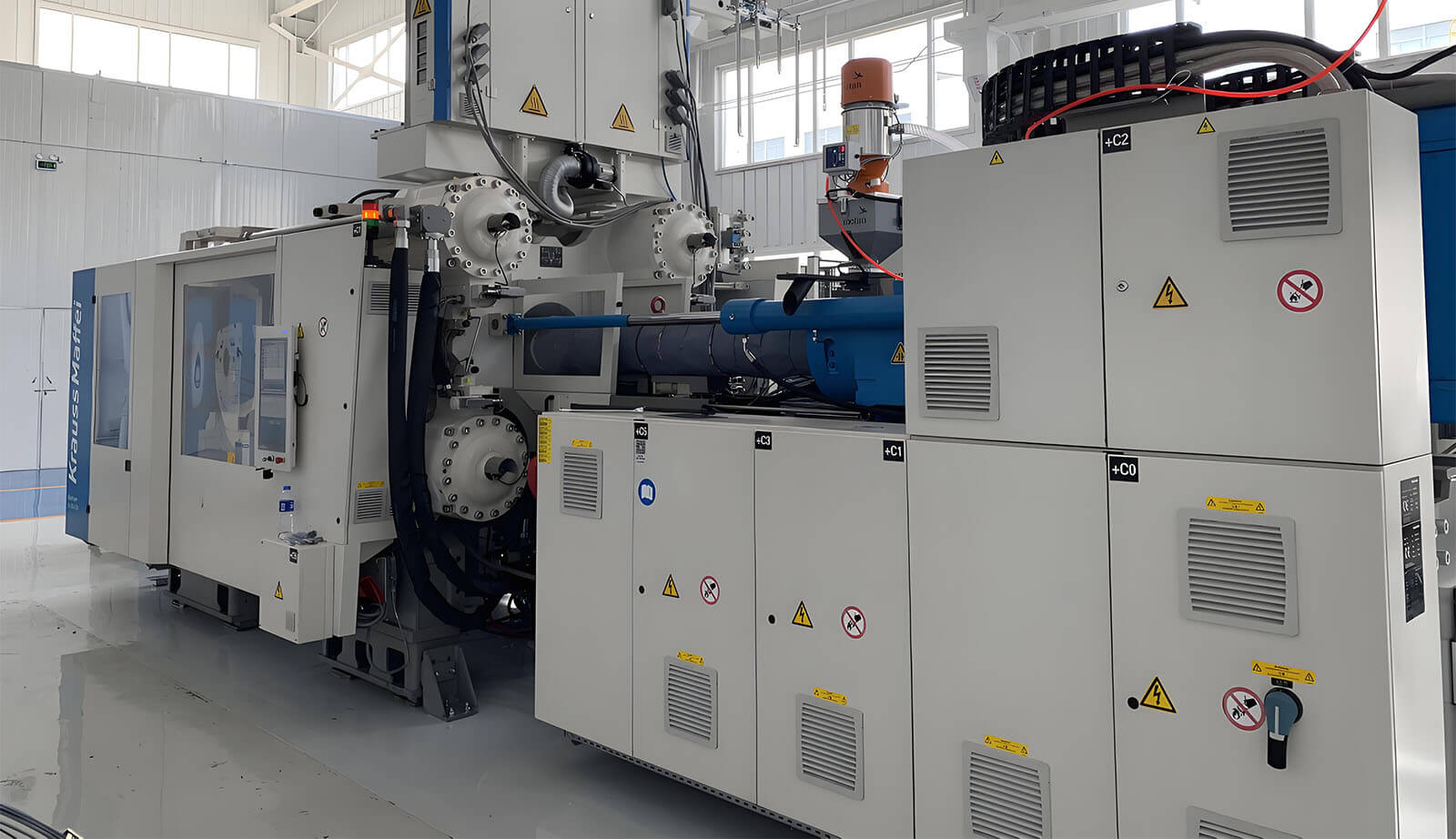
Our Carbon Fiber Research Center drives innovation in new energy, intelligence, and lightweight design, using advanced composites and Krauss Maffei FiberForm to create cutting-edge, customer-focused solutions.
Here are the answers to the frequently asked questions from the experienced carbon fiber products factory
We produce a wide range of carbon fiber components, including automotive parts, motorcycle parts, aerospace components, marine accessories, sports equipment, and industrial applications.
We primarily use high-quality prepreg carbon fiber and large-tow carbon fiber reinforced high-performance composites to ensure strength, durability, and lightweight characteristics.
Yes, our products are coated with UV-protective finishes to ensure long-lasting durability and maintain their polished appearance.
Yes, our facilities and equipment are capable of producing large-size carbon fiber components while maintaining precision and quality.
What are the benefits of using carbon fiber products?
Carbon fiber offers exceptional strength-to-weight ratio, corrosion resistance, stiffness, thermal stability, and a sleek, modern appearance.
We cater to automotive, motorcycle, aerospace, marine, medical, sports, and industrial sectors with a focus on lightweight and high-performance carbon fiber components.
Yes, we provide custom carbon fiber solutions tailored to your specifications, including unique designs, sizes, and patterns.
We utilize advanced technologies such as autoclave molding, hot pressing, and vacuum bagging, ensuring precision, stability, and quality in every product. wonders with the Hello Elementor Theme, we’re trying to make sure that it works great with all the major themes as well.
We use aluminum and P20 steel molds, designed for durability and high accuracy, to create complex and precise carbon fiber components.
Our products undergo rigorous quality control checks, including dimensional accuracy, material integrity, and performance testing, to meet industry standards.