
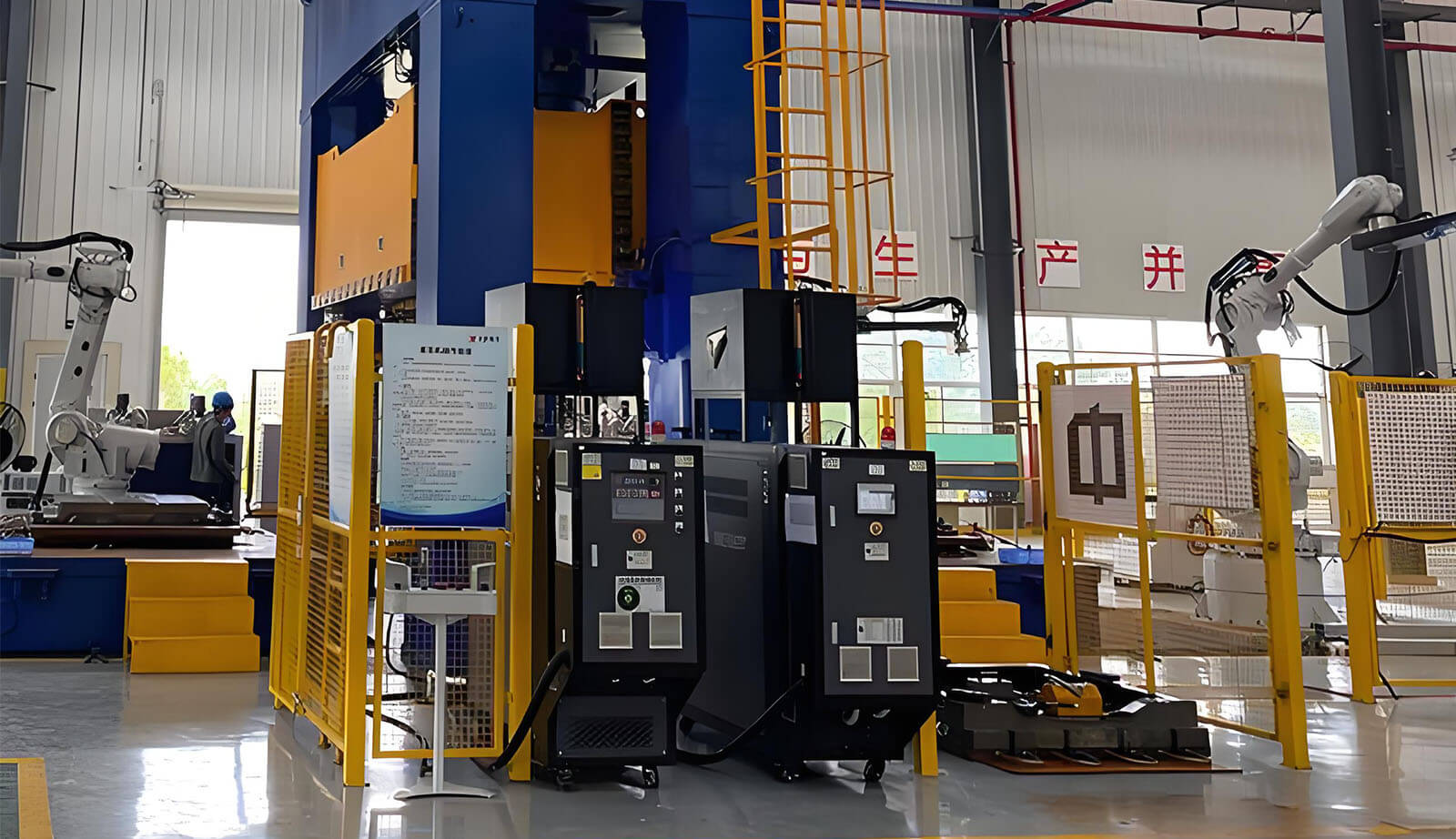
Carbon Fiber Composite Material Hot Pressing Molding Process
Our factory employs an advanced carbon fiber hot press process with a P20 steel mold, ensuring high efficiency, precision, durability, and cost-effectiveness for quality production.
We manufacture custom carbon fiber wallets, card holders, and money clips for brands, distributors, gift companies, and product developers sourcing factory-direct from China. Our work covers the full production chain — from carbon fiber plate production and CNC machining, to surface coating, laser engraving, hardware assembly, and final packaging.
This page is intended for B2B buyers who need custom carbon fiber wallets for resale, private label, corporate gifts, or product development. If you need only one personal wallet, custom tooling and OEM production may not be cost-effective.
If you’re looking for a CFRP factory with real composite manufacturing experience — not a trading company or general accessories supplier — you can learn more about our background and production capabilities on our factory overview page.
A rigid carbon fiber shell holding 2–8 cards. Typically produced from 3K twill carbon fiber plate, CNC-cut to final dimensions, with edge chamfering, sanding, and clear coat finish. One of the most straightforward structures for volume production and private label customization.
A two-panel design with card slots and an optional cash compartment. Carbon fiber panels are bonded with a flexible spine or hinge element. Can be combined with a leather interior lining for a mixed-material aesthetic.
Uses chopped carbon fiber compression-molded into a solid shell. The surface has a distinctive marbled pattern with no continuous weave — each piece looks different. Forged carbon suits curved geometry, thicker walls, and designs where a premium visual texture is part of the product identity. See the process comparison section below for when forged carbon makes sense versus flat plate.
Carbon fiber body with a metal spring clip, typically stainless steel or titanium. Holds cash and 2–4 cards. The clip can be integrated into the laminate or externally attached depending on the structural design and target weight.
Carbon fiber outer shell with full-grain or top-grain leather interior panels. The main production challenges are adhesive selection, surface preparation before bonding, and consistent edge finishing where carbon and leather meet. Common for premium lifestyle brand projects.
Any of the above structures can incorporate an RFID-blocking layer integrated into the laminate during production. This is a layup decision, not an accessory — see the dedicated RFID section below.
A card holder or bifold with an internal pocket or recess designed to hold an AirTag or similar tracker. The recess can be machined into a carbon fiber plate or molded directly into a compression-molded shell, depending on the required geometry.
A mechanical card-ejection wallet with an aluminum body and carbon fiber cover plate. The aluminum frame carries the spring or lever mechanism; the carbon fiber provides the outer visual surface. This is more of a metal fabrication and carbon fiber assembly project than a pure CFRP part — assembly tolerances and hardware sourcing are as important as the carbon fiber production itself.
Weave patterns:
Surface finish:
Material combinations:
Surface finish must be confirmed before production begins — it affects the layup schedule, coating process, and post-processing steps.
The table below summarizes the main parameters we can customize for OEM and private label carbon fiber wallet projects.
| Item | Available Options |
|---|---|
| Wallet type | Card holder, money clip, bifold, AirTag wallet, pop-up wallet |
| Material | 3K twill carbon, plain weave carbon, forged carbon, carbon + aluminum, carbon + leather |
| Finish | Gloss, matte, semi-gloss, raw sealed carbon |
| Card capacity | 2–8 cards for slim holders; custom capacity available by design |
| Logo | Laser engraving, CNC recess with resin fill, metal logo plate, leather embossing |
| RFID | Optional aluminum foil or mesh shielding layer integrated during layup |
| Packaging | Plain box, gift box, magnetic closure box, white-label retail packaging |
| Reference file | Photo, sketch, 2D drawing, or STEP/STP file accepted |
Not every wallet structure suits the same production method. The table below outlines which process we recommend by wallet type, along with the tooling requirement and practical fit.
| Wallet Structure | Recommended Process | Tooling Requirement | Best Fit |
|---|---|---|---|
| Flat carbon fiber card holder | Carbon fiber plate + CNC cutting | Low | Small batch, simple private label |
| Carbon fiber money clip wallet | CNC carbon plate + metal clip assembly | Low to medium | Brand logo, gift market |
| Forged carbon wallet shell | Compression molding | Medium to high | Premium design, curved or thick-wall shapes |
| Carbon fiber + aluminum pop-up wallet | CNC aluminum body + carbon fiber cover plate | Medium | RFID wallet, mechanical card ejection |
| Carbon fiber + leather bifold | Carbon plate + leather bonding and edge finishing | Low to medium | Premium lifestyle brands |
| AirTag carbon fiber wallet | CNC-machined pocket or molded recess | Medium | New product development |
Flat carbon plate + CNC cutting is the lowest barrier to entry. The plate is produced in standard dimensions, then CNC-cut to your wallet dimensions with card slots and any additional features machined in. This approach works well for simple card holders and money clips, especially for first runs or brands testing the market before committing to 3D tooling.
Compression molded forged carbon requires a mold, which adds upfront tooling cost. The payoff is design freedom — curved surfaces, integrated recesses, thicker structural walls, and the forged carbon visual texture that flat plate cannot replicate. For premium positioning or AirTag pockets, this is usually the right process.
Carbon fiber + aluminum pop-up wallets are as much a metal assembly project as a carbon fiber project. The aluminum frame carries the mechanical function; carbon fiber is the surface material. These projects require tighter assembly tolerances and coordination between the carbon and metal production stages.
The same composite manufacturing expertise we apply to custom carbon fiber parts across automotive and industrial sectors applies directly to wallet tooling, layup planning, and surface quality control.
For wallet structures that require a mold — compression-molded forged carbon shells, bifold hinges, and any 3D geometry that cannot be CNC-cut from flat plate — tooling material is an important project decision. It affects upfront cost, mold life, surface quality, and long-term production consistency.
| Tooling Material | Typical Mold Life | Suitable Project | Notes |
|---|---|---|---|
| FRP / fiberglass mold | 20–50 pcs | Prototype, low-volume validation | Lower upfront cost; surface quality and dimensional stability limited over repeated cycles |
| Epoxy tooling board | 100–300 pcs | Small to medium batch production | Better dimensional stability than FRP; suitable for designs being refined before committing to aluminum |
| Aluminum mold | 500–1,000+ pcs | Long-term OEM / ODM production | Higher upfront cost; consistent surface quality across repeat orders; recommended for any project intended for ongoing batch production |
| Steel mold | 1,000+ pcs | High-volume hardware or compression parts | Typically used for metal or injection molding components; not always required for carbon fiber wallet shells |
Actual mold life depends on part geometry, curing temperature, demolding frequency, surface finish specification, and whether the mold is used for flat plate forming or 3D compression molding. These figures are working estimates — we will advise on the appropriate tooling for your specific design at the RFQ stage.
For a completely new wallet structure, mold cost is the main upfront investment. If your project is a small personal order or a one-time run with no expectation of repeat production, custom mold development may not be cost-effective. We will tell you this directly at the quote stage rather than after tooling has begun.
The production method drives the cost structure. Understanding the difference helps you make the right decision for your project scale and target price point.
Advantages: Low tooling cost, faster first sample, easy to modify dimensions, suitable for small batch validation.
Limitations: Design is constrained to flat or near-flat geometry. Edge profiles are limited by CNC toolpath. Surface appearance is a continuous woven pattern — no 3D shell structure.
Best for: Simple card holders, money clips, flat-panel bifolds, brands testing a new SKU before investing in mold tooling.
Advantages: Full 3D shell geometry, curved surfaces, integrated recesses (for AirTag, RFID layer, logo recess), distinctive marbled visual surface that flat plate cannot replicate.
Limitations: Requires a mold. Small batch unit costs are higher due to tooling amortization. Sample modifications require mold adjustment, which adds cost and time versus flat plate.
Best for: Premium lifestyle products, curved wallet shells, designs where visual differentiation is part of the brand positioning.
Advantages: Enables mechanical card-ejection function, strong structural frame, well-suited for RFID-blocking designs with full metal enclosure.
Limitations: More complex supply chain — aluminum CNC, carbon fiber plate, spring or lever mechanism, and final assembly. Assembly tolerances are tighter than a pure carbon fiber part. Not a pure CFRP product.
Best for: RFID-blocking wallets with mechanical ejection, MagSafe wallets with carbon fiber cover, premium EDC products with functional hardware.
For reference, here is the production sequence for a typical carbon fiber wallet project:
For RFID models, the shielding layer is integrated at Step 1 before curing. This same layup-first approach is consistent with how we handle functional integration in carbon fiber automotive parts where structural and surface decisions must be made before the laminate is cured.
RFID blocking in a carbon fiber wallet is a laminate construction decision, not a coating or insert that can be added after the part is finished.
Carbon fiber is electrically conductive, which gives it some shielding properties — but we do not rely on the carbon fiber laminate alone as the RFID-blocking solution. For consistent and verifiable blocking performance, we integrate an aluminum foil or aluminum mesh layer within the laminate stack during the layup process. This layer is bonded between carbon fiber plies before curing, so it becomes part of the finished part structure.
Several construction factors affect shielding performance:
RFID blocking must be specified at the design stage, before tooling is finalized. It cannot be retrofitted into a finished part. If your product specification requires RFID blocking, we recommend confirming the shielding performance on the approved pre-production sample using a standard contactless card test, particularly for open-sided or pop-up wallet structures where geometry affects shielding coverage.
The standard frequency range for contactless payment cards and access cards is 13.56 MHz. If your product targets a specific blocking standard or frequency range, confirm this in your brief so we can design the laminate accordingly.
Logo placement and method must be confirmed on the pre-production sample before batch production begins. This is particularly important for laser engraving, where depth, position, and engraving speed are calibrated to the specific clear coat and carbon fiber surface of the approved sample.
Every batch goes through inspection before packing. For new designs, we produce pre-production samples for your approval before bulk production starts.
Standard inspection points per unit:
| Issue | Cause | Control Method |
|---|---|---|
| Edge delamination | Insufficient sealing after CNC cutting | Feed rate control, sanding sequence, edge sealer application |
| Sharp or unfinished edges | CNC cutting without chamfering step | Post-CNC chamfering and manual edge finishing |
| Uneven gloss or orange peel in clear coat | Coating instability, humidity, temperature | Controlled spray environment, test panel before batch, polishing if needed |
| Logo position deviation | No fixture during laser engraving | Engraving jig and position check against approved sample |
| Card slot too tight or too loose | Slot dimension not controlled to sample spec | Dimensional check and card fit test at QC stage |
| Forged carbon surface voids | Poor resin distribution or compression pressure | Mold pressure control, visual and tactile inspection of cured parts |
| Leather bonding failure | Wrong adhesive or insufficient surface preparation | Surface sanding, adhesive selection by substrate, peel test on sample |
| Scratched surface in packaging | Insufficient individual protection | Individual wrapping with soft film, box interior inspection before sealing |
| Inconsistent matte finish across batch | Clear coat variation between spray sessions | Same coating batch and spray settings per production run; test panel at start of each session |
Not every wallet project justifies mold investment. Here is how we typically assess it:
Tooling makes sense when:
Tooling may not make sense when:
If your project is in an early stage and you are not sure whether tooling is necessary, send us the design and we will advise on the lowest-cost production approach that meets your specification.
To prepare an accurate quote, share as much of the following as you can:
You do not need a 3D file to begin. A photo of a reference product with target dimensions is enough for an initial feasibility review. We will follow up if we need additional detail before quoting.
The shell is genuine carbon fiber composite — woven carbon fabric cured with epoxy resin, or forged carbon (chopped fiber, compression molded). We do not use vinyl wraps, hydro-dipped plastic, or carbon-look printed surfaces. You can verify any sample we send with a conductivity test at the cut edge.
Yes. Laser engraving onto the carbon fiber surface is the standard method. We can also CNC-machine a recessed logo filled with colored resin, or bond a metal logo plate to the surface. The right approach depends on your logo geometry and finish preference — we will advise once we see the artwork.
Yes. We produce without any factory branding. Your logo is the only branding on the product. Packaging can also be customized fully to your brand identity.
MOQ depends on the structure and whether new tooling is required. Flat-plate CNC designs have a lower barrier to entry. For new mold development, we will assess what quantity makes the tooling cost commercially viable for your project and be straightforward about that in the quote.
Yes. We produce pre-production samples for your review and approval before any batch order begins. The sample lets you verify dimensions, surface finish, logo, and function before sign-off.
We integrate an aluminum foil or mesh layer into the carbon fiber laminate during production. Carbon fiber alone is not a sufficient or consistent RFID shield. The shielding layer must be specified before tooling is finalized — it cannot be added after production. We recommend testing RFID performance on the approved sample, especially for open-sided card holder designs.
Flat carbon fiber plate is CNC-cut to wallet dimensions — lower tooling cost, faster first sample, good for simple card holders and money clips. Forged carbon is compression-molded from chopped fiber, which allows 3D geometry, curved surfaces, and integrated recesses that flat plate cannot produce. Forged carbon also has a distinctive marble-pattern surface rather than a woven weave. Forged carbon requires a mold; flat plate does not.
Yes. If you already have a reference wallet, prototype, or competitor product, we can review the structure and suggest a more practical carbon fiber production method. This may include switching from compression molding to flat plate CNC, adjusting edge radius, modifying the RFID layer specification, or simplifying the logo method to reduce cost without affecting appearance.
Yes. For some customers, we supply CNC-cut carbon fiber plates, forged carbon shells, or finished carbon fiber cover panels only. Your team then completes final assembly with your own metal hardware, leather parts, or packaging. This works well for customers who have their own assembly line or hardware supply chain.
Yes. The typical approach is a carbon fiber outer shell with leather interior panels bonded or stitched in place. The main production considerations are adhesive compatibility with both materials, surface preparation before bonding, and edge finishing at the carbon-leather interface.
Yes. A photo of a reference product with your target dimensions is enough to start. We will review feasibility and come back with questions if we need more detail before preparing the quote.
If you are developing a carbon fiber wallet or card holder for your brand — whether that is a new product line, a private label program, a corporate gift product, or an OEM component for retail — send us your brief.
Include your wallet type, target dimensions, surface finish, logo requirements, RFID specification if applicable, and estimated order quantity. We will review your project and respond with initial feedback or a preliminary quotation based on the design information provided.
Beyond wallets and lifestyle accessories, our factory also produces carbon fiber motorcycle parts for OEM and aftermarket clients worldwide. The same process discipline — material specification, tooling, surface finishing, and QC — applies across every product category we manufacture.
We work with brands, distributors, gift companies, product developers, and retail buyers looking to source factory-direct. If you want to understand the full scope of what our facility produces, visit the chinacarbonfibers.com main page for a complete overview of our manufacturing capabilities.
If you have been working through trading companies and want direct factory access, contact us with your specifications and we will take it from there.
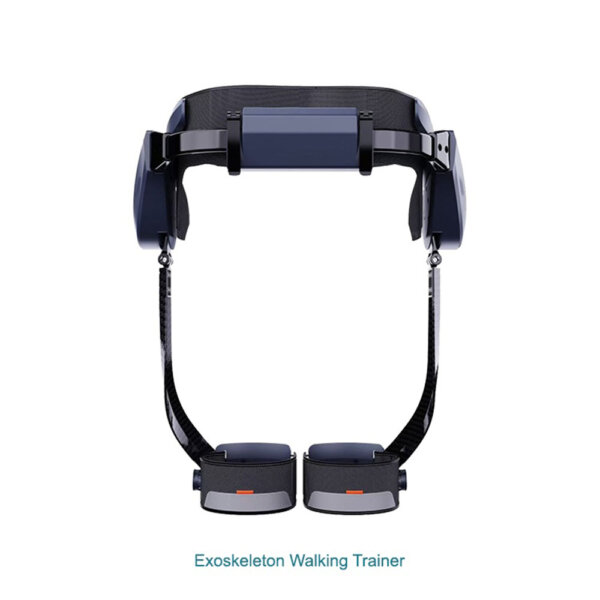
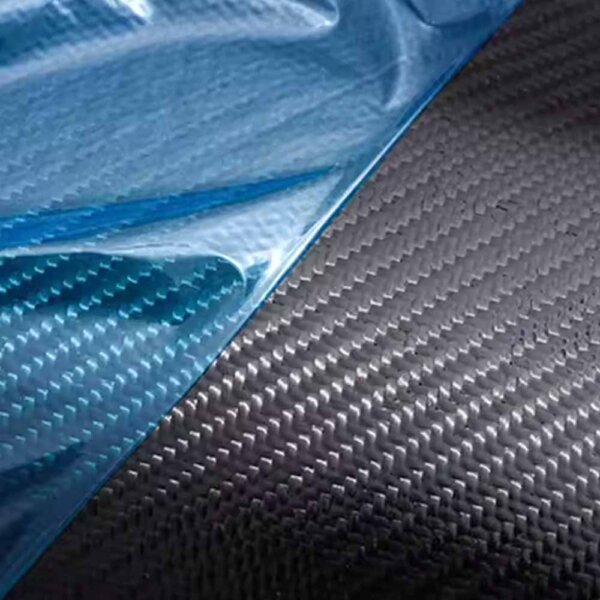
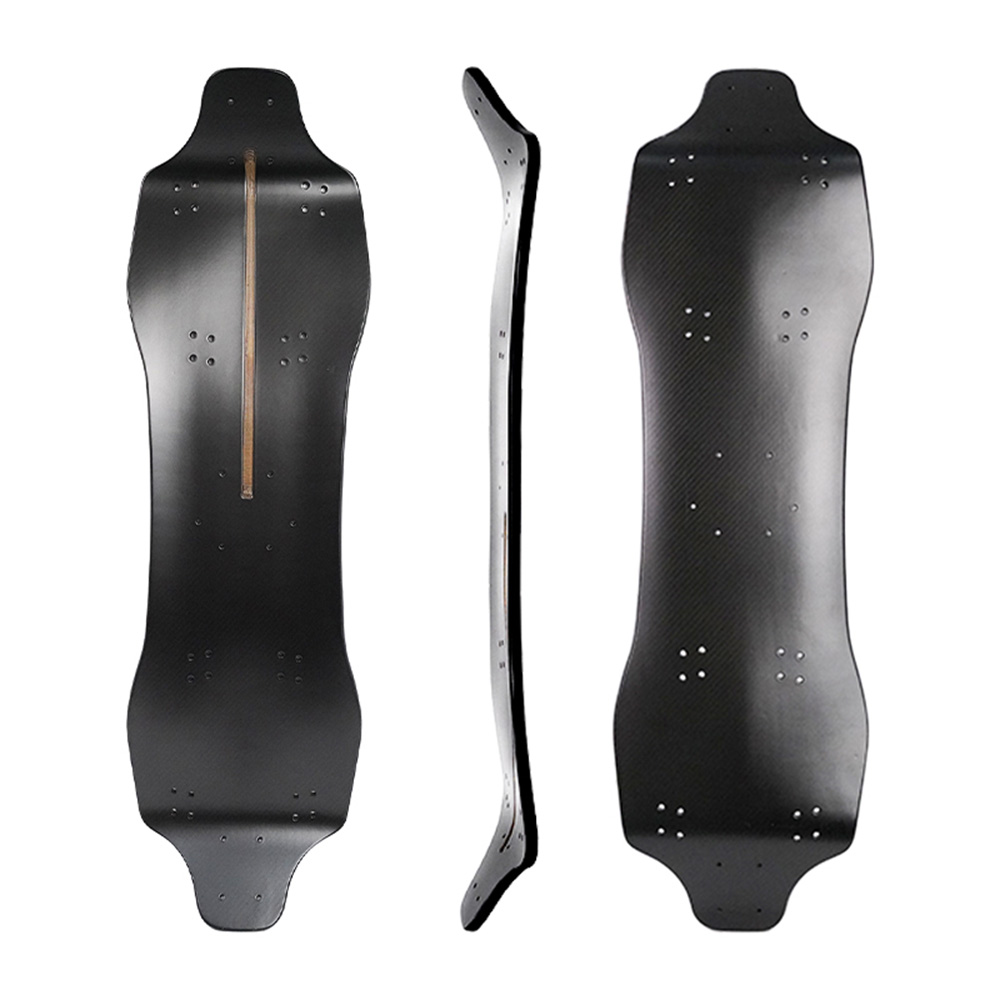
Our factory employs an advanced carbon fiber hot press process with a P20 steel mold, ensuring high efficiency, precision, durability, and cost-effectiveness for quality production.
Our factory runs 100+ hot pressure autoclaves, using aluminum molds and vacuum induction to shape carbon fiber with precision. High heat and pressure enhance strength, stability, and flawless quality.
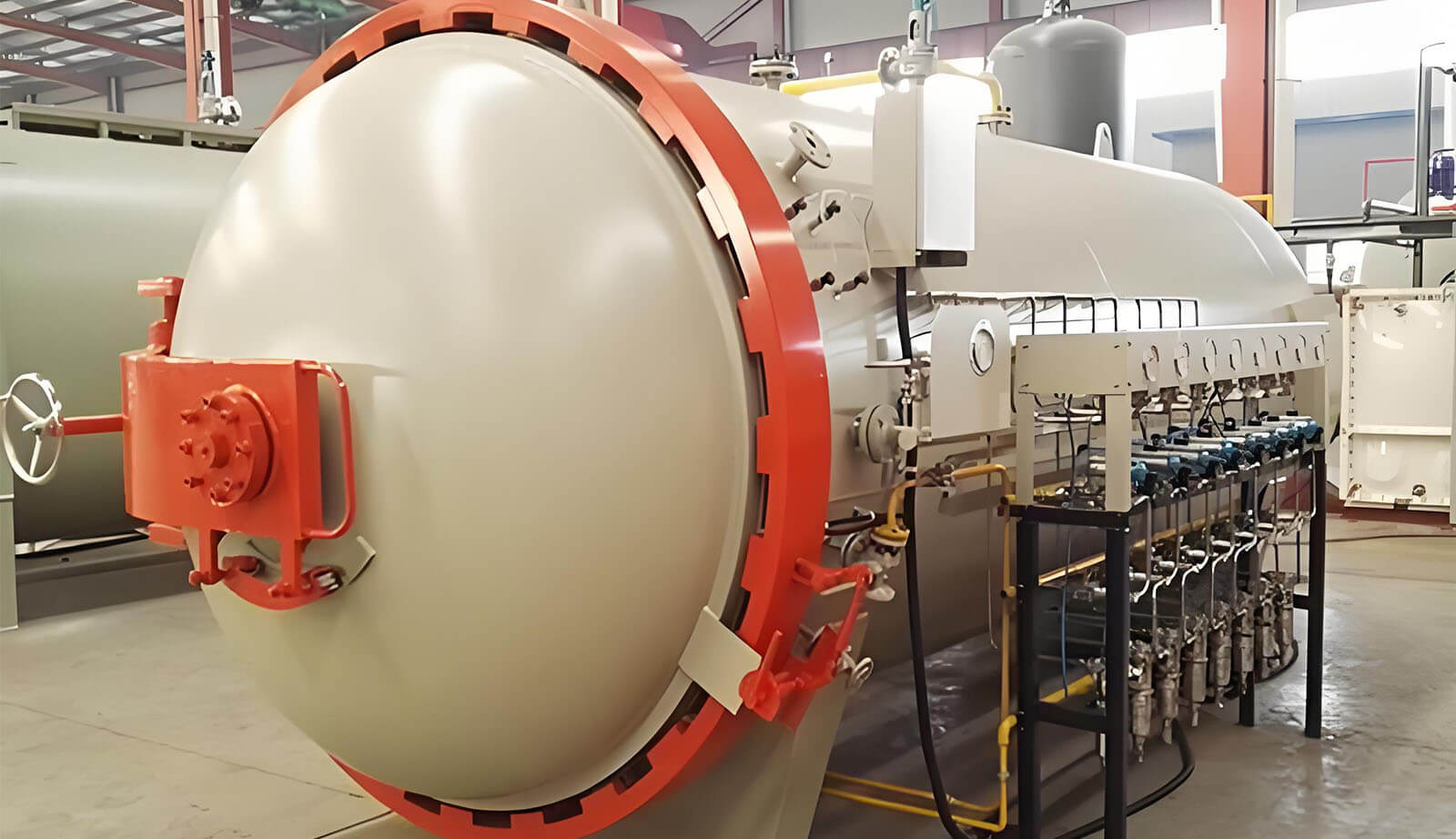
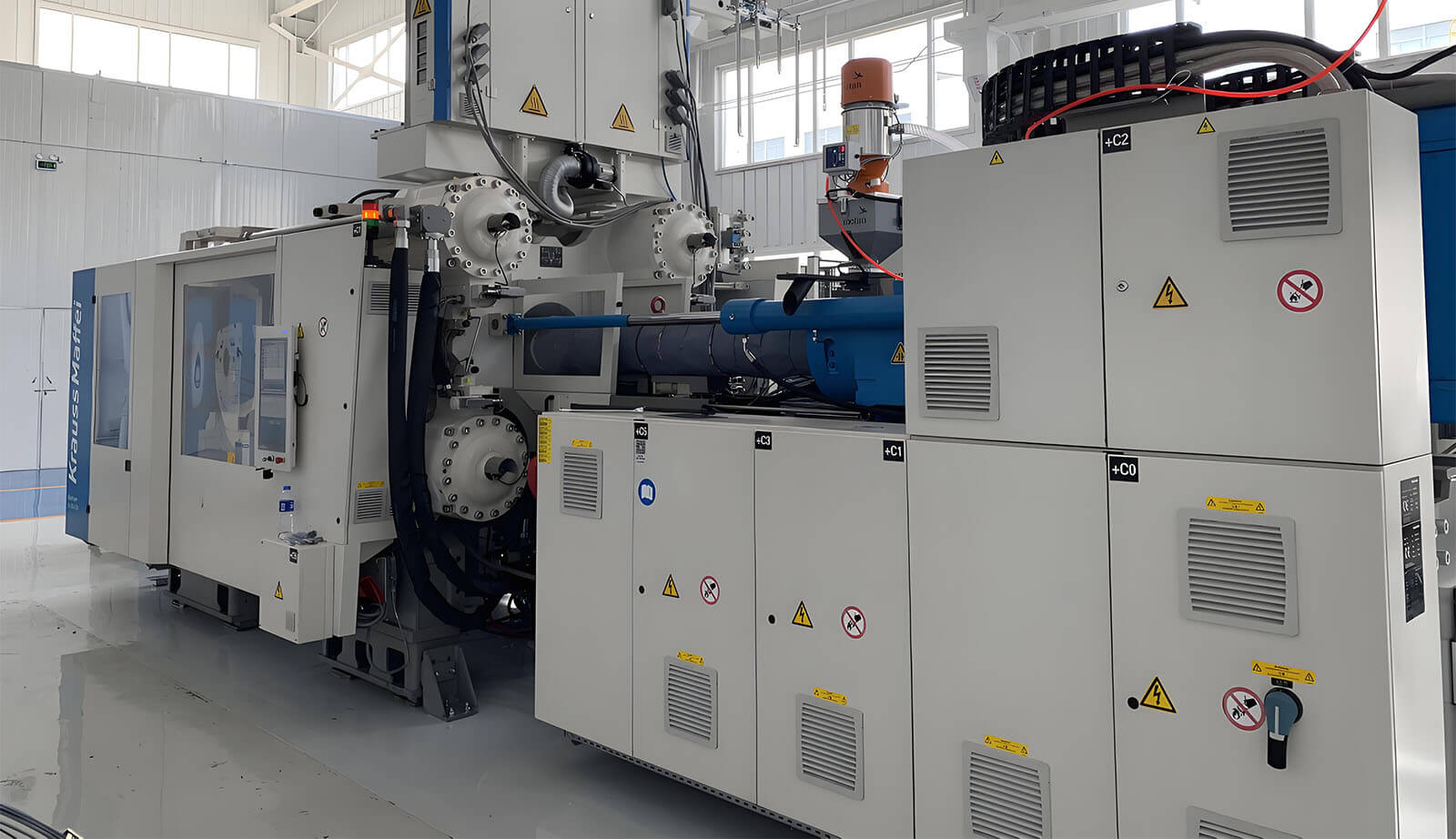
Our Carbon Fiber Research Center drives innovation in new energy, intelligence, and lightweight design, using advanced composites and Krauss Maffei Fiber Form to create cutting-edge, customer-focused solutions.
Here are the answers to the frequently asked questions from the experienced carbon fiber products factory
We produce a wide range of carbon fiber components, including automotive parts, motorcycle parts, aerospace components, marine accessories, sports equipment, and industrial applications.
We primarily use high-quality prepreg carbon fiber and large-tow carbon fiber reinforced high-performance composites to ensure strength, durability, and lightweight characteristics.
Yes, our products are coated with UV-protective finishes to ensure long-lasting durability and maintain their polished appearance.
Yes, our facilities and equipment are capable of producing large-size carbon fiber components while maintaining precision and quality.
What are the benefits of using carbon fiber products?
Carbon fiber offers exceptional strength-to-weight ratio, corrosion resistance, stiffness, thermal stability, and a sleek, modern appearance.
We cater to automotive, motorcycle, aerospace, marine, medical, sports, and industrial sectors with a focus on lightweight and high-performance carbon fiber components.
Yes, we provide custom carbon fiber solutions tailored to your specifications, including unique designs, sizes, and patterns.
We utilize advanced technologies such as autoclave molding, hot pressing, and vacuum bagging, ensuring precision, stability, and quality in every product. wonders with the Hello Elementor Theme, we’re trying to make sure that it works great with all the major themes as well.
We use aluminum and P20 steel molds, designed for durability and high accuracy, to create complex and precise carbon fiber components.
Our products undergo rigorous quality control checks, including dimensional accuracy, material integrity, and performance testing, to meet industry standards.