
Custom Mercedes-Benz Carbon Fiber Parts Development
Table of Contents
We develop new carbon fiber parts for Mercedes-Benz and Mercedes-AMG vehicles, starting from your CAD files, 3D scan data or original parts. Each project runs from engineering review and tooling to a first sample, fitment approval and repeat batch production.
Development projects are for aftermarket brands, tuning companies, body kit designers and distributors who need a part that is not in our current range, or a design that belongs to them.
Looking for parts we already produce? See Mercedes carbon fiber parts manufacturing for existing molds and wholesale supply, or browse the Mercedes-Benz carbon fiber product category.
When Custom Development Is Required
Custom development is needed when no existing mold matches the vehicle or the part. Typical cases:
- No mold exists for the chassis, model year or facelift version
- You have your own body kit or aero design
- You want a carbon fiber version of an OEM, fiberglass or plastic part
- You need a modified version of an existing part, such as a deeper lip profile or added vents
- You want a private-label or exclusive product
- You need low-volume parts for racing or a special project
If one of our existing molds is close to what you need, we first evaluate whether it can be adapted or whether separate new tooling is required.
For ready-made Mercedes body kits and upgrades, see Mercedes-Benz carbon fiber body kits and upgrades.
What You Can Send Us
A STEP file gives the most accurate starting point, but a project can start from any of the following:
- STEP / STP / IGES files: preferred, as they give exact geometry for tooling
- 3D scan data (STL or point cloud): of the vehicle area, the part, or both
- Original OEM part: used as the reference for geometry and mounting points
- Physical prototype or fiberglass part: your existing design, to be made in carbon fiber
- Drawings or sketches with key dimensions: for new designs at concept stage
- Photos of the vehicle and mounting area: useful alongside any of the above
If you have no CAD or scan data, the original part can be sent to us for evaluation.
Engineering Review Before Tooling
Every project gets an engineering review before we quote tooling or build a mold. It confirms the part can be made, demolded and fitted as intended.
- Vehicle identification: chassis code, model year, body style, facelift status, bumper or trim version, left- or right-hand drive where relevant, and the sensor, radar, camera and exhaust configuration. AMG Line packages and full Mercedes-AMG models often use different bumpers, so the exact bumper version is confirmed first.
- Demolding: parting lines, undercuts and draft angles that decide how the mold is split.
- Mounting: OEM clips, brackets, bolt points and hole positions the part must match.
- Trim lines and interfaces: edges and gaps against adjacent OEM panels.
- Laminate and surface: carbon construction, visible weave layout and finish.
- Volume: sample quantity and expected production volume, which decide the tooling type.
The result is either a tooling quotation or a recommendation to modify an existing mold.
Tooling and Process Selection
Tooling and carbon process are chosen together, because the process sets the temperature and pressure the mold must withstand.
| Process | Typical use in development projects |
|---|---|
| Prepreg / autoclave | Higher-spec parts where laminate control, low resin content and repeatability matter |
| Vacuum infusion / VARTM | Larger panels, or where part size or tooling cost makes autoclave less practical |
| Wet carbon | Appearance-focused aftermarket parts where cost matters more than minimum weight |
| Forged carbon | Suitable parts that need a forged-carbon look, made by compression molding |
Tooling may be composite, CNC-machined aluminum or a hybrid, depending on part size, geometry, process and expected volume.
Explore our broader custom carbon fiber manufacturing work, or see the equipment and production setup at our carbon fiber manufacturing facility.
For construction, weave and finish options in more detail, see our Mercedes carbon fiber parts page.
Prototype and First-Sample Approval
New parts go through a first sample before batch production. The sample is reviewed for:
- Overall dimensions and fit against adjacent OEM panels
- Mounting points and hole positions
- Trim lines and panel gaps
- Weave direction, surface quality and finish (gloss, satin or matte)
- Backside construction, trimmed edges, bonded brackets and inserts
Your test-fit feedback goes back into the mold or trim before production. The approved sample then becomes the reference standard for every batch.
For repeat production, key references can include part weight, trim lines, mounting-point locations, weave direction, finish and backside construction. This keeps later batches consistent with the approved first article.
OEM/ODM and Private-Label Projects
We take on OEM projects, where you supply the design, and ODM projects, where we develop the part from your concept or reference vehicle. Typical projects include:
- Customer-designed body kits, developed part by part
- Carbon fiber versions of OEM or fiberglass components
- Modifications of existing products
- Private-label components with your branding and packaging
- Low-volume development followed by repeat batch production
Branding, packaging, tooling ownership and exclusivity are agreed as part of the tooling quotation.
Development Workflow
A typical development project runs in eight steps:
- Project brief: vehicle, part and design intent
- Data review: CAD, scan, OEM part or prototype
- Feasibility review and tooling quotation
- Mold production
- First carbon fiber sample
- Customer test fit and feedback
- Corrections and sample approval
- Batch production and inspection
What to Include in a Development Inquiry
Rough data is fine for a first review. The more of the following you can send, the faster we can quote:
- Vehicle: Mercedes-Benz or Mercedes-AMG model, chassis code, model year, body style, facelift status, bumper or trim version, left- or right-hand drive, and sensor, camera and exhaust configuration
- Part and design intent: replicate an OEM part, modify an existing part, or a new design
- Available data: STEP/STP/IGES files, 3D scan, OEM part, prototype or drawings
- Required carbon construction and finish
- Any target weight, stiffness, temperature or other technical requirement
- Sample quantity and expected production volume
- Branding or private-label requirements
- Exclusivity requirements
- Target timeline
- Destination country
Request a development review: send your project details and files, and we will reply with feasibility feedback and next steps.
Frequently Asked Questions
Can you develop a Mercedes carbon fiber part if no mold exists?
Yes. We evaluate new tooling from CAD files, 3D scans, OEM parts, prototypes or physical samples.
Do I need a STEP file?
No, but it helps. STEP/STP files give the most accurate geometry. A physical part, OEM sample or 3D scan can also be used, depending on the project.
Can you make a carbon fiber version of an OEM Mercedes part?
We can evaluate carbon fiber versions of OEM components where the geometry, mounting structure and manufacturing method are suitable.
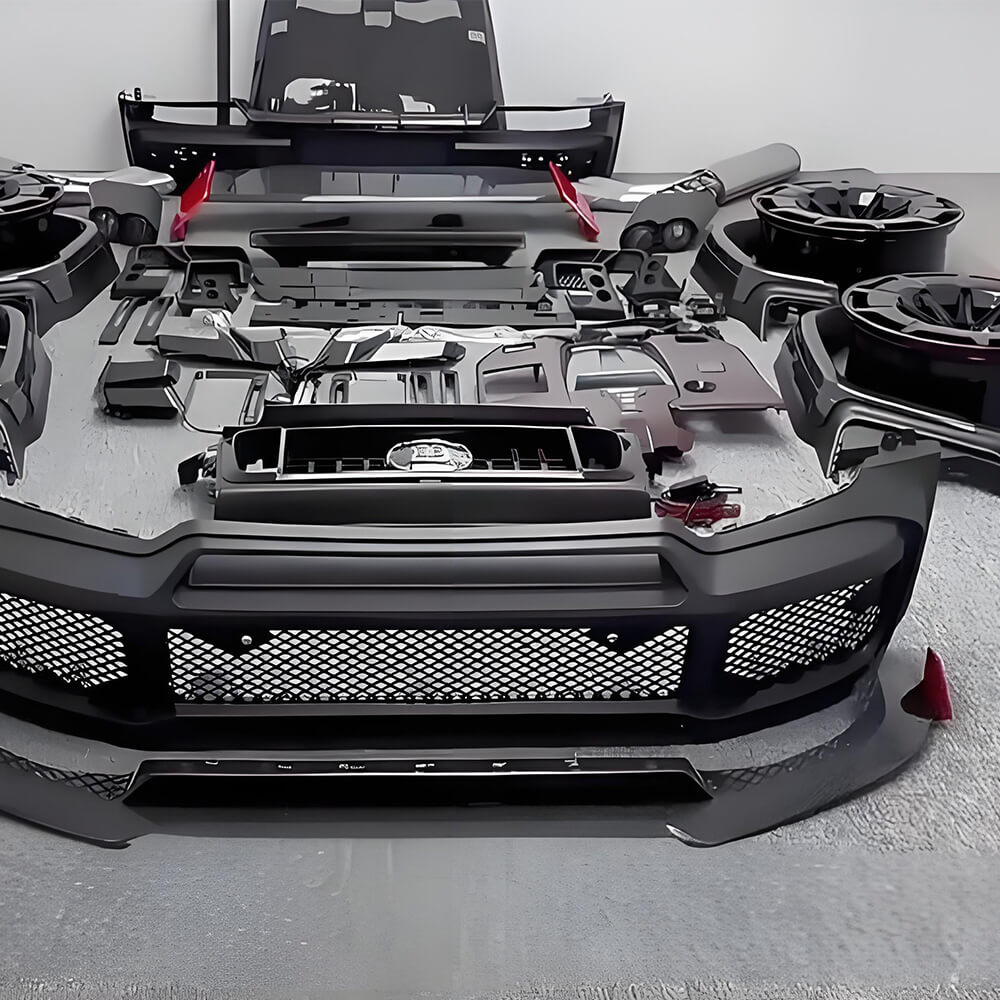
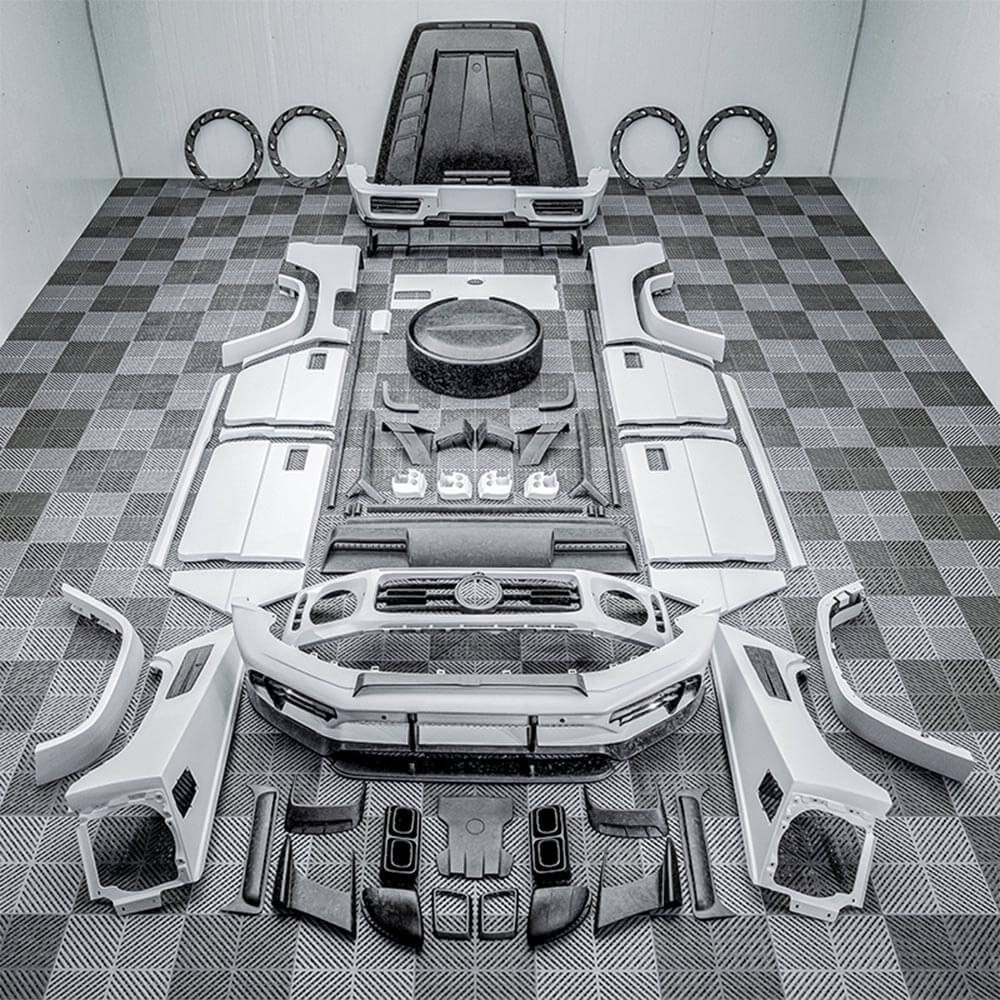
Can you develop a complete custom body kit?
Yes. Customer-designed body kits are evaluated part by part for tooling, fitment, manufacturing process and production cost.
Who owns the tooling, and can the design be exclusive?
Tooling ownership and exclusivity are agreed as part of the tooling quotation, before any mold is made.
Can I get a prototype before ordering production?
Yes. For new parts, a first sample is normally made and approved before batch production.
Can an existing mold be adapted for a new design?
Sometimes. It depends on the geometry, required changes and whether the existing production tool can be modified without affecting its original application. We assess this during the engineering review.
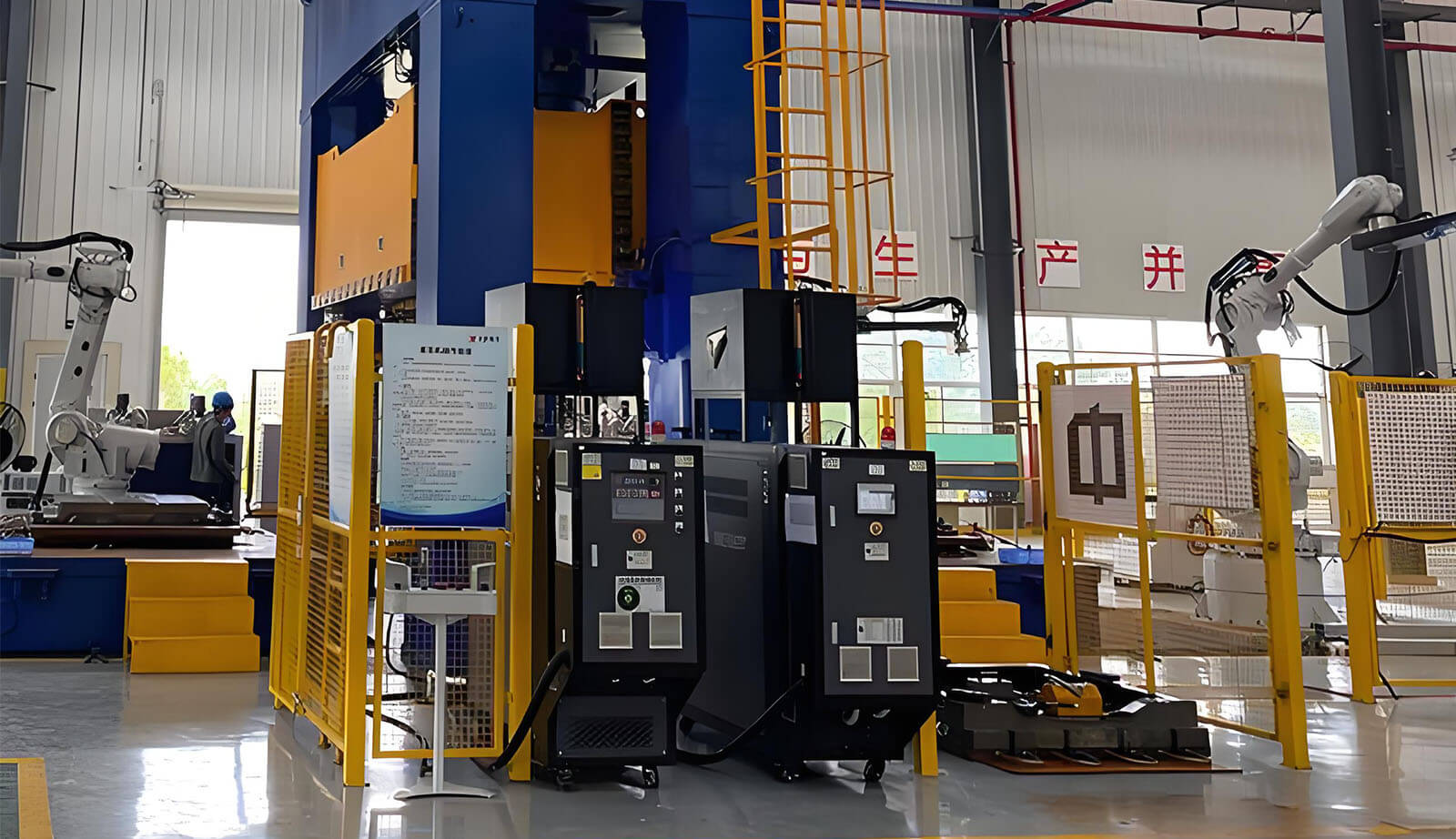
Carbon Fiber Composite Material Hot Pressing Molding Process
Our factory employs an advanced carbon fiber hot press process with a P20 steel mold, ensuring high efficiency, precision, durability, and cost-effectiveness for quality production.
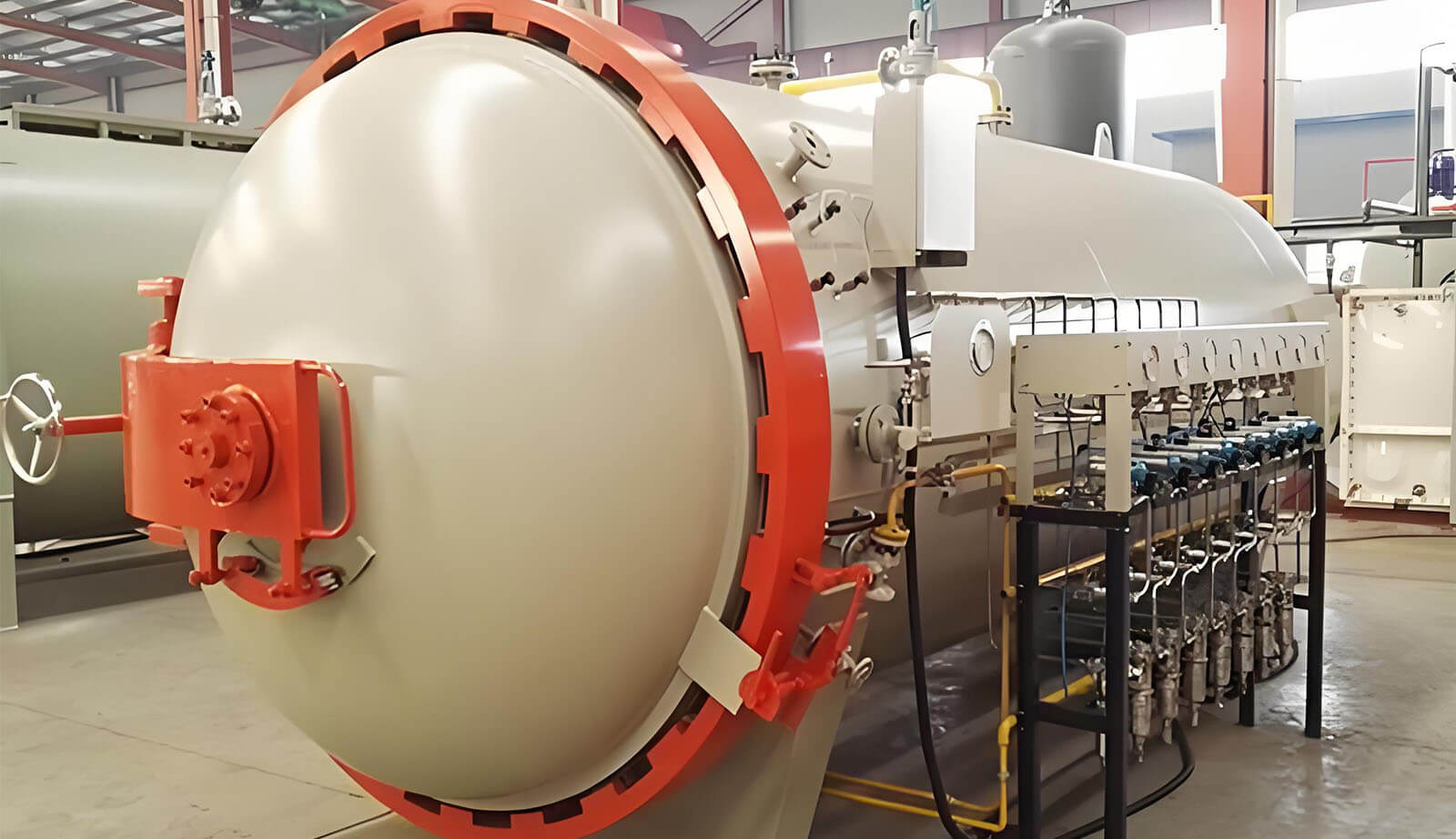
Carbon Fiber Autoclave
Our factory runs 100+ hot pressure autoclaves, using aluminum molds and vacuum induction to shape carbon fiber with precision. High heat and pressure enhance strength, stability, and flawless quality.
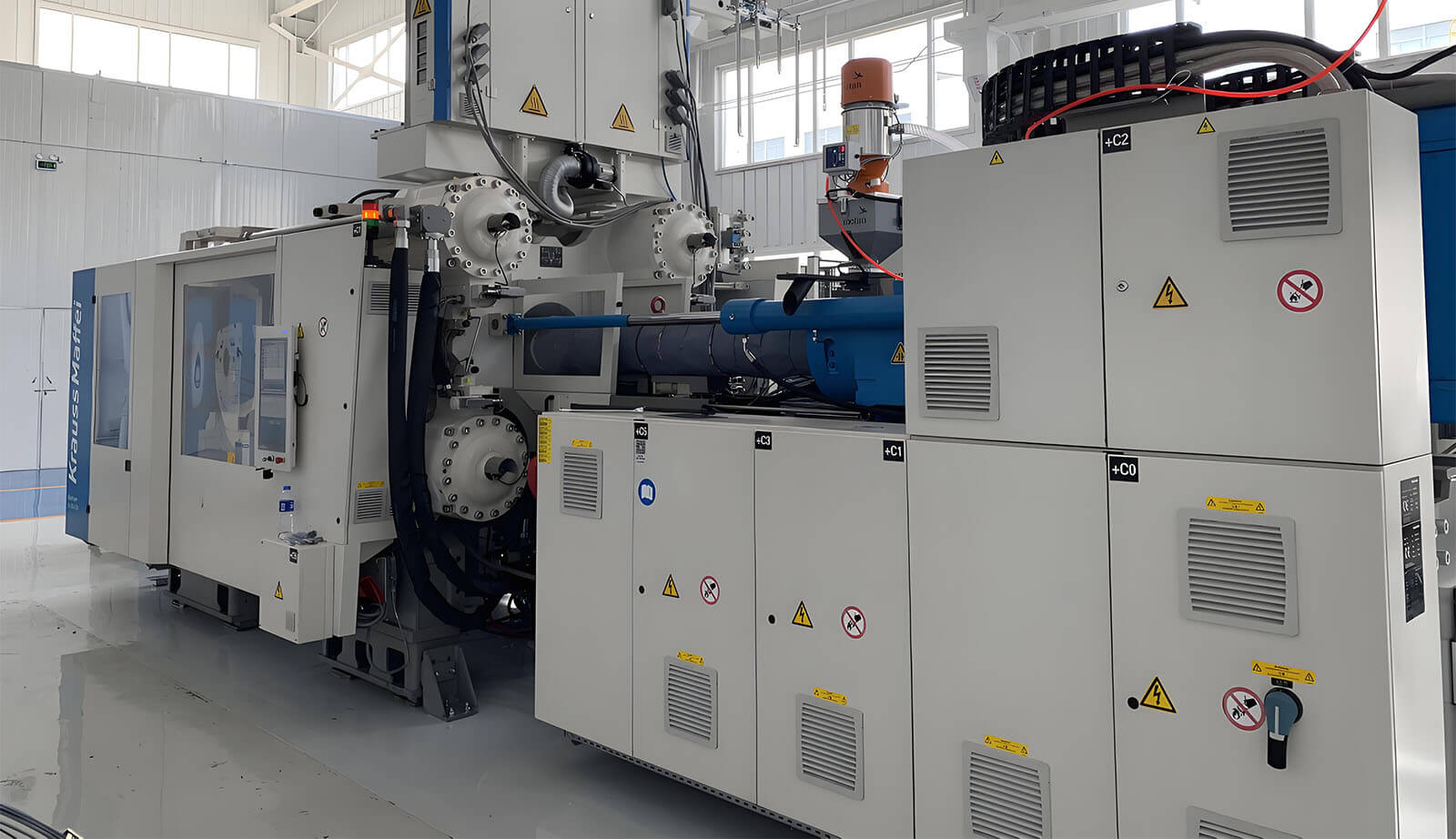
Carbon Fiber Engineering Technology Research Center
Our Carbon Fiber Research Center drives innovation in new energy, intelligence, and lightweight design, using advanced composites and Krauss Maffei Fiber Form to create cutting-edge, customer-focused solutions.
Frequently Asked Question
Here are the answers to the frequently asked questions from the experienced carbon fiber products factory
We produce a wide range of carbon fiber components, including automotive parts, motorcycle parts, aerospace components, marine accessories, sports equipment, and industrial applications.
We primarily use high-quality prepreg carbon fiber and large-tow carbon fiber reinforced high-performance composites to ensure strength, durability, and lightweight characteristics.
Yes, our products are coated with UV-protective finishes to ensure long-lasting durability and maintain their polished appearance.
Yes, our facilities and equipment are capable of producing large-size carbon fiber components while maintaining precision and quality.
What are the benefits of using carbon fiber products?
Carbon fiber offers exceptional strength-to-weight ratio, corrosion resistance, stiffness, thermal stability, and a sleek, modern appearance.
We cater to automotive, motorcycle, aerospace, marine, medical, sports, and industrial sectors with a focus on lightweight and high-performance carbon fiber components.
Yes, we provide custom carbon fiber solutions tailored to your specifications, including unique designs, sizes, and patterns.
We utilize advanced technologies such as autoclave molding, hot pressing, and vacuum bagging, ensuring precision, stability, and quality in every product. wonders with the Hello Elementor Theme, we’re trying to make sure that it works great with all the major themes as well.
We use aluminum and P20 steel molds, designed for durability and high accuracy, to create complex and precise carbon fiber components.
Our products undergo rigorous quality control checks, including dimensional accuracy, material integrity, and performance testing, to meet industry standards.