
Mercedes Benz Carbon Fiber Body Kits
Table of Contents
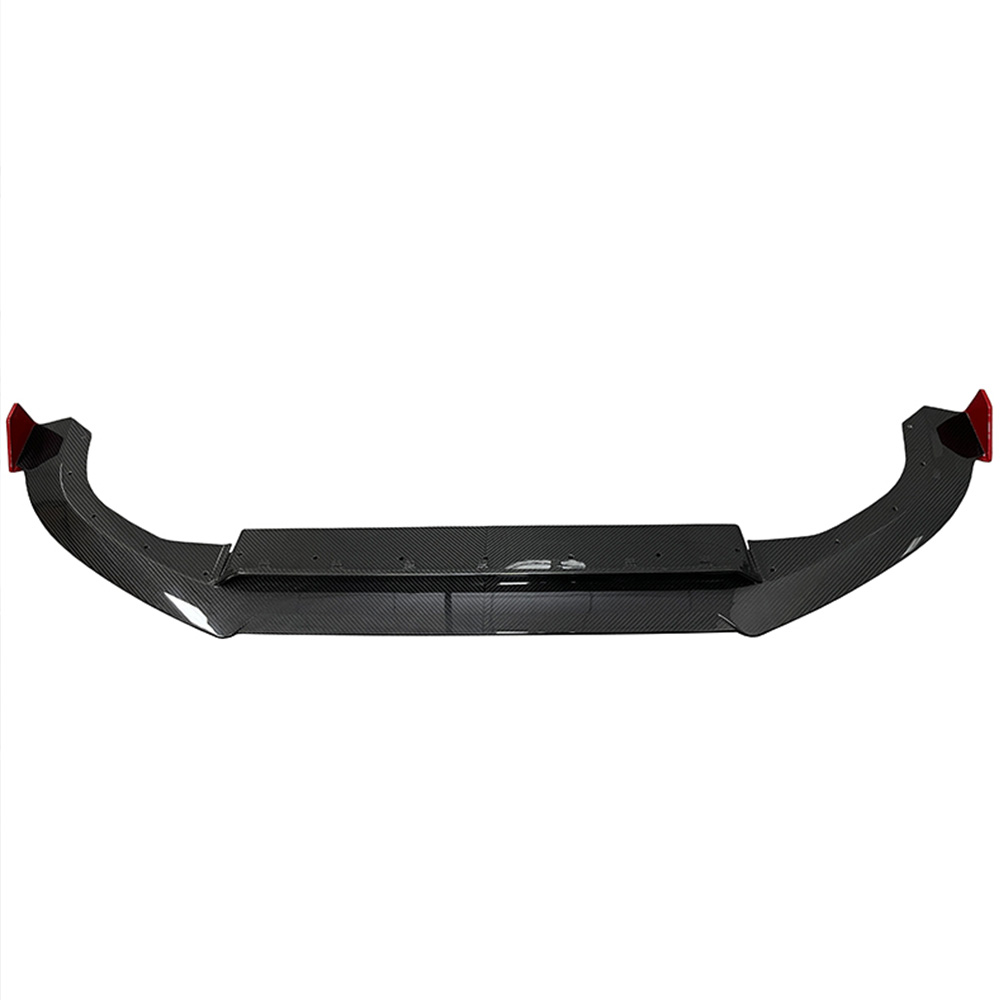
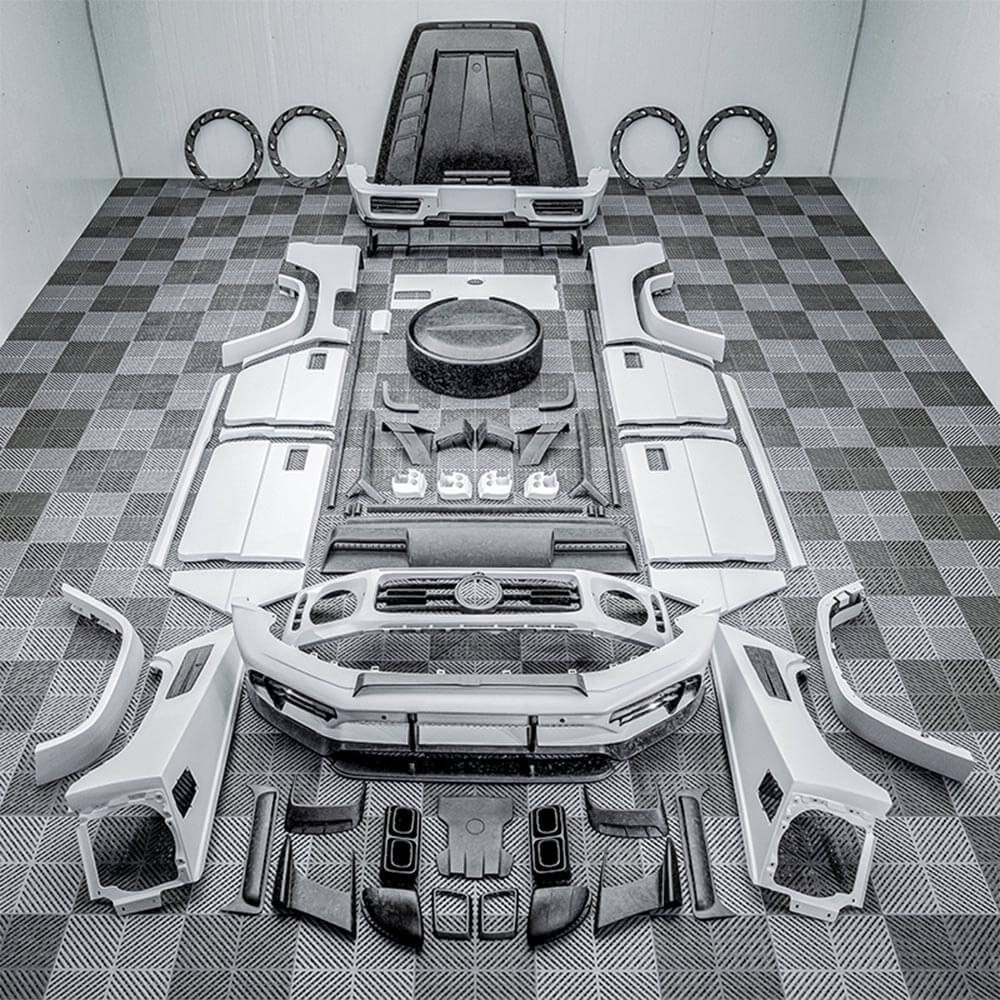
ChinaCarbonFibers manufactures carbon fiber parts for Mercedes-Benz and Mercedes-AMG vehicles as part of our wider range of carbon fiber car parts: front lips, splitters, rear diffusers, spoilers, side skirts, mirror covers, hoods, fenders, grilles, engine-bay components and complete body kits. We produce parts from existing molds and develop new parts for OEM/ODM projects.
Two Mercedes carbon parts with the same glossy weave can be built very differently. That is why we describe how each part is constructed, which process suits it and what we check before production, rather than promising that every part is lighter or a perfect fit.
Before quoting an existing Mercedes part, our sales and engineering team normally verifies the model year, exact model, body style and reference photos against our mold database.
Available Mercedes Carbon Fiber Parts
Depending on the model and available tooling, our Mercedes carbon fiber range can include:
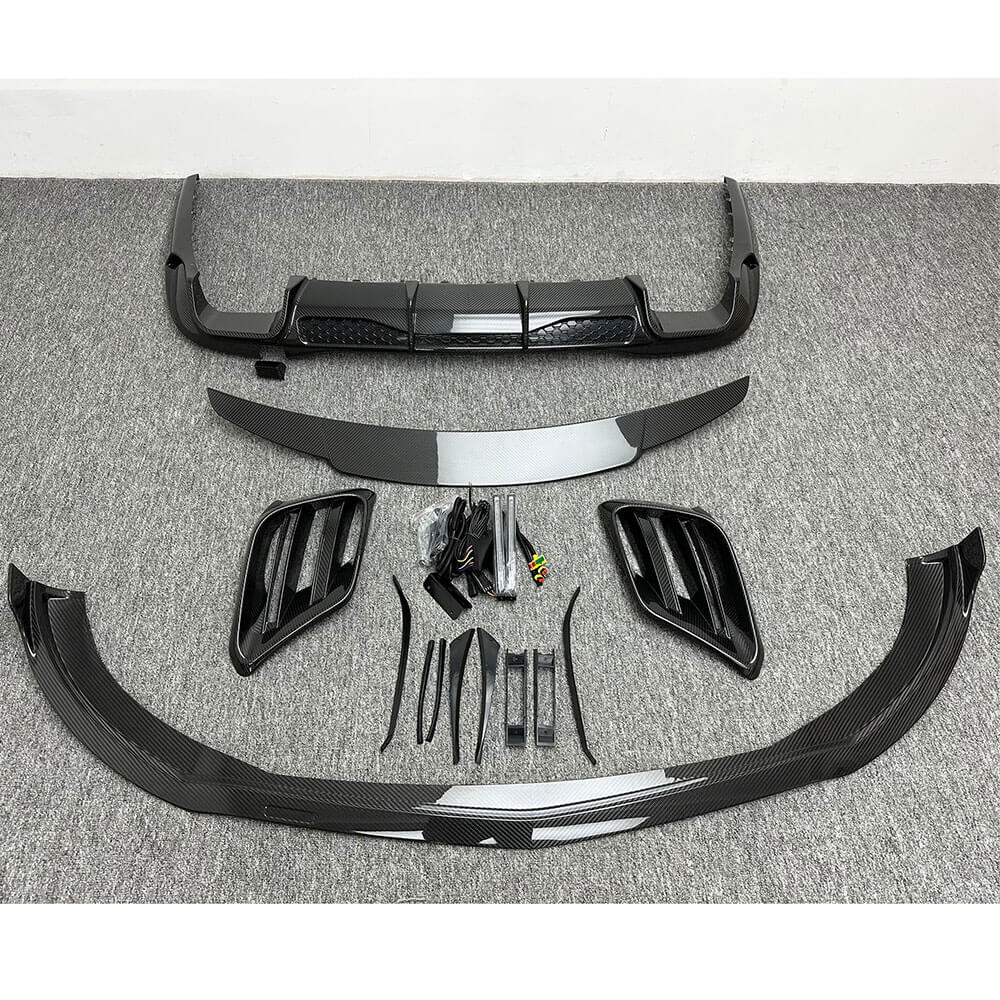
- Carbon fiber front lips and splitters
- Carbon fiber front bumper vents and canards
- Carbon fiber rear diffusers
- Carbon fiber side skirts
- Carbon fiber trunk spoilers, roof spoilers and rear wings
- Carbon fiber mirror covers and replacement mirror caps
- Carbon fiber grille and fascia components
- Carbon fiber fender vents and fenders
- Carbon fiber hoods
- Carbon fiber engine covers and engine-bay panels
- Carbon fiber interior trim and carbon fiber steering wheel components
- Carbon fiber replacement body panels
- Complete Mercedes-AMG carbon fiber body kits
Browse the parts we currently list in our Mercedes-Benz carbon fiber catalog. For accessories that are not tied to one vehicle, see our universal carbon fiber car parts.
Supported Mercedes-Benz and Mercedes-AMG Models
Depending on available tooling, Mercedes carbon fiber applications can cover:
- Mercedes-Benz C-Class and Mercedes-AMG C43, C63, C63 S
- Mercedes-Benz E-Class and Mercedes-AMG E53, E63
- Mercedes-Benz S-Class, Mercedes-AMG S63 and Mercedes-Maybach
- Mercedes-Benz CLA and Mercedes-AMG CLA45
- Mercedes-Benz CLS and Mercedes-AMG CLS
- Mercedes-Benz GLC, GLE and GLS
- Mercedes-Benz G-Class and Mercedes-AMG G63
- Mercedes-AMG GT and SL
Each model line spans several chassis generations, for example W205 and W206 for the C-Class, or W213 and W214 for the E-Class. A mold made for one generation will not fit the next, so availability is always confirmed by model year and chassis code, not by model name alone.
How Our Mercedes Carbon Fiber Parts Are Made
Mercedes-AMG itself shows that construction matters more than appearance. On the AMG GT Black Series, carbon fiber is used not only for visible parts such as the hood, roof and aerodynamic elements, but also for structural panels and the driveshaft (2021 Mercedes-AMG GT Black Series Quick Reference Guide).
There is no single best process for every carbon part. Depending on the part geometry, production volume, performance requirement and target cost, we can use prepreg/autoclave, vacuum infusion, wet lay-up or compression molding.
| Process | How it works | Strengths | Limits | Typical Mercedes parts |
|---|---|---|---|---|
| Prepreg / autoclave | Fabric pre-impregnated with a controlled amount of resin is laid into the mold, vacuum-bagged and cured under controlled heat and pressure | High, well-controlled fiber volume, low void content, good dimensional repeatability and a consistent carbon surface | Highest material, tooling and equipment cost | Lightweight replacement panels, performance aero, premium dry-carbon parts |
| Vacuum infusion (VARTM) | Dry reinforcement is placed in the mold and resin is drawn through it under vacuum | Good balance of part quality, repeatability, tooling cost and component size | Resin-flow design is critical; poor infusion can leave dry spots or voids | Larger or lower-volume body and trim parts where an autoclave is not commercially necessary |
| Wet lay-up | Resin is applied by hand to the carbon reinforcement | Low tooling cost, flexible for small runs and prototypes | More resin, more weight, more variable thickness and higher void risk; quality depends on workmanship | Cost-sensitive styling parts and one-offs |
| Compression molding / chopped carbon | Chopped or preformed carbon reinforcement is compressed with resin in a heated matched mold | Efficient for complex 3D shapes; chopped fiber gives the marbled forged-carbon look | Chopped fibers lack the directional strength of continuous fabric | Forged-carbon trim, mirror caps and complex 3D styling parts |
“Dry carbon” is a process question, not a marketing term
In the aftermarket, “dry carbon” usually refers to prepreg/autoclave parts and “wet carbon” to hand-laid parts, but sellers use both terms loosely. A glossy 3K carbon surface alone does not prove that a part is prepreg or autoclave cured (How to Tell Dry Carbon vs Wet Carbon Parts). When you request a quote, ask which process is used for that specific part; we state it per part rather than applying one label to the whole catalog. For a fuller explanation of prepreg, autoclave curing and how it differs from wet lay-up, see what dry carbon fiber is and how it is made.
Published process comparisons commonly report fiber volume fractions of about 55–65% for well-controlled prepreg laminates (Prepreg vs Wet Lay-Up: Carbon Fiber Manufacturing Comparison; Prepreg vs Wet Layup Carbon Fiber Sheets). That figure is process background, not a guaranteed specification for every part. Further reading: How Carbon Fiber Is Made: Prepreg vs Wet-Lay vs Forged.
Full Carbon vs Carbon/FRP
One of the biggest differences between Mercedes carbon fiber parts is hidden behind the visible surface. A part described simply as “carbon fiber” may actually be:
- Full carbon fiber laminate
- Carbon fiber combined with fiberglass
- A carbon skin laminated over an FRP structure
- A carbon overlay applied over another substrate
These constructions serve different price and performance needs. Carbon/FRP is a practical choice for styling parts where appearance and cost matter more than minimum weight. Full carbon is more appropriate for lightweight replacement panels and higher-performance parts.
An exposed carbon surface does not mean the whole part is carbon fiber. A carbon-faced fiberglass hood, for example, can look the same as a full-carbon hood while saving much less weight. If weight matters for your project, ask us to quote both constructions so you can compare.
Background: Dry Carbon Fiber vs Wet Carbon Fiber: The Ultimate Guide for Auto Parts and Dry vs. Wet vs. Forged Carbon Fiber: 2026 Buyer’s Guide.
3K Twill, Plain Weave and Forged Carbon
Carbon appearance can be matched to the vehicle and customer preference:
- 2×2 twill is the most common weave on performance and aftermarket automotive parts. Its diagonal pattern gives the familiar motorsport look and conforms well to curved surfaces.
- 1×1 plain weave has a tighter, more regular checkerboard appearance for a more traditional carbon pattern.
- Forged carbon uses chopped fibers instead of continuous fabric, producing a random marbled look that suits complex three-dimensional shapes.
Weave style is a styling choice, not a quality indicator. Fiber orientation, laminate thickness, resin content, void control, reinforcement and manufacturing process matter more than appearance (The Difference Between Dry Carbon and Wet Carbon).
Surface finish: gloss, satin or matte
Exposed automotive carbon fiber is commonly protected with a clear coat or another suitable surface system, particularly on exterior parts. Finish options include high-gloss, satin and matte. On exterior Mercedes parts, UV resistance is the priority, because the surface system protects the composite from sun and weather, not only its appearance. Engine-bay parts also face elevated temperatures, so the resin system and finish should be selected for where the part sits on the car rather than using one specification for every part.
Mercedes Fitment: What We Check Before Production
“Fits Mercedes C-Class” is not enough information to confirm a carbon fiber part. A W205 C-Class, W205 C43 and W205 C63 may use different bumpers and mounting geometry within the same generation, and pre-facelift and facelift cars differ again.
Before production or shipment, we check:
- Chassis code and model year
- Pre-facelift or facelift version
- AMG, AMG Line/sport package or standard bumper
- Body style: sedan, coupe, convertible, wagon or SUV
- Market specification
- Mounting method: OEM mounting points, clips, brackets, mesh, bolts or screws, rivnuts, adhesive bonding and heat shields
- Parking sensors, cameras and radar in or near the part
Sensors deserve special attention on grilles, bumper trims and other parts located near parking sensors, cameras or radar modules. Any carbon component that covers these areas or changes their position should be checked carefully during fitment, and some vehicle systems may require recalibration after installation.
Example from our quotation process: A customer may request a carbon front lip for a Mercedes C-Class by model name alone. Before quoting, we normally ask for the model year, exact variant and a front-view photo, because AMG, AMG Line and standard bumpers can use different mounting geometry even within the same chassis generation. If a specific style is requested, we also compare the reference photo with our existing mold before confirming availability.
Quality Control
A good Mercedes carbon fiber part should be judged beyond its front surface. These are the defects that matter most, and what to look for:
| Defect | Usual cause | What to look for |
|---|---|---|
| Weave distortion | Fabric shifting on complex shapes during lay-up | Straight, consistent weave lines across curves and edges |
| Pinholes | Trapped air, insufficient consolidation or finishing defects | Small surface holes under strong light |
| Resin-rich areas | Excess resin in the laminate | Cloudy or pooled areas that hide the weave |
| Warping | Poor tooling, inconsistent curing or uneven cooling | Gaps or twist when test-fitted to the car or a fixture |
| Delamination | Separation between layers, or between carbon and another substrate | Lifting edges, hollow sound when tapped |
| Yellowing | UV exposure and inadequate surface protection | Discoloured clear coat on exterior parts |
| Cracking | Impact, brittle resin, excessive flex or unsuitable laminate | Hairline cracks, especially near edges and mounts |
| Mounting-point damage | Concentrated fastening loads without reinforcement or bonded inserts | Thin or unreinforced bolt and bracket locations |
Adding more clear coat does not fix a laminate problem, and a thin carbon panel should not be assumed suitable for concentrated fastening loads. Structural carbon damage also needs careful evaluation rather than being repaired like metal bodywork (Restoring the Beauty of Mercedes-Benz Carbon Fiber Components).
Existing Mold vs Custom Development
Parts from existing molds
For most Mercedes inquiries, we first check whether a matching mold already exists. Send the vehicle year, exact model, chassis code if available, vehicle photos and the part or style you need. If a mold is available, we confirm fitment and quote the part with its construction, process and finish options.
Custom Mercedes carbon fiber parts and OEM/ODM development
Not every project uses an existing mold. We can evaluate custom projects from customer-supplied original parts, 3D CAD or STEP files, drawings, samples, vehicle measurements, styling references, target construction and expected production quantity. The process is then selected according to geometry, quantity, surface requirement, structural requirement and target cost.
This suits aftermarket brands, tuning companies, restoration projects and new Mercedes carbon fiber products that do not yet have production tooling. For an example of a custom aero part, see our carbon fiber duckbill spoiler.
Manufacturer or retailer: why it matters
Many Mercedes carbon fiber websites are retail stores. For a buyer who needs one finished part, retail stock and local installation may be the priority. For importers, tuning brands and repeat buyers, the questions go beyond the catalog:
- Can the part be made in full carbon instead of carbon/FRP?
- Can prepreg/autoclave production be used?
- Can the finish change from gloss to satin?
- Can mounting areas be reinforced?
- Can an existing design be modified, or a new mold developed?
- Can the same product be produced repeatedly to a controlled specification?
These are manufacturing questions rather than catalog questions.
Factory Capability
Our Mercedes carbon fiber production covers:
- Prepreg/autoclave molding
- Vacuum infusion
- Wet lay-up
- Compression molding, including chopped (forged) carbon
- Mold making for new parts
- CNC trimming and drilling
- Bonding and assembly of brackets and inserts
- Gloss, satin and matte clear coating
As a China-based manufacturer, we work inside a developed composite supply chain with access to carbon fabrics, prepregs, resins, CNC machining, mold making and clear coating. The advantage is not simply lower labor cost; it is the ability to choose the right process and materials for each part. It also means buyers should compare process and construction specifications from any supplier, not only product photos and price. Beyond automotive parts, we also take on custom and industrial carbon fiber manufacturing.
Frequently Asked Questions
What is the difference between dry carbon and wet carbon?
In the aftermarket, dry carbon usually means prepreg carbon cured under controlled heat and pressure, often in an autoclave. Wet carbon usually means fabric with resin applied by hand. Because sellers use the terms loosely, ask which process a specific part uses rather than relying on the label.
Is full carbon better than carbon/fiberglass?
It depends on the part. Full carbon makes sense for lightweight replacement panels such as hoods and for performance parts. Carbon/FRP can be the more practical choice for styling parts where appearance and cost matter more than minimum weight.
Does a 3K twill weave mean a part is high quality?
No. 3K describes the tow size and twill describes the weave pattern; neither tells you the process, laminate thickness, resin content or void level. A glossy 3K surface can sit on top of a prepreg laminate or a hand-laid one.
Will a carbon fiber front lip for a W205 C300 fit a W205 C63?
Not necessarily. The C300 and C63 normally use different bumper designs, and fitment also varies by facelift and trim specification. Send your model year, exact model and photos of the front of the car so we can match the correct mold.
Do carbon fiber parts affect Mercedes parking sensors, cameras or radar?
They can. Lips, grilles and bumper parts often sit near parking sensors, front cameras or radar. A correctly designed part keeps those areas clear, but if a part covers a sensor area, recalibration may be needed after installation. Tell us which driver-assistance features your car has when you request a quote.
Will carbon fiber parts make my Mercedes faster?
Not automatically. Mirror covers and interior trim are visual upgrades with very little weight effect. For lips, splitters and diffusers, aerodynamic shape matters more than weight. Hoods and roofs can save meaningful weight when they are built in full carbon, and a rear wing only works well as part of a balanced aero package with the splitter, underbody and diffuser.
Are aftermarket carbon parts as strong as OEM Mercedes-AMG parts?
Not by default. OEM Mercedes-AMG parts come from factory development that includes original CAD geometry, vehicle-level dimensional validation, material specifications, durability, thermal and aerodynamic development, crash considerations, corrosion compatibility, NVH work and assembly tolerances. A good aftermarket part is an attractive alternative for styling, replacement bodywork and customization, but it should not be described as structurally equivalent to an OEM part unless equivalent validation exists. That matters most for structural and safety-related parts.
Can you make a Mercedes carbon fiber part that is not in your catalog?
Yes, through custom OEM/ODM development. Send an original part, STEP/STP file, drawing or sample with the expected quantity and required specification, and we will review which process and construction suit the project.
What do you need from me to quote a Mercedes carbon fiber part?
At minimum: vehicle year, exact model, chassis code if available, photos of the vehicle and the part or style you need. It also helps to tell us your preferred construction (full carbon or carbon/FRP), process, weave, finish, required mounting hardware, sensor or radar requirements and quantity.
Request a Mercedes Carbon Fiber Quote
Send us:
Vehicle year + exact model + chassis code if available + vehicle photos + the carbon fiber part or style you need.
We will first check whether an existing mold is available. For a new development project, send the STEP/STP file, drawing, sample or original component together with the estimated quantity and required carbon fiber specification. This lets us recommend the right manufacturing process instead of quoting every part under one generic specification.

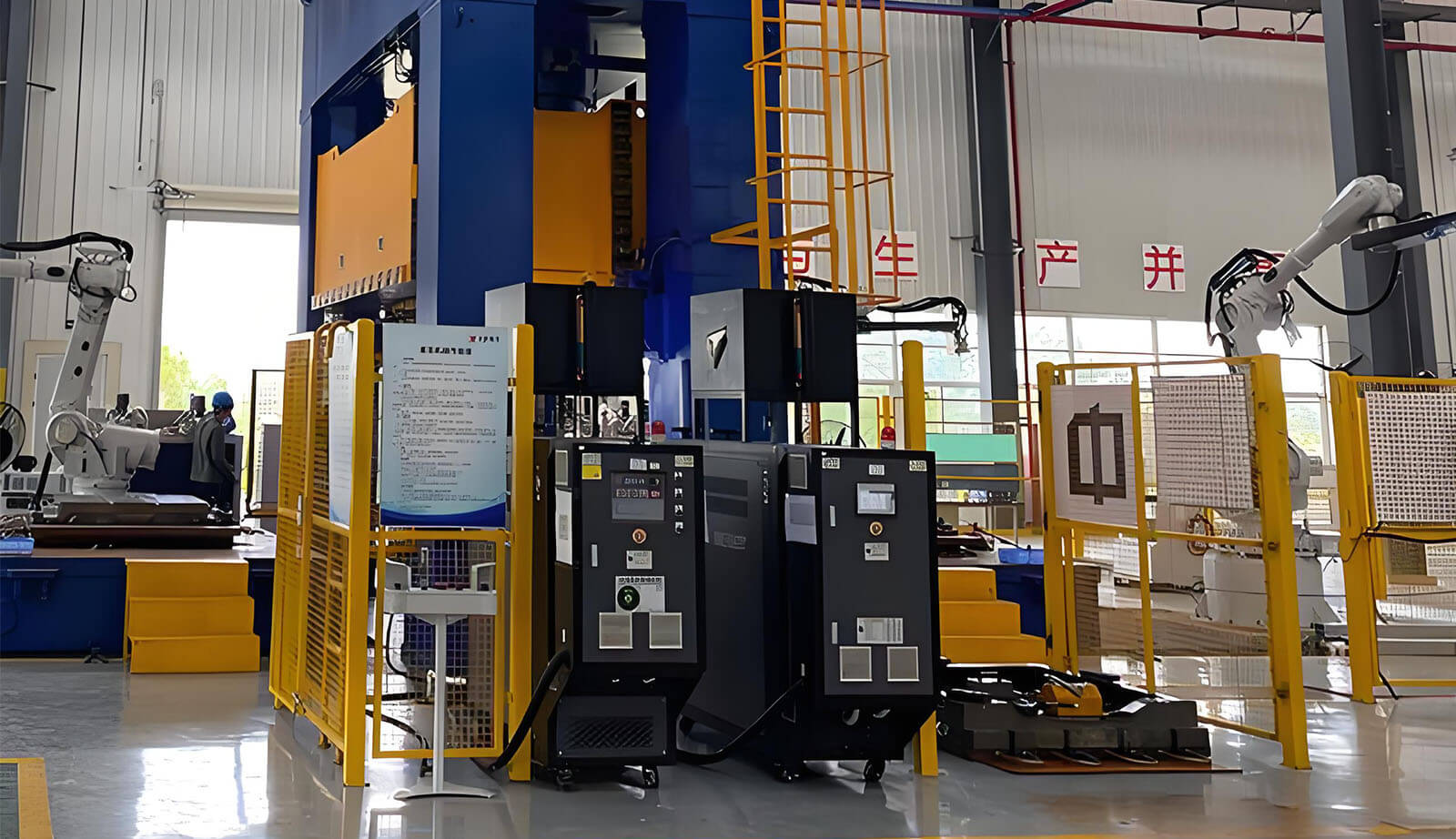
Carbon Fiber Composite Material Hot Pressing Molding Process
Our factory employs an advanced carbon fiber hot press process with a P20 steel mold, ensuring high efficiency, precision, durability, and cost-effectiveness for quality production.
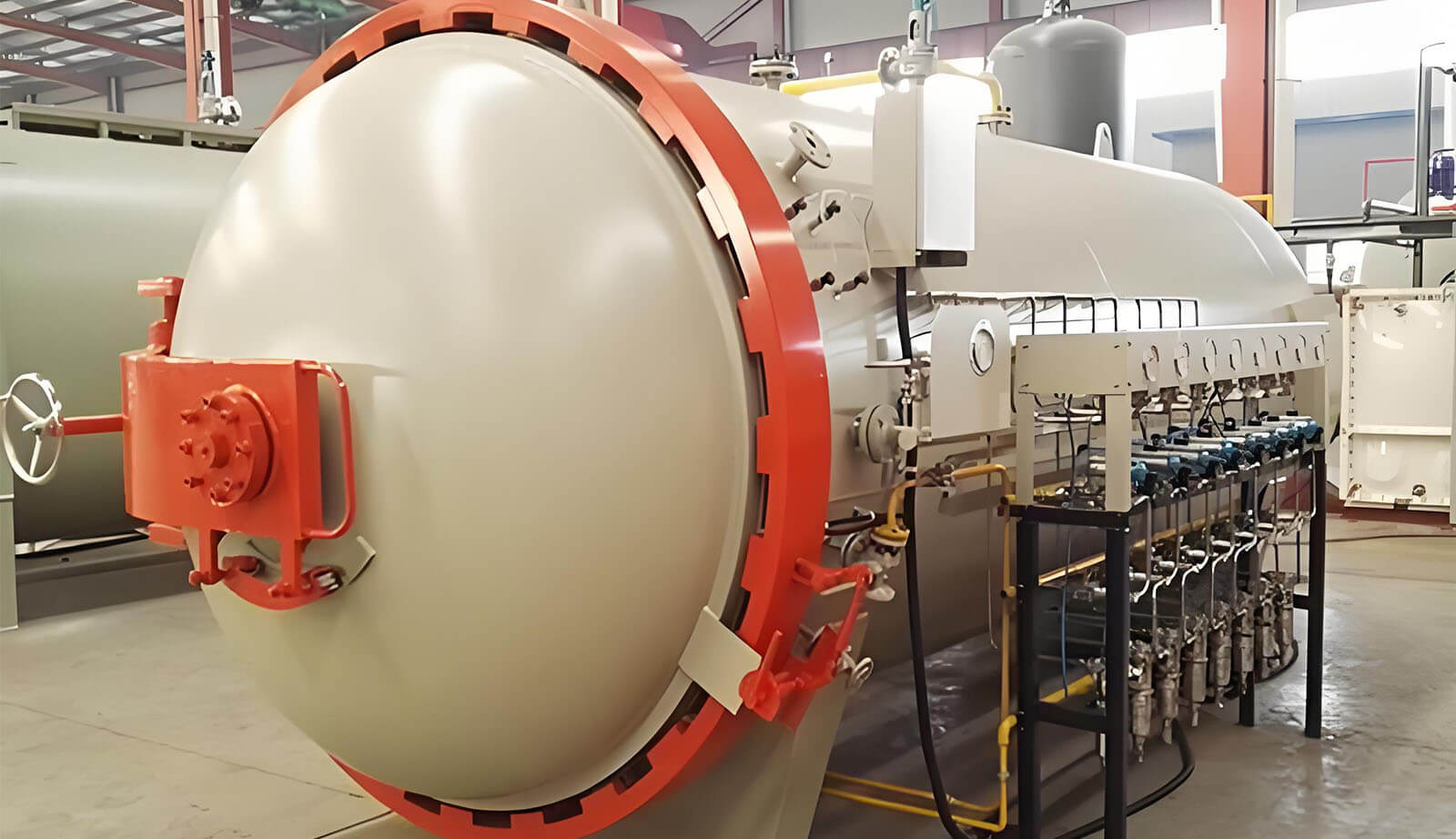
Carbon Fiber Autoclave
Our factory runs 100+ hot pressure autoclaves, using aluminum molds and vacuum induction to shape carbon fiber with precision. High heat and pressure enhance strength, stability, and flawless quality.
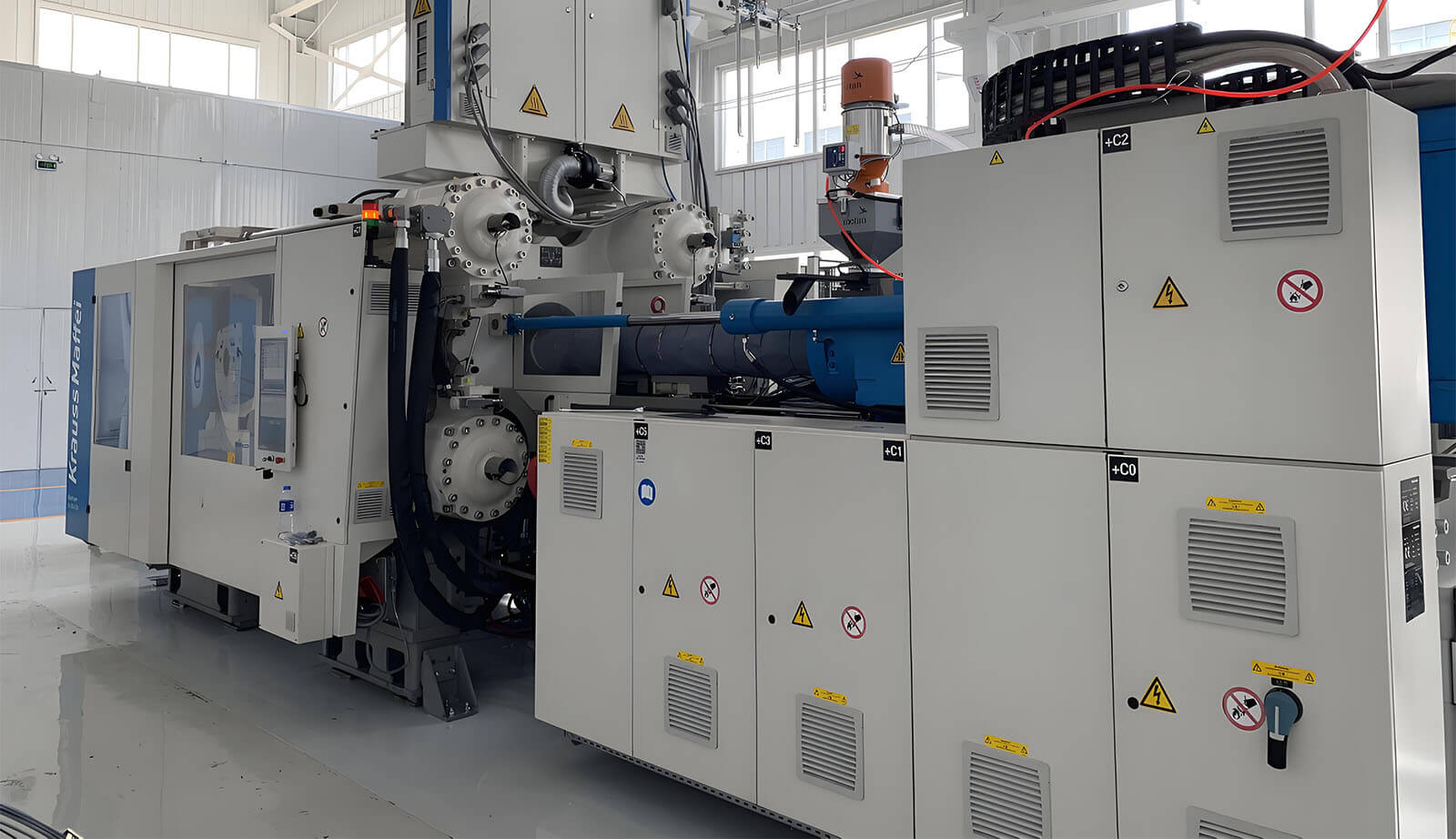
Carbon Fiber Engineering Technology Research Center
Our Carbon Fiber Research Center drives innovation in new energy, intelligence, and lightweight design, using advanced composites and Krauss Maffei Fiber Form to create cutting-edge, customer-focused solutions.
Frequently Asked Question
Here are the answers to the frequently asked questions from the experienced carbon fiber products factory
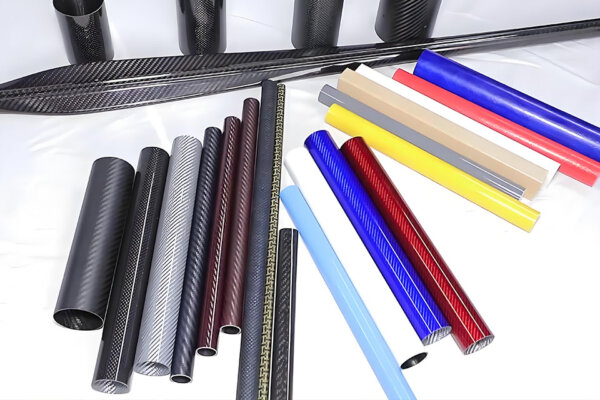
We produce a wide range of carbon fiber components, including automotive parts, motorcycle parts, aerospace components, marine accessories, sports equipment, and industrial applications.
We primarily use high-quality prepreg carbon fiber and large-tow carbon fiber reinforced high-performance composites to ensure strength, durability, and lightweight characteristics.
Yes, our products are coated with UV-protective finishes to ensure long-lasting durability and maintain their polished appearance.
Yes, our facilities and equipment are capable of producing large-size carbon fiber components while maintaining precision and quality.
What are the benefits of using carbon fiber products?
Carbon fiber offers exceptional strength-to-weight ratio, corrosion resistance, stiffness, thermal stability, and a sleek, modern appearance.
We cater to automotive, motorcycle, aerospace, marine, medical, sports, and industrial sectors with a focus on lightweight and high-performance carbon fiber components.
Yes, we provide custom carbon fiber solutions tailored to your specifications, including unique designs, sizes, and patterns.
We utilize advanced technologies such as autoclave molding, hot pressing, and vacuum bagging, ensuring precision, stability, and quality in every product. wonders with the Hello Elementor Theme, we’re trying to make sure that it works great with all the major themes as well.
We use aluminum and P20 steel molds, designed for durability and high accuracy, to create complex and precise carbon fiber components.
Our products undergo rigorous quality control checks, including dimensional accuracy, material integrity, and performance testing, to meet industry standards.