
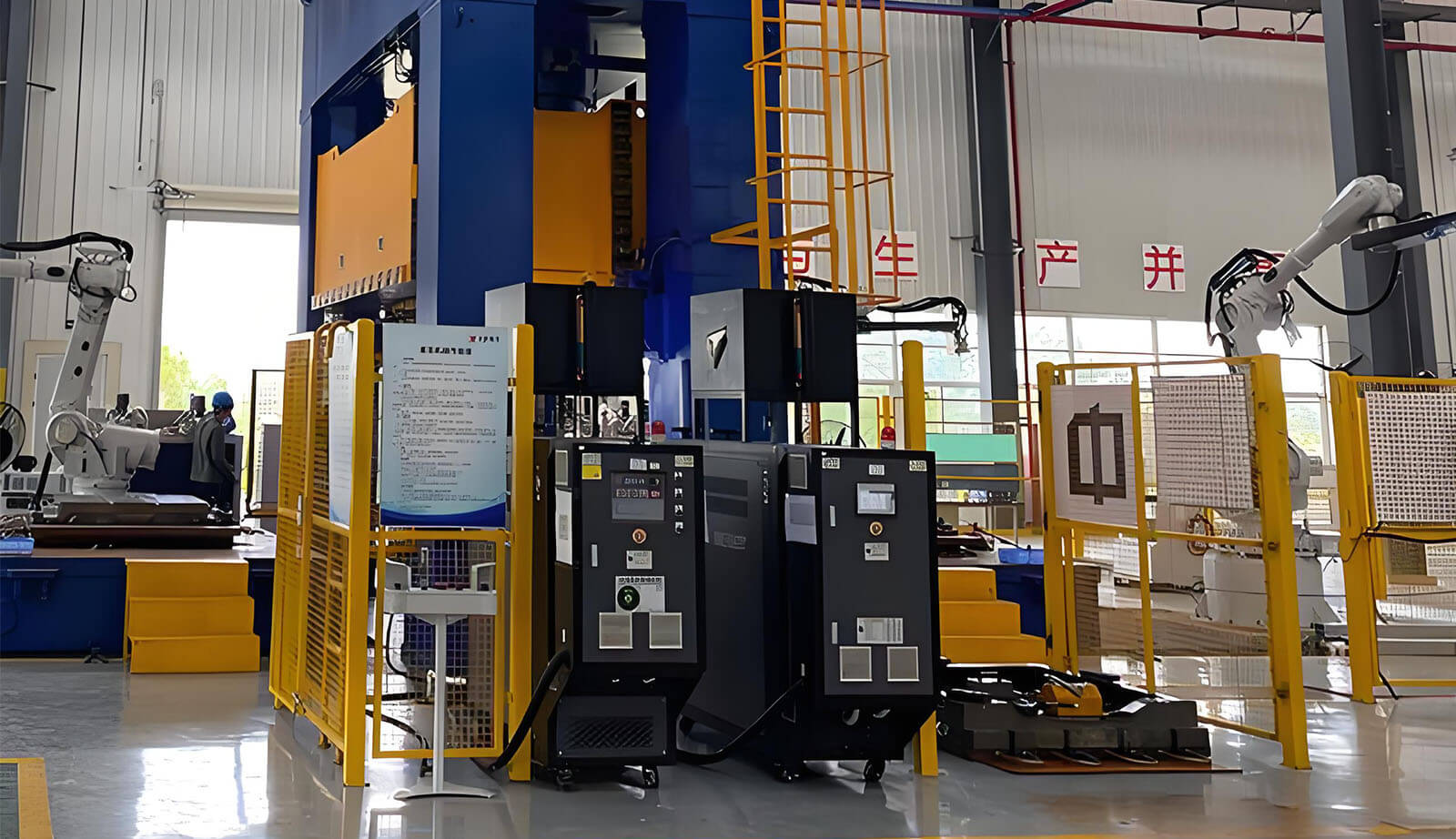
Carbon Fiber Composite Material Hot Pressing Molding Process
Our factory employs an advanced carbon fiber hot press process with a P20 steel mold, ensuring high efficiency, precision, durability, and cost-effectiveness for quality production.
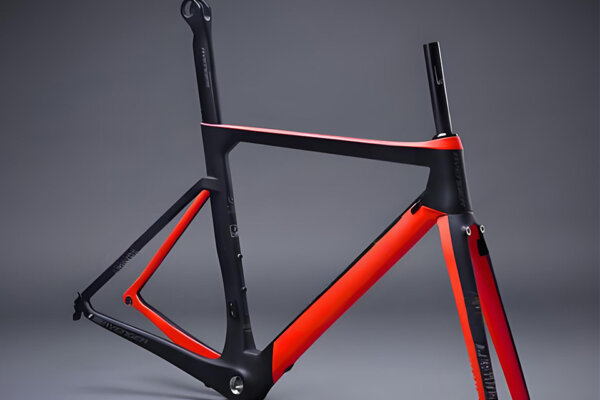
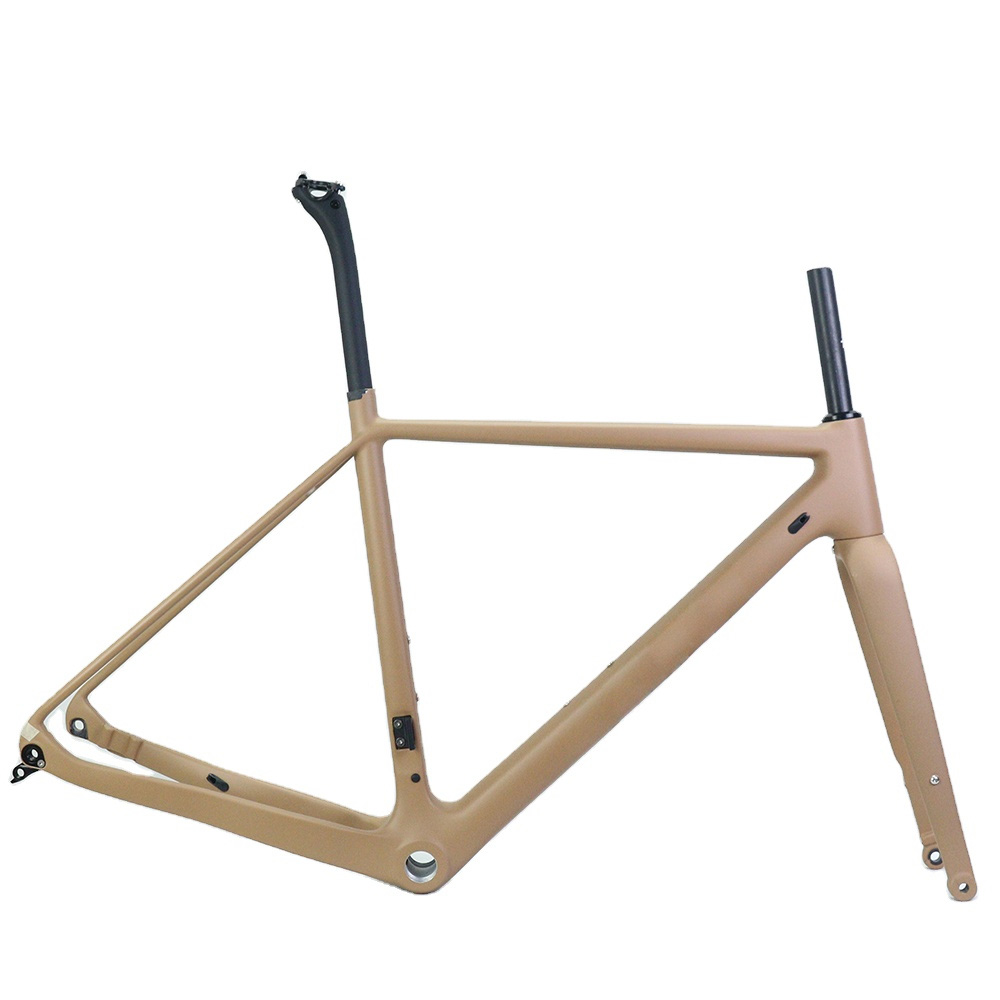
We manufacture custom carbon fiber components for bicycles and e-bikes — forks, handlebars, seatposts, frame sections, fenders, guards, e-bike covers and structural brackets — for brands, distributors and engineering teams. We are a composite manufacturing factory, not a bicycle retailer or catalog frame supplier: every part is built to your drawing, sample, or brief, with dedicated tooling for your project.
We work from STEP/STP files, 2D drawings, or a physical sample. No file yet? A reference photo or concept sketch is enough to start a manufacturing review.
Request a Manufacturing Review →
| Component | What We Make | Typical Process |
|---|---|---|
| Forks | Fork covers; full carbon forks after engineering review | Prepreg molding |
| Handlebars / stems | Custom geometry, integrated bar/stem | Bladder molding |
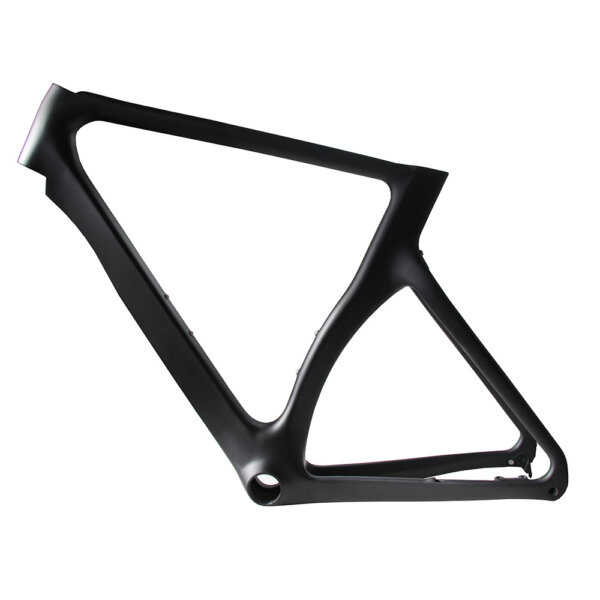
| Frame sections | Frame shells, repair sections; full frames after engineering review | Prepreg / bladder molding |
| Seatposts / tubes | Round or aero profile, custom cross-section | Roll-wrapped / bladder molding |
| Fenders & guards | MTB, road, e-bike, custom profile | Wet carbon / prepreg |
| Wheel-related parts | Covers, aero fairings; rim-related parts after review | Prepreg / compression molding |
| E-bike parts | Battery covers, motor covers, racks, chain guards | Compression / prepreg |
| Accessories | Bottle cages, saddle shells, mounting brackets | Depends on design |
We don’t run a standing wheelset-build service (hub lacing, spoke tensioning) or sell shared open-mold frame tooling. If your project needs either, tell us early — we’ll be direct about fit.
Want the process detail — prepreg vs. bladder vs. compression molding, and when each applies? See our Carbon Fiber Bicycle Manufacturing Guide.
Good fit:
Better served elsewhere:
For safety-critical parts (forks, handlebars, load-bearing frame sections), we can coordinate third-party ISO 4210 or EN 15194 testing through partner labs where your target market requires it — arranged as a separate service alongside manufacturing.
Full engineering checklist for structural vs. cosmetic classification: see the manufacturing guide.
Standard materials: T700 and T800 carbon fiber (UD and 3K twill), with higher-modulus grades available on a project basis. Finishes: raw carbon, matte or gloss clear coat, painted (Pantone/RAL), logo application. Full material comparison in the manufacturing guide.
Send Your Files for a Manufacturing Review →
For second runs on existing molds, MOQ can be as low as 20–50 pieces depending on part complexity. For new custom-mold projects, we typically recommend a pilot batch of 30–100 pieces after first-sample approval. MOQ is confirmed per project.
Simple parts on existing tooling: 2–3 weeks. New custom-mold projects: typically 8–16 weeks from design freeze to first production sample. Full custom builds with new tooling: 3–5 months to first production batch.
Complete frames are taken on a case-by-case basis after engineering review, since they’re usually safety-critical. We don’t run a standing wheelset-build service (hub lacing, spoke tensioning) — most clients start with individual components instead.
Yes. We can reverse-engineer from a physical sample or OEM plastic reference using 3D scanning or manual measurement, which typically adds 1–2 weeks to the timeline.
Yes — custom branding, packaging, and NDA agreements are available on request. Project details are kept confidential.
Email: [email protected] WhatsApp: +86 136 2619 1009 Business hours: Monday–Sunday, 09:00–21:00 CST
Our factory employs an advanced carbon fiber hot press process with a P20 steel mold, ensuring high efficiency, precision, durability, and cost-effectiveness for quality production.
Our factory runs 100+ hot pressure autoclaves, using aluminum molds and vacuum induction to shape carbon fiber with precision. High heat and pressure enhance strength, stability, and flawless quality.
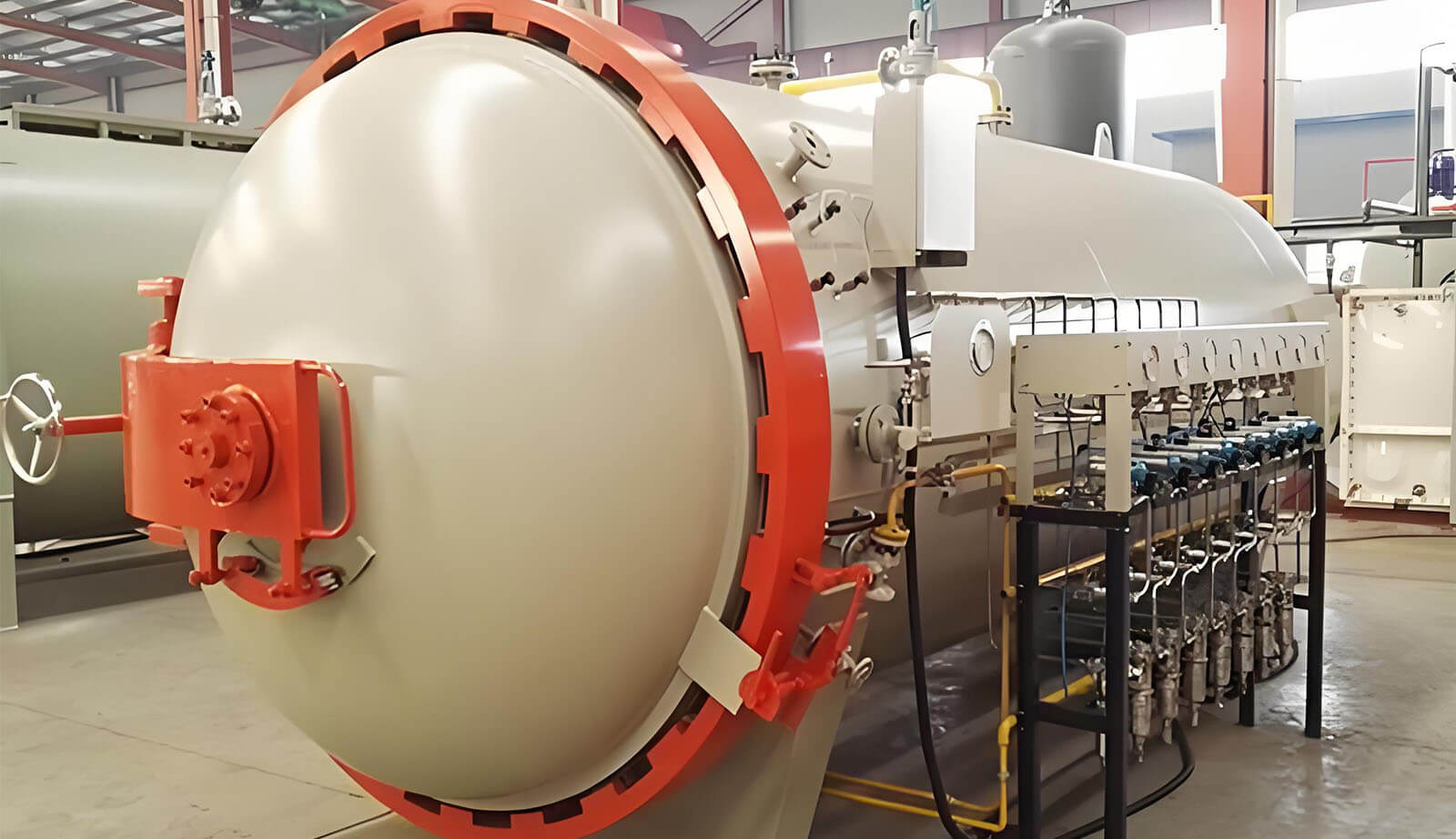
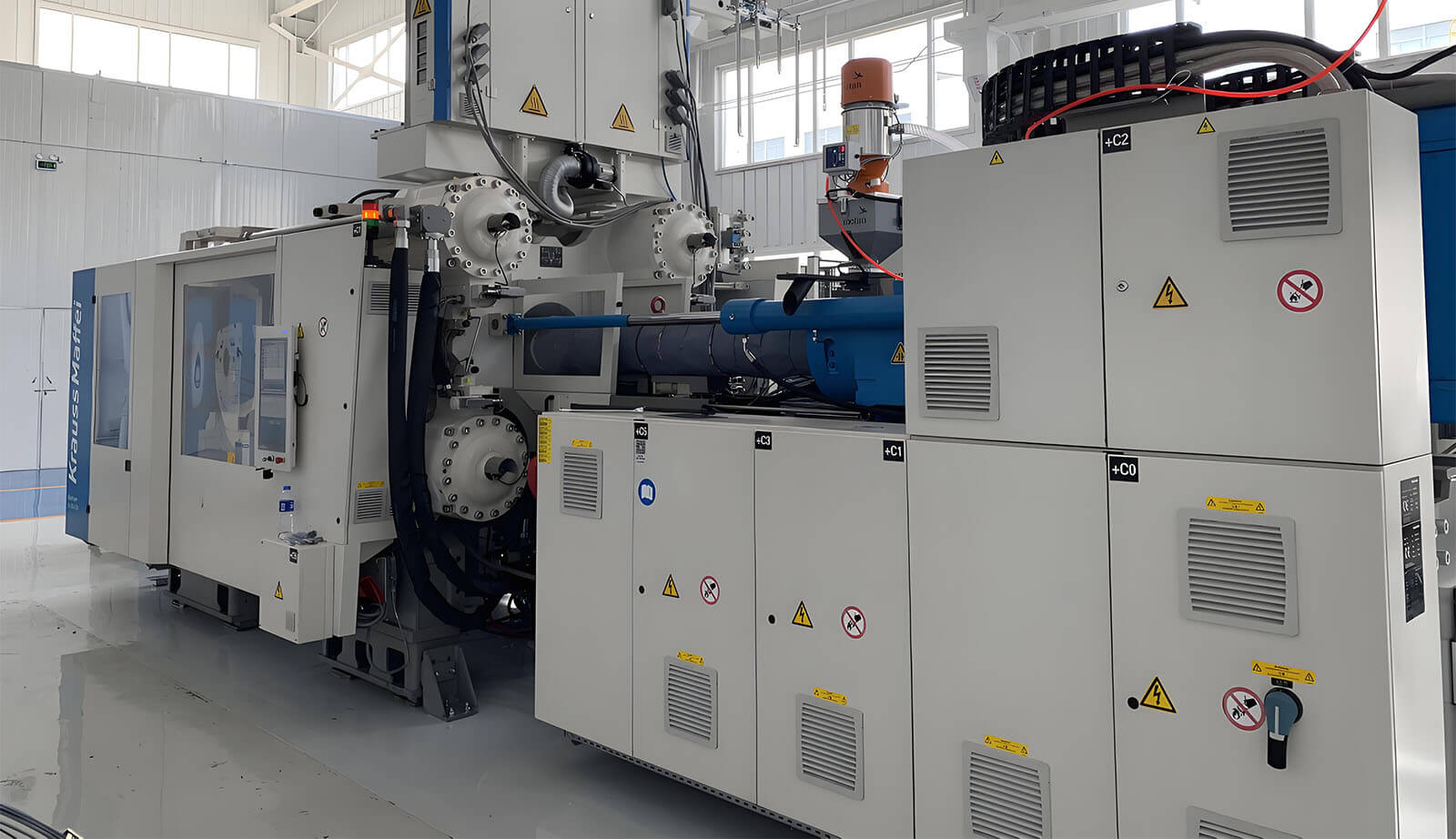
Our Carbon Fiber Research Center drives innovation in new energy, intelligence, and lightweight design, using advanced composites and Krauss Maffei FiberForm to create cutting-edge, customer-focused solutions.
Here are the answers to the frequently asked questions from the experienced carbon fiber products factory
We produce a wide range of carbon fiber components, including automotive parts, motorcycle parts, aerospace components, marine accessories, sports equipment, and industrial applications.
We primarily use high-quality prepreg carbon fiber and large-tow carbon fiber reinforced high-performance composites to ensure strength, durability, and lightweight characteristics.
Yes, our products are coated with UV-protective finishes to ensure long-lasting durability and maintain their polished appearance.
Yes, our facilities and equipment are capable of producing large-size carbon fiber components while maintaining precision and quality.
What are the benefits of using carbon fiber products?
Carbon fiber offers exceptional strength-to-weight ratio, corrosion resistance, stiffness, thermal stability, and a sleek, modern appearance.
We cater to automotive, motorcycle, aerospace, marine, medical, sports, and industrial sectors with a focus on lightweight and high-performance carbon fiber components.
Yes, we provide custom carbon fiber solutions tailored to your specifications, including unique designs, sizes, and patterns.
We utilize advanced technologies such as autoclave molding, hot pressing, and vacuum bagging, ensuring precision, stability, and quality in every product. wonders with the Hello Elementor Theme, we’re trying to make sure that it works great with all the major themes as well.
We use aluminum and P20 steel molds, designed for durability and high accuracy, to create complex and precise carbon fiber components.
Our products undergo rigorous quality control checks, including dimensional accuracy, material integrity, and performance testing, to meet industry standards.