
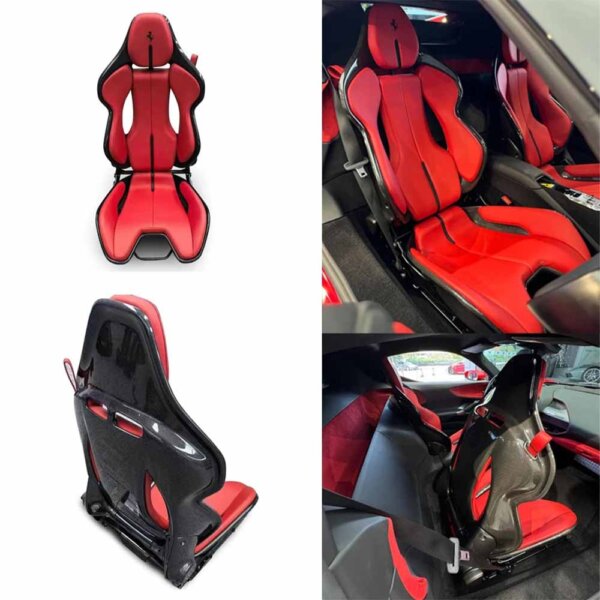
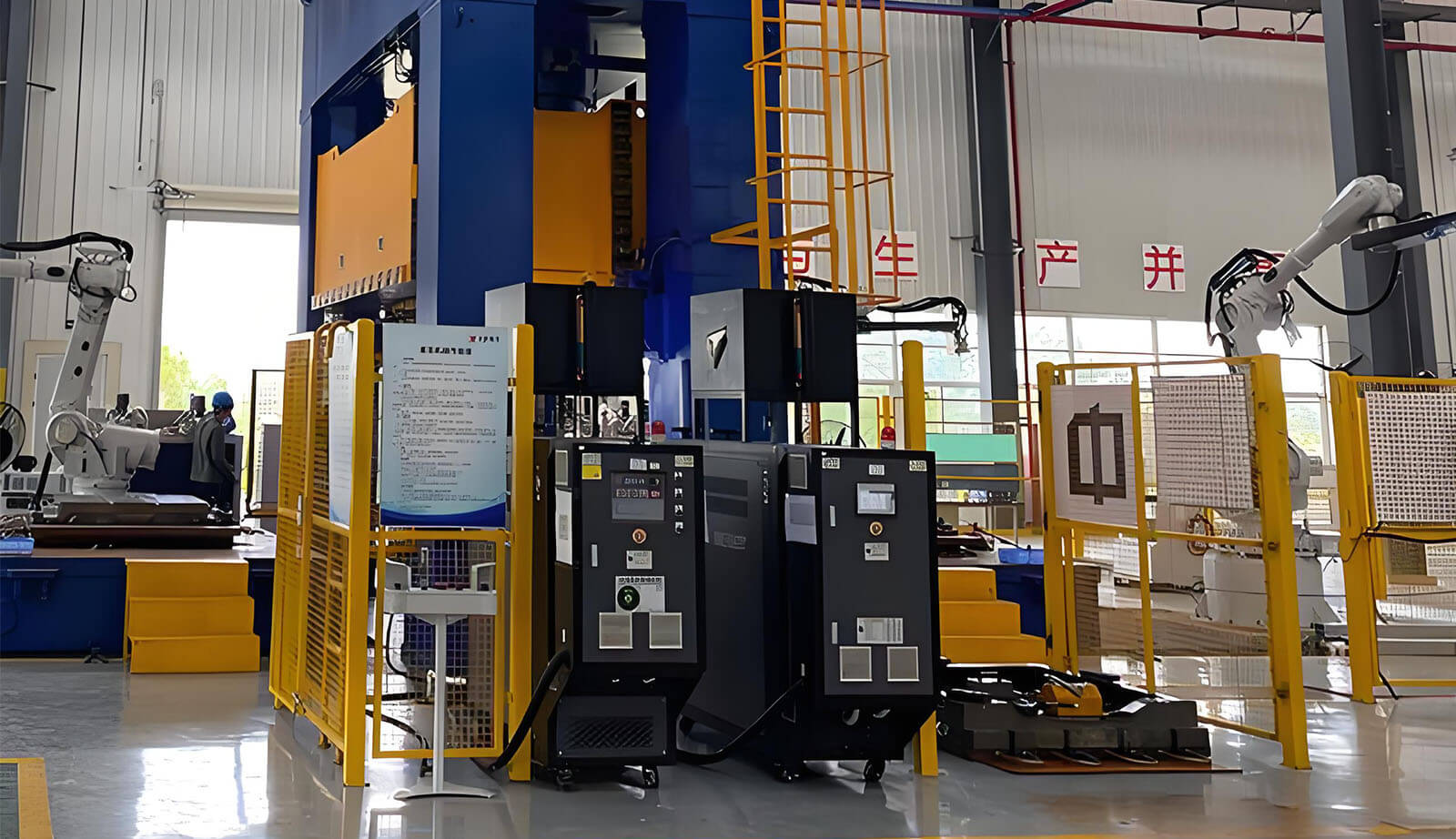
Carbon Fiber Composite Material Hot Pressing Molding Process
Our factory employs an advanced carbon fiber hot press process with a P20 steel mold, ensuring high efficiency, precision, durability, and cost-effectiveness for quality production.
We manufacture custom real carbon fiber dashboards, dash trims, instrument panels, switch panels, and interior panels for automotive, motorsport, marine, and OEM projects.
Unlike vinyl wraps or low-cost decorative dash kits, our parts are made from real carbon fiber using industrial composite manufacturing processes such as prepreg autoclave molding, wet lay-up, vacuum bagging, compression molding, and CNC-machined carbon fiber sheet.
For custom dashboard projects, we normally evaluate the part based on a 3D STEP/STP file, 3D scan data, original sample, or detailed technical drawing. This allows us to check the shape, mounting points, hole positions, surface finish, thickness, tooling requirements, and production cost before quotation.
Whether you need a lightweight race car dashboard, a marine helm instrument panel, an OEM interior trim component, or a custom carbon fiber dashboard replacement, we can recommend the most suitable manufacturing method based on your quantity, budget, and technical requirements. Learn more about who we are and how we work.
This page is mainly for customers who need real carbon fiber dashboard parts, not simple vinyl stickers or low-cost decorative films.
Our custom manufacturing service is suitable for:
If you only need a low-cost carbon fiber look for personal DIY styling, a vinyl wrap or pre-cut dash kit may be a more economical option. If you need a real carbon fiber part with custom shape, mounting points, holes, finish, and material structure, factory manufacturing is the correct solution.
Many people searching for “carbon fiber dashboard” confuse different product types. Here’s what you’re actually getting:
| Option | What It Is | Best For | Advantages | Limitations |
|---|---|---|---|---|
| Carbon Fiber Vinyl Wrap | Printed adhesive film | Low-cost cosmetic styling | Cheap, easy to apply, removable | Not real carbon fiber, no structural strength, may bubble or peel |
| Pre-Cut Dash Kit | Thin decorative trim pieces | DIY interior upgrade | Fast installation, lower cost | Limited vehicle models, cosmetic only, fitment depends on kit quality |
| Carbon Fiber Overlay | Real carbon laminated over OEM plastic/metal part | Premium interior trim | Real carbon appearance, uses original fitment base | Requires original part, not a full replacement structure |
| CNC Carbon Fiber Sheet Panel | Flat carbon fiber laminate cut by CNC | Gauge panels, switch panels, marine dashboards | Accurate holes and cutouts, no mold required | Best for flat or slightly curved parts only |
| Full Molded Carbon Fiber Dashboard | Molded carbon fiber part made from tooling | Racing, marine, OEM, custom projects | Lightweight, custom shape, real composite structure | Requires mold/tooling, higher development cost and lead time |
For many custom projects, the best solution is not always a full molded dashboard. If the part is flat or semi-flat, CNC-machined carbon fiber sheet can be faster and more cost-effective than mold development.
We produce custom carbon fiber parts for these applications:
See our full range of carbon fiber car parts for more automotive applications.
We also manufacture dashboard and instrument panel components for carbon fiber motorcycle projects, including gauge surrounds and switch panels.
For a broader overview of what we can develop from scratch, visit our custom carbon fiber manufacturing page.
We do not use the same process for every dashboard project. The best manufacturing method depends on the part shape, quantity, finish requirement, budget, and whether the part is cosmetic, semi-structural, or structural.
For example, a flat marine switch panel may be best made from CNC-machined carbon fiber sheet because it does not require expensive tooling. A race car dashboard shell usually needs a mold because the shape is three-dimensional and weight reduction is important. A luxury interior trim part may use carbon fiber overlay on the original OEM plastic part to keep the original mounting points. For higher-end or lightweight applications, prepreg autoclave molding can provide better laminate control and surface quality.
Before quotation, we normally check the drawings, photos, 3D scan, or sample part and then recommend the most practical process instead of simply choosing the most expensive option.
We use different manufacturing processes depending on your performance requirements, budget, and timeline:
The following examples show how we evaluate and manufacture different types of custom carbon fiber dashboards.
Application: Boat helm dashboard / instrument panel
Input: Original panel, CAD file, or 2D hole layout
Material: 1.5–3.0 mm carbon fiber laminate, depending on stiffness requirement
Process: CNC-machined carbon fiber sheet or wet carbon molding
Features: Gauge holes, switch holes, GPS/display opening, screw holes, edge finishing
Finish: Gloss or matte UV-resistant clear coat
Technical Notes: For marine use, UV exposure, humidity, and saltwater environment should be considered. Edge sealing and clear coat protection are important for long-term durability. Material selection may include marine-grade epoxy or polyester resin systems.
Application: Motorsport cockpit dashboard / gauge panel / driver interface
Input: 3D scan, STEP file, or original dashboard shell
Material: 3K twill or plain weave carbon fiber
Process: Prepreg autoclave or wet carbon, depending on budget and weight target
Features: Gauge cluster opening, switch panel area, mounting holes, possible reinforcement points, ventilation areas
Finish: Matte clear coat is often preferred to reduce glare and improve visibility
Technical Notes: For racing applications, the dashboard design should consider weight, rigidity, vibration isolation, driver visibility, and installation access. Mounting point tolerance is critical for consistent fitment across multiple vehicles or prototypes.
Application: Automotive interior trim / dashboard trim / center console panel
Input: Original plastic trim sample or 3D scan
Material: Real carbon fiber surface with epoxy resin system
Process: Mold development, carbon lay-up, trimming, clear coating, inspection
Features: OEM-style fitment, clips, screw holes, adhesive bonding areas, visible weave alignment
Finish: Gloss, satin, matte, forged carbon appearance, or primer finish for painting
Technical Notes: For interior trim parts, visible weave direction, edge quality, mounting accuracy, and clear coat quality are more important than structural strength. The part must match OEM fitment points and maintain compatibility with existing clips and fasteners.
To give you an accurate quote and timeline, please provide:
Fitment quality depends on the accuracy of your design input and your vehicle specifications.
For automotive dashboards: Fitment depends on the specific year, generation, and model variation. Even within the same model year, mounting points can differ between trim levels or geographic markets. We recommend:
For marine and motorsport parts: Installation access, mounting clearance, and fastener locations should be reviewed during sample approval.
Professional installation is recommended because proper alignment, surface preparation, and adhesive application require experience. Some parts may require minor trimming or adjustment.
For Existing Molds / Standard Parts:
For Custom/New Designs:
Shipping:
All custom parts undergo inspection before shipment:
Optional Add-Ons:
Custom carbon fiber manufacturing is not always the best solution for every project.
Vinyl wrap or pre-cut dash kit may be more suitable if:
Full molded carbon fiber may be expensive or impractical if:
CNC-cut carbon fiber sheet may be better if:
Overlay on original OEM part may be better if:
Before you commit to manufacturing, we recommend discussing your project with our team to determine the most practical and cost-effective approach.
A:
Lead time depends on the complexity of the part, availability of design data, and the manufacturing process selected.
A: Fitment depends on design input accuracy (3D scan, STEP file, or original sample) and your vehicle’s specific year/generation. Minor differences between model years can affect mounting points. We can test fit and make small CNC adjustments if needed. For best results, we recommend providing the original dashboard or a high-accuracy 3D scan.
A: We can produce single samples. Smaller batches (1–10 units) have higher per-unit cost due to tooling; batches of 20+ become more economical. For flat CNC-cut parts, tooling cost is minimal, so small orders are more affordable.
A: Yes, worldwide via DHL, FedEx, or sea freight. Shipping cost and customs duties are customer responsibility. We can arrange shipping quotes upon request.
A: Carbon fiber is naturally black. We can:
A: We can work from:
Photos alone are less accurate than 3D files, but workable for simple flat panels. For complex shapes, a 3D scan is highly recommended.
A: We guarantee parts are free of manufacturing defects (cracks, voids, clear coat issues) at shipment. We do not guarantee fitment across all vehicles—that depends on design accuracy and installation quality. Fitment issues due to our manufacturing error can be corrected or refunded.
A: Yes. We use UV-resistant clear coat, marine-grade epoxy, and corrosion-resistant materials. Typical marine applications include helm dashboards, instrument panels, and switch surrounds. Edge sealing and protection are important for saltwater environments.
A: Yes. We support OEM component suppliers with mold development, prototype production, batch manufacturing, and technical documentation (test data, certifications, regulatory support).
A: We manufacture real carbon fiber parts. Depending on the project, the part can be a molded carbon fiber dashboard, a CNC-cut carbon fiber sheet panel, or a real carbon fiber overlay on an original part. We do not manufacture vinyl wrap.
A: Yes, but for complex molded parts, tooling cost may be significant for a single piece. If the part is flat or simple, CNC-cut carbon fiber sheet may be more cost-effective for one-off projects.
A: Not always. If you already have an accurate STEP/STP file or 3D scan, we can evaluate the project from digital data. If the part has complex mounting points, clips, or backside structures, sending the original part is usually more accurate and reduces the risk of fitment issues.
A: Prepreg carbon is usually better for high-end visual quality, lightweight structure, and tighter laminate control. Wet carbon or vacuum bagging can be more cost-effective for custom, marine, or low-volume projects. We recommend the process based on part shape, quantity, finish, and budget.
When you source from a direct manufacturer (not a distributor or reseller):
✅ Technical Communication – Our sales and technical teams work together to review drawings, samples, tooling requirements, and production feasibility
✅ Custom Tooling – We design molds specifically for your fitment and performance needs
✅ Material Flexibility – We can source specific resin systems, weave patterns, or finishes based on your specifications
✅ Competitive Pricing – No middleman markup; you pay for actual manufacturing cost and value-added engineering
✅ Technical Support – We understand structural requirements, load paths, material properties, and manufacturing limitations
✅ Small Batches – We can efficiently produce samples, prototypes, and low-volume runs without minimum order pressure
✅ Quality Control – Every step (design review, tooling, production, finish inspection) is under our direct oversight
✅ OEM & Regulatory Support – We can provide documentation, testing data, and certifications for OEM projects and regulatory requirements
Custom carbon fiber dashboards and interior panels offer significant advantages:
Whether you’re upgrading your car’s interior, building a race car, designing a marine dashboard, or developing an OEM component—we manufacture real carbon fiber solutions tailored to your needs. You can explore our full range of products and capabilities on the China Carbon Fibers main page.
Ready to discuss your custom carbon fiber dashboard project? Contact us with your project details, design files, and specifications. We typically respond within 24 hours.
Our engineering team can help evaluate your requirements and recommend the best manufacturing process and timeline for your custom carbon fiber dashboard.
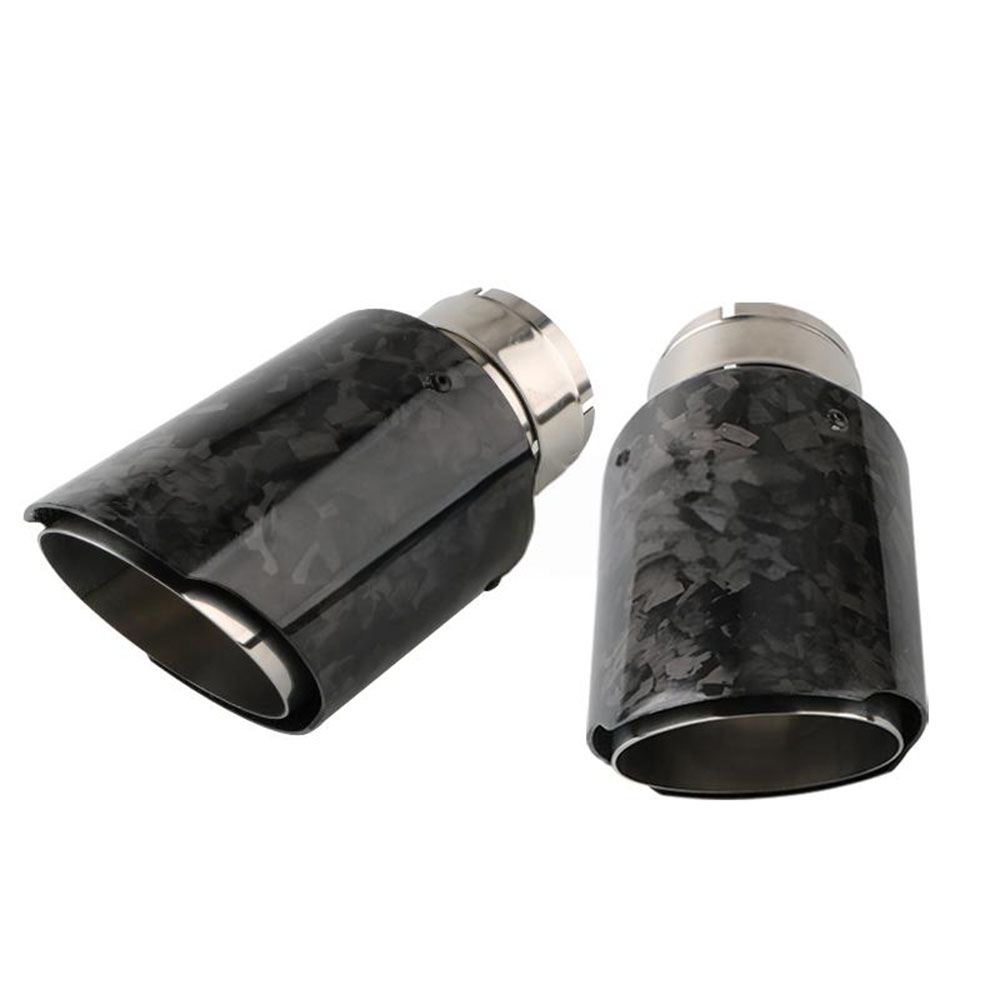


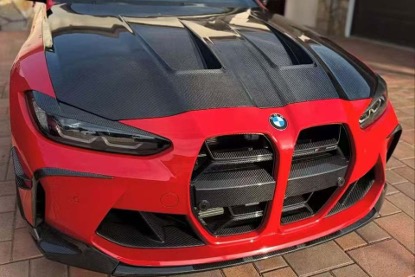

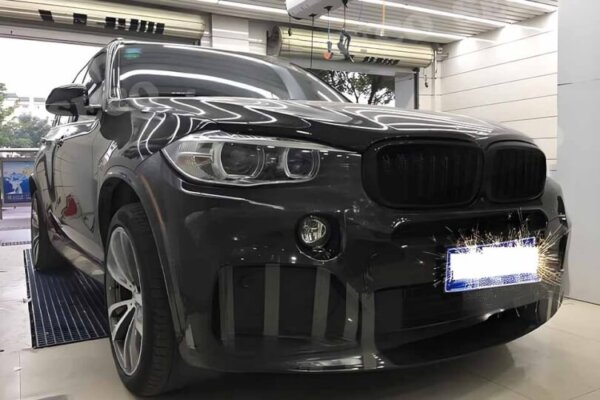
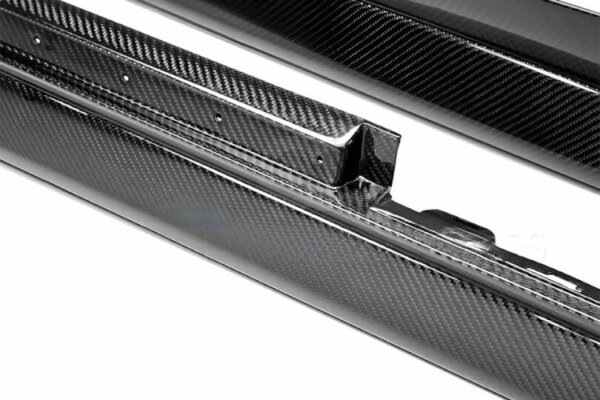
Our factory employs an advanced carbon fiber hot press process with a P20 steel mold, ensuring high efficiency, precision, durability, and cost-effectiveness for quality production.
Our factory runs 100+ hot pressure autoclaves, using aluminum molds and vacuum induction to shape carbon fiber with precision. High heat and pressure enhance strength, stability, and flawless quality.
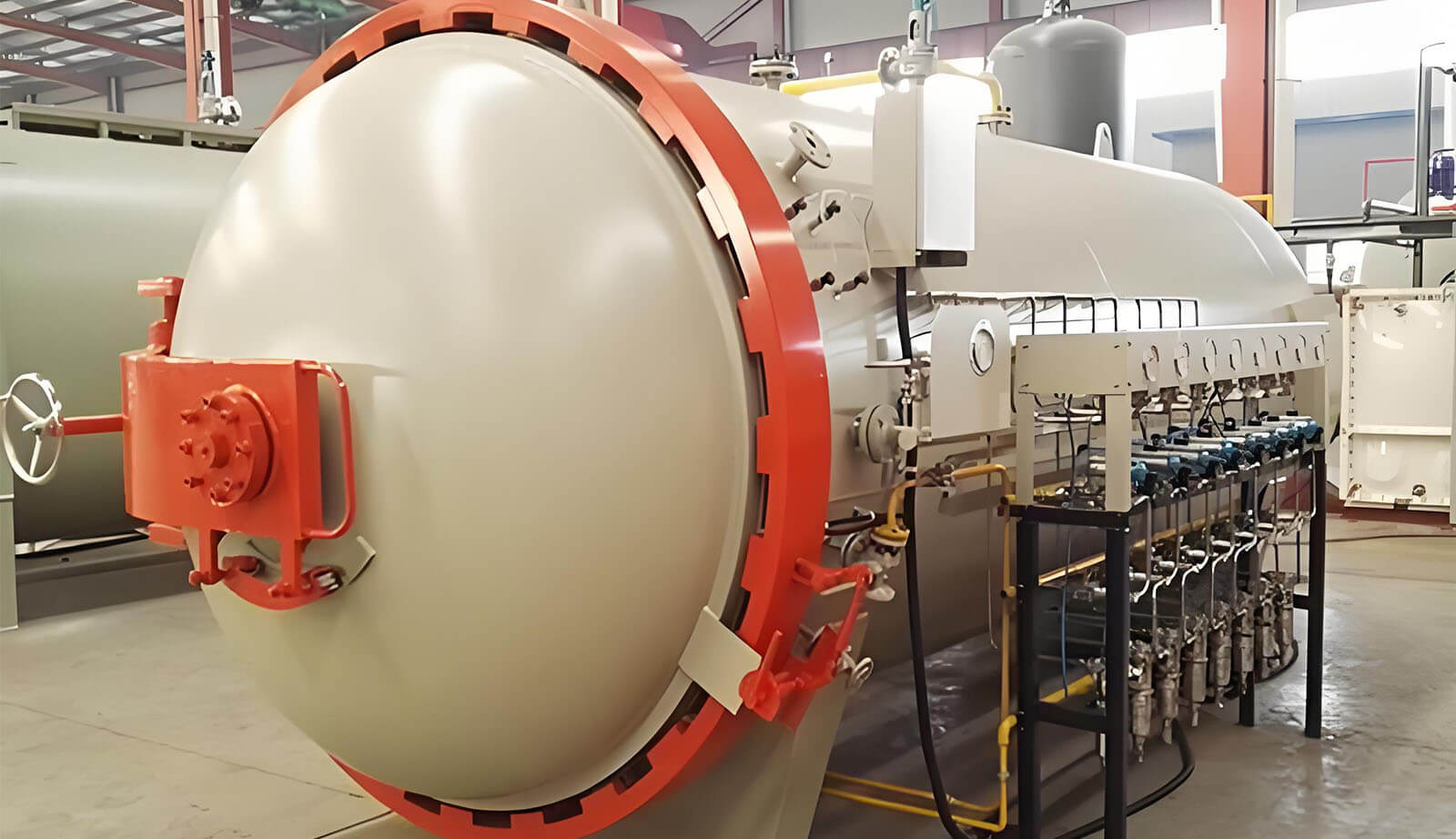
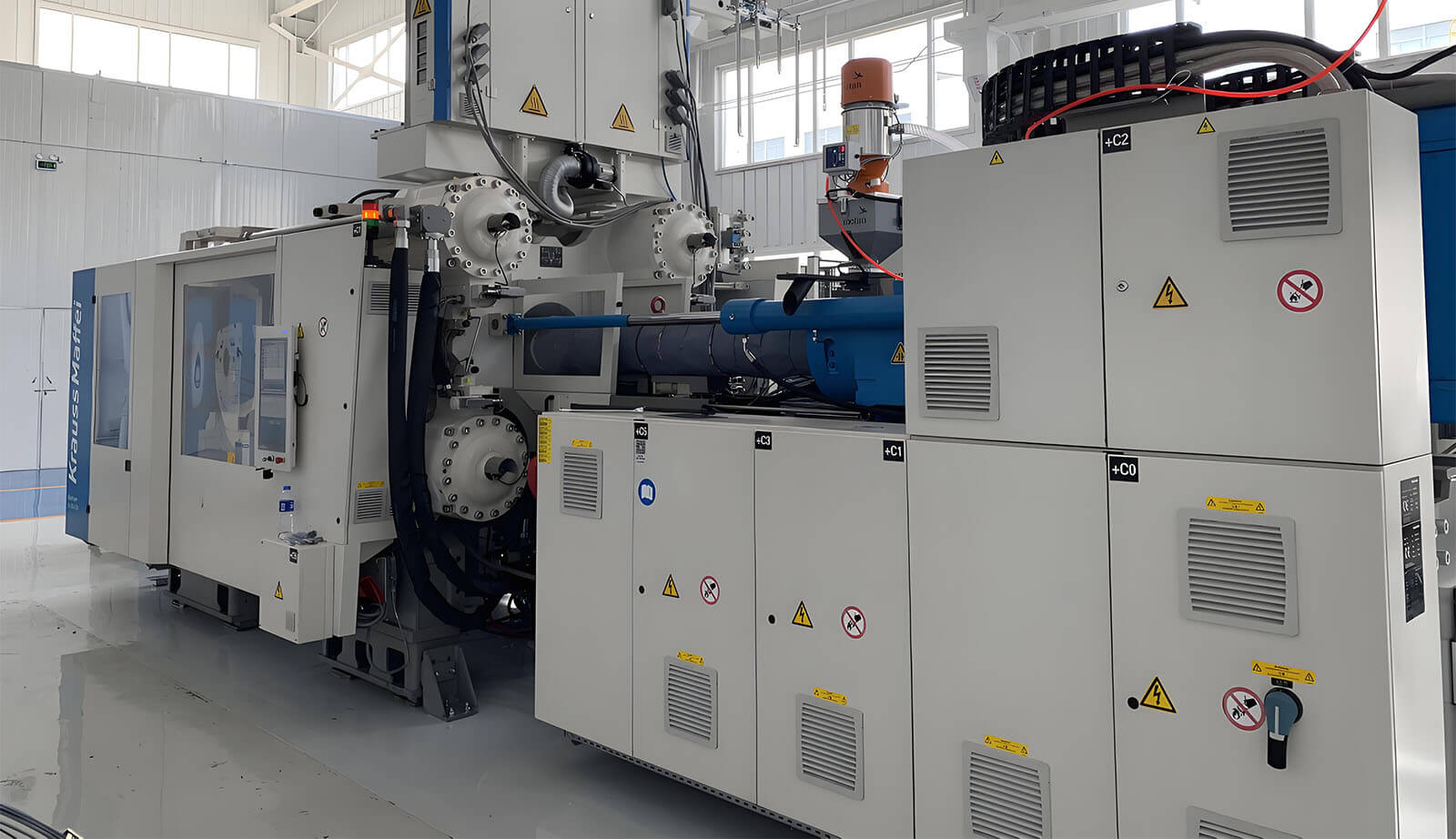
Our Carbon Fiber Research Center drives innovation in new energy, intelligence, and lightweight design, using advanced composites and Krauss Maffei FiberForm to create cutting-edge, customer-focused solutions.
Here are the answers to the frequently asked questions from the experienced carbon fiber products factory
We produce a wide range of carbon fiber components, including automotive parts, motorcycle parts, aerospace components, marine accessories, sports equipment, and industrial applications.
We primarily use high-quality prepreg carbon fiber and large-tow carbon fiber reinforced high-performance composites to ensure strength, durability, and lightweight characteristics.
Yes, our products are coated with UV-protective finishes to ensure long-lasting durability and maintain their polished appearance.
Yes, our facilities and equipment are capable of producing large-size carbon fiber components while maintaining precision and quality.
What are the benefits of using carbon fiber products?
Carbon fiber offers exceptional strength-to-weight ratio, corrosion resistance, stiffness, thermal stability, and a sleek, modern appearance.
We cater to automotive, motorcycle, aerospace, marine, medical, sports, and industrial sectors with a focus on lightweight and high-performance carbon fiber components.
Yes, we provide custom carbon fiber solutions tailored to your specifications, including unique designs, sizes, and patterns.
We utilize advanced technologies such as autoclave molding, hot pressing, and vacuum bagging, ensuring precision, stability, and quality in every product. wonders with the Hello Elementor Theme, we’re trying to make sure that it works great with all the major themes as well.
We use aluminum and P20 steel molds, designed for durability and high accuracy, to create complex and precise carbon fiber components.
Our products undergo rigorous quality control checks, including dimensional accuracy, material integrity, and performance testing, to meet industry standards.