
Carbon Fiber Composite Material Hot Pressing Molding Process
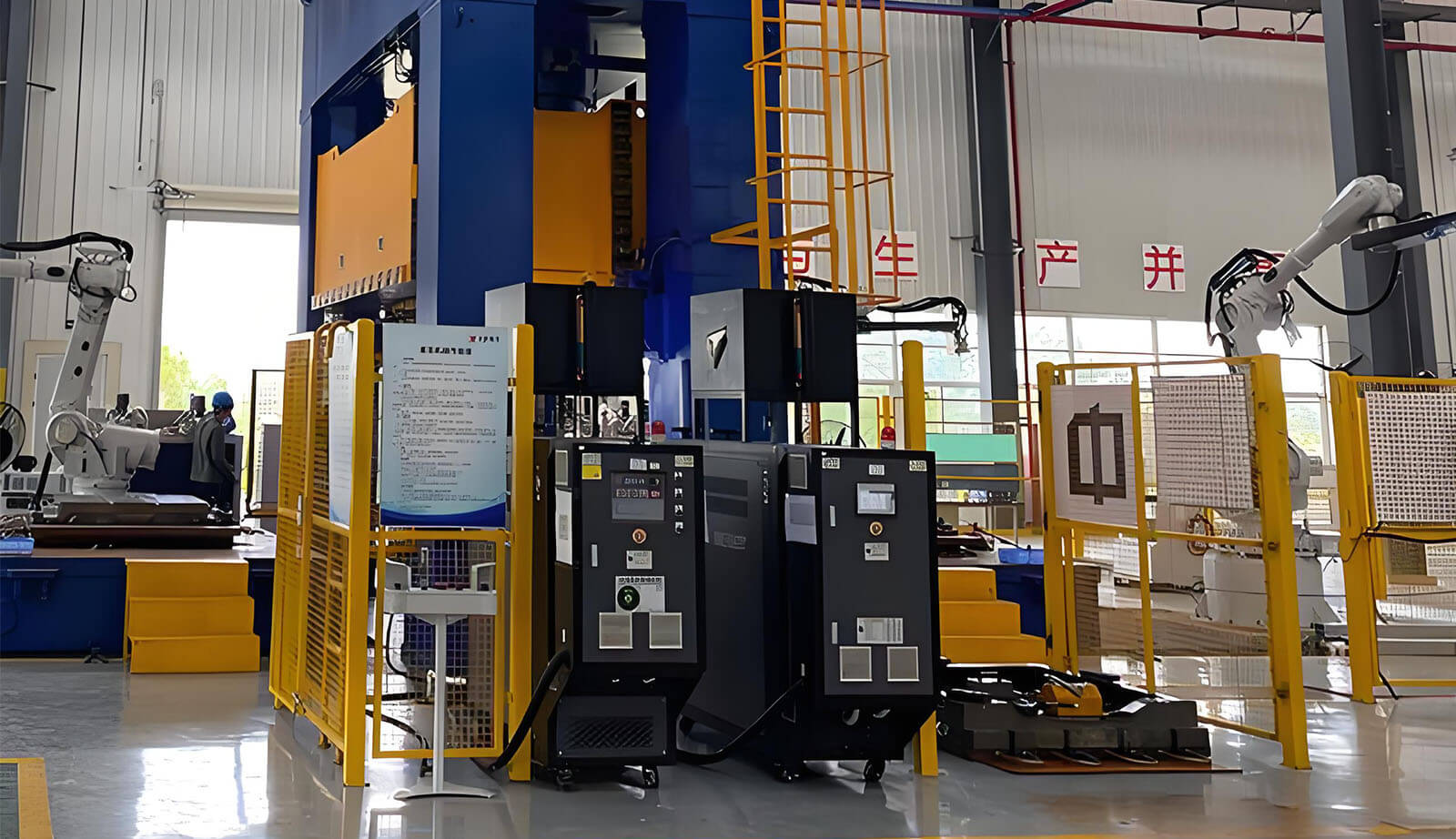
Our factory employs an advanced carbon fiber hot press process with a P20 steel mold, ensuring high efficiency, precision, durability, and cost-effectiveness for quality production.
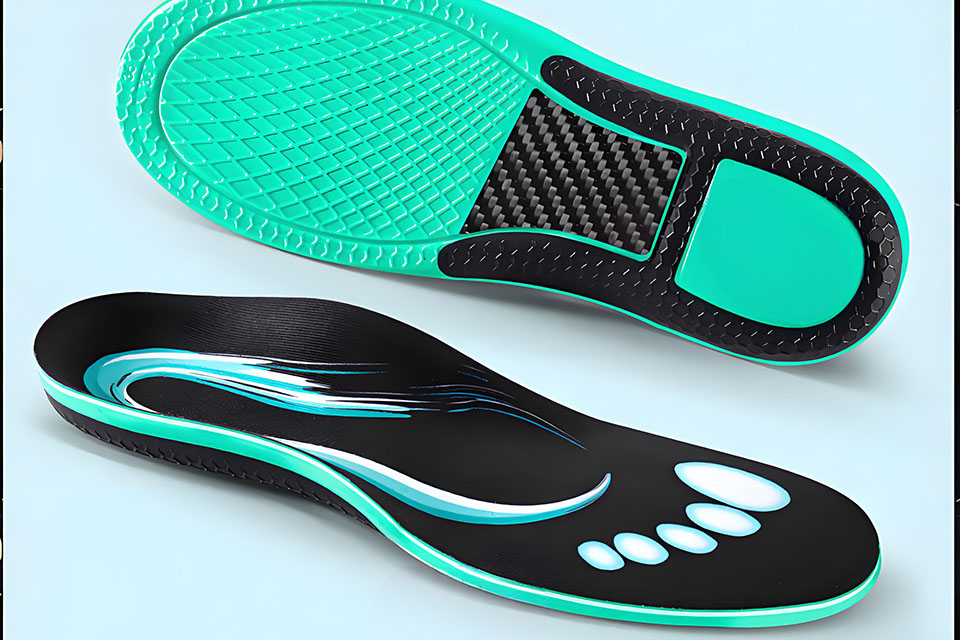
We manufacture carbon fiber sole plates and inserts for football boot and soccer cleat brands, footwear factories, and wholesale distributors. Work is available as OEM (your design, our production) or ODM (we help develop the plate from a performance target). Existing mold matching is available for common outsole geometries, and custom mold development is available for proprietary shapes. This page is part of the manufacturing catalog at chinacarbonfibers.com.
This page covers plate structure and specification for sports footwear, not orthotic or medical foot-support products.
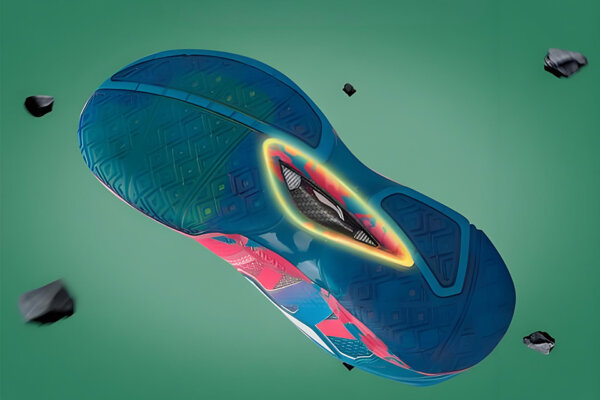
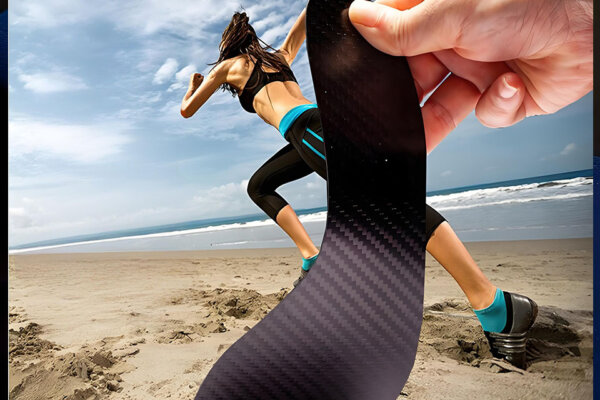
A football boot’s sole plate has three structural jobs that most polymer plates struggle to do at the same time: stay thin enough not to add stack height, stay light enough not to slow the player down, and stay stiff enough to transfer force efficiently during sprinting, cutting, and push-off.
Carbon fiber composite plates handle this combination better than nylon, TPU, or fiberglass at equivalent thickness, for a few structural reasons:
None of this makes carbon fiber the right choice for every price tier — it costs more to tool and produce than a standard nylon plate, which is why it tends to appear in mid-to-premium boot lines rather than entry-level models.
Tooling cost is usually the single biggest line item in a new plate program, so mold strategy is worth addressing directly.
We produce several plate configurations depending on where in the boot the reinforcement is needed and what the target flex profile is.
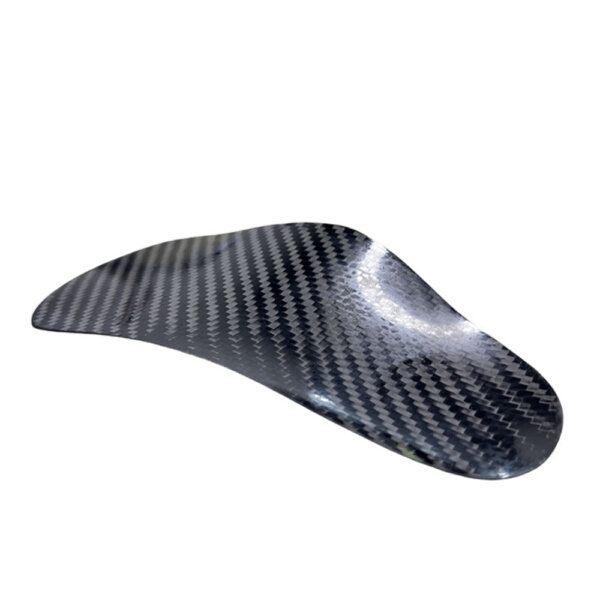
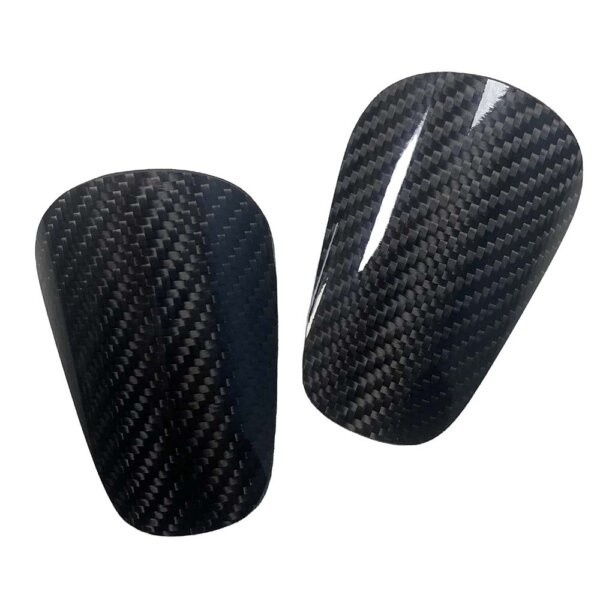
Full-length carbon fiber sole plates run the length of the boot and provide overall structural support and torsional control. These are typical in performance/pro-tier boots where the whole sole needs consistent stiffness.
Forefoot carbon fiber plates cover only the front portion of the sole and are tuned for propulsion during acceleration and sprinting, while allowing more natural flex through the midfoot and heel.
Midfoot reinforcement plates are used specifically for torsional and anti-twist support without adding stiffness to the forefoot flex zone — common in cleats where cutting and lateral stability matter more than straight-line propulsion.
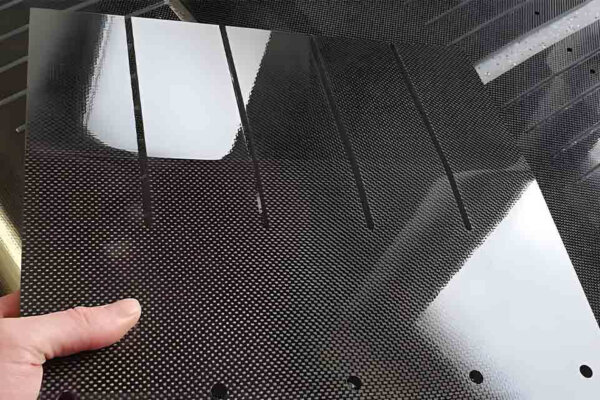
Custom cleat/stud opening design — where the plate needs pre-positioned stud mounting points, drainage slots, or cutouts for molded outsole features, we build these into the mold or CNC finishing stage rather than post-processing after molding, which keeps hole tolerances tighter.
As a starting point before a full spec review, here’s how project type typically maps to plate configuration:
| Project Type | Typical Plate Configuration | Typical Buyer |
|---|---|---|
| Pro-tier / performance football boots | Full-length sole plate, higher stiffness | Footwear brand, product development team |
| Speed / lightweight boots | Forefoot carbon plate, propulsion-tuned layup | Sports shoe developer |
| Cleat torsional reinforcement | Midfoot-only plate | OEM shoe factory adding stiffness to an existing sole |
| Standard-geometry projects | Plate matched to an existing mold profile | Distributor or wholesale buyer sourcing at volume |
This table is a starting reference, not a substitute for a spec review — actual plate configuration is confirmed against your drawing, sample, or performance target.
Ready to move forward? Send your football boot outsole drawing, a physical sample shoe, or your target plate size range, and we’ll confirm whether it matches an existing mold or needs custom tooling, along with a quotation.
Sending the following up front shortens the quoting cycle considerably:
Without a drawing or sample, we can still provide a rough budgetary range based on comparable projects, but a firm quote requires at least one of the above reference files.
For distributors and footwear brands sourcing at volume:
Football boot and soccer cleat plates are one line within our broader custom carbon fiber product range.
The examples below describe representative project types and specs we work with. Details are generalized rather than tied to a specific brand, in line with customer confidentiality.
Example: forefoot plate for a speed-boot project Application: lightweight sprint-focused football boot. Configuration: forefoot-only carbon plate. Fiber: prepreg UD carbon, layup biased along the propulsion axis. Thickness: specified against a target flex range rather than a fixed number. Mold: matched to an existing forefoot mold profile with minor edge modification. Outcome of the process: sample approved after one round of stiffness adjustment, moved to bulk production.
Example: full-length plate with custom mold Application: mid-tier football boot line requiring a proprietary outsole shape. Configuration: full-length plate with custom stud-opening layout. Fiber: woven 3K twill for a visible-weave finish requested by the brand. Mold: new tooling developed from the customer’s 3D outsole file. Outcome of the process: new mold built, sample matched to the reference outsole on the first fit check.
[Placeholder for future case studies — add real, anonymized project photos and specifics here as they become available: sample plate photos, mold photos, fit-check photos with ALT text such as “carbon fiber plate for football boots OEM sample” and “soccer cleat carbon fiber sole plate existing mold.”]
These examples reflect the sports footwear side of our composite manufacturing work — read more about our factory on our about page. For orthotic or arch-support components rather than sports footwear plates, see our carbon fiber foot inserts page.
Yes. We produce full-length, forefoot, and midfoot carbon fiber sole plates for football boots and soccer cleats, either against your drawing/sample or developed from a stiffness/flex target you provide.
We maintain a set of existing mold profiles for common plate shapes and size ranges. If your required geometry is close to one of these, we can quote against the existing mold; if it’s a different geometry, a custom mold will be needed.
Yes. Stiffness is controlled through fiber grade, layup orientation, and thickness together — we specify these as a set based on your target flex behavior, not as isolated variables.
Yes, and midfoot-only reinforcement plates as well, depending on where structural support is needed in the boot.
A 2D drawing, 3D file, or physical sample is the fastest path to an accurate quote. If none of these are available yet, we can still work from a written spec and target size range for a preliminary estimate.
Yes, pricing scales with order volume, plate complexity, and whether tooling is existing or custom. Send your specs and target quantity for a tiered quote.
Sample development timelines depend on whether an existing mold is used or a new mold needs to be built; bulk production timelines depend on order volume. We’ll confirm both during the quoting stage once your specs are reviewed.
Not sure which plate type fits your project? Our carbon fiber shoe inserts guide walks through the main types and how to choose.
Our factory employs an advanced carbon fiber hot press process with a P20 steel mold, ensuring high efficiency, precision, durability, and cost-effectiveness for quality production.
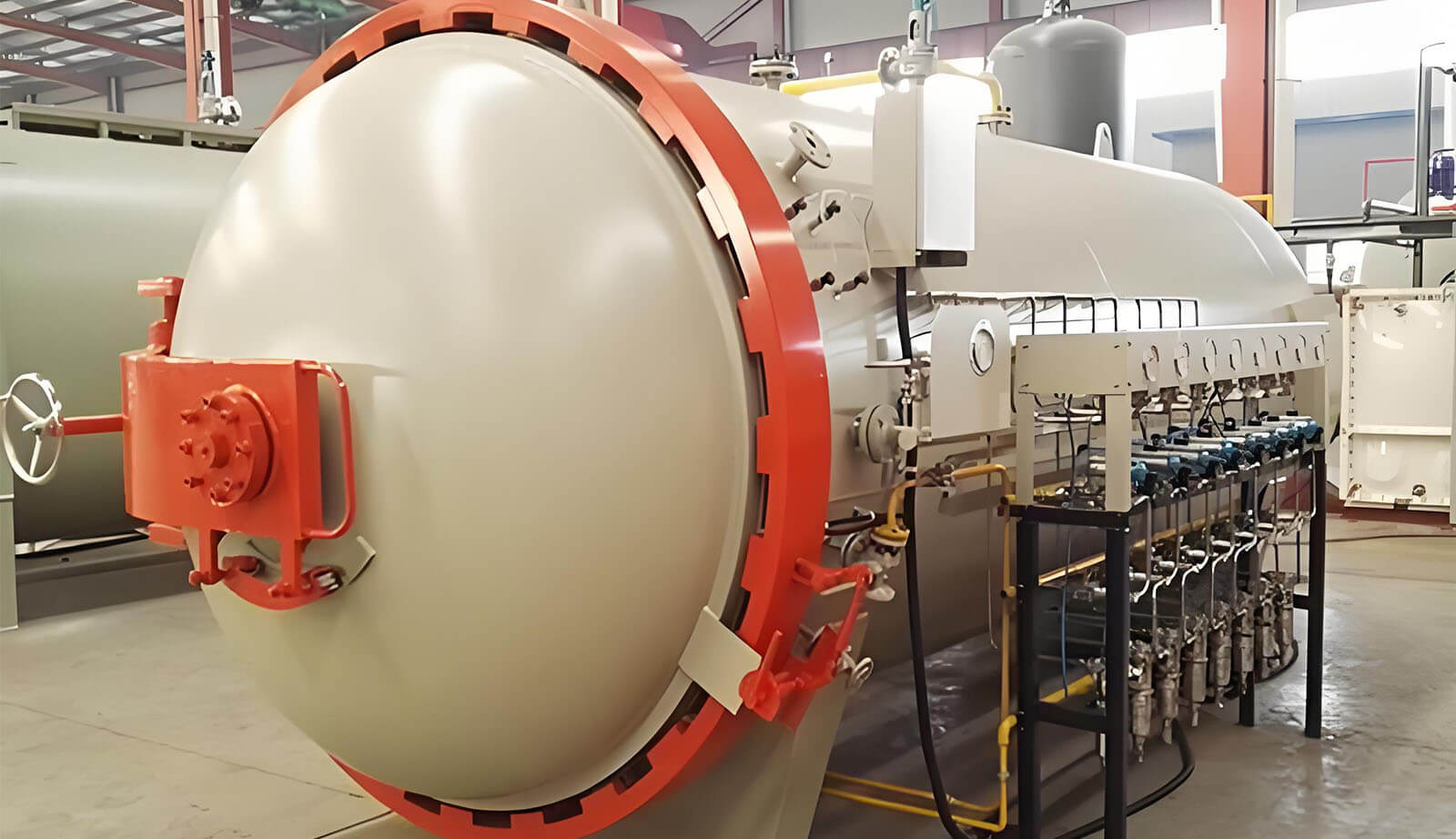
Our factory runs 100+ hot pressure autoclaves, using aluminum molds and vacuum induction to shape carbon fiber with precision. High heat and pressure enhance strength, stability, and flawless quality.
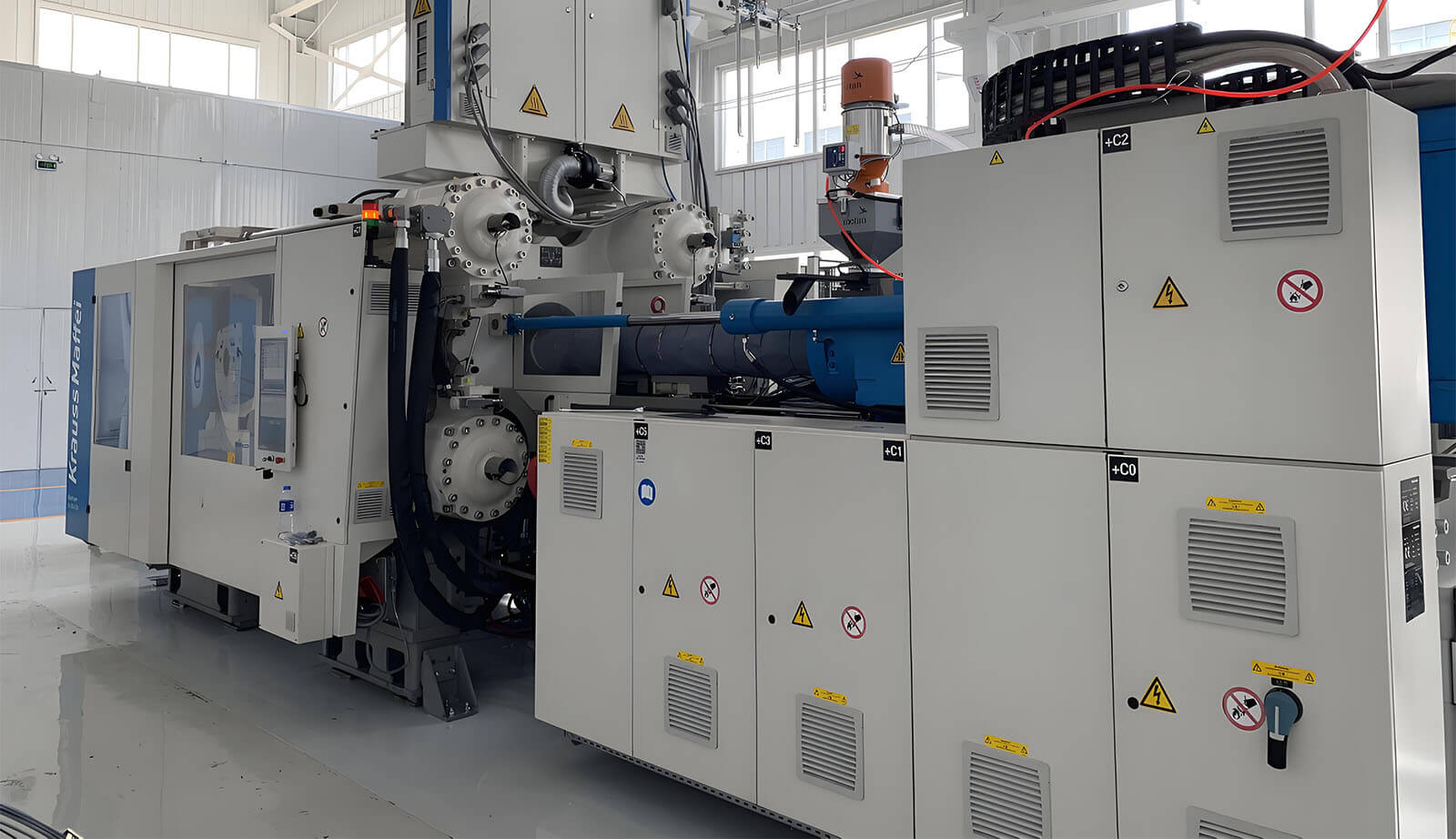
Our Carbon Fiber Research Center drives innovation in new energy, intelligence, and lightweight design, using advanced composites and Krauss Maffei Fiber Form to create cutting-edge, customer-focused solutions.
Here are the answers to the frequently asked questions from the experienced carbon fiber products factory
We produce a wide range of carbon fiber components, including automotive parts, motorcycle parts, aerospace components, marine accessories, sports equipment, and industrial applications.
We primarily use high-quality prepreg carbon fiber and large-tow carbon fiber reinforced high-performance composites to ensure strength, durability, and lightweight characteristics.
Yes, our products are coated with UV-protective finishes to ensure long-lasting durability and maintain their polished appearance.
Yes, our facilities and equipment are capable of producing large-size carbon fiber components while maintaining precision and quality.
What are the benefits of using carbon fiber products?
Carbon fiber offers exceptional strength-to-weight ratio, corrosion resistance, stiffness, thermal stability, and a sleek, modern appearance.
We cater to automotive, motorcycle, aerospace, marine, medical, sports, and industrial sectors with a focus on lightweight and high-performance carbon fiber components.
Yes, we provide custom carbon fiber solutions tailored to your specifications, including unique designs, sizes, and patterns.
We utilize advanced technologies such as autoclave molding, hot pressing, and vacuum bagging, ensuring precision, stability, and quality in every product. wonders with the Hello Elementor Theme, we’re trying to make sure that it works great with all the major themes as well.
We use aluminum and P20 steel molds, designed for durability and high accuracy, to create complex and precise carbon fiber components.
Our products undergo rigorous quality control checks, including dimensional accuracy, material integrity, and performance testing, to meet industry standards.