

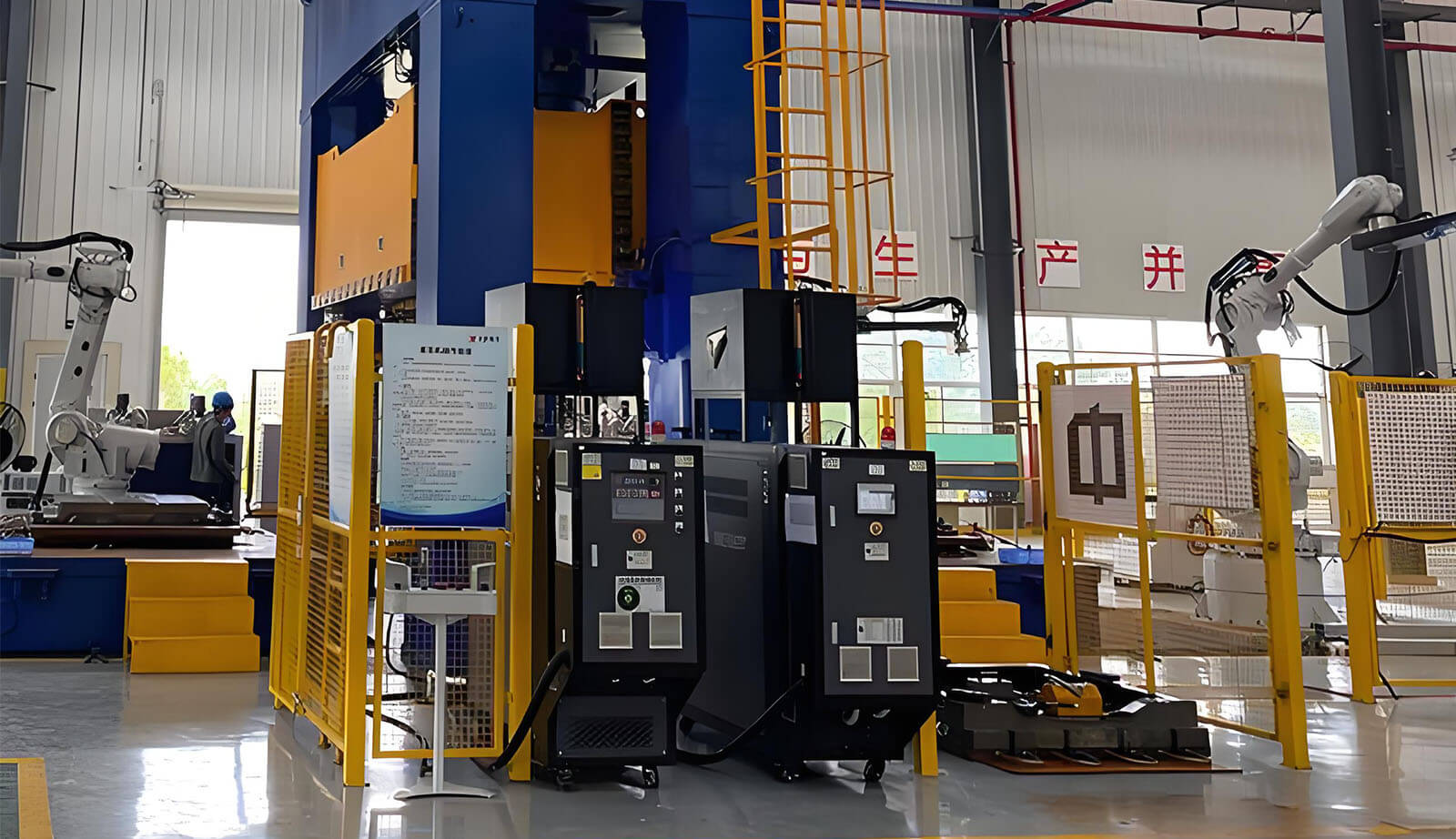
Carbon Fiber Composite Material Hot Pressing Molding Process
Our factory employs an advanced carbon fiber hot press process with a P20 steel mold, ensuring high efficiency, precision, durability, and cost-effectiveness for quality production.
We manufacture carbon fiber Mercedes-Benz rear diffusers for selected Mercedes-Benz, AMG-Line and AMG models, as part of our broader Mercedes carbon fiber parts range. Ask about existing molds, wholesale supply or custom OEM/ODM development. The construction and finish available for your part will be confirmed in the quotation.
Tell us your vehicle year and model and send a full rear photo to start a fitment and mold check.
Most diffuser listings stop at “lightweight” or “aggressive.” For a useful quotation, the questions are more specific: how the part is built, which bumper and exhaust it fits, what installation requires, and whether any aerodynamic claim has been tested.
We work with individual buyers, tuning shops, distributors and body-kit brands on replacement parts and product programs.
“Carbon fiber” can describe different constructions. Depending on the product and project stage, we can confirm or provide the following before production:
| Item | Information available |
|---|---|
| Manufacturing process | Process specified for the quoted part or proposed build |
| Construction | Full carbon laminate or carbon over FRP, identified where applicable |
| Weave | Visible weave and finish specification |
| Weight | Measured weight where an existing part has been weighed; an estimate may be discussed for a new design |
| Clear coat | Proposed gloss, matte or satin finish and coating specification where available |
| Photos | Backside, edge and mounting details when an existing sample or production part is available |
| Fitment | Review against the vehicle details, bumper photos and available mold information; final fitment may require a trial fit |
Ask us to state the construction in your quotation. A carbon skin over FRP should be identified as such, rather than described as a full-carbon laminate.
Rear diffuser inquiries may cover C-Class, E-Class, A-Class, CLA, AMG GT, S-Class and G-Class vehicles, including AMG-Line and AMG versions. Common aftermarket chassis references include W204, W205/C205/A205/S205, W207, W213/S213, W176, W177, W117/C117, W222, X290 and W463/W463A. Mold availability and fitment are checked for the exact application before quotation.
A chassis code alone does not confirm fitment. Bumper design, model year, body style and exhaust layout all matter.
| Fitment check | Why it matters |
|---|---|
| Model year and facelift | Lower bumper shape, reflectors or exhaust openings may change |
| Body style | Sedan, coupe, convertible, wagon and SUV applications may use different lower bumper parts |
| Base, Sport, AMG-Line or AMG bumper | Mounting geometry and lower valance shape may differ; compare the exact bumper, not only the model badge |
| Exhaust configuration | Outlet shape, spacing and tip brackets must match |
| Sensors, reflectors and heat shields | Locations and clearances must be checked |
An aftermarket W205 diffuser may be specified for a sedan with the Sport Package and require a different exhaust-tip style on certain model years. Your part must be checked against its own mold and vehicle specification.
Send a full rear photo with your year and model. If known, also include the chassis code, body style, bumper package and whether the exhaust is original or aftermarket. We can ask for further details if the photos leave a fitment question open.
The construction should be chosen for the part design, finish target, volume and budget. The processes below are for comparison; availability for a particular diffuser is confirmed in the quotation. “Dry carbon” is an aftermarket name for prepreg construction; the finished part still contains cured resin.
| Construction | What it means | Project consideration |
|---|---|---|
| Prepreg dry carbon | Carbon reinforcement is supplied with resin already incorporated. One production route is vacuum-bagged and autoclave-cured under controlled temperature and pressure; other cure routes also exist. | Can support low resin content, good consolidation, consistent laminate thickness and a high-quality visible finish when the process and tooling are controlled. |
| Vacuum-infused carbon fiber | Dry reinforcement is placed in the mold; vacuum draws liquid resin through the layup. | Offers controlled resin delivery and consolidation for suitable part geometry, including some larger exterior components. |
| Wet-lay carbon fiber | Liquid resin is applied to dry carbon reinforcement during layup. | Can suit cosmetic exterior parts where the specification and price justify this route. |
| Forged carbon | Chopped carbon reinforcement is molded with resin to create a non-woven, marbled appearance. | Choose it for the intended appearance and part specification; properties depend on the material and molding method. |
The actual process should be stated for each quoted part.
Weave terms such as 1×1 plain, 2×2 twill and 3K describe the fabric, not the curing method. Gloss, matte and satin clear-coat finishes may be specified for a project. For exterior use, request a clear-coat system with documented UV and weathering performance; we confirm the proposed coating for the quoted part rather than assuming every finish has the same protection.
Carbon over FRP, full carbon laminate, hydro-dipped plastic and printed carbon-look film are different products. Photos of a visible weave alone may not establish the full construction. Ask for the stated substrate and, where available, backside and edge photos of an existing part. If the structure matters to your purchase, include it in the agreed specification.
A functional underbody diffuser uses an expanding passage to manage air leaving the underside of a vehicle. Its effect depends on the complete geometry, including underbody flow, diffuser angle and length, ride height and surrounding wake. The carbon outer skin alone does not establish aerodynamic performance.
In a 2022 road-car CFD study, a 7° underbody diffuser with diagonal sealing skirts produced the greatest downforce among four simulated configurations, while drag also rose compared with the baseline. The paper discusses flow-separation risk as diffuser angle increases. Those results concern an integrated underbody design and do not predict the effect of a bumper-mounted part.
Most bumper-mounted aftermarket Mercedes rear diffusers replace the visible lower rear valance rather than forming a complete underbody aerodynamic system. For this type of product, we do not claim measurable downforce or drag reduction without vehicle-specific testing. For most street-car applications, the practical benefits are the carbon finish, rear-end styling, defined construction and integration with the bumper and matching exterior carbon parts.
The diffuser openings must match the vehicle’s exhaust layout: single, dual or quad outlets; round or shaped tips; original or aftermarket spacing; and any decorative finishers. Tip brackets, muffler and heat-shield clearance may also affect installation.
Some W205 diffuser designs require a specific exhaust-tip arrangement, and earlier model years may need later-style tips. This is why the part and exhaust must be reviewed together; it is not a fitment claim for our molds.
Before final fastening, check tip width and spacing, brackets, muffler and heat shields, and active exhaust components where present. A clear rear photo is a useful starting point.
“No modification required” rarely explains the entire installation. Depending on the design, work may involve removing or loosening the bumper, removing the factory lower valance, transferring clips or brackets, and checking sensor, reflector and exhaust clearances.
Test-fit before drilling, trimming, painting or bonding. Professional installation is recommended, especially for modified bumpers or exhaust systems.
A long diffuser with thin edges, fins, exhaust openings and mounting tabs needs more than a good-looking front surface. Inspection priorities for a production part include:
Mounting tabs and thin edge areas receive particular attention during production and inspection because they can be vulnerable during handling, installation or bumper movement. Their design and any reinforcement depend on the specific part. Check ground clearance if a design has long vertical fins.
For care, follow the coating supplier’s instructions, wash with non-abrasive products and repair clear-coat damage promptly.
Existing molds may be available for selected Mercedes-Benz and AMG applications. Send your vehicle year, exact model and full rear-bumper photos. We first check the existing mold library, then consider new tooling if no suitable mold matches the project. An existing mold can avoid a new tooling charge and shorten development, subject to its condition and the required part specification.
Custom development can begin with an OEM part, physical sample, CAD/STEP data or styling brief. For broader custom manufacturing capability, see our custom carbon fiber manufacturing category. The project scope may cover tooling, laminate and finish selection, mounting and exhaust-opening design, prototyping, trial fitting and repeat production. Private-label requirements can be discussed in the quotation.
| B2B purchasing information | How it is confirmed |
|---|---|
| Existing mold availability | Checked after vehicle, bumper and photo review |
| Custom tooling | Scope and cost quoted for an OEM/ODM project if needed |
| Minimum order | Confirmed for the selected mold, construction and order type |
| Prototype or sample | Availability, price and approval steps agreed for the project |
| Production lead time | Quoted after process, quantity and finish are defined |
| New tooling lead time | Quoted after design and tooling scope are agreed |
| Surface finish | Gloss, matte or satin specification confirmed per quote |
| Packaging and shipping terms | Packaging and available trade terms stated in the quotation |
| Annual volume / repeat orders | Pricing and production planning can be reviewed against forecast quantity and repeat-order requirements |
| Warranty | Applicable coverage supplied with the order terms |
Note: Terms such as PSM-style, BRABUS-style or Renntech-style may describe an appearance. They do not, by themselves, establish that a part is made or licensed by that brand. Confirm the manufacturer and authorization if a branded component is required.
Matching front lips, side skirts, spoilers and other exterior carbon fiber car parts can be discussed for the same vehicle program.
No. Fitment must be checked against the exact vehicle, bumper and exhaust configuration.
Do not assume so from the W205 code. Compare the bumper package, mounting geometry and exhaust openings for the specific part.
They serve different specifications. Compare the actual construction, weight where measured, finish, price and intended use rather than relying on the label alone.
The material does not establish that result. A performance claim needs testing on the relevant vehicle and configuration.
That depends on the diffuser and your current exhaust. Send a rear photo so we can check the proposed part’s openings and any stated tip requirement.
Yes. Ask about existing-mold supply for batch or repeat orders, and custom tooling and OEM/ODM production for a new design. Send the model, target quantity and market so we can review the project.
Mold availability depends on the exact model, year, bumper and diffuser style. Send the vehicle details and a full rear photo and we will check the existing mold library first.
Depending on the reference part and specification, we can review matching requirements for weave and finish. Send photos or a physical sample if the diffuser needs to match existing front lips, side skirts, spoilers or other carbon parts.
We can review private-label and OEM/ODM requirements, including design files or a sample, tooling and production quantities.
Not sure of your chassis code or bumper version? Start with just:
We can ask for bumper, exhaust, construction, finish and quantity details as the fitment check progresses.
For wholesale or OEM/ODM projects, please also share your target quantity and any available CAD/STEP files, sample or annual demand estimate.
Contact us to check an existing mold or discuss a custom rear diffuser.
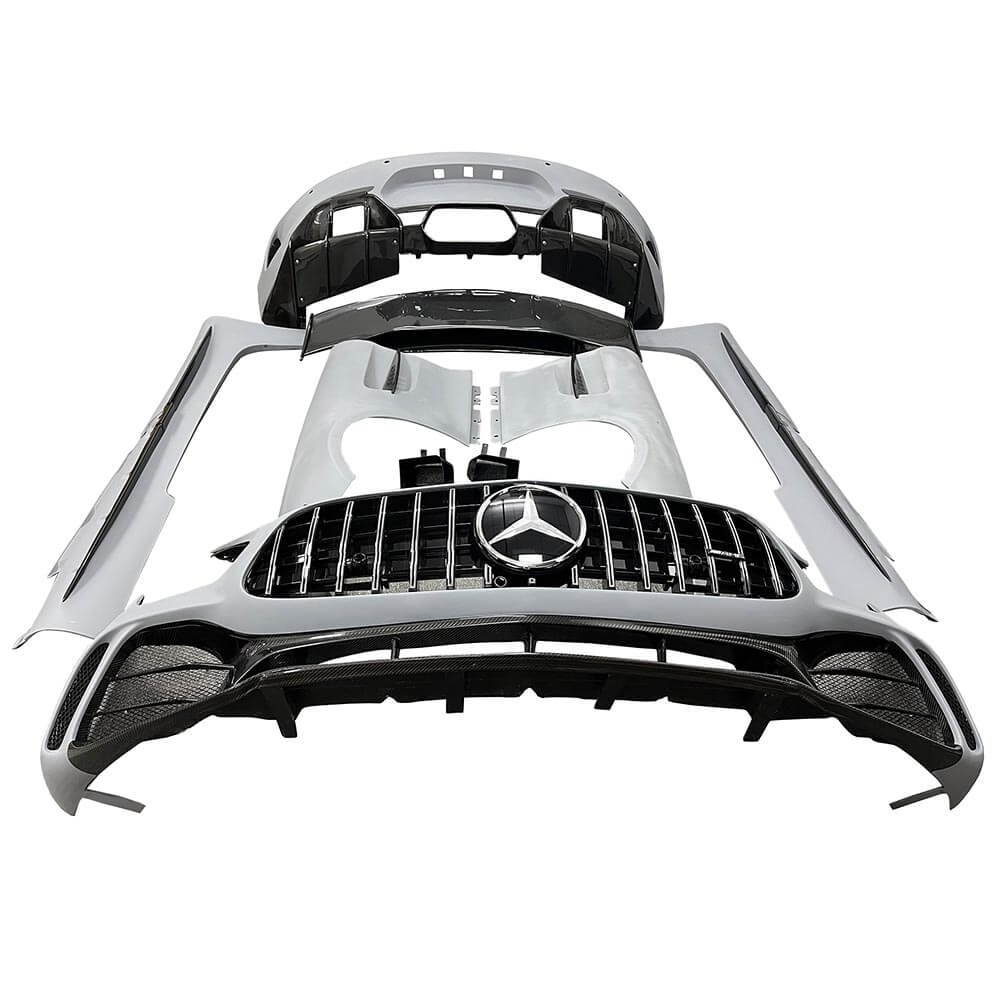
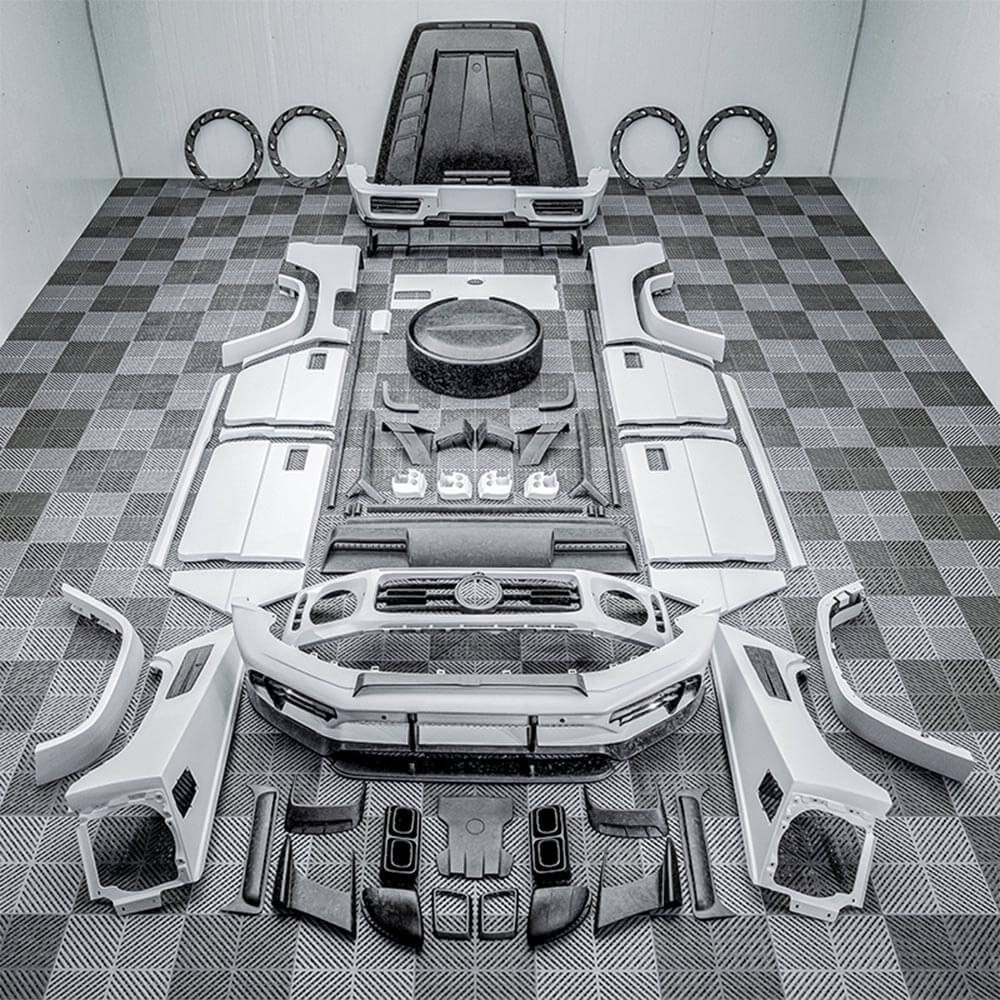
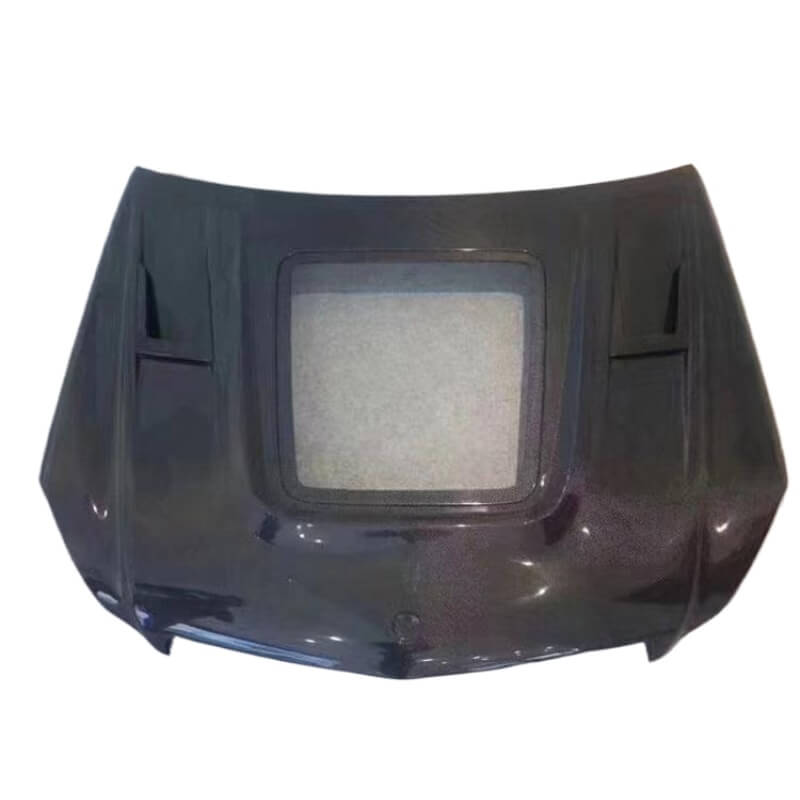
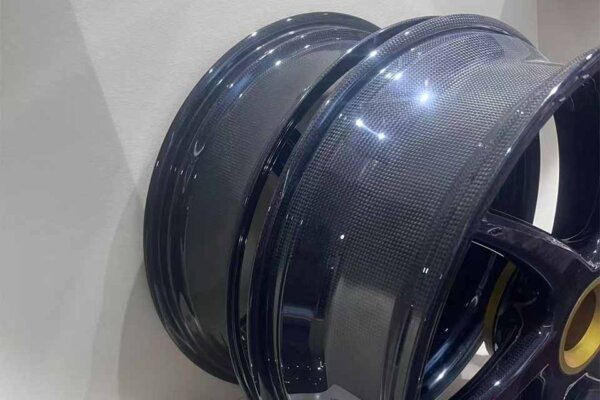

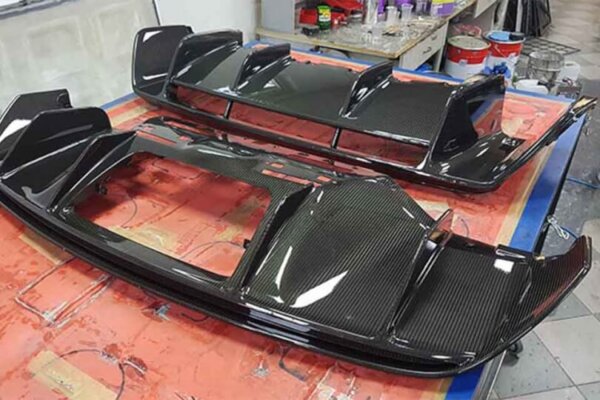
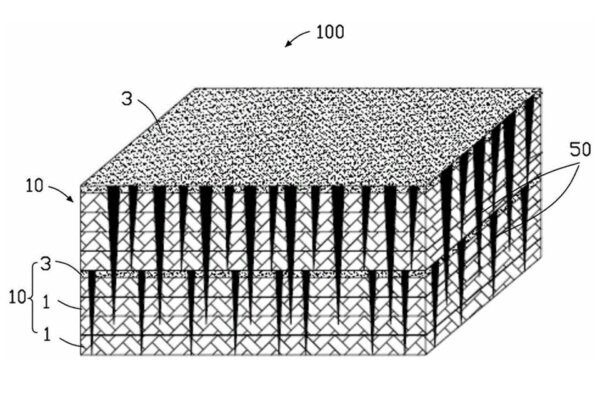
Our factory employs an advanced carbon fiber hot press process with a P20 steel mold, ensuring high efficiency, precision, durability, and cost-effectiveness for quality production.
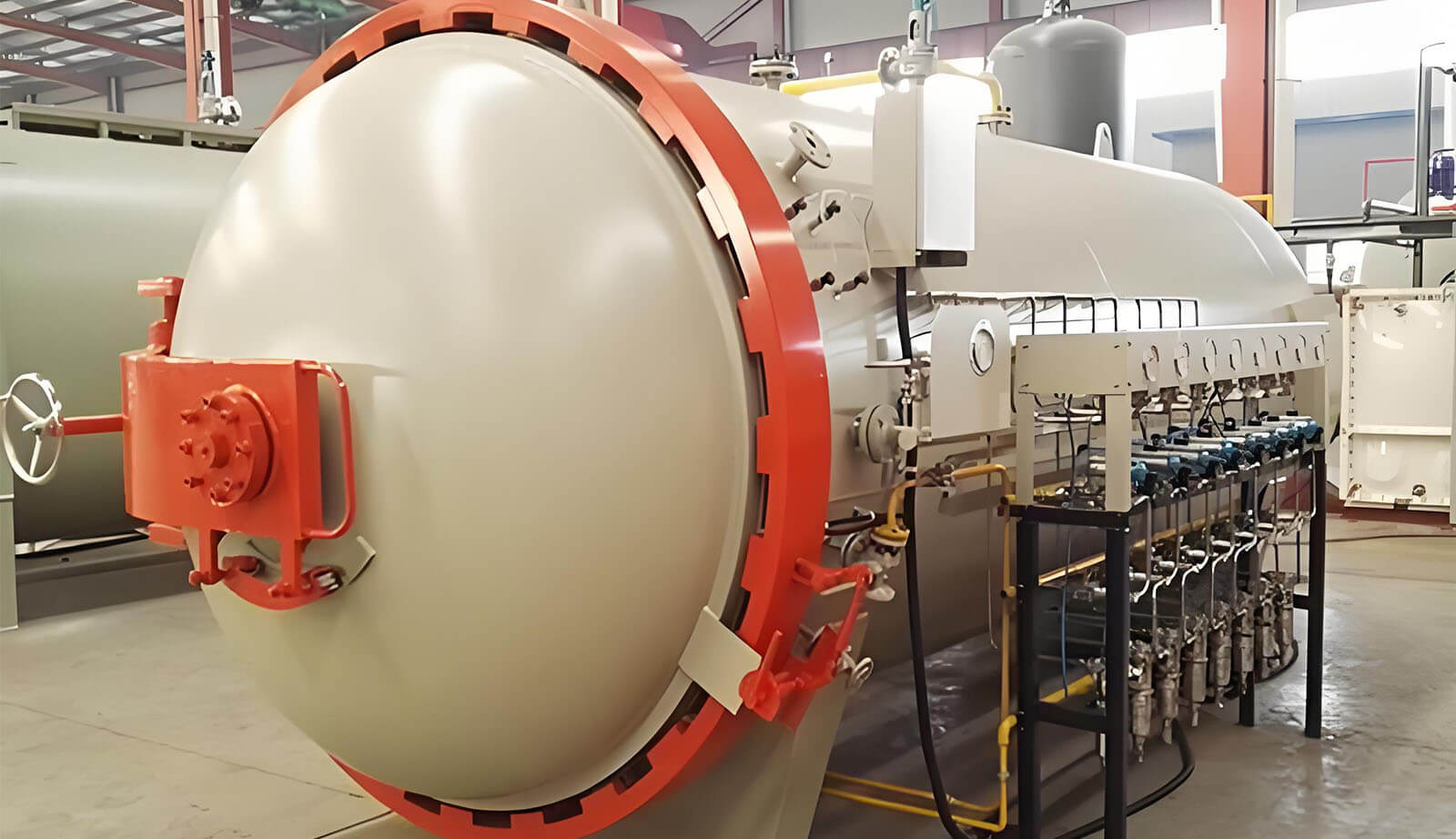
Our factory runs 100+ hot pressure autoclaves, using aluminum molds and vacuum induction to shape carbon fiber with precision. High heat and pressure enhance strength, stability, and flawless quality.
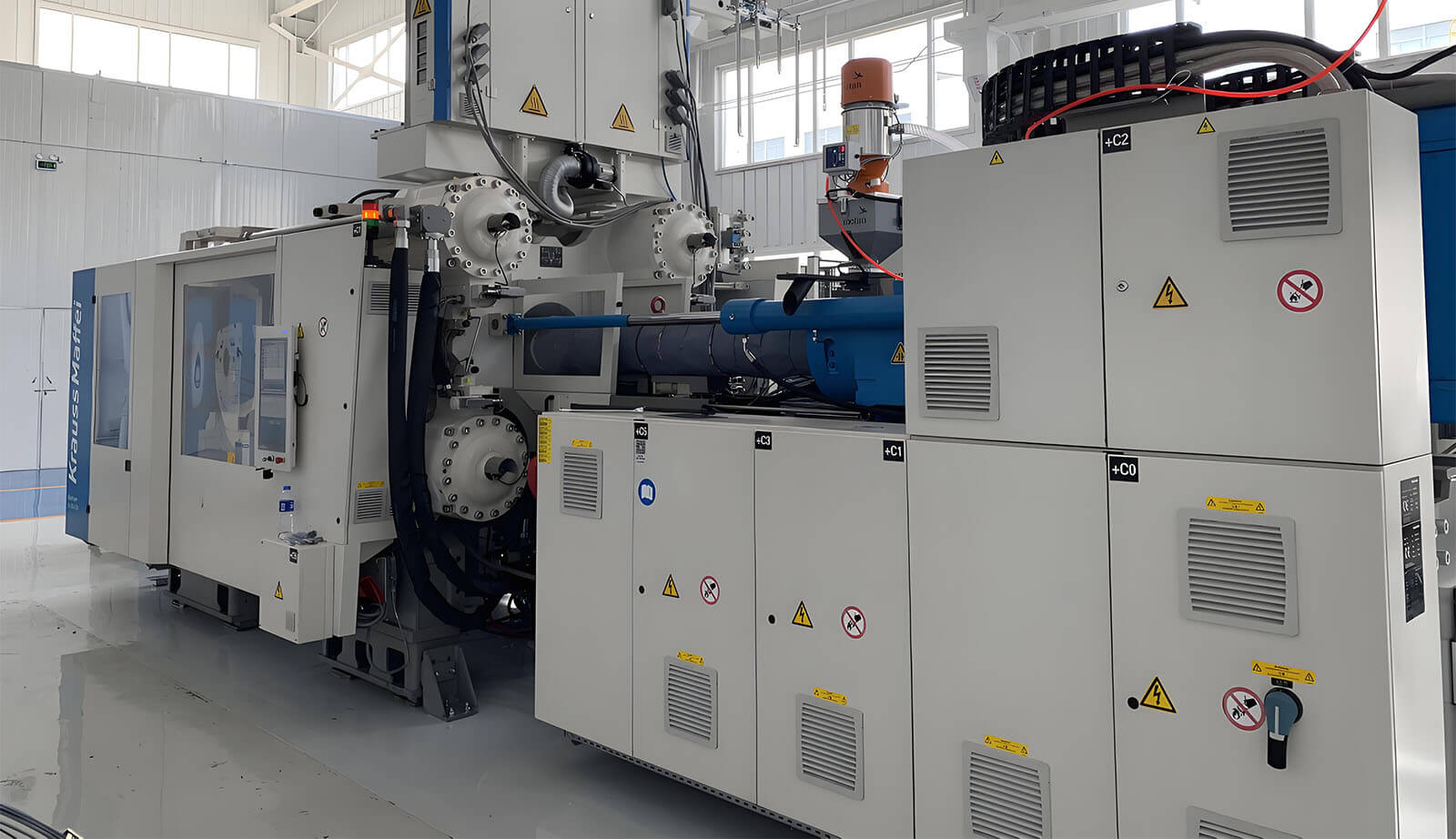
Our Carbon Fiber Research Center drives innovation in new energy, intelligence, and lightweight design, using advanced composites and Krauss Maffei Fiber Form to create cutting-edge, customer-focused solutions.
Here are the answers to the frequently asked questions from the experienced carbon fiber products factory
We produce a wide range of carbon fiber components, including automotive parts, motorcycle parts, aerospace components, marine accessories, sports equipment, and industrial applications.
We primarily use high-quality prepreg carbon fiber and large-tow carbon fiber reinforced high-performance composites to ensure strength, durability, and lightweight characteristics.
Yes, our products are coated with UV-protective finishes to ensure long-lasting durability and maintain their polished appearance.
Yes, our facilities and equipment are capable of producing large-size carbon fiber components while maintaining precision and quality.
What are the benefits of using carbon fiber products?
Carbon fiber offers exceptional strength-to-weight ratio, corrosion resistance, stiffness, thermal stability, and a sleek, modern appearance.
We cater to automotive, motorcycle, aerospace, marine, medical, sports, and industrial sectors with a focus on lightweight and high-performance carbon fiber components.
Yes, we provide custom carbon fiber solutions tailored to your specifications, including unique designs, sizes, and patterns.
We utilize advanced technologies such as autoclave molding, hot pressing, and vacuum bagging, ensuring precision, stability, and quality in every product. wonders with the Hello Elementor Theme, we’re trying to make sure that it works great with all the major themes as well.
We use aluminum and P20 steel molds, designed for durability and high accuracy, to create complex and precise carbon fiber components.
Our products undergo rigorous quality control checks, including dimensional accuracy, material integrity, and performance testing, to meet industry standards.