We manufacture custom carbon fiber parts and products for industrial equipment, robotics, automotive, motorcycle, sports, marine and consumer applications. Projects can start from your CAD files, engineering drawings or an existing component, with support for tooling, prototypes, molding, CNC trimming, bonding and surface finishing, through to repeat OEM/ODM production.
You don’t need to know which process your part needs. Tell us what the part does, and we will recommend a production route based on its geometry, intended use, finish, quantity and tooling budget, with tooling and unit pricing shown separately where applicable.
Request a Custom Carbon Fiber Quote
Custom Carbon Fiber Manufacturing Solutions
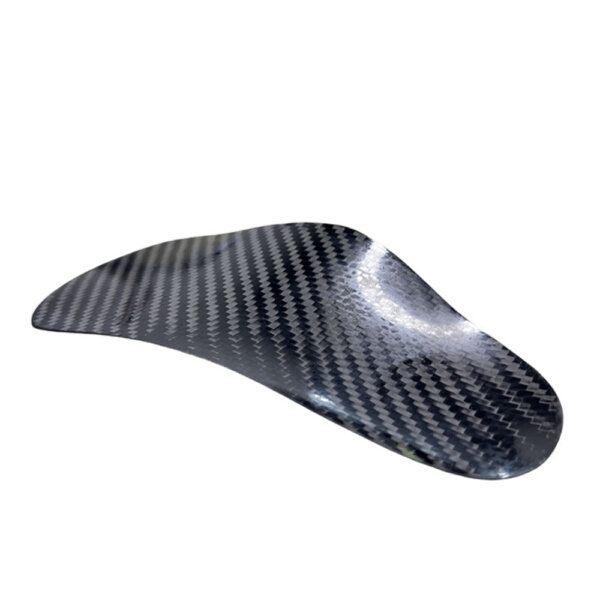
As a custom carbon fiber manufacturer, we develop carbon fiber parts from STEP/STP files, 2D drawings, original samples, 3D scan data, photos with dimensions or application requirements. Our factory manufactures CFRP tubes, panels, covers, housings, fairings, structural components, forged carbon parts, prepreg carbon fiber parts and custom composite products for prototype, small-batch and repeat OEM/ODM production.
Manufacturing review covers the shape, laminate, tooling, secondary operations and inspection scope. If your project starts with a concept or photos, we first identify what production data is still needed. Learn more about our company and factory.
Custom Carbon Fiber Product Categories
Consumer & Lifestyle
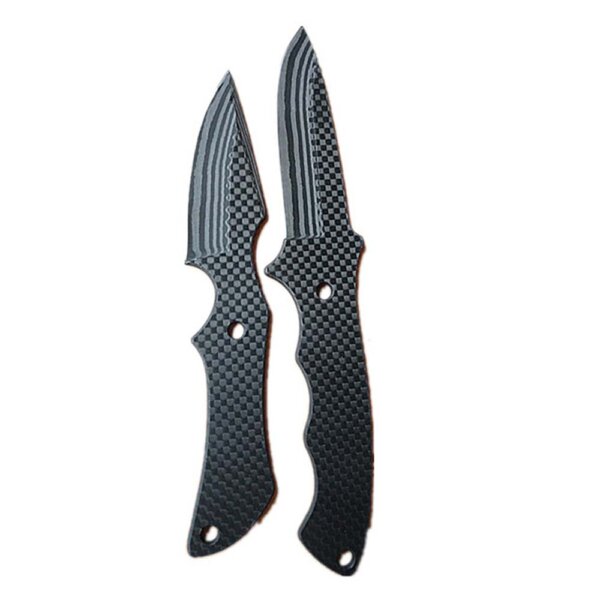
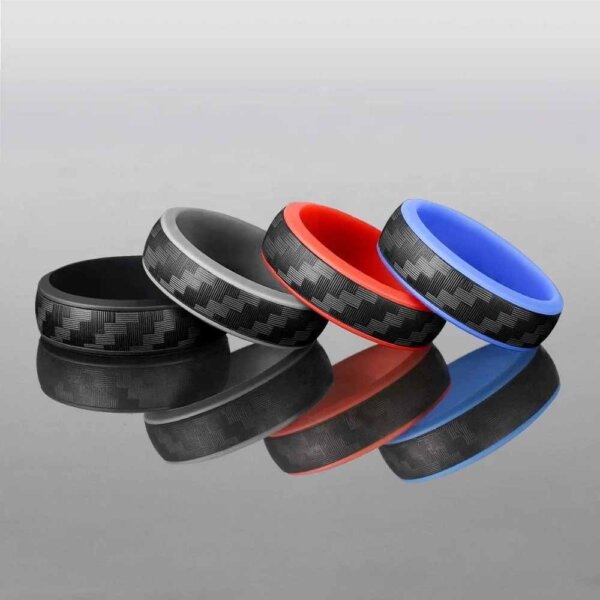
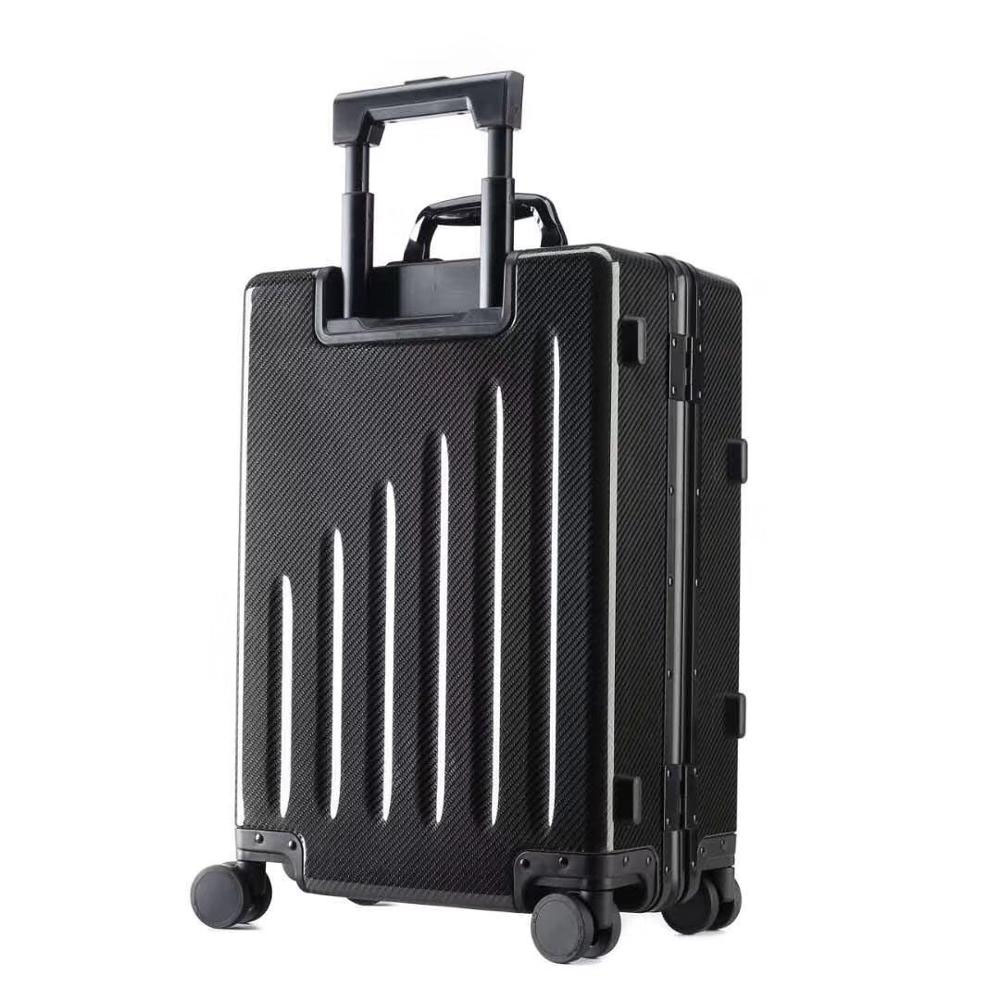
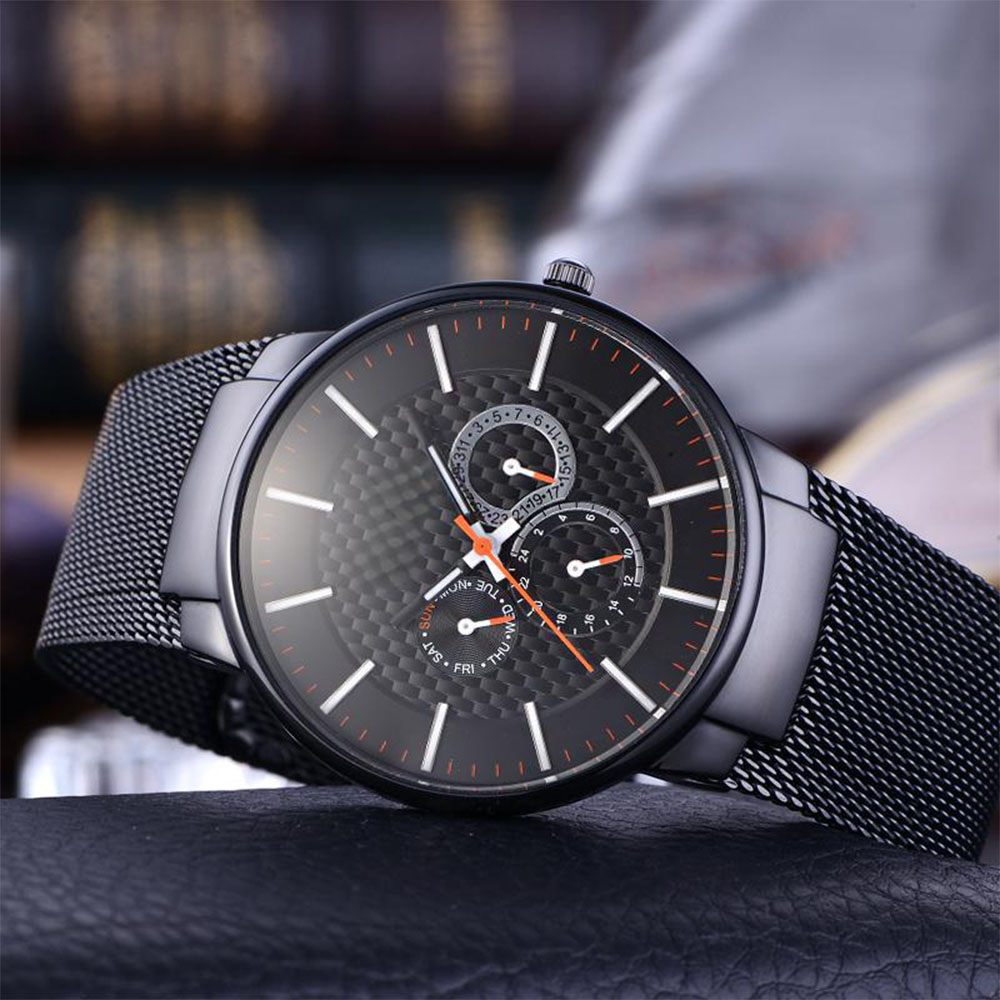
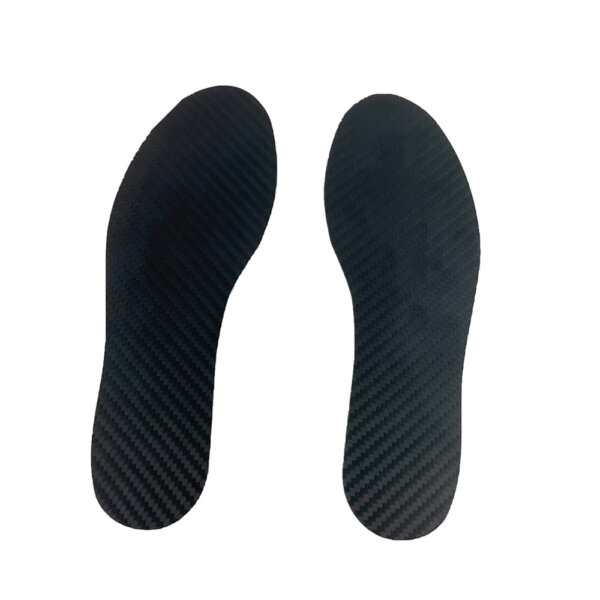
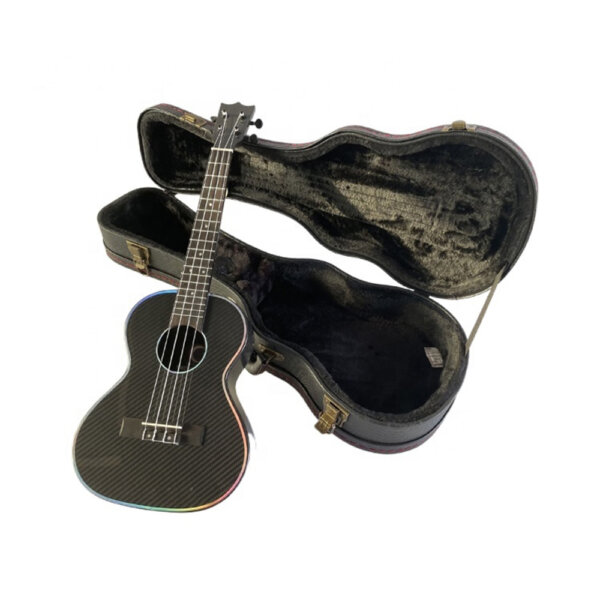
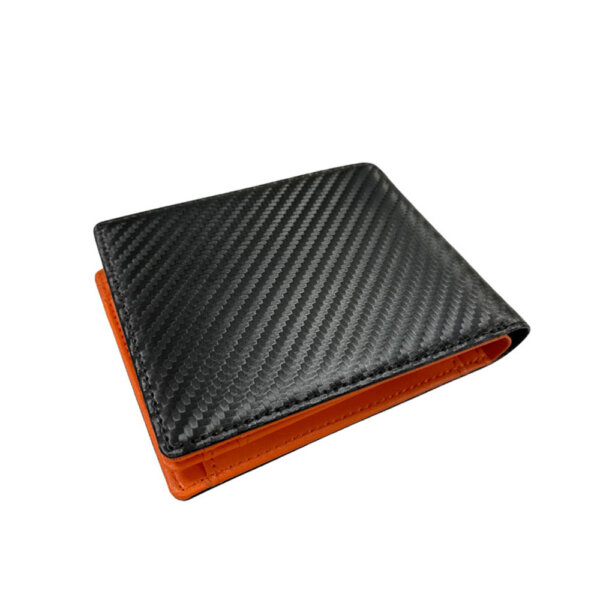
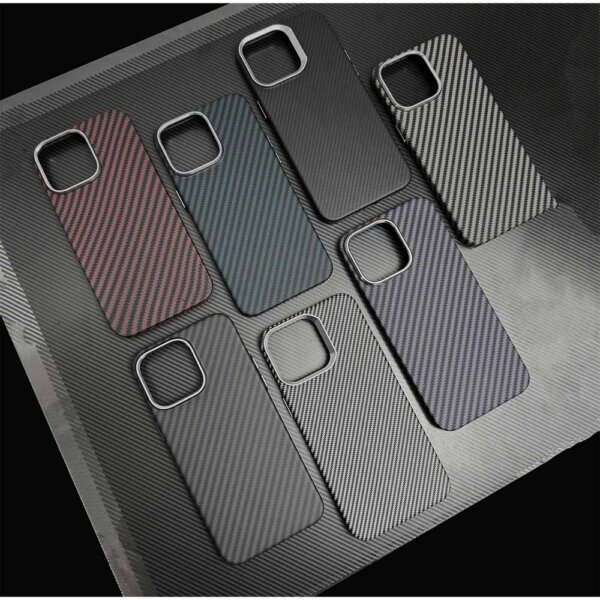
Carbon fiber accessories and components for private label brands and consumer products, including wallets, phone cases, watch bands, rings, knife handles, luggage parts and decorative panels. Specify the visible surfaces, finish, branding and assembly requirements so they can be reviewed together.
Explore Consumer & Lifestyle Products
Custom Materials & Solutions
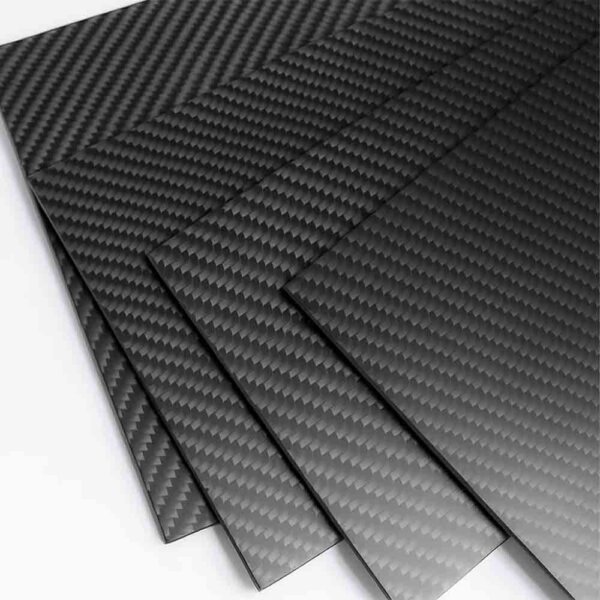
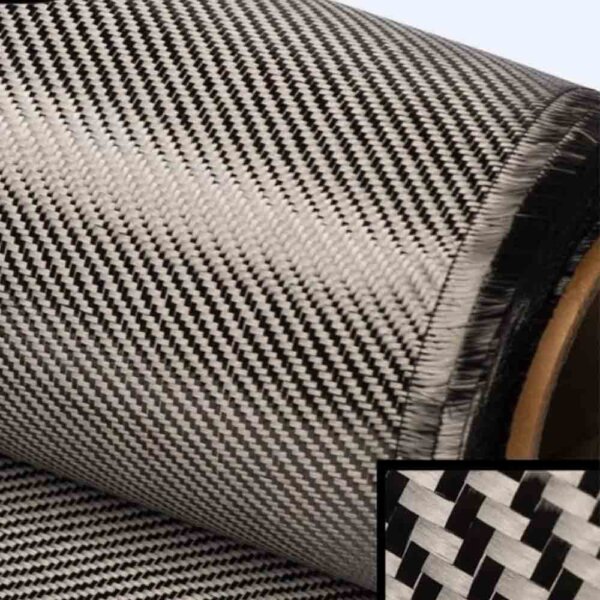
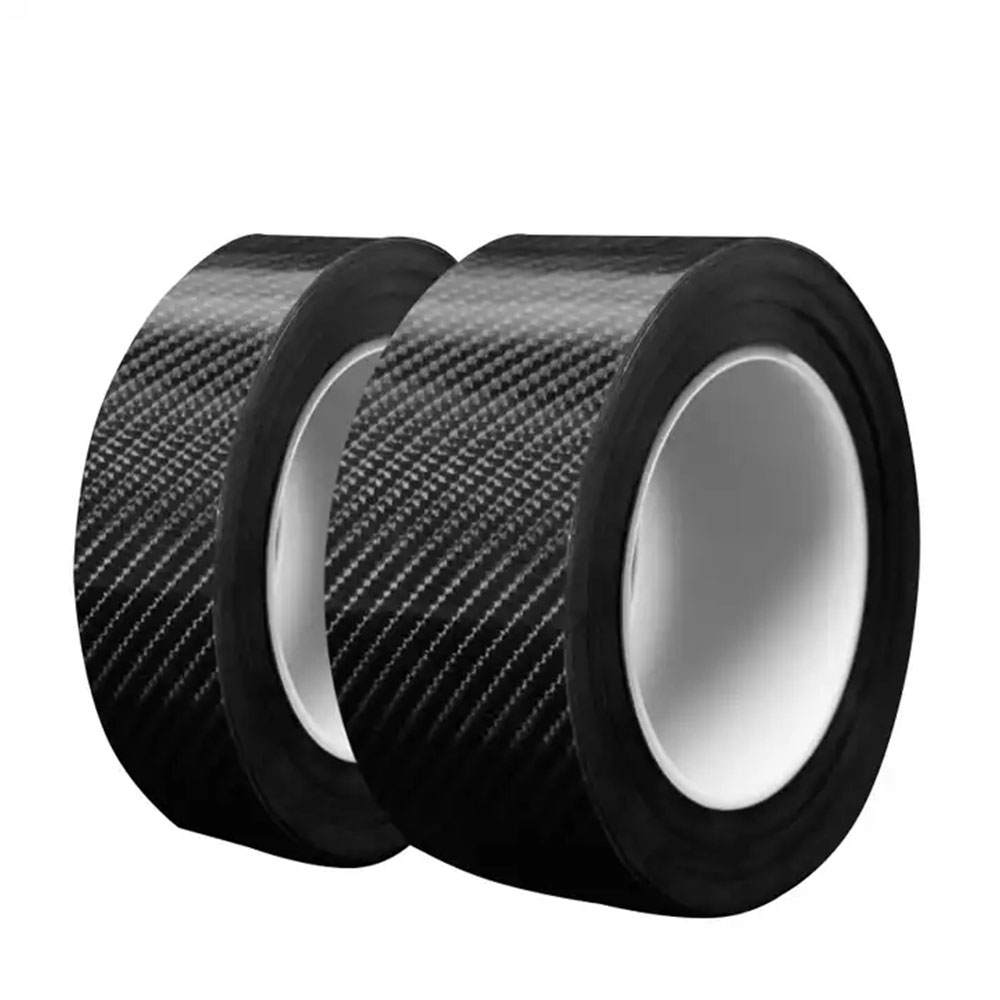
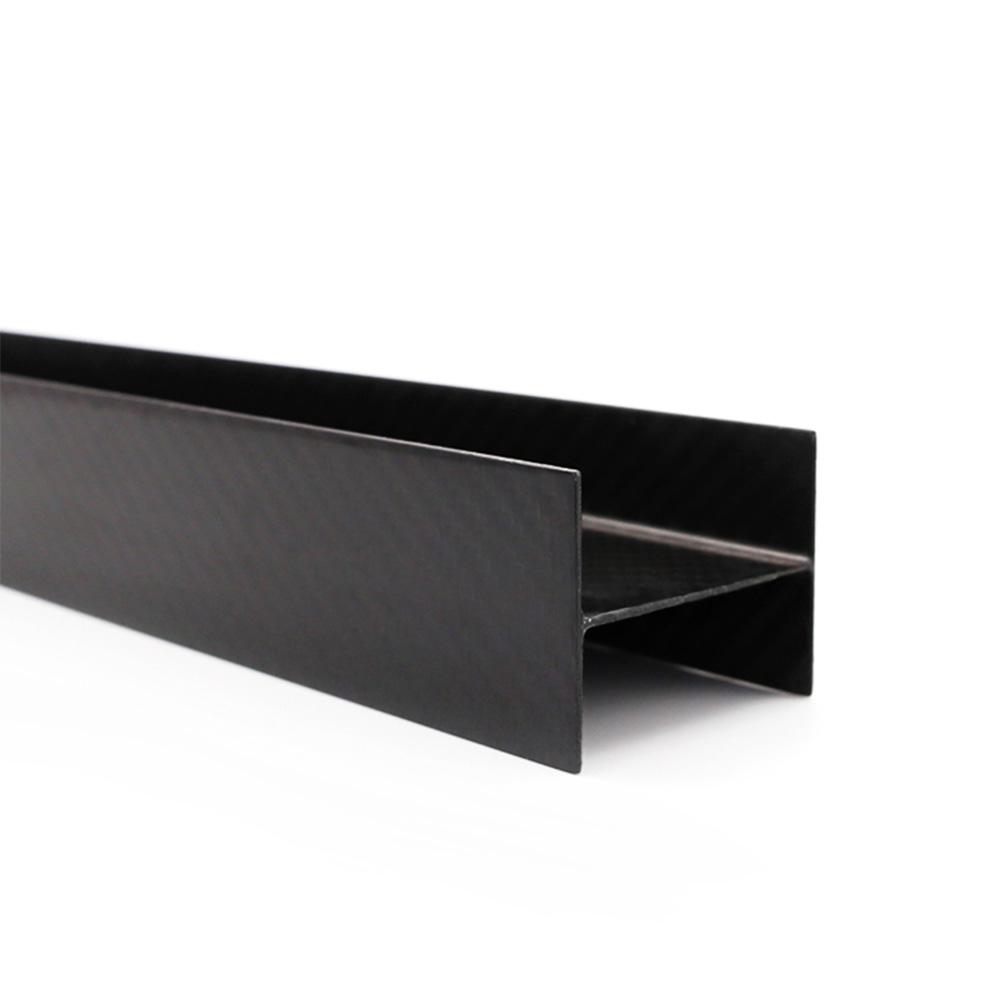
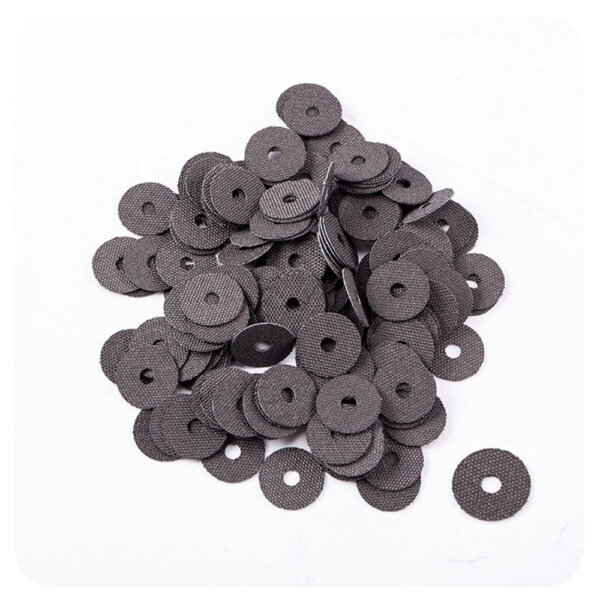
Carbon fiber materials and semi-finished products for further fabrication: plates and sheets, tubes and rods, honeycomb panels, prepreg, carbon fiber fabric and CNC-cut parts. Thickness, dimensions, fiber direction, appearance and machining can be specified.
Explore Custom Materials & Solutions
Industrial & Advanced Technology
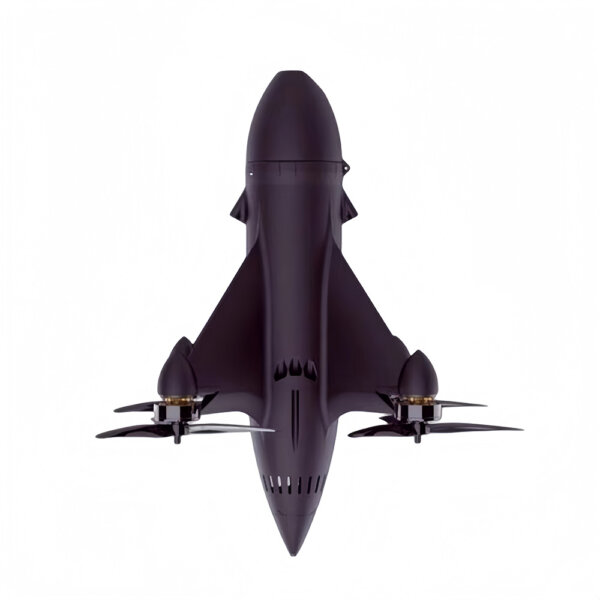
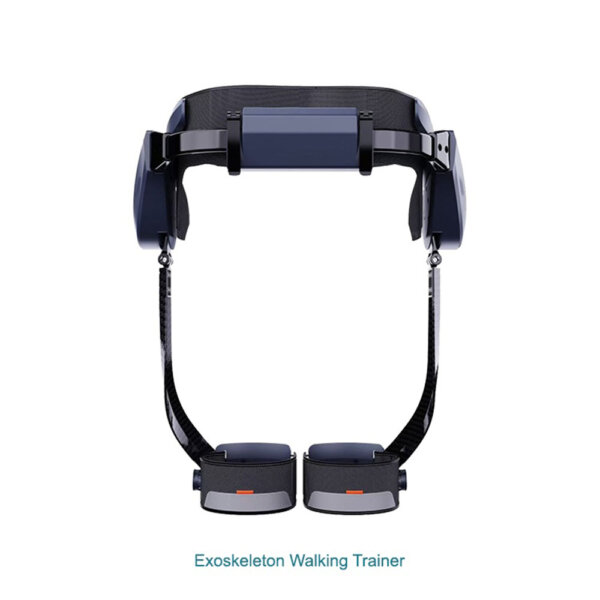
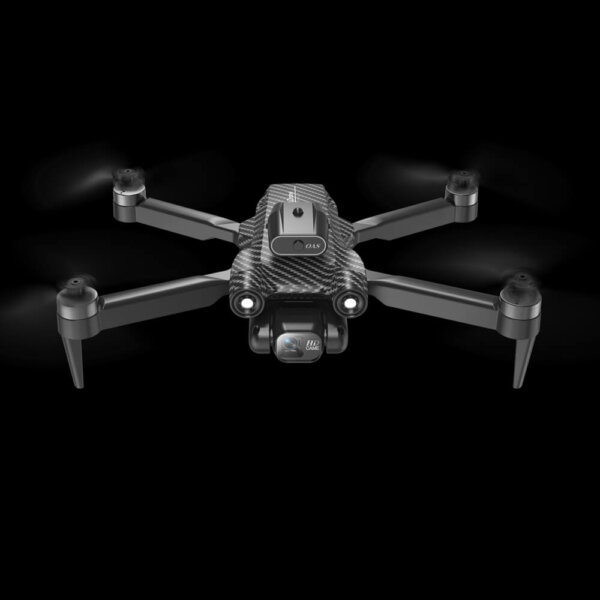
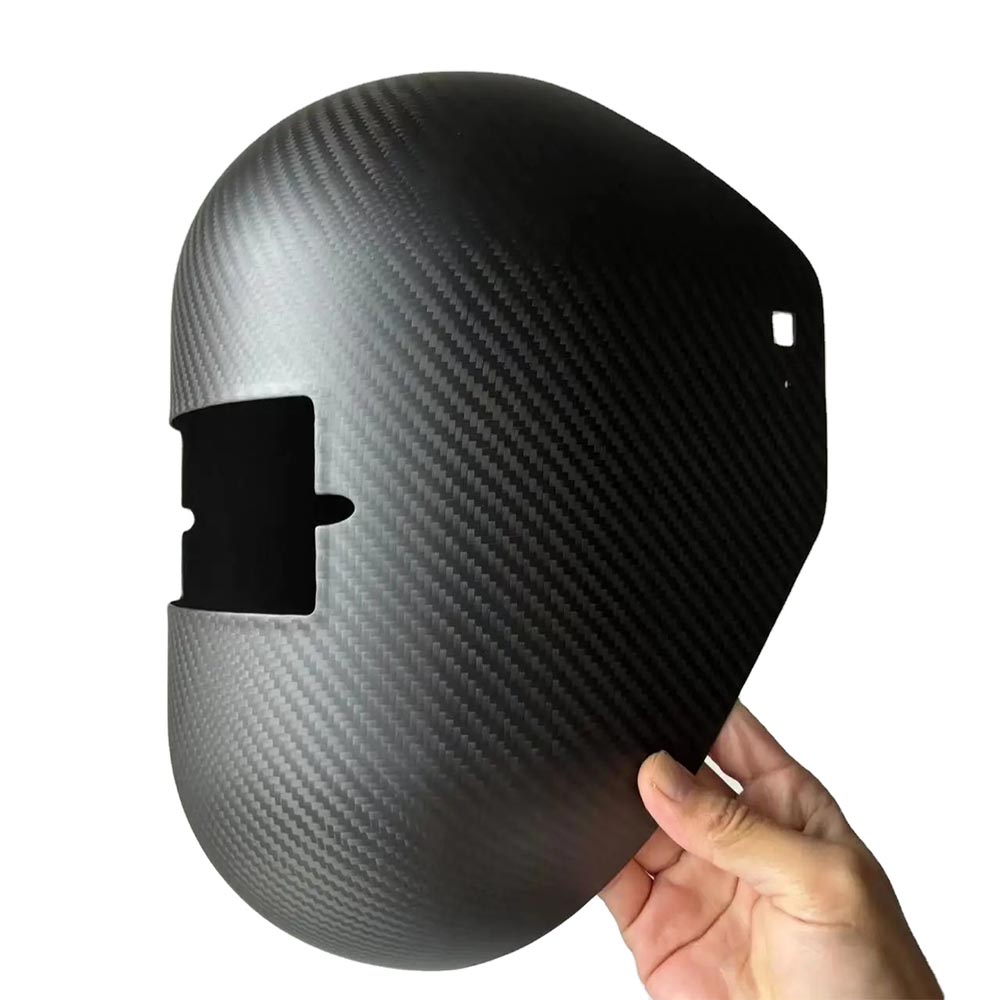
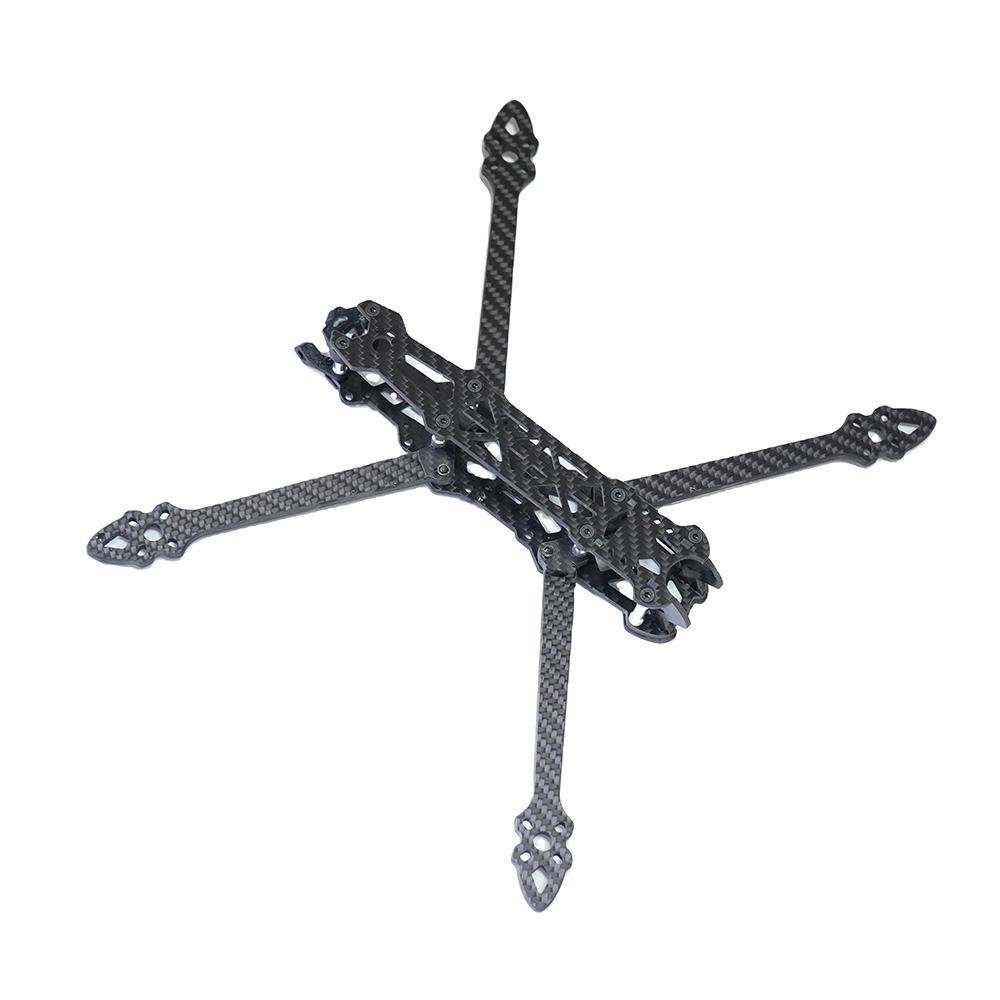
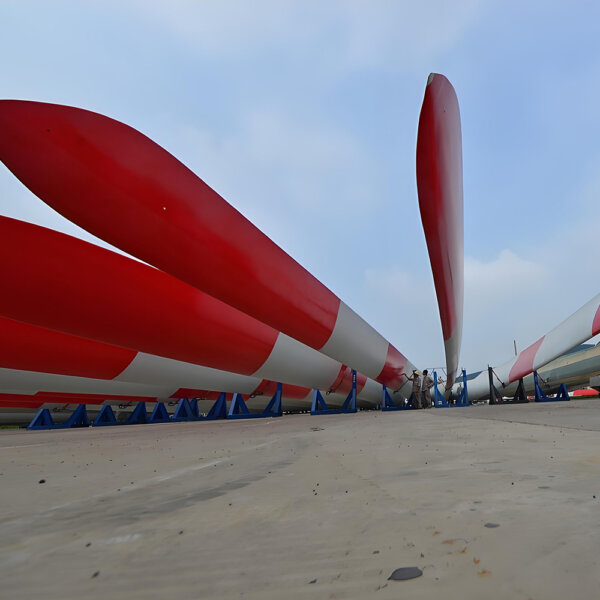
Custom components for machinery, automation, robotics, instruments and UAVs, including panels, brackets, beams, covers, housings, tubes, drone frames and lightweight assemblies. For functional parts, provide the mating geometry, loads, tolerances and operating environment.
Explore Industrial Carbon Fiber Parts
Sports & Outdoor Gear
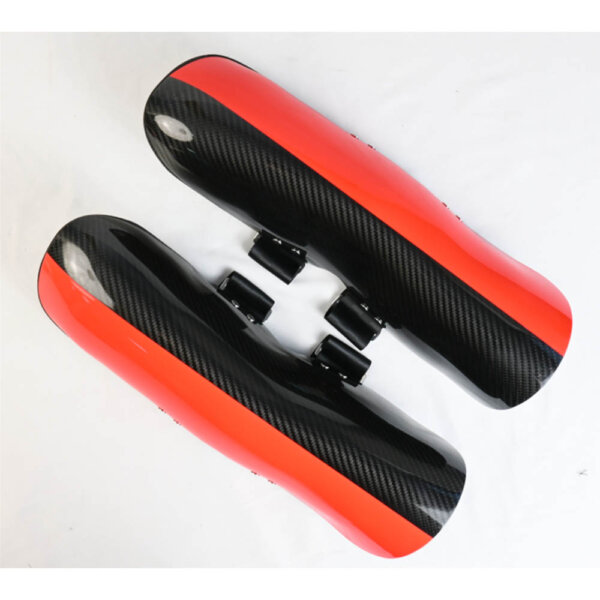
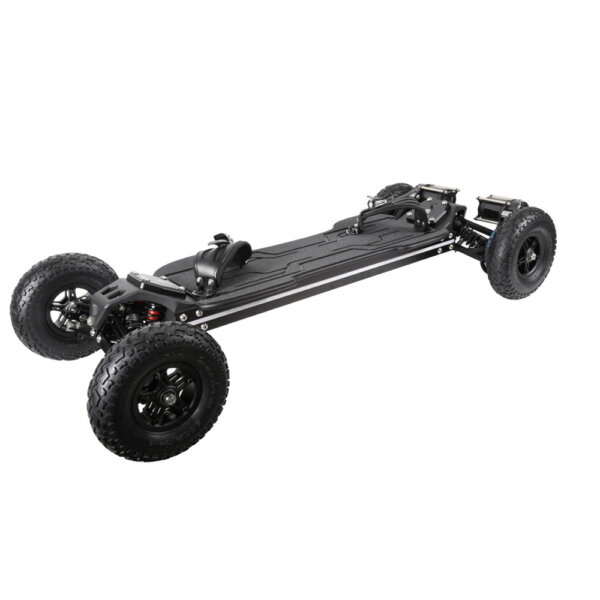
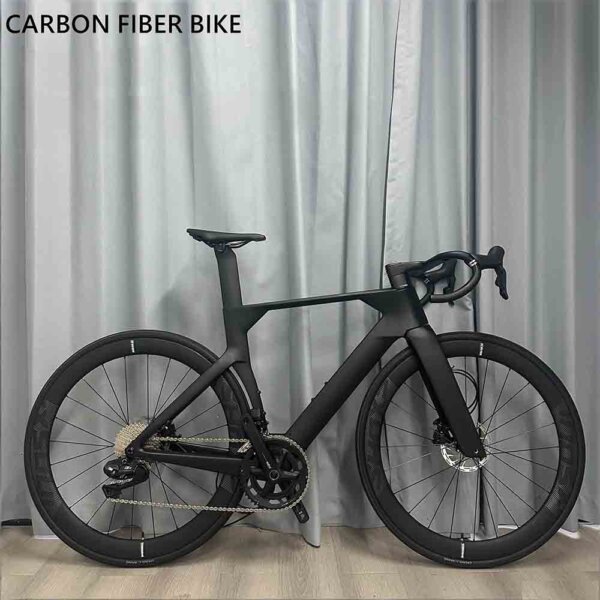
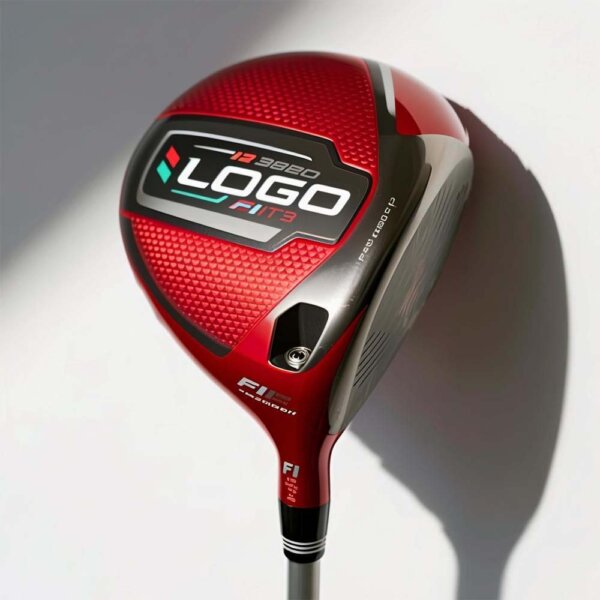
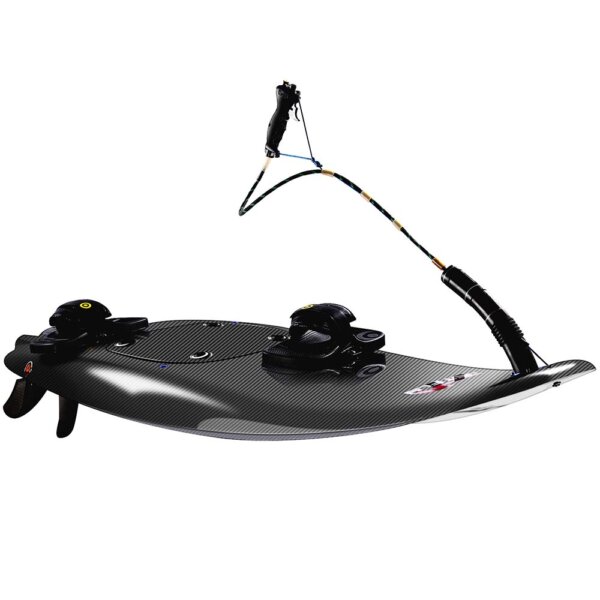
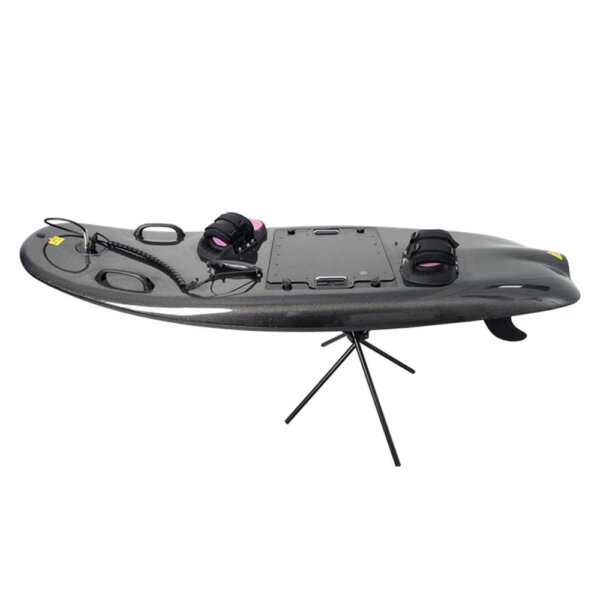
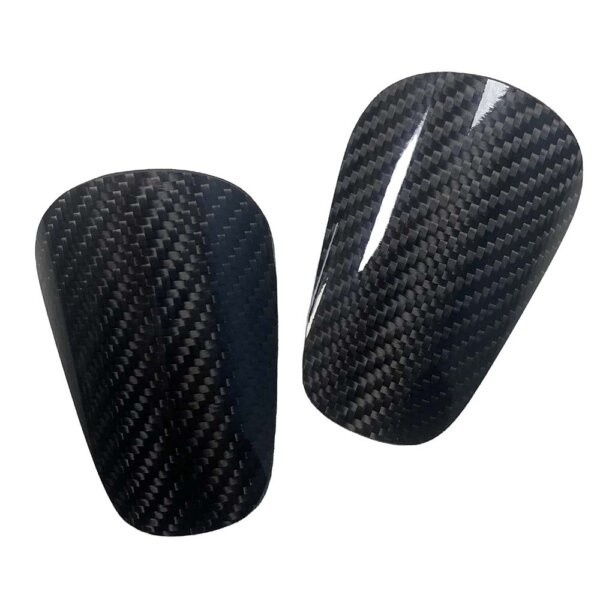
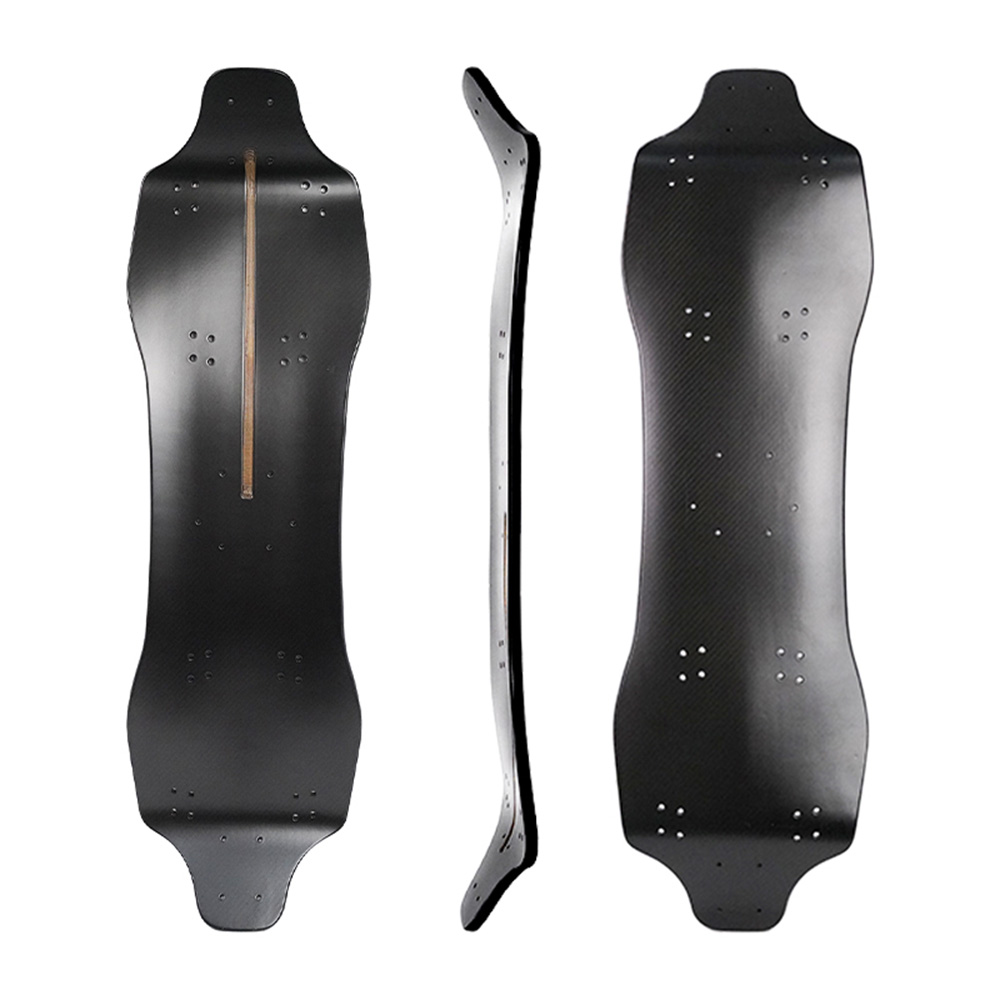
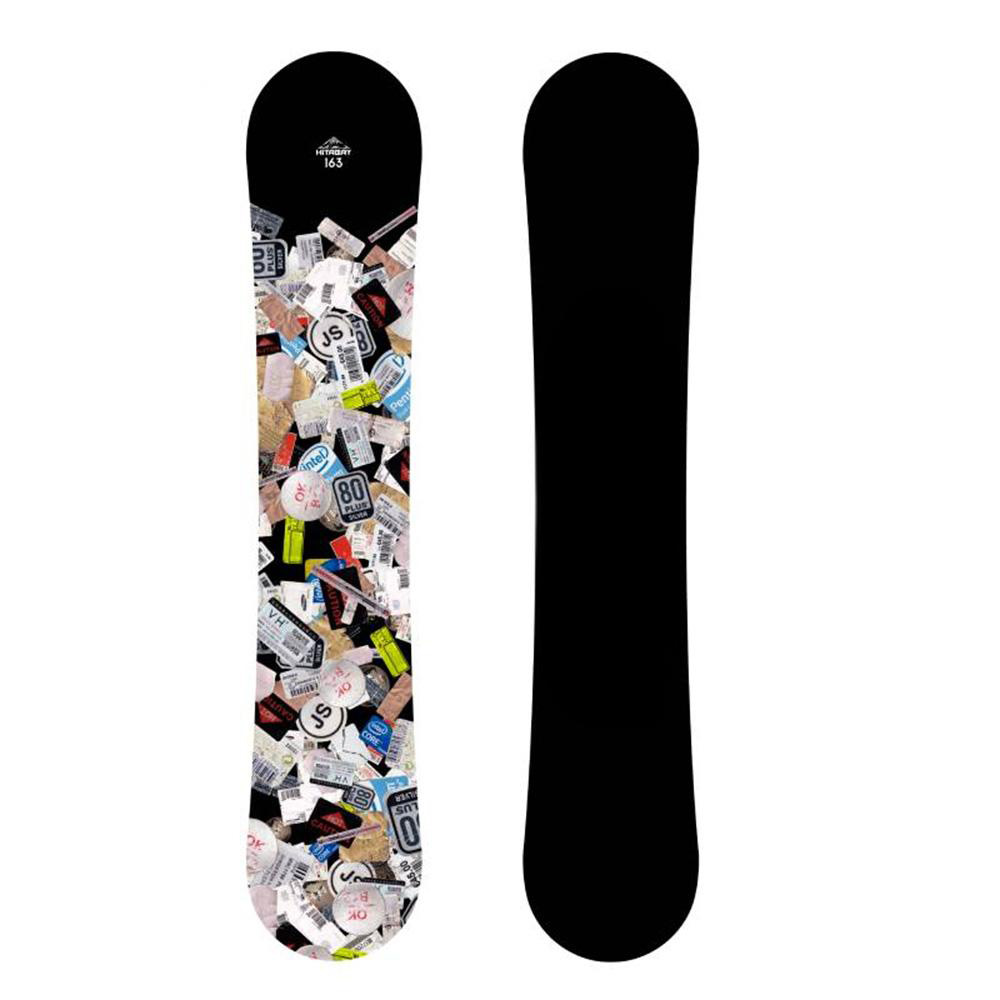
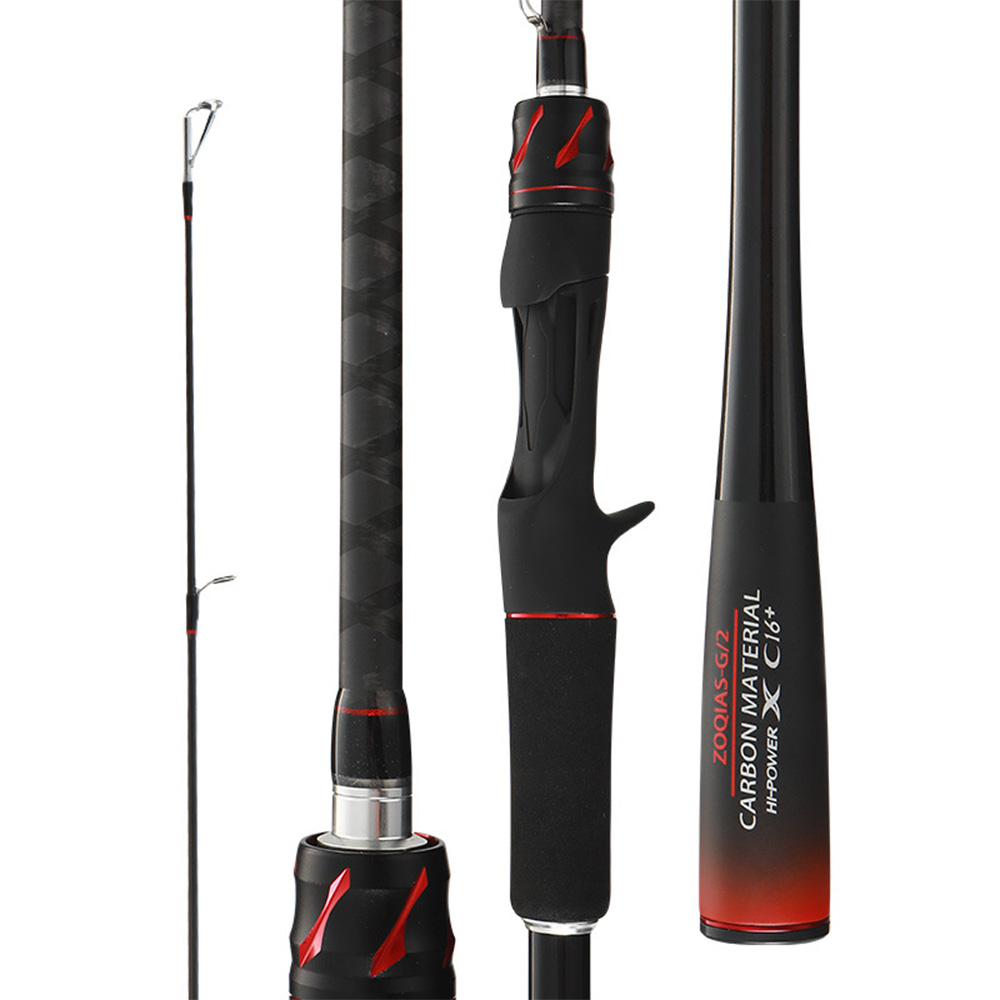
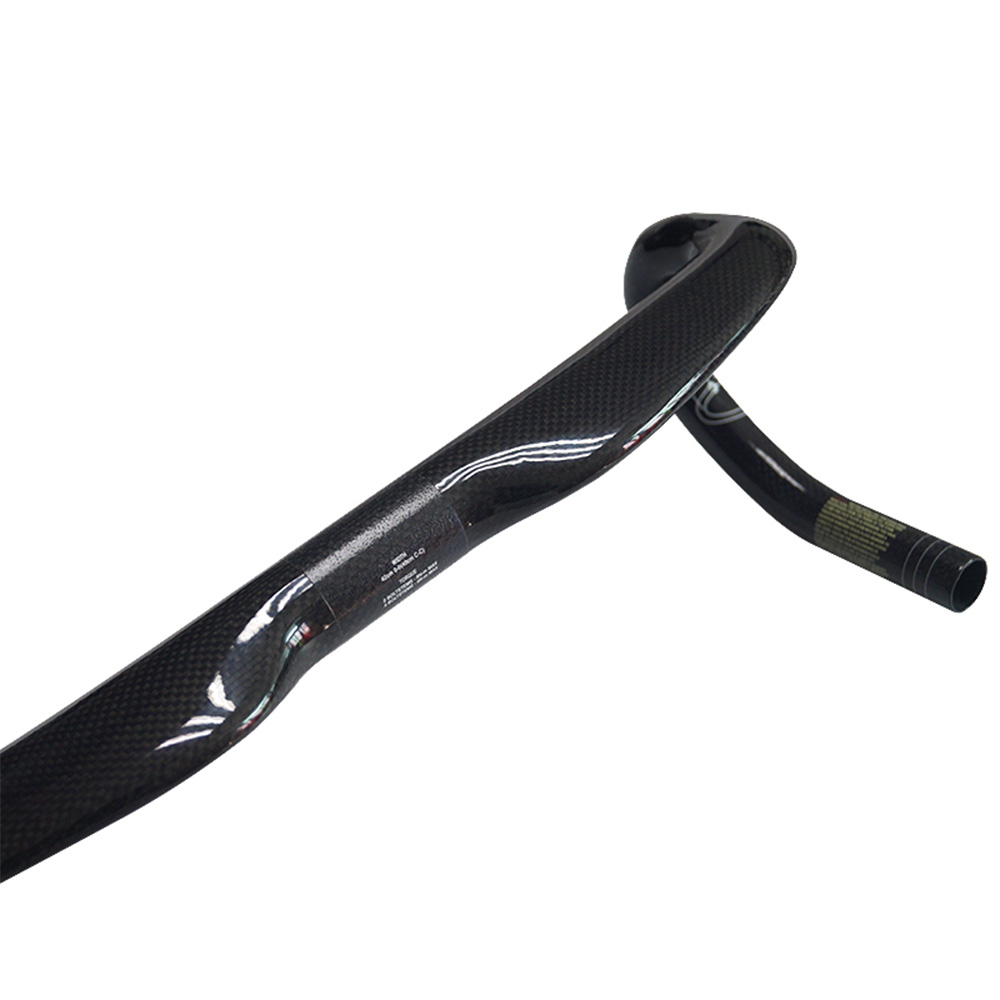
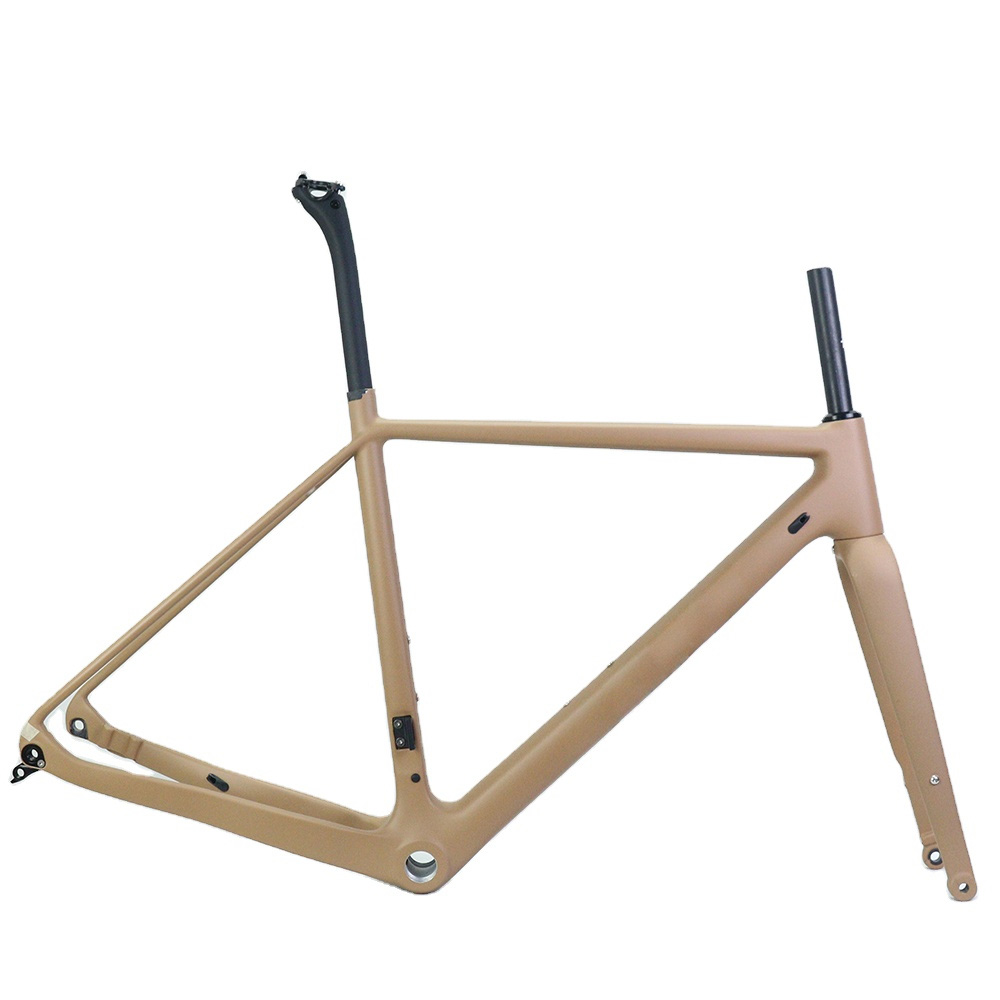
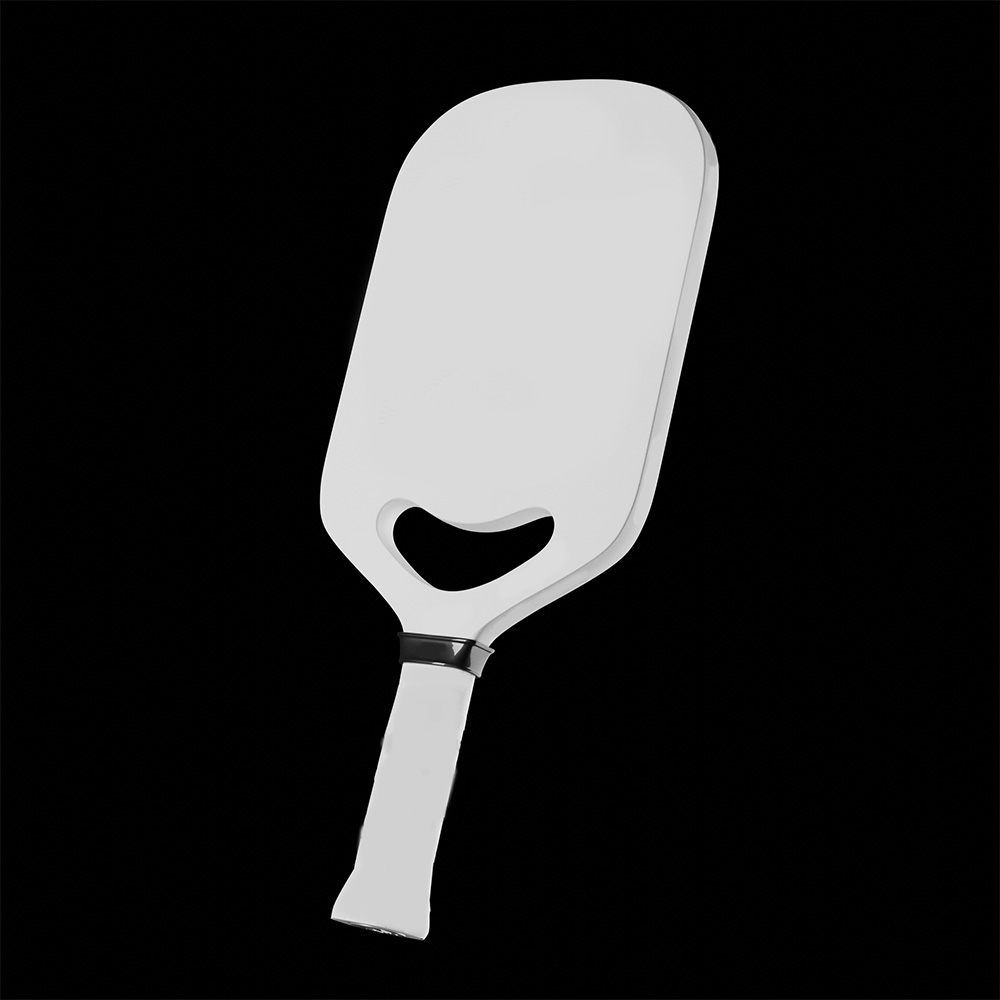
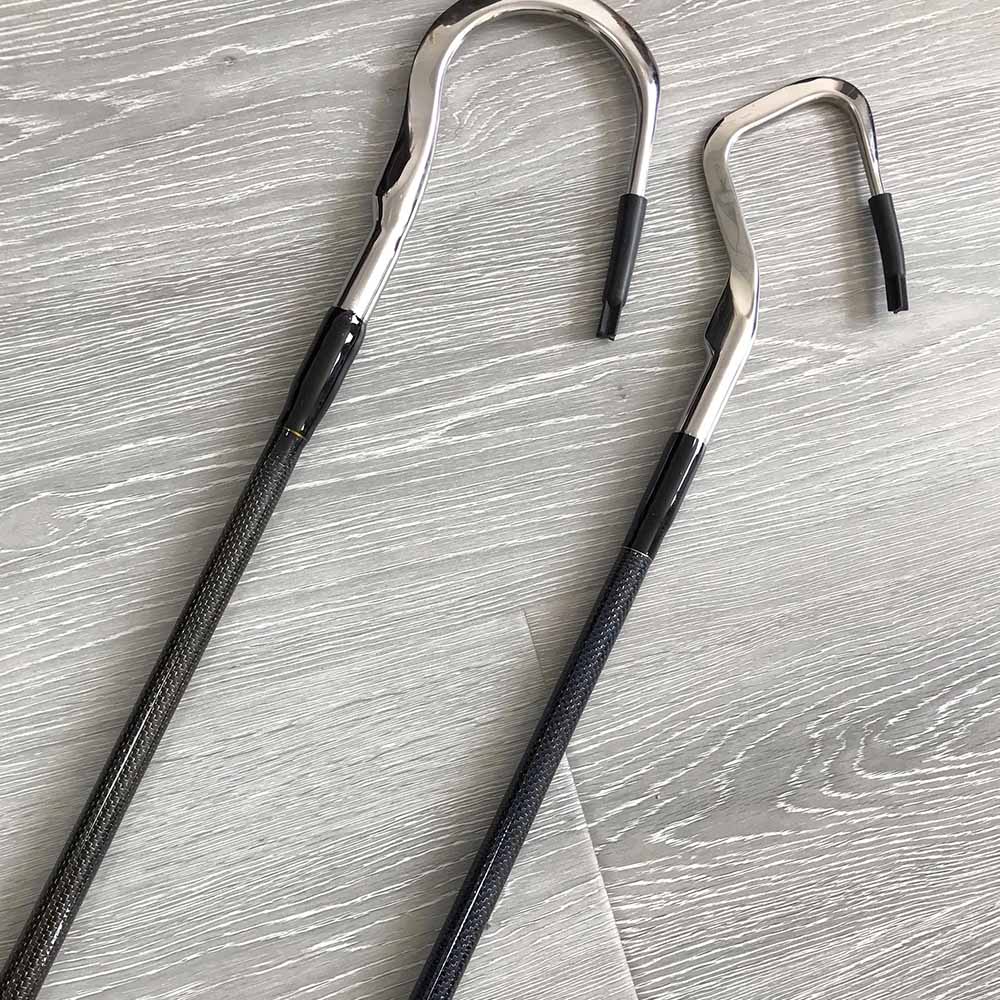
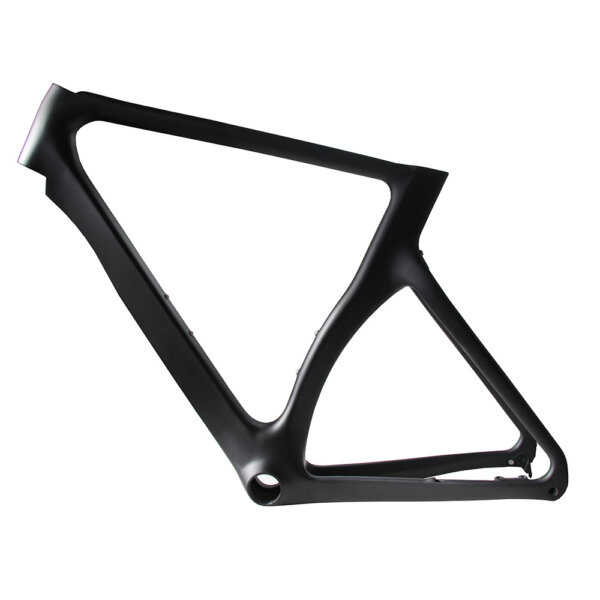
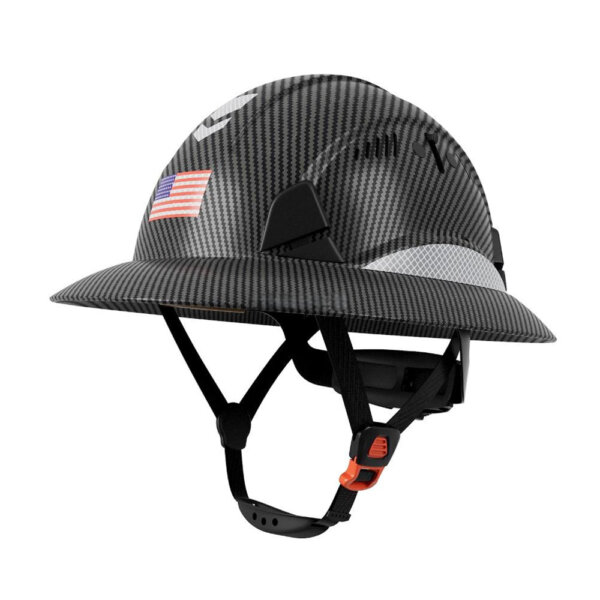
Carbon fiber components for sporting and outdoor products, such as fishing rods, ski poles, paddles, protective shells, bicycle components and board structures, where low weight, stiffness, impact resistance, water exposure and cosmetic finish often need to be balanced.
Explore Sports & Outdoor Gear
OEM/ODM Custom Carbon Fiber Manufacturing
We manufacture custom carbon fiber parts for customers who need more than standard off-the-shelf products. We support:
- Prototypes, small batches and OEM/ODM repeat production
- Private label carbon fiber products
- Custom mold development
- Functional and cosmetic CFRP components
Custom Carbon Fiber Parts We Manufacture
Tubes, Rods and Profiles
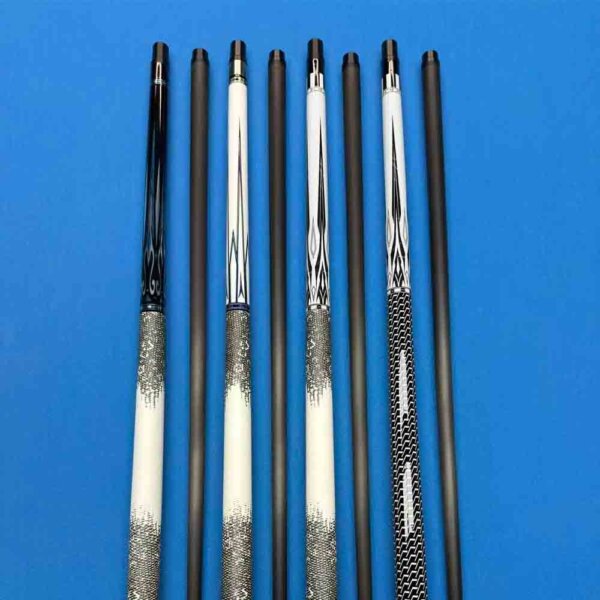
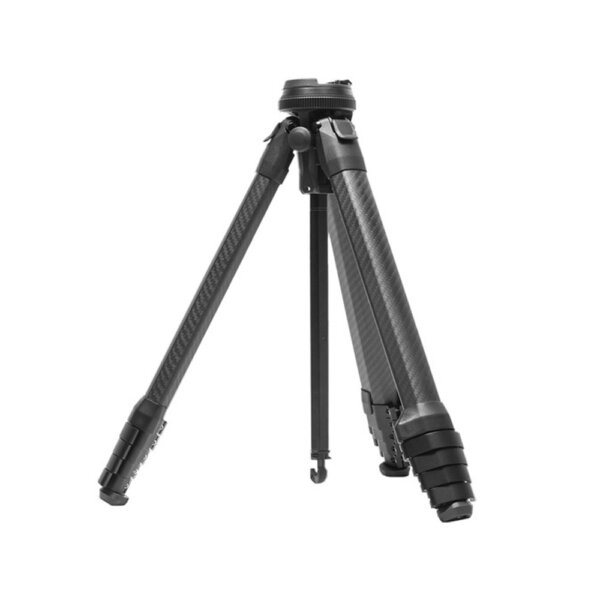
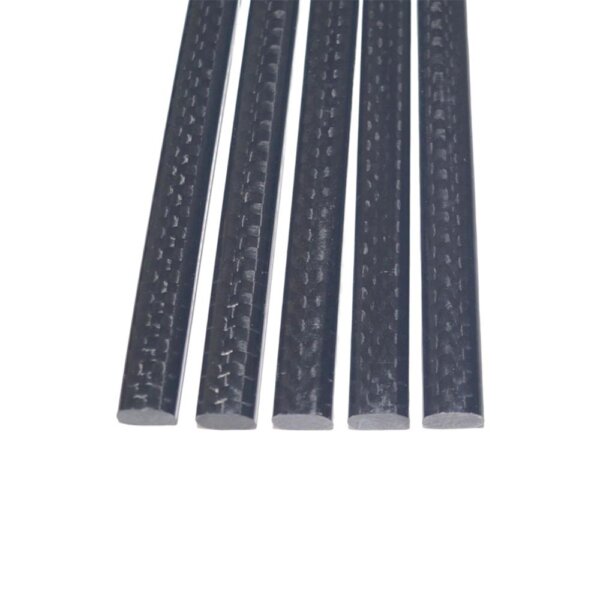
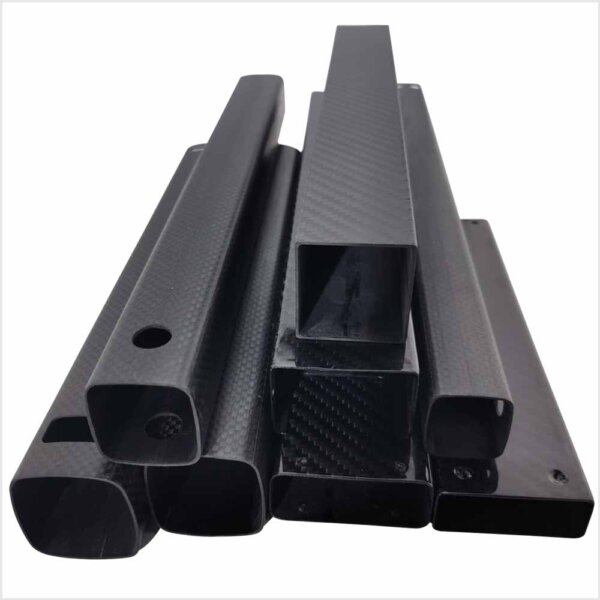
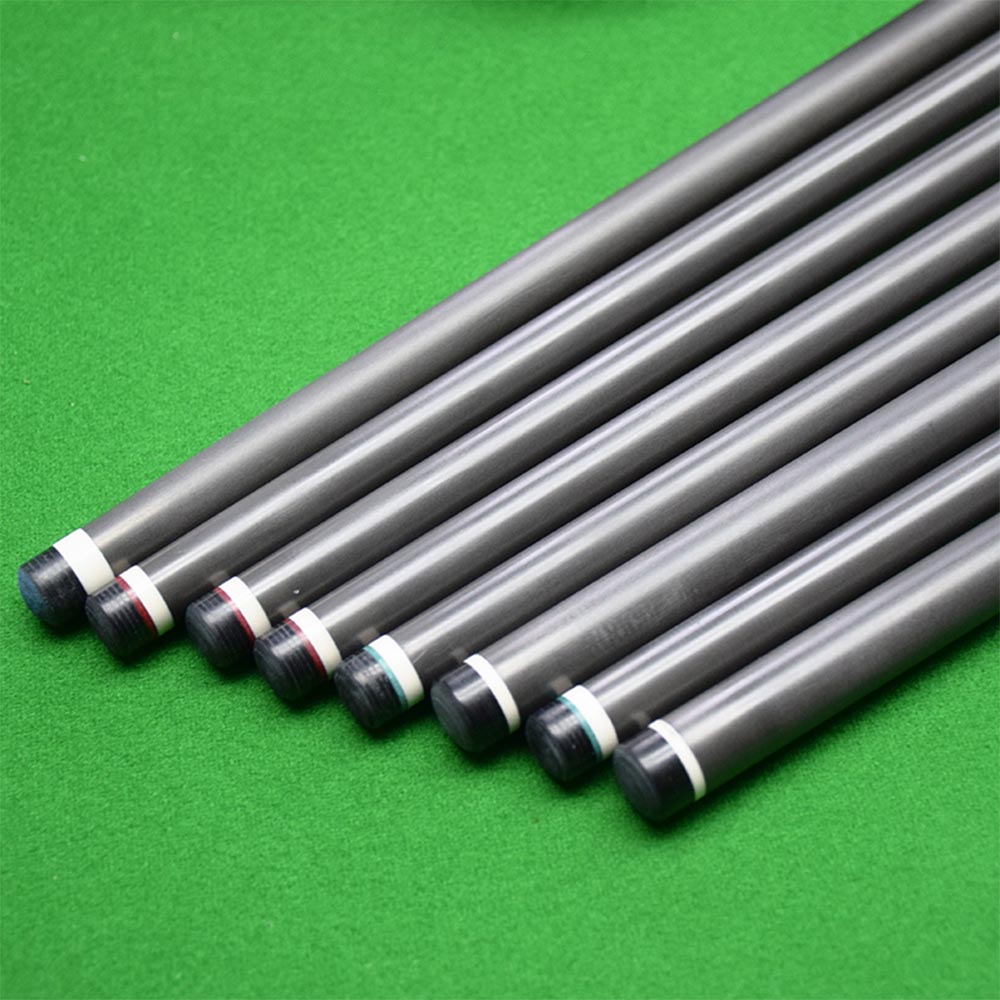
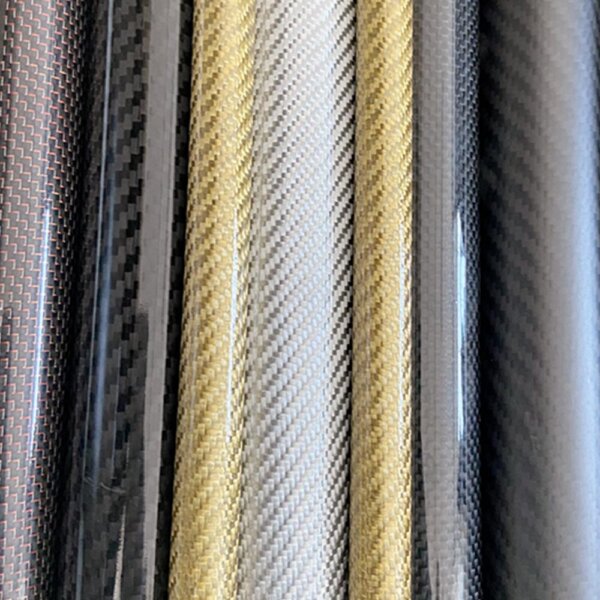
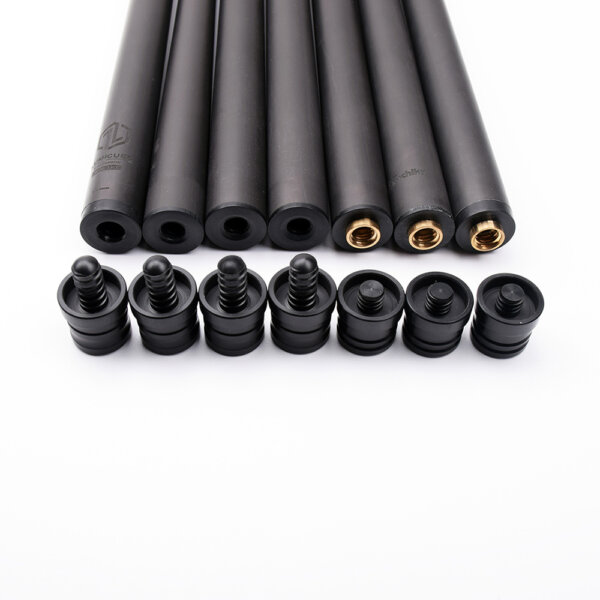
Diameter, wall thickness, length, reinforcement direction, finish and end connections are reviewed according to the application. Roll-wrapped, pultruded and filament-wound constructions are supported. Tell us whether the part is a shaft, handle, support or structural member, and identify any machined holes, slots or bonded connections.
Browse Carbon Fiber Tubes
Panels, Sheets and CNC-Cut Parts
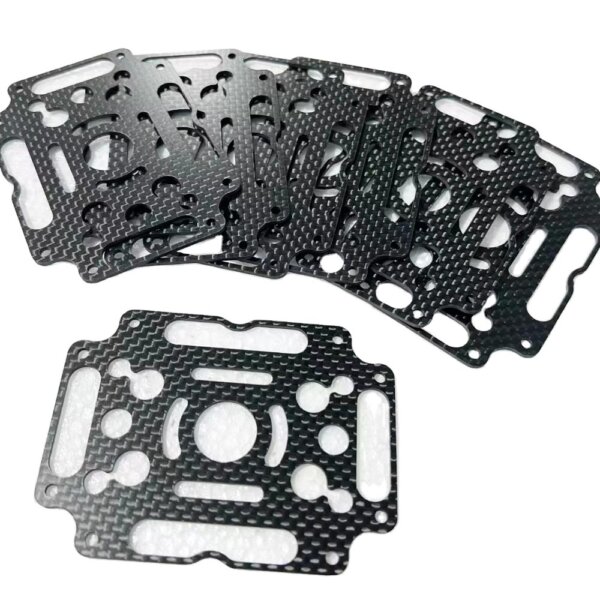
Flat plates, equipment panels, mounting brackets and drone frames can often be machined from carbon fiber laminate without a dedicated molding tool, which usually avoids mold cost for low quantities, though cutting fixtures and machining setup may still be needed. Sandwich panels with honeycomb or foam core can be reviewed where bending stiffness and low weight are priorities.
Browse Carbon Fiber Plates
Covers, Housings and Molded Components
Molded shells can include mounting inserts, bonded brackets, drilled holes and finished edges. Identify which surfaces are visible and which are hidden or used for bonding, as they need different finishing and inspection.
Automotive and Motorcycle Parts
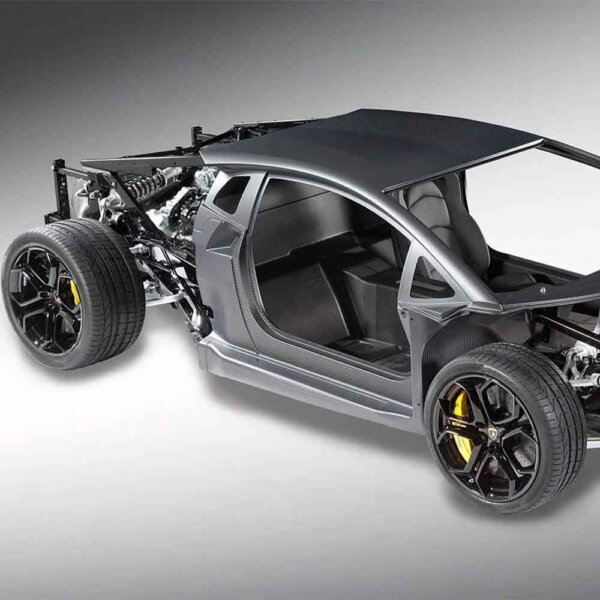
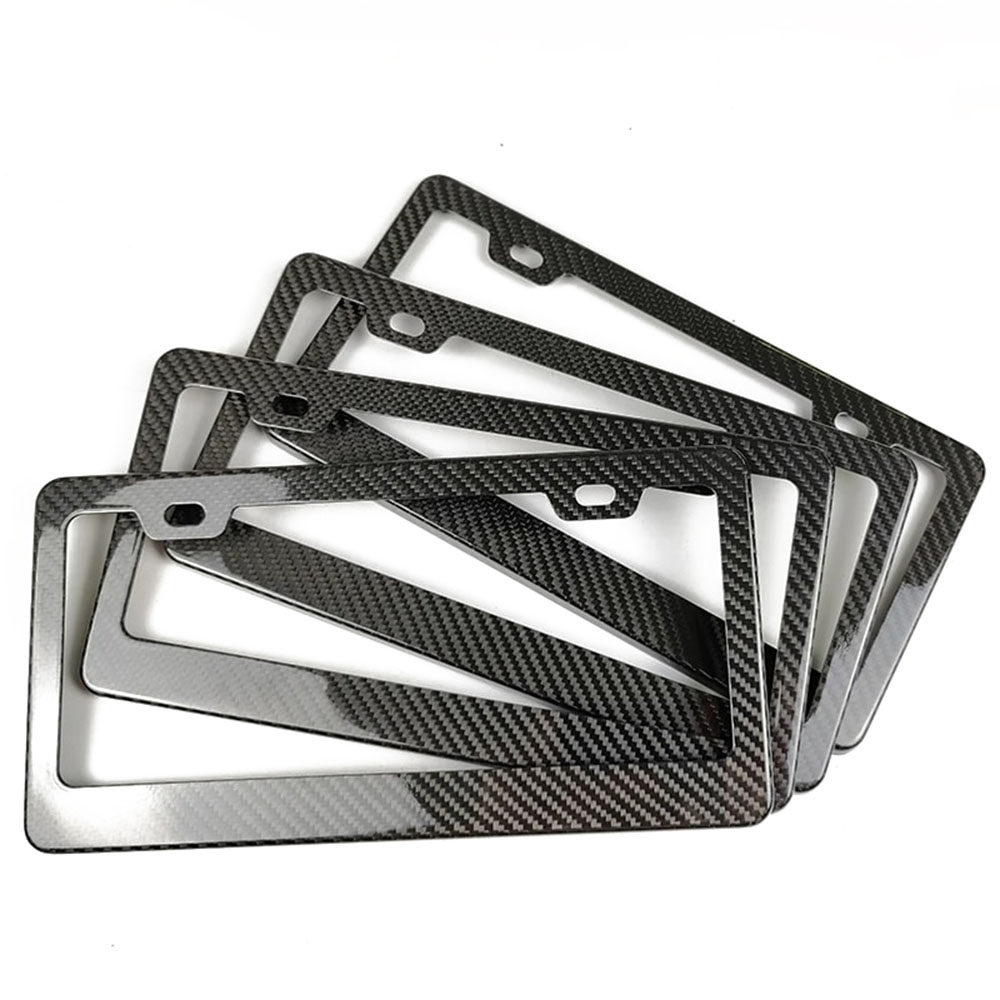
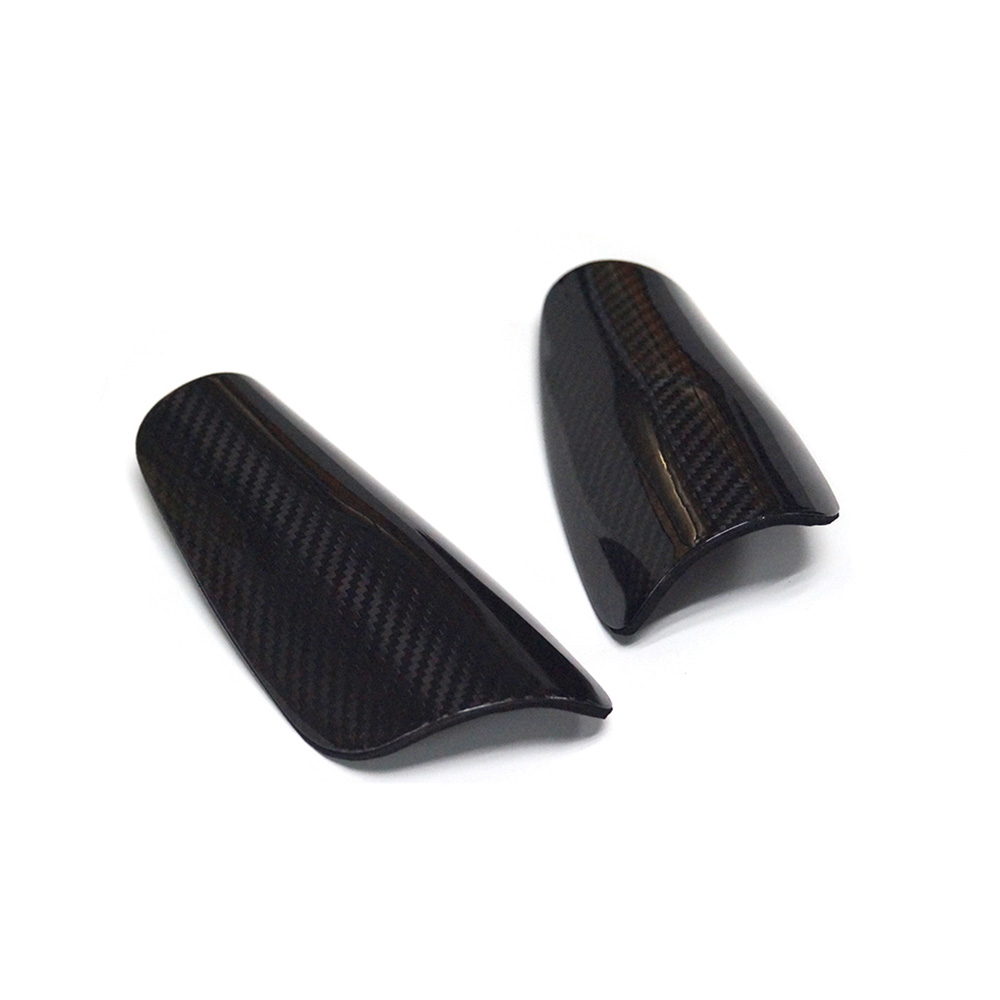
Body panels, hoods, spoilers, diffusers, trim, covers, ducts, fairings, tank covers and race bodywork, developed from production data, 3D scans or reference parts. Fitment, mounting points, trim positions and visible weave direction are defined before production.
Browse our carbon fiber car parts and carbon fiber motorcycle parts.
Bonded Assemblies
Some products need several molded or machined components joined into one assembly. We review bonding interfaces, inserts, mating parts and assembly sequence together with the laminate and tooling.
Materials We Work With
A custom carbon fiber part is more than its outside shape. Materials and construction can be customized:
- Reinforcement: 3K twill or plain weave, unidirectional carbon, forged carbon, carbon/Kevlar or carbon/glass hybrids
- Fiber grade: T300-, T700- and T800-class carbon fiber, including Toray grades where specified; higher-modulus grades can be reviewed for specific projects
- Resin: standard and toughened epoxy; alternative systems reviewed for temperature, dielectric or impact requirements
- Laminate: thickness, fiber direction and local reinforcement around holes and mounting points
- Core: PMI foam, honeycomb or other sandwich constructions where suitable
- Hardware: aluminum inserts, threaded mounts, bushings and bonded brackets
- Finish: gloss, matte or satin clear coat, raw carbon, painted or partially painted
- Secondary operations: CNC trimming, drilling, bonding and assembly
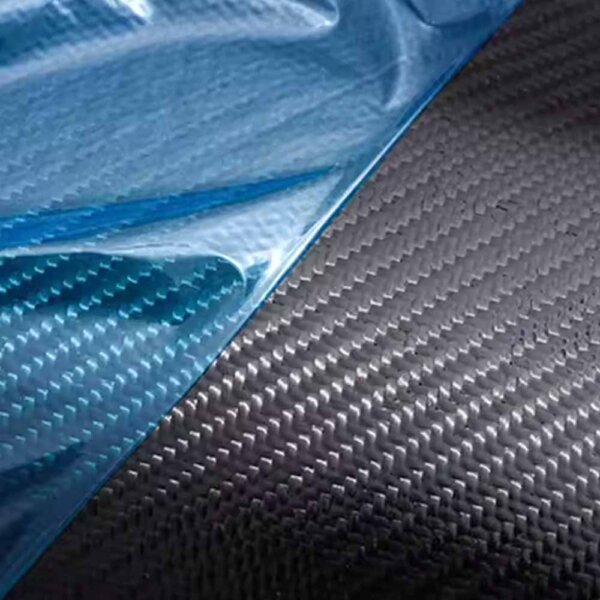
Plain weave and 2×2 twill give different appearances and drape differently over curves; UD reinforcement is added to follow specified load directions. Appearance, reinforcement and resin are reviewed together, and a higher fiber grade is not automatically the best choice if the main requirement is fit, finish or cost.
Cosmetic and Structural Carbon Fiber Parts
A part may be cosmetic, structural or both. The answer changes the laminate, the process, the inspection and the price.
| | Cosmetic parts | Structural parts |
|---|
| Main priorities | Weave appearance, finish, edges and fit | Loads, stiffness, weight and connections |
| What we specify | Visible surfaces and agreed cosmetic acceptance criteria | Laminate, fiber direction, thickness, reinforcement, core and joints |
| What we inspect | Surface finish, weave alignment, clear coat, trimming, fit | Thickness, laminate structure, reinforcement, inserts, hole positions |
| Typical examples | Trim, decorative covers, mirror caps | Brackets, arms, frames, structural panels |
Specifying a 3K weave alone does not define a structural part. Its performance depends on the reinforcement throughout the part, the resin, fiber orientation, geometry and manufacturing quality. Provide structural requirements or an approved laminate specification where available, and discuss any required testing before tooling begins.
Manufacturing Processes
No single process is best for every carbon fiber part. The table below is a starting point; we confirm the route after reviewing your part, and tell you when a different route may become more economical as your volume grows.
| Process | Suitable for | Tooling | Typical quantity |
|---|
| CNC machining from carbon fiber sheet | Flat panels, brackets, mounting plates, drone frames | Usually no mold; fixtures may be needed | 1 and up |
| Prepreg molding (autoclave or oven cure) | Molded parts needing controlled laminates and premium visible surfaces | Heat-resistant tooling matched to the cure cycle | Prototype to medium volume |
| Vacuum infusion / VARTM | Large panels, covers, marine and industrial parts | Molds designed for resin flow and vacuum sealing | Low to medium volume |
| Wet layup | Selected prototypes, shells and cost-sensitive parts | Low-cost molds | Low volume |
| Bladder molding | Hollow handles, frames and tubular parts | Split tooling with internal bladder | Low to medium volume |
| Filament winding | Tubes and cylindrical parts | Mandrels | Medium to high volume |
| Resin transfer molding (RTM) | Complex closed shapes needing good finish on both sides | Matched molds | Medium volume |
| Compression molding (incl. forged carbon) | Two-sided parts with short cycle times | Matched metal molds | Medium to high volume |
We review trimming, drilling, inserts, bonding and finishing at the same time. A molded shell may need several further operations before it is ready to install.
The most expensive mold is not always the most economical choice. Tooling is matched to the process and your expected production program.
| Mold type | Common use | Selection considerations |
|---|
| Epoxy / composite | Prototypes and low-volume runs | Cure temperature, dimensional needs, service life |
| Aluminum | Repeat production and matched-tool applications | Geometry, thermal behavior, tooling cost |
| Steel | High-volume compression molding | Pressure, durability, cycle count |
Mold ownership, storage and maintenance terms are stated in writing in the quotation before tooling begins. Tell us your expected repeat orders so the first tool can be chosen with future production in mind.
Pricing and Lead Time
There is no meaningful price per kilogram for a finished custom part. The main cost factors are:
- Part size, shape, undercuts and access for layup or demolding
- Tool design and manufacturing process
- Fiber, resin, core and laminate thickness
- Critical dimensions and tolerances
- Surface preparation and finishing
- Trimming, drilling, inserts, bonding and assembly
- Prototype quantity and expected production volume
- Inspection, packaging and delivery requirements
Tooling is often the largest single cost, and its share per part falls as quantity rises. For illustration only, a $15,000 mold adds $1,500 to each part in a run of 10, but only $15 per part across 1,000. CNC-cut flat parts usually avoid molding costs, though fixtures, machining and setup still apply.
We can quote prototype and production quantities separately, so you can compare the initial investment with recurring unit costs.
Lead time depends on geometry, process, tooling, quantity and approval stages, and is confirmed in your quotation. As a general guide, in-stock standard items may ship in 5–10 business days, prototypes often take 2–4 weeks, and custom production batches 3–6 weeks. Tool changes or sample revisions may affect later dates.
From Prototype to Repeat Production
A good-looking prototype does not automatically mean a part is ready for production. Before a batch is released, we confirm on the approved sample:
- Critical dimensions and assembly fit
- Trim lines, hole positions and edges
- Thickness and weight targets
- Insert locations and bonded interfaces
- Visible weave direction and surface finish
- Any required functional checks
The approved sample, drawing revision and agreed specifications become the production reference. Changes after approval are confirmed in writing, with their effect on tooling, cost and schedule. As quantities grow, additional molds, production fixtures or a different molding process may become worthwhile.
Surface Finish Options, Inserts and Assembly
Finish options include gloss, matte or satin clear coat, raw carbon, and solid or metallic paint. Weave and finish are separate choices: a 3K twill surface, for example, can be finished in gloss, matte or satin. Exterior parts should use a UV-resistant clear coat.
For cosmetic parts, we agree acceptance criteria before production covering weave alignment, pinholes, coating appearance, edges and viewing conditions. Surfaces are typically separated into:
- Visible surfaces: full cosmetic finish, inspected against the agreed criteria
- Semi-visible surfaces: finished and inspected to the acceptance level agreed for those areas
- Hidden or bonding surfaces: functional preparation only, such as sanding or peel ply
Marking these areas on the drawing or reference photos avoids paying for finishing nobody will see.
Insert and bracket positions are best defined during laminate and tooling review, so reinforcement can be added where loads are concentrated and contact between carbon and dissimilar metals can be planned.
Quality Control
Inspection scope is agreed before production according to the part and project. Standard checks cover surface and weave appearance, thickness and weight, trimming and drilling accuracy, bonding areas and insert positions, clear coat quality, and pre-shipment photos with packing review.
Depending on the project, documentation can include dimensional records, material information, production photos or cure records. Specify the documents you need at the quotation stage so their scope and cost can be confirmed.
Intellectual Property and Confidentiality
We sign mutual NDAs before receiving confidential files. Project information is handled only by personnel and approved production partners involved in the project, under the agreed confidentiality terms, and your designs are not used for other customers’ products.
What We Need for Quotation
The fastest way to an accurate quote is a STEP/STP file plus a 2D drawing. Send as much of the following as you have:
- 3D CAD: STEP or STP preferred; IGES accepted
- 2D drawing: PDF, DWG or DXF, with critical dimensions and tolerances
- Quantity: samples, batch quantity and expected annual volume
- Application: function and installation location
- Performance: loads, stiffness, impact or other targets where relevant
- Thickness or weight: target values or an approved laminate specification
- Environment: temperature, water, UV, chemicals and vibration
- Interfaces: mounting holes, inserts, bonded areas and mating parts
- Appearance: visible surfaces, weave and finish
- Reference material: sample, photos or existing component
A cosmetic cover needs far less of this than a robotic arm. If you have only a sample, sketch or photos, send them for an initial feasibility review and we will tell you what further information is needed for a firm quotation.
Custom Carbon Fiber Project Development Process
- Requirement review: CAD, drawings, samples, quantity and application
- Manufacturing proposal: materials, process, tooling and quotation, with mold ownership terms
- Tooling preparation: molds, machining programs and any required fixtures
- First samples: molding or machining, then trimming, bonding and finishing as needed
- Sample review: dimensions, fit, appearance and agreed functional checks
- Adjustment and approval: revisions made and the production reference confirmed
- Repeat production: manufacture and inspection against the agreed requirements
- Packing and shipping
For automotive and motorcycle parts, fitment is the priority. For industrial and structural parts, bonding areas, load direction, inserts, wall thickness and tolerances are confirmed before production starts.
Shipping From China
Delivery can be by express, air or sea freight, with EXW, FOB or DDP terms depending on destination, shipment size and customs requirements. Packaging is chosen to protect surfaces, edges and assemblies in transit.
Applications for Custom Carbon Fiber Parts
Our custom carbon fiber parts are used in automotive and motorsport (car parts), motorcycles (motorcycle parts), industrial automation and robotics, drones and UAVs, sports and outdoor equipment, and consumer and lifestyle products. Each application places different emphasis on these requirements: fitment and appearance for vehicle parts, stiffness and dimensional stability for industrial equipment, impact and water resistance for outdoor gear, and surface feel for consumer products.
Why Choose Carbon Fiber?
Carbon fiber is chosen when a part needs low weight, high stiffness, corrosion resistance and premium appearance together. It allows reinforcement to follow load paths and offers good fatigue performance in properly designed laminates. Actual performance depends on fiber grade, resin, layup, thickness, cure and bonding design.
When carbon fiber isn’t the right choice: if a part is highly cost-driven, gains little from lower weight or higher stiffness, or can meet its requirements more economically with aluminum or glass fiber, we will tell you during the review, before you invest in tooling.
FAQ
Can you manufacture custom carbon fiber parts from 3D files?
Yes. STEP/STP files are preferred for geometry review. A 2D drawing should identify critical dimensions, tolerances and other requirements not visible in the model.
Can you make carbon fiber parts from physical samples?
Yes. We review the component for reproduction or modification and confirm the measurements, tooling approach and feasibility after checking its critical interfaces.
What is the minimum order quantity?
There is no fixed minimum. CNC parts can be made as single pieces, and molded parts can start from one prototype, with tooling quoted separately.
Do you support prototype production?
Yes. We support single prototypes, small batches and repeat OEM/ODM manufacturing. Prototypes verify fitment, appearance and manufacturability before production.
What carbon fiber processes do you support?
Prepreg molding with autoclave or oven cure, vacuum infusion, wet layup, bladder molding, filament winding, RTM, forged carbon compression molding, CNC trimming, bonding, insert installation and surface finishing.
What is the difference between dry carbon and wet carbon?
“Dry carbon” is a market term commonly used for prepreg parts, typically cured under controlled heat and vacuum and, where required, autoclave pressure. “Wet carbon” generally refers to liquid-resin processes such as wet layup or infusion. Specify the actual process and laminate requirements rather than relying on the labels alone.
What surface finishes are available?
Gloss, matte or satin clear coat, raw carbon, solid or metallic paint, forged carbon appearance and 3K twill appearance.
Can you manufacture both cosmetic and structural carbon fiber parts?
Yes. For structural parts, we review load direction, laminate design, thickness, bonding areas and inserts before quoting and before production begins.
Who owns the mold?
Mold ownership, storage and maintenance terms are stated in writing in the quotation before tooling begins.
Do you support OEM and private label products?
Yes. We manufacture from your files or reference components, including branding, finish, assembly and packaging requirements. Design responsibilities and production scope are confirmed before the project starts.
Do you sign NDAs?
Yes. We sign mutual NDAs before reviewing proprietary drawings or specifications.
STEP/STP files, drawings, photos, samples, dimensions, application details, surface finish requirements and estimated quantity. The more technical information provided, the more accurate the quotation.
What is the typical lead time?
It depends on geometry, process, tooling and quantity, and is confirmed with your quotation. As a general guide, prototypes often take 2–4 weeks and custom production batches 3–6 weeks.
Get a Custom Carbon Fiber Quote
Send your CAD files, drawings or sample details with the quantity, application and surface requirements. We aim to reply within one business day with a preliminary assessment or quotation guidance, and recommend a practical manufacturing and tooling route.
Contact Us for a Custom Carbon Fiber Quote · Learn More About Our Factory